
Understanding Digital Poster Printing
Digital poster printing has revolutionized the way businesses and individuals produce visual content for marketing, informational, and decorative purposes. Unlike traditional printing methods that rely on analog processes, digital poster printing involves directly transferring digital images onto various materials through sophisticated printing technologies. This process offers remarkable efficiency, precision, and flexibility, enabling users to produce high-quality posters with intricate designs and vibrant colors in a shorter timeframe.
The advantages of digital poster printing over conventional methods are numerous. Firstly, it supports short-run printing, allowing for cost-effective small batches without compromising quality. This flexibility benefits marketing campaigns that require rapid deployment or frequent updates. Secondly, digital printing offers exceptional detail and color accuracy, maintaining the fidelity of complex images and gradients. Additionally, the digital process reduces waste since there is minimal setup material compared to traditional printing plates.
In the realm of visual marketing, digital posters play a critical role in capturing attention and delivering messages with clarity. Whether used for event promotion, product launches, or in-store displays, they provide an impactful way to communicate. The ability to print customized designs quickly makes digital poster printing an indispensable tool for modern marketing strategies.
- Fast turnaround times for urgent projects
- High-resolution output with vibrant colors
- Cost-effective for short to medium runs
- Flexible customization options
- Wide range of material choices
Beyond marketing, digital poster printing supports various sectors, including education, entertainment, and public information. Its ability to produce large-format visuals with exceptional clarity enables organizations to communicate effectively across multiple environments. The technology continues to evolve, integrating eco-friendly inks and sustainable materials, aligning with the growing demand for environmentally conscious printing practices.
Understanding Digital Poster Printing
Digital poster printing is a modern method that leverages digital technology to produce high-quality, large-format visuals tailored for diverse applications. Unlike traditional printing techniques that demand extensive setups like printing plates and screen preparations, digital printing employs advanced inkjet or laser-based systems, allowing for quick turnaround and cost-effective short to medium print runs. This approach is especially suitable for businesses and organizations seeking flexibility, speed, and detail in their visual communications.

One of the significant advantages of digital poster printing is its ability to produce images with exceptional resolution and color accuracy. The technology supports the use of high-quality inks that deliver vibrant hues and subtle gradients, ensuring the final output captures the intended message and aesthetic appeal. Additionally, the flexibility of digital printing allows for rapid customization, making it possible to update or modify posters without incurring significant additional costs or delays.
The Digital Printer’s Capabilities
- High-resolution output supporting intricate designs and fine details
- Vibrant color reproduction suitable for eye-catching advertisements
- Ability to print on a variety of materials, including vinyl, fabric, and rigid substrates
- Fast production times that cater to urgent marketing campaigns and events
- Cost efficiency for variable and personalized printing needs
Many printing service providers incorporate eco-friendly inks and sustainable materials to align with environmentally conscious practices, ensuring that digital poster printing not only meets aesthetic standards but also adheres to responsible production standards. The use of water-based, soy-based, or soy-based inks minimizes environmental impact while maintaining high quality, broadening the range of applications for sustainable posters.
Material Selection and Finishes
The choice of materials in digital poster printing plays a vital role in the durability and visual impact of the final product. Common substrates include:
- Vinyl sheets for weather-resistant outdoor signage
- Foam boards for lightweight, stand-alone displays
- Canvas or fabric for artistic and textured effects
- Rigid plastics for long-term installations
Finishing options such as lamination or matte/gloss coatings enhance durability and presentation. Lamination provides protection against moisture, scratches, and UV rays, prolonging the lifespan of outdoor posters. Matte finishes reduce glare for readability in brightly lit environments, while gloss coatings amplify color vibrancy.

The ability to print in various sizes from small point-of-sale posters to large-format banners makes digital poster printing highly versatile. Customization options include different dimensions, fold lines, eyelets, and mounting options, facilitating seamless integration into various displays and marketing environments.
To ensure high-quality results, selecting an experienced printing provider with access to advanced digital printing equipment and a broad material library is essential. They can advise on the most suitable substrates and finishes based on the intended use, environmental conditions, and budget constraints, ensuring your digital posters effectively communicate your message and withstand the demands of their display environment.
Understanding Digital Poster Printing
Digital poster printing has revolutionized visual communication by providing a versatile, efficient, and high-quality method for producing impactful images tailored to diverse marketing and informational needs. Unlike traditional printing techniques, digital printing offers immediate turnaround times, reduced setup costs, and the ability to customize each poster without extensive preparation. This process employs advanced inkjet or laser printers capable of handling a variety of substrates, ensuring vibrant color reproduction and fine details that capture attention effectively.
The process begins with digital file preparation, where designers optimize images and layouts for print resolution and color accuracy. High-resolution files, typically in formats such as TIFF or PDF, are essential to achieve sharpness and clarity in final prints. Once files are prepared, the digital printing machines precisely deposit inks onto selected substrates, which may include flexible materials like vinyl or paper, or rigid surfaces such as foam boards and plastic panels. This versatility allows for printed posters to be utilized in numerous environments—ranging from indoor displays to weatherproof outdoor advertising.
One of the key advantages of digital poster printing is the ability to produce short runs or even single copies with consistent quality. This capability suits businesses and organizations that require timely updates or localized messaging, enabling them to respond quickly to market trends and promotional campaigns. Furthermore, digital printing allows for high levels of customization, such as variable data printing where each poster can feature different information or images—an essential feature in targeted marketing strategies.

Material selection is crucial in digital poster printing, impacting both aesthetics and durability. Common substrates include adhesive vinyl for outdoor signage, foam boards for lightweight indoor displays, canvas for artistic reproductions, and rigid plastics for long-term installations. Each material responds differently to inks and finishing processes, so choosing the appropriate substrate depends on the intended use, environmental conditions, and display duration. High-quality digital printing services incorporate advanced finishing options, such as lamination or matte/gloss coatings, to enhance resistance to moisture, UV rays, and physical damage—thereby extending the lifespan of your posters.
When considering digital poster printing, the ability to produce various sizes is vital. Large-format printing, often exceeding 24 inches in width, is favored for banners and building wraps, while smaller sizes are ideal for point-of-sale displays, tabletop promotions, or directional signage. Customization extends to features such as fold lines, mounting holes, and special finishes, allowing seamless integration with existing display setups and architectural features.
Execution of digital poster printing requires access to advanced printing equipment operated by trained professionals. Modern digital printers utilize high-quality inks and color management systems to ensure accurate color matching and consistency across batches. A reputable printing provider should also maintain a comprehensive material library and offer consultation on substrate suitability, print durability, and finishing solutions to produce posters that meet specific project objectives.
Understanding Digital Poster Printing
Digital poster printing harnesses advanced inkjet or laser printing technology to produce high-resolution visuals on a variety of materials. This method offers exceptional color accuracy, fast turnaround times, and the flexibility to accommodate both small and large quantities. When utilizing digital printing, the process begins with creating a digital file, which is then processed by high-quality printers capable of reproducing intricate details and vibrant hues. The combination of precise color management and superior ink formulations ensures each poster maintains consistency across multiple prints, fulfilling the demands of visual marketing, informational displays, and artistic presentations.
Material Selection and Printing Techniques
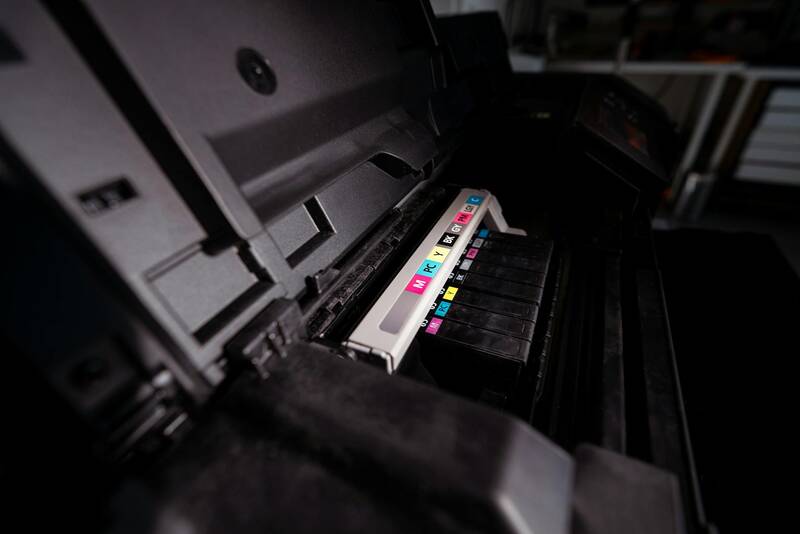
The choice of materials is critical in digital poster printing, as it directly impacts the poster’s appearance and longevity. Common substrates include gloss and matte paper, which are suitable for indoor displays where vibrant color reproduction is desired. For outdoor or long-term applications, weather-resistant materials such as vinyl or rigid plastics are preferable, often complemented by protective coatings like lamination to shield against UV rays, moisture, and physical wear. Printing techniques may involve flatbed or roll-to-roll printers, each tailored to specific poster sizes and formats. Advanced color management systems are employed to optimize ink density and accuracy, ensuring that the final product matches the intended design specifications.
Customization and Finishing Options
- Cutting to custom sizes and shapes to fit unique display spaces
- Mounting options such as grommets, eyelets, or adhesive backing for easy installation
- Special finishes including matte, gloss, or satin coatings to enhance visual appeal and durability
- Protective lamination layers to extend life and resist environmental factors
These customization features elevate regular posters into versatile promotional tools, enabling tailored presentations that meet specific branding and operational needs. Selecting the right combination of substrate, finishing, and size is essential to maximize the effectiveness and lifespan of your digital posters.
Understanding Digital Poster Printing
Digital poster printing stands as a versatile and efficient method of producing large-format visuals tailored to various display needs. Leveraging advanced digital technology, this process allows for high-resolution, vibrant, and customized posters that can be swiftly produced with precise color accuracy. Its digital nature facilitates easy modifications, enabling businesses and individuals to update designs or make adjustments without the constraints of traditional printing methods. By utilizing sophisticated inkjet or LED-based printers, digital poster printing ensures sharp detail, consistent color reproduction, and scalability across a range of sizes, making it a preferred choice for advertising, event promotion, and informational displays.
One of the cornerstones of effective digital poster printing lies in the careful selection of printing materials and techniques. The choice of substrate plays a significant role in the durability and visual appeal of the final product. For indoor applications, glossy or matte papers are typical, providing rich color reproduction and a smooth finish that enhances visual clarity. When posters are intended for outdoor use or require extended lifespans, weather-resistant substrates such as vinyl or rigid plastics are recommended. These materials often come with protective coatings, like lamination, which serve as shields against UV exposure, moisture, and physical damage, thereby preserving the poster’s integrity over time.
Modern printing technologies employed in digital poster production include flatbed and roll-to-roll printing systems. Flatbed printers are ideal for rigid substrates, offering high precision and the capability to print directly onto various surfaces and thick materials. Roll-to-roll printers are suited for large-format banners and flexible media, providing continuous printing on long rolls with uniform color and detail. These systems are complemented by advanced color management tools that ensure consistent ink density and color fidelity, faithfully translating digital designs into tangible posters that meet exact specifications.
Digital Poster Sizes and Customization
The scope of digital poster dimensions ranges from standard sizes to fully customized formats, aligning with specific display requirements. Standard sizes, such as 24x36 inches or A0, are commonly used for typical advertising and informational needs, ensuring compatibility across different display environments. However, digital printing offers the flexibility to create bespoke sizes and shapes, facilitating tailored presentations that effectively capture attention and fit unique display areas. Custom options include die-cut shapes, rounded corners, or specific aspect ratios, enhancing the poster’s aesthetic and functional appeal in diverse settings.
- Premium materials selection: vinyl, fabric, or rigid plastics based on environment and longevity needs
- Technology choices: flatbed for rigid surfaces, roll-to-roll for banners and flexible media
- Color management: precision printing with calibrated systems for vibrant and accurate colors
- Size and shape customization: from standard formats to unique cutouts for tailored presentation
- Protective and finishing options: lamination, coatings, grommets, and adhesive backing for easy setup
Implementing these professional printing methods and customization options ensures that digital posters not only attract visual interest but also stand up to environmental challenges, making them reliable promotional tools. Properly executed digital poster printing combines quality materials, cutting-edge technology, and tailored finishing techniques to produce impactful visuals that effectively communicate messages across various settings and audiences.
Understanding Digital Poster Printing
Digital poster printing has revolutionized visual communication by providing high-quality, customizable, and versatile options for a wide range of display needs. This method utilizes advanced digital press technology to produce vibrant, detailed images efficiently and precisely. Unlike traditional printing techniques, digital poster printing allows for quick turnaround times, cost-effective small-run productions, and seamless integration of complex designs without the need for costly plates. The process starts with digital file preparation, ensuring that colors, resolution, and layout are optimized for the printing process. Through the use of calibrated systems, digital printers consistently deliver accurate color reproduction and sharp details that make posters stand out in various environments.
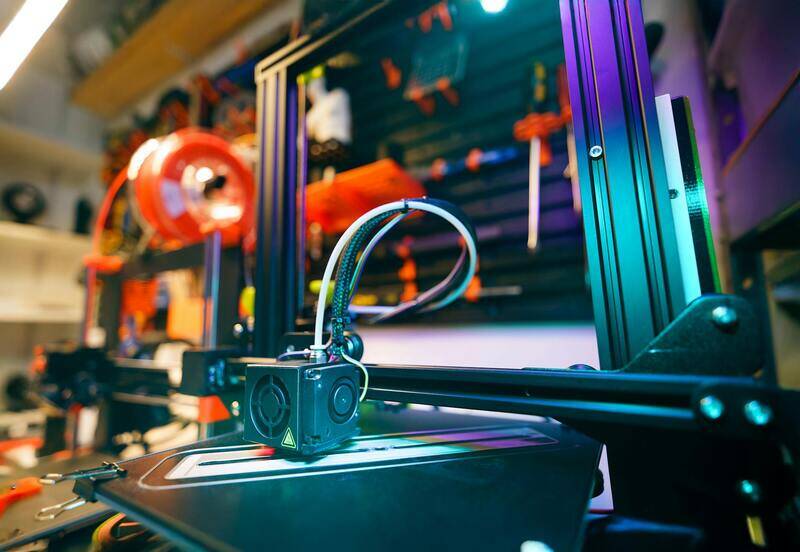
Another significant advantage of digital poster printing is its adaptability to various materials and surface types. Whether printing on vinyl, fabric, or rigid plastics, digital printing offers tailored solutions that cater to specific environmental conditions and durability requirements. Flatbed digital printers cater to rigid surfaces, providing crisp graphics on materials like foam boards and acrylics, while roll-to-roll printers are ideal for flexible media such as banners and wallpapers. This flexibility ensures that every project can be customized to suit its intended display environment, whether indoor or outdoor, temporary or permanent.
Optimal Color Management and Finishing
Achieving vibrant and consistent colors is critical in visual communication. Digital poster printing employs sophisticated color management systems that calibrate printers, inks, and substrates to produce accurate, eye-catching visuals. These systems work harmoniously to ensure color fidelity across different devices and printing sessions, resulting in professional and cohesive displays. Additionally, finishing options such as lamination, varnishing, and protective coatings are essential in extending the lifespan of posters, especially in high-traffic or outdoor settings. Protective coatings not only safeguard against weather elements but also enhance the visual appeal by adding gloss or matte effects.
Customization and Unique Formats for Impactful Displays
The digital printing process supports extensive customization options, enabling the creation of bespoke poster formats that align with specific marketing or informational objectives. Standard sizes like 24x36 inches and A0 are common, but the true strength lies in the ability to produce customized shapes, sizes, and cutouts. Die-cut posters or posters with rounded corners and unique aspect ratios help brands stand out and convey messages more effectively. These tailored presentations are especially valuable when aiming to capture attention in crowded display environments or to fit precise display areas, thereby maximizing visual impact.
Protective Measures and Durability Enhancements
Given the demands placed on world-class promotional materials, the integration of protective and finishing options is vital. Laminations and specialized coatings provide resistance to scratches, moisture, and UV rays, ensuring that posters maintain their appearance over time. Installation features such as grommets and adhesive backs facilitate secure mounting and ease of setup, making digital posters suitable for both temporary campaigns and long-term installations. These enhancements also contribute to maintaining a professional look and ensuring consistent performance regardless of external conditions.
In summary, digital poster printing offers a comprehensive suite of professional solutions geared toward producing visually striking, durable, and customized displays. Its combination of advanced technology, material versatility, precise color management, and tailored finishing options positions it as an essential tool in modern visual marketing strategies. Leveraging these legitimate and effective printing methods guarantees that digital posters will achieve their intended impact and sustain their visual quality over time, serving diverse display needs with reliability and style.
Ensuring Accurate Color Reproduction and Consistent Quality in Digital Poster Printing
Achieving precise color fidelity is critical in digital poster printing, especially when brand consistency and visual impact are priorities. Professional digital printing services utilize advanced color management systems, including ICC profiles and calibrated monitors, to ensure that the printed output matches the digital design accurately. This meticulous process allows for consistent color reproduction across different batches and print runs, maintaining brand integrity and visual harmony.
Color consistency also hinges on selecting the appropriate color mode. Designing posters in CMYK color space aligns with the printing process, reducing discrepancies between on-screen displays and printed materials. Moreover, pre-press preparation involves proofing—either digitally or through printed samples—enabling designers to verify colors and make necessary adjustments before the final run. This step minimizes errors and ensures the finished product aligns with the original vision.
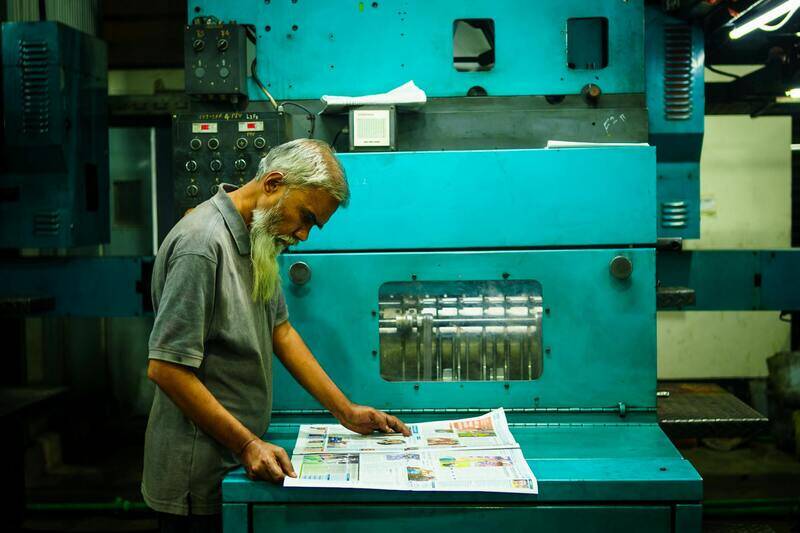
In addition to color accuracy, maintaining consistent quality across different materials and sizes requires selecting suitable print techniques and substrates. High-resolution printing at 1200 dpi or greater ensures crisp details and sharp images, which is vital for capturing attention and conveying messages effectively. The choice of printing technology—such as UV digital printing or eco-solvent printing—also impacts durability, glossiness, and color vibrancy, tailored to the specific display environment and longevity requirements.
Furthermore, integrating quality control measures throughout the production process helps identify and rectify issues promptly. Regular calibration of printers, inspection of printed samples, and adherence to industry standards contribute to delivering impeccable digital posters consistently. These practices are especially important when handling complex designs with gradients, photographic images, and detailed graphics, as they demand meticulous attention to detail for an optimal outcome.
Materials play a significant role in the final appearance and durability of digital posters. Choosing high-quality substrates such as vinyl, PVC, or specialty papers enhances color vibrancy and resilience against environmental factors like UV exposure, moisture, and scratches. Protective coatings, including laminates and UV-resistant finishes, further preserve the color integrity and overall appearance over time, making the posters suitable for both indoor and outdoor displays.
For custom projects, the ability to incorporate unique finishing touches—such as matte or gloss varnishes, embossed elements, or selective spot gloss—adds further dimension and professionalism. These finishes not only elevate visual appeal but also provide additional protection, ensuring posters maintain their quality under various conditions. By focusing on legitimate and best-practice methods in digital poster printing, businesses and marketers can consistently produce visually compelling and durable posters that effectively communicate their intended messages.
Understanding Digital Poster Printing
Digital poster printing involves the use of advanced digital printing technology to produce high-quality, vibrant posters for a wide range of applications. This method leverages large-format printers that can handle substantial sizes efficiently, allowing for quick turnaround times without sacrificing detail or color accuracy. The precision of digital printing techniques, such as inkjet and laser printing, ensures sharp images and crisp text, making it an ideal choice for promotional displays, informational signage, and artistic projects. Reliable digital poster printing utilizes industry-standard processes and equipment to maintain consistent quality, minimizing issues such as color mismatches or print defects. Proper workflow management, including pre-press preparations like color calibration and file checking, plays a vital role in achieving optimal results, especially when working with complex designs involving gradients, photographic images, or detailed graphics.

Key Benefits of Digital Poster Printing
- High Resolution and Color Fidelity: Digital printing delivers exceptional clarity and color vibrancy, capturing every detail of the original design.
- Fast Turnaround Times: With digital workflows, production cycles are significantly shortened, allowing for prompt delivery and quick adjustments or revisions.
- Cost-Effective for Short Runs: Unlike traditional offset printing, digital processes require minimal setup, making small quantities economical while maintaining quality.
- Customization and Flexibility: Digital printing accommodates personalized designs and variable data printing, enabling tailored messages for targeted audiences.
- Environmental Considerations: Modern digital printers often utilize eco-friendly inks and processes, reducing waste and environmental impact while producing durable, weather-resistant posters.
Ensuring Quality in Digital Poster Production
High-quality digital posters depend on meticulous attention to detail throughout the production process. This includes selecting premium digital inks and substrates that support vibrant coloration and longevity. Materials such as vinyl, PVC, or coated papers are popular choices for their resilience against environmental factors like UV exposure, moisture, and scratches. Incorporating protective coatings, including lamination or UV-resistant finishes, further enhances durability, ensuring the posters maintain their visual appeal over extended periods. Regular calibration of printing equipment and comprehensive quality control checks—such as inspecting sample prints—are essential practices that guarantee consistency and fine details are preserved, even with intricate graphics or photographic content.
Image Management and Color Accuracy
Effective digital poster printing also involves proper image management strategies. Utilizing high-resolution files with correctly calibrated color profiles ensures that the final print aligns with the intended visual output. Color correction and proofing stages allow for adjustments before full-scale production, reducing errors and reprints. When working with complex color gradients or photographic elements, using color management systems and soft-proofing techniques can predict how designs will appear once printed, helping to achieve precise matching and vibrant reproduction.
Advanced Printing Techniques and Finishing
Modern digital poster printing incorporates diverse finishing options to elevate visual appeal and extend longevity. Techniques such as matte or gloss lamination provide surface texture options that influence glare and tactile feel. Spot UV or embossing can add dimensional elements, highlighting specific areas for emphasis. Additional protective coatings guard against environmental damage, making posters suitable for outdoor or high-traffic indoor settings. The choice of finishing techniques depends on the poster’s purpose and placement environment, ensuring that the printed material not only looks impressive but also withstands the test of time.
Summary of Protocols for Reliable Digital Poster Printing
Adhering to official and industry best practices is crucial for consistent quality in digital poster printing. This includes rigorously maintaining equipment calibration, selecting suitable materials, and conducting regular quality assurance checks. Using verified design files and adhering to recommended color profiles minimizes discrepancies. Additionally, working with reputable printing providers who follow standardized procedures and utilize cutting-edge technology ensures that each digital poster meets the highest standards of clarity, vibrancy, and durability. Such diligence guarantees that the printed outputs effectively communicate intended messages and uphold brand integrity in various display environments.
