Overview of Large Format Photo Paper
Large format photo paper refers to special types of printing media designed to produce expansive, high-resolution images suitable for professional display, advertising, fine art, and promotional purposes. Its defining characteristic is size—typically exceeding standard paper dimensions—allowing for the creation of posters, banners, murals, and oversized photographs with vibrant detail and clarity. In professional printing environments, the quality of large format photo paper significantly influences the visual impact and longevity of the printed output.
This media type is essential for photographers, graphic designers, and visual artists who require detailed reproduction of visual content at a large scale. High-quality large format photo paper ensures that every nuance, from subtle gradations of color to fine lines, is preserved and rendered accurately. Its significance stems from the need to convey messages and artistic impressions effectively, whether in exhibition settings, commercial displays, or retail environments.
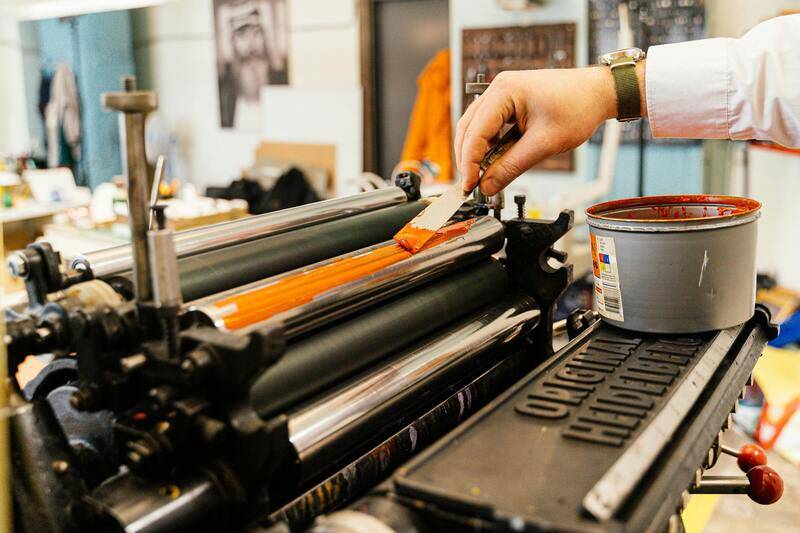
Advancements in printing technology and media formulations have expanded the capabilities of large format photo paper, making it possible to achieve stunning results with durability and color fidelity. These papers are developed to work seamlessly with various printing systems, accommodating a spectrum of uses from indoor gallery displays to outdoor advertising banners. Reliable, high-quality large format photo paper ensures that the integrity of the original image is maintained across diverse applications, making it a cornerstone in professional large-scale printing projects.
Understanding the Differences Between Recognized Media Suppliers and Third-Party Providers
When selecting large format photo paper, it is crucial to consider the source of your media. Recognized media suppliers such as major brands and official distributors offer products that meet strict quality standards, ensuring consistent performance, superior color fidelity, and durability. These suppliers often provide detailed specifications, ensuring compatibility with specific printing systems and environmental conditions, whether for indoor or outdoor applications.
Official channels typically guarantee that the large format photo paper has undergone rigorous testing and adheres to industry standards, which translates into predictable results during printing and longevity of the print itself. Purchasing from reputable suppliers also mitigates risks associated with inferior quality or counterfeit products that can compromise the final output and waste resources.
In contrast, third-party or generic providers may offer lower-cost alternatives but often lack the consistency and quality assurance provided by recognized manufacturers. Using such products can lead to issues such as color inconsistency, deterioration over time, and compatibility problems with specific printing technologies. It is advisable to verify the credentials and certifications of suppliers before making a purchase to ensure the media's authenticity and quality.

Choosing official sources is especially important for professional applications, where the visual impact and permanence of large-scale prints are paramount. Suppliers that are recognized within the industry provide product warranties and technical support, which can be invaluable for resolving any issues that may arise during the production process.
Furthermore, official sources often provide guidance and detailed product data sheets, assisting users in selecting the most suitable type of large format photo paper—whether glossy, matte, satin, or metallic—for their specific project requirements. This ensures optimal results and enhances the overall quality of the printed images, crucial for displays, exhibitions, and commercial advertising.
In summary, acquiring large format photo paper from reputable and recognized suppliers guarantees that the media adheres to industry standards, provides consistency, and supports the longevity of your prints. Investing in quality media ensures your large-scale projects display vibrant, detailed images that stand the test of time, accurately representing your creative and professional vision.
Documenting and Certifying the Authentication of Large Format Photo Paper
Establishing confidence in the quality and authenticity of large format photo paper involves obtaining and verifying proper documentation from reputable suppliers. Certified product datasheets, which detail processing standards, material composition, and performance characteristics, serve as critical references. These documents often include technical specifications such as ink adhesion ratings, durability ratings, and archival qualities that are essential for professional usage. Suppliers committed to delivering genuine, high-quality media provide these datasheets to assist customers in making well-informed decisions aligned with their project requirements.

In addition to datasheets, procurement from recognized industry-standard brands and authorized distributors ensures that the media has gone through rigorous quality assurance processes. These brands often participate in testing and certification programs, which affirm that the products meet specific performance benchmarks. Documentation such as ISO certifications, CE marks, or other recognized quality seals further validate that the paper aligns with established standards. When purchasing large format photo paper, always request and retain these official certificates, as they are vital for warranty claims and technical support, providing assurance of the product’s authenticity and consistent performance.
Maintaining a Chain of Authenticity Through Purchase Records
Maintaining detailed purchase records is a fundamental aspect of certifying the authenticity of large format photo paper. Receipts, invoices, and order confirmations from official vendors serve as proof of origin and authenticity. It is advisable to document the serial numbers, batch codes, or lot numbers associated with each purchase. This information typically appears on product packaging or accompanying documentation. Having an organized record of procurement details facilitates traceability and accountability, especially when dealing with large-scale or commercial projects.
For professional and high-stakes applications, establishing a direct relationship with authorized suppliers or distributors is highly recommended. Purchasing directly from companies with established reputations minimizes the risk of counterfeit or inferior products entering your workflow. Reliable suppliers often provide warranties and customer support, which can be invaluable if product issues arise. Furthermore, many suppliers maintain digital records of their transactions, enabling easier verification of the product’s provenance if needed.
Utilizing Authentication Technologies and Tools
Recent advances have introduced authentication tools and technologies designed to verify large format media's provenance. Some suppliers embed unique holographic or RFID tags onto packaging that can be scanned with specialized devices to confirm authenticity. Other methods include QR codes printed on packaging, which, when scanned with a mobile device, direct users to official verification portals maintained by the manufacturer or authorized distributor. These systems enable real-time validation and help prevent inadvertent use of counterfeit media, ensuring that users consistently work with genuine, high-quality large format photo paper.

Implementing these verification practices and maintaining comprehensive documentation are indispensable steps for guaranteeing the authenticity of large format photo paper. They support consistent print quality, durable outputs, and the preservation of your professional reputation. By prioritizing official sources, certifying documentation, and leveraging technological verification methods, users can confidently undertake large-scale projects with the assurance that their media meets all required standards and specifications.
Key Considerations for Selecting Appropriate Large Format Photo Paper
Choosing the right large format photo paper is a critical step in achieving high-quality, durable prints for professional and artistic applications. Several factors dictate the suitability of specific media types, including compatibility with the chosen printing technology, intended display environment, and the nature of the image itself.
Compatibility with Printing Technologies
Large format photo papers are formulated to work optimally with various printing systems, each requiring specific ink absorption and surface properties. Inkjet printers, which are prevalent in professional photo printing, demand media with precise coating formulations to ensure color accuracy and fine detail reproduction. Solvent and UV printers, often used for outdoor signage or long-lasting displays, require specialized media that withstand environmental elements, maintaining image integrity over time. Latex printers, which combine many advantages of solvent and aqueous systems, necessitate media that can handle their specific ink formulations to produce vibrant and resilient images.
Surface Finish and Texture
The surface finish significantly influences the visual appeal and durability of the printed image. Glossy surfaces offer vibrant colors and sharp detail, making them ideal for fine art reproductions, photo displays, and exhibitions. Matte finishes reduce glare, lending sophistication and better readability in well-lit environments, suitable for posters or presentation boards. Satin finishes offer a balanced approach, combining some gloss with reduced glare, often preferred for versatile applications. Texture variations, from smooth to textured surfaces, provide tactile qualities that can enhance the aesthetic value of the final product.
Weight and Thickness
Weight and thickness are practical considerations that affect handling, framing, and display. Heavier, thicker papers tend to be more durable and resistant to bending or damage, making them suitable for large format displays intended for long-term use. Thinner papers are easier to mount and transport, ideal for temporary signage or indoor applications. The choice depends on the project's scope and display requirements, with thicker media often offering better longevity and a premium feel.
Color Fidelity and Durability
High-fidelity color reproduction requires media with compatible coatings that optimize ink absorption and prevent color shifting. Durability, including resistance to UV fading, water, and scratches, varies among different types of large format photo paper. Professionals often select media with archival qualities to ensure that images remain vibrant and intact over time, especially for exhibitions or archival purposes. Maintaining consistent color output also depends on the paper's ability to support the color management settings of your output device.
Environmental Resistance Properties
In applications exposed to outdoor conditions or high humidity, selecting media with enhanced resistance against environmental factors becomes essential. Media with UV coatings or water-resistant finishes can dramatically extend the lifespan of outdoor signs and banners, preventing deterioration caused by sunlight, moisture, and other environmental stressors. For indoor displays, standard media with UV or water-resistant coatings may suffice, but assessing the specific environmental conditions remains crucial to choose the most appropriate material.
Cost-Effectiveness and Availability
While premium media may offer superior quality and longevity, budget considerations influence the selection process. Balancing cost with quality involves evaluating the project’s needs and selecting media that offer the best performance within the allocated budget. Accessibility is also important; choosing reliable sources that stock a variety of large format photo papers ensures timely fulfillment of printing requirements, preventing delays and facilitating project continuity.
Proper handling, storage, and maintenance practices play vital roles in preserving the quality of large format photo paper before printing. Sheets should be stored in a cool, dry environment, away from direct sunlight, extreme temperatures, and humidity, which can cause warping or deterioration. When in use, handling should minimize contact with oils and dirt that can interfere with ink absorption and adhesion. Protective coverings and proper mounting can safeguard prints from physical damage after production, ensuring they retain their visual appeal over time.
Conclusion
Selecting the appropriate large format photo paper involves a comprehensive understanding of the media’s compatibility with printing technology, surface characteristics, durability requirements, and environmental considerations. Investing time in understanding these key factors ensures that the final output meets both aesthetic and functional expectations, supporting professional standards and client satisfaction. Maintaining proper handling and storage protocols further contributes to achieving consistent, high-quality results that stand the test of time.
Overview of Large Format Photo Paper
Large format photo paper serves as the foundational medium for creating high-quality, impactful images on a grand scale. Its dimensions typically exceed standard print sizes, accommodating projects such as gallery displays, advertising billboards, fine art reproductions, and professional photographic exhibitions. This specialized paper is engineered to support vibrant ink absorption, sharp detail reproduction, and durable finishes, making it essential for applications demanding visual excellence and longevity. Selecting the appropriate large format photo paper requires understanding its composition, surface texture, weight, and compatibility with various printing technologies—all critical factors that influence the final output's clarity, color fidelity, and durability.
Common Types of Large Format Photo Paper
Large format photo papers are available in diverse finishes and surface textures, each suited to specific artistic and commercial needs. Glossy papers offer vibrant color reproduction with a reflective surface, ideal for detailed photographic prints and high-impact displays. Matte papers provide a non-reflective finish, reducing glare and offering a softer, subdued aesthetic suitable for fine art photography and archival prints. Satin or semi-gloss options strike a balance between gloss and matte, providing moderate sheen and enhanced color depth. Luster surfaces combine the benefits of gloss and matte, with excellent durability and image clarity, often preferred for professional photography and exhibition prints. The choice among these varies based on project specifications, environmental conditions, and desired visual effects.
Key Features and Specifications
- Weight and Thickness: Heavyweight papers, typically ranging from 200 to 300 gsm, afford durability and rigidity necessary for large displays. Thickness influences handling and framing options.
- Surface Texture: Smooth, semi-smooth, or textured surfaces impact visual depth and tactile quality, affecting the viewer's perception of the print.
- Brightness and Whiteness: High brightness levels enhance color vibrancy and contrast, making images pop against the background.
- Opacity: High-opacity papers prevent light transmittance, ensuring vibrant colors and sharp details without bleed-through, especially important when mounting or backing layers are involved.
- Finish: Finishes such as gloss, matte, or satin influence glare management and aesthetic appeal, tailored to specific display environments.

Compatible Printing Technologies
The selection of large format photo paper should align with the printing technology employed to ensure optimal results. Inkjet printing remains dominant due to its versatility and high resolution capability, working well with aqueous, solvent, and UV-curable inks. Dye-based inkjet printers excel with glossy, satin, and radiant papers, offering rich color vibrancy. Pigment-based inkjet systems are preferred for producing long-lasting, fade-resistant images on matte or textured papers. Solvent and eco-solvent printers commonly utilize specific media types designed for outdoor durability and weather resistance, ideal for banners and signage. UV-curable printers benefit from specially coated large format papers that facilitate fast curing, high detail, and extended longevity. Matching the media with the printer's specifications not only enhances image fidelity but also extends the lifespan of the finished product.
Overview of Large Format Photo Paper
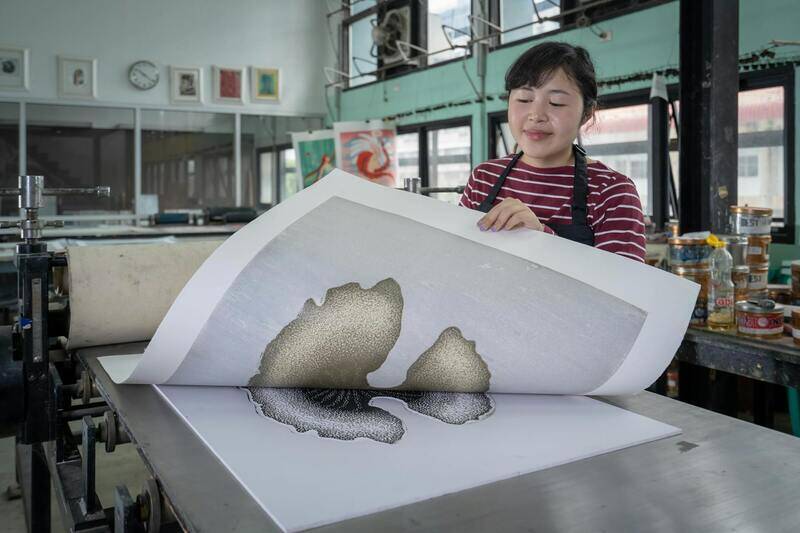
Large format photo paper is an essential medium for creating high-impact visual displays, fine art reproductions, and professional photographic prints. Designed to accommodate wide-format printing requirements, this specialized paper ensures that every detail, color nuance, and texture of an image is accurately and vibrantly represented. Its dimensions typically exceed standard sheet sizes, allowing for expansive prints that serve commercial, artistic, and personal purposes. The choice of large format photo paper significantly influences the quality, durability, and aesthetic appeal of the final output, making it a critical consideration for photographers, artists, and printing professionals seeking to produce gallery-quality results. The manufacturing processes for large format photo papers often incorporate advanced technologies to enhance durability, color vibrancy, and surface finish, ensuring that images remain vivid and intact over extended periods and under varied display conditions.
Common Types of Large Format Photo Paper
Professionals and enthusiasts have access to a diverse array of large format photo papers, each tailored to specific applications and desired visual effects. These include:
- Glossy Photo Paper: Known for its shiny surface, glossy photo paper enhances color vibrancy and produces sharp, crisp images. It is ideal for high-detail photographic prints intended for framing or display in controlled lighting environments.
- Matte Photo Paper: With a non-reflective surface, matte papers are preferred for art reproductions, fine art photography, and applications where glare reduction is necessary. They offer excellent depth and a soft, elegant finish.
- Satin or Lustre Photo Paper: Combining the attributes of gloss and matte, satin or lustre papers provide a subtly textured finish that minimizes glare while presenting vibrant colors and smooth details. These are popular choices for professional photography portfolios.
- Textured or Canvas-Style Paper: These papers emulate traditional artistic textures, such as watercolor or canvas fabrics. They lend a tactile quality to prints, making them suitable for fine art reproductions and gallery exhibits.
Key Features and Specifications
Understanding the core features of large format photo paper is crucial for selecting the appropriate media for specific applications:
- Brightness and Whiteness: High brightness levels enhance color vibrancy and contrast, making images pop against backgrounds.
- Opacity: High-opacity papers prevent light transmittance, ensuring vibrant colors and sharp details without bleed-through, which is especially important for mounted or layered displays.
- Surface Finish: Finishes such as gloss, matte, or satin influence glare management and aesthetic appeal, tailored to specific display environments.
- Weight and Thickness: Thicker papers provide durability and a premium feel, suitable for mounting and exhibition purposes.
- Compatibility with Inks: The paper’s coating and surface texture determine compatibility with various inks such as dye-based, pigment-based, solvent, or UV-curable inks, affecting longevity and color fidelity.
Compatible Printing Technologies
Choosing the right large format photo paper requires aligning the media with the compatible printing technologies to maximize output quality and lifespan. Inkjet printing dominates this domain for its high resolution and versatile media compatibility. Aqueous, solvent, and UV-curable inks each have specific media requirements:
- Inkjet Printers: Utilize both dye and pigment-based inks, suitable for a wide range of papers including glossy, satin, and matte finishes. Dye inks excel in vibrant color reproduction on glossy papers, while pigment inks offer increased durability on matte or textured media.
- Solvent and Eco-Solvent Printers: These printers are designed for outdoor durability, printing on specially coated papers that resist environmental elements — ideal for banners and outdoor signage.
- UV-Curable Printers: Use UV light to instantly cure inks on specially prepared large format papers, delivering high detail and extended weather resistance, suitable for art displays and exhibition prints.
Proper media selection—matching the paper's coating and finish with the printer's capabilities—ensures exceptional image fidelity, color accuracy, and durability of the finished print. It also contributes to the longevity and visual consistency of displays, making it a vital aspect of professional large format printing.
Proper Handling, Storage, and Maintenance of Large Format Photo Paper
Ensuring the longevity and optimal quality of large format photo prints necessitates proper handling, storage, and maintenance practices. Each step plays a crucial role in preserving the vibrancy, color accuracy, and durability of prints created on large format photo paper, especially when utilizing high-quality materials from trusted sources like eprintingservice.com.
Handling Techniques for Large Format Photo Paper
- Wear gloves when handling prints: Use lint-free cotton or nitrile gloves to prevent oils, dirt, and fingerprint stains from transferring onto the prints, which can deteriorate image quality over time.
- Handle by the edges: Always hold prints by their edges or corners to avoid touching the image surface directly, minimizing the risk of smudges and physical damage.
- Avoid bending or creasing: Support large-format prints on flat surfaces during handling to prevent unwanted creases or warping, especially when working with textured or thicker papers.
Storage Conditions for Large Format Photo Prints
Proper storage is vital to maintain the integrity of large format photo paper prints. Adverse environmental conditions can cause fading, warping, and deterioration over time.
- Control temperature and humidity: Store prints in a stable environment with temperatures around 18-22°C (65-72°F) and relative humidity between 40-50%. Avoid areas prone to moisture, heat fluctuations, or direct sunlight.
- Use protective enclosures: Keep prints in acid-free, lignin-free folders, or plastic sleeves made from quality materials like polyester, polypropylene, or polyethylene. These protect against dust, pollutants, and handling damages.
- Store flat or rolled: For larger prints, flat storage in a dedicated, smooth-surfaced flat file or portfolio is preferable. If space constraints exist, carefully roll prints with the image side inward around a firm, core-sized tube, using acid-free tissue paper as an intermediary.
- Avoid exposure to light: Limit exposure to natural or artificial light, which can cause fading. Keep stored prints in dark environments or cover them with light-proof covers when not on display.
Maintenance and Preservation Tips
Maintaining the quality of large format photo paper over time involves regular inspections and gentle cleaning practices.
- Regular inspections: Periodically check stored prints for signs of deterioration such as discoloration, mold, or physical damage. Early detection allows for timely interventions to prevent irreversible harm.
- Cleaning procedures: When necessary, gently remove dust and debris using a soft, anti-static brush or a microfiber cloth. Refrain from using liquids or cleaning agents that may damage the image or coating.
- Display considerations: When displaying large format prints, use UV-protective glass or acrylic to shield from harmful light. Position prints away from direct sunlight, fluorescent lighting, or heat sources to avoid coloration shifts and fading.
- Environmental monitoring: Employ hygrometers and thermometers to maintain consistent storage and display environments, adjusting as needed to prevent fluctuations that compromise print integrity.

Additional Considerations for Selecting Large Format Photo Paper
Beyond the basic features and printing compatibility, it is crucial to evaluate the environmental conditions in which large format photo prints will be stored or displayed. Handling and preservation practices significantly influence the longevity of vibrant images. Properly managing humidity levels and temperature conditions minimizes risks of deterioration such as curling, mold growth, or color shifting.
Archival quality is another important aspect when choosing large format photo paper. High-quality papers often incorporate acid-free or lignin-free materials, which resist yellowing and physical degradation over time, ensuring your prints maintain their intended appearance for years. This is especially relevant for professional photographers, galleries, or clients seeking durable, display-worthy images.

Environmental Considerations and Ethical Sourcing
When acquiring large format photo paper, prioritizing products from manufacturers that adhere to environmentally responsible practices can be beneficial. Look for certifications or clear indications of sustainable sourcing, such as FSC or PEFC labels, which demonstrate commitment to eco-friendly harvesting and manufacturing processes. These considerations align with best practices for environmentally conscious printing and contribute to a healthier planet.
Official Procurement Channels for Large Format Photo Paper
Consumers and businesses should source large format photo paper through reputable suppliers with established distribution networks. Official vendors often provide certified product lines that conform to industry standards regarding print quality, durability, and safety. Purchasing through authorized channels ensures authenticity, consistent quality, and access to expert customer support for product-specific inquiries.
Moreover, reliable suppliers often offer test samples or swatch kits, allowing users to evaluate different types of paper for specific project requirements before making bulk commitments. This approach minimizes waste and ensures the chosen material aligns perfectly with intended applications and environmental conditions.
Verification Through Documentation and Certification
To establish confidence in the purchased large format photo paper, it is advisable to request documentation such as product datasheets, compliance certificates, and quality assurance reports. Detailed specifications, including UV resistance, coating types, and weight, offer transparency and help determine suitability for particular printing needs. For added assurance, inquire about vendor warranties and after-sales support.
Ensuring Supply Chain Transparency
Maintaining transparency in the supply chain is fundamental when sourcing large format photo paper. Legitimacy can be verified by confirming supply chain documentation, such as origin certificates and manufacturer traceability records. These documents verify that the products are sourced through official channels and manufactured according to industry standards, reducing the risk of counterfeit or substandard materials entering the supply chain.