
Overview of Large Format Printing
Large format printing, also known as wide-format printing, is a specialized printing process that produces images and graphics on oversized media, typically exceeding 24 inches in width. This printing method is essential for creating high-impact visuals that demand attention in both commercial and artistic domains. The technology leverages advanced printing devices capable of handling substantial media sizes, ensuring vibrant color reproduction, sharp detail, and durability across various surfaces.
The significance of large format printing extends across a broad spectrum of industries. In marketing and advertising, it transforms ideas into visually compelling campaigns through banners, billboards, and vehicle wraps. In the interior design sector, it enables the creation of expansive murals, window graphics, and decorative panels that enhance spatial aesthetics. The architecture and construction industry benefit from detailed site plans and technical diagrams printed at a scale that ensures clarity and precision. Furthermore, the events and exhibition sectors utilize large format prints for backdrops, displays, and signage to create immersive experiences.
At its core, large format printing combines high-quality output with versatility, allowing for customization in size, material, and finish. Advanced imaging technologies such as UV, solvent, eco-solvent, and dye sublimation printing expand the possibilities, catering to different environmental conditions and surface textures. The ability to produce detailed, color-rich images on various substrates—ranging from paper and fabric to vinyl and flex materials—makes large format printing a versatile solution for diverse visual communication needs.
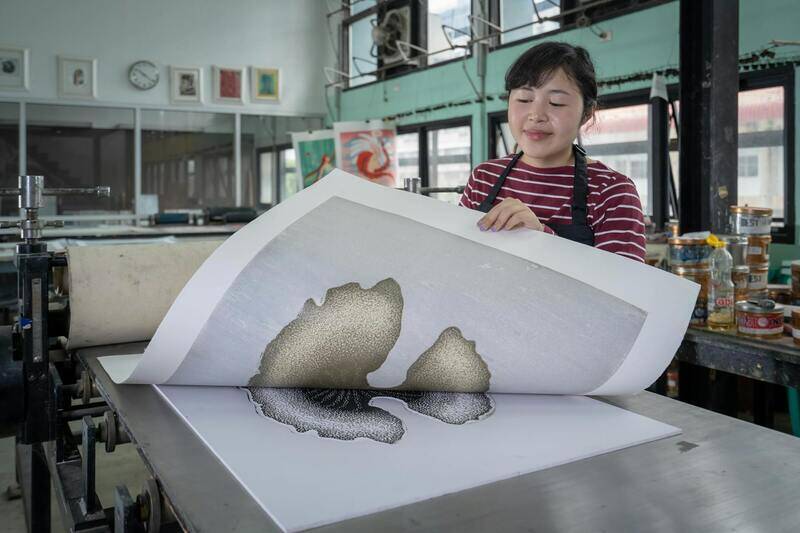
With rapid technological advancements and increasing demand for impactful visual communication, large format printing services have become a cornerstone of effective branding and visual storytelling. Businesses and organizations seeking to elevate their presence find this medium indispensable for creating memorable impressions and engaging audiences across multiple environments.
Types of Large Format Printing Materials
To ensure optimal results and durability, selecting the appropriate material is critical in large format printing projects. Each material offers unique characteristics that cater to specific environmental conditions, aesthetic preferences, and functional requirements. The most commonly used materials in large format printing include vinyl, fabric, paper, and canvas, each possessing distinct advantages and ideal applications.

Vinyl
Vinyl is among the most versatile and widely used substrates in large format printing. Its durability, weather resistance, and flexibility make it suitable for both indoor and outdoor applications. Vinyl is often used for billboards, vehicle wraps, banners, and signage that require exposure to varying environmental conditions. Its ability to adhere to different surfaces while maintaining image quality makes it a top choice for impactful advertising campaigns.
Fabric
Fabric-based materials are favored for their lightweight nature and elegant finish. They are commonly selected for trade show displays, backdrops, and decorative banners. Fabric prints tend to have a softer appearance, with options such as polyester or silk that provide vibrant coloration and enhanced visual appeal. Additionally, fabric materials facilitate easy transport and installation, making them ideal for temporary or portable displays.
Paper
High-quality photographic or fine art papers are used in large format printing to replicate artwork, photographs, or technical drawings with exceptional clarity. These papers typically offer matte, gloss, or satin finishes that enhance color reproduction and detail. Paper substrates are preferred for indoor displays, murals, or gallery-quality displays where visual fidelity is paramount.
Canvas
Canvas is predominantly used for creating large-scale art reproductions, murals, and decorative wall coverings. Its textured surface lends a classic, artistic appearance that complements visual artwork. Canvas is resistant to fading and environmental damage when properly treated, making it suitable for both indoor environments and outdoor installations where aesthetic longevity is desired.
Choosing the Right Material
When selecting materials for large format printing, it is essential to consider factors such as the intended display environment, longevity requirements, and budget constraints. For outdoor advertising, weather-resistant vinyl with UV coating is recommended, whereas fabric or paper may be better suited for indoor displays. Consulting with a professional printing service ensures the optimal choice of substrate to match project specifications, environmental exposure, and desired visual impact.
Proper material selection directly influences the vibrancy, durability, and overall effectiveness of the final print. Advanced surface treatments and coatings can further enhance the material's performance and longevity, providing a cost-effective solution that maintains visual quality over time.

Design Considerations for Large Format Prints
Creating visually impactful large-scale prints requires meticulous attention to design parameters that influence the final output. One of the most critical aspects is resolution; high-resolution images—typically at least 300 dots per inch (DPI)—ensure sharpness and clarity when scaled up to large formats. Low-resolution images tend to pixelate and lose detail, diminishing the visual impact of the print.
Color management also plays a vital role. Accurate color reproduction is achieved through calibrated color profiles and proper file preparation, which ensure that colors are consistent across different devices and match the original design intent. This process involves converting colors into suitable color spaces, such as CMYK, and soft-proofing to simulate how the final print will appear.
Image quality must be rigorously assessed prior to printing. High-quality, professionally captured or sourced images with minimal compression artifacts are essential. Gradients, fine lines, and subtle color transitions should be optimized for large formats to prevent banding or blurring.
Beyond image quality, design elements like typography should be clearly legible from a distance. Fonts must be chosen and sized appropriately to ensure readability, and contrast between text and background should be maximized to enhance visibility.

Finally, layout and composition should consider the viewing environment. For outdoor signage, bold visuals and minimal clutter contribute to effective communication, while indoor displays can incorporate detailed artwork with fine nuances. Collaborating with professional designers and print specialists ensures that these considerations are integrated seamlessly into the production process, resulting in compelling and effective large-scale visuals.
Overview of Large Format Printing
Large format printing encompasses a specialized sector within the printing industry that focuses on producing high-quality visuals across expansive surfaces. This method is essential for creating impactful signage, banners, vehicle wraps, murals, and various promotional displays. Utilizing advanced printing technologies, large format printing offers clarity, vibrant colors, and durability, ensuring visuals remain striking and legible even when viewed from a distance or over extended periods. It caters to both indoor and outdoor applications, emphasizing versatility in material choices and print finishes. With the ability to accommodate wide formats—often exceeding 24 inches—this printing service meets the demanding needs of marketing campaigns, branding initiatives, and artistic displays, setting a standard for large-scale visual communication.
Types of Large Format Printing Materials
Choosing the appropriate material is fundamental for achieving optimal results in large format printing. Each material offers unique properties suited to specific applications, whether emphasizing durability, visual appeal, or environmental considerations. Common substrates include:
- Vinyl: Ideal for outdoor signage, banners, and vehicle wraps due to its weather-resistant qualities and flexibility. Matte and gloss finishes are available to enhance visual impact and control glare.
- Canvas: Frequently used for murals, art reproductions, and decorative banners. Its textured surface provides a museum-quality appearance, lending a sense of sophistication to displays.
- Backlit Material: Designed for illuminated signs, this translucent material allows light to pass through, highlighting visual elements with vibrancy when backlit.
- Fabric: Suitable for retractable banners and indoor displays, fabric offers ease of transport, crease resistance, and a modern aesthetic that enhances logo and text visibility.
- Photo Paper or Vinyl Films: Used for fine art reproductions and photographic displays, these materials produce sharp image details and color accuracy.
Design Considerations for Large Format Prints
Designing for large format printing demands meticulous attention to detail to ensure visuals are impactful and legible at scale. The process begins with establishing the correct resolution—generally 150 to 300 DPI at final size—to prevent pixelation. High-resolution images ensure sharpness and clarity, especially for intricate graphics and text. Color management is equally critical; calibrated color profiles and color profiles tailored to specific substrates guarantee that hues appear consistent and vibrant across different media.
File preparation involves converting designs into appropriate formats such as PDF or TIFF, with embedded color profiles and sufficient bleed margins. Soft-proofing on calibrated monitors helps anticipates how colors will appear once printed, reducing costly reprints. Typography must be chosen for readability, with fonts scaled appropriately for viewing distances, and contrast between text and backgrounds maximized to optimize visibility.
Layout dynamics, including spacing, composition, and the balance of visual elements, should be tailored to the intended viewing environment. Outdoor signage benefits from bold imagery and minimal clutter to enhance quick comprehension, while indoor displays can feature detailed artwork with nuanced color gradations. Collaboration with experienced designers and print specialists allows for an integrated approach, ensuring that all these elements coalesce into compelling, effective visual communication.
Applications of Large Format Printing
Large format printing plays a pivotal role across diverse industries, owing to its capacity for high-impact visual communication and customization. Its applications extend beyond simple signage to encompass a variety of formats that serve specific functional and aesthetic purposes. Among the most prominent uses are advertising banners and outdoor signage, which are designed to attract attention from afar, utilize durable substrates suited for weather resistance, and withstand prolonged exposure to environmental elements. These visuals require high-resolution imagery and vibrant color reproduction to ensure visibility and brand consistency in dynamic outdoor settings.
Point-of-sale (POS) displays represent another significant application, where large, eye-catching graphics are utilized within retail environments to promote products, offers, or brand messaging. The versatility of large format printing allows for flexible designs that can be customized to fit store layouts or promotional themes, enhancing consumer engagement and driving sales.
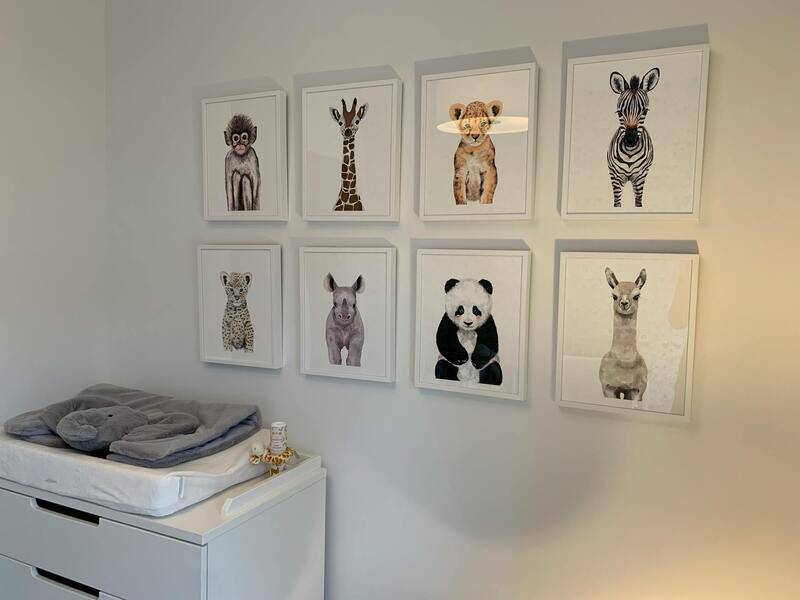
Art exhibitions and gallery displays increasingly leverage large format printing to bring artworks and photographic pieces to life at an expansive scale. The precise color matching and fine detail retention possible through advanced printing technologies enable artists and curators to reproduce stunning visuals that maintain original intent and impact.
Event backdrops, trade show displays, and wall coverings further exemplify the broad utility of large format printing. These applications require reliable, high-quality output that can be produced in large quantities, often with extensive customization options to match branding guidelines or thematic concepts. Additionally, custom wall murals and decorative graphics are used within interior design to create striking visual environments in commercial and hospitality spaces.
In specialized industries such as architecture and construction, large format printing is instrumental for creating detailed blueprints, site maps, and construction plan overviews. These prints need meticulous accuracy and durability, often requiring weather-resistant and tear-proof materials that facilitate on-site visualization and planning.
As technology advances, new applications continue to emerge, including digitally printed floor graphics, vehicle wraps, and textured murals. Each application demands tailored substrate choices, printing techniques, and finishing processes to meet specific environmental and aesthetic requirements, emphasizing the importance of working with experienced large format printing service providers who understand these nuances.
Maintenance and Longevity of Large Prints
When investing in large format printing, understanding how to maintain the durability and appearance of these expansive visuals is essential for maximizing return on investment. Proper maintenance ensures that large prints retain their vibrancy, clarity, and structural integrity over extended periods, even when exposed to challenging environments.
One of the foundational aspects of maintaining large format prints involves proper cleaning and handling. Regularly dusting with a soft, lint-free cloth can prevent the buildup of dirt and debris that might cause surface abrasion over time. For more stubborn stains or smudges, utilizing mild, pH-neutral cleaning solutions that are specifically designed for vinyl or other common substrates is recommended. Avoid abrasive materials or harsh chemicals that could damage the surface or color integrity of the print.
In addition to routine cleaning, environmental control plays a pivotal role in preserving the quality of large format prints. If displayed indoors, maintaining a stable temperature and humidity level can prevent warping, bubbling, or deterioration. For prints intended for outdoor use, selecting weather-resistant materials tailored for specific climatic conditions enhances longevity. UV-resistant coatings or laminates are vital to preventing fading caused by prolonged sun exposure, as ultraviolet rays can diminish color vibrancy over time.
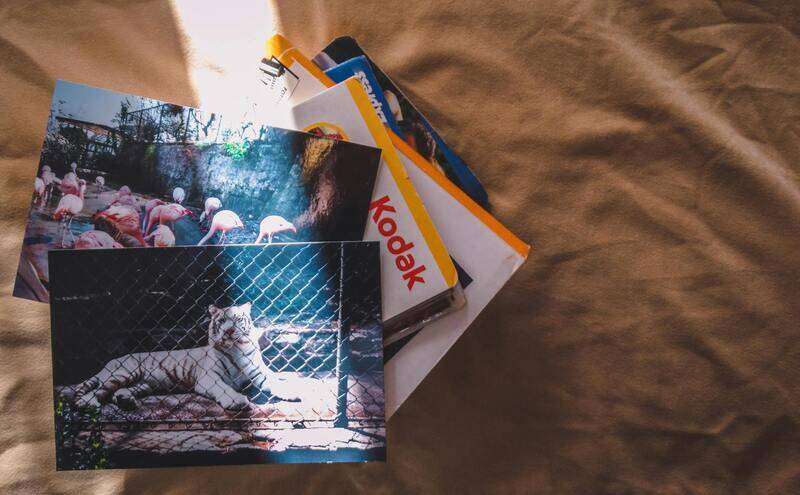
Applying protective finishes such as laminates or varnishes provides an additional barrier against physical wear, environmental factors, and chemical exposure. These coatings not only uphold the visual appeal but also mitigate the risk of scratches, scuffs, and other physical damages, thereby extending the print’s effective lifespan.
Storage and Handling Considerations
- Store large prints in a clean, dry environment away from direct sunlight, extreme temperatures, or high humidity.
- Transport prints carefully using protective coverings to prevent dents, tears, or surface abrasions.
- Implement proper mounting and display techniques to avoid stress points or sagging that could compromise structural integrity.
Adhering to these maintenance practices substantially prolongs the viability and visual impact of large format prints, ensuring they continue to serve their purpose as effective visual communication tools or decorative elements for years to come.
Collaborating with Experienced Providers
Working with professional large format printing service providers who understand material nuances and environmental factors is crucial for achieving lasting results. Experienced providers can recommend appropriate substrates, protective coatings, and maintenance routines tailored to specific use cases, whether indoor or outdoor. This expertise ensures that investments in large format printing remain visually striking and structurally sound over time, providing consistent value and reputation enhancement for your brand or project.
Overview of Large Format Printing
Large format printing encompasses the creation of prints that exceed standard dimensions, typically ranging from 24 inches to several meters in width. This printing technique is essential for producing eye-catching visuals, banners, murals, and signage that need to deliver impactful messages over expansive areas. By utilizing high-resolution printers and specialized inks, large format printing ensures that details are crisp, color accuracy is maintained, and images are visually striking. As businesses and organizations aim to enhance their branding and advertising efforts, large format printing has become an indispensable tool for creating memorable visual communications that command attention from a distance.
Considerations for Selecting Materials for Large Format Printing
Choosing the right material is fundamental to achieving the desired aesthetic and functional results in large format printing. Factors to consider include lifespan, environmental exposure, durability, and visual quality. Commonly used substrates include vinyl, fabric, paper, mesh, and canvas, each offering unique advantages depending on the intended application.
- Vinyl: Versatile and durable, suitable for outdoor banners and signage.
- Fabric: Provides a high-quality, soft finish ideal for murals and art displays.
- Paper: Typically used for indoor displays, posters, and temporary installations.
- Mesh: Allows airflow, making it suitable for large outdoor banners with wind exposure.
- Canvas: Offers a fine art appeal, perfect for gallery prints and decorative pieces.
Design Considerations for Impactful Large Format Prints
Effective large format design emphasizes high-resolution imagery, bold colors, and clear messaging to ensure visibility from afar. When preparing files, it is vital to work in the correct resolution—typically 300 DPI at the final size—to prevent pixelation and loss of image quality. Consider the viewing distance when designing; elements that are detailed up close can be simplified for viewing from a distance to maintain clarity. Additionally, color management plays a crucial role; using CMYK color profiles aligned with the printing process ensures that the final print matches the intended design, avoiding unexpected color shifts.
- Use vector graphics for logos and illustrations to preserve quality at large sizes.
- Incorporate high-contrast color schemes for better visibility in outdoor environments.
- Consider the lighting conditions in the display environment to optimize color choices.
- Allocate sufficient bleed area for edge-to-edge prints, preventing unwanted white borders.
Printing Techniques and Technologies in Large Format Printing
Modern large format printing relies on advanced digital printing technologies that facilitate high-speed, high-resolution output. These include inkjet printers equipped with solvent, eco-solvent, UV, or latex inks, each suited for different applications and durability needs. Solvent and eco-solvent inks are renowned for their weather resistance, making them suitable for outdoor signage. UV printing, which cures ink instantly upon exposure to ultraviolet light, delivers a hard, vibrant finish ideal for both indoor and outdoor use. Latex printing offers an environmentally friendly option with highly flexible prints that withstand stretching and weathering.

Projected Applications of Large Format Printing
Large format printing serves a broad array of industries and purposes, with the ability to create large-scale visual displays that leave lasting impressions. Many applications include:
- Outdoor advertising banners, billboards, and transit displays that capture attention in busy environments.
- Interior murals, wall coverings, and decorative graphics enhancing interior aesthetics.
- Trade show displays and exhibition backdrops that draw visitors and communicate branding effectively.
- Point-of-sale displays and retail signage to influence purchasing decisions.
- Event signage, backdrops, and promotional materials tailored for special occasions and marketing campaigns.
Factors to Consider When Choosing a Large Format Printing Service Provider
Selecting the right provider is crucial to achieving high-quality, durable results. Important aspects include their experience with various substrates, the range of printing technologies available, and their knowledge of environmental conditions affecting print longevity. Verify their capacity to handle the desired print size and complexity, as well as their ability to deliver consistent color accuracy and resolution. Additionally, review their reputation for on-time delivery, customer support, and post-printing services such as installation assistance and protective coatings. Transparent communication and a portfolio demonstrating diverse, successful projects can further guide informed decision-making, ensuring your visuals meet expectations and stand the test of time.
Trends and Innovations in Large Format Printing
Advancements in large format printing are consistently shaping the landscape of visual communication, driven by technological innovation, sustainability considerations, and evolving client needs. These developments foster more dynamic, eco-friendly, and cost-effective solutions that expand creative possibilities while ensuring durability and high-quality output.
Emerging Trends in Material Selection
One notable trend is the increased adoption of environmentally sustainable materials. Manufacturers now offer PVC-free, biodegradable, and recycled substrates that reduce the ecological footprint without compromising print quality. These materials include eco-friendly vinyl, textile fabrics, and papers designed for outdoor durability and indoor vibrancy. The demand for such materials aligns with global sustainability goals and enhances brand reputation for environmentally conscious organizations.
Furthermore, innovative printable textiles and flexible materials have expanded the scope of large format printing to include curved surfaces and three-dimensional applications. These materials enable the creation of more immersive installations and unique branding displays tailored to specific environments.
Advances in Printing Technologies
At the core of these advancements are digital inkjet printing systems equipped with high-resolution nozzles, faster print speeds, and enhanced color management capabilities. Wide-format printers now utilize UV, solvent, latex, and eco-solvent inks, each suited for different material compatibilities and finish requirements. UV printing, in particular, has gained popularity for its ability to produce sharp, durable images directly onto a variety of substrates, including non-porous materials.
Technological integration with automation and software solutions has also optimized production workflows, reducing turnaround times and minimizing waste. RIP (Raster Image Processor) software advancements facilitate precise color matching, halftoning, and multi-layer printing, resulting in stunning visual accuracy.
Innovations in Protective Coatings and Finishing
Enhanced protective coatings are providing additional longevity and resistance to environmental factors such as UV rays, moisture, scratches, and chemicals. These coatings can be applied as laminates, varnishes, or spray finishes, depending on the application requirements.

Customization and Interactivity
Digital advancements now facilitate high levels of customization, allowing businesses to produce personalized large-format displays efficiently. Interactive printing options, including augmented reality (AR) integrations and QR code enhancements, are creating engaging customer experiences in retail, museums, and trade shows.
Integrating Sustainability with Innovation
As consumer awareness regarding environmental impact grows, the industry is increasingly focused on sustainable practices. Innovations include the development of biodegradable substrates, water-based inks, and closed-loop waste management systems. These measures help minimize environmental harm while supporting the production of visually compelling large format projects.
Continued research and investment in eco-friendly materials and processes are expected to further revolutionize the field, enabling the creation of high-impact visuals that align with responsible business practices and environmental stewardship.
