
Introduction to Business Card Printing
Business card printing remains an essential aspect of professional branding, serving as a tangible representation of a company's identity and personal touch in business interactions. High-quality business cards are more than mere contact details; they are a reflection of professionalism and attention to detail that can leave a lasting impression on clients, partners, and prospects.

Opting for reliable and professional business card printing services ensures that your cards stand out through superior print quality, durable materials, and customizable design options. Unlike generic or DIY approaches, professional printing leverages advanced technologies and high-grade materials that guarantee the final product aligns with your branding standards and business goals.
For companies operating in competitive markets such as Singapore, the importance of a memorably designed and well-printed business card cannot be overstated. It serves as a key networking tool, promoting brand visibility and credibility with every exchange. From startups to established enterprises, leveraging professional printing services offers numerous advantages, including consistent color matching, precise cutting, and a broader range of finishing options that enhance the tactile and visual appeal of each card.
Moreover, professional business card printing provides access to a variety of paper stocks, finishes, and additional features that personal printing might lack. These include matte or glossy coatings, embossed elements, spot UV gloss, and foil stamping, each adding a layer of sophistication and uniqueness to your cards. Such details elevate the perceived value and reinforce your brand's identity, helping you leave a memorable impression long after the initial handshake.
With the advancement of digital print technology, business cards can now be produced efficiently and with high precision, enabling businesses to order in bulk, customize designs, and quickly adapt to branding updates. Opting for professional printing services also allows for quality assurance, with expert guidance on selecting appropriate materials and finishes that best suit your industry and target audience.
In summary, investing in professional business card printing is a strategic move that enhances your brand's professionalism, facilitates effective networking, and ensures your business cards reflect the quality and credibility of your enterprise. Whether you require standard models or personalized designs with special finishing touches, trusted printing providers can deliver products that align with your specific needs and industry standards.
Understanding the Official Methods for Business Card Printing
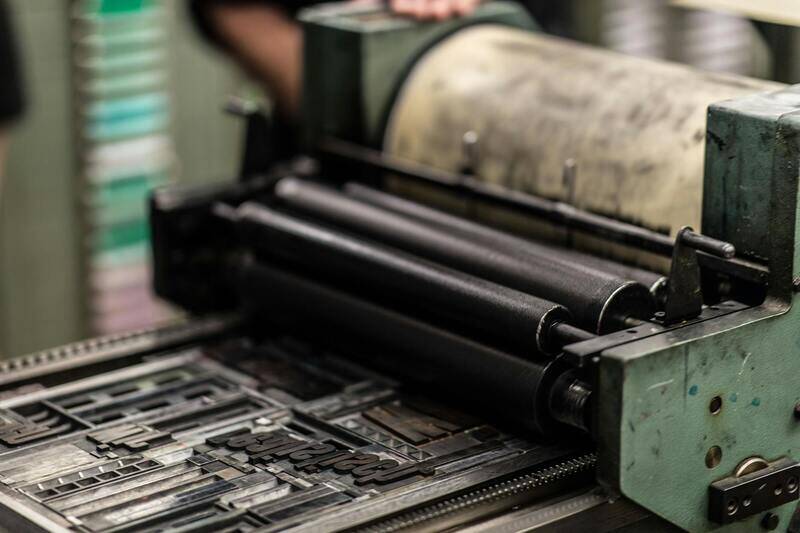
When aiming for high-quality, durable, and professional business cards, relying on official printing methods is essential. These methods ensure that every detail, from color accuracy to texture, aligns with your brand standards and industry expectations. Among the most reputable techniques are offset printing and digital printing, both of which have proven their efficacy in producing consistent, sharp, and vibrant business cards.

Offset Printing
Offset printing is a traditional method that uses plates to transfer ink onto a rubber blanket, which then applies it to the printing surface. This technique is ideal for large print runs because it offers high precision, consistent quality, and excellent color fidelity. The initial setup cost might be higher, but the per-unit cost decreases significantly with volume, making it a preferred choice for bulk orders.
Digital Printing
For smaller quantities or customized designs, digital printing serves as an efficient solution. This method involves printing digital files directly onto the chosen substrate, enabling quick turnaround times and cost-effective short runs. Digital printing technology allows for personalized elements, variable data, and rapid updates to design without the need for costly plates or extensive setup, thus offering flexibility for businesses that frequently update their branding materials.
Ensuring Quality and Authenticity in Business Card Production
Legitimately produced business cards must adhere to established standards of color management, material selection, and finishing quality. Certified printing providers employ precise color matching techniques such as Pantone color swatches and ICC profiles, ensuring that the hues on your business cards precisely match your brand palette across different batches and substrates. In addition, verified printers utilize high-quality inks and environmentally controlled environments to prevent color deviations and smudging.
Material Verification and Authentication
Choosing accredited suppliers guarantees the procurement of authentic paper stocks and finishing materials. Premium options such as thick cardstock, textured papers, or specialty finishes like matte, gloss, or matte-lustre coatings are available from certified sources. These materials are tested for durability, printability, and compatibility with various printing techniques, ensuring longevity and a refined appearance of your business cards.
Advanced Finishing Techniques
Legitimate printing services offer a variety of finishing options that enhance the tactile feel and visual impact of your cards. Techniques such as embossed elements, spot UV gloss, foil stamping, and die-cut shapes require precise execution and quality control. Certified providers utilize industry-standard equipment and quality assurance protocols during post-printing processes, guaranteeing that the finishing appears seamless, durable, and exactly as specified.
Verification Processes to Authenticate Your Business Card Orders
To maintain accuracy and quality, reliable printing providers implement strict verification protocols. These typically include proof approvals, where clients review digital or physical proofs before final printing commences. Some facilities also perform pre-press checks to ensure color fidelity, registration, and alignments meet the intended design specifications. Post-production inspections further verify that each batch adheres to the company's quality standards, preventing defects such as misprints, smudges, or uneven cuts.
Importance of Digital Proofing
Digital proofing allows clients to review a virtual replica of the final product, ensuring that design elements, colors, and text are accurately represented. This step reduces errors, saves time, and confirms that the printed output will meet expectations. It also offers an opportunity to request adjustments or confirm details before mass production starts.
Physical Sample Requests
Requesting physical samples from the printer provides a tangible preview of the final product. Samples include the actual paper stock, finishes, and printing details, enabling you to assess the quality, weight, and visual appeal firsthand. This practice is especially important when ordering customized or high-end business cards, as it affirms that your design choices are achievable within the chosen specifications.
Compliance with Ethical and Industry Standards
Opting for official printing channels helps ensure that your business cards are produced according to prescribed industry and ethical standards. Certified printing companies often adhere to environmental regulations, quality management systems, and safety protocols that safeguard both consumers and the environment. This comprehensive compliance guarantees that your business cards are responsibly manufactured, authentic, and up to the established benchmarks of quality and professionalism.
Strategies for Verifying Business Card Quality and Authenticity
Ensuring the quality and authenticity of printed business cards is vital for maintaining a professional image and fostering trust with clients. While selecting a credible printing provider is the foundational step, there are additional methods to verify that the printed materials meet high standards and are produced through authorized channels. These strategies can help safeguard your investment and maximize the impact of your business cards.
1. Confirm Printing Certifications and Standards
Reputable printing services often operate under certifications that adhere to industry-recognized standards. These certifications may include quality management protocols, environmental compliance, and safety procedures. Request documentation or proof of such certifications when engaging with a printing company to ensure that they follow established quality assurance processes. Certifications from recognized bodies can serve as reassurance that the provider employs legitimate manufacturing practices and conforms to accepted guidelines.
2. Obtain Official Documentation and Invoices
- Always request detailed invoices and official receipts for your printing orders. These documents should include the company's contact information, licensing details, and product specifications.
- Review the invoice to verify the company's name and that the transaction aligns with your order details, including quantity, finishes, and customization options.
- Official billing indicates that the order was processed through legitimate channels, reducing the likelihood of counterfeit or unauthorized products.
3. Inspect Product Packaging and Labels
High-quality printing companies often include branded packaging and labels on their products. These may feature company logos, contact details, or unique identifiers that distinguish them from unlicensed or counterfeit items. When receiving your business cards, examine the packaging carefully for consistency with the provider's branding and professionalism. Authentic products are typically well-packaged, with clear labels and protective coverings that preserve print quality during transit.
4. Request Detailed Product Samples and Digital Proofs
Before executing large orders, utilize digital proofing and physical samples to assess quality. Digital proofs allow you to review design alignment, color accuracy, and layout. Physical samples enable firsthand evaluation of paper quality, finish, and print fidelity. This process minimizes errors and confirms that the printed materials match your expectations, ensuring you receive genuine products through legitimate channels.
5. Engage with Reputable and Certified Suppliers
Partnering with well-established printing providers known for their professionalism and industry standards significantly reduces the risk of receiving subpar or unauthorized products. Verify their track record by reviewing client testimonials, industry affiliations, and their history of compliance with relevant standards. A trusted provider will typically have clear policies, transparent communication, and a portfolio that demonstrates their capabilities.
6. Verify Online Presence and Contact Information
Reputable printers maintain a professional online presence, including a dedicated website with accurate contact details, customer support channels, and comprehensive service descriptions. Cross-referencing their contact information ensures consistency and helps confirm their legitimacy. Avoid engaging with print providers with vague or incomplete online information, as these may be indicators of unreliable sources.
7. Avoid Unrealistic Pricing and Quick Turnarounds
Pricing that significantly deviates from the standard market range, especially if too low, can be a warning sign of counterfeit products. Similarly, extremely short turnaround times that seem impractical may indicate rushed work from unofficial sources. Choose providers that offer transparent pricing and reasonable lead times aligned with industry norms, reinforcing the authenticity of your print products.
Conclusion
Implementing these verification methods ensures that your business cards are produced through official, legitimate channels, aligning with your brand’s standards and professional image. Combining certification checks, proper documentation, sample evaluation, and partnership with trusted suppliers creates a robust framework for authentic, high-quality business card printing that supports your business objectives effectively.
Advanced Customization Options for Business Cards
Beyond standard designs, businesses have access to a multitude of advanced customization options that elevate the professional appearance and functionality of their business cards. Incorporating special finishes, die-cut shapes, and tactile elements ensures that your card stands out and leaves a memorable impression. Strategically using these features can mirror your brand identity and illustrate attention to detail.

Special Finishes and Coatings
Applying specialty coatings such as matte, gloss, or satin can dramatically influence the tactile experience and visual impact of your business card. For example, a matte finish reduces glare and provides a subdued elegance, ideal for professional settings, while gloss coatings enhance color vibrancy for cards with bold imagery or logos. Additionally, soft-touch finishes offer a luxurious feel, reinforcing a high-quality perception of your brand.
- Spot UV coating for highlighting specific design elements like logos or contact info
- Laminate layering to improve durability against everyday wear and tear
- Textured finishes, such as linen or embossed patterns, to add tactile interest
Innovative Die-Cuts and Shape Customization
Moving beyond traditional rectangular designs, die-cutting techniques allow for customized shapes that attract attention. Whether you prefer rounded edges, rounded corners, or intricate cut-outs, these shapes can align with your branding elements or product themes. Unique shapes such as circular, scalloped, or custom silhouette designs ensure your card is easily distinguishable in a stack.

Incorporating Tactile and Multi-Layered Elements
Textural enhancements like embossed or debossed elements add depth and a tactile dimension, encouraging physical engagement with your card. Multi-layered cards with foam layers or layered paper components can also communicate a sense of sophistication. These elements can highlight your logo, mission statement, or other key information, making your card memorable and engaging.
Utilizing Unique Materials for Impact
Traditional options like cardstock are complemented by alternative materials to match your brand ethos. Transparent PVC cards, metal cards, or even wood veneer options showcase innovation and distinctiveness. Each material choice impacts the perceived value and durability, aligning with your business image, whether it’s eco-friendly, modern, or artisanal.
Integrating Technology for Interactive Cards
Enhancing traditional business cards with embedded NFC chips or QR codes adds an interactive element. These features facilitate immediate access to your website, contact details, or portfolios, providing a seamless transition from physical to digital engagement. Incorporating technology into your cards underscores a forward-thinking approach and improves connectivity with clients and partners.
Designing With Purpose and Clarity
While customization options abound, it is crucial to maintain a clean layout that prioritizes essential information such as your name, title, company name, contact details, and branding elements. Clear fonts, logical hierarchy, and balanced spacing ensure that your message is easily digestible and professional. Balancing creative features with clarity helps reinforce your brand credibility and facilitates effective communication.
Summary
The proliferation of custom options in business card printing enables tailored solutions that precisely reflect your brand identity and professional standards. Whether through advanced finishes, unique shapes, tactile textures, or embedded technology, selecting the appropriate customization strategies enhances your business cards' efficacy as networking tools and branding assets.
Security Measures and Authentication in Business Card Printing
Implementing security features in business card printing is crucial for maintaining the integrity of your contact information and preventing unauthorized replication. Several legitimate methods exist to enhance card security without compromising professionalism or aesthetics. These methods include the use of unique holographic overlays, watermarks, microtext, and security inks, which are applied during the printing process by reputable providers. These features serve as visual markers that can be verified upon inspection, ensuring that your business cards are authentic and difficult to duplicate fraudulently. Holographic overlays are often used on premium cards or those representing industries where security is paramount. They provide a dynamic visual element that changes with the angle of view, making forgery considerably more challenging. Watermarks can be embedded subtly in the paper or cardstock, visible when held against light, adding an extra layer of verification. Microtext, which involves tiny printing that appears as a line or pattern to the naked eye but reveals text under magnification, can be incorporated into logos or border designs. This technique enhances security while maintaining a clean, professional appearance. Security inks, such as UV inks that fluoresce under ultraviolet light, are another trusted feature. These inks are invisible under normal lighting conditions but reveal specific patterns or text under UV light, assisting in validation. To ensure the application of these security features, it is vital to work with established printing services that specialize in security printing options. Such providers have the technical expertise and equipment to integrate these features seamlessly into your business card designs. In addition, using official templates and approved design elements prevents counterfeit duplication. This also simplifies the process of authentication, as consistent standards and recognized security markers make verification straightforward for clients and partners. Ultimately, legitimate methods like holographic overlays, watermarks, microtext, and UV inks contribute to protecting your brand and ensuring that your business cards serve as reliable tools for professional representation and secure contact sharing. Collaborating with reputable printing services guarantees these features are implemented correctly and effectively, safeguarding your reputation and fostering trust.
Understanding the Security and Authentication Features in Business Card Printing
In an era where brand integrity and secure communication are paramount, incorporating advanced security features into business cards enhances their authenticity and helps prevent counterfeiting. Reputable business card printing services offer a variety of official methods designed to establish genuine contact credentials while maintaining a professional appearance.
One of the most effective security techniques is the use of holographic overlays. These overlays are transparent, reflective films that display intricate images or logos when viewed from different angles. They are difficult to replicate, serving as a visual proof of authenticity. Incorporating holograms into business cards not only fortifies their security but also elevates the overall aesthetic, making the cards more appealing and memorable.
Another trusted method involves watermarks, which are subtle, invisible patterns incorporated during the printing process. When viewed under specific light conditions, such as UV light, these watermarks become visible, validating the card's legitimacy. Watermarks are particularly effective because they do not compromise the card’s design or readability but provide an additional layer of verification for recipients.
Microtext is also widely used, involving tiny text that appears as a line or pattern to the naked eye but reveals clear information under magnification. This feature can be embedded into borders, logos, or background designs, serving as an authentication marker that’s difficult to duplicate accurately.
UV inks, which fluoresce under ultraviolet light, are another prominent security feature. These inks are invisible under normal lighting conditions but reveal patterns, codes, or logos when illuminated by UV light. By integrating UV inks into business card designs, companies can facilitate quick in-person verification, enhancing trustworthiness on first contact.
Implementing these official security measures necessitates working closely with professional printing providers equipped with the necessary technology and expertise. Reliable printing services can ensure precise application of security features without compromising design integrity or visual appeal. Using standardized templates and approved design elements further supports consistent authentication and reduces the risk of duplication.
Ultimately, these security methods safeguard your brand's reputation and demonstrate a commitment to quality and professionalism. The seamless integration of holographic elements, microtext, watermarks, and UV inks into your business cards creates a tangible symbol of authenticity that reassures clients and partners alike.
Key Strategies for Securing Authentic Business Card Printing in Singapore
When investing in business card printing, selecting methods that incorporate recognized and reputable techniques is essential for ensuring authenticity and maintaining brand integrity. Utilizing official security features—such as holographic overlays, microtext, watermarks, and UV inks—are standard practices among professional printing providers to verify legitimacy and prevent duplication. These features not only reinforce the trustworthiness of your cards but also offer tangible proof of quality and authenticity during face-to-face interactions.
Employing Certified Printing Technologies
Working with printers that utilize certified, industry-standard technology elevates the security and quality of your business cards. Modern digital printing presses equipped with advanced security modules enable the precise application of microtext and holographic elements without compromising design. These professional-grade devices allow for consistent reproduction and embedding of complex features that are difficult to replicate by counterfeiters.
Partnering with Established Printing Service Providers
Establishing a relationship with trustworthy printing services like eprintingservice.com ensures access to legitimate methods and high-end security features. Reputable providers adhere to strict standards for print production, including the use of genuine inks, security overlays, and tamper-evident elements. These providers also maintain quality assurance protocols to verify each batch of printed cards, reducing the risk of counterfeit or mass duplication.
Utilizing Secure Design Templates and Customizations
Employing approved and standardized design templates enhances authentication processes. Customizing these templates with official security features—such as microtext embedded within borders or patterns—ensures your business cards carry unique identifiers that verify their origin. Avoiding unverified or overly inexpensive templates from untrusted sources minimizes the risk of producing easy-to-copy counterfeit cards.
Implementing Verification Measures Post-Printing
To further enforce authenticity, consider incorporating verification methods that can be checked during initial contact. These may include:
- Visible security elements like holograms or microtext incorporated into the design.
- Invisible UV ink patterns revealed under ultraviolet light, serving as an authentication marker.
- Watermarks integrated into the card's background or logo, which are only perceptible under specified lighting conditions.
Leveraging these methods ensures quick validation and enhances trustworthiness in the eyes of clients and partners, especially in sensitive or high-stakes business environments.
Maintaining Consistent Security Standards
Regularly updating security features and maintaining strict quality checks with your printing partner safeguards your brand from counterfeit duplication. Consistency in applying security measures across all batches prevents gaps that could be exploited for forgery. This approach builds a recognizable authenticity standard, reinforcing your company's commitment to quality and professionalism.
Advanced Security Features for Business Card Authenticity
In an era where brand protection is paramount, integrating advanced security features into your business cards serves as a reliable method to establish and maintain authenticity. These features go beyond standard design elements, offering a layer of verification that can be recognized by clients and partners, thereby reducing the likelihood of counterfeit duplication.

Incorporating Visible Security Elements
- Holograms: These are difficult to replicate and can be customized with your logo or brand design, offering an immediate visual cue of authenticity.
- Microtext: Tiny text or patterns embedded within the design, only legible under magnification, add complexity that deters counterfeiters.
- Distinctive Foil Stamping: Embossed or foil-stamped elements create a tactile and visual difference that authentic cards display prominently.
Invisible and Light-Activated Security Measures
- UV Ink Patterns: Incorporating ultraviolet reactive inks that reveal logos or security symbols under UV light enhances verification.
- Watermarks: Subtle embedded patterns that are only perceptible under specific lighting conditions reinforce authenticity without disrupting the design aesthetic.
Implementing Post-Printing Authentication Strategies
To facilitate quick verification, consider methods that can be checked during initial contact or exchange:
- Use of verification markers in the design, such as microtext or holographic overlays, that can be easily confirmed with simple tools or light sources.
- Providing clients with a dedicated verification light or magnification device for routine validation of high-value cards.
- Standardizing a set of security features across all batches ensures consistent brand representation and easy recognition of authentic cards.
Maintaining and Updating Security Standards
Regularly reviewing and updating security features aligns with technological advancements and emerging counterfeit techniques. Collaborating with your printing service provider to perform routine quality checks ensures that all produced cards adhere to the highest standards of security, reinforcing your commitment to authentic branding. This approach fosters long-term trust and brand consistency, vital for maintaining a professional image in competitive markets.
