
Overview of Custom Card Printing
Custom card printing has become an essential service across a diverse range of industries and personal needs, offering tailored solutions that enhance branding, convenience, and personalization. This process involves producing cards that are specifically designed to meet individual or organizational specifications, ranging from corporate gift cards and event badges to personal greeting cards and ID badges. The ability to customize every aspect of a card, from artwork to material, ensures that each card serves its intended purpose effectively while also making a memorable impression.
In the corporate sphere, custom card printing is widely used for branded membership cards, access control passes, loyalty programs, and gift cards. These cards not only facilitate seamless transactions and security but also reinforce brand identity through personalized design elements. For events such as conferences, weddings, or promotional campaigns, custom cards serve as functional keepsakes that symbolize the occasion and leave a lasting impression on attendees and recipients.
On a personal level, custom cards are perfect for celebrating milestones, creating unique gift cards, or designing personalized business and contact cards. The flexibility of custom card printing allows individuals and small businesses to craft visually striking and functional items that stand out in a crowded marketplace or personal collection. As a result, customization in card printing has become a vital tool for anyone looking to elevate their branding, personal expression, or event experience.

Types of Custom Cards Available
The landscape of custom card printing encompasses a broad spectrum of card types, each tailored to specific functions and aesthetic preferences:
- Membership and Loyalty Cards: Designed for businesses to reward loyal customers, these cards often integrate barcode or RFID technology for tracking and benefits management.
- Gift Cards: Customizable in terms of design and denomination, these cards are popular for retail, events, and corporate gifting.
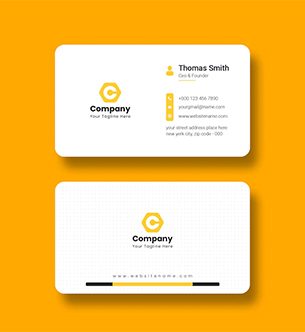
- Business Cards: Personalized to convey professionalism and branding, with options for various finishes and materials.
- Event Badges and ID Cards: Used in conferences, seminars, or workplaces, featuring security features and tailored artwork.
- Prepaid and Payment Cards: Including options like NetS and EZ-Link cards that support contactless payments and transport access.
Materials Used in Custom Card Printing
The durability and look of custom cards depend heavily on the materials selected during production. Commonly used materials include:
- PVC Plastic: The most prevalent choice due to its durability, flexibility, and professional appearance.
- Polycarbonate: Offers increased strength and resistance to scratching, suitable for high-security requirements.
- Composite Materials: Combining multiple substrates to optimize weight, durability, and customization options.
- Paper and Cardstock: Less durable but suitable for temporary or promotional use and often eco-friendly.
Each material can be finished with various coatings such as matte, gloss, or UV coating to enhance aesthetics and longevity. The choice of material impacts not only the card’s appearance but also its resistance to wear and environmental factors.
Design and Personalization Features
Effective customization begins with a keen focus on design elements that reflect individual or corporate identity. Graphic options include high-resolution images, logos, and custom branding components that can be integrated seamlessly into the card layout. Typography plays a critical role, allowing clients to select fonts that complement their brand or personal style, ensuring that text elements like names, slogans, or contact information are clear and visually appealing.
Enhancing the tactile experience is also possible through the selection of finishes and coatings. Matte finishes provide a sophisticated, non-reflective surface that minimizes fingerprints and glare, ideal for professional environments. Gloss coatings, on the other hand, impart a shiny, vibrant look that reduces the appearance of minor scratches and enhances colors' richness. UV coatings add extra protection against environmental factors, increasing the overall durability of the card and maintaining its aesthetic quality over time.

Many service providers now offer online design tools that enable real-time customization and preview, empowering clients to experiment with different layouts, color schemes, and design elements before finalizing their order. Such digital interfaces facilitate a streamlined design process without the need for extensive technical skills, ensuring that even beginners can achieve professional-quality results.
Printing Technologies and Techniques
The choice of printing technology significantly influences the quality and durability of custom cards. Digital printing methods, such as UV direct-printing and dye-sublimation, are widely used for short runs and highly detailed designs. These techniques produce vibrant, precise images with the ability to incorporate intricate patterns and gradients.
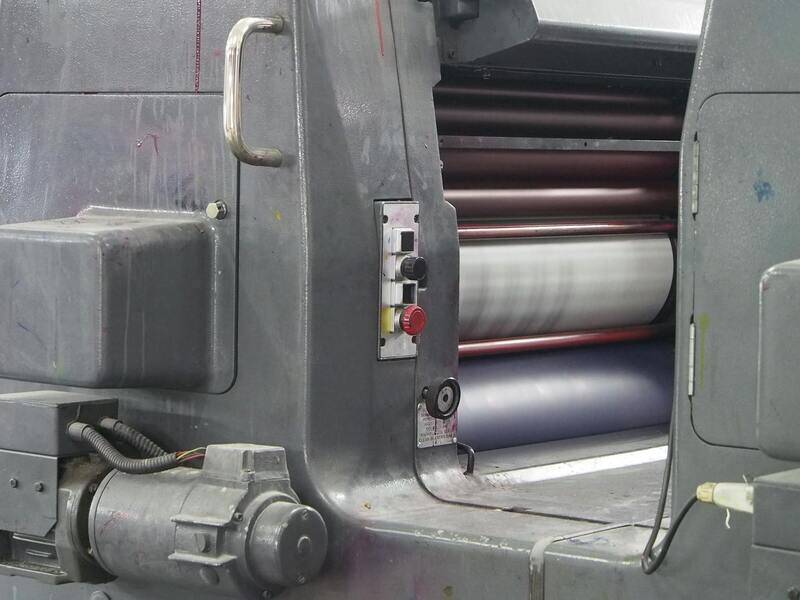
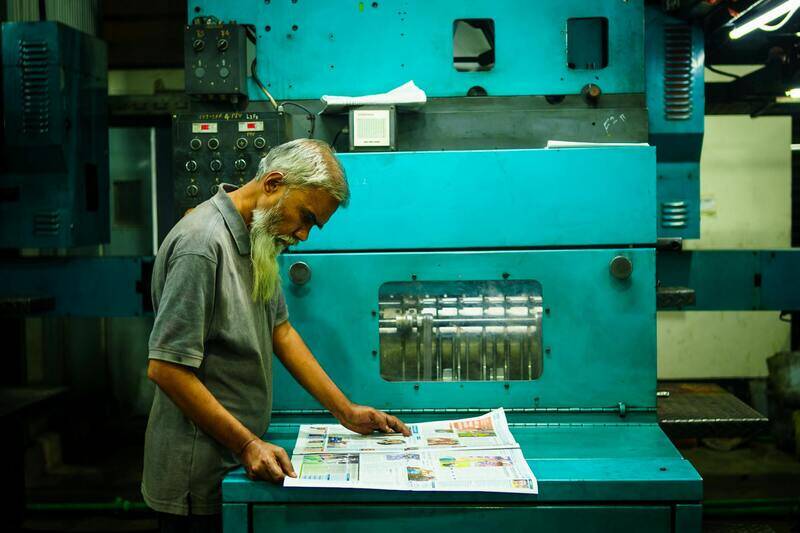
Offset printing is preferred for large volume orders, offering consistent quality and cost efficiency. It allows for high-resolution images and a wide range of color options, ensuring the final product aligns with brand standards. Embossing and foil stamping are additional techniques used to add tactile features and metallic accents, elevating the perceived value of the card.
Laser cutting and edge painting provide further customization options, enabling unique shapes and color borders that enhance the overall presentation. Combining multiple techniques allows for customized designs that stand out and reinforce brand identity or personal style.
The selection of printing methods depends on design complexity, order volume, and desired finish, ensuring each card not only meets functional needs but also exudes professionalism and uniqueness.
Comprehensive Overview of Custom Card Printing Techniques
Custom card printing utilizes a variety of advanced manufacturing processes that prioritize precision, durability, and aesthetic appeal. Digital printing technologies such as UV direct-printing and dye-sublimation are at the forefront, enabling the creation of vibrant, highly detailed images with intricate patterns, gradients, and personalized designs. These methods are particularly suitable for short runs and customized requests, ensuring quick turnaround times without compromising quality. Offset printing stands out for orders requiring large quantities, providing consistent results and a broad color spectrum to match branding standards effectively.
Enhancing Visual Appeal with Embossing, Foil Stamping, and Beyond
To elevate the tactile and visual richness of custom cards, techniques such as embossing and foil stamping are frequently employed. Embossing adds a three-dimensional texture, making logos, borders, or text stand out through raised surfaces. Foil stamping introduces metallic accents, enhancing perceptions of value and sophistication with reflective gold, silver, or colored foil overlays. Laser cutting and edge painting further contribute to distinctive shapes and vibrant borders, allowing designers to craft truly unique pieces that reinforce brand identity or personal style. Combining these techniques results in a finished product that not only looks impressive but also provides a memorable user experience.
Materials That Define Durability and Aesthetic Quality
The selection of materials is pivotal in custom card printing. High-quality cardstock remains the standard, offering a sturdy, professional feel. Textured papers can add unique tactile experiences, while waterproof synthetic materials provide resilience against moisture and wear, making cards suitable for outdoor or frequent handling scenarios. Specialty finishes such as foil or spot UV coating serve to accentuate specific design elements, providing depth and shine that catch the eye. These material choices ensure that each custom card maintains its visual integrity and functional performance over time, whether used for corporate branding, personal gifts, or event souvenirs.

Design Personalization and Feature Integration
Personalization is a core aspect of custom card printing, encompassing options such as custom logos, images, names, and messages. Advanced software tools now enable quick customization, allowing clients to visualize their designs before production. Additional features like holographic elements, microtext, and tactile finishes further customize each card, ensuring it stands out. Some providers also offer functional features, including embedded chips or magnetic stripes, for RFID or access control purposes, which combine aesthetic appeal with practical utility. This level of detail ensures that each card caters perfectly to the specific needs of individuals or organizations seeking a distinctive, functional gift or branding medium.
Production Timing and Cost Considerations
Effective planning for custom card projects involves understanding manufacturing timelines and manufacturing costs. While digital printing offers rapid production, especially suitable for small batches, larger quantities benefit from offset printing, which provides cost efficiencies per unit. Additional costs may arise from specialty finishes or unique shapes, so outlining clear specifications upfront helps manage budgets. The typical turnaround for custom card printing ranges from several days to under two weeks, depending on complexity and order size, allowing clients to align production schedules with their event or promotional timelines.
Overview of Custom Card Printing
Custom card printing provides an excellent avenue for individuals and organizations to create unique, personalized cards that serve various purposes—from corporate branding and promotional giveaways to personal gifts and event souvenirs. This process involves utilizing advanced printing technologies and high-quality materials to produce durable, visually appealing cards tailored to specific specifications. Whether for membership identification, gift cards, or specialized access control, custom card printing enables precise control over design, features, and finishes, making each card a distinctive representation of the client's vision or brand identity.
The importance of quality in custom card printing cannot be overstated. Every element—from the choice of materials and finishing techniques to the clarity of images and accuracy of colors—contributes to the overall impact and utility of the finished product. By choosing reputable service providers, clients ensure their cards meet high standards for durability and aesthetic appeal, which helps reinforce trust and recognition among recipients or users.

Types of Custom Cards Available
The range of custom cards includes a variety of formats suited for different functions and industries. Common types encompass:
- Prepaid Gift Cards: Perfect for retail promotions, corporate rewards, or personal gifting, these cards are customizable with logos, images, and message options.
- Membership Cards: Used by gyms, clubs, and organizations to identify members, often embedded with RFID chips or magnetic stripes for access control and transactions.
- Event Passes and Credentials: Designed for conferences, concerts, or seminars, featuring high-security elements like holograms and microtext.
- Promotional Business Cards: Custom-designed cards to promote a brand or product, often utilizing special finishes such as foil stamping or embossing to stand out.
- Transportation Cards: For public transit systems, offering durable and customized solutions accepted across multiple platforms.
Flexibility in design and functionality makes custom card printing an invaluable tool for creating meaningful connections and enhancing organizational branding efforts.

Design and Personalization Features
When it comes to custom card printing, the ability to tailor every detail to meet specific branding or personal preferences is a key advantage. This allows for a high degree of flexibility in design and ensures that each card effectively communicates the intended message or identity. Advanced customization options include choosing different layout formats, color schemes, font styles, and graphical elements that precisely align with brand guidelines or personal tastes.
Incorporating unique design features can significantly enhance the card's visual appeal and utility. For instance, users can select custom finishes such as matte, gloss, or soft-touch coatings that add texture and depth, or opt for special embellishments like foil stamping and embossing that give the card a luxurious feel. These options are especially valuable for promotional business cards, membership cards, or event passes, where making a memorable impression is crucial.
Personalization features extend beyond visual design. Many providers offer the integration of security elements such as holograms, microtext, or RFID chips to add layers of validation and protection. These advanced elements not only secure the card but also increase its perceived value and functionality. Additionally, customization of data layout, such as including individual names, serial numbers, or QR codes, enhances usability across different applications, from identification to contactless transactions.

Designing a custom card often begins with digital design tools that offer real-time previews, allowing clients to experiment with visual elements before finalizing their choices. These tools typically include a library of templates, clipart, and font options, enabling both novices and seasoned designers to craft visually compelling cards. Furthermore, responsive customer support ensures that design and customization processes are smooth and efficient, reducing the likelihood of errors or miscommunications.
For organizations aiming to reinforce their brand identity, consistent use of logos, corporate colors, and messaging across all custom cards creates a cohesive visual language. Personal users, on the other hand, can take advantage of personalized messages or photos to make each card unique and meaningful. This capacity for detailed customization not only enhances the card’s aesthetic appeal but also increases its perceived value, making it suitable for a variety of purposes, from professional networking to personal gifting.
In essence, the range of design and personalization features in custom card printing enables the creation of high-quality, functional, and visually distinctive cards. Whether for branding, security, or personal reasons, the available options allow for a tailored approach that elevates the overall impact and effectiveness of the finished product.
Overview of Custom Card Printing
Custom card printing has become an essential service for individuals and organizations seeking to produce unique, functional, and visually appealing cards tailored to specific needs. This process involves the creation of personalized cards that reflect branding, personal messages, or specific security features, ensuring each card stands out and serves its intended purpose effectively. From promotional giveaways to secure identification, custom card printing offers a versatile solution that combines aesthetics with practicality. Leveraging advanced printing technologies, clients can select from a broad array of card types, materials, and finishing options to achieve their desired results. The ability to incorporate custom designs, logos, and security features not only boosts brand recognition but also enhances the card’s durability and security, meeting various compliance standards and functional requirements.

Types of Custom Cards Available
Custom card printing encompasses several types of cards, each tailored to distinct uses and audiences. These include:
- Prepaid Gift Cards: Customizable cards used as gifts or promotional incentives, often featuring vibrant graphics and personalized messages.
- Membership Cards: Printing tailored for clubs, gyms, or loyalty programs, these cards often incorporate tracking features alongside aesthetic design.
- Identification Cards: Secure ID cards for employees or event attendees, typically integrating security features like holograms, magnetic stripes, or QR codes.
- Corporate Branding Cards: Cards that reinforce company identity with logos, brand colors, and slogans, used for client or employee appreciation.
- Transportation and Transit Cards: Durable cards for transit systems, often including contactless technology for quick access and usage.
Materials Used in Custom Card Printing
The material selection significantly influences the durability, appearance, and security of custom cards. Common materials include:
- PVC (Polyvinyl Chloride): The most prevalent material due to its strength, flexibility, and cost-effectiveness. Suitable for most types of custom cards, especially those requiring longevity.
- Polycarbonate: A high-grade plastic offering superior durability and resistance to tampering, ideal for secure ID or access cards.
- PET (Polyethylene Terephthalate): An eco-friendly alternative with good flexibility and durability, often used in eco-conscious projects.
- Composite Materials: Combinations of plastics and other elements to enhance specific qualities like RFID compatibility or security features.

Design and Personalization Features
Customization extends beyond mere aesthetics, offering numerous design and personalization options that make each card unique. These include:
- Full-color Printing: Enables vibrant visuals, photos, and intricate graphics to be rendered with high precision.
- Text Customization: Personal messages, names, or branding slogans can be added in various fonts and styles.
- Logos & Graphics: Incorporate logos, symbols, or images to reinforce brand identity or personalize for events.
- Security Features: Embedding holograms, microtext, magnetic stripes, QR codes, or RFID chips for added security and functionality.
- Finish Options: Matte, gloss, or soft-touch coatings enhance the visual appeal and tactile experience.
- Special Effects: Features like raised printing, metallic foils, or embossing create tactile and visual depth.
Printing Technologies and Techniques
Achieving high-quality, durable custom cards requires the use of advanced printing technologies:
- UV Offset Printing: Ideal for large runs, offering crisp images and color consistency, perfect for branding-rich cards.
- Digital Printing: Best suited for small batches or highly customized designs, providing quick turnaround times and flexibility.
- Sublimation Printing: Used mainly for full-color photo-rich images, ensuring vibrant and long-lasting visuals.
- Laser Engraving & Etching: Used for security features or personal identification, where precision and security are paramount.
- Overlamination and Finishing: Applying protective layers or special finishes to enhance the card’s durability and aesthetic appeal.
Overview of Custom Card Printing
Custom card printing offers a flexible and professional approach to creating personalized cards for a variety of purposes, including corporate branding, promotional giveaways, event invitations, loyalty programs, and personal gifts. Leveraging high-quality materials and advanced printing processes, this service ensures that each card produced reflects the specific design preferences and functional needs of the client. Whether for small-scale personal projects or bulk corporate orders, custom card printing provides a tailored solution that combines aesthetic appeal with durability and security features.

Types of Custom Cards Available
Suppliers offer a broad spectrum of custom card types, each designed to meet distinct requirements. Common variations include:
- Prepaid Cards: Widely used for gift, loyalty, or transit purposes, these cards come in formats such as NETS and EZ-Link cards, customizable with personal artwork and branding.
- Business and Corporate Cards: Designed to promote branding, these cards often contain embedded security features like holograms or microtext and may incorporate logos or graphics reflective of company identity.
- Event and Membership Cards: Customized for events or memberships, these cards can be personalized with participant names, event details, or membership levels, often including security features to prevent duplication.
- Personalized Gift Cards: Ideal for special occasions, these cards feature vibrant visuals, personal messages, and decorative finishes for a memorable presentation.
Materials Used in Custom Card Printing
The selection of materials impacts the longevity, appearance, and tactile experience of the final product. Commonly used substrates include:
- PVC (Polyvinyl Chloride): The standard material for most cards, offering durability and flexibility suitable for both high and low-volume production.
- PET (Polyethylene Terephthalate): Known for environmental friendliness and resistance to moisture, making it a sustainable choice for long-term usage.
- Composite Materials: Combining multiple layers of PVC, PET, or other substrates to enhance durability, security, and special visual effects.
- Specialty Papers and Cardstocks: Used for more artistic or decorative cards, often with textured finishes or embossing capabilities.
Design and Personalization Features
Customization extends beyond simple visuals. Designers can incorporate a range of personalization elements to make each card unique:
- Full-color Printing: Enables vibrant visuals, intricate graphics, photos, and textured effects with high precision.
- Text Customization: Adds personal messages, names, or branding slogans in various fonts and styles to create a distinctive look.
- Logos and Graphics: Reinforces brand identity or personalizes the card with logos, symbols, or thematic images.
- Security Enhancements: Embedding holograms, QR codes, microtext, magnetic stripes, or RFID chips enhances security and functionality.
- Finish Options: Matte, gloss, or soft-touch finishes improve the visual appeal and tactile experience.
- Special Effects: Raised printing, metallic foils, embossing, and holographs add depth and tactile interest, making each card stand out.
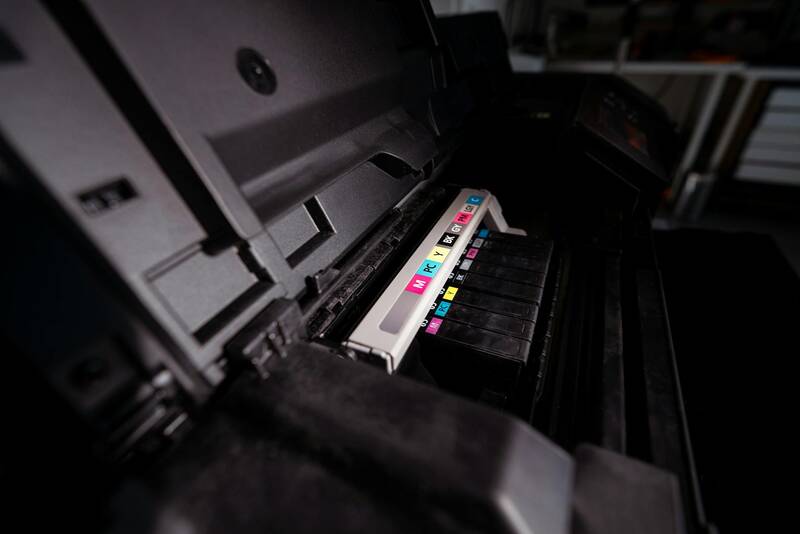
Printing Technologies and Techniques
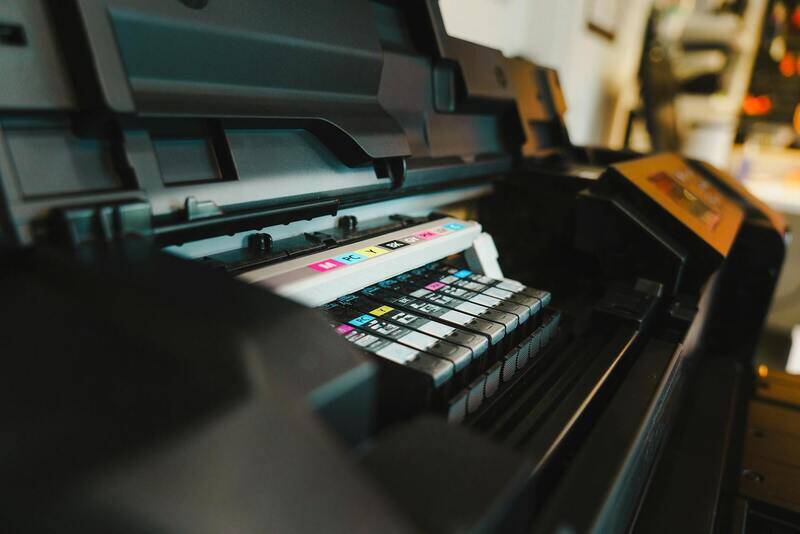
Achieving high-quality, durable custom cards requires the deployment of advanced printing technologies tailored to specific design and production needs:
- UV Offset Printing: Suitable for bulk production, offering crisp images with consistent color accuracy — ideal for branding-heavy cards.
- Digital Printing: Perfect for small batches and highly customized designs, providing fast turnaround times and flexibility for on-demand orders.
- Sublimation Printing: Used for photo-rich images, ensures vibrant colors and long-lasting visuals, especially effective on polyester surfaces.
- Laser Engraving & Etching: Employed for security features or personal identification, providing precision and tamper resistance.
- Overlamination and Finishing: Applying protective layers or special coatings enhances durability against wear and tear while maintaining aesthetic quality.
Additional Considerations for Custom Card Printing: Ensuring Quality and Efficiency
When investing in custom card printing, it is crucial to understand the official methods that guarantee the highest standards of quality, security, and durability. While various shortcuts may seem appealing, adhering to proven processes ensures each card meets the intended specifications and functions effectively in its intended environment.
Quality Control in Official Printing Methods
Standardized printing procedures involve meticulous quality control checks throughout the production cycle. This includes pre-press verification where digital files are examined for color accuracy and design conformity, and post-print inspection to confirm that each card adheres to uniform standards. Reputable providers often employ optical scanning and automated testing to identify defects or inconsistencies, ensuring only flawless cards reach clients.

Advanced Security Features in Legitimate Printing Processes
Integrating security elements like holograms, microtexts, RFID chips, or magnetic stripes demands specialized printing techniques that are exclusively available through authorized channels. These methods involve precise calibration of printing equipment to embed security features seamlessly into the card substrate. Such practices ensure the security and integrity of the card, providing protection against duplication or tampering.
Material Certification and Compliance
Official custom card printing utilizes certified materials that meet industry standards for durability, environmental safety, and compatibility. Using high-grade PVC, PET, or composite materials ensures that the cards withstand daily wear, exposure to elements, and handling. Material certification guarantees that the sourced raw materials are legitimately acquired, safe, and suitable for high-quality printing applications.
Methods for Verifying Authentic Printing Processes
- Vendor Credentials: Confirm provider accreditation and industry certifications that attest to their adherence to established printing standards.
- Portfolio Inspection: Review previous work samples to assess the quality, security features, and overall craftsmanship.
- Material Transparency: Ask for detailed information about the materials and technologies employed in the printing process.
- Technology Transparency: Ensure the provider employs legitimate printing techniques such as UV offset, digital printing with certified inks, or laser engraving, which align with industry best practices.
- Customer Testimonials and Reviews: Consider feedback from other clients regarding the provider's reliability and quality assurance practices.
Legal and Ethical Considerations in Custom Card Production
All official methods involve compliance with legal standards governing intellectual property rights and manufacturing protocols. This encompasses using authorized templates, avoiding counterfeit technology, and ensuring that designs do not infringe on trademarks or copyrights. Maintaining ethical practices not only ensures the authenticity of the cards but also safeguards the reputation of the brand and the interests of consumers.
Finalizing Your Choice of Custom Card Service
To ensure the integrity of your custom cards, collaborate exclusively with providers that deploy official printing technologies and adhere to industry standards. Engaging with reputable companies like eprintingservice.com guarantees access to advanced equipment, certified materials, rigorous quality control, and security features, all contributing to a durable, visually striking, and secure product. Prioritize transparency, certification, and professional expertise to achieve the best results for your personalized cards.
