
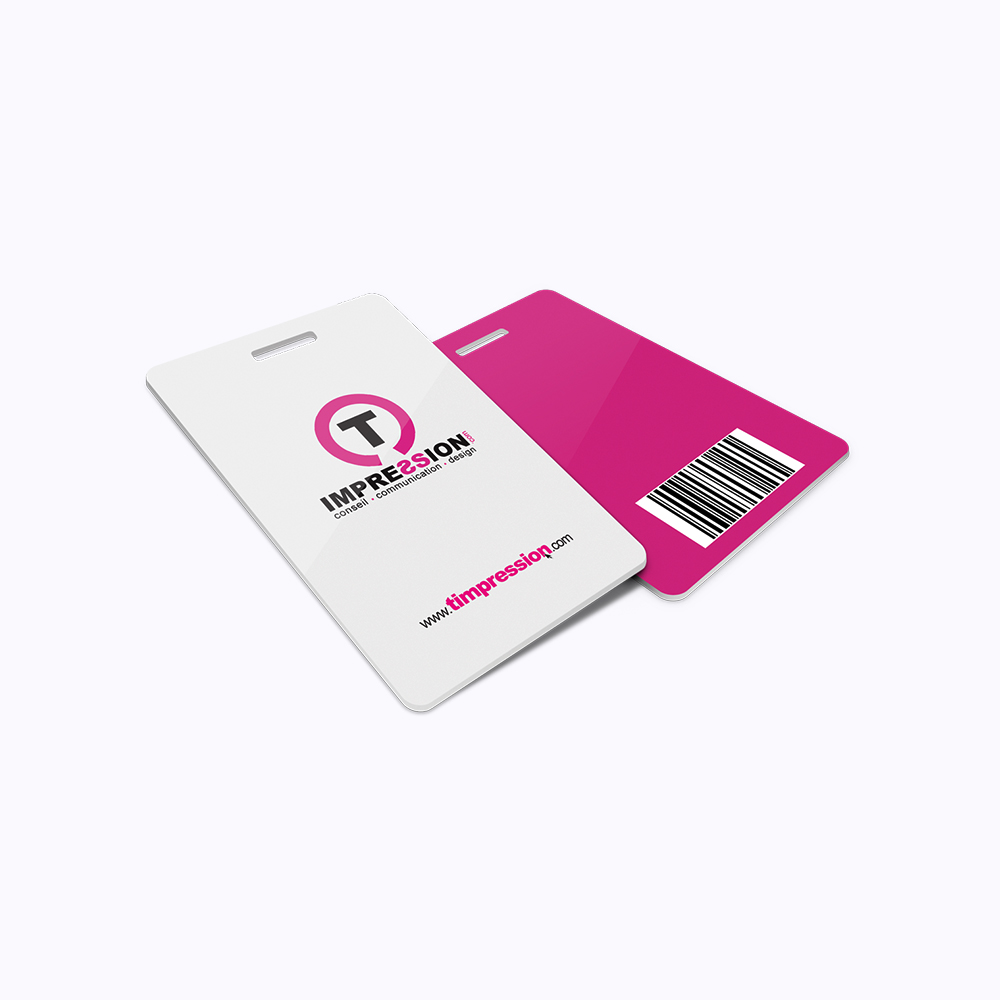
Introduction to Personal Card Printing
In an increasingly interconnected world, the significance of personal and professional identity is reflected through the use of high-quality personal cards. Personal card printing enables individuals and small businesses to create tangible representations of their brand, personality, and contact information. These cards serve as powerful tools in networking, marketing, and establishing credibility, making them essential assets for those looking to make a lasting impression.
Choosing the right method and materials for personal card printing is crucial. Quality printing not only enhances visual appeal but also ensures durability and a professional look. The types of cards produced vary widely, ranging from traditional business cards to personalized greeting and membership cards, each tailored to specific needs and preferences. Custom-designed cards can effectively communicate professionalism, creativity, and attention to detail, reinforcing personal branding efforts.

Personal card printing offers a strategic means to foster connections and promote personal and business ventures. Whether for exchanging contact details at networking events or handing out promotional materials at trade shows, well-crafted personal cards can dramatically influence perceptions and facilitate opportunities. The importance of choosing reputable printing services, like eprintingservice.com, cannot be overstated, as they provide the expertise and quality assurance required for producing professional-grade cards.
Modern printing techniques combined with a wide selection of materials and finishes allow for tremendous customization possibilities. From embossed logos to spot UV coatings, these enhancements make personal cards stand out in a competitive environment. The subsequent sections explore the different types of personal cards, materials and finishes, design considerations, and the latest printing technologies available to ensure effective and attractive results.
Materials and Finishes in Personal Card Printing
Choosing the appropriate materials and finishes is essential to produce personal cards that effectively reflect your style, purpose, and professionalism. The variety of substrates available allows for customization that aligns with your branding or personal preferences. Commonly used materials include traditional cardstock, which provides a sturdy base ideal for everyday use. For a more luxurious touch, options such as silk or matte finishes can enhance tactile appeal and reduce glare, making the details easier to read.
Specialty materials like transparent PET or PVC cards introduce unique visual effects and durability, suitable for high-end professional or creative applications. Additionally, textured finishes such as linen or felt provide a tactile experience that separates your cards from standard options. Each material’s thickness, measured in weight (gsm or mils), influences both the durability and perceived value of the final product.

Finish Enhancements and Their Impact
- Spot UV Coating: Adds a glossy layer to selective areas of the card, emphasizing logos or key features with a shiny finish.
- Embossing and Debossing: Creates a raised or recessed effect, offering a sophisticated tactile element that increases visual interest.
- Foil Stamping: Applies metallic or pigmented foils, perfect for highlighting logos or important text, giving an eye-catching metallic sheen.
- Laminations: Provide additional protection against wear and tear, prolonging the lifespan of the card while enhancing the surface feel—either glossy or matte.
- Edge Painting: Adds a splash of color to the edges of the card, creating a distinctive look that can match or contrast with the overall design.
Leveraging these finishing techniques can significantly elevate the perception of the personal cards, emphasizing detail and craftsmanship. Combining a durable and aesthetically appealing material with premium finishes ensures that your cards stand out and have a lasting impression.
Understanding the Legitimate Methods of Personal Card Printing
Personal card printing is a precise process that relies on a selection of characters, fonts, and images meticulously transferred onto durable surfaces using state-of-the-art technological methods. These processes are designed to ensure high-quality results while adhering to established quality standards. The most commonly employed techniques involve digital printing, offset printing, and thermographic printing, each offering distinct advantages suited to various personal branding needs.
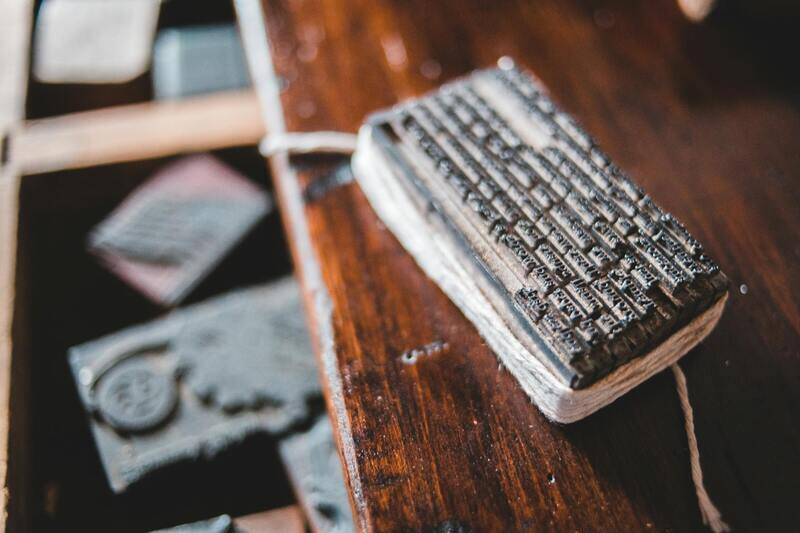
Authentic Digital Printing: Precision and Flexibility
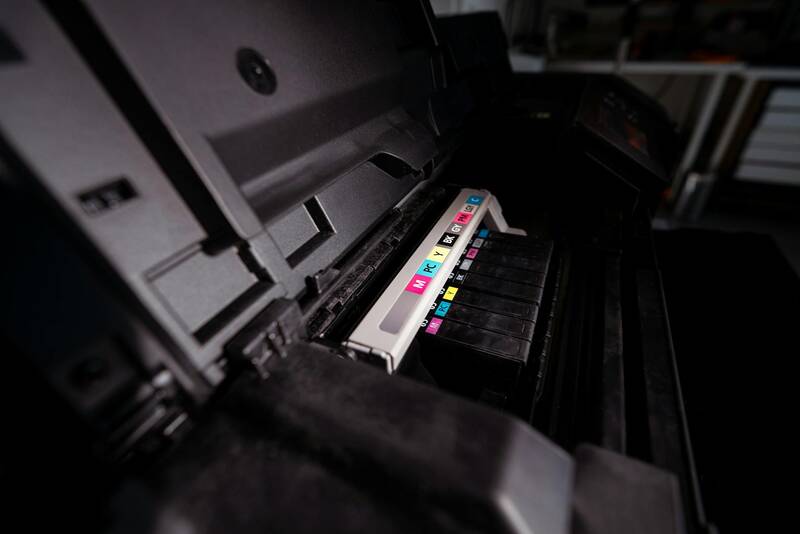
Digital printing has revolutionized personal card production by enabling rapid, high-resolution output with minimal setup. It is especially suitable for short runs or personalized designs, providing flexibility for small quantities or on-demand printing. Digital presses utilize advanced inkjet or laser technology to reproduce intricate artwork, photographs, and fine details with consistency, making it ideal for personal cards that demand clarity and vibrant color schemes.
Offset Printing: High Volume and Consistent Quality
Offset printing remains a trusted method for large-scale personal card production. This technique involves transferring ink from a plate to a rubber blanket, then onto the material surface. Offset printing yields sharp images and uniform colors, making it suitable for producing batches of personalized cards with consistent quality. While setup costs are higher, the method offers cost efficiency for high-volume orders and ensures that each card reflects the same high standard of craftsmanship.
Thermographic Printing: Elevated Texture and Professional Appeal
Thermographic printing involves applying a special powder onto wet ink, which is then heat-cured to create a raised, embossed effect. This method adds a tactile dimension to personal cards, enhancing their visual appeal and shelf presence. Thermography is often used for name cards, VIP cards, or other personal identifiers that benefit from a sophisticated, textured finish. Its legitimacy is rooted in adherence to strict manufacturing standards that guarantee durability, consistent embossing, and color fidelity.
Additional Techniques Supporting Legitimacy and Quality
- Screen Printing: Utilized for bold graphics or limited color palettes, primarily on thicker or specialty materials.
- Hot Stamping and Foil Printing: Adds metallic or pigmented accents, often used for highlighting logos or initials with a shiny, elegant appearance.
- Lamination and Coating: Provides protective layers, enhancing durability and surface quality, with options for matte, gloss, or soft touch finishes.
Choosing the Right Method for Your Personal Card
Secure personal card printing hinges on selecting a method aligned with your design complexity, budget, and intended use. Digital printing offers rapid turnaround and customization for personalized, short-run projects, while offset provides consistency and efficiency for large quantities. Techniques like thermography and foil stamping add tactile luxury but may involve additional setup and costs. Professional printers ensure that each method complies with industry standards and quality controls, guaranteeing that your personal card not only looks refined but also withstands everyday handling.

Ensuring Authenticity and Security in Personal Card Printing
Maintaining the integrity of personal cards is paramount, especially when they serve as key identifiers for individuals in professional, personal, or confidential contexts. When selecting methods for personal card printing, it is essential to adhere to standard, reputable techniques that guarantee quality, security features, and durability. Legitimate printing practices involve the use of certified materials, advanced technology, and adherence to industry standards which ensure that each card accurately represents the individual and withstands everyday use.
Official Printing Methods for Personal Cards
Several established printing techniques are recognized for producing authentic and reliable personal cards. These methods are frequently employed by professional printing services to deliver consistent quality and preserve the integrity of the card’s design and security attributes. Here are some of the primary techniques:
- Digital Printing: Widely used for its speed and flexibility, digital printing allows for high-resolution images and personalized details on each card, making it suitable for short runs or highly customized designs.
- Offset Printing: Ideal for large quantities, offset printing provides cost-effective, sharp, and color-accurate results. It ensures that every card maintains consistency across batches, which is crucial for official personal identification.
- Thermography: Recognized for its textured, embossed appearance, thermography offers a sophisticated look often used on VIP or personal identifier cards. The process involves a heat-activated powder that creates a durable raised effect, adding tactile security to the design.
- Hot Stamping and Foil Printing: These techniques add metallic accents or embossed elements that are difficult to replicate without proper equipment, thereby enhancing the authenticity of official personal cards.
- Lamination and Surface Coatings: Applying protective layers such as matte, gloss, or soft touch coatings enhances surface durability and prevents tampering or surface wear, ensuring the card remains in pristine condition over time.
Official Materials Supporting Card Authenticity
The choice of materials plays a crucial role in the authenticity of personal cards. Certified card stocks, such as PVC, PET, and specialty paper, are used to create sturdy, tamper-evident, and durable cards. These materials are sourced from reputable suppliers and comply with manufacturing standards that ensure consistent quality.
- PVC (Polyvinyl Chloride): The most common material for ID cards, offering durability, flexibility, and resistance to everyday handling.
- PET (Polyethylene Terephthalate): Known for enhanced strength and environmental resilience, often used for high-security or long-term cards.
- Premium Specialty Papers: Used in custom personal cards where texture, color fidelity, or tactile qualities are a priority.
Incorporating Security Features Legally
Legitimate printing practices involve the integration of security features in accordance with industry standards. These features include holograms, microtext, UV inks, or serial numbering, which serve as verification markers that authenticate the card’s origin and prevent unauthorized duplication. Implementing these elements through authorized methods and certified suppliers ensures the card’s security features comply with recognized quality standards and withstand scrutiny during verification processes.
Choosing the Right Partner for Personal Card Printing
Engaging with experienced and reputable printing service providers guarantees that personal cards are produced following approved methods. Such partners use certified equipment, high-quality materials, and proven techniques ensuring each card is authentic, durable, and visually appealing. Selecting a provider that adheres to established manufacturing standards minimizes the risk of counterfeit or substandard products, fostering confidence in the personal identification system.
Security Features and Ways to Ensure Authenticity in Personal Card Printing
Implementing security features within personal cards is a vital aspect of ensuring that each card maintains its integrity and functionality. A variety of sophisticated techniques and materials are used consonantly with industry standards to safeguard against unauthorized duplication or tampering. These features are incorporated during the printing process carefully to bolster the card’s reliability and confirm its authenticity.
One common security element is the inclusion of holograms. These visual markers are difficult to reproduce accurately, providing immediate visual verification that the card is genuine. Microtext, tiny text or symbols visible only under magnification, can be embedded into the card design, adding another layer of protection. UV inks are often used because they are only visible under ultraviolet light, deterring attempts at forging or duplicating the card.
Serial numbers and barcodes are also important methods of tracking and authenticating personal cards. When combined with databases, they facilitate real-time validation and record-keeping, which enhances security workflows. Additionally, the integration of security threads, watermarks, or specialized covert features may be used to further complicate unauthorized reproduction attempts.
To ensure these security features serve their intended purpose effectively, it is essential to rely on professionally certified suppliers and authorized printing methods. These providers use state-of-the-art equipment and comply with recognized standards, which contribute to the durability and validity of the security measures implemented. Authentic security features are designed to withstand standard wear-and-tear, exposure to various environmental conditions, and deliberate attempts at forgery, maintaining the integrity of the personal card throughout its lifespan.
By employing these advanced security methods, users and organizations can trust that their personal identification tools are resistant to counterfeit, thus ensuring reliable identification and safeguarding personal or organizational information. Careful coordination with reputable printing services guarantees the prudent application of these security features within the scope of legal and suitable practices, fostering the trust needed for sensitive and official personal card issuance.
Authentic Methods for Personal Card Printing
Procurement of personal cards through official channels involves meticulously adhering to established printing protocols that guarantee both quality and security. Reputable printing services employ licensed equipment and authorized processes to produce personal cards that serve as reliable identification tools. These methods focus on maintaining the integrity of the card's design and security features, which are critical in verifying identity and preventing unauthorized duplication.

Utilizing authorized printing technologies such as digital and offset printing ensures high-resolution output with precise color matching and sharp graphic detail. Digital printing offers versatility for short runs and quick turnaround times, while offset printing provides consistency and cost-effectiveness for larger quantities. These reliable methods incorporate sophisticated color management systems that match the intended design perfectly and produce resilient printings that withstand everyday handling.
Authorized Processes and Equipment
Reputable personal card printing utilizes certified tools and machinery that conform to industry standards. These include high-end digital presses fitted with secure printing features, such as watermarks and microtext, that are integrated during the manufacturing process. Offset presses are also commonly used for bulk production, offering uniform quality and durability across large batches. In addition, specialized equipment for applying premium finishes like foil stamping and spot UV coating is employed within authorized facilities, elevating the aesthetic appeal and functional durability of the cards.
Security and Authentication
Inclusion of security features during official personal card production is executed by certified providers who follow rigorous protocols. Features like holograms, UV-reactive inks, and covert markings are embedded with precision, utilizing certified tools that prevent counterfeit attempts. These techniques are applied within tight quality control frameworks, ensuring each card's security features are consistent and durable. Such methods are essential in formats where the integrity of the personal identification is paramount, providing a safeguard against unauthorized reproduction and misuse.
Materials and Finishes for Personal Cards
Selection of materials plays a vital role in the durability and appearance of personal cards. Standard options include PVC, Teslin, and other sturdy synthetic substrates that resist wear and environmental factors. Premium finishes such as matte, gloss, or satin coatings are applied to enhance the tactile and visual qualities of the cards. Special finishes like soft-touch coatings, embossed textures, or metallic foils can further elevate the personalized aspect, making each card not only functional but also visually impressive.
Advanced finishing techniques such as UV coating or lamination extend the lifespan of personal cards, protecting against scratches, fading, and other forms of degradation. When selecting materials and finishes, users should ensure compatibility with the intended security features and overall design, aligning with the purpose of the card and the environment in which it will be used.
Ensuring Security and Legitimacy in Personal Card Printing
When it comes to creating personal cards, adopting official and trusted methods is paramount to guarantee their authenticity and durability. The process begins with selecting reputable printing providers that utilize certified equipment and high-quality materials, ensuring each card adheres to strict standards of excellence. These providers often follow established industry protocols, which encompass rigorous quality control measures, sophisticated security features, and durable finishing techniques. Such adherence to official procedures not only enhances the overall appearance of the cards but also safeguards against unauthorized reproductions.

Moreover, official personal card printing involves the implementation of advanced security features embedded within the card design. These features include holograms, microtext, covert markings, and UV-reactive inks—all applied using specialized tools that conform to industry standards. The deployment of these features within quality-controlled environments ensures consistency, making each card resistant to copying and tampering.
Utilizing Certified Printing Materials
The choice of materials plays a vital role in the legitimacy of personal cards. Reputable printers typically use synthetic substrates like PVC or Teslin, which offer enhanced durability and environmental resistance. These materials undergo strict testing to confirm their compatibility with the printing processes and security features. Premium finishes such as matte, gloss, or satin coatings are then applied, often with additional protective layers like UV coatings or lamination. These treatments safeguard the images and embedded security elements, maintaining the card’s integrity over time.
Adopting Authorized Printing Technologies
Established printing processes, including digital and offset printing, operate with certified machines that ensure precision, color accuracy, and security. For security-enhanced personal cards, technologies such as holographic overlays, custom embossing, and covert ink application are employed to create a complex, hard-to-replicate product. These methods often incorporate certified color management protocols and verifiable printing standards, instilling confidence that each personal card produced meets rigorous quality expectations.
Vetting and Quality Assurance
Finalizing any batch of personal cards involves meticulous quality assurance checks. This process includes verifying the security features' proper application, inspecting the finish and overall appearance, and confirming adherence to specified design parameters. Reputable providers also maintain detailed record-keeping and traceability for each card, further cementing the payment of standards that uphold authenticity and prevent counterfeit circulation.
Documenting and Managing Card Production
Maintaining transparency throughout the production process is crucial. Documentation of all steps—from artwork approval to material sourcing and security feature application—helps assure clients of the legitimacy of their personal cards. Digital tracking systems and certification records are instrumental in confirming that each card has been produced according to official procedures, thus reinforcing their legitimacy and acceptance across various environments.
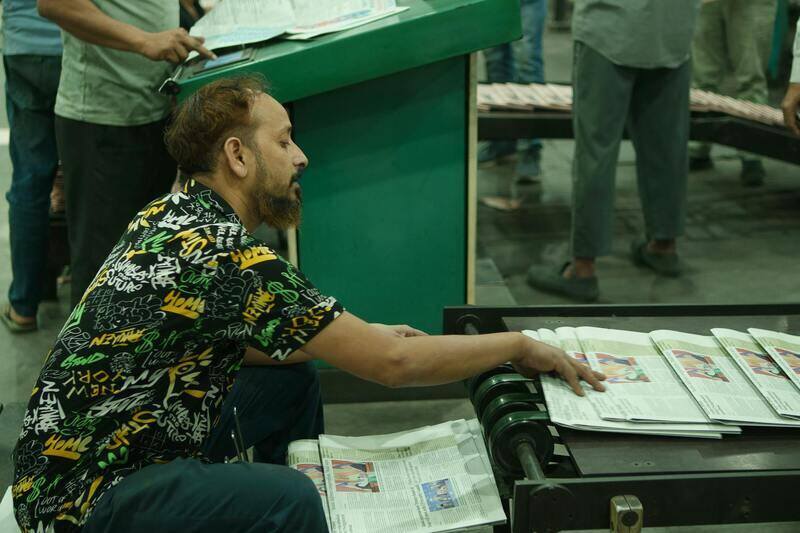
In summary, employing official methods in personal card printing involves a combination of certified materials, advanced security features, precise technology, and rigorous quality controls. These steps collectively establish a trusted foundation for producing personal cards that are durable, authentic, and resistant to misuse or forgery, aligning with best practices for professional and legitimate production standards.
Official Methods for Personal Card Printing: Ensuring Security and Authenticity
Producing personal cards through official channels involves a comprehensive approach that prioritizes the use of certified materials, integration of advanced security features, and adherence to stringent quality control protocols. These core elements collectively establish a foundation of trustworthiness, durability, and resistance to misuse, safeguarding the integrity of each card issued.

Use of Certified Materials
Employing approved substrates such as high-grade PVC, composite cardstocks, or specialty films is essential to produce lasting personal cards. These materials are selected based on their durability, resistance to wear, and compatibility with embedded security features. Suppliers that specialize in official card printing maintain strict standards for material sourcing, ensuring each batch is compliant with industry best practices and environmental regulations.
Integration of Security Features
Security features such as holograms, microtext, UV-sensitive inks, and embedded chips are crucial in validating the authenticity of personal cards. Implementation of covert markings, holographic overlays, and optically variable devices can help differentiate genuine cards from counterfeits. These features are applied with precision using certified printing technologies, making replication exceedingly difficult and thus maintaining the card’s integrity in various environments.
Rigorous Quality Control
Throughout the printing process, rigorous quality assurance procedures are maintained. These include verifying the accuracy of security feature application, inspecting the uniformity of finishes, and performing durability tests to simulate normal wear and tear. Qualified personnel conduct these checks, and meticulous documentation is kept to track each batch, ensuring complete traceability and accountability during production.
Documented Production Workflow
Maintaining transparency and traceability is fundamental in official personal card printing. Detailed records of every step—ranging from artwork approval, material procurement, component assembly, to final inspection—are kept systematically. Digital tracking systems facilitate real-time monitoring, providing an auditable trail that substantiates the legitimacy of each card and assures clients of adherence to established protocols.
Application of Covert Markings and Security Overlays
To further enhance security, techniques such as covert markings, microtext, and holographic overlays are employed. These features are embedded seamlessly within the card design, making them visible only under certain conditions or angles, thus confirming authenticity. Such measures are standard practice in official personal card production, substantially reducing the risk of forgery or duplication.
By relying solely on verified methods, certified materials, and sophisticated security technology, authorized personal card printing providers can deliver products that are durable, secure, and highly resistant to counterfeit attempts. This comprehensive approach ensures that each card accurately represents its holder and maintains its intended purpose across different scenarios and environments.
