Guide To Colour Print Price In Singapore: Factors And Pricing
Understanding Colour Printing in Singapore
Colour printing has become an integral part of various industries across Singapore, catering to diverse needs ranging from marketing materials to personal projects. The range of colour print services available today encompasses digital printing, offset printing, and specialty methods, each serving specific requirements with unique advantages. Digital colour printing is highly popular for its quick turnaround times and cost-effectiveness for small to medium print runs, making it suitable for businesses and individuals alike. Offset printing, on the other hand, offers superior quality for large volumes and is preferred for high-quality marketing collateral such as brochures, posters, and banners.
Common uses of colour printing in Singapore include producing vibrant marketing collateral, event materials, corporate stationery, promotional flyers, and personalised gifts. The vibrant colors and sharp images delivered by advanced printing technologies help brands and individuals convey their message effectively. With modern printing facilities equipped with high-resolution printers and innovative colour management systems, Singapore’s printing industry ensures consistency and excellence in every colour print job.
Various colour printed materials showcasing vibrant images and precise colour reproduction
Factors Influencing Colour Print Price
Several key factors influence the cost of colour printing services in Singapore. Understanding these can help clients make informed decisions and optimize their budget without compromising on quality. The major elements include the type of printing technology used, the complexity of the design, the size and volume of prints, and the choice of materials.
Printing Technology: Digital printing tends to be more economical for short runs, while offset printing incurs higher setup costs but offers lower per-unit prices for larger volumes.
Design Complexity: Intricate designs, full-colour photographs, and special finishes may increase the price due to the need for advanced colour management and additional processing.
Size and Volume: Larger print sizes and higher volumes typically lead to higher costs. However, bulk orders often benefit from volume discounts.
Material Selection: Premium papers, textured stocks, or specialty finishes such as gloss or matte coatings influence the overall costs.
Pricing Models and Cost Structures
Colour print prices in Singapore are generally structured based on either per-piece or per-page rates, depending on the project type. Digital printers often provide a straightforward per-sheet or per-page quote, while offset printers may include setup fees within their cost estimates. Bulk printing projects tend to be more cost-efficient, with prices decreasing as the volume increases.
Many printing service providers adopt tiered pricing strategies, offering discounts for large quantities or repeat orders. Some may also include additional charges for custom finishes or special processing, which should be clearly outlined in the quote to ensure transparency.
Common Price Ranges for Different Print Sizes
Understanding the typical price ranges can help set expectations and facilitate budget planning. Smaller print jobs, such as business cards or flyers, often fall within a lower price bracket, whereas larger formats like posters or banners tend to be more expensive.
Business Cards: From SGD 30 to SGD 80 for 500 cards with full colour and premium finishes.
Flyers: Approximately SGD 0.10 to SGD 0.50 per piece, depending on quantity and quality.
Posters and Banners: Ranging from SGD 20 to SGD 100+, depending on size, material, and print quality.
Brochures and Booklets: Cost varies widely based on pages and finish, typically SGD 200 to SGD 1000+ for larger runs.
Comparison of Digital vs. Offset and Other Printing Methods
Digital printing excels in quick turnaround times and flexibility for small batch jobs, making it ideal for one-off or customised prints. The per-unit cost remains competitive for low volumes but increases as quantity grows. Conversely, offset printing involves higher initial setup costs but becomes cost-efficient for large-volume orders, providing consistent high-quality output with vibrant colours.
Other methods such as flexography or screen printing are used for specialized applications like large signage or textiles but are less common for standard print materials. The choice of method significantly impacts the overall colour print price, with digital being more accessible for smaller projects and offset preferred for mass production.
Additional Charges and Customization Costs
Custom finishing options and special materials often add to the base price of colour printing. Common additional charges include:
Lamination or Coating: Enhances durability and appearance, typically adds SGD 0.05 to SGD 0.20 per piece.
Special Finishes: Spot UV, gloss/matte coatings, or embossing may incur extra costs based on complexity.
Unique Paper Stocks: Premium or textured papers are priced higher than standard options.
Design Fees: If custom artwork or design adjustments are needed, additional design charges may apply.
Clear communication with the service provider about these options allows for accurate budgeting and optimal design decisions that align with budget constraints.
Understanding Factors That Affect Colour Print Price
When evaluating the cost of colour printing services, several key elements influence the final price, ensuring that clients receive a tailored estimate suited to their specific requirements. These factors include the volume of prints, dimensions of the material, choice of paper or substrate, complexity of the colour design, and the desired turnaround time.
Firstly, the quantity of prints plays a pivotal role. Larger orders often benefit from bulk discounts, especially when offset printing is involved, due to its efficiency in high-volume production. Conversely, smaller runs or one-off projects are more suited to digital printing, which offers flexibility with rapid turnaround times without the need for costly setup processes.
The size of the printed material impacts costs as well. Larger formats require more materials and may involve additional setup or handling, which subsequently affects overall pricing. For example, posters and banners tend to be priced higher than standard flyers or brochures due to their dimensions and material thickness.
Material selection is another consideration. Standard paper stocks are generally more affordable, but opting for textured, premium, or specialty papers can increase costs significantly. Customers seeking durable or environmentally friendly materials should budget accordingly, as these options often come with premium pricing.
Design complexity and colour detail also influence expense. Projects featuring intricate graphics, multiple colours, or gradient effects may require additional printing passes or special inks, which can escalate the price. Simple designs with fewer colours are often more economical to produce, particularly on digital presses.
Finally, turnaround time can alter pricing structures. Rush orders or expedited services typically incur higher costs to prioritize printing schedules, ensuring quick delivery without compromising on quality. Clients should communicate their deadlines early to optimise scheduling and potential costs.
Illustration of key factors influencing the price of colour printing in Singapore
Additional Cost Considerations in Colour Printing
Finishing Options: Laminations, coatings, or embossing add extra layers of protection and aesthetic appeal but also contribute to the overall cost.
Special Materials: Using metallic or textured papers provides distinctive finishes, though at a higher price point.
Design Services: Customisation, artwork adjustments, and layout design may involve additional charges if in-house or third-party designers are engaged.
Post-Production Treatments: UV coatings, spot varnishes, or specialty inks improve visual impact but also impact total costs.
Discussing specific needs with your printing provider ensures transparency on cost implications for various options, allowing for informed decision-making aligned with your budget constraints.
Strategies for Managing Colour Print Costs
To optimise your colour print budget, consider batching projects to benefit from volume discounts, choosing standard sizes and materials where possible, and simplifying design elements to reduce complexity. Employing a professional consultation can also help identify the most cost-effective options without sacrificing quality.
Understanding Colour Printing in Singapore
In Singapore, colour printing has become an essential component for businesses, educators, and individuals seeking vibrant, professional-quality visuals. The landscape of colour printing offers a variety of official and reputable methods to ensure optimal output, each tailored to specific needs and budget considerations.
High-quality professional colour printing process in Singapore
Approved Methods for Colour Printing
To achieve superior colour reproduction, authorized printing providers often employ advanced digital or offset printing techniques, adhering strictly to industry standards. These methods are recognized for their consistency, durability, and ability to handle a wide range of materials and finishes.
Digital Printing
Digital colour printing is favored for short runs, quick turnaround times, and complex designs that require in-depth color accuracy. It is cost-efficient for small quantities and offers flexibility for customisation, making it a popular choice for marketing materials, flyers, and small batch projects.
Offset Printing
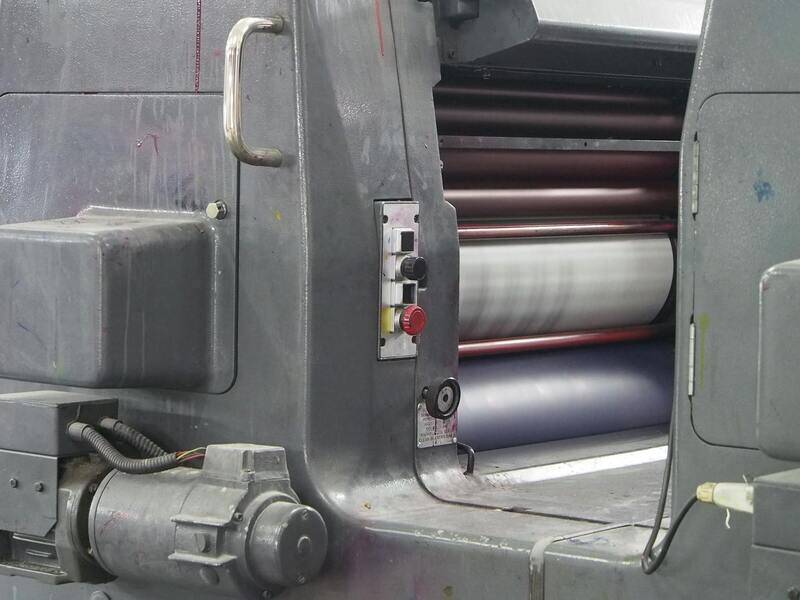
For larger volume orders, offset printing remains the industry standard due to its ability to produce high-quality, consistent colour images at a competitive price point per unit. It involves transferring ink from plates onto a rubber blanket, then onto the printing surface, allowing precise color matching and high-resolution results.
Official Color Printing Facilities in Singapore
Reputable service providers with certified equipment and skilled personnel ensure the delivery of colour print projects that meet professional standards. Choosing established firms guarantees access to official methods that conform to strict quality and safety guidelines, safeguarding the integrity of your print materials.
Advantages of Using Certified Printing Services
Consistent and accurate colour reproduction aligned with original designs
Use of high-quality, approved inks and materials
Adherence to safety standards for environmentally responsible printing
Expertise in handling various print formats and finishes
Engaging with trusted, licensed printers ensures your colour print projects are produced using legitimate and established methods, thereby maintaining the professionalism and impact of your visual communications.
Ensuring Compliance and Quality Assurance
Reputable printing organisations provide detailed quality checks, employ standardized processes, and guarantee adherence to industry best practices. This commitment to quality not only ensures vibrant, precise colours but also prolongs the lifespan of printed materials, safeguarding your investment.
Official colour printing process with certified equipment in Singapore
Summary
Opting for legitimate and certified colour printing methods involves engaging with reputable service providers that utilise approved technologies such as digital and offset printing. These methods are complemented by strict adherence to safety and quality standards, ensuring the final product reflects your desired aesthetic with vibrant, durable colour reproduction. Furthermore, selecting official providers helps uphold standards of quality control, resulting in visually compelling materials that effectively communicate your message across various applications. Whether for marketing, branding, or personal projects, recognizing and using approved printing channels is a key step in achieving professional-grade results in Singapore's dynamic print industry.
Understanding Colour Printing in Singapore
Colour printing is integral to producing vibrant, eye-catching promotional materials, professional documents, and personalized projects. Within Singapore's competitive print industry, mastering the nuances of colour printing involves considering the types of equipment, colour accuracy, and the standards upheld by licensed print service providers. Ensuring your projects are handled through certified and authorized facilities guarantees the delivery of high-quality, consistent colour reproduction that meets professional expectations.
High-quality colour printing in Singapore emphasizing detail and colour vibrancy
In Singapore, colour printing utilizes advanced digital and offset technologies, each suited for different requirements. Digital printing offers quick turnaround times and is ideal for small to medium batches, while offset printing provides superior colour consistency and cost efficiency for larger quantities. Skilled operators in licensed establishments calibrate colour profiles meticulously, ensuring the output aligns with specific Pantone or CMYK standards, thus guaranteeing branding consistency and visual impact across various materials.
Factors Influencing Colour Print Price
Print Quantity: Larger orders often benefit from sliding scale pricing, making bulk purchases more economical per piece.
Print Size and Format: Standard sizes like A4 and A3 attract baseline rates, whereas larger formats or special dimensions may incur additional costs.
Colour Complexity and Coverage: Full-coverage, multi-colour designs require more ink and processing time, which influences the overall price.
Paper Quality and Finish: Premium paper stocks, textured finishes, or specialised coatings can escalate printing costs but enhance the final aesthetic.
Turnaround Time: Urgent orders often carry premium fees due to expedited processing and scheduling priorities.
Additional Customization: Embossing, lamination, or other finishing techniques contribute to the final cost structure.
Pricing Models and Cost Structures
Most reputable printing companies in Singapore adopt a combination of per-unit and package-based pricing strategies. Standard per-page rates are common for small runs, with discounts available for bulk orders. Offset printing typically involves setup fees, which encompass pre-press preparations such as plate creation and colour calibration. Digital printing, on the other hand, minimizes setup costs, making it more suitable for short runs with high customization needs. The incorporation of premium finishes or complex colour processes further impacts the total expenditure, requiring clients to balance their aesthetic goals against budget constraints.
Illustration of various printing methods and their cost implications
To manage costs effectively, engaging with official print service providers that transparently communicate their pricing models is vital. Many industry operators in Singapore provide detailed quotations based on exact project specifications, enabling accurate budget planning. A clear understanding of the pricing components aids clients in selecting the most suitable printing method for their needs while ensuring high standards of colour fidelity and material durability.
How to Utilize Official Methods for Accurate Cost Estimation
Securing precise cost estimates for colour printing in Singapore involves engaging directly with reputable print service providers. These companies typically offer detailed quotations based on specific project parameters, including the size, colour complexity, material type, and finishing techniques desired. Clients are encouraged to provide comprehensive details upfront—such as dimensions, paper quality, and volume—to receive an accurate price breakdown. Such transparency ensures that the projected expenses align closely with the actual costs, facilitating better budget management and project planning.
Proper consultation with official print providers guarantees accurate pricing tailored to your project needs.
For those seeking the most reliable price quotes, many Singapore-based printing companies maintain dedicated customer service channels, including phone support, email correspondence, and instant messaging platforms. By requesting a formal quotation that itemizes all cost components—including setup fees, per-unit charges, and optional finishing services—clients can compare offers comprehensively. It's also prudent to request sample proofs before proceeding with large orders, ensuring colour fidelity and material quality meet expectations without unforeseen costs.
In addition, utilizing online quote request forms available on official websites simplifies the process. These forms typically require specific project details, ensuring that quotations are tailored accurately to your unique needs. Transparency in pricing components, combined with professional guidance, guarantees that clients can make informed decisions while avoiding unexpected expenses during the printing process.
Recommendations for Engaging Reputable Providers
Choose print companies with established industry reputations and positive client reviews.
Request comprehensive, itemized quotations to understand all associated costs clearly.
Seek out providers that offer sample artworks or proofs, especially for complex colour printing projects.
Confirm the availability of customisation options such as lamination, embossing, or specialty finishes, and clarify their costs upfront.
Leverage direct consultation services to discuss project scope, material choices, and budget constraints.
Consultation with professional print providers ensures cost estimates are accurate and tailored to your specific project requirements.
Adhering to official and transparent methods of obtaining price quotes not only reduces the risk of unforeseen costs but also ensures the final product aligns with your aesthetic and quality expectations. Clear communication and well-informed decision-making are fundamental to achieving cost-effective results in colour printing projects within Singapore's vibrant market landscape.
Impact of Material Choices and Finishing on Colour Print Price
Beyond the basic cost of printing, the selection of materials and finishing options significantly influences the final colour print price. High-quality paper stocks, such as premium gloss or matte finishes, tend to increase expenses due to their superior surface qualities and durability. Similarly, specialty media, like textured or recycled papers, can add to the overall cost but offer distinctive tactile and visual effects that enhance the print's appeal.
Finishing techniques also play a vital role in cost determination. Techniques such as lamination provide added protection and a sophisticated look but come with additional charges. Embossing, spot UV coatings, or foil stamping introduce tactile and visual accents that elevate the final product; however, these are priced separately and can vary depending on project complexity and run size.
Specialty effects like pH-sensitive inks or metallic colours, although more expensive than standard inks, can dramatically enhance the visual impact of your print materials. These options are particularly popular in marketing campaigns or high-end branding materials, where visual impact directly correlates with brand perception.
To ensure an accurate estimate, clients should communicate their preferences clearly and consider requesting samples or proofs that demonstrate different material and finishing options. This allows for comparison and helps in assessing the value addition versus the related costs, ultimately aiding in decision-making that aligns with project budgets and aesthetic goals.
Visual comparison of various paper finishes and finishing techniques affecting colour print price
Additional Charges for Special Requests
Customization options such as unique die-cut shapes, complex folding, or custom mounting often involve supplementary fees. These additional charges are determined by the complexity and time required for production. For instance, intricate die-cuts or multi-panel folds demand precise craftsmanship and specialized machinery, which contribute to higher costs.
Printers may also charge extra for expedited turnaround times, especially during peak periods or when urgent delivery is required. Bulk discounts are sometimes available for large-volume orders, helping to lower the unit cost when economies of scale are achieved.
It is advisable to establish a clear understanding with the printing service about all potential supplementary costs before beginning production. Transparent communication ensures that there are no surprises and that the final invoice accurately reflects the scope of work agreed upon.
Examples of customisation options, including die-cutting and special finishes, affecting overall price
Strategies for Securing Competitive Colour Print Prices
Obtain multiple detailed quotes from reputable providers to compare pricing and services offered.
Request itemized quotations that specify costs for different print sizes, materials, and finishing options.
Leverage bulk ordering discounts by consolidating printing needs where possible.
Consider digital options for small quantities to reduce per-unit costs while maintaining quality.
Engage in direct consultations to discuss project specifics and negotiate better rates for customized or large-scale projects.
By adhering to these best practices, clients can access cost-effective solutions without compromising quality, ensuring that their colour print projects meet both aesthetic and financial objectives.
Locating Accurate Price Quotes in Singapore
Official websites of recognised printing service providers facilitate transparent and reliable price quotations. Many platforms feature online quote request forms that allow clients to input precise project details—such as size, quantity, materials, and finishing options—facilitating quick and accurate estimates. These forms often guide users through essential parameters, reducing the likelihood of overlooked costs.
Utilizing these official channels, clients can also access additional resources such as sample galleries, price guides, and customer support, which contribute to an informed decision-making process. For bespoke or complex projects, direct communication with customer service teams or on-site consultations can clarify uncertainties and refine price estimates.
Ensuring that quotations are obtained through official sources and documented in writing helps maintain transparency and accountability. This approach minimizes misunderstandings about pricing structures and ensures that project budgets align with expected costs, ultimately delivering value and satisfaction for your colour printing needs.
Understanding Colour Printing in Singapore
Colour printing in Singapore involves a range of processes, techniques, and considerations that influence the final output and associated costs. With advancements in digital and offset printing technologies, clients have access to diverse options tailored to private and commercial needs. Recognising the importance of accurately assessing the colour print price is essential for budgeting effectively, whether for marketing materials, event signage, or personal projects. The pricing structures are influenced by material quality, print volume, method selected, and customization requirements, making it necessary to understand what factors contribute to cost variations.
Color Printing Equipment and Material
Factors Influencing Colour Print Price
Several key elements determine the cost of colour printing in Singapore, including:
Print Size and Format: Larger formats or non-standard sizes typically incur higher costs due to increased material use and setup time.
Print Volume: Higher quantities often benefit from bulk discounts, reducing the per-unit price.
Material Quality: Premium paper stocks, coatings, or finishes such as gloss or matte layers influence the overall expense.
Color Complexity: Full-color images with nuanced gradients and detailed graphics tend to cost more than simpler designs.
Print Method: Digital printing offers rapid turnaround for small runs with competitive pricing, while offset printing is more cost-effective for larger quantities, offering superior quality for bulk orders.
Additional Finishes and Customizations: Embossing, lamination, die-cutting, and other finishing options can add to the total price.
Pricing Models and Cost Structures
Official print service providers typically employ transparent pricing models to help clients estimate costs accurately:
Per-Page or Per-Print Pricing: This model calculates costs based on the number of pages or printed units, common for digital printing services.
Set Price for Standard Sizes: Fixed rates for popular formats like A4, A3, or 11x17 inches, often with tiered discounts for larger quantities.
Project-Based Quotation: Customized quotes considering specific project requirements, especially for complex or large-scale jobs.
Reliable providers maintain detailed price guides and online calculators to assist clients in obtaining approximate costs before commitment. Ensuring the quotation reflects all specifications, from material choice to finishing options, is critical for budget management.
Common Price Ranges for Different Print Sizes
Pricing varies with print size, and understanding typical ranges helps clients plan their projects:
Small Format (A4 or Letter size): Usually ranging from SGD 0.10 to SGD 0.50 per piece, depending on quantity and finish.
Medium Format (A3, 11x17 inches): Costs generally fall between SGD 0.20 and SGD 1.00 per piece, influenced by volume and material quality.
Large Format (Banners, Signs): Prices are often calculated per square meter, with rates ranging from SGD 10 to SGD 50 per sqm, depending on complexity.
Comparison of Digital vs. Offset and Other Printing Methods
Emailing digital and offset printing methods offer distinct advantages concerning cost and application suitability:
Digital Printing
Best suited for small to medium runs, typically under 1,000 copies.
Lower setup costs, leading to competitive colour print prices for short deadlines and smaller quantities.
Allows for variable data printing, enabling personalized content at no additional setup cost.
Offset Printing
More economical for large-volume orders, where unit costs decrease with higher quantities.
Produces high-quality images with consistent color fidelity.
Higher initial setup costs make it less suitable for small runs.
Other Methods
Flexography or screen printing may be applicable for specific materials and projects but generally involve higher costs and longer setups.
Comparison of Digital and Offset Printing Techniques
Additional Charges and Customization Costs
In addition to base printing costs, several supplementary charges might apply:
Design Preparation: Custom graphic design services or file setup fees ensure your artwork meets printing standards.
Finishing Services: Lamination, varnishing, die-cutting, and folding options enhance durability and visual appeal but may increase overall costs.
Special Materials: Usage of eco-friendly papers, textured surfaces, or metallic finishes add premium pricing elements.
Rush Orders: Expedited services to meet tight deadlines often incur additional fees.
Transport and Delivery: Logistic charges are incorporated if the printing service offers on-site delivery or pick-up options.
It is advisable to discuss all customized options with your provider to receive an accurate and comprehensive quote, avoiding unexpected expenses during project execution.
Understanding Colour Printing in Singapore
Colour printing in Singapore encompasses a broad spectrum of services, from simple business cards to elaborate marketing materials. Due to the diverse demands of local businesses, creative agencies, and individuals, the cost of colour print jobs varies significantly based on multiple factors such as print volume, material quality, and complexity of the design. Recognising the intricacies involved helps in planning budgets effectively, ensuring high-quality output without unforeseen expenses.
Pricing considerations for colour printing in Singapore
Factors Influencing Colour Print Price
Print Size and Area: Larger formats or full-page prints naturally incur higher costs compared to smaller dimensions.
Paper Quality and Material: Premium textured, metallic, or eco-friendly papers can elevate prices significantly.
Colour Complexity and Number of Pages: Multi-colour prints with intricate images tend to cost more than basic two-tone designs.
Order Quantity: Higher volume orders often benefit from bulk discounts, reducing the unit cost per print.
Turnaround Time: Shorter deadlines may attract premium charges, especially for rush requests.
Pricing Models and Cost Structures
Most colour printing services leverage a combination of fixed setup fees and variable costs based on the number of prints. Digital printing, for instance, typically charges a per-page rate, which decreases with larger quantities, making it ideal for small to medium runs. Offset printing involves higher initial setup costs but offers lower per-unit prices for bulk orders, often making it more economical for large-volume projects. Customisation options such as embossing, lamination, or specialty finishes also add to the overall cost, with each service tailored to specific needs and budgets.
Common Price Ranges for Different Print Sizes
While exact pricing varies depending on the provider and requirements, general estimates help set expectations:
Business Cards: Starting from SGD 0.10 to SGD 0.50 per card, depending on material and colour complexity.
Flyers and Brochures (A4 size): Ranging from SGD 0.20 to SGD 1.00 per piece for small bulk orders.
Posters (A2 or larger): Costs typically begin at SGD 5.00 for standard options, with premium finishes raising the price.
Booklets and Catalogues: Per-page pricing varies from SGD 0.50 to SGD 2.00, influenced by binding and paper choices.
Comparison of Digital vs. Offset and Other Printing Methods
Digital printing stands out for quick turnaround, low-volume flexibility, and low initial costs, making it suited for small batches and personalised prints. Offset printing, on the other hand, offers better unit prices for large quantities and superior colour consistency, ideal for large distribution materials. Other techniques like flexography or screen printing are suitable for specific substrates or mass production but generally involve higher setup expenses and longer lead times. Choosing the right method depends on volume, quality expectations, and project timelines.
Additional Charges and Customization Costs
Beyond the base price, several additional fees might be applied:
Design and Artwork Preparation: Professional layout or graphic design services may add to overall costs if you require assistance in preparing print-ready files.
Finishing Services: Lamination, varnishing, embossing, die-cutting, or folding enhance visual appeal and durability but increase expenses.
Use of Special Materials: Specialty papers, textured surfaces, or metallic finishes come at a premium, providing unique aesthetic effects.
Rush Orders: Expedited processing, especially within short deadlines, usually involves additional charges.
Logistics and Delivery: On-site delivery, courier services, or pickup options may influence overall pricing based on distance and urgency.
It is important to have detailed discussions with your printing provider to ensure all customised elements are included in the quote, preventing surprises during project execution.
Image Placeholder:
Where to Find Accurate Price Quotes in Singapore
Obtaining reliable and precise pricing involves a few strategic steps. Local printing facilities like digital print shops and offset printers typically offer detailed estimates based on project specifications. Many providers have online quote calculators or inquiry forms that facilitate initial price approximations. When requesting a quote, ensure you specify all relevant factors—such as print size, quantity, materials, and finishing touches—to receive comprehensive and accurate estimates.
Additionally, examining multiple service providers allows for price comparison and understanding of the service inclusions. It pays to review the terms regarding lead times, material options, and optional services to make an informed decision aligning with your budget and quality expectations.