
Overview of Color Printing
Color printing has become an integral part of the vibrant visual communication landscape, serving a wide range of industries and personal needs. It involves the process of reproducing images, graphics, and text in full color, capturing nuances and details that monochrome printing cannot achieve. This technology is essential for producing eye-catching marketing materials, high-quality photographs, detailed posters, and personalized printing projects. As market demand for visually appealing printed content grows, understanding the fundamentals of color printing can enhance decision-making for businesses and individuals alike.
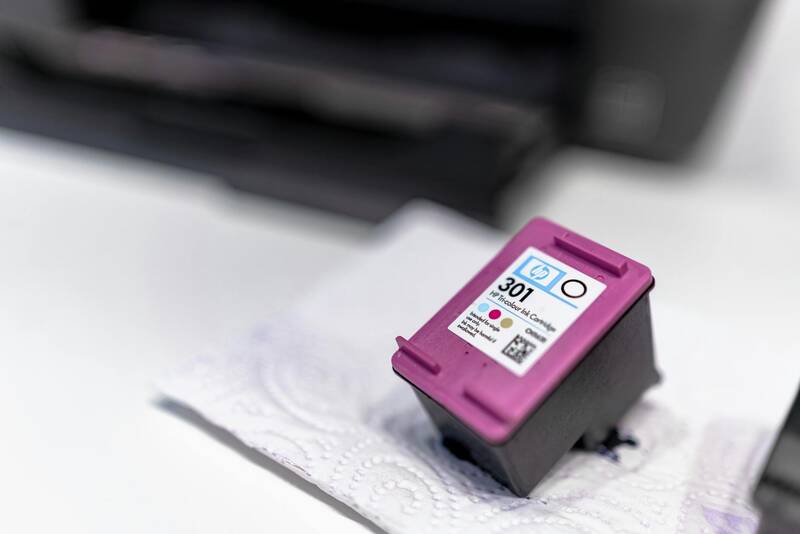
In the context of the printing industry, color printing plays a critical role by enabling the accurate reproduction of color-rich images and designs. It allows brands to convey their identity vividly through vibrant logos, promotional banners, and packaging, thereby attracting consumer attention. Similarly, photographers and artists leverage color printing to showcase their work with remarkable fidelity and detail, resulting in stunning visual presentations that resonate with viewers. The versatility of color printing makes it invaluable not only for commercial purposes but also for personal projects such as custom photo books, invitations, and greeting cards.
Common applications of color printing span across various sectors, including retail, education, healthcare, and entertainment. Marketing campaigns often utilize full-color brochures, posters, and banners to communicate brand messages effectively. Educational institutions use colorful materials to make learning engaging, while healthcare providers print detailed informational leaflets. Event organizers rely on vibrant invitations and souvenirs to create memorable experiences. The scope of color printing extends far beyond commercial interests, fulfilling personal aspirations for creative expression and memorable keepsakes.
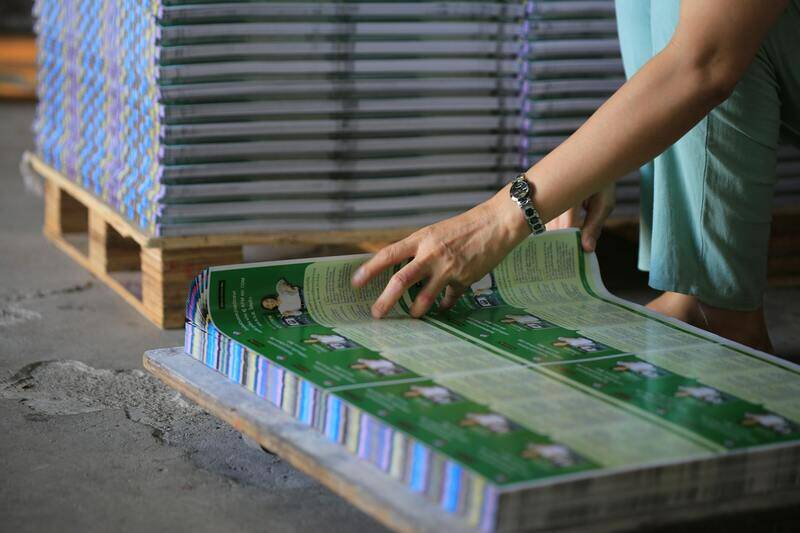
To meet the broad array of demands, several color printing technologies have been developed, each with specific advantages and ideal use cases. Digital printing, for example, offers rapid production with high customization flexibility, making it suitable for short runs and on-demand orders. Offset printing, on the other hand, excels at producing large quantities with consistent color fidelity, ideal for commercial printing of catalogs, magazines, and corporate materials. Other methods such as dye sublimation and inkjet printing are preferred for specialty applications like fabric printing and fine art reproduction. Selecting the appropriate technology involves considering factors like budget, volume, quality requirements, and turnaround times.
Understanding the nuances of each technology ensures that print projects meet desired standards of color accuracy, durability, and cost-effectiveness. Modern color printers also incorporate advanced features such as color management systems, which help maintain consistent hues across different media and print runs. This capability is vital for maintaining brand integrity and achieving the precise visual aesthetic intended by designers and marketers.
As the landscape of color printing evolves with technological advances, staying informed about available methods allows users to leverage the most suitable solutions for their specific needs. Whether producing a small batch of personalized greeting cards or printing high-volume marketing campaigns, choosing the right process ensures high-quality output and efficient production timelines.
Overview of Color Printing
Color printing has become an essential component in various industries, ranging from marketing and advertising to education and corporate communications. This process involves reproducing colored images, graphics, and text with high fidelity, accuracy, and vibrancy. When selecting a color printing method, it is crucial to understand the nuances of each technology to achieve desired visual effects, durability, and cost efficiency. Leveraging the right approach not only enhances brand presentation but also ensures that printed materials stand out with clarity and brilliance.

For instance, digital color printing provides rapid production capabilities with flexible customization options. It's especially suited for short runs and on-demand projects where quick turnaround and personalized designs are priorities. The digital process employs advanced toner or liquid ink technology to produce vibrant images directly from digital files. This method minimizes setup costs and simplifies workflow, making it ideal for small-scale and personalized printing.
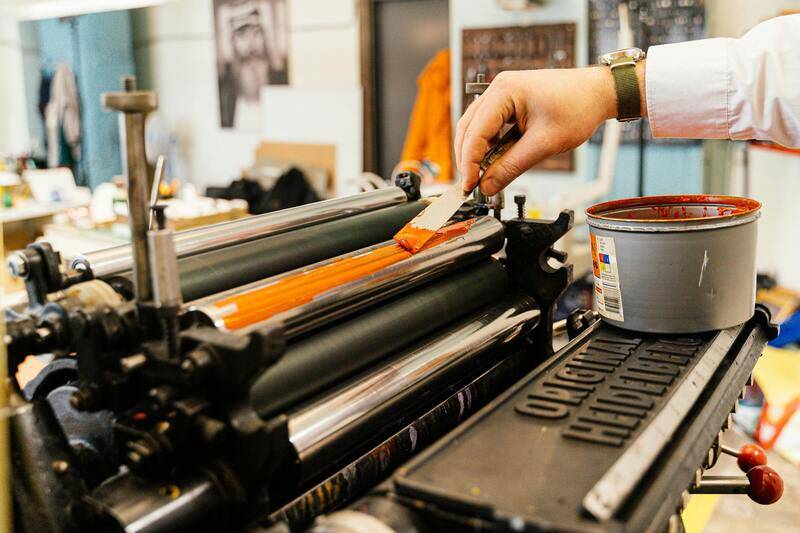
In contrast, offset color printing offers superior consistency and cost-effectiveness for large-volume jobs. By transferring ink from plates onto a printing surface, offset presses deliver sharp, accurate colors and are capable of handling extensive runs with minimal color variation. Offset printing is often used for producing catalogs, magazines, and corporate marketing materials, where color accuracy and high-quality output are imperative.
Large-format printing is another prominent method used for banners, posters, and signage. This technique accommodates expansive media and provides high-resolution color reproduction for visual displays that demand maximum impact. Advanced inkjet technologies and solvent-based inks ensure vibrant colors and durability, even under outdoor conditions.
Modern advancements in color printing technology
Contemporary color printers incorporate sophisticated color management systems designed to uphold consistent hues across various media and print runs. These systems often include color calibration, ICC profiles, and real-time monitoring, which collectively assure that color output aligns precisely with design specifications. Such precision is vital for maintaining brand integrity, especially when reproducing logos, promotional materials, or artistic works where color accuracy is non-negotiable.
Furthermore, the evolution of digital workflows has facilitated seamless integration between design software and printing machines, streamlining the entire creative-to-production process. This integration ensures that complex color gradients, photographs, and Pantone-matched colors are reproduced faithfully without extensive manual adjustments.
Selecting the appropriate color printing method
Choosing the optimal color printing technique hinges on multiple factors:
- Volume: Small runs favor digital printing, whereas offset is more economical for large quantities.
- Quality: Offset printing generally offers higher image sharpness and color fidelity for detailed projects.
- Turnaround: Digital printing typically delivers faster results, suitable for quick deadlines.
- Cost: Initial setup costs influence selection; digital printing has lower setup charges for small orders.
- Material compatibility: Certain materials, such as fabric or specialty papers, may require specific printing methods like dye sublimation or UV printing.
Considering these aspects ensures that the selected color printing technology aligns with project goals, budget constraints, and scheduling needs.
Choosing the Optimal Color Printing Materials
When preparing for color printing, selecting the most suitable materials is crucial to achieving high-quality results. The substrate or base material influences color vibrancy, durability, and overall finish. Standard options include various types of paper like gloss, matte, and satin finishes, each affecting how colors are rendered and perceived. For high-impact visuals, glossy papers tend to enhance color saturation, making images pop, while matte surfaces reduce glare and are favored for readability and a sophisticated look. Specialty materials such as metallic or textured papers may be used to add unique effects, but they often require specific printing techniques to ensure color fidelity.

For non-paper substrates, options expand to fabrics, plastics, or metal surfaces, each demanding tailored printing methods like dye sublimation or UV-curable inks. These choices are dictated by the intended use, environmental exposure, and desired longevity. For instance, fabric materials are ideal for promotional apparel or banners, whereas rigid surfaces suit signage or product packaging.
Ensuring Accurate Color Representation: Color Space and Calibration
Achieving consistent and precise color output involves careful management of color spaces and printer calibration. Most professional color printing employs the RGB (Red, Green, Blue) and CMYK (Cyan, Magenta, Yellow, Key/Black) color models, with CMYK being standard for printing processes. Color management systems utilize ICC (International Color Consortium) profiles to translate digital colors into print outputs accurately. Regular calibration of printers, including color calibration charts and process controls, ensures that the colors produced match the original design specifications, minimizing discrepancies.
Handling complex color gradients and maintaining color consistency across different print jobs require adherence to color management workflows. Digital workflows linking design software with printing hardware help preserve color fidelity from the design phase through to production, reducing manual adjustments and ensuring a reliable reproduction of brand colors, photographic images, and detailed graphics.
Turnaround Time and Cost Factors
Managing expectations around production timelines and budget considerations is vital for successful color printing projects. Digital printing solutions excel in delivering rapid turnaround times, often within the same day, making them ideal for urgent jobs. Offset printing, while offering superior quality for large volumes, generally involves longer setup times but can be more cost-effective per unit in high-volume printing.
The initial setup costs vary significantly between techniques. Digital printing requires minimal setup, suitable for small to medium runs with quick turnarounds. Offset printing demands a more extensive setup, including creating printing plates, which incurs higher initial expenses. Therefore, for smaller projects or prototypes, digital methods provide cost-effective and speedy options. In contrast, large-scale production benefits from offset’s economy of scale, offering high-quality output at a lower cost per piece.
Applications of Color Printing
Color printing finds extensive applications across diverse industries and purposes. Commercial use includes marketing materials like brochures, flyers, posters, and banners that demand vibrant visuals to attract attention and convey messages effectively. Packaging materials, labels, and product displays also leverage high-quality color printing to enhance brand appeal and consumer engagement.
Beyond business, color printing plays a key role in artistic projects, photographic reproductions, educational materials, and personal customization. Wedding invitations, personalized stationery, or art prints benefit from precise and vivid color reproduction, elevating their aesthetic impact.

Locating Reliable Color Printing Services
To ensure high-quality results, selecting reputable printing service providers is essential. Consider providers with a proven track record in color accuracy and an extensive range of materials and technologies. A comprehensive consultation can help determine the most suitable printing options for your project specifications, volume, and budget constraints. Facilities equipped with modern digital and offset presses, alongside skilled technicians, will better meet expectations for color fidelity and finish quality.
Proper Handling and Storage of Printed Color Materials
Ensuring the longevity and vibrancy of color-printed materials depends heavily on correct handling and storage. Color prints are sensitive to exposure, environmental conditions, and physical touch, which can diminish their quality over time. Implementing best practices for storage not only preserves the aesthetic appeal but also maintains the integrity of the printed content.
When handling color printed materials, it is crucial to handle them with clean hands or wear gloves to prevent oils and dirt from transferring onto the surface. Avoid touching the printed areas directly, especially when the prints will be stored or displayed for an extended period. Support larger prints, such as banners or posters, from their edges to prevent warping or creasing.
Proper storage conditions include maintaining a consistent, dry environment with stable temperature levels. Humidity fluctuations can cause paper warping or ink smudging, which adversely impacts the vibrancy of color prints. Keep prints away from direct sunlight, which can cause fading and discoloration due to UV exposure. If possible, store printed materials in acid-free folders or boxes, ensuring they are protected from dust, dirt, and accidental spills.

For mounted or display prints, use UV-protective glass or acrylic cases to shield against light damage while showcasing the artwork or information. When temporary display is intended, rotate the prints regularly to minimize prolonged exposure to light and environmental stress. Additionally, employ desiccants or dehumidifiers in storage areas to control moisture levels, preventing mold growth and ink deterioration.
Adopting these handling and storage protocols ensures that your color prints remain as vibrant and eye-catching as intended, supporting professional presentation and long-term preservation. Whether for marketing materials, artistic projects, or personal memorabilia, maintaining optimal conditions is critical to safeguarding your investment in high-quality color printing.
Understanding Color Space and Ensuring Accurate Color Reproduction
In the realm of color printing, achieving consistent and accurate color output hinges on a thorough understanding of color models, primarily RGB and CMYK. These models serve distinct purposes within the digital and print workflows. RGB (Red, Green, Blue) is an additive color model used primarily for digital displays, capturing a broad spectrum of colors through the combination of varying intensities of red, green, and blue light. On the other hand, CMYK (Cyan, Magenta, Yellow, Key/Black) is a subtractive color model used specifically for printing processes, where colors are created by subtracting light through layered ink applications.

For print professionals and designers, it’s crucial to convert digital files from the RGB color space to CMYK before printing. This conversion helps in predicting how on-screen colors will translate to physical outputs, minimizing discrepancies and ensuring the final product matches expectations. Proper calibration of monitors, utilizing color profiles, and employing color management tools are vital steps to maintain color fidelity throughout the production process.
Tips for Achieving Color Accuracy in Printed Materials
- Use ICC Profiles: Incorporate Industry Color Consortium (ICC) profiles tailored for specific printers and papers to ensure consistent color rendition.
- Calibrate Monitors Regularly: Keep your digital displays calibrated to match the color output of your printing hardware, reducing the chance of color mismatches.
- Work within Color Gamut Limits: Be aware of the color gamut of your printer and paper combination; avoid over-saturating colors that fall outside the printable range.
- Test Prints and Soft Proofing: Perform test prints and utilize soft proofing techniques to preview how colors will appear once printed, making adjustments as needed.
- Consistent Paper and Ink Selection: Use the same type of paper and ink for all production runs to maintain uniformity in color output.
By diligently managing these aspects of color space and accuracy, printing professionals can deliver vibrant, precise, and visually appealing results that meet client expectations and project specifications. This meticulous approach is essential for outputs such as marketing collateral, fine art reproductions, and corporate branding materials, where color consistency plays a pivotal role in the overall presentation.
Best Practices for Color Printing Material Selection
Choosing appropriate color printing materials is fundamental to achieving high-quality, vibrant results. The selection process hinges on understanding the compatibility between the print medium and the printing technology employed. This ensures that colors remain true to the intended design and that the durability and finish meet the project requirements.
Selecting Suitable Paper Types
The paper or substrate acts as the foundation for color printing outputs. Different types of paper exhibit unique absorption qualities, surface textures, and brightness levels that influence color vibrancy and accuracy. For instance, gloss paper enhances color brightness and sharpness, making it ideal for marketing materials like brochures and flyers. Matte paper, on the other hand, offers a subdued, non-reflective finish suitable for professional documents and fine art reproductions. Selection should align with the purpose of the print piece, considering factors such as opacity, weight, and surface coating.

Understanding Ink Compatibility and Types
The choice of inks plays a crucial role in dictating the final appearance of color prints. Modern color printing employs a range of ink options, including dye-based, pigment-based, and specialty inks. Dye inks are known for their vivid color reproduction and smooth gradients; however, they may be less resistant to environmental factors like water and fading. Pigment inks, while slightly less vibrant initially, offer superior longevity, color stability, and resistance to smudging. Selecting the right ink type depends on the specific application, whether it's for indoor signage, outdoor banners, or archival-quality prints.
Considering Sustainability and Material Longevity
Environmental considerations are increasingly influencing material choices. Eco-friendly printing substrates, such as recycled paper or biodegradable films, reduce environmental impact without compromising print quality. Additionally, material durability must match the intended lifespan of the print. For instance, outdoor banners require weather-resistant substrates that can withstand UV exposure and moisture, whereas indoor promotional materials might prioritize aesthetic qualities over weatherproofing. Ensuring the selected materials align with project goals guarantees both visual appeal and longevity.
Impacts of Color Printing Materials on Final Outcomes
The interplay between materials and printing technology directly affects color accuracy, vibrancy, and overall finish. Higher-quality materials tend to facilitate broader color gamuts and sharper images, essential for detailed graphics and photographic reproductions. Conversely, lower-cost substrates may result in subdued colors and reduced clarity, undermining the visual impact. Careful selection based on the specific project objectives maximizes the potential of the chosen color printing process and material combination.
Final Tips for Material Selection
- Assess the environmental conditions where the printed material will be displayed or stored.
- Consult with printing service professionals to understand the optimal material compatibility for your chosen technology.
- Request sample swatches or test prints to evaluate color fidelity, texture, and overall appearance before committing to a bulk run.
- Prioritize materials that offer consistent quality and meet industry standards for color retention and durability.
By aligning material choices with the specific needs of each project, designers and businesses can ensure that the vibrant, precise colors achieved through professional color printing are preserved over time, creating impactful visual communications.
Overview of Color Printing
Color printing has become an essential component in various industries, offering dynamic and visually engaging output that captures attention and communicates messages effectively. This process involves reproducing full-color images, graphics, and text onto a range of substrates, transforming simple designs into vibrant visual representations. Whether for promotional materials, professional photos, or detailed graphics, color printing elevates the aesthetic appeal and impact of physical media. The evolution of color printing technology has paved the way for more precise, cost-effective, and versatile methods that meet the diverse needs of businesses and creative professionals alike.

Types of Color Printing Technologies
Several established printing technologies are designed to produce high-quality color output, each with specific applications and advantages. These include:
- Inkjet Printing: Known for its versatility and ability to produce detailed images, inkjet printers deposit tiny droplets of liquid ink directly onto substrates. This technology is ideal for short runs, high-resolution photographic prints, and customized projects.
- Laser Color Printing: Utilizing a laser beam to transfer toner onto paper, laser printers deliver fast, sharp images suitable for high-volume printing. Their efficiency makes them popular for business documents, catalogs, and marketing materials requiring vibrant color fidelity.
- Offset Color Printing: A traditional printing method where inked plates transfer images onto rubber blankets before printing onto substrates. Offset presses are capable of producing large quantities with consistent color accuracy and superior quality, especially suitable for packaging and commercial printing.
- Dye Sublimation: Predominantly used for high-quality photographic prints and fabric printing, this process involves turning dye into gas to permeate the material, resulting in vibrant, durable images embedded into textiles or coatings.
Advantages of Using Color Printing
Employing color printing offers numerous benefits for businesses and individuals aiming to leave a lasting impression. These include:
- Enhanced Visual Appeal: Full-color images and graphics draw attention, making promotional materials more engaging and easier to interpret.
- Brand Consistency: Accurate color reproduction ensures brand colors are faithfully represented across various printed collateral.
- Improved Communication: Using vibrant colors helps convey messages more clearly and effectively, breaking down complex ideas through visual storytelling.
- Professional Finish: High-quality color printing provides a polished and sophisticated look, reflecting positively on the brand or project.
- Customization Opportunities: Color printing allows for personalizing designs with a full spectrum of colors to match specific branding needs or artistic visions.
Choosing the Right Color Printing Materials
To achieve optimal results, selecting suitable printing materials is crucial. The choice depends on the intended application, environmental factors, and desired durability. Common options encompass:
- Paper and Cardstock: Ranging from glossy to matte finishes, these substrates influence the final appearance, color vibrancy, and tactile impression. Heavyweight cardstocks are preferred for business cards, while lighter papers suit flyers and posters.
- Vinyl and Plastics: Used for outdoor signage and banners, these durable materials withstand weather elements while maintaining bright, consistent color reproduction.
- Fabric: Ideal for textiles, dye sublimation and special printing processes produce vibrant, long-lasting colors suitable for apparel and promotional items.
- Specialty Materials: Including transparent, metallic, or textured surfaces, these enhance visual interest and can create unique effects that standard materials cannot achieve.

Color Space and Accuracy in Printing
Accurate color reproduction hinges on understanding color spaces and device calibration. The most prevalent color spaces in digital and print workflows include:
- RGB (Red, Green, Blue): Utilized primarily for digital displays, RGB encompasses a broad spectrum of colors but is not directly suitable for printing without conversion.
- CMYK (Cyan, Magenta, Yellow, Key/Black): The standard color model for printing, CMYK is optimized for subtractive color mixing and translating digital designs into printable output.
- Pantone Color System: A standardized palette of premixed inks that ensures consistent color matching across different print jobs and materials.
Maintaining color accuracy involves calibrated devices, color management profiles, and testing proofs. Proper color management ensures that the final print closely matches the original design intent, maintaining brand consistency and visual integrity.
Turnaround Time and Cost Considerations
Optimizing print projects involves balancing time and budget constraints with quality expectations. Digital printing methods, like inkjet and laser technologies, generally offer faster turnaround times and lower setup costs, appropriate for short runs or urgent needs. On the other hand, offset printing, although traditionally slower and more capital-intensive, provides cost advantages for large-volume orders with superior color consistency.
Additional factors influencing costs include material choices, color complexity, and finishing requirements such as laminations or coatings. Advanced techniques like metallic or specialty finishes may incur extra charges but significantly enhance the tactile and visual appeal of printed items. Strategically planning production schedules and incorporating proofing processes can prevent costly errors and reprints, ensuring a smooth and cost-effective workflow.
Ensuring Color Accuracy and Consistency in Printing
Achieving precise and consistent color reproduction in printing is critical for maintaining brand integrity and visual appeal across various media. Effective color management involves a combination of calibrated devices, standardized color profiles, and meticulous testing processes. Many professional printers employ calibrated monitors and digital color management systems to ensure the digital design aligns closely with the final printed output. This includes using ICC profiles that standardize how colors are translated from digital files to physical prints.
In addition to calibration, test prints or proofs play a vital role. These proofs act as previews, allowing designers and clients to assess color accuracy before proceeding with larger production runs. It also provides an opportunity to make adjustments that fine-tune the color output, thereby minimizing waste and reprints. For projects requiring stringent color fidelity—such as corporate branding, packaging, and marketing materials—employing advanced color matching techniques ensures each print batch meets the desired aesthetic standards.
Color Matching Techniques and Their Significance
- Spectrophotometers: These devices measure the color of printed samples with high precision, facilitating accurate color comparisons and adjustments.
- Color Charts and Swatches: Predefined color swatches or Pantone books serve as reference standards to match and replicate specific hues consistently.
- Digital Color Proofing: High-quality digital proofs simulate the final printed piece, helping identify color discrepancies early in the process.
- Inks and Substrates Compatibility: Selecting the proper mixing of inks and compatible substrates reduces color shifts and enhances overall fidelity.
The Role of Color Space in Printing Precision
Understanding the distinction between color spaces—such as RGB for digital displays and CMYK for print—is essential to manage color accuracy effectively. During the printing process, converting digital files from RGB to CMYK involves gamut mapping strategies to retain as much color fidelity as possible. Advanced printers are capable of reproducing a wide color gamut, but limitations exist based on the inks and substrates used. Staff training in color science and the deployment of sophisticated color management software ensures that the printed output remains true to the original design intentions.
Print shops with high-end equipment often incorporate color calibration routines as part of regular maintenance, which includes printer profiling and verifying color consistency across different runs and materials. The accuracy of color reproduction not only enhances visual impact but also reinforces brand recognition and professionalism in printed materials.
