
Factors Influencing Color Printing Price
Understanding the costs associated with color printing requires an in-depth look at several critical factors that directly impact pricing. These elements include the quality of printing materials, the volume of prints, and the technology employed by the printing service. Each factor plays a vital role in determining the overall expense, ensuring that clients can make informed decisions based on their specific needs and budget constraints.
Material Quality
The type of paper or media used during the printing process significantly affects the pricing. Premium materials, such as glossy or matte coated papers, often come with higher costs compared to standard paper types. Additionally, specialty substrates, like textured papers, vinyl, or canvas, can elevate the price due to their unique properties and the increased complexity involved in printing on such surfaces. High-quality ink cartridges and toners are equally important, as they provide richer color output and durability but come at a higher price point.
Print Volume
The number of pages or items printed influences the unit cost for color printing. Bulk orders typically benefit from volume discounts, lowering the per-piece price. Conversely, small or one-off prints tend to have higher costs due to setup and processing expenses. For large-scale projects, streamlined workflows and economies of scale help reduce costs, making high-volume color printing more economical per unit.
Technology Used
The advancement and sophistication of printing technology directly impact price. Digital presses with high-resolution output and color accuracy are often more expensive but deliver better quality results. Traditional offset printing, while more cost-effective for large runs, involves higher setup costs, which can make small orders disproportionately expensive. Modern digital color printers offer flexible options for short runs, variable data printing, and quick turnaround times, albeit at a higher per-page cost in comparison to offset methods.
Additional Considerations
- Complexity of Design: Intricate designs, multiple colors, and special finishing effects may incur additional charges for setup and processing.
- Turnaround Time: Urgent or expedited services often come with added fees to accelerate the production process.
- Environmental Factors: Eco-friendly inks and materials might be priced higher, reflecting sustainable practices and certifications.

Factors Influencing Color Printing Price
Understanding what impacts the cost of color printing helps businesses and individuals make informed decisions and optimize their print budgets. Several key elements affect the overall price, including print volume, technology used, and additional factors related to the complexity and urgency of the project.
Print Volume and Its Effect on Cost
The quantity of prints directly influences the per-unit cost. Large-volume orders benefit from economies of scale, often resulting in significantly lower prices per piece. This is because fixed costs, such as setup fees and pre-press procedures, are distributed over many prints, reducing the overall expense. Conversely, small and one-off projects tend to have higher unit costs, as setup and processing expenses are amortized over a limited number of prints. For instance, printing a handful of brochures or business cards incurs higher costs compared to bulk orders of thousands, making volume a critical consideration in pricing.

Technology Used in Color Printing
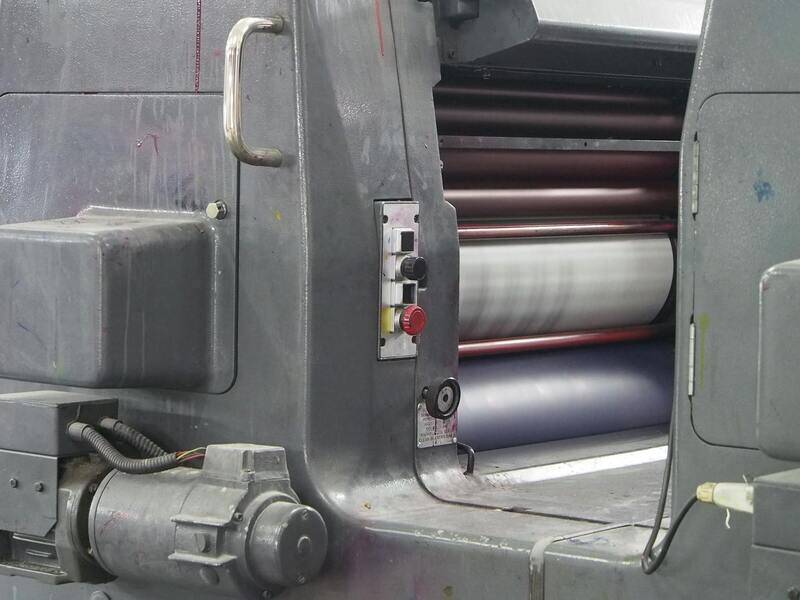
The type of printing technology significantly affects pricing. Digital printing methods, such as inkjet or toner-based printers, offer flexibility and quick turnaround times, making them suitable for short runs and personalized projects. These printers typically have higher per-page costs, especially for high-quality color output, but eliminate the need for extensive setup processes. Offset printing, on the other hand, is more cost-effective for large volumes due to its high-speed capabilities and lower per-unit costs once the initial setup is complete. However, offset involves higher start-up expenses, which can be offset for large jobs but make smaller runs more expensive. Advanced digital presses with high-resolution output and color consistency often come at a premium, yet they ensure exceptional quality results for demandingPrint projects.
Additional Cost-Influencing Elements
- Design Complexity: Intricate designs requiring multiple colors, gradients, or special effects can increase setup and processing time, raising overall costs.
- Turnaround Time: Expedited services that demand faster delivery typically incur additional fees to accelerate production and logistics.
- Environmental Considerations: Eco-friendly inks and materials, along with sustainable sourcing practices, may contribute to higher material costs, reflecting a commitment to environmentally conscious printing.
Beyond these, the choice of paper quality and finishing options like lamination, embossing, or special coatings further influence the final price. When evaluating color printing options, balancing quality requirements with budget constraints is essential to achieve optimal results within the desired price range.
Factors Influencing Color Printing Price
Determining the cost of color printing involves several critical factors that businesses and individuals should consider when budgeting for their projects. These include the complexity of the design, the volume of the print run, type of ink used, and the choice of materials. High-resolution images, intricate gradients, and multi-color designs require more precise calibration and longer processing times, which can escalate costs. In addition, larger print quantities typically benefit from bulk discounts, reducing the per-unit price. The selection of paper quality also impacts overall expenses; premium or specialty papers, along with finishing touches such as lamination, embossing, or coatings, add to the final cost. Environmental considerations, such as eco-friendly inks and sustainable sourcing practices, often carry additional charges but reflect a commitment to responsible printing.

Beyond these core elements, turnaround times significantly affect pricing. Expedited services that require faster production and logistics often come with premium fees. For projects demanding rapid delivery, additional costs are incurred to prioritize order processing and transportation. It's also important to weigh these factors against project requirements to identify an optimal balance between cost and quality. For instance, a small batch of high-quality, full-color brochures may justify a higher price, whereas simple flyers with basic color needs could be produced more economically. Careful planning and consultation with printing providers ensure that clients receive tailored solutions aligned with their budget constraints and expectations.
Pricing Models in Color Printing Industry
Color printing providers generally adopt a range of pricing models to accommodate diverse customer needs. The most common structure is a per-page rate, which provides transparency and simplicity for small or one-off projects. Bulk discounts are frequently available, offering reduced prices per unit when ordering large quantities—making them ideal for campaigns or extensive branding efforts. Custom quotes are also prevalent, particularly for complex projects involving specialty materials, unique finishes, or large formats. These quotes account for design intricacies, material choices, and delivery deadlines, ensuring clients receive accurate pricing tailored to their specific requirements. Understanding these models helps businesses plan their printing budgets effectively, balancing quality and cost-efficiency.
Average Cost of Color Printing in Singapore
In Singapore, the average cost of color printing varies depending on the scope and specifications of the project. Typically, basic color copies or flyers start from approximately SGD 0.10 to SGD 0.50 per page for standard volumes. For high-quality posters, banners, or marketing materials, prices can range from SGD 10 to SGD 50 per unit, influenced by size, material, and finishing options. Large-format printing and custom applications tend to incur higher charges, reflective of the specialized equipment and materials involved. When considering total costs, clients should also factor in setup fees, especially for complex jobs requiring extensive color calibration or special effects. Overall, engaging with a reputable printing provider ensures fair pricing aligned with industry standards and project demands.
Additional Fees and Charges
Beyond base printing costs, several supplementary fees may impact the final price. These include charges for design assistance, file preparation, or art corrections if needed. Materials such as specialty papers, textured finishes, or eco-friendly inks often carry premium charges. Finishing options like lamination, embossing, or die-cutting add further expenses, enhancing durability and visual appeal. Rush orders invariably incur additional fees to prioritize production schedules. Delivery charges also vary depending on distance and urgency, especially for large or bulky items requiring special handling. Clients should discuss all potential surcharges upfront with their printing service provider to understand the complete cost structure and avoid surprises.
How to Reduce Color Printing Costs
- Optimize Design Files: Simplify images and reduce the number of colors used to lower processing time and ink consumption.
- Plan for Bulk Printing: Printing in larger quantities often reduces per-unit costs through volume discounts.
- Select Standard Materials: Opting for conventional paper types and finishes keeps expenses manageable.
- Inquire About Promotions: Many print providers offer seasonal discounts or package deals.
- Limit Finishing Options: Choosing essential finishing features instead of premium add-ons saves costs.
- Consolidate Projects: Combining multiple print jobs into one can take advantage of economies of scale.
Choosing the Right Printing Provider for Your Budget
To achieve the best value, selecting a professional and experience-driven printing partner is crucial. Look for providers with transparent pricing, comprehensive service offerings, and a proven track record of quality. Comparing quotes from multiple vendors allows for better negotiation and selection of the most suitable options within your financial plan. Additionally, reviewing customer feedback and samples of previous work helps ensure the provider can meet specific quality standards. A reliable provider will offer guidance on cost-effective choices and help align project scope with budget expectations, enabling you to maximize investment without compromising on results.
Factors Influencing Color Printing Price
Understanding the elements that impact the cost of color printing is essential for businesses and individual clients aiming to optimize their budgets. Several key factors play a role in determining the final price. First, the quality and type of ink used are significant; higher-quality inks tend to be more expensive but offer better color vibrancy and durability. The choice of paper material also influences overall costs, as premium or specialty papers usually carry higher price tags than standard options.
Additionally, the complexity of the design impacts printing expenses. Multi-colored, detailed images require more intricate setup and longer printing times, which can increase costs. The size of the print project is another critical element; larger formats or higher-resolution prints generally demand more resources and ink, translating to higher prices. Turnaround time also plays a part; urgent orders often incur additional charges to prioritize production.
Environmental factors, such as the use of eco-friendly or recycled materials, might also affect pricing, though many providers offer competitive rates for sustainable options. Finally, finishing techniques like lamination, die-cutting, or custom binding add to the final charges, especially when these features are customized or limited in availability.
Different Types of Color Printing Services
The scope of color printing services is diverse, catering to various client needs across different sectors. Digital color printing is widely used for short runs and quick turnaround projects, allowing for detailed and vibrant reproductions on demand. This method is ideal for marketing materials, posters, and promotional items, offering flexibility and fast processing.
Offset color printing, on the other hand, is suited for larger volumes, providing cost-effective solutions when printing thousands of copies. It ensures consistent color quality and sharp detail across extensive runs, making it a preferred choice for high-volume brochures, catalogs, and magazines.
Large-format printing serves specific requirements such as banners, vehicle wraps, and signage, utilizing specialized inks and materials to produce eye-catching visuals on expansive surfaces. Fine art printing, often utilizing pigment-based inks and archival papers, offers superior longevity and is preferred by photographers and artists seeking high-quality reproductions.
Moreover, specialty printing services like spot color printing, metallic ink printing, and textured effects enable clients to achieve distinctive finishes that stand out in competitive markets. Each service type involves specific equipment and expertise, influencing the respective pricing models.

Pricing Models in Color Printing Industry
The pricing strategies within the color printing industry generally fall into several models that cater to different client needs and project scales. The most common model is the per-unit pricing, where costs are calculated based on the number of prints required. This model often includes factors such as size, color complexity, and material type.
Volume-based discounts are another prevalent approach; the more units you order, the lower the individual price, incentivizing bulk purchases. Some providers also offer tiered pricing, which incentivizes customers to place larger orders by reducing costs at increasing quantities.
Flat-rate pricing may be available for standard-sized jobs with specific parameters, providing simplicity for clients with predictable needs. Additionally, premium services such as expedited delivery, specialized finishing, or bespoke options tend to follow additional fee structures, either as supplements or separate packages.
Understanding these models helps clients better predict expenses and align their printing projects with budget constraints. Providers committed to transparent pricing will clearly outline application of charges and potential discounts, ensuring clients are fully aware of the cost structure before proceeding.
Factors Influencing Color Printing Price
Understanding the variables that impact color printing price is essential for making informed decisions and budgeting effectively. Several key factors contribute to the final cost of a color print job, including material choices, print complexity, and additional finishing options.
1. Print Size and Quantity
The dimensions of the printed material directly affect the price. Larger formats, such as posters or banners, typically command higher costs due to increased ink coverage and material use. Conversely, small items like business cards or flyers tend to be more economical on a per-unit basis. Additionally, the volume of prints influences pricing; bulk orders often benefit from discounts, decreasing the overall cost per piece.
2. Material and Paper Type
The type of media used for printing significantly impacts costs. High-quality, thicker paper stocks, glossy finishes, or specialty materials like vinyl or canvas generally carry higher prices. These materials enhance visual appeal and durability but come at a premium that reflects their enhanced qualities.
3. Color Complexity and Ink Usage
More elaborate designs requiring multiple shades and color blending increase ink consumption, raising costs. Full-color images with gradients and detailed graphics demand more ink and precise calibration, which may add to the price. Simple, less colorful prints usually cost less because they consume fewer resources.
4. Print Resolution and Quality
High-resolution printing produces sharper and more vibrant images. This process often requires advanced printing technology and precise calibration, factors that can escalate costs. Clients seeking premium quality should anticipate higher rates compared to standard resolution printing.
5. Specialty Finishing and Post-Processing
Additional finishing options such as lamination, embossing, varnishing, or die-cutting contribute to the overall pricing. These enhancements improve aesthetic appeal and durability, but the extra steps and materials involved add to the expense.
6. Turnaround Time and Delivery
Expedited services, including rush orders or specific delivery arrangements, generally come with premium charges. Quick turnaround requires additional resources, which are reflected in the final price.

Factors Influencing Color Printing Price
Understanding the components that impact the cost of color printing is essential for accurate budgeting and selection of appropriate services. Several key factors determine the final price, including the scope of the project, materials used, and specific printing requirements. Recognizing these elements allows clients to optimize their printing expenses effectively.
Scope and Scale of the Project
The volume of prints directly influences the overall cost. Larger print runs tend to benefit from economies of scale, reducing the unit cost. Conversely, small or one-off projects often carry higher per-piece charges due to setup and material expenses. Additionally, the size of each print – such as A4, A3, or larger formats – can greatly affect pricing, with larger sizes requiring more ink and processing time.
Quality and Resolution Requirements
High-resolution outputs with vibrant color accuracy demand more advanced equipment and calibration, which naturally increases the cost. Clients seeking superior clarity, crispness, and color depth should expect to pay a premium for this level of detail. Lower resolution options are generally more affordable and suitable for projects where fine detail isn’t critical.
Material Selection and Surface Finishes
The choice of media significantly influences pricing. Standard paper options are among the most economical, while specialty materials like textured cardstock, vinyl, canvas, or metallic papers add to the expense. Surface finishes such as gloss, matte, or satin coatings can further increase costs, especially when additional treatments like lamination or varnishing are involved. These enhancements improve durability and visual appeal, making them appropriate for premium branding materials.
Ink and Color Complexity
Color intricacy, such as the number of shades, gradients, and blends used, impacts ink consumption and processing time. Full-color images, especially those with complex gradients or photographic content, require more ink and calibration precision, thereby elevating costs. Simplistic designs with minimal colors tend to be more budget-friendly.
Additional Finishing and Post-Processing
Post-print enhancements like die-cutting, embossing, spot UV coating, or custom folding contribute additional charges. While these services enhance the finished product's aesthetic and functional qualities, they involve extra labor, materials, and sometimes specialized equipment, consequently increasing the overall price.
Turnaround Time and Delivery
Urgent deadlines or expedited delivery options come with surcharges. Rush orders typically require priority handling and additional staffing, which are reflected in the final invoice. Planning timelines carefully can help in managing costs efficiently.

Factors Influencing Color Printing Price
The cost of color printing is affected by a variety of factors that determine the final invoice. Key elements include the complexity of the design, the type of printing technology used, and the materials selected. High-resolution images with detailed gradients require more ink and calibration time, which can elevate production costs. The choice of paper or media also plays a significant role; premium materials like textured cardstock, vinyl, or metallic papers tend to incur higher expenses. Finishing options such as gloss, matte, or satin coatings add to the cost, especially when coupled with additional treatments like lamination or varnishing that enhance durability and aesthetics.
Additionally, the scope of the project influences the price. Larger print runs benefit from economies of scale, reducing the per-unit cost. Conversely, small quantities may be proportionally more expensive due to setup and handling fees. Surface treatments such as embossing, die-cutting, or spot UV coating involve extra labor and equipment, which are reflected in the overall price. Turnaround times are another critical factor; expedited or rush orders require priority handling and additional staffing, resulting in surcharges that increase the final cost.

Material selection is particularly impactful. For example, textured, metallic, or specialty papers provide a unique appearance but also carry a premium cost. Surface finishes, coatings, or lamination enhance visual appeal and durability but require extra processing steps, thus increasing expenses. Design intricacies such as intricate gradients, shading, and photographic content consume more ink and calibration, raising printing costs. Simplified designs with fewer colors often reduce ink usage and subsequently lower the overall price.
Understanding these variables allows clients to make informed choices aligned with their budget and quality expectations. Analyzing project scope and selecting appropriate materials and finishing options can optimize costs without compromising the desired outcome. Accurate project planning and consultation with experienced service providers can ensure a balance between quality and pricing, leading to efficient use of resources and successful print projects.
Factors Influencing Color Printing Price
Various elements contribute to the overall cost of color printing, and understanding these factors enables consumers and businesses to make informed decisions. Key influences include the complexity of the design, the type of materials used, and the printing volume.
- Design Complexity: Intricate graphics, detailed shading, and photographic content demand more ink and precise calibration, which elevate costs. Simplified designs with limited color palettes are generally more economical.
- Material Selection: The choice of paper or media impacts pricing significantly. Specialty papers such as textured, metallic, or thick cardstock typically incur higher costs than standard matte or gloss finishes.
- Print Quantity: Larger print runs usually lead to reduced per-unit costs due to economies of scale. Conversely, small or one-off prints often come with higher unit prices to cover setup and processing expenses.
- Finishing Options: Additional features like lamination, varnishing, or embossing enhance visual appeal and durability but add to the overall price because of extra processing steps.
- Turnaround Time: Urgent or rush orders necessitate prioritized handling, often involving overtime staffing and expedited shipping, which translate into surcharges.

Different Types of Color Printing Services
Color printing services are diverse, accommodating a range of needs from promotional materials to detailed graphic projects. The primary categories include digital printing, offset printing, large format printing, and specialty printing.
- Digital Printing: Offers quick turnaround for short runs, ideal for personalized materials like invitations, brochures, and business cards. It is cost-effective for small quantities.
- Offset Printing: Suitable for large-volume production, delivering high quality and consistency. This method involves a setup process, making it more economical for bulk jobs.
- Large Format Printing: Designed for banners, posters, and signs, this service uses wide-format printers to produce vibrant, large-scale images.
- Specialty Printing: Encompasses foil stamping, metallic inks, textured papers, and other techniques to create eye-catching, premium outputs.
Choosing the right type depends on project scope, desired quality, and budget considerations. Digital printing is generally preferred for smaller, on-demand jobs, while offset presses are optimal for high-volume requirements. Large format options are essential for visual displays, and specialty services cater to unique branding needs.

Pricing Models in Color Printing Industry
The pricing structures adopted by printing providers vary significantly, often tailored to match client needs and project specifics. Common models include fixed pricing, tiered pricing, and custom quotes.
- Fixed Pricing: Applied to standard-sized, straightforward jobs with predictable costs. This approach simplifies budgeting and provides transparency.
- Tiered Pricing: Prices decrease as the volume increases, incentivizing larger orders. This model is typical for bulk printing where economies of scale come into play.
- Custom Quotes: For complex, large-scale, or highly specialized projects, providers offer tailored estimates based on detailed job specifications, ensuring accurate cost assessment.
Clients are encouraged to obtain detailed quotations early in the planning process to better understand potential expenses and explore options for cost optimization.

Average Cost of Color Printing in Singapore
In Singapore, the cost of color printing varies depending on the service provider, project complexity, and order quantity. On average, prices for basic color prints such as flyers or business cards range from SGD 50 to SGD 200 for small batches. Large format posters and banners can cost between SGD 80 and SGD 300, depending on size and material quality. For high-resolution photo prints or specialty finishes, prices may rise further, especially for bespoke designs or quick turnarounds.
Bulk orders generally attract discounts, reducing the per-piece expense. Providers often offer packages that combine multiple services, such as printing, mounting, and lamination, at a bundled rate facilitating better cost management.
Additional Fees and Charges
Apart from base printing costs, additional fees may apply based on specific requirements or services:
- Design Assistance: Professional graphic design or layout services often incur extra charges, especially for complex or highly customized artwork.
- File Preparation: Preparing files for printing, including color calibration and formatting, can attract fees if not provided in print-ready format.
- Material Upgrades: Using specialty papers or finishes, such as embossed covers or metallic inks, adds to the overall cost.
- Shipping and Delivery: Depending on the location and urgency, delivery fees can significantly impact the overall expenditure.
- Revisions and Proofing: Multiple revisions or physical proofs requested by clients may lead to additional charges.

How to Reduce Color Printing Costs
Effective cost control in color printing involves strategic choices and planning:
- Limit Color Usage: Use fewer colors or opt for simplified color schemes to decrease ink consumption and reduce costs.
- Optimize Design: Simplify designs with less intricate details and gradients that require less ink and calibration.
- Choose Standard Materials: Select cost-effective papers and finishes that meet your quality expectations without overspending.
- Order in Bulk: Consolidate print jobs to leverage volume discounts, lowering the per-unit cost.
- Plan Ahead: Schedule print projects with ample lead time to avoid premium charges for rush orders.
- Compare Quotes: Obtain multiple estimates to identify the most competitive pricing options.
Utilizing digital previews and proofs can help validate designs early, preventing costly reprints or adjustments later in the process.

Choosing the Right Printing Provider for Your Budget
Selecting a suitable printing partner involves evaluating several aspects to balance quality and cost efficiency:
- Reputation and Experience: Providers with a proven track record offer reliable quality assurance and professional guidance, ensuring your project meets standards.
- Pricing Transparency: Transparent rate sheets and detailed quotations help prevent unexpected charges and facilitate budget planning.
- Service Range: A comprehensive array of services allows for a one-stop solution, often with better pricing for bundled packages.
- Turnaround Capabilities: Fast, flexible turnaround options can be vital for time-sensitive projects without inflating costs via unnecessary surcharges.
- Customer Support: Responsive support ensures clarity during the project flow and assistance with cost-saving suggestions.
Comparing multiple providers and reviewing client testimonials can aid in identifying a partner that aligns with your budget and quality expectations.
