
Overview of Card Printing Services in Singapore
In Singapore, a diverse range of card printing services caters to the needs of various industries, including corporate, retail, hospitality, and event management. These services are essential for producing high-quality identification cards, membership and loyalty cards, business cards, and specialty cards that serve specific functional and marketing purposes. The vibrant business environment and emphasis on professional presentation make card printing an integral part of many organizations’ branding and operational strategies. Whether a company requires sleek corporate ID cards or customized loyalty cards to enhance customer engagement, reputable providers like eprintingservice.com offer comprehensive solutions tailored to different application demands.
Impressively, the effective use of card printing services can significantly contribute to business identity, enhance security, and foster customer loyalty. These services are not only about aesthetic appeal but also focus on durability, security features, and functional design. As Singapore’s market continues to evolve, the demand for sophisticated card printing solutions grows, driven by technological advancements and increasing security concerns. Quality assurance, reliable turnaround times, and customization options are key factors that influence choosing the right service provider. Industry-specific applications, including access control cards, membership identification, business branding, and promotional giveaways, underscore the versatility and importance of professional card printing services.
Types of Cards Offered and Printing Techniques
Card printing providers in Singapore offer a variety of card types, each suitable for specific uses and industry standards. Common card categories include:
- Identification (ID) Cards: Used for employee identification, access control, and secure facilities, often incorporating security features like holograms and embedded chips.
- Membership and Loyalty Cards: Designed to enhance customer retention, these cards typically feature magnetic strips or chips for transactional capabilities.
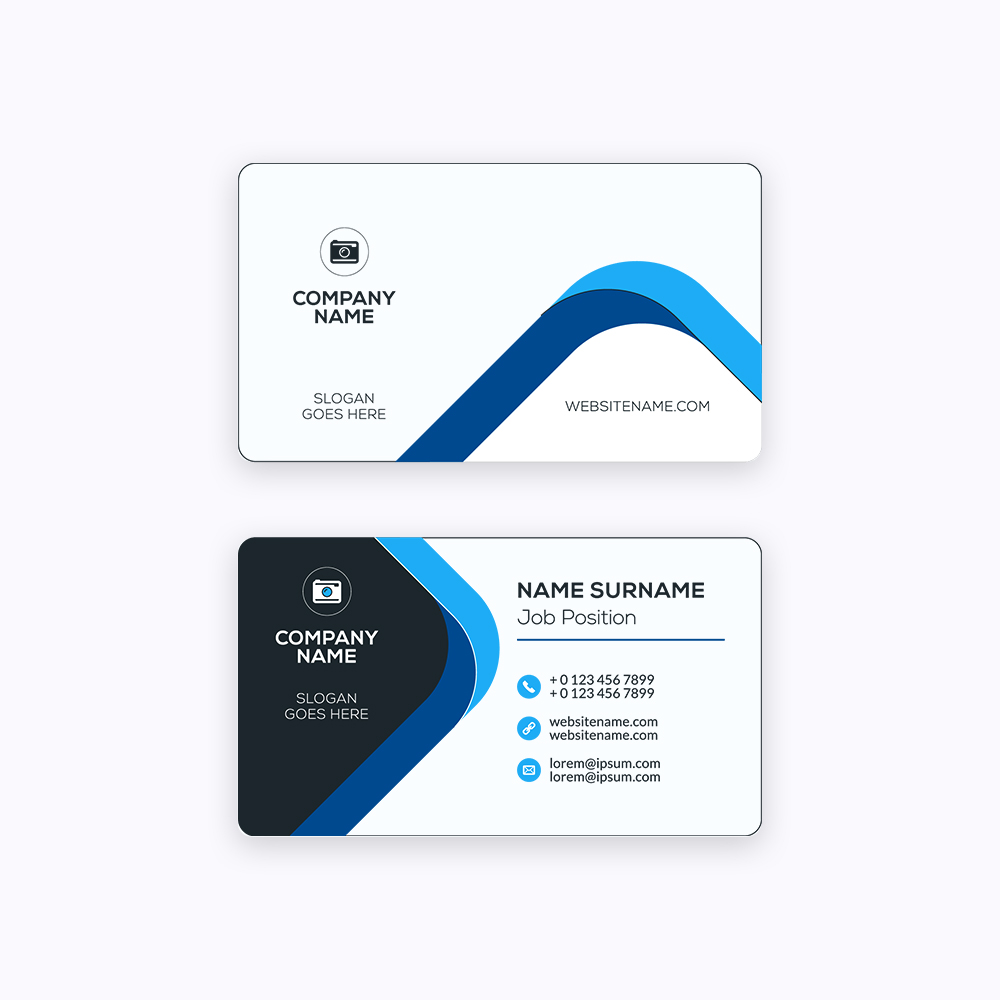
- Business Cards: Reflecting corporate branding, these are often printed in high quality with various finishes such as matte, gloss, or spot UV.
- Gift and Promotional Cards: Utilized for marketing campaigns, these cards can be customized with vibrant graphics and special finishes to attract attention.
Design Considerations for Custom Cards
Customization is vital for creating impactful cards that resonate with target audiences. Businesses must consider the following elements:
- Brand Identity: Incorporate consistent colors, logos, and typography to reinforce brand recognition.
- Material Selection: Choose durable materials such as PVC, PET, or composite cards to ensure longevity.
- Finish and Texture: Options include matte, gloss, spot UV, embossed elements, and laminations for a premium look and feel.
- Functionality: Determine necessary features like magnetic strips, chips, QR codes, or holograms based on card purpose.
Key Features and Security Options
To enhance the security and uniqueness of printed cards, vendors offer an array of features:
- Embedded Smart Chips and RFID Technology
- Holographic Security Stamps and Overlays
- UV and Embossed Elements for Tamper-Resistance
- Magnetic Stripes and Barcodes for Data Storage
- Sequential Numbering and Personalized Data Printing
These features not only improve security but also augment the card’s functional capabilities, making them suitable for high-security environments, corporate use, and promotional activities.
Comprehensive Overview of Card Printing Services in Singapore
Singapore’s vibrant business landscape and thriving marketing sector have led to an increased demand for high-quality card printing solutions. A reputable card printing service in Singapore offers a diverse range of products tailored to meet various corporate and personal needs. These services encompass everything from standard business cards to sophisticated smart cards, ensuring clients can find customized options that align perfectly with their branding and functional requirements.
Key Features of Professional Card Printing
- Material Options: The selection of premium materials such as PVC, PET, and composite cards guarantees durability and a professional appearance. These materials are resistant to wear, water, and fading, making them suitable for both everyday use and long-term branding initiatives.
- Finishes and Textures: From matte and gloss to spot UV and embossed elements, finish options elevate the tactile experience of each card. Special finishes such as lamination and foil stamping add an extra layer of sophistication and tactile appeal.
- Security and Functional Features: Integration of embedded RFID chips, holograms, magnetic stripes, QR codes, and holographic overlays enhances security and provides added functionality. These features are essential for access control, cashless transactions, and secure identification.
- Personalization Capabilities: Advanced digital printing techniques facilitate sequential numbering, personalized data inclusion, and customized graphics, enabling clients to produce unique, individualized cards efficiently.
Innovative Printing Techniques Employed
Leading card printing services in Singapore utilize a variety of proven techniques to achieve the highest quality results, including:
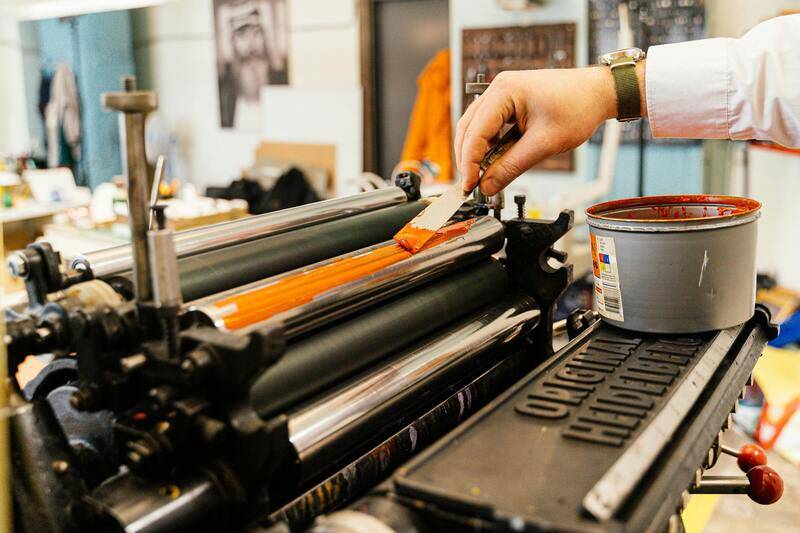
- Offset Printing: Suitable for large quantities, offset printing offers superior color consistency and detail fidelity, making it ideal for corporate branding needs.
- Digital Printing: Perfect for small batch runs or personalized cards, digital printing allows rapid turnaround times and easy modifications without setup delays.
- Hot Stamping and Foil Printing: These techniques add metallic or matte finishes that enhance visual appeal and create distinguished, premium effects.
- Hologram Overlays and Embossing: Incorporate security elements and textured effects to add complexity and resistance against tampering or duplication.

Choosing the Proper Card Type for Your Needs
It is crucial to select the appropriate card type based on your intended application:
- Standard Business Cards: Classic, cost-effective branding tools suitable for most professional interactions.
- Smart and RFID Cards: Enhanced security with embedded chips for access control, contactless transactions, or identification.
- Magnetic Stripe Cards: Widely used for loyalty programs, hotel room keys, and payment cards where data storage and retrieval are essential.
- Contactless NFC Cards: A modern solution for quick, contactless data transfer in various settings including event access and transportation.
Best Practices for Optimizing Card Printing Results
Effective collaboration with your chosen printing provider is essential to ensure expectations are met. This involves providing high-resolution graphics, clear design directives, and accurate data for personalization. Additionally, requesting samples or proofs can help verify the quality, color accuracy, and security features before mass production. Proper material selection, finishing, and security features should be carefully discussed to match the specific purpose of each card, whether for branding, access control, or secure transactions. By adhering to these practices, businesses can achieve compelling, durable, and functional cards that serve their strategic objectives effectively.
Comprehensive Overview of Card Printing Services in Singapore
Singapore hosts a dynamic market for card printing services, offering a broad spectrum of options tailored to meet diverse business and personal needs. As organizations increasingly recognize the importance of high-quality, secure, and durable cards, local providers have enhanced their offerings by integrating advanced printing techniques and security features. The availability of various card types—including standard business cards, RFID or smart cards, magnetic stripe cards, and contactless NFC cards—ensures that clients can select solutions optimized for their specific functions, whether for branding, security, or transactional purposes.

The competitive landscape encourages the adoption of cutting-edge printing technologies such as digital printing, embossing, foil stamping, and holographic security features. These techniques not only provide aesthetic enhancement but also serve to improve the security profile of cards, making unauthorized duplication significantly more challenging. As the demand for security-conscious cards grows, providers employ features like UV printing, microtext, and embedded security holograms to fortify each card’s integrity.
Types of Cards and Printing Methods
Understanding the variety of cards and associated printing techniques available in Singapore is vital for choosing the right solution for your specific context.
- Standard Business Cards: Utilized predominantly for branding and professional exchanges, these cards are printed using high-resolution digital or offset techniques, allowing for precise color matching and intricate artwork reproduction.
- Smart and RFID Cards: Embedded with microchips or contactless antennas, these cards undergo a specialized printing process that accommodates integrating security features seamlessly with the embedded technology.
- Magnetic Stripe Cards: Common in loyalty programs or access systems, these cards are printed with durable magnetic stripes, often through direct-to-card printing methods that ensure data longevity.
- Contactless NFC Cards: Utilizing near-field communication technology, these cards are printed with design and security features that support swift data exchange, often needing specialized coating for durability and security.
Best Practices for Achieving Optimal Results
For businesses aiming to produce high-quality, secure, and professional cards, collaboration with printing providers involves careful planning and clear communication. Supplying high-resolution vectors and adhering to color specifications like CMYK ensures vibrant, accurate visuals. Pre-production samples or proofs are essential to verify the placement of security features, color fidelity, and overall design before mass production. Material selection, such as PVC, composite, or specialty finishes, plays a crucial role in the card’s durability and security.
Security Features Enhancing Card Integrity
Security features are integral to card printing, especially in transactions and access control. These include holographic overlays, UV inks, microtext, embedded chips, and advanced authentication elements. When choosing printing services, confirming the availability of such features guarantees that your cards are resilient against tampering and duplication, aligning with operational requirements.
Order Quantities and Cost Optimization
Whether ordering a small batch for a special event or large quantities for company-wide deployment, pricing typically varies with order volume. Bulk orders often benefit from reduced unit costs, and flexible printing providers can offer tiered pricing. Customization charges for security features, finishes, or special materials are additional factors influencing overall expenditure. Planning ahead for estimated volumes helps optimize cost efficiency while maintaining quality standards.
Lead Times and the Ordering Cycle
Efficient turnaround times depend on the complexity of the card design and the volume ordered. Many providers in Singapore can deliver standard orders within a few business days, while complex, security-intensive cards may require a longer lead time. A streamlined ordering process includes detailed design submission, clear specifications, and approval stages to minimize delays and ensure timely delivery.
Practical Applications Across Industries
The utilization of printed cards spans numerous sectors in Singapore:
- Corporate Identity and Branding: Business cards, name badges, and membership cards foster professional image establishment.
- Security and Access Control: Employees and visitors use RFID, NFC, or magnetic stripe cards for secure entry into facilities.
- Customer Loyalty and Payment Solutions: Companies deploy loyalty and gift cards to enhance customer engagement, often with security features embedded.
- Event Management and Ticketing: Contactless NFC and holographically secured tickets facilitate seamless event entry and fraud prevention.
By selecting an experienced local provider, organizations can ensure their cards meet both functional needs and security standards, optimizing their operational workflows.
Overview of Card Printing Services in Singapore
Singapore hosts a vibrant market for card printing services, driven by diverse industry needs ranging from corporate branding to security solutions. Local providers are equipped with advanced printing technologies and offer a broad array of card types designed to meet specific functional and aesthetic requirements. These services focus on delivering high-quality, durable cards that align with operational standards and branding strategies. Industry players emphasize a comprehensive customer-centric approach, ensuring that clients receive tailored solutions, including consultative design support, precise printing techniques, and reliable delivery schedules. The competitive landscape fosters innovation, especially in integrating security features that protect data and prevent duplication, making Singapore a hub for premium card printing solutions.
Types of Cards Offered and Printing Techniques
In Singapore, a variety of card types are offered to cater to specific industry needs, each utilizing specialized printing methods that enhance functionality and durability. Standard business cards, membership cards, and gift cards remain popular for branding and customer engagement. For more security-sensitive applications, providers utilize advanced techniques such as embossing, holographic overlays, RFID embedding, and magnetic stripe encoding. These methods ensure each card's integrity and functionality.
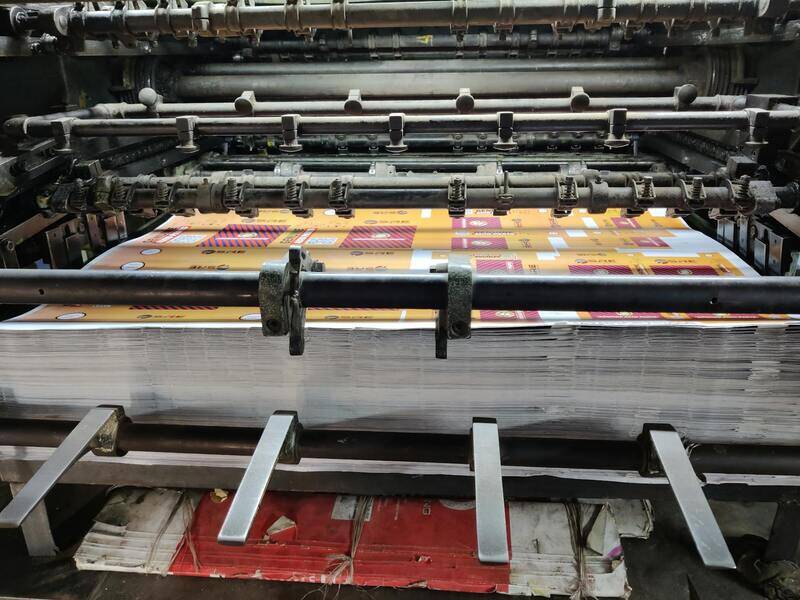
Printing techniques are selected based on the card application, desired security features, and volume. UV spot varnishing and embossing add tactile and visual appeal, elevating the professional appearance. Lamination adds a layer of protection, extending the lifespan of the cards against daily wear and tear. For bulk orders, offset printing enables high efficiency while maintaining sharp image quality, whereas digital printing is ideal for short runs and quick turnarounds.
Innovation in printing methods also includes the integration of contactless NFC chips and RFID technology, which facilitate seamless transactions and access control. The choice of materials spans PVC, PET, and specialty plastics, depending on the required durability, flexibility, and security characteristics.
Design Considerations for Custom Cards
Designing custom cards involves meticulous attention to branding elements, security features, and user experience. A well-thought-out design begins with incorporating brand colors, logos, and relevant imagery that resonate with the target audience. The layout must be clear and aesthetically balanced to ensure all key information is easily digestible.
Security features are often integrated into the design phase. For instance, holograms and microtext can be incorporated into the artwork to prevent forgery. Signature panels or QR codes can add layers of authentication, while lamination finishes protect printed details from fading and scratching. The choice of finish, whether matte or gloss, impacts both the visual appeal and tactile impression of the card.
Design tools and software are employed to simulate the final appearance, allowing clients to make informed decisions before production. Digital templates facilitate rapid modifications, ensuring the design aligns perfectly with brand identity and functional requirements. The high-resolution graphics and precision printing adhere to professional standards, resulting in cards that project quality and credibility.
Overview of Card Printing Services in Singapore
Singapore boasts a vibrant market for high-quality card printing services, offering a broad spectrum of options tailored to diverse business and personal needs. Professional providers like eprintingservice.com leverage advanced printing technologies and a variety of materials to produce durable, visually striking cards. These services are integral to corporate branding, identification, and promotional marketing campaigns. With an emphasis on craftsmanship and precision, printing specialists ensure each card adheres to exact specifications, incorporating vibrant colors, sharp graphics, and robust security features that reinforce the card's purpose and credibility.
The industry caters to numerous sectors, including corporate enterprises, educational institutions, retail outlets, and event organizers. Whether the goal is creating business cards, membership cards, ID badges, or gift cards, service providers utilize a comprehensive range of printing techniques that accommodate both small-scale and large-volume orders efficiently. Local providers emphasize quick turnaround times without compromising on quality, ensuring deadlines are consistently met for time-sensitive projects.
Types of Cards Offered and Printing Techniques
Proficient card printing services feature an extensive inventory of card types, each designed to meet specific functional and aesthetic requirements. Key offerings include:
- Business Cards: Standard, premium, embossed, foil-stamped, spot UV, and laminated options, often printed on thick cardstock with matte or gloss finishes.
- Membership and Loyalty Cards: Typically PVC-based, these cards incorporate magnetic stripes, barcode, or QR codes for seamless transaction and access control.
- Employee ID Cards: Durable PVC or PET cards embedded with security features, including holograms, microtext, or embedded chips.
- Gift and Prepaid Cards: Custom designs with secure printing features for retail use.
- Specialty Cards: NFC-enabled cards, epoxy-coated cards, or those with embedded security elements such as UV ink and holographs.
Printing techniques are selected based on card type, desired durability, and security needs. Digital printing allows for rapid production and customization, ideal for short runs or prototypes, while offset printing is utilized for bulk orders to ensure consistency and color accuracy. For cards requiring enhanced security, methods like hologram application, microprinting, or lamination are employed to add layers of protection against counterfeiting.
Design Considerations for Custom Cards
Designing custom cards demands a strategic approach to balance aesthetics, branding, and functionality. Effective design begins with a clear understanding of the card’s purpose and target audience. Incorporating brand elements such as logos, color schemes, and taglines ensures alignment with corporate identity. Layout considerations focus on readability, with key information placed prominently and legibly.
Security features are integrated into the design phase to enhance authenticity. Elements like holograms, microtext, concealed images, and embedded chips can be seamlessly incorporated into the artwork. The choice of finishes, such as matte or gloss, impacts the tactile quality and overall visual appeal of the card. Additionally, lamination options not only protect against wear and tear but also influence the final aesthetic, providing options for textured or smooth finishes.
Design software tools facilitate virtual previews, enabling clients to visualize the final product before printing commences. Templates and digital mockups allow for precise adjustments, ensuring the final output meets branding standards and functional requirements. High-resolution graphics, aligned with professional printing standards, guarantee crisp clarity and vibrant coloration, projecting an image of quality and reliability.
Key Features and Security Options
Modern card printing services incorporate a suite of security features to prevent duplication and misuse, tailored to the card’s intended application. Common security enhancements include:
- Holographic Overlays: Transparent holograms that are difficult to replicate enhance vision-based verification.
- Microtext and Fine Line Printing: Tiny text or intricate patterns that are only discernible under magnification.
- Embedded Chips and Magnetic Stripes: Facilitate electronic transactions and access control, offering both convenience and security.
- UV and Invisible Inks: Features visible only under ultraviolet light, adding an additional layer of verification.
- Laser Engraving and Embossing: Permanently imprints data or logos onto the card surface, resistant to tampering.
Security remains a pivotal aspect of card production, especially for identification and financial applications. Providers offer customized solutions that meet the specific security protocols required by clients, ensuring each card not only functions effectively but also maintains integrity against counterfeiting attempts. These features are seamlessly integrated within the design and printing process, promoting both visual appeal and robust security.
Overview of Card Printing Services in Singapore
Singapore’s dynamic business environment necessitates high-quality and reliable card printing services that cater to diverse industry needs. From corporate identification to promotional materials and membership cards, the demand for professionally printed cards has surged. Leading providers, such as eprintingservice.com, offer comprehensive solutions that encompass a variety of card types, cutting-edge technology, and tailored design options. These services are integral for organizations aiming to project a polished brand image, ensure functional security, and facilitate seamless transactions.
Types of Cards Offered and Printing Techniques
Card printing providers in Singapore specialize in a broad spectrum of card types, including:
- Business and Corporate Cards
- Membership and Loyalty Cards
- Identification and Staff IDs
- Gift and Promotional Cards
- Access Control Cards
The selection of printing techniques is pivotal to achieving desired aesthetics and durability. Common methods include:
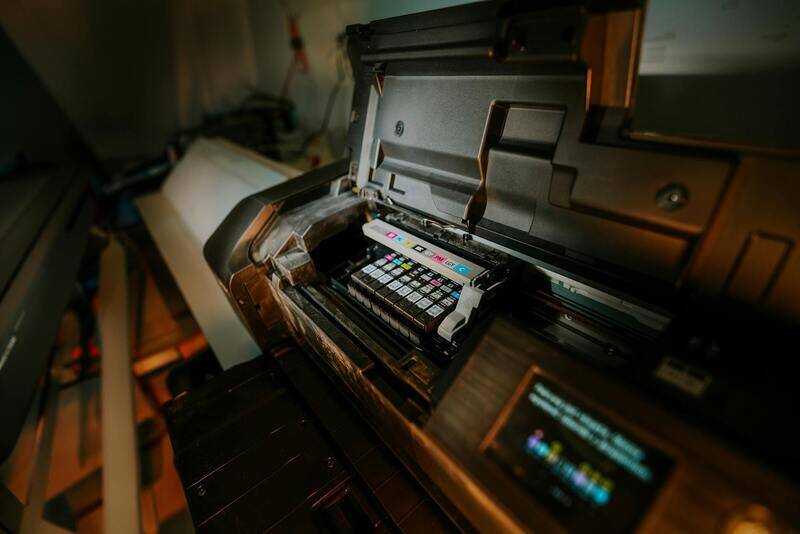
- Digital Printing: Ideal for short runs and offers quick turnaround times, suitable for customized or limited-edition cards.
- Offset Printing: Provides high-volume output with consistent color fidelity, perfect for large batches.
- Sublimation Printing: Enables vibrant, full-color images that are embedded into the card surface, enhancing both appearance and longevity.
- UV Coating and Spot UV: Adds a glossy, protective layer to specific areas, elevating visual appeal and scratch resistance.
- Embossing and Foil Stamping: Creates tactile and metallic finishes for a premium look, often used in decorative or high-status cards.
Design Considerations for Custom Cards
Effective card design combines aesthetic appeal with functionality. When creating custom cards, consider:
- Brand Consistency: Incorporate logos, brand colors, and fonts that align with existing brand identity.
- Visual Hierarchy: Ensure critical information such as names, roles, or account numbers stand out.
- Material Choice: Select appropriate substrates—from PVC to durable composite materials—to enhance longevity and tactile experience.
- Size and Layout: Standard dimensions facilitate compatibility with cardholders and accessories, but non-standard sizes can be used to make unique impressions.
- Incorporation of Security Elements: Integrate security features seamlessly within the design to prevent counterfeiting and unauthorized use.

Key Features and Security Options
Security plays a vital role in ensuring the integrity and authenticity of printed cards. The following features are commonly integrated into card printing processes to enhance security and functionality:
- Holographic Overlays: Enhance verification by providing dynamic visual elements that are difficult to duplicate.
- Microtext and Fine Line Printing: Offer micro-level details visible under magnification, deterring counterfeit attempts.
- Embedded Chips and Magnetic Stripes: Facilitate secure electronic transactions and access control applications.
- UV and Invisible Inks: Add invisible coatings that reveal markings only under ultraviolet light, strengthening authentication methods.
- Laser Engraving and Embossing: Provide permanent, tamper-resistant imprints for data or branding elements.
These features are designed to be embedded within the card surface during production, ensuring they do not compromise the visual design while significantly enhancing security measures. Customization options allow businesses to select components that best serve their security protocols and operational needs.

Order Quantities and Cost Efficiency
Managing production costs without compromising quality requires strategic order planning. Most card printing services accommodate a wide range of order quantities, from small batches to thousands of units. In general:
- Small Batch Orders: Ideal for pilot programs, event-specific distributions, or initial testing phases, typically involving 50 to 200 units.
- Medium to Large Batch Orders: Suitable for ongoing needs such as employee IDs, loyalty programs, or membership cards, ranging from several hundred to thousands of units.
- Bulk Discounts: Economies of scale are leveraged at higher volume tiers, significantly reducing per-unit costs.
- Cost vs. Quality Balance: While high volumes often lead to reduced costs, it remains essential to select quality materials and advanced printing techniques to ensure durability and visual impact.
Order planning should also consider lead times and turnaround requirements. Many printing providers offer streamlined online ordering platforms that facilitate artwork submission, customization options, and express services. This ensures timely delivery, especially for urgent campaigns or last-minute requirements.

Comprehensive Guide to Card Printing Service Options in Singapore
When seeking reliable card printing services in Singapore, it is essential to understand the different approaches, quality standards, and security enhancements that reputable providers like eprintingservice.com offer. This knowledge ensures you select a service that aligns with your specific requirements, whether for corporate identities, event passes, loyalty programs, or promotional items. High-quality card printing not only elevates your brand image but also helps in creating lasting impressions and maintaining operational integrity.
Understanding the Range of Card Printing Techniques
Leading printing services utilize a variety of advanced techniques to produce durable, visually striking cards. Some of the most prevalent methods include:
- Digital Printing: Suitable for small to medium runs, digital printing offers quick turnaround times and high-resolution outputs, making it ideal for customized designs with detailed graphics.
- Offset Printing: Cost-effective for larger quantities, offset printing provides consistent color accuracy and sharp detail, ensuring professional-grade results for mass production.
- UV Printing: This method involves UV-curable inks that produce vibrant, scratch-resistant images, perfect for high-quality promotional or security cards.
- Embossing and Debossing: These techniques create tactile features on cards, adding an element of physical texture that enhances quality perception.

Design Considerations for Custom Cards
Custom card design plays a vital role in the effectiveness of your branding and security features. When working with a printing service, consider the following:
- Brand Identity Elements: Incorporate logos, brand colors, and taglines to ensure consistency across all marketing materials.
- Visual Appeal: Use high-resolution images, legible fonts, and balanced layouts to create engaging designs that communicate professionalism.
- Material Quality: Select sturdy materials such as PVC, PET, or composite plastics to enhance durability and provide a premium feel.
- Size and Shape: Customize dimensions and explore die-cut options for distinctive card shapes that stand out in cluttered environments.
- Functional Aspects: Consider including magnetic strips, QR codes, or contactless chips based on the card type and intended use.
Security Features and Enhancements for Authentic Cards
To prevent unauthorized duplication and ensure authenticity, reputable printing services integrate various security measures:
- Holograms and Watermarks: Visually complex features that are difficult to replicate, adding a layer of authentication.
- Microtext and Fine Printing: Tiny text or intricate patterns that are only visible under magnification, deterring counterfeit attempts.
- UV Elements: Features visible only under ultraviolet light for verification purposes.
- Embedded Chips: Contactless technology such as RFID or NFC chips for secure access and transaction features.
- Status Indicators: Color-shifting inks or lenticular images that verify the card’s integrity.

Balancing Order Quantities with Cost-Effectiveness
Order volume significantly impacts the unit cost and overall budgeting. Most card printing providers cater to a broad spectrum of quantities, ensuring flexibility:
- Small Batch Orders: Typically ranging from 50 to 200 units, ideal for events, testing, or pilot programs. While unit costs may be higher, quality remains paramount.
- Medium to Large Orders: From several hundred up to thousands, these batch sizes benefit from economies of scale, reducing per-unit costs significantly.
- Bulk Orders: Large-scale production allows for lower costs and is suitable for ongoing corporate programs, memberships, or widespread campaigns.
Strategic order planning considers not only costs but also lead times. Many services leverage online platforms for streamlined artwork submissions, extensive customization options, and express delivery services, ensuring that urgent needs are adequately met without sacrificing quality.

Comprehensive Methods for Authentic Card Printing in Singapore
When seeking a trustworthy approach to producing official and genuine cards, it is essential to prioritize methods that adhere to stringent quality standards and utilize proven techniques. Recognized card printing services, such as those accessible through eprintingservice.com, employ a range of advanced printing technologies designed to deliver durable, secure, and high-fidelity cards suitable for various official applications. These methods include digital printing, dye sublimation, and offset printing, each selected based on the specific type of card, desired quality, and security features required.
Secure and Reliable Printing Techniques
To produce legitimate and counterfeit-resistant cards, reputable providers incorporate security elements seamlessly into the printing process. Techniques such as UV printing, holographic overlays, and embedding microtext or guilloche patterns significantly enhance authenticity. Additionally, embedding smart chips or RFID technology provides security features that facilitate access control and transaction verification, making duplication or forgery exceedingly difficult.
Specialized Printing Technologies in Singapore
- Digital Printing: Ideal for small to medium runs, offering quick turnaround and customization, this technique allows detailed graphics and security features to be accurately rendered.
- Dye Sublimation: Commonly used for high-quality, vibrant cards like membership or ID cards, ensuring durability and resistance to wear and tear.
- Offset Printing: Suitable for large-scale production, delivering consistent, high-definition images with effective color fidelity.

Legitimate Card Production for Various Needs
Legitimate methods for producing official cards encompass the use of authentic materials such as PVC or composite substrates that offer longevity and resistance to damage. Printing providers in Singapore utilize certified inks and adhere to strict quality protocols to ensure each card is consistent and meets industry standards. Moreover, incorporating layered security elements and integrating holographic images or embedded chips during the printing process ensures the card's credibility and functional integrity.
Material Selection and Print Quality
- PVC Cards: Standard for IDs, access cards, and membership cards, offering flexibility for embedding chips, holograms, and other security features.
- Composite Cards: Combining multiple materials to enhance durability and security for high-use applications.
- Material Certification: Utilization of materials that meet recognized industry standards guarantees the authenticity and longevity of the cards produced.
Verification and Authentication Processes
Authentic card printing involves not only robust production techniques but also integration with verification systems. Secure printing processes are interconnected with backend verification tools, allowing for real-time authentication. This includes features like embedded encryption modules, serial numbering, and barcodes that can be cross-verified against official databases, ensuring the card's validity at any point of use.
Overall, trustworthy card printing practices rely on a combination of advanced printing technology, high-grade materials, and embedded security features. Partnering with experienced service providers ensures the production of official cards that are both durable and resistant to forgery, meeting the rigorous standards needed for secure identification and access management.
