
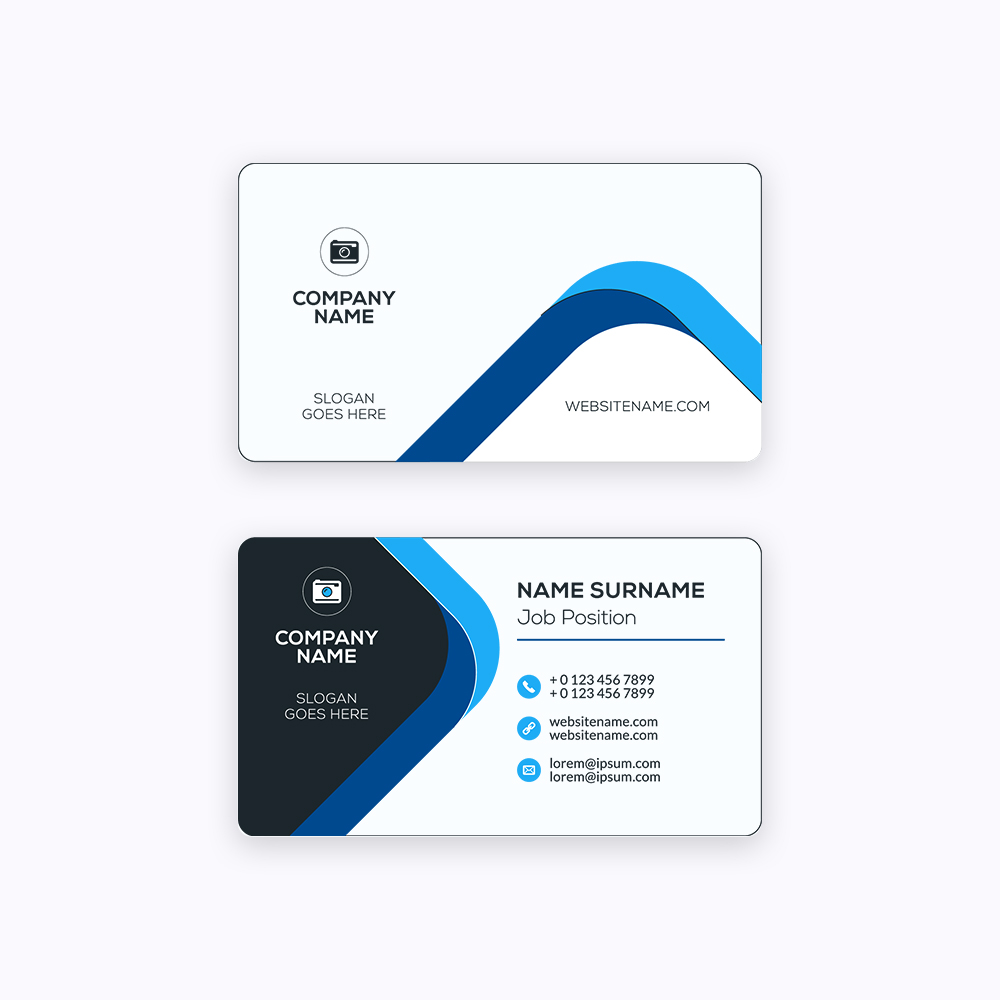
Importance of Having Your Own Business Cards
In the realm of professional networking and brand development, personalized business cards serve as a tangible representation of your identity and professionalism. They function as a compact, portable tool that facilitates effortless sharing of contact details, thereby fostering connections that can lead to future collaborations or business opportunities. A well-designed business card not only conveys essential information but also communicates your brand's personality and values, making a lasting impression on recipients.
Owning and printing your own business cards offers a level of control and customization that is crucial in today’s competitive market. It allows you to select specific design elements, materials, and finishes that align with your professional image. This tailored approach ensures consistency across your branding. Moreover, the convenience of printing your business cards in-house or through reputable local providers means you can update designs or reprint cards as needed without delays, maintaining a fresh and relevant professional appearance.

From entrepreneurs to corporate professionals, having your own business cards amplifies credibility and demonstrates preparedness. They act as a physical reminder of your services, making it easier for contacts to remember and reach out to you. Additionally, in environments where digital communication tools might fall short, a high-quality business card stands out as a personal touch that can cement relationships and foster trust.
Ultimately, printing your own business cards is an investment in your professional persona. It underscores your commitment to quality and attention to detail, which are qualities that clients and partners value highly. The process of owning and customizing your business cards, when executed thoughtfully, can significantly enhance your visibility and reputation in your industry.
Utilizing Professional Printing Services for High-Quality Business Cards
While crafting your own business cards offers a significant degree of customization and control, partnering with reputable printing services remains essential for achieving a polished, consistent look. These services leverage advanced printing technologies that ensure sharp image reproduction, vibrant colors, and high-quality finishes, which are often challenging to replicate with standard home or office printers.
Reputable printing providers employ a range of sophisticated techniques such as offset printing, digital printing, and specialized finishing options. Offset printing is ideal for large runs, providing exceptional color consistency and detail, making it suitable for companies needing uniform branding across extensive batches. Digital printing, on the other hand, accommodates shorter runs with quick turnaround times and the flexibility to make last-minute adjustments without sacrificing quality.
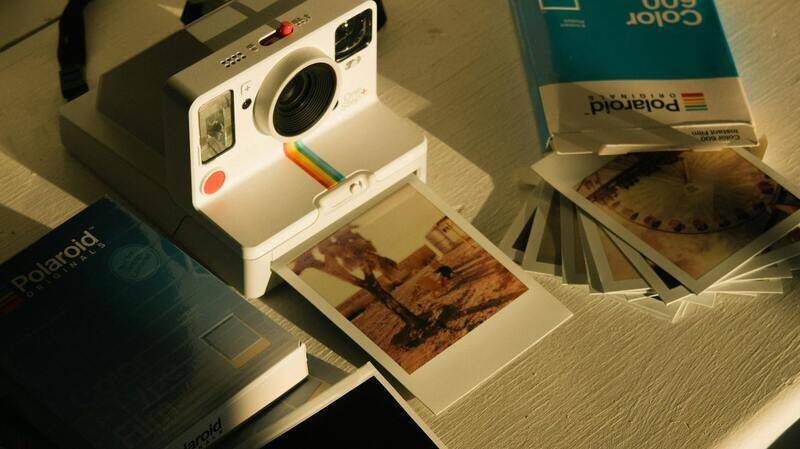
Opting for high-caliber printing services also opens possibilities for various special effects that elevate the visual appeal of your business cards. Special finishes such as matte, gloss, or satin coatings can dramatically influence tactile and aesthetic impressions. Embossing and debossing techniques add a sophisticated texture, while foil stamping introduces metallic accents that catch the eye.
- Offset and digital printing methods for different production scales
- Special coatings like matte, gloss, or satin for visual impact and durability
- Embossing, debossing, and foil stamping for unique tactile experiences
- Consistent color matching and sharp image reproduction
Furthermore, the consistency achieved through professional services guarantees that every batch of business cards aligns perfectly with your branding standards. This consistency sustains credibility and enhances your professional image across all client interactions. Additionally, reputable printers offer consultation and guidance in material selection and finishing techniques, providing a tailored approach that aligns with your brand ethos.
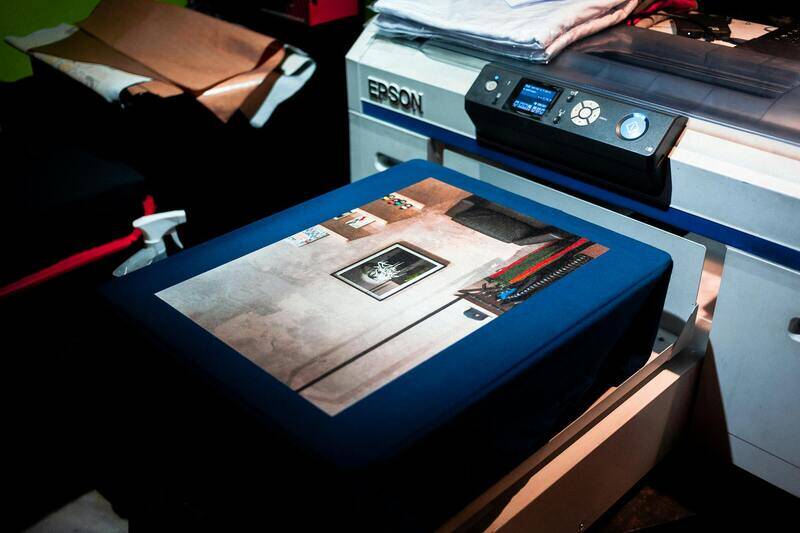
Incorporating these advanced printing options and collaborating with experienced printers ensures your business cards stand out in a competitive marketplace. Whether opting for premium finishes, textured effects, or specialty coatings, these professional services help translate your design vision into a tangible asset that leaves a memorable impression with every handover.
Choosing the Right Material and Finish
When print-own business cards, selecting the appropriate material and finish is critical for creating a durable and visually appealing product that accurately reflects your brand. The choice of cardstock primarily varies from 300gsm to 450gsm, with heavier stocks offering a premium feel and enhanced durability. Thicker cards, such as 450gsm, provide a substantial, high-end impression, making your business card stand out in a stack. Conversely, lighter options like 300gsm are easier to carry and manipulate but still convey professionalism.
Beyond thickness, the finish applied to your business cards significantly impacts their aesthetic and tactile qualities. Glossy finishes enhance color vibrancy and add a sleek, reflective surface that accentuates images and logos. Matte finishes, on the other hand, provide a subdued, non-reflective surface that reduces glare and is easier to write upon, making them ideal for designs that require handwritten notes or details. Soft touch finishes combine the tactile feel of velvet with a sophisticated appearance, offering a luxurious experience to recipients.
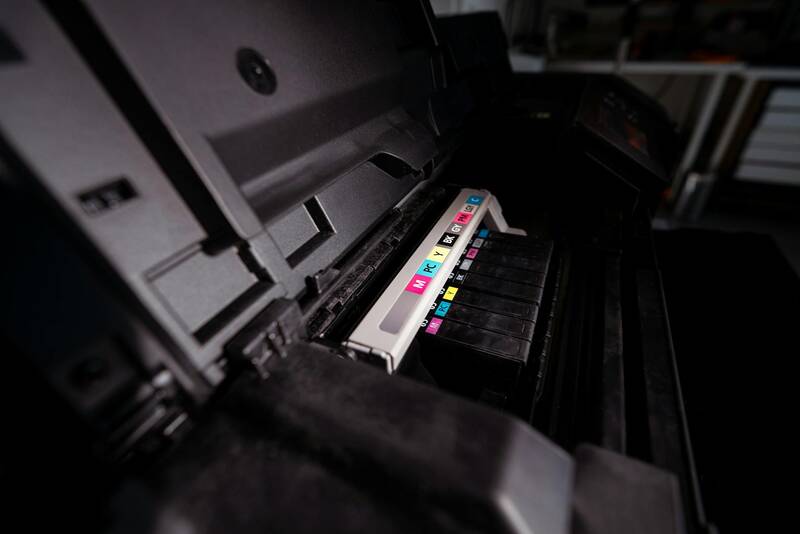
Specialty coatings like foil stamping elevate your design by incorporating metallic accents—perfect for logos or highlights that need to catch the eye. Embossing and debossing techniques add textured elements that invite touch, emphasizing certain design features or brand marks. These effects can be combined with finishes like matte or gloss to produce a multi-dimensional look that leaves a memorable impression. When choosing these options, it is crucial to consider not only aesthetics but also how well the finishes will withstand handling and environmental factors, ensuring longevity and sustained presentation quality.
Design Elements for Effective Business Cards
Integrating strategic design elements with the right material and finish enhances overall impact. High-resolution images, clear typography, and consistent color themes contribute to a cohesive appearance aligned with your branding. Utilizing professional design software or customized templates can streamline the process, enabling precise layout and element positioning. It is essential that your contact information remains prominent, legible, and neatly organized, fostering easy communication and brand recognition.
Moreover, incorporating unique design components such as rounded corners, die-cut shapes, or textured patterns can further differentiate your cards. These features should harmonize with the overall aesthetic while remaining functional and comfortable to handle. Remember, a well-balanced design combined with quality materials and finishes leverages tactile and visual nuances, transforming standard business cards into powerful branding tools that resonate with clients and partners alike.
Strategies for Creating High-Quality Business Cards at Home
Producing professional-grade business cards independently requires adherence to precise procedures and utilization of reliable tools. The first step involves selecting the appropriate software—industry-standard programs like Adobe Illustrator, Photoshop, or dedicated design platforms such as Canva or Vistaprint provide extensive templates and customization options. These tools enable you to craft layouts that emphasize core contact information, brand logos, and visual identity elements while maintaining a clean and organized appearance.
Once your design is finalized, focus shifts to choosing suitable printing methods and materials. High-quality card stock is fundamental; options include matte, gloss, or textured finishes, each imparting a distinct tactile and visual character. For enhanced durability, consider thicker paper weights, typically ranging from 300 gsm (grams per square meter) upwards. With the right material, the choice of printing technique becomes crucial—digital printing is efficient for small batches, offering quick turnaround times and vibrant color reproduction, while offset printing is ideal for larger quantities, providing consistent quality and finer detail.
Implementing finishing touches maximizes the professional impact of your cards. Techniques such as UV coating, matte lamination, or soft-touch finishes can elevate the tactile experience, making your cards stand out during handover. Embossing or foil stamping adds a luxurious element that accentuates specific areas like logos or borders, giving your cards a distinctive appearance that commands attention. Remember, environmental considerations are also vital—selecting eco-friendly materials and finishes not only supports sustainability but also aligns your branding with modern values.
Ensuring Proper Printing Quality and Consistency
Achieving flawless results involves meticulous preparation and calibration of your printer settings. Before printing the entire batch, always run a test print on a sample piece to check color accuracy, alignment, and overall appearance. Adjust color profiles and resolution settings accordingly to match your design standards. Maintaining a clean printing environment prevents printing defects such as smudges or streaks, ensuring every card meets professional expectations.
For those who prefer to keep quality control within hand, partnering with reputable local printing services is advisable. These providers typically employ advanced printing technology and quality assurance protocols, guaranteeing a consistent and high-quality product. When working with such services, providing high-resolution design files in formats like PDF or TIFF helps to preserve image clarity and color fidelity. Clear communication about the desired finishes, paper stock, and any special effects ensures the final product aligns perfectly with your branding vision.
Ultimately, the goal is to produce cards that not only communicate contact details but also reinforce your brand identity through quality craftsmanship and thoughtful design. Whether you choose to print in-house or collaborate with professional printers, attention to detail, high standards of materials, and consistency in execution form the backbone of successful business card production. This investment in quality reflects your professionalism and commitment to excellence, fostering positive impressions within your network and beyond.
Choosing the Right Business Card Format and Size
Selecting the optimal format and dimensions for your business cards is integral to ensuring your contact information is conveyed clearly and professionally. Standard sizes vary by region, with common international dimensions being approximately 3.5 inches by 2 inches. These dimensions deliver a familiar, balanced appearance that fits seamlessly into wallets, cardholders, and Rolodexes, facilitating easy storage and retrieval.
However, exploring alternative formats can distinguish your brand. Square cards, typically measuring around 2.5 inches on each side, offer a modern and distinctive aesthetic that captures attention while maintaining practicality. Mini cards, usually 2 inches by 3 inches, are compact and convenient, ideal for quick exchanges.
Beyond size, consider special formats such as folded or die-cut designs. Folded cards provide extra space for detailed information or visual storytelling, whereas die-cut options allow for intricate shapes that align with branding elements or industry themes, such as circles, ovals, or custom contours.
When choosing the format, assess the nature of your business, branding goals, and the primary modus of contact exchange. A legal firm might prefer traditional and conservative dimensions, while a creative studio could opt for more innovative shapes and sizes to reflect their artistic identity.

In addition, consider the compatibility of your chosen size with printing equipment and finishing processes. Some specialty shapes may require precise die-cutting and handling, which can impact production costs and turnaround times. Balancing uniqueness with practicality ensures your business card not only stands out but remains functional and easy to distribute. Furthermore, adherence to industry standards and the expectations of your target audience can influence your decision. For instance, in corporate environments, consistent sizing provides a clean and professional appearance, whereas innovative formats might be better suited for startups and creative industries aiming to make memorable impressions. In summary, the decision on business card format and size should align with your branding strategy, functional requirements, and the nature of your industry. Careful selection facilitates effective communication and reinforces your professional identity with every exchange.
Choosing the Ideal Printing Method for Your Business Cards
When it comes to printing your own business cards, selecting the right printing method is crucial to achieve the desired quality, durability, and visual impact. Several official printing techniques are widely recognized for their professionalism and ability to produce striking results, each suited for different budget levels and design complexities.
- Offset Printing: This traditional method is ideal for high-volume orders, delivering impeccable color accuracy and sharp details. Offset printing offers consistency across large runs, making it suitable for companies seeking a uniform and professional appearance in their business cards.
- Digital Printing: Perfect for smaller quantities or customized designs, digital printing provides quick turnaround times and cost-effectiveness. It allows for easy updates and personalized information without the need for costly plates, maintaining high-quality output that rivals offset methods.
- Letterpress Printing: For a tactile experience, letterpress offers an embossed effect, elevating the sophistication of your business cards. This method adds a sense of craftsmanship and elegance, often preferred by premium brands aiming to make a memorable impression.
- UV Coating and Spot Gloss: Applying UV coatings or spot gloss effects can highlight specific design elements or logos, adding depth and a glossy finish that attracts attention. These effects are executed through precise printing processes and are excellent for achieving a tactile contrast on matte or uncoated cards.
- Foil Stamping and Hot Foil Printing: Metallic foils create a luxurious and eye-catching look, perfect for premium branding. The heat-pressed foil accents can be applied to logos, text, or decorative elements, making your business card stand out with a polished, high-end aesthetic.
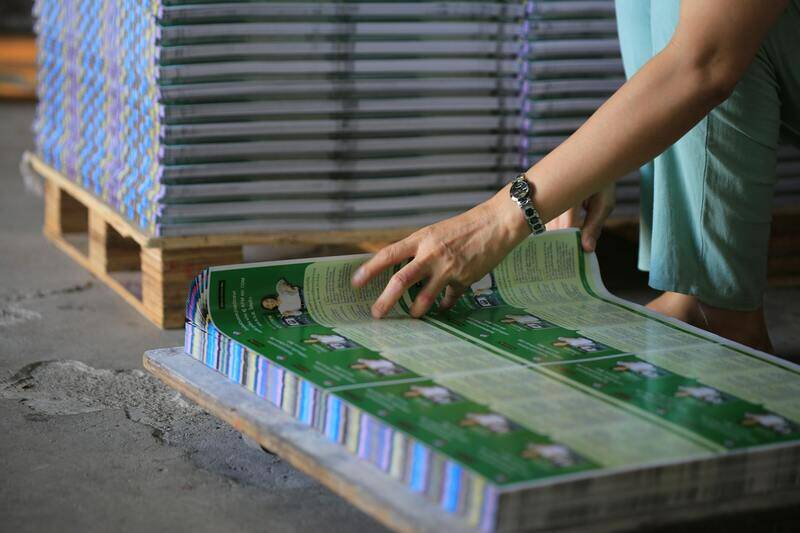
Choosing the most suitable printing process depends on multiple factors, including the desired visual and tactile effects, budget constraints, and production volume. Consulting with experienced printing providers can help align your expectations with the best technological approach, ensuring your business cards not only convey essential contact information but also reinforce your brand identity through quality craftsmanship.
In addition to selecting an effective printing method, consider integrating special effects like embossing, foil stamping, or textured finishes to add uniqueness. These enhancements can elevate a standard card into a memorable branding tool that leaves a lasting impression on clients and partners alike.
Official Methods for Printing Your Business Cards
Creating professional-quality business cards through legitimate printing channels ensures that your branding efforts are both effective and reliable. Selecting reputable local print shops or verified online printing services provides access to state-of-the-art equipment and high-grade materials, resulting in durable, sharp, and visually appealing cards. These sources adhere to industry standards, guaranteeing consistency in color accuracy, finishing, and overall quality.
Opting for well-established printing providers often involves detailed consultations, where experts can advise on best practices for design, material selection, and finishing options. This personalized guidance helps in achieving results that align with your brand’s identity and objectives. Customers can explore various options, including custom finishes like matte, gloss, or textured coatings, to enhance tactile appeal and longevity of the cards.
Online platforms dedicated to business card printing allow entrepreneurs to upload their designs safely and securely, ensuring the integrity of their branding elements. These platforms often provide design templates and software tools backed by industry-recognized standards, streamlining the customization process. Whether ordering a small batch or bulk quantities, these services maintain strict quality control, making sure every card meets precise specifications.

Choosing the right printing partner also involves verifying their credentials, review ratings, and customer testimonials. Engaging with providers that have proven track records ensures your expectations are met and that the final product enhances your professional image. It is advisable to request samples or proofs before finalizing large orders, allowing you to assess color fidelity, material quality, and embossing accuracy.
Furthermore, structured order processes with transparent pricing, turnaround times, and clear communication channels reinforce the credibility of the printing service. This helps in preventing common issues such as misprints, color mismatches, or finishing defects, ensuring your business cards accurately reflect your brand's professionalism and attention to detail.
Additional Considerations for Authentic Business Card Printing
- Verify the printing service's industry certifications and standards compliance.
- Request sample prints to evaluate material quality and color accuracy.
- Ensure their equipment supports advanced printing techniques, such as spot UV or foil stamping, if desired.
- Confirm clear turnaround times and flexible order quantities catering to your needs.
- Opt for services offering file review and pre-press checking to minimize errors.
Adhering to these verified methods guarantees that your final business cards embody professionalism, durability, and aesthetic appeal—crucial elements in leaving a lasting impression and fostering trust among clients and partners.
Importance of Having Your Own Business Cards
Owning professionally designed business cards remains a fundamental aspect of establishing a credible and memorable brand presence. Unlike digital alternatives, physical business cards provide a tangible connection that facilitates immediate recognition and trust. They serve as compact, portable representations of your professional identity, conveying key details such as your company name, logo, contact information, and unique value propositions. With a well-crafted card, your contacts can effortlessly recall your brand, fostering ongoing engagement and potential collaborations.

Effective networking and relationship-building hinge on the availability of polished business cards. They symbolize your commitment to professionalism and attention to detail. In competitive industries, a distinctly personalized card can set you apart from others who rely solely on digital exchanges. The importance of having your own set of business cards also extends to seamless brand consistency, ensuring every touchpoint aligns with your visual identity.
Design Elements for Effective Business Cards
While the core purpose of a business card is to communicate contact information, the design elements play a critical role in ensuring your card stands out and conveys the right message. Consider these key aspects:
- Brand Identity: Incorporate your logo, brand colors, and fonts consistent with your overall branding strategy.
- Clear Hierarchy: Structure information so that your name, title, and contact details are easily scannable.
- Whitespace Balance: Avoid clutter to enhance readability and aesthetic appeal.
- Typography: Use legible fonts for all text, balancing style with clarity.
- Imagery and Graphics: Integrate relevant visuals or patterns that support your brand identity without overwhelming the design.
Choosing the Right Material and Finish
Material quality directly influences the perception of your business card. Premium cardstock options, such as matte, glossy, or textured finishes, provide tactile impressions that reinforce professionalism. For instance, matte finishes offer a sophisticated look with reduced glare, ideal for minimalistic designs, while glossy surfaces enhance vibrant colors, attracting attention. Special finishes like soft-touch coatings or linen textures can introduce a unique sensory experience, making your card memorable.
When selecting materials, consider durability and how well the finish aligns with your brand personality. Thicker papers tend to feel more substantial, implying higher value and quality. Additionally, environmentally friendly substrates are increasingly popular, resonating with eco-conscious audiences and demonstrating your company's commitment to sustainability.
Types of Business Card Formats and Sizes
Standard business card formats in Singapore typically measure 3.5 inches by 2 inches, fitting comfortably into wallets and cardholders. However, exploring different formats and sizes can give your brand distinctiveness:
- Square Cards: Usually 2.5 inches by 2.5 inches, offering a modern and versatile aesthetic.
- Mini Cards: Compact versions that are ideal for minimalistic branding, typically around 2 inches by 1 inch.
- Vertical Cards: Changing the traditional horizontal layout, these vertically aligned cards can stand out visually.
- Folded Cards: Incorporate additional space for images or multiple sections of information.
Printing Techniques and Special Effects
Advanced printing techniques elevate the appeal of your business cards by adding texture, shine, or depth. Popular options include:
- Spot UV Coating: Creates glossy highlights on specific areas, emphasizing logos or key text.
- Foil Stamping: Adds metallic accents that catch light, elevating elegance and prestige.
- Embossing/Debossing: Produces three-dimensional effects, adding tactile interest.
- Edge Painting: Color the edges of cards for a sophisticated finish.
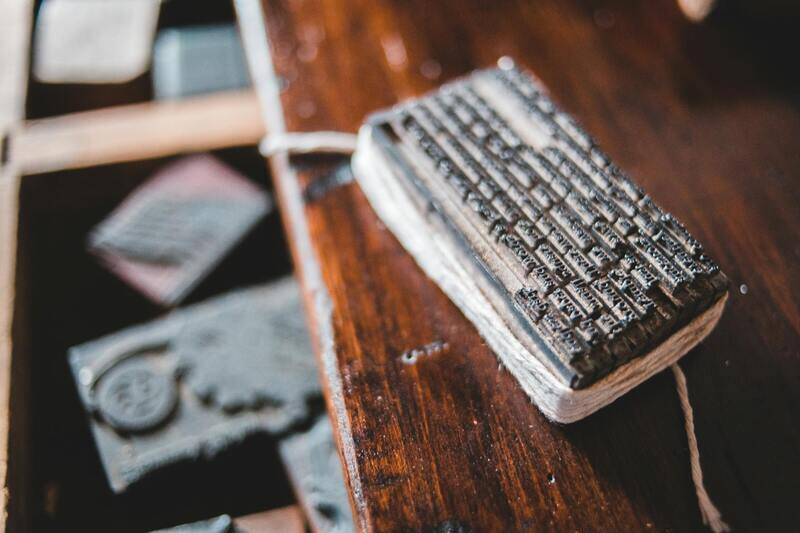
- Letterpress: Imparts a classic, pressed-in imprint for a luxurious feel.
Utilizing these techniques requires precision and compatibility with your chosen material, but the resulting effect can significantly enhance your brand's visual impact.
Designing Business Cards Using Templates and Software
Designing your own business cards is accessible through various templates and software. Professional tools like Adobe Illustrator, Photoshop, or dedicated online platforms offer customizable templates that streamline the design process. Many print services also provide free or paid templates tailored to different industries or styles, allowing you to create cohesive branding without graphic design expertise.
When designing, ensure your files meet the specified dimensions and resolution requirements (at least 300 DPI). Double-check that all text and graphics are within safe margins to prevent cropping issues during printing. Saving files in formats such as PDF or high-quality JPEG ensures compatibility with printing services and preserves design integrity.
Where to Print Your Business Cards in Singapore
For high-quality business card printing in Singapore, collaborating with reputable printing providers like eprintingservice.com provides access to professional-grade materials, versatile finishing options, and quick turnaround times. These services often support personalized designs, bulk orders, and specialty effects, ensuring your cards resonate with your brand’s identity. It is worthwhile to review customer feedback and request samples to evaluate material fidelity and print quality before finalizing large orders. A trusted printer offers transparent pricing, convenient ordering processes, and consistent quality—crucial factors in producing business cards that leave a positive impression and support your broader branding strategy.
