Overview of Full Colour Printing
Full colour printing is a comprehensive printing process that utilizes a combination of four primary inks—cyan, magenta, yellow, and black (collectively known as CMYK)—to create a wide spectrum of colours. This technique is fundamental in achieving vibrant, detailed, and visually appealing images on various materials. The ability to reproduce complex images with a high degree of colour fidelity makes full colour printing an essential component in industries that require high-quality promotional materials, detailed graphics, and rich photographic reproductions.
In the printing industry, full colour printing holds a significant position due to its versatility and capacity to render precise colour gradations and intricate designs. It allows businesses and artists to translate digital images into physical prints with remarkable accuracy and vibrancy. Typical applications of full colour printing extend across a broad range of fields, including advertising, marketing, packaging, publishing, and personal projects such as photo albums and custom gifts. The demand for full colour printing continues to grow, driven by the need for compelling visual communication and brand differentiation.

Whether printing brochures, posters, labels, or photographs, the ability to accurately reproduce a wide colour gamut enhances the visual impact and professionalism of the final product. This technology supports the creation of eye-catching designs that capture attention and effectively communicate messages. As a crucial element of modern printing solutions, full colour printing offers both high-quality results and flexibility, accommodating a diverse range of substrates and innovative design concepts.
The importance of full colour printing is underscored by its role in brand presentation, product visibility, and consumer engagement. In competitive markets, the accurate and vivid reproduction of colours can influence purchasing decisions and reinforce brand identity. To ensure optimal outcomes, modern full colour printing employs advanced image processing, precise ink formulation, and meticulous quality control processes, which collectively uphold the highest standards of print production.

Technologies Behind Full Colour Printing
Understanding the core technologies that power full colour printing is essential for selecting the appropriate method for diverse printing needs. Each technology offers distinct advantages in terms of colour fidelity, substrate compatibility, and production speed, ensuring optimal results across different applications.
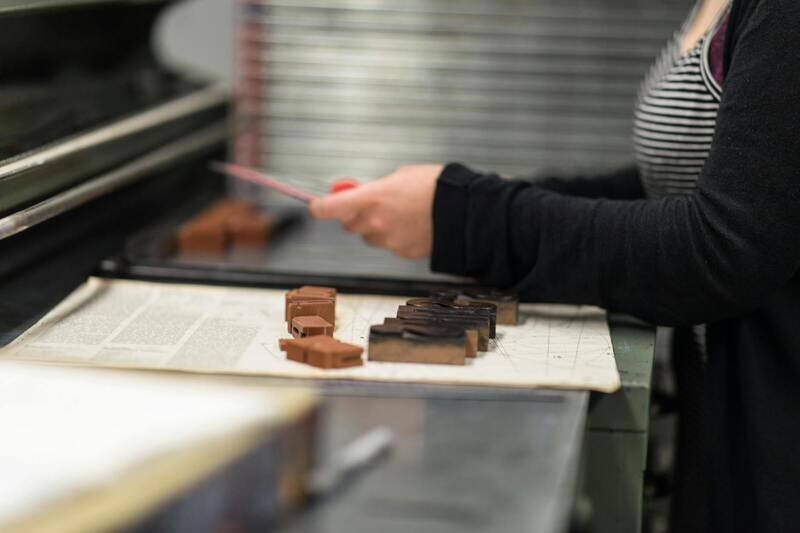
Among the most prevalent is digital printing, renowned for its ability to produce vibrant, precise images rapidly and efficiently. Digital presses utilize inkjet or LED-based systems to transfer digital images directly onto various substrates, making them ideal for short runs, personalized printing, and on-demand production. The flexibility of digital technology allows for quick adjustments in design and colour without the need for extensive setup, reducing overall costs for small batches.
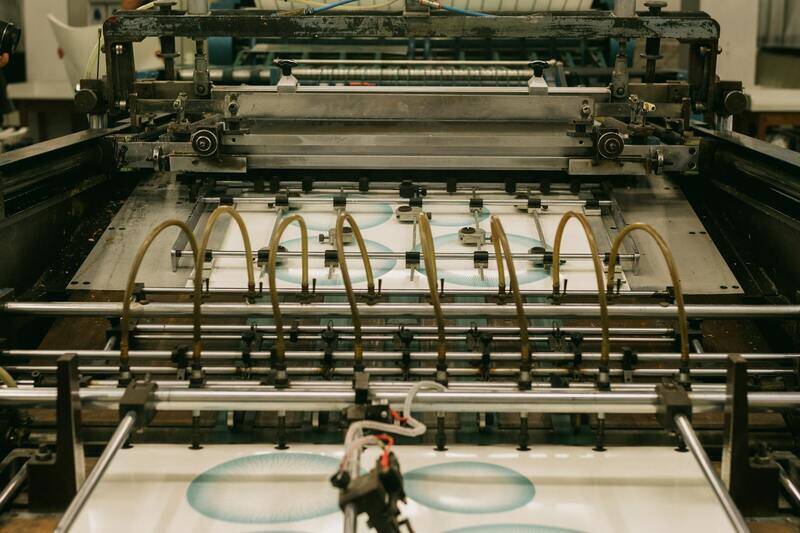
Offset printing remains a dominant choice for large volume projects requiring consistent colour accuracy and high quality. This process involves transferring ink from metal plates onto rubber blankets, which then impress the image onto paper or other materials. Offset printing excels in producing sharp images with consistent colour reproduction over extended runs, making it suitable for mass-produced marketing materials such as brochures, catalogs, and packaging.

Wide-format printing employs inkjet technology optimized for producing large-scale images on expansive surfaces like billboards, banners, and wall coverings. This method supports a broad spectrum of substrates, including vinyl, fabric, and specialty papers, and offers high-resolution output. Its ability to handle diverse materials with vibrant ink sets ensures designed visuals remain impactful at any scale.
Adapting to Specific Printing Demands
Choosing the right full colour printing technology hinges on project scope, substrate choice, and desired finish quality. Digital printing offers rapid turnaround and customization, making it a go-to for personalized merchandise and short runs. Offset printing, with its high efficiency for extended volumes, is preferred for mass distribution of corporate stationery and promotional leaflets. Meanwhile, wide-format systems are indispensable for large-format advertising displays that require vivid, large-scale imagery.
Incorporating these technologies, modern printers can achieve superior colour accuracy through sophisticated colour management systems. This ensures that the hues depicted digitally are faithfully reproduced in the final printed output, maintaining brand consistency and visual appeal.
Ensuring Consistency and Material Compatibility
Each printing technology employs specific inks and substrates that influence the overall appearance and durability of the final product. For instance, solvent-based inks used in wide-format printing provide excellent adhesion and longevity on outdoor surfaces. Pigment-based inks in digital printing offer vibrant colours and resistance to fading, suitable for both indoor and outdoor applications. Offset inks are formulated for smooth application and fine detail, ensuring sharp images on high-quality paper stocks.
The choice of substrate is equally critical. Options range from standard paper and card stock to specialty materials such as textiles, plastics, and vinyl. Selecting compatible inks and substrates maximizes colour vibrancy and ensures that printed materials withstand environmental factors, handling, and exposure over time.
Ensuring Consistent Colour Fidelity Through Precise Colour Management
Achieving vibrant, consistent colours in full colour printing hinges on meticulous colour management practices. The process begins with accurate colour calibration of printing devices, which involves adjusting hardware and software to align digital colour profiles with the desired output standards. High-end colour calibration tools examine how printers reproduce specific colours, ensuring that each job maintains the intended hue, tone, and saturation. Utilizing colour profiling, such as ICC profiles, allows for detailed calibration across different devices and substrates. These profiles serve as standard references, translating digital colour data into printable output that closely matches the designer’s original intent. Regular calibration sessions are vital to prevent drift that can occur over time due to device wear or environmental factors. Furthermore, advanced colour management software monitors and adjusts the colour workflow, from digital design to final print. These systems optimize colour consistency in multi-phase production processes, reducing variations and ensuring that consistent results are achieved regardless of the printing session or medium. The combination of precise hardware calibration, software control, and environmental stability forms the backbone of high-fidelity colour reproduction in full colour printing operations.
Overview of Full Colour Printing
Full colour printing stands as a cornerstone in the realm of visual communication, enabling businesses and individuals to produce vibrant, eye-catching graphics suitable for a wide array of applications. Unlike monochrome or limited colour methods, full colour printing leverages a comprehensive spectrum of colours to reproduce complex images, photographs, and intricate designs with high fidelity. This process involves layering different values and hues to achieve realistic and dynamic visuals, making it indispensable for marketing materials, promotional items, and branded assets. The appeal of full colour printed media lies not only in its aesthetic versatility but also in its ability to convey detailed information vividly, ensuring messages resonate effectively across diverse audiences.

In modern printing operations, full colour printing has evolved beyond traditional offset techniques to incorporate advanced digital solutions, offering faster turnaround times and more flexible production runs. This progression allows for on-demand printing, customization, and low-volume jobs without compromising the quality and colour accuracy that many professional clients demand. Understanding the nuanced capabilities of different printing technologies is essential to selecting the most suitable method for a specific project, which will be discussed further in the following sections.
Types of Full Colour Printing Technologies
Several printing technologies underpin the production of full colour prints, each with distinct attributes suited to different project requirements.
- Digital Inkjet Printing: This technology deposits tiny droplets of liquid ink directly onto substrates, making it ideal for small to medium-sized runs with high detail and colour richness. Expertise in ink formulations and printhead calibration ensures the vibrant reproduction of images, especially on diverse surfaces like textiles, vinyl, and synthetic materials.
- Thermal Dye Sublimation: Predominantly used for fabric and flexible materials, dye sublimation involves transferring dye-based inks onto substrates through heat. This method produces durable, vibrant prints with a soft finish, perfect for apparel, signage, and promotional products.
- Offset Printing: While traditionally associated with high-volume commercial jobs, offset printing offers superior colour consistency and accuracy over large runs. Its ability to reproduce precise Pantone colours makes it invaluable for branding projects that require exact colour matching across multiple mediums.
- Latex Printing: Combining the versatility of digital printing with eco-friendly water-based inks, latex printing excels in producing durable, eco-conscious prints on a variety of materials. Its rapid drying times and flexible inks make it suitable for outdoor signage and vehicle wraps.
Colour Accuracy and Color Management
Achieving consistent, accurate colours across different print runs is a vital aspect of high-quality full colour printing. This process relies heavily on meticulous colour management practices that encompass calibration, profiling, and standardized workflows. Accurate calibration of printing devices ensures that each machine reproduces colours in line with established standards, minimizing variances that could alter the intended appearance of the final product.
ICC profiles facilitate consistent colour reproduction across multiple devices and substrates by serving as precise references for translating digital colours into physical outputs. Regular calibration sessions help mitigate colour drift caused by environmental factors or device ageing, maintaining alignment with original colours specified during the design phase.
Advanced colour management software integrates with printing workflows, enabling real-time adjustments and consistency checks. This software monitors and compensates for media-specific variations and enables seamless colour matching when switching between materials or print jobs. Employing these stringent controls ensures that clients’ expectations for colour fidelity are consistently met or exceeded, regardless of the complexity or size of the print run.

Overview of Full Colour Printing
Full colour printing is an intricate process that produces vivid, high-resolution images with a broad spectrum of colours. This technology plays a vital role in creating eye-catching marketing materials, detailed visual displays, and high-quality publications. The essence of full colour printing lies in its ability to accurately reproduce complex images, photographs, and graphics, showcasing subtle gradations and vibrant hues that enhance the visual appeal of printed products. Its versatility allows for a wide range of applications, from corporate branding to artistic expressions, making it a staple in many industries seeking to leave a strong visual impression.
Types of Full Colour Printing Technologies
Understanding the different printing methods is essential for selecting the right technology to meet specific project requirements. The primary types include digital printing, offset printing, and large-format printing, each offering unique advantages in terms of quality, speed, and cost efficiency.
- Digital Printing: Favoured for short runs and quick turnaround times, digital printing utilises inkjet or laser technology to directly transfer digital images onto various substrates. It offers high-resolution output with precise colour control, making it ideal for custom jobs, labels, and small batch production.
- Offset Printing: Known for its superior consistency and high-volume capabilities, offset printing employs plates and blankets to transfer ink onto paper. It delivers sharp, detailed images with consistent colour fidelity, suitable for mass production of magazines, brochures, and packaging materials.
- Large-Format Printing: Designed for banners, posters, and signage, this method uses wide-format printers equipped with high-quality ink systems to produce large, vibrant visuals. Its ability to handle various media sizes and materials makes it a versatile choice for large-scale displays.
Colour Accuracy and Color Management
Achieving consistent, accurate colours across different print runs is a vital aspect of high-quality full colour printing. This process relies heavily on meticulous colour management practices that encompass calibration, profiling, and standardized workflows. Accurate calibration of printing devices ensures that each machine reproduces colours in line with established standards, minimizing variances that could alter the intended appearance of the final product.
ICC profiles facilitate consistent colour reproduction across multiple devices and substrates by serving as precise references for translating digital colours into physical outputs. Regular calibration sessions help mitigate colour drift caused by environmental factors or device ageing, maintaining alignment with original colours specified during the design phase.
Advanced colour management software integrates with printing workflows, enabling real-time adjustments and consistency checks. This software monitors and compensates for media-specific variations and enables seamless colour matching when switching between materials or print jobs. Employing these stringent controls ensures that clients’ expectations for colour fidelity are consistently met or exceeded, regardless of the complexity or size of the print run.

Material and Substrate Options for Full Colour Printing
Choosing the right substrate is essential to maximize the impact of full colour printing and ensure durability, appearance, and suitability for the intended application. The spectrum of available materials ranges from paper, cardstock, and vinyl to textiles, plastics, and specialty substrates such as transparent or reflective surfaces. Each material presents unique properties that influence colour vibrancy, longevity, and finish, making it crucial to select appropriately for your specific project.
Paper and cardstock are traditional choices, offering excellent print quality for marketing materials like brochures, flyers, posters, and business cards. Coated or gloss finishes enhance colour saturation and sharpness, making images and graphics appear more vivid. For outdoor signage or long-term displays, weather-resistant materials such as vinyl and rigid plastic substrates—like aluminum or foam boards—are preferred due to their robustness and resilience against environmental factors. These materials also support large-format prints with high-resolution colour reproduction.
In addition, textile substrates open possibilities for fabric banners, flags, and custom apparel, providing vibrant, eye-catching results with flexibility and texture. Special coatings and treatments applied to substrates can further improve ink adhesion, UV resistance, and scratch resistance, extending the lifespan of full colour printed materials.
Design Considerations for Optimal Full Colour Printing
Achieving outstanding results with full colour printing hinges on thoughtful design practices that anticipate how colours will translate from digital files to physical outputs. Key considerations include color mode selection, image resolution, and colour palette management. Designers should work primarily in the CMYK colour mode, which aligns with the colour reproduction process of most professional printers, as this ensures closer matches between digital designs and printed results.
Resolution is equally critical; images should typically be set at a minimum of 300 DPI to ensure sharp, clear images without pixelation, especially for large-format prints where viewing distances tend to be longer. Incorporating a wide colour palette, including gradients and subtle colour transitions, helps to replicate the depth and vibrancy characteristic of full colour printing.
Another aspect involves understanding the limitations of certain substrates and finishes. For example, reflective or metallic papers may alter the appearance of colours, requiring designers to adjust colour schemes accordingly. Incorporating bleed areas, safe zones, and precise alignment guides within the design ensures high-quality results without margin issues or misregistration.
Overview of Full Colour Printing
Full colour printing encompasses a range of high-quality printing techniques designed to reproduce vibrant, precise, and detailed images across various substrates. This process involves transferring a broad spectrum of colours from digital files to physical materials, ensuring the final product captures the intended visual impact. It is extensively used in marketing, branding, packaging, and promotional materials, owing to its ability to produce eye-catching graphics and images that resonate with target audiences. Achieving optimal results in full colour printing requires understanding the underlying technologies, colour management practices, and material choices that influence output quality.
Types of Full Colour Printing Technologies
Several advanced printing methods facilitate high-fidelity colour reproduction. Among the most prevalent are:
- Offset Printing: A traditional method utilizing plates to transfer ink onto substrates. It is highly cost-efficient for large volume runs and provides consistent colour accuracy and sharpness.
- Digital Printing: Utilizes digital files directly to produce prints without the need for plates. Ideal for short runs and on-demand printing, digital techniques like inkjet and toner-based presses excel at producing vibrant full colour outputs with quick turnaround times.
- UV Printing: A versatile method employing ultraviolet light to cure inks instantly. Suitable for non-porous surfaces such as plastics, glass, and metals, UV printing delivers rich colours and high durability.
- Large Format Printing: Designed for banners, posters, and signage, this technology handles larger media sizes while maintaining high colour fidelity and resolution.

Colour Accuracy and Color Management
Consistent colour reproduction hinges on meticulous colour management throughout the printing workflow. Key practices include:
- Color Profiling: Using standardized colour profiles ensures that digital files match the colours rendered in the physical print. ICC profiles tailored for specific printers and substrates are integral to maintaining fidelity.
- Color Mode Selection: Designers should operate primarily in CMYK colour mode to align with the printing process. This mode enables effective prediction of how colours will translate onto the chosen substrate.
- Calibration and Proofing: Regular calibration of printing devices and creating colour proofs allow operators to pre-empt issues related to colour discrepancies, ensuring the final outcome meets expectations.
- Substrate Considerations: Different materials impact colour appearance; reflective surfaces may alter brightness and vibrancy, necessitating adjustments during pre-press processes.
Material and Substrate Options
The choice of material profoundly influences the final visual effect and durability of full colour printed items. Common substrates include:
- Paper and Cardstock: Ranging from standard gloss or matte finishes to specialty textured papers, these are ideal for brochures, flyers, and posters.
- Vinyl and Adhesives: Used in banners, decals, and stickers, offering weather-resistant properties for outdoor applications.
- Plastic and Polycarbonate: Suitable for signage, menu displays, and product packaging, these materials support vibrant, long-lasting prints.
- Metal Surfaces: Often used in corporate branding and decorative signage, providing a premium and durable canvas for full colour prints.
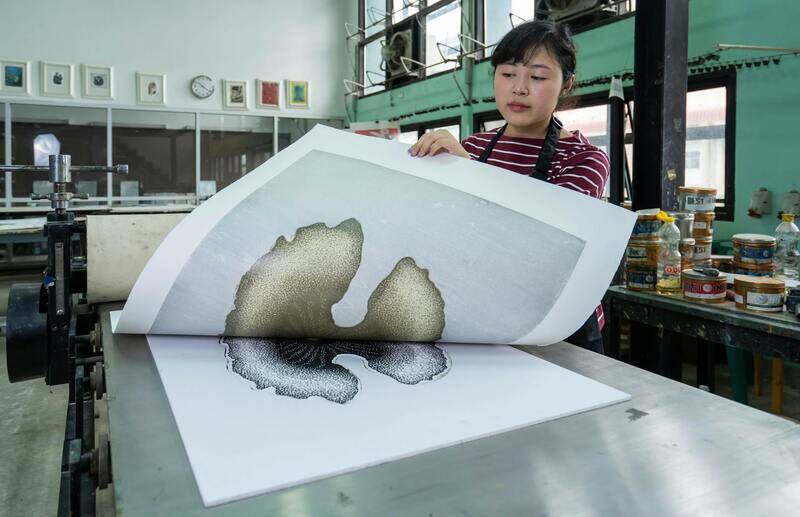
Design Considerations for Full Colour Prints
Effective design practices are essential for leveraging the capabilities of full colour printing to deliver impactful results. Considerations include:
- Colour Palette: Choose bold, vibrant colours that translate well across media. Incorporate gradients and subtle transitions to add depth and visual interest.
- Image Resolution: Maintain a minimum of 300 DPI at print size to ensure clarity and detail, especially for large-format prints viewable from distances.
- File Preparation: Use the CMYK colour mode and embed all fonts and images. Prepare bleed areas and safe zones to prevent unwanted cropping or misalignment.
- Material Compatibility: Adjust colour schemes considering substrate characteristics and finishes, such as gloss versus matte, to achieve the desired aesthetic effect.
Advantages of Full Colour Printing
Implementing full colour printing offers numerous benefits across various applications. These include:
- Vibrant Visuals: Rich, saturated colours enhance the attractiveness of printed materials, capturing audience attention effectively.
- High Detail and Clarity: Capable of reproducing complex images, photographs, and fine graphics with precision.
- Brand Consistency: Accurate colour reproduction ensures brand colours are maintained across different media, reinforcing brand identity.
- Flexibility: Suitability for a wide variety of substrates and formats, from small business cards to large banners, widens application possibilities.
- Customization: Short runs and on-demand printing enable personalized and targeted marketing campaigns without extensive setup costs.
Material and Substrate Options for Full Colour Printing
One of the key considerations in full colour printing is selecting the appropriate materials and substrates to achieve optimal results. Different substrates have unique surface textures, absorption rates, and finishing properties, which influence how colours appear and how durable the print remains over time.
Paper and cardstock are the most commonly used materials, available in various finishes such as matte, gloss, or silk. High-quality glossy papers enhance vibrancy and depth, making colours pop with brilliance, while matte finishes offer a subdued, elegant look suitable for professional or artistic pieces. For outdoor applications or items requiring extra durability, synthetic materials like PVC or polyester substrates are frequently chosen for their resistance to moisture and environmental wear.
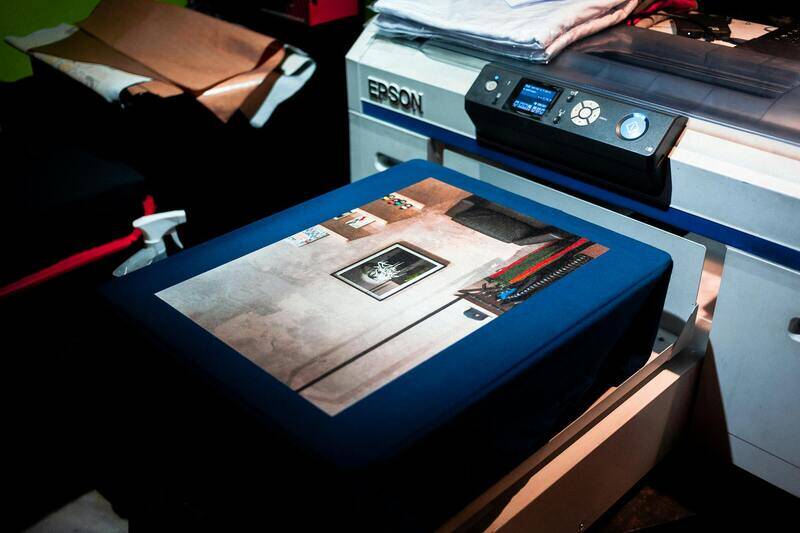
The choice of substrate directly impacts the ink adhesion and final appearance. Coated papers, whether gloss or matte, provide a smooth surface that enhances colour accuracy and detail, making them ideal for high-resolution photographic reproductions and detailed graphics. Conversely, uncoated papers are better suited for more subdued, textured effects, often used in reports or artistic applications.
For large-format prints, such as banners or outdoor signage, durable materials like vinyl or canvas are preferred. These substrates resist weathering, UV exposure, and physical stress, ensuring the visual integrity of the print over time. Additionally, specialty substrates, including clear films or textured fabrics, allow for innovative effects and unique finishes that can further enhance visual appeal.
Preparation and compatibility are critical when working with diverse media. Proper priming, surface treatment, and understanding substrate properties ensure that colours remain vivid and sharp, preventing issues like bleeding or fading. It's essential to collaborate with printing professionals who can advise on the best material choice based on the intended application, environmental conditions, and desired aesthetic qualities.