
Importance of Custom Brochures
In the competitive landscape of modern marketing, the visual presentation of a brand's message plays a crucial role in capturing audience attention and establishing a memorable identity. Custom brochures serve as an essential visual tool that allows businesses to communicate their value propositions effectively. Unlike generic templates, tailored brochures are designed specifically to reflect a brand's unique personality, products, and services, creating a cohesive and professional image that resonates with target audiences.
These marketing materials function as versatile assets, enabling companies to showcase detailed information in a visually appealing format. They can highlight product features, tell the story behind a brand, or promote special offers—all within a compact and portable package. When strategically designed, custom brochures not only inform but also inspire action, whether that involves making a purchase, requesting additional information, or visiting a physical location.

Another significant advantage of custom brochures lies in their ability to reinforce brand recognition. Through consistent use of branding elements such as logos, color schemes, and typography, they contribute to building a cohesive visual language that customers will associate with the company. This consistency fosters trust and credibility, particularly when distributed at network events, trade shows, or in-store displays.
Custom brochures also provide an excellent platform for storytelling, allowing brands to communicate their mission, values, and success stories compellingly. Their tactile nature adds a sensory dimension that digital marketing alone cannot replicate, making physical brochures more memorable and impactful. When created with strategic design and high-quality materials, they become valuable keepsakes that continue to promote the brand long after distribution.
Moreover, the flexibility of custom brochures in terms of size, folding style, and finishing options means they can be tailored precisely to suit specific marketing needs. This versatility ensures that a business can differentiate itself from competitors and leave a lasting impression on potential clients and partners.
In summary, custom brochures are more than just informational leaflets; they are strategic marketing tools that enhance brand visibility, foster engagement, and contribute to business growth. By choosing to invest in personalized, professionally designed brochures, companies position themselves to communicate their unique value effectively and stand out within crowded marketplaces. It is an integral element of a comprehensive marketing strategy, helping to build long-term customer relationships and drive business success through visual storytelling and brand reinforcement.
Comprehensive Methods for Creating Authentic Custom Brochures
Developing high-quality, genuine custom brochures involves adhering to professional standards that ensure credibility and effectiveness. Start with meticulous planning by defining target audience profiles, understanding key marketing messages, and establishing clear objectives for the brochure. This foundational step guarantees that every element, from layout to content, aligns with your brand’s strategic goals.
Engage experienced graphic designers and copywriters who specialize in brand storytelling and visual communication. Their expertise ensures that the brochure’s design and content are compelling, cohesive, and resonate with your intended audience. Clear and concise messaging, combined with appealing aesthetics, enhances the perceived value and trustworthiness of the final product.

When it comes to sourcing materials, select reputable printing vendors that utilize proven technologies and high-grade supplies. Offset and digital printing methods offer options suited for different quantities and quality requirements, with calibration that guarantees color accuracy and sharpness. Using durable, premium papers with appropriate finishes—matte, gloss, or satin— bolsters tactile appeal and ensures longevity.
To validate the authenticity of your custom brochures, insist on transparent procedures that include proof approvals and quality checks prior to full production. These steps help catch potential errors or inconsistencies early, saving costs and guaranteeing the final product meets your standards. Collaborating with well-established printing providers that have a track record of delivering authentic, high-caliber outputs fosters confidence in the integrity of your marketing materials.
Additional validation methods involve requesting certification of materials, testing the color consistency across batch runs, and reviewing samples meticulously. Authentic providers should also provide detailed invoices, clear service descriptions, and documented warranties for their print jobs, further underscoring their commitment to quality and authenticity.
Legal and Industry Standards to Ensure Trustworthiness
- Utilize verified sources for content, including licensed images and copyright-compliant materials, to uphold intellectual property standards.
- Adhere to industry-wide guidelines for print quality and safety, such as adhering to standard color profiles and print specifications.
- Choose vendors that comply with recognized environmental and safety standards, ensuring eco-friendly and sustainable printing practices.
- Maintain transparent communication throughout the printing process, including clear timelines, specifications, and revision policies.
Choosing the Right Partner for Authentic Custom Brochures in Singapore
Partnering with an experienced printing service, such as those with comprehensive portfolios and proven track records, ensures your custom brochures meet industry standards and reflect your brand’s integrity. Look for providers who emphasize quality control, use advanced printing technology, and provide extensive customization options. Transparent pricing models and adherence to delivery schedules further reinforce the authenticity and reliability of the process.
By investing in reputable services dedicated to authenticity, businesses can confidently distribute brochures that resonate with professionalism and trust. High-caliber custom brochures crafted through legitimate, industry-recognized methods serve as valuable assets in building brand credibility, fostering customer engagement, and strengthening market presence.
Material Options and Finishes for Custom Brochures
Choosing the right material is crucial for the durability, appearance, and overall impact of your custom brochures. High-quality paper types such as gloss, matte, or silk finishes are staples, each offering distinct advantages tailored to specific branding needs. Gloss finishes enhance colors and sharpness, creating vibrant visuals that catch the eye, ideal for photos and illustrations. Matte finishes provide a subdued, elegant look that minimizes glare and fingerprints, perfect for text-heavy brochures aiming for a sophisticated tone. Silk finishes strike a balance, combining a soft sheen with smooth texture, suitable for a broad range of purposes.
Additional material options include uncoated paper for a classic, tactile feel, and specialty papers such as textured or recycled options that showcase environmental responsibility. For added durability, especially for brochures exposed to handling or outdoor conditions, laminated or varnished surfaces help protect against wear and tear, ensuring your message remains pristine.
Folding and Size Variations
The choice of fold type and brochure dimensions significantly influences visual structure and messaging efficiency. Standard folding styles include bi-fold, tri-fold, and Z-fold, each suited for different content layouts and presentation styles. Bi-fold brochures split the page into two panels, offering a clean, straightforward look, suitable for minimal messaging. Tri-folds divide the content into three panels, ideal for segmented information, such as menus or product catalogs. Z-folds provide a more dynamic, layered appearance that can guide readers through the content seamlessly.
Beyond standard folds, other options like gatefolds, accordion folds, and fold-outs provide creative avenues for more complex information or promotional campaigns. Sizes generally range from standard A4 or letter dimensions to custom sizes that better fit branding elements or specific distribution channels. Larger formats serve as impactful displays, while smaller brochures facilitate easier distribution.
Printing Technologies and Costs
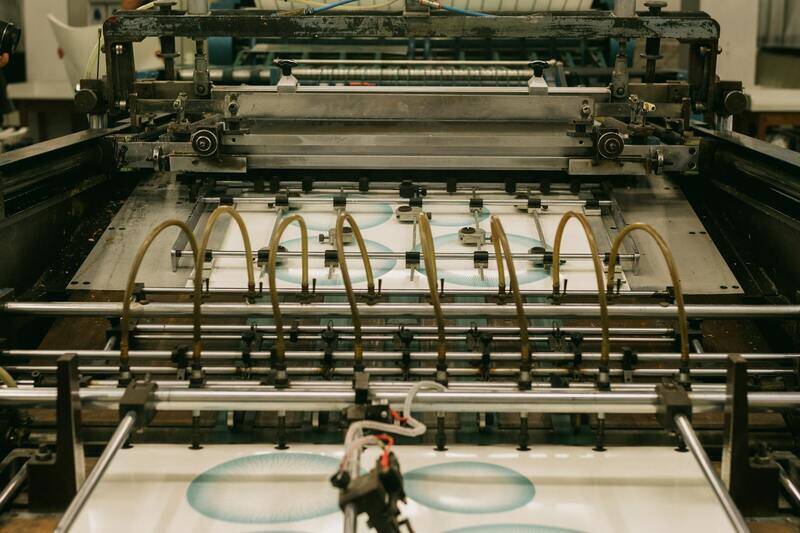
Implementing advanced printing technologies ensures high fidelity, color accuracy, and consistent quality in your custom brochures. Offset printing remains a popular choice for bulk orders, offering cost efficiency and sharp image reproduction for large quantities. Digital printing, on the other hand, provides flexibility with shorter runs, quicker turnaround times, and easier customization, making it suitable for smaller batches or personalized messages.
The complexity of design, material choice, and quantity directly influence production costs. While offset printing may have higher initial setup expenses, it offers lower per-unit costs for large quantities. Digital printing costs are typically linear, allowing for precise budgeting regardless of order size. Selecting a trustworthy printing partner can help optimize costs without compromising quality, ensuring each brochure aligns with your brand’s standards.
Customization and Personalization Options
Personalization transforms a standard brochure into a targeted marketing tool. Customization options include personalized text, images, QR codes, and even variable data printing, which allows for unique content tailored to individual recipients. These features enhance engagement and provide measurable responses, making brochures more interactive.
Design customization extends to using brand-specific colors, fonts, and logos to ensure consistency with corporate identity. Incorporating custom die cuts shapes the physical appearance, making brochures more memorable and distinctive. Finishing touches like embossing, foil stamping, or spot UV coatings add textures and visual highlights that emphasize key messages or branding elements.

Choosing a Printing Service in Singapore
Selecting a reliable printing provider in Singapore involves evaluating their portfolio, production capabilities, and client testimonials. An experienced team understands local market preferences and complies with recognized standards for environmental and safety practices. They should offer transparent pricing, flexible options for customization, and comprehensive support throughout the printing process. The availability of advanced technology and a wide range of finishing options ensure your project receives dedicated attention to detail. Additionally, proximity allows for easier communication, faster turnaround, and aligned delivery schedules, which are vital for time-sensitive campaigns. Partnering with a reputable printing service guarantees your custom brochures are produced with accuracy, quality, and professionalism, strengthening your brand image effectively in Singapore’s competitive market.
Design Considerations for Custom Brochures
When developing custom brochures, meticulous attention to design elements significantly influences their efficacy in communicating your brand message. Each component, from typography choices to layout structuring, warrants careful selection to foster clarity and visual appeal. Using high-resolution images that align with your brand identity enhances professionalism and helps capture the viewer’s attention seamlessly.
Incorporating your corporate color palette consistently across the brochure ensures visual harmony and reinforces brand recognition. The strategic placement of logos and consistent font usage further solidify your branding efforts. Remember, whitespace management is crucial; balancing text and images effectively prevents visual clutter, directing the reader’s focus toward key messages.
Typography and Visual Elements
- Choose legible fonts that reflect your brand personality. Sans-serif fonts tend to offer a modern look, while serif fonts impart a more traditional feel.
- Vary font sizes to establish a visual hierarchy, highlighting headlines, subheadings, and body text.
- Use contrasting colors for text and backgrounds to enhance readability.
- Integrate icons and graphical illustrations where appropriate to interpret complex information quickly.
Layout and Content Structuring
- Divide information into digestible sections, employing headings and subheadings for easy navigation.
- Prioritize content based on importance, placing the most compelling messages at the beginning and leading readers through a logical flow.
- Incorporate calls-to-action (CTAs) strategically, prompting immediate engagement.
- Balance text with visuals to maintain viewer interest and prevent monotony.

Material and Finishing Touches
Choosing the right material is pivotal for durability and aesthetic appeal. Thicker papers such as 170gsm or 300gsm contribute a premium feel, while matte or gloss finishes can enhance visual impact depending on your brand tone. UV coating might be added to increase resistance and add a glossy sheen for a sophisticated look. Embossing, foil stamping, or spot UV coatings serve as tactile elements that draw attention to specific areas, such as logos or headings, thereby elevating the overall perceived value of your brochure.
Custom die cuts allow for unique shapes that mirror your brand identity, making your brochures stand out from standard rectangular designs. This physical customization, combined with high-quality finishes, ensures your brochures leave a memorable impression.
Material Options and Finishes
Choosing the appropriate materials and finishes is crucial in the production of custom brochures that align with your brand image and functional needs. The selection begins with paper weight and texture, which significantly influence the tactile experience and durability. For a premium feel and enhanced sturdiness, weight options such as 170gsm or 300gsm are widely preferred. These thicker papers not only provide a luxurious touch but also ensure longevity even with frequent handling.
Finish options further refine the visual appeal and protection of your brochures. Matte finishes offer subdued elegance with non-reflective surfaces that reduce glare, making them ideal for detailed text-heavy content. Gloss finishes, on the other hand, increase vibrancy and offer a shiny surface that enhances color brightness and sharpness, suitable for images and graphics.

Surface treatments like UV coating are applied post-printing to boost resistance to scratches and moisture while imparting a sleek, glossy sheen. Embossing and debossing techniques add tactile dimension to specific elements such as logos or headings, providing a sense of depth and sophistication. Foil stamping introduces metallic accents that catch the eye, often used to highlight brand elements or special messages.
In addition to paper-based options, custom die cuts enable unique shapes that reflect your branding identity, making the brochure stand out from standard rectangular formats. These physical customizations, combined with high-quality finishes, strengthen the visual impact and tactile experience, leaving a lasting impression on your audience.
Physical Customizations and Special Effects
Physical alterations such as embossed logos or foil-stamped headings create a premium, tactile dimension that draws immediate attention. Spot UV coatings are strategically applied to specific areas to produce a glossy, raised effect that enhances visual interest and guides the reader's focus.
Implementing die cuts in various shapes and sizes allows your brochures to adopt a distinctive look, embodying your brand's character and making them more collectible. These custom features are often used in conjunction with high-quality finishes to craft a cohesive, impactful design.

Folding and Size Variations
Choosing the correct folding style and size for your custom brochures can significantly influence their visual appeal and functional impact. Different folding techniques serve distinct purposes, whether aiming to create a compact, informative booklet or an eye-catching display piece. Common folding styles include trifold, bifold, z-fold, accordion, gate fold, and roll fold, each offering specific advantages for different content arrangements. Understanding how each style affects the brochure's presentation allows businesses to tailor their marketing materials to best suit their message and target audience.
Standard Sizes and Custom Dimensions
While standard brochure sizes such as A4, A5, and 8.5x11 inches are widely used for ease of distribution and printing costs, custom dimensions offer a unique opportunity to reinforce brand identity and stand out in crowded markets. Custom sizes can be designed to fit specific display spaces, product packaging, or thematic concepts. For instance, a miniature brochure may serve as a memorable leave-behind item, whereas a large, unfolded format could serve as an impactful visual display at trade shows. The choice of size should balance practicality with aesthetic appeal, ensuring the final product aligns with the brand's message and the contextual environment in which it will be used.
Impacts of Size and Fold on User Experience
The physical dimensions and folding method influence how easily recipients can handle, read, and retain information. Smaller brochures tend to be more portable and convenient for quick browsing, while larger formats provide ample space for detailed visuals and comprehensive content. Multifaceted folds, such as gate or accordion, can create engaging unfolding experiences that reveal content progressively, enhancing storytelling potential. Conversely, simpler bi-fold or tri-fold designs facilitate straightforward information hierarchy, making it easier for viewers to digest key messages efficiently.
Design Considerations for Folding and Size Choices
Designers must account for how visual elements, text placement, and imagery will adapt to different folds and sizes. Margins, bleed areas, and fold lines should be carefully planned to prevent content from being obscured or awkwardly divided. High-resolution images and legible typography are essential to maintain clarity across diverse formats. Additionally, selecting a fold that complements the brochure’s content flow can enhance the overall narrative, guiding the reader through the information seamlessly and engagingly.
Practical Tips for Optimizing Custom Brochure Design
- Evaluate the distribution method—handouts, direct mail, display stands—to determine appropriate sizes and folds.
- Prioritize message hierarchy—use folds strategically to emphasize key sections or calls to action.
- Consider the physical handling—thinner or more flexible materials for ease of transport and durability.
- Collaborate with professional designers to explore innovative fold formats that push creative boundaries while maintaining functionality.
- Test prototypes to assess how the selected size and fold translate to real-world handling and viewing experience.
Informed choices regarding folding styles and sizes not only elevate the aesthetic quality of custom brochures but also enhance their readability, durability, and overall effectiveness as marketing tools. When aligned with strategic content planning and material selection, these physical design elements create a memorable tactile experience that resonates with recipients and reinforces brand messaging long after distribution.
Methods to Ensure Quality in Custom Brochure Production
Securing high-quality custom brochures hinges on employing proven and reliable production techniques. Recognizing the importance of each step—from pre-press preparations to final finishing—is critical for creating impactful marketing collateral that aligns with your brand's standards. When selecting a production method, consider the following strategies to optimize results and ensure each brochure delivers a professional appearance and durability.
Engaging with Reputable Printing Partners
The selection of a trustworthy printing service plays a pivotal role in achieving consistent quality. Experienced providers, such as those specializing in custom brochure printing, utilize advanced equipment and adhere to stringent quality control processes. They can offer guidance on material selection, color accuracy, and finishing options, ensuring your brochures meet industry standards and client expectations. Requesting samples and reviewing previous projects can provide insights into their craftsmanship and attention to detail.
Implementing Color Management Systems
Accurate color reproduction is essential for conveying your brand identity and maintaining visual consistency across all marketing materials. Utilizing color management systems, including calibrated monitors and color profiles, ensures that the colors you see on your digital files match the printed output. Before mass production, conducting test prints or proofs helps identify and correct any discrepancies, safeguarding against costly reprints and delays.
Adhering to Material and Finishing Standards
- Material Quality: Select high-grade paper stocks that complement your design goals—whether glossy for vibrant images or matte for an understated look. Thicker papers with enhanced durability are suitable for handling and long-term storage.
- Finishing Techniques: Incorporate coatings such as UV, lamination, or aqueous gloss/matte finishes to protect the brochure surface and enhance visual appeal. Special finishes like embossing or spot UV can add tactile and visual accents, elevating the overall quality.
Applying Consistent Format and Quality Checks
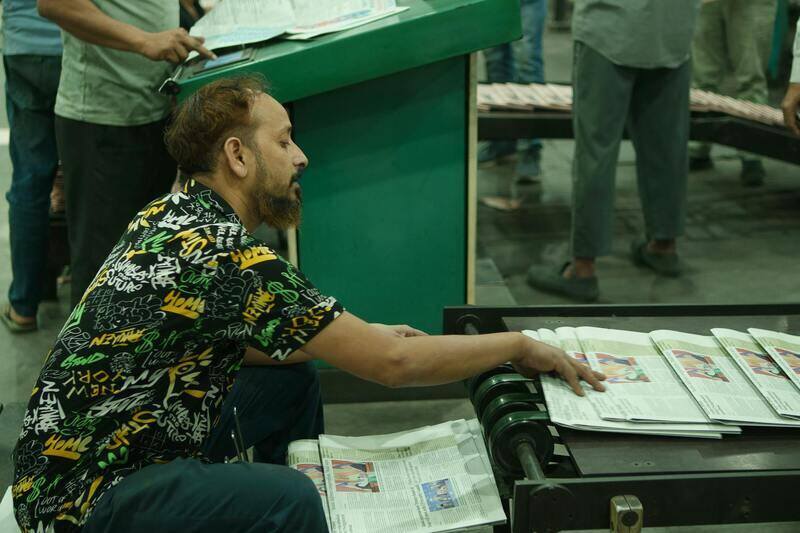
Developing standardized templates and checklists for review ensures each batch of brochures maintains uniformity. Routine inspections during the printing process—monitoring color consistency, alignment, and edge finishing—are critical for catching errors early. After production, conducting quality assurance assessments on sample copies helps verify that specifications are met before mass distribution.
Leveraging Advanced Printing Technologies
Digital printing offers quick turnaround times and flexibility for short runs and personalized brochures, while offset printing provides superior consistency and cost efficiency for larger quantities. Combining these technologies effectively allows for customized solutions tailored to specific project needs. Additionally, employing software that automates pre-press preparation and color calibration reduces human error and enhances precision.
Ensuring Proper Handling and Storage
Proper storage of printed brochures prevents damage such as bending, smudging, or discoloration. Use protective covers, storage racks, and climate-controlled environments to preserve quality. For distribution, employing careful handling methods minimizes physical damage, ensuring that your brochures arrive in pristine condition to prospective clients or stakeholders.
Monitoring Feedback and Continuous Improvement
Collecting feedback from recipients and clients about the quality and effectiveness of your brochures provides valuable insights. Use this data to refine design, material choices, and production techniques for future projects. Regularly reviewing and updating production standards helps maintain high-quality outputs and adapt to evolving industry practices.
Implementing Professional Custom Brochure Printing Methods
To achieve high-quality, durable custom brochures, utilizing the appropriate printing technology is essential. Professional printing services often combine multiple methods to meet specific project requirements, ensuring vibrant colors, precise details, and cost-efficient production. Two main technologies stand out in the industry: digital printing and offset printing. Understanding their advantages allows businesses to make informed decisions based on order volume, timeline, and desired quality.
Digital Printing for Flexibility and Speed
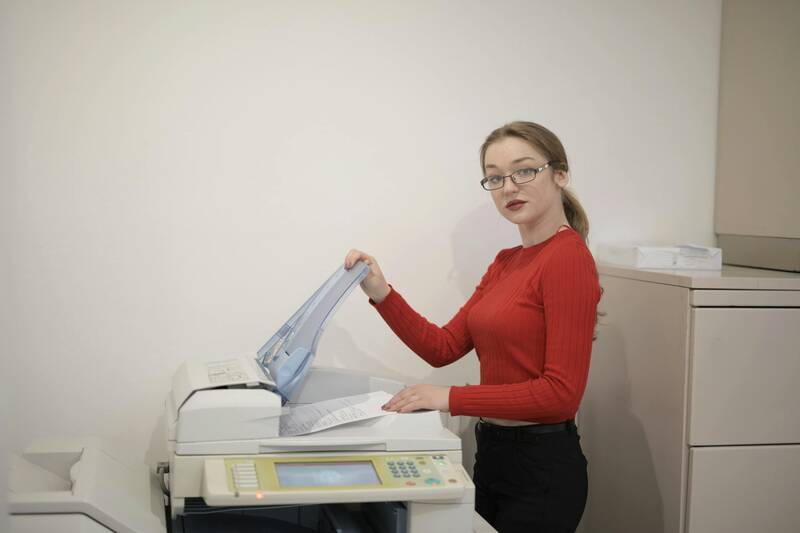
Digital printing offers rapid turnaround times and excellent flexibility, making it an ideal choice for small to medium-sized batches or projects requiring frequent updates. This method utilizes digital files directly transferred to printing hardware, allowing for quick modifications and personalized content, such as individual client names or unique offers. The process produces high-resolution results with sharp images and consistent color reproduction. Its cost-effectiveness for short runs makes digital printing a popular option for businesses looking to test designs or distribute targeted marketing materials.

Offset Printing for Large Quantities and Superior Consistency
Offset printing remains the preferred method for large production volumes due to its ability to produce consistent quality at a lower per-unit cost. This process involves transferring ink from plates to rubber blankets, then onto the printing substrate. Offset printing delivers exceptional color accuracy, sharp detail, and a professional finish, especially when utilizing specialized inks and finishes. The setup costs are higher, but the cost per brochure decreases significantly with volume, making it a cost-efficient solution for extensive distribution campaigns.
Strategic Use of Both Technologies
Many professional print providers employ a hybrid approach, utilizing digital printing for short runs or personalized brochures and offset printing for bulk orders. This strategy optimizes resources and balances quality with cost efficiency. Modern software automation tools facilitate seamless transition and integration between these methods, reducing human error and ensuring every brochure adheres strictly to design specifications.
Quality Control and Material Considerations
Regardless of the chosen printing technology, meticulous quality control measures must be in place. Color calibration, sample testing, and regular inspection of printed materials help verify that specifications are achieved consistently. Integrating quality assurance assessments early in the printing process minimizes waste and ensures the final product meets branding standards.
Material selection also significantly impacts the durability and aesthetic appeal of custom brochures. Specialty papers, textured finishes, and waterproof coatings can enhance tactile experience and resistance to environmental factors, protecting your marketing investment. Collaborating with reputable printing partners ensures that the selected materials and finishes align with your branding goals and intended distribution environment.
Optimizing Cost and Efficiency
Cost considerations involve balancing print quality, quantity, and lead times. Volume discounts are typically available for offset printing, while digital options may offer pay-as-you-go models aligned with small batches. It is important to evaluate all facets—material costs, setup fees, ink types, and finishing options—to create a comprehensive budget plan. Leveraging advanced pre-press software minimizes errors, streamlines production, and reduces unnecessary expenses.
Finishing Techniques to Elevate Your Brochure Presentation
- Glossy or Matte Lamination: Provides a sleek appearance while offering resistance to scratches and smudges.
- UV Coating: Adds a high-shine finish and enhances color vibrancy, ideal for eye-catching designs.
- Embossing or Debossing: Creates tactile depth, giving your custom brochures a distinctive look and feel.
- Rounded Corners or Custom Shapes: Adds uniqueness and professionalism to your marketing collateral.
Partnering with Expert Printing Providers
Choosing a reliable printing partner ensures adherence to top manufacturing standards and provides access to specialized finishing techniques. Experienced providers can advise on optimal material choices, folding styles, and finishing options that align with your branding objectives and budget. They also facilitate quality assurance processes, including sample approvals and inspection routines, to deliver professional-quality custom brochures consistently.
