

Overview of Wholesale Brochure Printing
Wholesale brochure printing serves as a strategic approach within the printing industry, catering primarily to businesses and organizations that require large volumes of marketing collateral. This service model is designed to streamline the production process for bulk orders, enabling companies to secure significant cost savings while maintaining high standards of print quality. By focusing on volume, wholesale brochure printing provides an efficient solution for distributing promotional materials to target audiences, whether for retail, corporate, or nonprofit sectors.
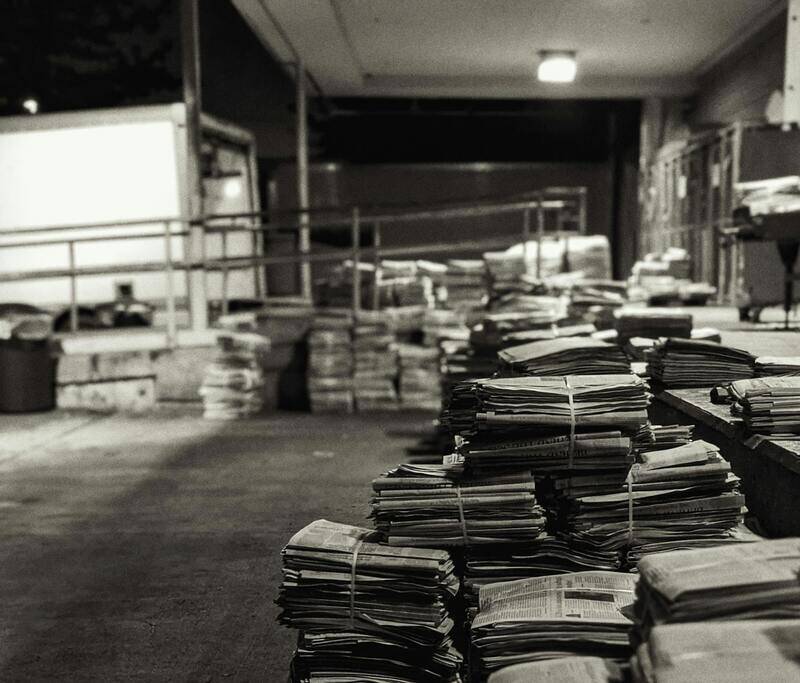
At its core, wholesale brochure printing involves producing a predetermined quantity of brochures, typically at a discounted rate compared to individual orders. This approach is ideal for organizations launching large marketing campaigns, participating in trade shows, or managing ongoing outreach programs. The primary goal is to combine economies of scale with customization options to ensure each batch meets specific branding and communication standards.
Providers such as eprintingservice.com specialize in handling large-scale brochure printing needs, offering extensive options for customization, paper quality, finishes, and binding styles. These services emphasize professionalism, attention to detail, and client satisfaction, making them a go-to resource for businesses seeking dependable bulk printing solutions.
Benefits of Wholesale Brochure Printing
- Cost Efficiency: Bulk production significantly reduces per-unit costs, allowing organizations to maximize their marketing budgets.
- Consistency: Standardized printing processes ensure uniformity across large batches, preserving brand integrity.
- Faster Turnaround: Large runs can be completed more efficiently, enabling timely deployment of marketing campaigns.
- Customization Options: Despite bulk production, clients can select various sizes, finishes, and paper stocks to meet specific campaign needs.
- Environmental Impact: Larger orders often allow for more sustainable practices, such as using recycled materials and environmentally friendly inks.
These advantages demonstrate the value of wholesale brochure printing as a strategic component of comprehensive marketing efforts, providing organizations with the tools needed to scale outreach effectively and economically.
Types of Brochures Commonly Offered Wholesale
Wholesale printing services typically accommodate a diverse array of brochure styles, each suited for different marketing purposes:
- Bi-Fold Brochures: With a single fold dividing the brochure into four panels, ideal for succinct messaging and visual impact.
- Tri-Fold Brochures: Divided into three sections, convenient for presenting step-by-step processes or segmented information.
- Z-Fold Brochures: Characterized by a zigzag fold, suitable for storytelling or sequential data.
- Gate Fold Brochures: Features two end panels that open to reveal a central panel, perfect for special highlights or flagship products.
- Booklet-Style Brochures: Multiple pages bound together, offering extensive information in a professional format.
Providers ensure access to various paper types, binding methods, and finishes, supporting a wide range of marketing strategies and aesthetic preferences.
Key Factors Influencing Wholesale Brochure Printing Costs
Several variables impact the overall expenses associated with bulk brochure printing:
- Order Volume: Higher quantities generally lead to lower unit costs due to economies of scale.
- Paper Quality: Premium materials such as thick cardstock or coated paper increase production costs but enhance durability and presentation.
- Print Technology: Advanced printing techniques like offset or digital printing influence pricing, with offset typically more cost-effective for large runs.
- Final Finishes: Special coatings, gloss or matte finishes, embossing, and UV coatings add to the cost but provide a premium look and feel.
- Design Complexity: Intricate graphics, multiple colors, and custom layouts may increase press time and printing expenses.
Understanding these factors allows organizations to balance quality and budget, selecting the most appropriate options for their specific campaign needs.
Choosing the Right Printing Partners for Wholesale Orders
For successful bulk brochure production, selecting a reliable and experienced printing provider is crucial. Key considerations include:
- Reputation and Track Record: Review customer testimonials and portfolio samples to assess consistency and quality.
- Range of Services: Ensure the provider offers comprehensive options for customization, material supply, and finishing techniques.
- Turnaround Times: Confirm the ability to meet project deadlines without compromising quality.
- Pricing Transparency: Request detailed quotes to compare costs and prevent unexpected charges.
- Customer Support: Opt for providers that offer guidance throughout the process, from design to delivery.
By prioritizing these factors, organizations can establish partnerships conducive to efficient and effective wholesale brochure printing projects.
In-Depth Analysis of Wholesale Brochure Printing Methods
When considering wholesale brochure printing, selecting the appropriate printing method is fundamental to achieving the desired quality, cost efficiency, and production timelines. Among the most prevalent techniques are offset printing and digital printing, each offering distinct advantages tailored to specific project requirements.
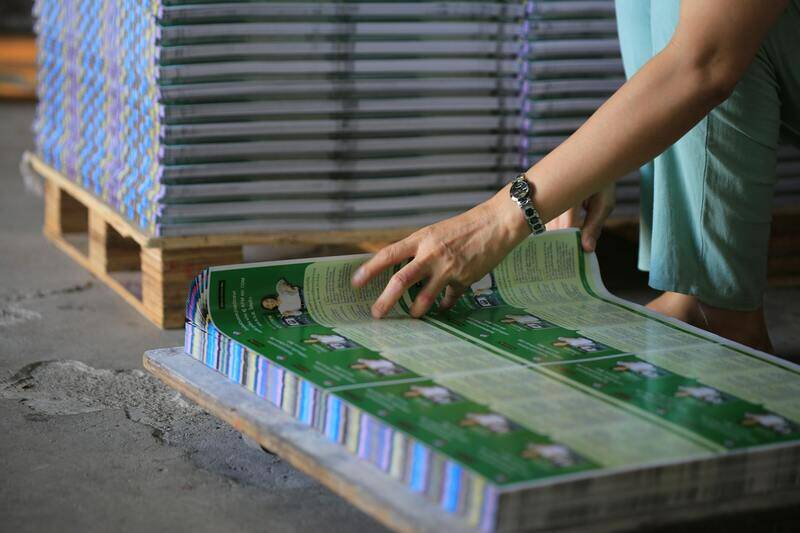
Offset Printing: The Industry Standard for Larger Batches
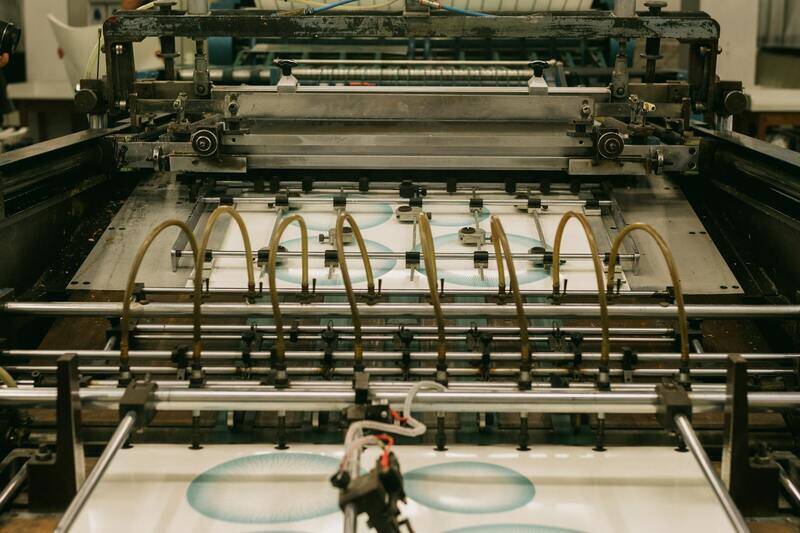
Offset printing remains the preferred choice for bulk brochure production due to its ability to deliver consistent, high-quality images and color accuracy across large runs. This method involves transferring ink from a plate to a rubber blanket and then onto the printing surface, making it highly suitable for detailed graphics and complex designs. Although the initial setup, including plate creation and press calibration, incurs higher costs, these are amortized over the entire run, making offset printing more cost-effective for large quantities.
Digital Printing: Flexibility and Speed for Short to Medium Runs
Digital printing offers a flexible alternative that eliminates the need for plates, enabling quicker turnaround times ideal for smaller or customized batches. This technology provides excellent image quality and color fidelity, suitable for personalized brochures or campaigns requiring frequent updates. While the unit cost per brochure is generally higher than offset printing, advances in digital printing quality have narrowed this gap, especially for moderate quantities.
Additional Printing Techniques and Their Impact
- Large Format Printing: Used mainly for display banners or posters accompanying brochures, ensuring consistency in marketing materials.
- Spot UV and Special Coatings: These enhancements can be applied post-printing to add visual and tactile appeal, elevating the perceived quality of wholesale brochures.
Considerations for Cost-Effective Bulk Production
To optimize costs without compromising the desired presentation, organizations should evaluate several factors:
- Material Selection: Choosing durable yet economical paper stocks based on the intended usage and handling environment.
- Finish Options: Balancing gloss or matte finishes with the budget for special coatings or embossing techniques.
- Print Quantity: Aligning order volume with the most suitable technology to avoid overpaying for low-volume runs or underutilized large presses.
- Design Complexity: Simplifying graphics or reducing color counts when possible to minimize press time and ink costs.
Official and Verified Methods in the Industry
Reliable wholesale brochure printing relies exclusively on approved production processes that conform to industry standards. Established printing companies adhere to stringent quality controls, ensuring consistent color reproduction, sharp detail, and durable finishes. These providers employ advanced digital and offset presses calibrated regularly, utilizing high-quality inks and substrates to meet demanding client specifications. Additionally, consumer demands for eco-friendly options have led to the widespread adoption of soy-based inks and recyclable materials, further validating the legitimacy and environmental responsibility within official printing practices.

By choosing suppliers committed to proven printing methodologies and quality standards, organizations can ensure their bulk brochures not only meet branding and marketing objectives but also reflect professionalism and durability essential for impactful communication.
Official and Verified Methods in the Industry
Adherence to standardized production techniques is essential for delivering consistent quality in wholesale brochure printing. Industry-leading printing companies rely on advanced calibration procedures for their digital and offset presses, ensuring precise color matching and sharp image reproduction. The use of high-grade inks and durable substrates contributes to the longevity and professional appearance of each brochure, reinforcing brand credibility. These companies typically implement comprehensive quality control protocols, including color management systems, regular equipment maintenance, and thorough inspections throughout the printing process.

Integral to reputable wholesale brochure printing is the commitment to environmentally responsible practices. Many providers utilize eco-friendly materials and inks, such as soy-based inks and recyclable paper stocks, aligning with sustainable industry standards. This eco-conscious approach not only demonstrates corporate responsibility but also responds to increasing consumer demand for environmentally sound marketing solutions. Choosing a supplier that follows officially recognized methods guarantees that your brochures meet both quality and sustainability expectations, contributing to a positive brand image and effective communication.

Furthermore, certified vendors often participate in industry quality assurance programs and hold accreditation from recognized organizations. These certifications validate their commitment to adhering to strict production standards and continuous improvement. When selecting wholesale brochure printing partners, organizations benefit from working with those committed solely to proven, order-specific processes involving high-capacity presses, quality control procedures, and sustainable practices. Such an approach guarantees that the final product aligns with brand standards, communicates messages effectively, and withstands handling over time.
Employing official industry methods underpins the reliability and professionalism of wholesale brochure printing. By insisting on suppliers with proven credentials, organizations can achieve impactful marketing materials that reflect their brand values while ensuring durability, exquisite detail, and color fidelity. This commitment to best practices results in brochures that serve as a powerful communication tool, fostering engagement and trust with target audiences.
Key Factors Influencing Wholesale Brochure Printing Costs
Understanding the various elements that impact the pricing of wholesale brochure printing enables organizations to optimize their budgets effectively. The primary factors include paper quality, which ranges from standard coated stocks to premium matte or gloss finishes, each contributing differently to costs. Higher-grade papers with enhanced durability or special textures often demand a premium and can significantly influence overall expenses.
Print volume is another crucial component, typically offering lower per-unit costs as order quantities increase. Bulk orders leverage economies of scale, reducing unit prices while maintaining high-quality standards. Additionally, the size of the brochures plays a vital role; larger formats or unique dimensions often require more extensive material usage and complex printing setups, which can elevate costs.
Finishing options such as UV coating, embossing, or specialty varnishes add an extra layer of sophistication and protection but also contribute to higher prices. These enhancements improve tactile appeal and durability, making brochures more attractive and long-lasting. Turnaround time is also a determinant; faster delivery schedules may incur rush fees, whereas standard timelines allow for more cost-effective production without compromising quality.

Other elements influencing costs include the complexity of the design and the number of colors used during printing. Full-color, multi-page brochures with intricate graphics demand advanced printing technology and higher ink consumption, impacting overall expenditure. Additionally, the type of binding—saddle stitch, perfect binding, or spiral—affects the final price, with each method offering different durability and aesthetic qualities.
By carefully evaluating these factors, organizations can make informed decisions that balance quality with budget considerations. Partnering with a wholesale brochure printing provider who upholds industry standards and offers transparent pricing models ensures reliable outcomes aligned with marketing goals and financial constraints.
Design and Material Considerations for Cost Efficiency
Optimizing the design and material selection is pivotal in controlling costs without compromising the quality of wholesale brochure printing. Selecting straightforward layouts with minimal gradients and a limited color palette can significantly reduce ink consumption, leading to lower printing expenses. Utilizing pre-designed templates or streamlined graphics ensures consistency and expedites the printing process, further reducing costs.
Choosing the appropriate paper stock also influences overall expenditure. Heavyweight, high-gloss, or textured papers, while offering a premium feel, tend to be more costly. Conversely, standard weight, matte, or satin finishes may present a more budget-friendly option while still achieving an elegant appearance. Combining the right design elements and materials tailored to the intended purpose ensures the brochures resonate professionally while remaining cost-effective.
Delivery and Turnaround Time for Wholesale Brochure Printing
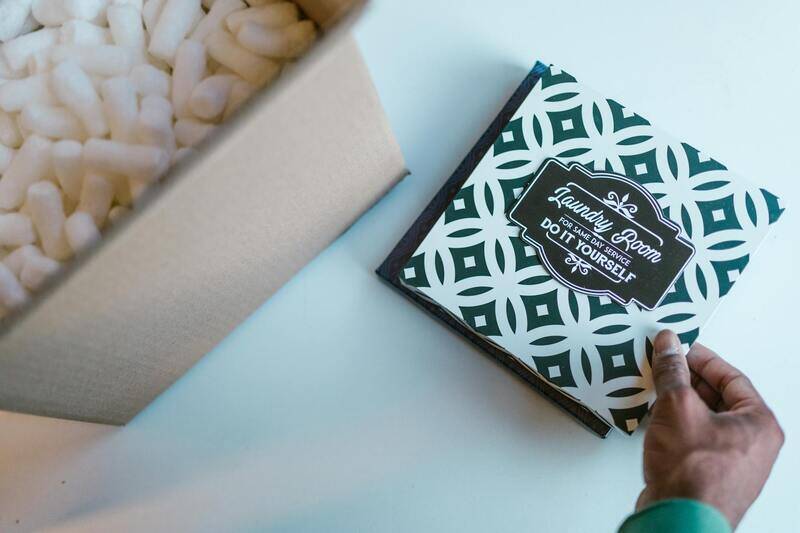
Efficient planning of delivery schedules and turnaround times plays a vital role in the overall success of wholesale brochure campaigns. Standard production timelines typically range from a few days to a week, allowing for cost-effective manufacturing without sacrificing quality. Planning ahead and placing bulk orders well in advance can mitigate expedited shipping fees and rush charges.
For projects with tight deadlines, expedited services may be necessary, but these often incur higher costs due to premium handling and quicker production processes. Coordinating with a printing partner that offers flexible scheduling and transparent turnaround options enables organizations to meet their marketing objectives while managing expenses. Additionally, logistics arrangements such as centralized pickup points or scheduled deliveries can further streamline costs for wholesale orders.

Best Practices for Bulk Ordering and Cost Optimization
Implementing strategic bulk ordering practices can yield substantial savings in wholesale brochure printing. Establishing consistent relationships with a reliable printing provider can lead to preferential pricing, volume discounts, and priority production status. Ordering in larger quantities or through annual contracts often results in reduced unit costs compared to smaller, sporadic orders.
Designing a scalable and adaptable template basis allows for easy updates and iterations, minimizing additional setup charges. Coordinating the timing of print runs with marketing campaigns ensures that inventory levels are optimized, reducing storage costs and avoiding last-minute orders. Furthermore, consolidating multiple marketing collateral needs into a single order can leverage economies of scale, maximizing cost efficiency across various print products.
Careful planning, consistent supplier relationships, and attention to design and logistics are essential components in achieving cost-effective wholesale brochure printing that supports strategic marketing efforts and budget management.
Design and Material Considerations for Cost Efficiency
Opting for strategic design choices and material selections can significantly influence the overall expenditure of wholesale brochure printing. When developing brochures with cost-effectiveness in focus, it is crucial to choose layouts that simplify production processes while maintaining visual appeal. For instance, using a minimalist approach with clean lines and fewer color variations reduces printing complexity and material usage.
Material selection directly impacts both the aesthetic outcome and cost structure. Standard paper stocks such as 100-lb gloss or matte finishes offer a balance of durability and affordability, making them common choices in large print runs. Coated papers, although slightly more expensive, can provide a premium appearance without substantially increasing costs when ordered in bulk. Additionally, opting for lighter weight papers decreases shipping expenses and material costs, especially beneficial for extensive wholesale orders.

Layout considerations also play a vital role in cost management. Designing brochures with optimized folding patterns, such as bi-fold or tri-fold formats, reduces waste and simplifies finishing processes. Incorporating predictable design elements minimizes setup times during printing, helping to streamline production and decrease per-unit costs. Furthermore, limiting bleed areas and avoiding complex die-cut shapes can lower production expenses without compromising the overall presentation.
Additional Efficiency Tips
- Batch production: Planning print runs to match marketing timelines prevents excess inventory and storage costs.
- Template utilization: Creating adaptable templates for recurring campaigns allows for easy updates and minimizes new setup fees.
- Color management: Employing spot colors or limiting color palettes reduces premium printing charges associated with full-color processes.
- Logistics coordination: Scheduling production to coincide with distribution plans minimizes expedited shipping costs.
Incorporating these design and material strategies facilitates higher ROI for wholesale brochure printing initiatives, ensuring that organizations maximize impact while controlling expenses.
Design and Material Considerations for Cost Efficiency
Optimizing design elements and material choices is crucial to balancing quality with cost when producing wholesale brochures. Strategic selection of paper stock, such as opting for lighter weights like 100-150 gsm, significantly reduces materials and shipping costs without sacrificing durability for most applications. Additionally, simplifying the design layout by limiting complex graphics and intricate folds minimizes waste and speeds up the printing process.
Manufacturers often offer templates optimized for specific formats like bi-fold, tri-fold, or Z-fold configurations, which streamline production and minimize cutting waste. Using predictable, repetitive design elements across multiple brochures can further reduce setup times and prevent costly adjustments during printing. Avoiding extensive bleed areas or intricate die-cut shapes can also contribute to lower production expenses.
Incorporating standard sizes and folding patterns ensures compatibility with finishing equipment, reducing the need for custom die setups. This approach not only cuts costs but also accelerates turnaround times. When selecting materials, matte or gloss finishes can be chosen based on the intended use; matte finishes tend to be more forgiving and scratch-resistant, while gloss enhances vivid color reproduction. However, matte coatings often come at a slightly lower cost.
Overall, careful attention to material and design choices, coupled with utilizing efficient templates and standard formats, allows for high-quality wholesale brochure printing that meets budgetary objectives without compromising on presentation.
Additional Strategies for Cost-Effective Wholesale Brochure Printing
Engaging in wholesale brochure printing involves not only selecting the appropriate printing methods and materials but also adopting strategic practices that optimize expenses without sacrificing quality. Implementing sound order planning, leveraging volume discounts, and maintaining consistency in design and production can substantially impact overall costs, ensuring budget adherence while fulfilling project requirements effectively.
Strategic Planning of Large-Scale Orders
Effective bulk ordering begins with meticulous planning. By accurately estimating the number of brochures needed, organizations can take advantage of tiered pricing offered by reputable printing providers. This ensures maximum cost savings per unit, especially when ordering in large volumes. Detailed planning also involves selecting suitable sizes, folding patterns, and finishes that align with the intended distribution channels and target audience, preventing unnecessary modifications that could escalate costs mid-production.
It’s advisable to prepare comprehensive design files prior to submitting orders. Standardizing brochure dimensions and layout elements across multiple campaigns can facilitate template reuse, reducing setup time and material wastage. Additionally, collaborating with the printing partner to establish a feasible production schedule helps in avoiding rushed orders that often incur premium charges.

Utilizing Volume Discounts and Loyalty Programs
Many wholesale printing services offer tiered discounts related to order quantities. Making a single, large order rather than multiple smaller ones typically results in lower per-unit costs. Some providers also provide loyalty or repeat customer programs, which include preferential pricing, free proofs, or discounted shipping. Developing a working relationship with a reliable printing partner ensures consistent pricing advantages and smoother order handling for future campaigns.
Maintaining Quality While Controlling Expenses
Balancing quality and cost requires selecting materials and finishes that meet project needs without unnecessary upgrades. For instance, choosing standard paper weights like 100 lb or 80 lb gloss or matte stock offers durability suitable for most brochures while keeping expenses manageable. When using coatings, matte finishes can be more economical than gloss, and they tend to hide fingerprints and scratches better, extending the visual appeal throughout distribution.
- Ensuring design simplicity with fewer embellishments reduces production complexity and costs.
- Opting for standard sizes and folding options enhances compatibility with finishing equipment.
- Requesting digital proofs minimizes the need for physical samples, saving printing and shipping costs.
Aligning with Reputable Wholesale Printing Services
Selecting the right printing partner is critical. Experienced providers like eprintingservice.com offer comprehensive support, including guidance on material selection, layout optimization, and order management. Partners with advanced printing technology and efficient workflow systems can deliver large quantities promptly and cost-effectively. Moreover, transparent communication regarding costs, turnaround times, and quality assurance protocols ensures expectations are met and potential issues are addressed early.
Adapting Design and Material Choices for Cost Savings
Designers should prioritize simplicity and clarity, avoiding overly intricate graphics or die-cut shapes that require additional setup costs. Opting for standard fold types like bi-fold or tri-fold simplifies production. Materially, leveraging uncoated or matte paper options can be more economical, especially when the brochures are intended for internal distribution or value-driven marketing efforts.

Monitoring Delivery and Turnaround Expectations
Efficient planning of delivery schedules is essential in wholesale brochure printing to prevent rush charges and ensure timely distribution. Established printing partners can often provide expedited options for large orders, with realistic lead times that accommodate manufacturing and transportation. Coordination with logistics providers allows for tracking shipments, reducing risks of delays, and enabling adjustments if needed.
- Implementing clear communication channels with the printer enhances coordination.
- Providing accurate shipping addresses and logistical instructions minimizes errors.
- Planning for buffer time ensures on-time distribution, especially for campaign-critical materials.
