

Understanding Big Photography Prints
Big photography prints have emerged as a popular choice for art enthusiasts and interior decorators seeking to make a bold visual statement. These large-scale images are carefully crafted enlargements of photographs that capture intricate details, vibrant colors, and compelling compositions. Their size typically exceeds 24 inches in either dimension, with some prints reaching monumental proportions such as 60 inches or more, depending on the intended display space and artistic vision.

The allure of big photography prints lies in their ability to transform a blank wall into a captivating visual centerpiece. They serve as focal points in both residential and commercial spaces, including galleries, offices, hotels, and public venues. The impact of a large photograph can evoke emotional responses, create a sense of depth, and enhance the overall ambiance of the environment.
Many high-profile photographers and artists leverage the grandeur of large prints to showcase their work at its full potential, ensuring that every detail and nuance is appreciated by viewers. The heightened realism and immersive quality of big photography prints can convey powerful narratives, showcase breathtaking landscapes, or highlight fine artistic techniques that might be lost in smaller formats.
In interior design, big photography prints add personality and sophistication to a room. They are often used as statement pieces that anchor a space, balancing other decor elements with their visual weight. This trend has led to increased demand for high-quality printing options that can faithfully reproduce the original image's vibrancy, contrast, and clarity at significant sizes.
Choosing the right big photography print depends on various factors, including the intended display environment and personal aesthetic preferences. Properly scaled images can enhance spatial perception, either expanding a room visually or creating cozy, intimate atmospheres. As art and decor continue to intersect, big photography prints remain a compelling way to infuse personal spaces with originality and visual dynamism.
The popularity of these large-format images continues to grow, driven by advances in printing technology and a broader appreciation for photographic art. They offer a unique opportunity for individuals and organizations to elevate their decor, celebrate photographic craftsmanship, and leave a lasting impression on viewers.
Understanding Big Photography Prints
Big photography prints serve as a captivating medium to showcase photographic artistry on an impressive scale. These prints are crafted with meticulous attention to detail, able to capture the subtleties of light, shadow, and color that define the essence of an image. High-quality big prints resonate with viewers, drawing them into the scene and allowing an immersive experience that smaller formats simply cannot offer. Their ability to reveal fine nuances makes them ideal for displaying breathtaking landscapes, artistic portraits, or intricate still-life compositions that benefit from a larger canvas.
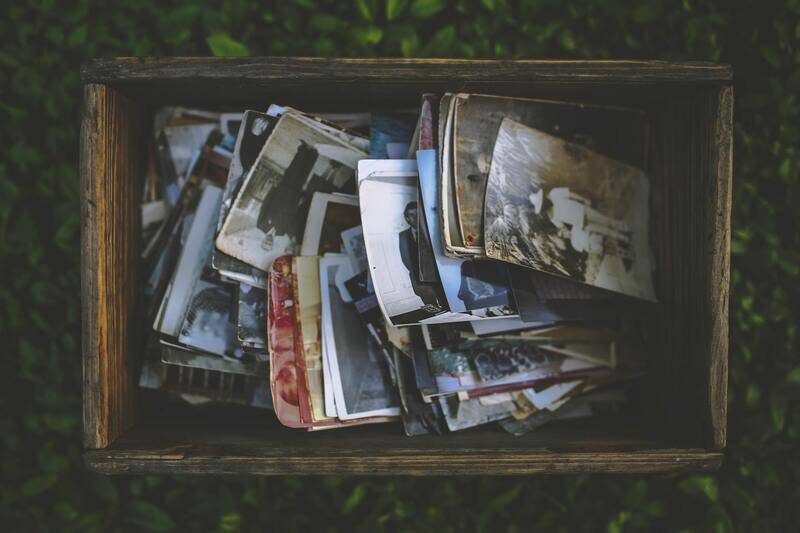
When selecting big photography prints, the goal is to maintain fidelity—the true color, contrast, and clarity of the original image—at increased dimensions. Properly printed large images can significantly influence a space's ambiance, transforming blank walls into visual storytelling canvases or statement pieces that anchor interior design themes. As the print size increases, considerations such as image resolution, material choice, and viewing distance become critical to ensure that the artwork maintains its vibrancy and impact without appearing pixelated or washed out.
Importance of Image Resolution for Large Prints
High-resolution images are essential for large photography prints to prevent pixelation and ensure sharpness. For optimal results, images should ideally have a resolution of at least 150 pixels per inch (PPI) when printed at the final size. For instance, a print measuring 4 feet by 6 feet would require a digital file resolution of approximately 9000 pixels by 7200 pixels. Meeting these standards guarantees that fine details are preserved and the printing process produces a crisp, professional-grade image.
The Role of Print Material and Finish
The material upon which a big photograph is printed influences not only its aesthetic but also its durability and presentation style. Canvas adds a textured, artistic feel suited for interior decoration. Metal prints offer a sleek, modern look with high vibrancy and durability, ideal for contemporary spaces. Acrylic prints provide a glossy finish with depth and clarity, perfect for highlighting intricate details. Different finishes such as gloss, matte, or lustre affect the visual impact; gloss enhances vibrancy, matte reduces glare, and lustre offers a balanced sheen suitable for various settings.
Considerations for Display and Preservation
Proper framing and mounting are vital for both elevating the visual appeal and conserving your big photography prints over time. Frame styles can range from minimalist sleek profiles to ornate borders, depending on the aesthetic. Mounting options like floating frames or professional conservation-grade materials can help prevent damage and maintain the integrity of the print. Additionally, considering protective coatings or UV-resistant finishes extends the lifespan of large photographic prints, safeguarding against fading and environmental wear.
In summary, choosing the appropriate print resolution, material, and finishing options ensures that big photography prints deliver maximum visual impact and lasting quality. Their ability to transform spaces makes them an essential element for both artistic expression and interior enhancement, elevating photographic works from casual displays to stunning visual statements that captivate audiences.
Understanding Big Photography Prints
Creating impactful big photography prints requires a nuanced understanding of the various factors that contribute to their visual appeal and longevity. Unlike standard-sized photographs, large-format prints involve specific considerations in materials, resolution, and presentation to ensure their vibrancy and precision are maintained over time. A carefully selected printing approach can transform a large photographic image into a captivating focal point within any space, whether for personal displays or professional exhibitions.
Material Selection and Texture
The choice of material significantly influences the aesthetic and durability of big photography prints. Canvas is preferred for its textured surface that adds an artistic feel and is often used in interior decor, bringing a sense of warmth and a handcrafted appearance. Metal prints, on the other hand, offer a sleek and modern look with high vibrancy and exceptional durability, making them suitable for contemporary environments that demand a crisp, high-impact display. Acrylic prints combine depth with a luminous gloss that enhances intricate details and adds a sense of richness to the image, ideal for showcasing fine textures and colors.
- Canvas: Ideal for artistic expression, textured, and suited for wall decor in living spaces.
- Metal: Vibrant, durable, and resistant to environmental factors, perfect for a modern aesthetic.
- Acrylic: Glossy finish with depth and clarity, highlighting detailed imagery.
Finish Types and Their Effects
The finish applied to large photographic prints not only affects the visual presentation but also influences how the artwork interacts with light and its overall preservation. Gloss finishes intensify colors and contrast, creating a lively appearance that draws immediate attention. Matte finishes reduce glare and reflections, delivering a softer, more subdued look that is ideal for spaces with bright lighting or where glare might distract. Lustre finishes offer a balance, providing some sheen while minimizing reflections, making them versatile for various environments. Selecting the appropriate finish depends on the setting, lighting conditions, and the desired aesthetic impact.
Display and Preservation Techniques
Proper framing and mounting are essential for maintaining the integrity of big photography prints. Frames should complement the image style—sleek, minimalist designs work well with modern prints, while ornate frames suit classical or vintage photographs. Mounting options, such as floating frames or professional-grade backing, prevent warping and physical damage. Protective coatings or UV-resistant finishes shield the print from fading caused by exposure to sunlight, environmental pollutants, or airborne particles. These considerations not only enhance visual appeal but also extend the lifespan of the artwork, ensuring that it remains vibrant and pristine over years of display.
Enhancing Visual Impact and Longevity
Achieving maximum impact from big photography prints involves aligning resolution with intended viewing distances. Higher resolutions result in crisper imagery with fine detail, especially vital for large-format displays. Additionally, calibrated color profiles and quality inks ensure consistent vibrancy and color accuracy. When it comes to preservation, implementing protective layering and appropriate framing techniques defend against environmental wear and tear. A combination of these strategies ensures the print remains a striking centerpiece and retains its aesthetic value for years to come.
Integration with Interior Design
Large photographic prints serve as statement pieces that can define the mood of a space. Whether hung alone or as part of a curated gallery wall, strategic placement maximizes their visual impact. Considering light sources and surrounding decor will help in selecting the right material, finish, and framing choices. Properly integrated, big photography prints elevate interior design by adding depth, color, and personality, transforming simple walls into immersive visual experiences that captivate viewers and enhance the overall ambiance.
Ensuring Integrity Through Proper File Preparation
Achieving stunning big photography prints begins with meticulous digital file preparation. To maintain the image’s clarity and sharpness at large sizes, the original digital files should be created or optimized at high resolutions, typically 300 DPI or higher, to prevent pixelation when scaled up. This involves using correctly calibrated color profiles to ensure color fidelity from digital display to print, preserving the vibrancy and subtle nuances of the photograph. Post-processing adjustments for brightness, contrast, and color correction should be done with caution, ensuring they enhance the image without introducing artifacts that could compromise quality during enlargement.
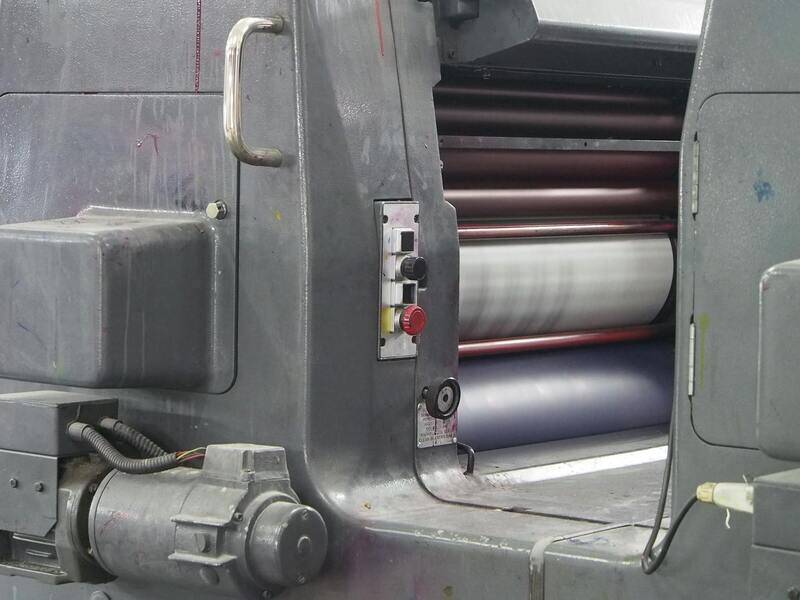
It is advisable to work with the original raw files whenever possible, as they provide the maximum latitude for editing without degradation. When preparing images for large-format printing, avoid excessive compression or resizing that can introduce artifacts. Additionally, embedding accurate color profiles within files ensures consistent color reproduction during printing. All edits should be saved in a high-quality, lossless format such as TIFF or PNG, which maintains detail and color information without compression artifacts. These best practices in digital file preparation are critical in producing big photography prints that truly resonate with viewers and stand the test of time.
Choosing Optimal Framing, Mounting, and Display Solutions
Once the prints are produced, selecting appropriate framing and mounting options enhances both aesthetics and longevity. For large photographs, framing methods such as floater frames or minimal borders allow the artwork to stand prominently without visually overwhelming the space. The use of UV-protective glass or acrylic enhances durability while reducing glare and safeguarding against environmental damage. Mounting techniques like direct wall mounting, using standoff hardware, or specialized adhesives can be chosen based on the environment and the weight of the print.
In terms of display, proper lighting is crucial. Soft, evenly distributed lighting accentuates the details without causing hotspots or reflections on the print surface. For outdoor or high-humidity spaces, weather-resistant materials like acrylic face mounts or aluminum panels offer additional protection and a sleek, modern look. The choice of display method should harmonize with the interior environment, ensuring the large photograph becomes a focal point that captivates viewers while remaining securely mounted over time.
Strategic Placement and Lighting for Maximum Impact
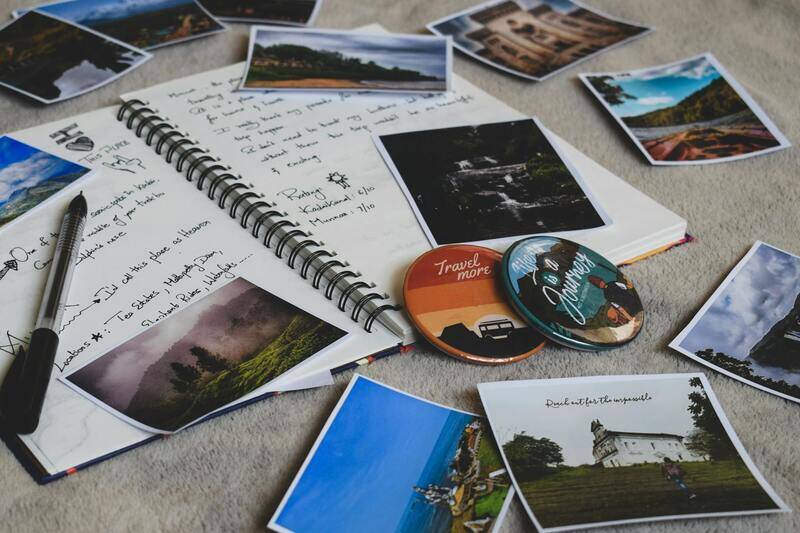
Thoughtful placement elevates the presence of big photography prints within any space. Positioning the artwork at eye level ensures optimal viewing comfort and engagement. Avoid placing large pieces in overly dim or overly bright areas; instead, utilize controlled lighting solutions such as track lighting or picture lights that can be directed to highlight key features of the photograph without causing reflections or glare. Surrounding decor should complement the artwork; neutral backgrounds often allow the image to stand out, while bold, contrasting colors can create dynamic visual interactions.
To enhance the visual impact, consider the viewing distance. Larger prints displayed where viewers can appreciate intricate details up close create an immersive experience. Conversely, positioning them where they can be seen from across the room provides a striking focal point. Properly balanced lighting and strategic placement not only maximize aesthetic appeal but also ensure the print’s durability and preservation over time. Experiencing the artwork in an optimal setting transforms gathered space into a gallery-like environment, drawing attention to every detail and color nuance captured in the photograph.
Understanding Big Photography Prints
Large photography prints serve as a compelling way to showcase stunning images, transforming digital photographs into impactful visual statements. The appeal of big prints lies in their ability to draw viewers into the scene, emphasizing fine details, vibrant colors, and compelling compositions. Whether used to decorate expansive home interiors, professional galleries, or commercial spaces, these prints demand careful consideration of various factors to achieve a flawless finished product.
Premium Printing Technologies and Their Role
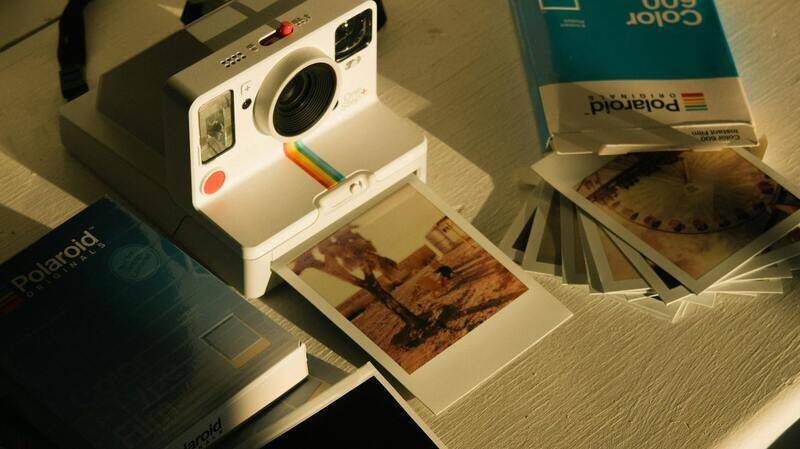
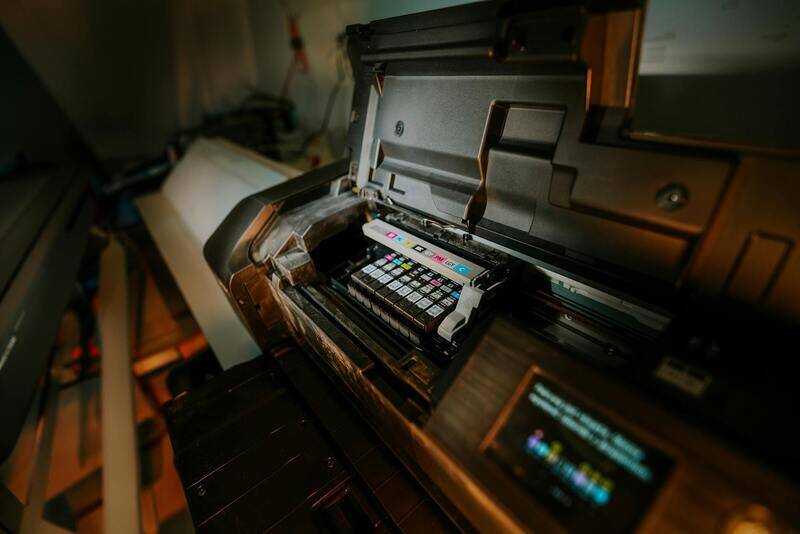
To produce high-caliber large photography prints, it is essential to choose printing methods that excel in reproducing color accuracy, sharpness, and durability. Advanced techniques like Giclée printing, inkjet, and large-format digital printing are frequently employed to meet these standards. Giclée printing, in particular, is renowned for its color fidelity, subtle gradations, and archival longevity, ensuring that large photographic artworks maintain their brilliance over time. Inkjet printers equipped with high-quality, pigmented inks and wide color gamuts allow for precise color matching, which is vital when translating digital images into physical art pieces.
Meticulous Preparation of Digital Files
The process of preparing digital files for large prints is critical. High-resolution images, typically at least 300 dpi at the final print size, are essential to avoid pixelation and ensure clarity at larger scales. The files should be color-managed and calibrated to match the printer's color profile, enabling accurate reproduction of the original artwork or photograph. Cropping, cropping aspect ratios, and ensuring proper exposure and contrast are necessary steps to optimize visual impact. File formats such as TIFF or high-quality JPEG are preferred for their balance of detail preservation and compatibility with professional printing hardware.
Choosing the Most Suitable Material and Finish
The material and finish of big photography prints significantly influence their appearance and longevity. Common options include:
- Photo Paper: Archival-grade photo papers like luster, matte, or gloss are popular, each providing different aesthetic qualities and levels of glare resistance.
- Canvas: Offers a textured, painterly feel that adds depth and a fine-art aesthetic. Canvas prints are often coated with protective varnish to prevent damage and enhance color vibrancy.
- Aluminum or Metal Panels: Provide a sleek, modern look with excellent durability and frameless installation options. They are especially effective for contemporary spaces and creating a striking visual impact.
Finishes such as matte or gloss impact the visual texture of the print, with matte reducing glare and gloss enhancing vibrancy and contrast. Lamination and protective coatings can further preserve the print against environmental damage, making them ideal choices for long-term display in high-traffic areas.
Understanding the Importance of Proper Mounting and Framing
Proper mounting techniques ensure the stability and presentational quality of big photography prints. Materials like foam core, gator board, or acrylic backing provide sturdy support, preventing warping or sagging over time. For an elevated presentation, framing options range from traditional wood or metal frames to frameless mounting with acrylic or aluminum mounts. These choices not only enhance the visual appeal but also protect the print from physical damage and environmental factors.
Ensuring Optimal Viewing Experience
Positioning your large prints thoughtfully within a space maximizes their visual impact. Strategic placement involves considering the height, lighting, and surrounding decor. Proper lighting, such as adjustable track lights or directed LED fixtures, accentuates key details without reflections or glare. Maintaining adequate viewing distance allows viewers to appreciate intricate details, while placing large images where they can be seen from across the room creates a dramatic focal point.
Understanding Big Photography Prints
Creating large-format photography prints involves a comprehensive understanding of various technical and aesthetic factors. Large photography prints serve as impactful visual statements, capable of transforming interior spaces and engaging viewers on a profound level. To achieve the best results, it is essential to consider the balance between image quality, material selection, and production techniques. A well-executed big print combines crisp resolution, accurate color reproduction, and durable materials, resulting in a piece that retains its visual appeal over time and through diverse viewing environments. This understanding bridges the gap between digital photography and physical display, ensuring that every detail from the digital file is faithfully captured and presented at an impressive scale.
Choosing the Right Material and Finish
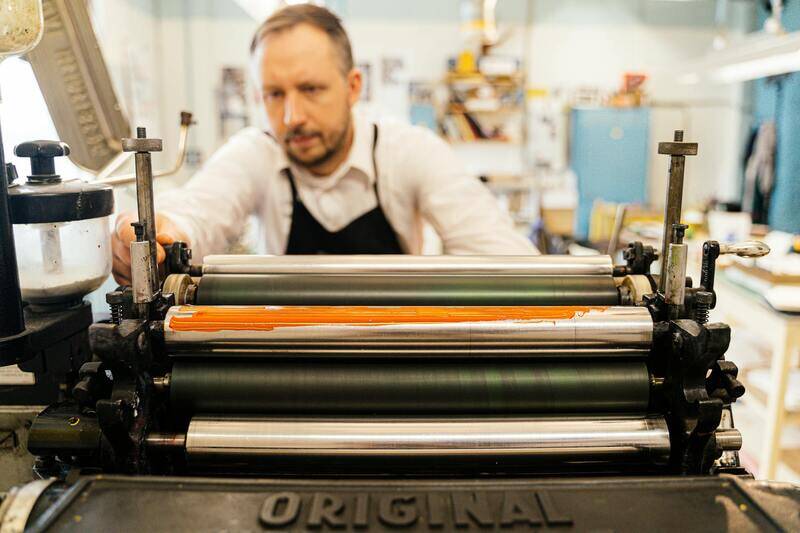
The foundation of an outstanding big photography print lies in selecting the appropriate material and finish. Inkjet archival papers offer excellent color richness and longevity, making them suitable for detailed and vibrant images. Options such as lustre, matte, or gloss surfaces influence the visual texture and protective qualities of the print.
- Lustre Finish: Provides a balanced shine, enhancing color vibrancy while minimizing glare. It’s a popular choice for framing and display in well-lit environments.
- Matte Finish: Offers a non-reflective surface that reduces glare and fingerprints, ideal for viewing under direct lighting or in high-traffic display areas.
- Gloss Finish: Maximizes color saturation and contrast, giving images a striking, almost photographic quality. It requires careful handling to prevent reflections and smudges.
Beyond surface texture, protective coatings and lamination can significantly extend the lifespan of big prints. UV coatings add resistance against fading from sunlight, while waterproof laminations safeguard against moisture and scratches. The choice of material and finish should align with the intended environment of display and the desired aesthetic impact.
Optimal Resolution and Image Quality
For large photography prints, resolution plays a pivotal role in ensuring the image remains sharp and detailed at extended viewing distances. Generally, a resolution of at least 150-300 dots per inch (dpi) at the final print size is recommended. When preparing files, it’s crucial to work with high-resolution images, ideally captured with professional-grade cameras or high-quality DSLRs, to preserve detail quality during enlargement.
Advanced image editing techniques, such as sharpening, noise reduction, and color correction, enhance the overall quality of the digital file before printing. Proper color management, including calibration of monitors and color profiles, ensures that on-screen colors match the printed output as closely as possible.
Size and Aspect Ratio Considerations
Determining the optimal size and aspect ratio is critical for maximizing visual impact while maintaining appropriate proportions. Before printing, it’s essential to evaluate the physical space where the artwork will be displayed, considering wall height, surrounding decor, and viewing distance.
- Aspect Ratio: Maintaining the original aspect ratio of the image prevents distortion and cropping issues. When enlarging, preserving aspect ratio ensures the proportions of the subject remain intact.
- Size Selection: Larger prints tend to be more impactful, but they also require higher resolution files and suitable mounting hardware. Excessively large images in spaces with limited wall area may diminish visual clarity or overwhelm the environment.
Flexible sizing options and careful aspect ratio management allow photographers and artists to create statement pieces that harmonize with their installation environment, emphasizing key details and compositional balance.
Printing Techniques for Large Photography
Different printing techniques are employed to achieve diverse visual effects and durability standards suitable for big photography prints. Inkjet printing remains the most popular method, leveraging high-end printers with wide color gamuts and precise color control. It allows for detailed reproductions with a wide range of inks designed for longevity and vibrancy.
For exceptionally large dimensions, tiled printing or panel-based systems can be used to assemble multiple sections seamlessly. This approach is ideal for creating giant murals or panoramic scenes, providing manageable production and installation processes.
Specialized techniques such as dye sublimation or direct-to-substrate printing might also be employed for specific materials like metal, acrylic, or fabric, offering unique finishes and durability benefits. Choosing the right method aligns with the desired aesthetic, environment, and budget considerations.
Preparation of Digital Files
Ensuring that digital images are adequately prepared is a critical step before printing big photography prints. High-resolution files, ideally 300 DPI (dots per inch) at the actual print size, guarantee sharpness and clarity in the final output. Images with insufficient resolution tend to become pixelated or blurry when enlarged, undermining the visual impact intended for large format displays. It is advisable to begin with original images captured using high-quality cameras or scanned from professional-grade sources to maintain fidelity.
Color management is equally essential; color profiles embedded within the image should match the printer's specifications to prevent color shifts. Soft-proofing using specialized software allows previewing how images will appear upon printing, enabling adjustments to contrast, saturation, and brightness in advance. Additionally, removing compression artifacts and sharpening images appropriately can significantly enhance the visual appeal of large prints.
When preparing images, eliminate any distracting elements or imperfections that might be magnified in the printing process. Cropping and aspect ratio adjustments should be executed carefully to preserve compositional integrity, ensuring key subjects remain prominently displayed without unintended cropping or distortion.

File formats such as TIFF or high-quality JPEGs are recommended due to their balance of quality and file size. TIFF files, in particular, are preferred for their lossless compression, which preserves detail without degradation. When submitting files, be sure to use the specified color space—usually Adobe RGB or sRGB—aligned with the printer’s requirements for consistent color reproduction.
Proper file preparation minimizes the risk of issues during printing and ensures the final product accurately reflects the photographer’s vision. Utilizing professional image editing software, like Adobe Photoshop or Lightroom, provides the necessary controls for optimizing images before sending them to print surfaces. This meticulous approach results in big photography prints with vivid details, balanced tones, and high durability that can be appreciated at close range or from a distance.
Obtaining Big Photography Prints through Reputable Printing Services
Securing high-quality large-scale photographic prints requires partnering with trusted, professional service providers that utilize advanced printing technology, premium materials, and meticulous quality control processes. These providers are dedicated to transforming digital images into visually stunning wall art, ensuring each print faithfully captures the photographer's intent and details are preserved even at monumental sizes. When choosing a printing service, it’s crucial to evaluate their expertise in handling big photography prints, their experience with various media types, and their adherence to industry standards for color accuracy and durability.
Good reputation and verified client feedback are often indicators of a service’s reliability and quality. Services that specialize in big photography prints typically offer consultations to help select the suitable materials, finishes, and mounting options that best match the intended display environment and aesthetic preferences. They also provide detailed processes for preparing digital files, which are vital for achieving optimal results with large-format prints.
Evaluating Quality Assurance and Production Capabilities
- Assessment of printing equipment: High-end inkjet printers capable of producing wide prints with precise color management.
- Material variety: Availability of premium papers, canvases, and specialty surfaces that support various artistic expressions and display needs.
- Color fidelity: Use of color profiles and calibration procedures that guarantee consistent and accurate color reproduction across batches.
- Durability standards: Use of archival inks and UV coating options to protect large prints against fading and environmental damage.
- Turnaround times: Clear timelines for production, especially for urgent large-scale projects or custom orders.
Confirming Compatibility and Craftsmanship
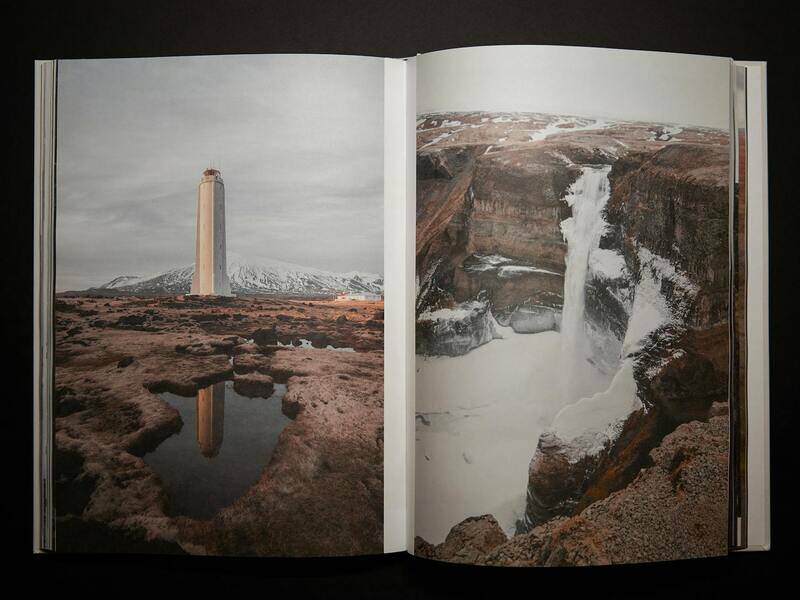
Engaging with a service that offers samples or portfolio galleries allows clients to assess the quality, texture, and vibrancy of existing big photography prints. This evaluation is vital for determining whether the provider's craftsmanship aligns with your expectations for intricate details and overall aesthetic impact in large formats.
Furthermore, transparency regarding the printing process, from digital file submission to final production, reassures clients about the care and professionalism invested in each piece. Many reputable providers implement rigorous quality checks at multiple stages—ensuring that the final big photography print is free of artifacts, color inconsistencies, or alignment issues.
Additional Support for Custom Projects
- Expert consulting for material selection based on image content and display environment.
- Assistance with color management and file preparation to optimize image quality for large-format printing.
- Specialized finishing options, such as lamination, gloss or matte coatings, and mounting techniques suitable for big prints.
- Post-production services like framing, stretching (for canvases), and custom framing options to enhance presentation and longevity.
Choosing a partner that demonstrates comprehensive capabilities ensures that your investment in big photography prints results in vibrant, resilient, and visually impactful wall art suitable for both everyday display and gallery settings.
