
Understanding Large Format Photo Printing
Large format photo printing is a specialized printing process designed to produce images of significant size, often exceeding standard photo dimensions. This method is widely used in both personal and commercial contexts, enabling individuals and businesses to create impressive visual displays that command attention and convey powerful messages. Typical sizes for large-format photos can range from 24 inches to over 120 inches in width, with lengths adjusted proportionally or customized according to specific project needs. Materials used in large format printing vary widely, including vinyl, fabric, canvas, backlit films, and specialty papers, each offering unique qualities suited to different display environments.
In terms of applications, large format prints are commonly observed in retail stores, exhibitions, trade shows, exhibitions, architectural spaces, and outdoor advertising. They serve as impactful banners, murals, signage, or fine art pieces, facilitating a visual storytelling method that is both engaging and memorable. The versatility of large photos allows for creative uses such as backdrops for events, promotional displays, or decorative murals within interior spaces. Given their ability to produce high visual impact, large-format photo printing continues to grow in popularity for both personal artistic projects and large-scale advertising campaigns.

Choosing the right size for your large photo involves understanding the intended viewing distance, placement environment, and aesthetic goals. Larger images typically create a more profound visual impact and are suitable for expansive spaces, while smaller large format prints are better suited for intimate settings. Proper size selection ensures your printed photo maintains clarity and visual appeal, avoiding issues such as pixelation or loss of detail.
Moreover, the scale of the image should complement the surrounding space without overwhelming or underwhelming the viewer. To achieve optimal results, it is advisable to consult with your printing service provider, who can offer guidance based on the specific dimensions of your project. They can assist in determining the appropriate size to maximize visual effectiveness while respecting your budget and material considerations.
Understanding Large Format Photo Printing
Large format photo printing is a specialized process designed to produce high-resolution images on expansive surfaces. This technique caters to a variety of applications, including interior murals, outdoor banners, event backdrops, and promotional displays. The process involves meticulously selecting the right printing technology, material, and resolution to ensure that the final product maintains clarity and visual impact, regardless of its size. Printing large photos requires a keen understanding of image quality, which directly influences the viewer's experience and perception of the displayed content.
One of the key factors in achieving stunning large-scale prints is the maintenance of high image resolution. Since enlargements tend to magnify any imperfections in the original image, meticulous attention must be paid to sourcing high-quality digital files. Images intended for large prints should ideally have a resolution of at least 150-300 dots per inch (DPI) at the final output size. This ensures the image retains sharpness and detail, preventing pixelation or blurriness that diminishes its visual appeal. Advanced printing technologies, such as wide-format inkjet printers with UV or solvent inks, enable the production of vibrant, durable images suitable for both indoor and outdoor environments.
The Role of Material and Surface Selection
Material choice is fundamental to the durability and aesthetic quality of large photo prints. Options range from traditional substrates like photographic paper and canvas to outdoor-proof materials such as vinyl and mesh fabrics. Each material has unique properties concerning weather resistance, texture, and application techniques.
- Photo Paper: Offers high-definition clarity and is ideal for indoor displays or short-term use.
- Canvas: Provides a textured, artistic finish suitable for gallery presentations or decorative murals.
- Vinyl: Durable and weather-resistant, perfect for outdoor signage and banners.
- Mesh Fabric: Lightweight and breathable, appropriate for large banners exposed to wind.
Furthermore, the surface coating impacts print longevity and color vibrancy. Protective coatings such as matte, gloss, or satin finishes can be applied to enhance visual appeal and safeguard images against UV rays, moisture, and scratches. Selecting the appropriate material and coating based on the environment and intended lifespan of the print ensures your large photo displays retain their quality over time.
Technical Considerations for Large-Scale Photos
To optimize the printing process, professionals leverage high-end digital file preparation. This includes ensuring files are correctly formatted, color-managed, and properly scaled according to the final dimensions. Color calibration across devices guarantees consistent reproduction of hues and shades, which is critical for maintaining visual fidelity at large sizes.
Another crucial aspect is the selection of appropriate print resolution. While higher resolutions produce finer detail, they also demand greater processing power and ink usage. Striking a balance between image quality and production efficiency involves understanding the specifics of the printing technology employed and the viewing distance for the final display. Large photographs intended for viewing from afar can be printed at slightly lower resolutions without compromising overall visual success due to the decreased ability to discern fine details at greater distance.
Summary
In essence, successful large format photo printing hinges on high-resolution digital files, the right choice of materials and coatings, and the application of advanced printing technologies. Ensuring these elements are aligned with the specific needs of the project results in vibrant, durable, and visually captivating images that make a lasting impression across various environments.
Understanding Large Format Photo Printing
Large format photo printing encompasses a specialized branch of digital printing focused on producing high-quality images in dimensions that exceed standard print sizes. This process is essential for applications such as wall murals, promotional banners, fine art reproductions, and event backdrops, where visual impact relies heavily on size and clarity. To achieve striking results, several factors come into play, including the choice of materials, printing technology, and meticulous file preparation. At its core, large photo printing requires digital files that are optimally formatted to match the intended dimensions. This means the original image resolution must be sufficiently high to prevent pixelation when scaled up. Professionals often utilize software solutions to verify and adjust image files, ensuring they are correctly scaled without compromising quality. Color management systems are integrated throughout the workflow, aligning digital colors with the final output to maintain color fidelity and consistency. An important aspect of large format printing is understanding viewing distance. When an image will be viewed from afar, marginal reductions in resolution can still yield a sharp appearance, making it feasible to use lower resolutions for huge prints without sacrificing aesthetic quality. Conversely, for close-up viewing, the highest possible resolution and precision are necessary to preserve detail. Printing large photos also involves selecting suitable materials, which influence durability, appearance, and suitability for different environments. Common options include matte and gloss photopaper, canvas, vinyl, or fabric, each offering unique advantages depending on whether the large photo is intended for indoor display, outdoor exposure, or artistic presentation. Coatings like UV lamination or gloss varnish provide additional protection against environmental factors, ensuring the longevity of the print. Modern large-scale printing employs cutting-edge technologies such as LED or toner-based inkjet printers, which deliver vibrant color reproduction and high resolution. These machines enable the creation of images with fine gradations and rich hues, capturing the subtleties of the original photograph in vivid detail. Fast turnaround times and consistent quality are hallmarks of contemporary large format printing, facilitated by automated workflows and high-capacity ink systems.
Choosing the Right Size for Your Photos
Selecting the appropriate dimensions for large photo prints involves evaluating several critical factors. The intended display environment, the viewing distance, and the purpose of the image are primary considerations. For instance, a gallery piece or an outdoor billboard requires significantly larger sizes compared to an indoor display where viewers are closer to the print. To ensure the final outcome meets expectations, it is vital to match the digital file resolution with the size of the print. As a rule of thumb, a resolution of 300 pixels per inch (PPI) is ideal for close-up viewing, ensuring crisp detail and clarity. However, at larger sizes, a lower resolution—such as 72-150 PPI—may suffice if the image will be viewed from a distance. The aspect ratio of the image should also be maintained to avoid distortion or unwanted cropping during the scaling process. Professional printers can adjust the image dimensions to fit the selected print size without sacrificing too much detail, using sophisticated software that preserves image integrity. Ultimately, aligning print size with the viewing context and digital resolution ensures the visual impact of the large photo remains compelling and true to the original design or photograph.
Choosing the Appropriate Material for Your Large Photos
When it comes to displaying large-sized photographs, selecting the right printing material is crucial to achieving durability, visual appeal, and the desired effect. Each substrate offers unique characteristics suited to different environments and purposes, making it essential to understand their properties before making a decision.
- Canvas: Ideal for art reproductions or decorative purposes, canvas provides a textured finish that mimics traditional paintings. It lends a sophisticated, gallery-like appearance, with the added benefit of being stretchable for framing large displays.
- Vinyl: Known for its resilience and weatherproof qualities, vinyl is perfect for outdoor signage, banners, and applications exposed to elements. Its flexibility allows for seamless installation on various surfaces, making it a popular choice for large-scale advertisements.
- Metal (Aluminum or Aluminum composite panels): Metal prints deliver a modern, sleek look with vibrant color reproduction. They are highly resistant to environmental factors, making them suitable for both indoor and outdoor large photographs that require a pristine, professional aesthetic.
- Foam Board: Lightweight and economical, foam boards are excellent for temporary displays, exhibitions, or interior design projects. They provide sharp image quality with smooth surfaces, though less resistant to moisture and physical damage.
Choosing the appropriate material should factor in the environmental exposure, lifespan expectations, and the visual impact you aim to achieve. For instance, an outdoor mural would benefit from vinyl or metal options, while a bespoke gallery piece might be better suited for canvas or premium photographic paper.
Critical Factors to Consider Incorporating Large Photo Prints
Ensuring that large photographs maintain their quality throughout the printing process involves careful attention to several key factors. Proper planning and methodical selection of printing strategies are essential for achieving professional results that deliver on visual impact and longevity.
- Accurate Digital Resolution: To preserve detail clarity in large prints, starting with a high-resolution digital file is non-negotiable. Typically, a resolution of 300 PPI (pixels per inch) is recommended for indoor applications where viewers are in close proximity. For larger displays viewed from afar, a resolution as low as 72 to 150 PPI can be acceptable, provided the image is scaled appropriately.
- Maintaining Aspect Ratio: Correctly preserving the aspect ratio original to the photograph prevents distortion, cropping, or stretching that could detract from the image's integrity. Professional software tools can assist in resizing images while maintaining proportions, ensuring the final print remains true to the original composition.
- Color Management: Implementing color calibration processes ensures that the printed images mirror the digital file's hues accurately. Using color profiles and calibrated monitors allows for precise color matching, reducing discrepancies between on-screen previews and the finished product.
- Consistent File Format: Saving images in non-compressed, high-quality formats like TIFF or PSD preserves details and color fidelity. Avoiding lossy formats such as JPEG helps prevent artifacts that could become noticeable in large-scale prints.
- Professional Printing Techniques: Advanced printing technology, including wide-format inkjet printers with high-capacity ink systems and specialized inks, can produce high-definition images with vibrant colors and fine detail. Selecting a trusted printing service with proven expertise in large-format printing guarantees the desired output quality.
By adhering to these practices, you can effectively manage the transition from digital images to impressive large-scale physical displays, ensuring your photographs look crisp, colorful, and impactful at any size.
Understanding Large Format Photo Printing
Large format photo printing encompasses a specialized process that allows for the reproduction of images at dimensions significantly larger than standard photographs. This method is ideal for creating impactful visual displays, whether for interior decor, advertising, or artistic projects. The key advantage of large-format printing lies in its ability to maintain high image quality at expansive sizes, making fine details and vibrant colors more prominent and vivid. To achieve this, a thorough understanding of the technological aspects and material options involved is essential.
Core Technologies Behind Large-Scale Printing
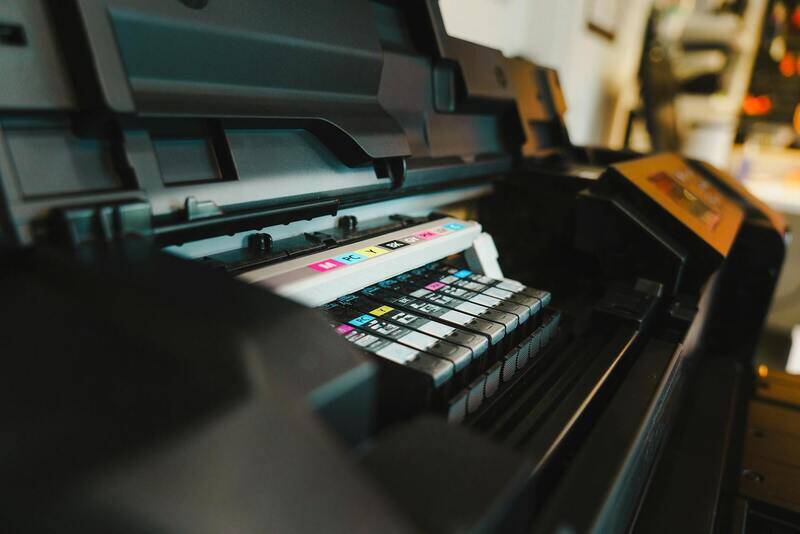
- Wide-Format Inkjet Printing: This technology employs advanced inkjet printers capable of producing high-resolution images on various substrates. They utilize multiple ink cartridges to deliver a broad color gamut and precise color gradation, ensuring fidelity to the original digital files.
- Giclée Printing: Renowned for its fine detail reproduction and color accuracy, giclée printing uses pigment-based inks and archival-quality papers, making it a favorite for art reproductions and gallery-quality displays.
- UV Printing: Suitable for rigid surfaces, UV printing involves curing inks instantaneously with ultraviolet light. This method produces durable and vibrant images on materials like acrylics, metals, and plastics.
Color Reproduction and Its Significance
Color management is integral to large format printing, as it guarantees that the printed output precisely matches the intended hues. This involves calibrating monitors to ensure consistency between digital and printed colors, employing ICC profiles, and using proofing techniques. Accurate color rendition is crucial to preserve the artistic integrity or branding consistency of the image being printed.
Material Choices for Large-Size Photos
Choosing the appropriate material extends the lifespan and enhances the appearance of large photographs. The selection depends on the intended use, environmental exposure, and desired finish:
- Vinyl: Excellent for outdoor signage and banners, vinyl offers durability and weather resistance while maintaining vibrant color output.
- Canvas: Ideal for gallery displays or interior decor, canvas provides a textured finish that mimics traditional art canvases, adding a sophisticated touch to large prints.
- Polyester and Polyester Films: Used for high-end displays and backlit signage, these materials support sharp images and vivid colors, especially when combined with backlighting techniques.
- Fine Art Paper: Designed for archival quality and long-term preservation, fine art papers are suitable for high-end art reproductions or collectible prints.
Loading and Handling Large Photos Properly
Handling large digital files correctly before printing is vital to ensure that the physical output remains true to the digital concept. Maintaining high resolution, aspect ratio, and proper color profiles during file preparation reduces distortions and color mismatches. Additionally, selecting the right material and finishing options, such as lamination or framing, helps protect the finished product and enhances its visual impact.
When working with a professional printing service, provide them with detailed specifications, including image dimensions, resolution (preferably 300 DPI or higher for enlarged prints), and color profiles. This ensures that the final product aligns with your expectations and maintains its quality over time.
Understanding Large Format Photo Printing
Large format photo printing transforms digital images into impressive, eye-catching displays suitable for various applications, from artistic exhibitions to commercial advertising. This process involves reproducing images at a significantly larger scale while preserving their quality, resolution, and color fidelity. It is essential to grasp the intricacies of large photo printing to ensure the final output meets expectations, especially when dealing with high-impact visuals. Factors such as file preparation, material selection, and printing technology are fundamental to producing professional-grade images that are sharp, vibrant, and durable.

Why Choose Professional Large Format Printing?
Professional large format printing leverages advanced technology and expertise to achieve superior results. By working with established printing services, clients gain access to high-resolution printers, a broad spectrum of materials, and post-print finishing options. This ensures images are rendered precisely at the desired size without loss of detail or color accuracy. Manufacturing processes such as wide-format inkjet printers utilize archival-quality inks to produce long-lasting prints that resist fading, cracking, or peeling over time. Furthermore, professional services can assist in customizing the finishing process, including lamination, mounting, or framing, which enhances the visual appeal and longevity of large photographs.
Correct File Preparation for Large Prints
Accurate file preparation is critical when printing large photos. For optimal results, images should be created or adjusted to a resolution of at least 300 dots per inch (DPI) at the final print size. Low-resolution images will appear pixelated or blurry when enlarged. Maintaining an appropriate aspect ratio prevents distortion, ensuring the image retains its original proportions. Color profiles must be embedded properly to preserve color consistency across different devices and media. Before submission, it is advisable to use image editing software to sharpen details and adjust contrast, saturation, and brightness, ensuring the print will be vibrant and true to the digital conception.
Material Selection and Its Impact on Image Quality
The choice of material greatly influences the visual outcome of large format prints. Common options include:
- Vinyl: Durable and weather-resistant, ideal for outdoor signage and banners with vibrant color reproduction.
- Canvas: Provides a textured finish reminiscent of traditional paintings, suitable for gallery displays or interior decor.
- Fine Art Paper: Archival quality paper suited for high-end art reproductions and collectible prints.
- Polyester Films: Used in backlit signs and displays where sharpness and brightness are paramount.
Selecting the right material depends on the intended environment, durability requirements, and aesthetic preferences. For instance, vibrant colors may be best showcased on vinyl or polyester, while the textured finish of canvas lends sophistication to interior art pieces.
Employing the Right Printing Techniques
Advanced printing technologies such as wide-format inkjet printing utilize multiple ink channels and precise head movements to produce high-resolution images. These printers can handle diverse materials and produce consistent color output across large surfaces. Techniques like dye sublimation are used for fabric prints to ensure long-lasting, vibrant colors, especially suited for soft materials. UV printing, which cures inks instantly upon exposure to ultraviolet light, is ideal for rigid substrates and ensures permanence and resistance to environmental factors. Because each technique offers unique benefits, selecting an appropriate method depends on the material, intended use, and desired visual effects.
Conclusion
Professional large format photo printing combines meticulous file preparation, careful material selection, and advanced printing techniques to produce high-quality, sizable images that captivate viewers. Ensuring your digital images are optimized for enlargement and choosing the suitable medium can make a substantial difference in the final product’s visual impact and longevity. When working with a reputable printing service, clearly communicating your specifications and expectations will facilitate a seamless process, resulting in striking large photos that stand out in any setting.
Understanding Large Format Photo Printing
Large format photo printing involves creating prints that go beyond the dimensions of standard photographs, allowing for a dramatic display that captures intricate details and vibrant colors across expansive surfaces. This printing method is essential for transforming digital images into eye-catching pieces suitable for decor, exhibitions, or promotional displays. The process demands specialized equipment capable of handling high-resolution images and producing consistent quality over large areas. It is crucial to understand the nuances of print preparation, material selection, and technological capabilities to achieve the desired visual impact and durability.
In essence, large format photo printing provides a platform where artistry meets technical excellence, resulting in visuals that command attention and enhance any environment. Advanced printers utilize fine-tuned inkjet technology, which ensures precise color blending, sharp detail, and high-resolution output. These printers often incorporate multiple ink channels for a broad color gamut, enabling vibrant reproductions that faithfully mirror or even enhance the original digital image.
Choosing the Right Size for Your Photos
Selecting the appropriate size is fundamental to achieving visual harmony and impact. When planning a large photo, consider the viewing distance, the space where it will be displayed, and the message or aesthetic you aim to convey. Common large photo sizes range from 24x36 inches to murals exceeding 10 feet in width. To determine the ideal dimensions:
- Assess the available display area to ensure the print fits proportionally and leaves adequate margins.
- Evaluate the purpose—whether it's for decorative purposes, promotional signage, or artistic installations—to determine the scale that best serves your intent.
- Factor in the resolution of your digital file to maintain image quality, which will be discussed further in the next section.
Optimal Image Resolution for Large Prints
To achieve crisp, detailed large photos, image resolution plays a pivotal role. While standard digital images may suffice for smaller prints, enlarging them necessitates higher pixel counts to prevent pixelation and blurriness. A general guideline is to aim for a resolution of 150-300 DPI (dots per inch) at the final print size. For instance, a 24x36-inch photograph should ideally have a minimum resolution of 3600x5400 pixels for high-quality output.
Professionals often suggest starting with a digital file that has at least 300 DPI, especially for prints larger than 3 feet, ensuring meticulous detail preservation. If your original image has a lower resolution, it can sometimes be enhanced through advanced interpolation techniques, though this may impact clarity. Therefore, capturing high-resolution images initially or sourcing files with sufficient pixel density is crucial for large-scale applications.
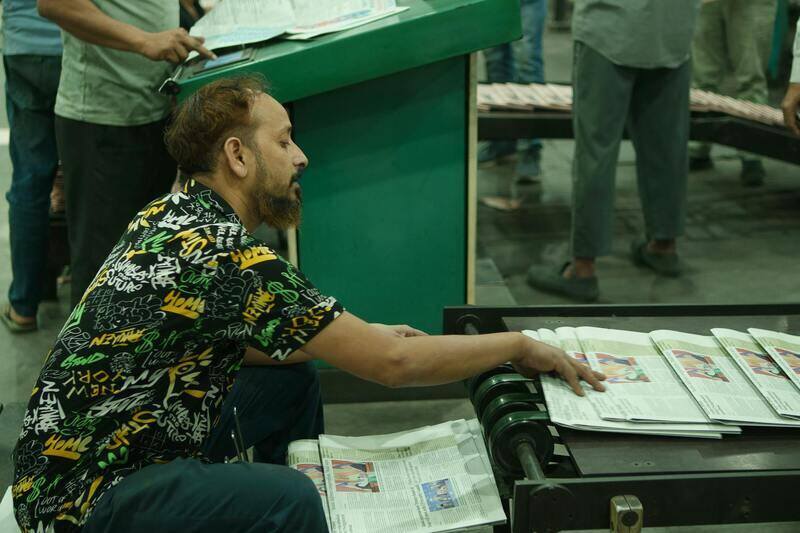
In addition to resolution, consider color depth and format specifications. Files should be in lossless formats like TIFF or high-quality JPEGs to preserve color fidelity and detail. Proper color profiles (such as Adobe RGB or sRGB) should be embedded, ensuring accurate color reproduction during printing.
Material Options for Large-Size Photos
The choice of material significantly influences the final look, durability, and suitability for specific environments. The common materials used for large photo prints include:
- Canvas: Offers a textured, artistic appearance with excellent durability, ideal for interior decor and gallery displays.
- Vinyl: Durable and weather-resistant, perfect for outdoor signage and large banners.
- Glossy Photo Paper: Provides vibrant colors with a reflective finish, suitable for indoor displays where visual impact is prioritized.
- Matte Paper: Reduces glare and fingerprints, suitable for professional presentations and archival purposes.
- Backlit Films: Designed for lightbox displays, offering illumination enhancement for promotional installations.
Each material offers unique visual and tactile qualities. When selecting a medium, consider the environmental exposure, longevity requirements, and the aesthetic style you desire. For instance, outdoor banners demand weather-resistant and UV-protected materials, whereas gallery pieces benefit from canvas or fine art paper that emphasizes texture and depth.
Printing Techniques and Technologies
Modern large-format printing leverages advanced technologies to ensure high fidelity and longevity. The most prevalent technique is wide-format inkjet printing, which utilizes several ink channels—dye or pigment-based—that combine to produce broad color spectrums and detailed images. Technologies such as:
- Dye Sublimation: Particularly suited for fabric materials, yielding vibrant, durable prints that are resistant to fading.
- UV Printing: Cures inks instantly, providing high adhesion, eco-friendliness, and resistance to scratches and environmental factors on rigid substrates.
- Latex Printing: Combines eco-friendliness with excellent durability, suitable for a variety of surfaces including vinyl and textiles.
Each method offers specific advantages aligned with the intended use, material compatibility, and desired finish. High-end printers incorporate precise head control systems, advanced ink delivery mechanisms, and color management software to maintain consistency and quality across large formats.
Selecting a Printing Service in Singapore
When opting for a professional large-format print service, such as eprintingservice.com, it is essential to verify their capabilities in handling large photo projects. A reputable provider will offer:
- Expert guidance on image resolution and material selection to optimize the final output.
- Access to state-of-the-art wide-format printers with multiple ink channels for vibrant, detailed images.
- Comprehensive finishing options like lamination, mounting, or framing to enhance durability and presentation.
- Provision for custom sizes, enabling flexibility and precision tailored to your project needs.
- Transparent pricing structures based on size, material, technology, and finishing services.
Choosing the right service provider ensures your large photo project will be executed efficiently, with high-quality standards that meet professional benchmarks. Always review portfolios, inquire about their equipment, and clarify the specifications, including resolution requirements and material options, to align expectations and achieve the best results.
Ensuring Quality and Authenticity in Large Photo Printing
When seeking to print large size photos, it is vital to prioritize methods that guarantee high-quality outcomes. Authentic printing techniques involve using professional-grade equipment, premium materials, and precise color management systems to produce vivid, sharp, and long-lasting images. Reputable print service providers utilize state-of-the-art wide-format printers equipped with multiple ink channels, facilitating a richer color gamut and smoother gradations. They also rely on advanced color calibration and ICC profiles to maintain color accuracy and consistency across large surfaces. This meticulous approach prevents issues such as color fading, bleeding, or blurring, thereby ensuring the integrity of your artwork or photographic memories.
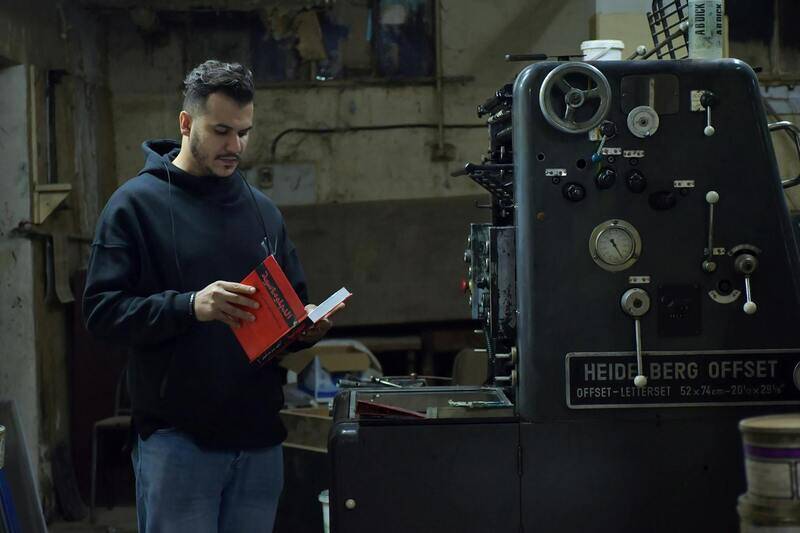
In addition to technical precision, the choice of legitimate printing methods entails the correct handling of image files. Always submit high-resolution images with appropriate dimensions, typically specified at least 300 DPI for large prints to preserve detail and clarity. Image optimization software can be employed to enhance resolution and color fidelity while avoiding compression artifacts. Furthermore, legitimate printing facilities will guide customers through file preparation, ensuring adherence to specified resolution, color profiles, and aspect ratios—resulting in a final product that faithfully reproduces the original image.
Authentication Through Supplier Transparency and Certification
Working with verified print suppliers involves examining their transparency regarding processes, equipment, and materials. Reputable providers will openly showcase certifications related to their printing technology and material sourcing, which vouch for their commitment to quality and authenticity. They also maintain adherence to industry standards, like ISO certifications, which reflect their dedication to consistent quality management. This level of transparency offers reassurance that the methods used to produce your large photos are legitimate, reliable, and capable of meeting professional standards.
Craftsmanship in Finishing and Presentation
Beyond printing, authentic large photo outputs are characterized by meticulous finishing techniques. These include precise lamination to protect against UV damage and water, mounting for easy display, and framing options that complement the artwork's aesthetic. High-quality finishes not only extend the lifespan of your photo but also enhance its visual appeal. The use of legitimate materials such as acid-free backing boards and museum-grade glass further safeguards your images against damage over time. When selecting a printing service, inquire about their finishing options and ensure they use reputable, tested materials aligned with conservation best practices.
Maintaining Integrity Through Proper Handling and Storage
Once your large photo is printed via a legitimate method, correct handling and storage are paramount. Use clean, lint-free gloves to prevent oils and dirt from transferring onto the surface. When not on display, store printed photos in climate-controlled environments, away from direct sunlight, extreme humidity, or temperature fluctuations. Proper framing with UV-protective glass or acrylic can further shield your images from environmental damage. These practices preserve the print's integrity—maintaining color vibrancy, sharpness, and surface quality over time, thus ensuring that your investment in large-scale printing remains visually impressive for years to come.
