

Understanding Large Scale Picture Printing
Large scale picture printing is an art and science that involves producing images at dimensions significantly larger than standard photo sizes, often exceeding 24 inches in width and height. This specialized printing process is utilized across numerous industries, including interior design, advertising, fine art, and event decoration. Its primary goal is to maintain image quality, color fidelity, and detail clarity even when images are amplified to impressive sizes. Companies like eprintingservice.com provide the infrastructure and expertise necessary to execute these projects with professionalism and precision.

In practical terms, large scale picture printing transforms digital images into impactful visual displays suited for wall murals, gallery exhibitions, retail displays, or architectural features. It serves a critical role where visual impact is paramount; the ability to reproduce photographs, artwork, or graphics on an imposing scale enhances spatial aesthetics and communication effectiveness. The complexity of large format printing lies not only in the size but also in ensuring that the image quality remains high, colors are vibrant and consistent, and details are sharp enough for viewers to appreciate at close or distant ranges.
Applications for large scale picture printing are diverse and expanding, driven by advancements in printing technology and material durability. Commercial businesses utilize large prints for branding and promotional purposes, creating eye-catching storefront displays. Artists and photographers use this technique to showcase their work on grand canvases. Interior designers incorporate large prints to customize spaces, bringing personal or thematic elements to life. Moreover, event organizers often employ large-scale visuals to create immersive environments. As a result, understanding the fundamental elements of large scale picture printing helps clients select suitable solutions tailored to their unique needs, ensuring that the final product meets expectations and withstands the challenges associated with size and environment.
When planning for large format printing, particular attention must be given to resolution, file quality, and material selection. High-resolution digital files are essential to prevent pixelation or blurriness when enlarged. Moreover, choosing the right printing surface—such as canvas, vinyl, metal, or acrylic—affects not only aesthetics but also durability and ease of installation. Different surfaces offer specific benefits: for example, metal prints provide a modern sleek look with resistance to the elements, while canvas offers a textured finish that can evoke traditional art qualities.
Technological innovations, such as wide-format inkjet printers and advanced color management systems, have made large scale picture printing more accessible and reliable. These tools allow precise color matching, extensive size options, and seamless image reproduction across extensive surfaces. High-quality inks ensure longevity and resist fading, which is particularly important for artwork or commercial displays intended for long-term visibility. Understanding these elements fosters better decision-making and ensures successful outcomes for large scale printing projects, making the process a worthwhile investment for any organization or individual seeking impactful visual communication.
Understanding Large Scale Picture Printing
Large scale picture printing transforms digital imagery into impactful visual displays, suitable for a multitude of applications ranging from corporate branding to personal art installations. The process requires meticulous attention to various technical and material aspects to ensure that the final product retains its clarity, color fidelity, and durability even at significant sizes. This involves selecting appropriate printing techniques, substrates, and ensuring that digital files are optimized for enlargement without compromising image quality.
Essential Elements of Large Scale Printing
To produce effective large prints, attention must be directed towards the resolution of the digital file. Digital images intended for enlargement should maintain a minimum resolution of 150-300 DPI at the final print size to avoid pixelation. Larger images necessitate higher-resolution files to ensure sharpness and detail. File quality is also critical, as uncompressed or poorly edited images may introduce artifacts that become pronounced when scaled up.
Material selection impacts both the visual appeal and longevity of the print. Common substrates include:
- Canvas: Offers a textured finish similar to traditional paintings, ideal for artistic and decorative displays.
- Vinyl: Known for its durability and ease of installation, suitable for banners and outdoor signage.
- Metal (Aluminum or Dibond): Provides a sleek, modern aesthetic with high resistance to weather conditions.
- Acrylic: Offers a glossy, high-end appearance with excellent light transmission qualities.
Technological Advances in Wide-Format Printing
The advent of advanced wide-format inkjet printers has revolutionized large scale picture printing. These printers can handle wide media rolls and produce high-resolution outputs with consistent color accuracy. Incorporating sophisticated color management systems ensures matchable and reproducible colors, vital for brand consistency or artistic integrity. High-quality, fade-resistant inks extend the lifespan of large prints, especially those displayed in environments with high exposure to light or elements.
Furthermore, innovations in media versatility and printing speed have made large scale printing more accessible and cost-effective. Such technological enhancements enable the production of complex, high-detail images over extensive surfaces without compromising quality.
Preparing Files for Large Format Output
Ensuring digital files are print-ready involves several steps. Files should be created or edited in high-resolution formats, like TIFF or JPEG, with minimal compression. It’s advisable to work with CMYK color profiles to match printing inks more accurately, helping to prevent color discrepancies in the final output. Crop marks and bleed areas should be defined in the design files to facilitate precise trimming and installation.
Durability and Environmental Considerations
The selected materials should align with environmental conditions where the print will be displayed. For outdoor or high-moisture areas, materials such as metal, acrylic, or vinyl with UV-resistant coatings are recommended. Indoor displays might utilize canvases or fine art papers, emphasizing aesthetic qualities over weather resistance. Proper sealing and lamination can further enhance longevity by protecting the printed surface from scratches, fading, and environmental pollutants.
Conclusion
Mastering large scale picture printing involves a confluence of high-quality digital files, suitable material choices, and advanced printing technologies. By understanding these foundational elements, businesses and individuals can create impressive visual statements that align with their objectives and aesthetic preferences. Effective preparation and material selection not only optimize visual impact but also ensure the longevity and resilience of large prints in various settings.
Understanding Large Scale Picture Printing
Large scale picture printing involves transforming high-resolution digital images into expansive, visually striking displays that can span entire walls or serve as prominent focal points in various settings. This process demands meticulous attention to detail, from the initial image preparation to the final application of the printed material. Achieving optimal results requires a nuanced understanding of the technical and material aspects that contribute to the clarity, color accuracy, and durability of large format images.
One crucial element in large scale picture printing is ensuring image integrity through proper digital file management. Files intended for such applications should be created at high resolutions, typically 300 dpi or higher at the final print size, to prevent pixelation and maintain crisp details. The choice of file formats, such as TIFF or JPEG with minimal compression, directly influences the quality of the printed image. Working within the CMYK color space is essential to accurately replicate colors, considering the specific inks to be used in the printing process. Additionally, incorporating crop marks and bleed areas in design files facilitates precise trimming, especially when printing on expansive substrates where exact alignment is critical.

Beyond digital considerations, selecting appropriate materials significantly impacts the presentation and longevity of large prints. The type of surface—such as vinyl, canvas, metal, or acrylic—should align with the intended environment and aesthetic preferences. For outdoor or high-humidity settings, materials with UV-resistant coatings or moisture-repellent properties are advisable to preserve vibrant colors and prevent deterioration. Conversely, in indoor spaces where visual finesse is paramount, options like canvas or fine art paper can provide textured, premium finishes that enhance the overall aesthetic.
Durability is further bolstered through proper sealing techniques, including lamination or protective coatings, which shield the print from scratches, fading due to UV exposure, and environmental pollutants. The choice of adhesive and mounting systems also plays a role in securely displaying large images without compromising their integrity or visual alignment. Whether the print is installed on a flexible fabric backdrop or rigid substrates, ensuring a seamless and professional appearance often necessitates specialized mounting hardware and methods tailored to the size and weight of the material.
Key Factors Influencing Successful Large Scale Printing
- Resolution and Image Quality: High-res files retain sharpness at large scale, preventing pixelation and blurriness.
- Color Management: Accurate color reproduction through calibrated screens and color profiles ensures visual consistency from digital file to print.
- Material Compatibility: Selecting surfaces that suit environmental conditions and aesthetic goals maximizes longevity and impact.
- Environmental Considerations: Resistance to moisture, UV rays, and pollutants extends the lifespan of outdoor or high-traffic displays.
- Application Techniques: Precise trimming, mounting, and installation methods facilitate professional, clean finishes for large displays.
By integrating these foundational principles with state-of-the-art printing technology and quality materials, individuals and organizations can create impactful visual statements. The ability to accurately reproduce detailed, vibrant images on a grand scale transforms spaces and communicates messages effectively, whether for commercial, artistic, or personal purposes.
Understanding Large Scale Picture Printing
Large scale picture printing is a specialized process that transforms digital images into vibrant, high-resolution displays suitable for prominent spaces, advertising, or personal art collections. It involves a combination of advanced printing technology, meticulous file preparation, and a strategic selection of materials to ensure the final product exhibits exceptional clarity, color accuracy, and durability. Proper understanding of these components guarantees that the printed images maintain their intended quality and impact when scaled up to sizes that can redefine the space they occupy.

The Significance of Image Resolution and Quality
At the core of large scale picture printing is the need for high-resolution digital files. To avoid pixelation and loss of detail, images should ideally be created or scanned at a resolution that supports the final print size—typically 150 to 300 pixels per inch (PPI) at the desired output dimensions. When enlarging an image, the difference in pixel density can dramatically influence the sharpness and visual impact of the finished piece. Additionally, images must be free of noise or compression artifacts, which can become evident in larger formats, diminishing overall image integrity.
Color Management and Consistency
Color fidelity plays a pivotal role in large scale printing. Achieving consistent, accurate colors involves calibrated monitors, standardized color profiles, and color-managed workflows throughout the printing process. These practices ensure that the hues seen on digital screens translate accurately onto physical prints, preserving the artist's or client's original intent. Specialized software allows for precise adjustments, such as soft proofing, enabling operators to simulate how the final printed piece will appear under various lighting conditions and on different materials.
File Preparation and Technical Specifications
Effective large scale printing demands meticulous file preparation. Commonly accepted formats include TIFF and PSD, which retain maximum image quality without compression artifacts. Drafting files to the correct size with embedded color profiles ensures that the printer can interpret the data accurately. It's essential to set the correct dimensions and resolution, incorporate bleed areas if necessary, and ensure that the file is color-corrected before submission. This level of detail minimizes surprises and facilitates smooth production workflow, ultimately leading to a high-quality print that meets expectations.

Choosing the Right Materials and Printing Surfaces
The selection of appropriate materials directly influences the longevity, appearance, and contextual suitability of large prints. For indoor applications, options like canvas, fine art paper, or acrylic provide vibrant color reproduction and can be easily mounted. When considering outdoor displays, weather-resistant materials such as vinyl banners, coroplast, or aluminum panels are preferable due to their durability under environmental stressors. Each surface interacts differently with inkjet or dye-sublimation processes, impacting color vibrancy, resolution, and surface finish. For example, glossy surfaces enhance brightness and contrast, while matte finishes reduce glare, making the artwork more viewable from various angles.
Surface Preparation and Material Compatibility
Beyond selecting the material, preparing the surface properly ensures optimal adhesion and image clarity. Smooth, clean surfaces promote precise printing without distortions or blemishes. For textured substrates, certain inks or printing techniques are better suited for capturing fine details. Compatibility between the chosen material and the printing technology must be assessed beforehand—ensuring that inks penetrate, adhere, and cure effectively without smudging or degradation over time. Proper handling and storage also preserve surface integrity, especially for high-value or delicate materials used in large format prints.
Investing in quality materials aligned with the intended display environment significantly enhances the visual appeal and lifespan of the large print. This deliberate combination of material choice, surface preparation, and technique culminates in a finished product that commands attention and stands the test of time.
Preparing Digital Files for Large Scale Printing
Creating a high-quality large scale picture begins long before the printing process starts. The digital file must be meticulously prepared to ensure peak clarity, color fidelity, and resolution suitable for expansive display sizes. To start, you need to work with a file that has a resolution of at least 150-300 DPI (dots per inch) at the intended output size. This guarantees that nothing appears pixelated or blurry when scaled up to truly impressive dimensions. For example, if you plan to print an image measuring 10 feet by 5 feet, the digital file should be tailored to match these dimensions with a suitable resolution, often requiring a file size of several gigabytes to preserve fine details.
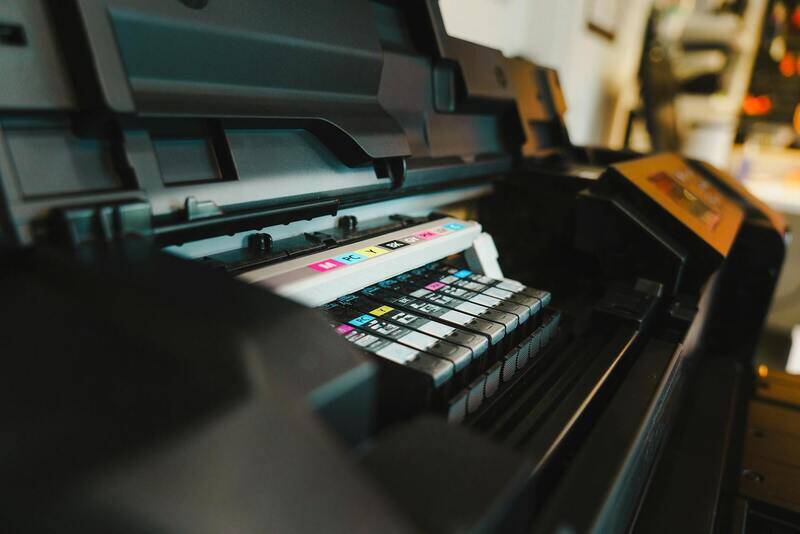
Employing professional photo editing software, such as Adobe Photoshop or Lightroom, is crucial in refining the image before printing. Adjustments to brightness, contrast, sharpness, and color balance help ensure the digital image aligns with the physical output expectations. Color correction should be based on the specific color profile compatible with the printer and substrate, commonly sRGB or Adobe RGB, to achieve precise and consistent hues. Incorporating soft-proofing techniques within editing software enables visualization of how the colors will appear once printed, allowing for necessary adjustments prior to finalizing the file.
Another vital step is to examine the image for imperfections at the pixel level. Removing dust, blemishes, or any unwanted artifacts ensures a clean final product. This process is particularly significant given the enlarged scale; imperfections that are negligible on smaller prints can become glaringly obvious on large surfaces. For consistency and accuracy, embedding or converting color profiles during the export process preserves color information and reduces discrepancies between the digital and printed images.
Specialized tools and plugins can assist in sharpening images appropriately for large scale printing without introducing noise or artifacts, which could be magnified during enlargement. When dealing with very high-resolution images, it is essential to use lossless formats such as TIFF or PSD to prevent quality degradation. These formats maintain the integrity of the original image data, ensuring every detail is retained through the printing process.
Finally, organizing and labeling your digital files systematically streamlines the printing workflow, especially for large projects involving multiple images or panels. Including specific notes about color profiles, dimensions, and desired surface finishes in your file metadata helps maintain clarity and consistency across the entire production process. Proper preparation of digital files is the foundation of achieving stunning, accurate, and durable large format prints that will serve as impressive visual statements for years to come.
Understanding Large Scale Picture Printing
Large scale picture printing involves transforming high-resolution digital images into sizable physical artworks capable of captivating viewers and transforming interior spaces. This process demands a keen understanding of the technical nuances, from selecting the appropriate printing technologies to ensuring the final product aligns with the intended aesthetic and functional requirements. The core principle in achieving impactful large format prints lies in balancing image quality, material selection, and color fidelity, all while adhering to precise specifications tailored to the desired application.
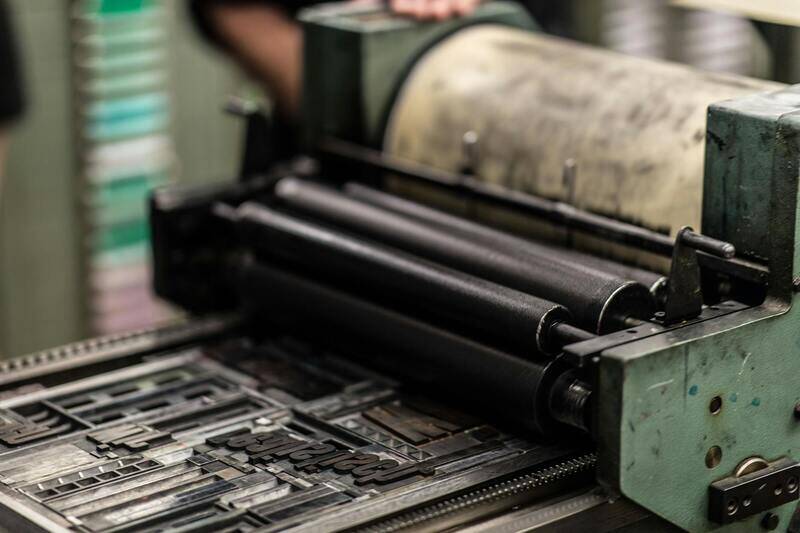
Technological Foundations
The backbone of large scale picture printing is often composed of advanced inkjet printers capable of handling wide and heavy media. These printers utilize specialized inks, such as UV, solvent, or dye-based options, each suited for different surfaces and environmental conditions. The selection hinges on factors like durability, color vibrancy, and surface compatibility. Additionally, high-resolution printing capabilities—typically at least 600 dpi—are essential for maintaining crisp image details at expansive sizes.
Application-Specific Considerations
Large scale prints are frequently used in commercial, decorative, or promotional contexts. The intended environment influences decisions on material durability, surface finish, and installation methods. For instance, exterior installations require weather-resistant materials and UV protection, whereas indoor applications might prioritize vibrant color reproduction and texture. Proper evaluation of these parameters ensures that the final piece remains visually striking and structurally sound over time.
Base Materials and Surface Finishes
The choice of surface significantly impacts the overall aesthetic and longevity of the print. Common substrates include:
- Vinyl banners: Flexible, weather-resistant, ideal for outdoor use.
- Canvas: Offers textile texture with a fine art appeal, suitable for gallery displays.
- Aluminum panels: Provide a sleek, modern look with excellent durability.
- Acrylic surfaces: Deliver high-gloss finishes with vibrant color rendering.
- Wallpaper and fabric backings: Perfect for immersive interior designs.

Image Resolution and File Quality
Preparing digital images for large format printing necessitates meticulous attention to resolution, file format, and color profiles. Files should ideally be captured or created at a resolution of 300 dpi at the final print size to avoid pixelation or loss of detail. Lossless formats like TIFF or PSD are recommended to preserve image integrity during editing and printing. Additionally, embedding accurate color profiles ensures color consistency from digital preview to the finished print, maintaining the vibrancy and accuracy of the artwork.
Color Management and Calibration
Accurate color reproduction is vital in large scale picture printing, where discrepancies become more conspicuous due to the enlarged view. Calibration of printers, monitors, and proofing environments ensures that colors are consistent across different stages of production. Using standardized color profiles and performing regular calibration checks allow print providers to deliver results that meet client expectations and artistic standards.
In summary, understanding the comprehensive process of large scale picture printing involves a blend of technological expertise, material knowledge, and meticulous digital preparation. These elements collectively guarantee that large format prints not only fulfill aesthetic aspirations but also stand the test of time with durability and visual fidelity.
Understanding Large Scale Picture Printing
Large scale picture printing is a specialized process that transforms digital images into sizable, visually impactful artworks suitable for both commercial and personal display. Achieving high-quality results at this scale necessitates a comprehensive understanding of the nuances involved, including file preparation, color management, material selection, and the technical aspects of the printing equipment itself. When executed correctly, large format prints from reputable providers can deliver stunning clarity, color fidelity, and durability, making them excellent choices for galleries, corporate spaces, and large interior designs.

Key Factors in Large Scale Picture Printing
- Resolution and Detail: To preserve sharpness and avoid pixelation, digital files should be captured or created at a resolution of at least 300 dpi at the final print size. This is particularly important as enlarging images can magnify any flaws or compression artifacts present in lower-resolution files.
- File Format and Compression: Lossless formats such as TIFF or PSD are preferred, as they maintain the integrity of colors and details throughout the editing and printing processes. Avoid compressed formats like JPEG unless necessary, and ensure images are saved with embedded color profiles.
- Color Profiles and Calibration: Embedding accurate color profiles, typically Adobe RGB or sRGB, ensures consistency in color reproduction. Regular calibration of monitors and printers aligns digital previews with the final output, minimizing discrepancies and maintaining the intended color harmony.
Impact of Material Choices on Image Appearance
The selection of printing substrates plays a pivotal role in how a large picture will look and withstand environmental factors. Common materials include:
- Vinyl and Poster Paper: Cost-effective options suited for temporary displays or outdoor applications, offering decent longevity and image clarity.
- Canvas: Enhances a fine art aesthetic with a textured finish that adds depth and character to images, suitable for galleries and interior decoration.
- Acrylic and Metal Prints: Provide a modern, sleek appearance with exceptional vibrancy and durability, ideal for high-end commercial spaces and statement pieces.
- Fabric and Specialty Surfaces: Used for unique visual effects or custom framing, adding versatility to large format display options.
Surface Preparation and Finishing Techniques
Final presentation relies heavily on proper finishing techniques:
- Lamination: Adds a protective layer that guards against scratches, UV damage, and moisture, extending the lifespan of the print.
- Mounting and Framing: Ensures the print remains flat and secure on its designated display surface. Options include direct mounting, framing, or face mounting to acrylic for a clean, contemporary look.
- Backlighting and Illumination: Enhances visibility and aesthetic appeal, especially for backlit displays or signage applications.
Technical Considerations for Large Scale Printing
Multiple technical elements come into play when preparing for large format printing, including:
- Printer Capabilities: Not all printers can handle oversized media or complex media types. Choosing a printer with the appropriate width, resolution, and color management features is essential.
- Color Management Systems: Utilizing standardized color profiles and calibration protocols reduces color inconsistencies between digital files and printed outputs.
- Workflow Optimization: Efficient file handling—checking for color gamut limitations, aligning profiles, and ensuring correct file formatting—streamlines production and reduces waste or rework.
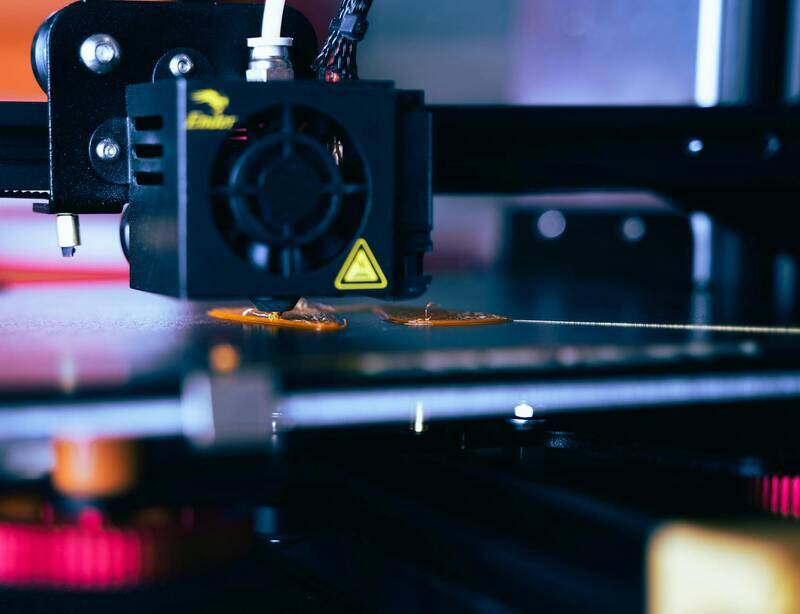
Understanding these core components ensures that large scale picture printing achieves the desired aesthetic impact, longevity, and operational efficiency. Working with trained professionals and utilizing top-tier materials and equipment guarantees that each print aligns with the artistic vision while maintaining technical excellence. This meticulous approach is crucial in producing sizable images that are not only visually stunning but also durable and easy to install upon arrival.
Ensuring Permanent and High-Quality Results in Large Scale Picture Printing
Achieving durable and visually stunning large-scale prints involves careful consideration of the printing process, materials, and aftercare. Once the digital file is meticulously prepared and the appropriate printing method selected, attention must shift to producing a finished product that retains its vibrancy, detail, and structural integrity over time. This requires adherence to proven techniques and professional standards that guarantee the longevity of the print.
Material and Surface Selection for Longevity
Choosing the right material plays a crucial role in the resilience and appearance of large-scale images. Premium substrates such as high-quality vinyl, canvas, or aluminum panels are favored for their durability. Each surface offers specific benefits: vinyl for weather resistance and flexibility, canvas for a textured, artistic look, and metal for a sleek, modern aesthetic with excellent brightness and contrast. Additionally, surface treatments such as lamination or protective coatings are essential for shielding prints against UV rays, moisture, scratches, and general wear, especially in high-traffic or outdoor settings.
Proper Finishing Techniques and Installation
After printing, professional finishing ensures the final presentation meets both aesthetic and structural standards. Techniques such as edge trimming, mounting, and framing are carefully executed to prevent warping, facilitate secure installation, and ensure an impressive display. When mounting, the choice of hardware and method—whether direct wall mounting, float mounting, or framing—must align with the weight and material of the print. Precise alignment, correct spacing, and the use of appropriate fixtures prevent damage and enhance visual impact.
Optimizing Color Stability and Calibration
Color consistency from digital file to final print depends on rigorous calibration of equipment. Devices such as colorimeters and spectrophotometers are used to establish standardized color profiles and ensure the printer reproduces hues accurately. Implementing regular calibration routines for printers, monitors, and proofing devices minimizes discrepancies and guarantees that the finished piece closely matches the intended design. This process is vital when producing commissioned artwork, branding, or any piece where color fidelity is paramount.
Maintaining and Preserving Your Large Prints
Once installed, ongoing maintenance extends the lifespan and sustains the visual appeal of large-scale images. Dusting with soft, non-abrasive cloths and avoiding exposure to direct sunlight or harsh environmental conditions helps preserve the vibrancy and structural integrity. For outdoor installations, additional protective measures such as UV coatings or weatherproof laminates are recommended. Periodic inspections to identify and address any damage or deterioration promptly can prevent minor issues from escalating into major repairs.
Expert Assistance and Quality Assurance
Partnering with experienced printing professionals ensures adherence to the highest standards of craftsmanship. These experts utilize advanced equipment, premium materials, and proven techniques to deliver consistent quality. Moreover, professional services include thorough quality control checks at each stage—from digital file validation to final inspection—to guarantee that every large-scale print meets predetermined specifications. This collaborative approach minimizes errors, optimizes operational efficiency, and results in a finished product that fulfills both artistic and practical expectations, ready for display or installation.
