Understanding Large Photo Prints
Large photo prints serve as striking visual displays that transform spaces through vivid imagery. They are increasingly popular in both personal decor—such as wall art in homes or galleries—and commercial environments like office lobbies, retail stores, and exhibition halls. The primary advantage of large-scale printing is its ability to create a dramatic impact, capturing attention and evoking emotional responses through high-resolution, expansive visuals.
When considering a large print of a photo, it's vital to understand the value it brings in terms of aesthetic enhancement and branding. High-quality large prints can serve as focal points, showcasing cherished memories or brand identity with impressive clarity and color fidelity. The versatility of large prints extends to various formats, including banners, canvas displays, aluminum prints, acrylic surfaces, and more, allowing customization based on targeted aesthetic or functional goals.
From an artistic perspective, large photo prints also open new avenues for creative expression. Photographers and artists can showcase their work at a scale that emphasizes detail and depth, offering viewers an immersive experience. Additionally, the durability of materials used in large-format printing ensures longevity, making these prints suitable for long-term installation indoors or outdoors, depending on the chosen substrate.
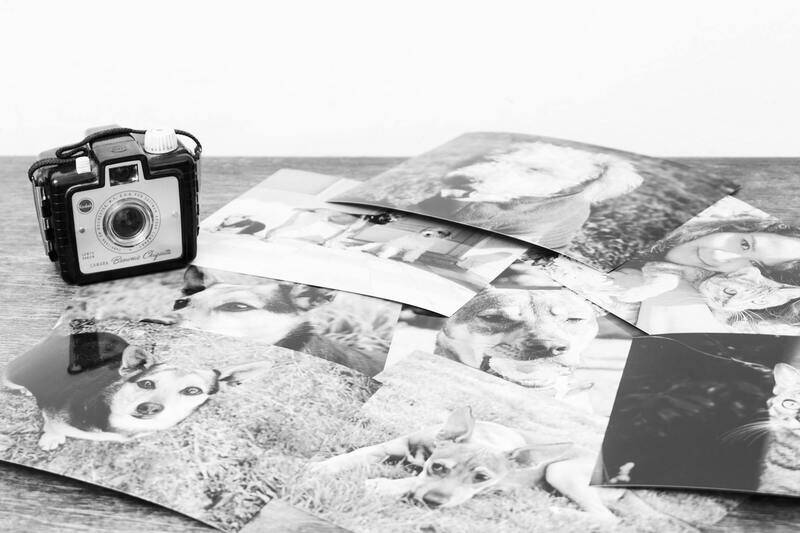
In terms utilization, large prints are beneficial for photographic displays, advertising campaigns, art exhibitions, and personal milestone celebrations. Their ability to be scaled according to specific spatial requirements makes them adaptable to diverse environments, enhancing interior design or creating standout visual statements during events.
Advanced printing methods have further expanded possibilities, allowing for higher resolutions, better color accuracy, and improved material compatibility. As a result, choosing the right large print of a photo involves understanding the intended display context, desired durability, and aesthetic preferences, all factors that ensure the final product meets expectations and maximizes visual appeal.
Materials and Substrates for Large Photo Prints
When selecting materials for a large print of a photo, it is essential to consider the intended display environment and the desired durability of the finished piece. Each substrate offers unique advantages in terms of appearance, longevity, and ease of installation, influencing the overall impact of the final print.
Common substrates used for large photo prints include:
- Canvas: Provides a textured, artistic finish that is ideal for portraits and scenic photography. Canvas prints are stretchable and suitable for indoor display, giving a gallery-like aesthetic.
- Aluminum: Known for its sleek, modern look, aluminum prints are lightweight, durable, and resistant to moisture. They are perfect for contemporary interiors and outdoor signage where robustness is a priority.
- Acrylic: Offers vibrant color enhancement and a glossy finish that adds depth to images. Acrylic surfaces are often used in exhibitions and high-end decor to deliver a striking visual impact.
- Foam Board and Dibond: These rigid substrates are excellent for retail displays, presentations, and temporary installations. They provide stability and ease of handling with a smooth surface for crisp image reproduction.
- Vinyl: Suitable for large banners and outdoor advertisements, vinyl is flexible and weather-resistant, making it ideal for sizable exterior displays.

Choosing the right substrate depends on the specific visual goals, installation location, and environmental conditions. For permanent indoor installations, fabric or canvas options add a tactile artistic touch, while aluminum and acrylic are better suited for modern, sleek aesthetics with enhanced durability. When outdoor use is planned, weather-resistant materials such as vinyl or specially coated aluminum are advisable to maintain image integrity over time.
Additionally, surface finishes like matte, gloss, or satin can significantly influence the look and feel of the print. Matte finishes are excellent for reducing glare and emphasizing details, making them suitable for detailed photographs or artwork. In contrast, gloss finishes enhance color vibrancy and give a vibrant, lively appearance, while satin offers a balanced option with slight sheen and subdued glare.
Incorporating protective coatings can further prolong the lifespan of a large print of a photo, safeguarding against UV radiation, moisture, and physical wear. These coatings are especially important for outdoor displays or high-traffic indoor environments where the integrity of the image could be compromised over time.
Understanding the specific requirements of each material category and how they align with your display needs helps in making an informed choice. Whether prioritizing aesthetic appeal, durability, or ease of installation, selecting the appropriate substrate is crucial for achieving a compelling and lasting large-scale photographic print.
Materials and Substrates for Large Photo Prints
Selecting the appropriate material or substrate for a large print of a photo is fundamental to ensuring the final product meets both aesthetic and functional requirements. Different projects demand different substrates, each offering unique benefits and characteristics that influence the visual impact, durability, and ease of display.
Among the most popular options is canvas, which provides a textured, artistic appearance reminiscent of traditional paintings. Its matte surface enhances detail and reduces glare, making it ideal for gallery displays or interior decor where a subtle, refined look is desired. Canvas prints are typically mounted on stretcher bars, adding a three-dimensional aspect that elevates the presentation.
Photo paper remains a versatile choice, especially for detailed images where color accuracy and sharpness are paramount. For large-format printing, specialized exhibition-grade photo papers with heavyweight profiles help prevent warping and damage. The finish—matte, gloss, or satin—further influences the final appearance, with matte offering a subdued, non-reflective surface, gloss providing vibrant color contrast, and satin balancing sheen with minimized glare.
Vinyl is recognized for its durability and weather resistance, making it suitable for outdoor applications such as banners, signage, or outdoor murals. High-quality vinyl with appropriate coatings can withstand exposure to sunlight, moisture, and physical contact without significant degradation of image quality. For ease of installation, adhesive-backed vinyl allows for seamless application on various surfaces, while mesh vinyl provides breathability, ideal for large-scale outdoor structures.
Other substrates such as metal, acrylic, and fabric are also popular for large photo prints, particularly when a modern or sleek aesthetic is desired. Aluminum panels or acrylic sheets create a contemporary look, with the added benefit of high durability and low maintenance. These materials are often finished with high-gloss coatings that amplify color vibrancy and provide a polished, professional appearance.
Choosing the ideal material depends on factors such as the intended display environment, budget, desired aesthetic, and longevity requirements. Consulting with printing professionals helps determine the most suitable option, ensuring that the large photo print not only looks impressive but also withstands the conditions it will face over time.
Ensuring Quality through Proper Printing Methods and Technologies
Achieving high-quality large print of photo hinges on selecting the appropriate printing technology tailored to the project’s specific needs. Digital printing, especially inkjet and UV printing, are the standout options for producing stunning large-scale images with vibrant color reproduction and fine detail. Inkjet printing utilizes tiny nozzles to deposit precise amounts of ink directly onto substrates, resulting in rich color gradation and sharp image clarity, ideal for detailed photographic prints. UV printing employs ultraviolet light to instantly cure the inks as they are applied onto non-porous surfaces such as acrylics, metals, or specialty materials. This method offers exceptional adhesion, durability, and vibrant color output, making it suitable for outdoor displays and long-term installations.

Each printing method has distinct advantages. For instance, inkjet printers excel in producing photo-realistic images with smooth gradients, whereas UV printers are preferred for their ability to handle diverse materials and outdoor applications. Technological advancements, such as wide-format printers with enhanced resolution and color management capabilities, enable reproductions that are nearly indistinguishable from the original photographs, even at large sizes. Selecting the right technique depends on factors like the desired finish, the substrate used, and the environmental conditions where the print will be displayed.
Professional printing services also leverage color management systems to ensure accurate color reproduction and consistency across batches. These systems calibrate printers, monitors, and workflows to match colors precisely, which is crucial when enlarging photographs without sacrificing color fidelity. By adopting the latest printing technologies paired with meticulous color control, eprintingservice.com delivers large prints of photos that are vivid, detailed, and true to the original image.
In addition to traditional printing techniques, there is an increasing trend toward environmentally friendly and sustainable printing practices. Solar-powered printers and eco-solvent inks reduce environmental impact while maintaining high-quality output. Professional printing providers also offer advice on optimizing images for large-scale printing, including resolution guidelines and color correction, to ensure that the final product meets the highest standards of visual excellence.
Color Management and Image Optimization
Optimizing images for large-scale photo printing requires meticulous attention to detail in color accuracy, resolution, and file preparation. To ensure the final print vividly mirrors the original image, it is essential to work with high-resolution files, typically 300 DPI or higher, especially when enlarging photos to large formats. Files should be in a color space such as Adobe RGB or sRGB, which maintains a broad color gamut suitable for high-quality printing. Professional image editing involves adjusting levels, contrast, and saturation to enhance visual impact without distorting the original tones. Color correction should be performed with proper calibration tools and software, ensuring that colors remain consistent across different displays and the final print. When preparing files, it’s crucial to embed color profiles within the image to guide the printing process accurately. Pre-press checks involve inspecting for resolution adequacy and potential issues like pixelation or blurring, which become prominent at larger sizes. Cropping should be carefully managed to retain aspect ratios suitable for the chosen print dimensions, avoiding unnecessary cropping which can result in compromised image composition. Additionally, soft-proofing techniques enable previewing how the image will appear once printed on specific substrates, allowing adjustments before the final output. This combination of precise file management and file preparation guarantees that the large print of photo retains the sharpness, color fidelity, and overall clarity of the original digital file, making it a stunning centerpiece in any space.
Size Considerations and Aspect Ratios
Determining appropriate sizes for large photo prints involves understanding the relationship between aspect ratios and the intended display space. Common aspect ratios such as 3:2, 4:3, or 16:9 suit different types of photographs from landscapes to portraits, influencing framing and cropping decisions. When planning a large print, it’s vital to select dimensions that match the original image’s aspect ratio to avoid distortion or unwanted cropping. If the photograph’s aspect ratio differs significantly from the desired print size, professional cropping techniques can help preserve the essential parts of the image while fitting the dimensions. Scaling-up images beyond their original resolution can lead to quality degradation, so choosing a size that maintains sufficient pixel density is crucial. For instance, enlarging a high-resolution 24-megapixel photo to a 60-inch width can still produce a crisp, detailed print, whereas low-resolution images may appear pixelated at similar sizes. Consultation with printing professionals can aid in selecting the optimal size that balances visual impact, resolution, and installation space. Accurate aspect ratio considerations help in creating visually harmonious large photo displays without compromising the integrity or detail of the original image.
Materials and Substrates for Large Photo Prints
The choice of materials and substrates is a critical aspect of producing high-quality large photo prints that are both visually striking and durable. Each substrate offers unique qualities tailored to specific environments and aesthetic preferences.
- Glossy Paper: This traditional choice enhances color vibrancy and detail, creating a vivid and eye-catching display. It is ideal for indoor displays where light reflections can be managed and for photographs that benefit from a polished, high-shine finish.
- Matte Paper: Providing a non-reflective surface, matte paper reduces glare, making it suitable for rooms with ambient lighting or areas requiring a softer appearance. It also helps minimize fingerprint smudges, making it a good option for interactive or frequently handled prints.
- Canvas: Offering a textured surface that mimics traditional art canvases, this substrate lends a tasteful, artistic feel to any large photo print. It is especially popular for creating gallery-quality displays and is often finished with a protective coating to prevent fading and damage.
- Acrylic: Acrylic prints deliver a modern, sleek look with high clarity and brilliant color reproduction. They are highly resistant to UV damage and are suited for both indoor and sheltered outdoor environments where longevity and visual impact are priorities.
- Metal (Aluminum): Metal substrates provide a contemporary aesthetic with vibrant color depth and a durable, weather-resistant surface. These are particularly effective for outdoor signage or modern interior decor requiring a sturdy, lightweight print.
Printing Techniques and Technologies
Advancements in printing technology ensure that high-resolution images can be translated onto large formats with remarkable accuracy and color fidelity. Understanding the available techniques can help in selecting the right process to meet your specific requirements.
- Giclée Printing: This high-quality inkjet printing method utilizes archival inks and fine art papers, producing stunning detail and color depth. Giclée prints are favored for their longevity and are widely used for gallery displays and collector items.
- UV Printing: UV printing involves curing UV light onto the surface during printing, allowing for vibrant images on a variety of substrates including acrylic, metal, and wood. This technique is especially suitable for outdoor applications due to its durability and resistance to environmental factors.
- Solvent and Eco-Solvent Printing: These techniques utilize solvent-based inks that penetrate the substrate surface, resulting in highly durable prints resistant to water, scratches, and UV exposure. Ideal for large banners or outdoor signage, they support bold color reproduction on flexible materials.
- Laser Printing: While more common for paper-based prints, laser technology can also be adapted for certain rigid substrates, offering precise, high-speed output suitable for commercial applications.
Understanding Large Photo Prints
Large photo prints serve as impactful visual statements, transforming digital images into tangible artworks or displays. When opting for a large print of a photo, it is essential to recognize the differences in resolution, material compatibility, and printing methods, all of which influence the final appearance and longevity of your print. The process begins with selecting an image that maintains clarity and detail when scaled up, ensuring that the intricate elements of the photo remain vivid and sharp. High-resolution files, preferably 300 DPI or higher, are ideal for large-format printing, minimizing pixelation or blurriness that can diminish the impact of the image. Additionally, considering the setting where the large photo will be displayed helps determine the appropriate size, material, and finishes to achieve a balanced and aesthetically pleasing result.

Choosing a high-quality image is crucial to producing a stunning large print. When selecting photos, opt for images with well-balanced contrast, vibrant colors, and sufficient detail. Using images captured with professional cameras or high-end smartphones can significantly enhance the quality of the final print. Furthermore, it’s advisable to crop the image thoughtfully, maintaining proper aspect ratios to prevent distortion or unnecessary cropping of important elements. Adjustments in photo editing software can improve color saturation, brightness, and sharpness—key factors that contribute to a visually striking large print.
Materials and Substrates for Large Photo Prints
The selection of materials or substrates plays a vital role in determining the durability, appearance, and suitability of your large photo print for various environments. Common substrates include:
- Vinyl: Ideal for outdoor displays and banners due to its weather resistance and flexibility. Vinyl provides a smooth surface that supports vivid color reproduction.
- Canvas: Offers a textured, artistic appearance reminiscent of traditional paintings. Canvas prints lend an elegant, timeless feel and are suitable for interior spaces.
- Acrylic: Known for its glossy finish and high optical clarity, acrylic substrates enhance color vibrancy and depth, perfect for modern, high-impact displays.
- Photo Paper: Premium photo papers support detailed, high-quality prints suitable for indoor use. They come in matte, semi-gloss, or glossy finishes depending on aesthetic preference.
- Metal: Prints on metal surfaces provide a sleek, contemporary look with excellent durability and scratch resistance, ideal for both indoor and outdoor settings.
Each substrate offers unique advantages, and selection should align with your display environment and the visual effect you desire. Consider factors like exposure to sunlight, humidity, and handling when choosing the appropriate material to ensure your large print maintains its quality over time.
Printing Techniques and Technologies
The advancement of printing technologies has expanded the possibilities for producing large-format images with exceptional detail and color accuracy. The choice of technique influences the final appearance, durability, and overall quality of the print. Key methods include:
- Giclée Printing: Renowned for its ability to produce gallery-quality images, this inkjet method employs archival inks and fine art papers to ensure longevity and richness in color and detail. It is highly favored for fine art reproductions and collectible pieces.
- UV Printing: Utilizing ultraviolet light to cure inks during the printing process, UV printing allows for high-resolution images on rigid surfaces like acrylic, metal, or wood. It is particularly suitable for outdoor displays due to its weather resistance.
- Solvent and Eco-Solvent Printing: These techniques use solvent-based inks that penetrate deep into flexible substrates, rendering the prints water-resistant and UV stable, making them ideal for outdoor signage and banners.
- Laser Printing: While traditionally associated with paper, specialized laser systems can print on certain rigid substrates, offering fast production and precision for commercial applications.
Understanding the strengths and limitations of each printing method helps in selecting the most appropriate process for your specific project, balancing factors like color fidelity, durability, and cost.
Proper Handling for Large Photo Prints
Once your large print of a photo has been produced, handling it with care is essential to preserve its quality and appearance. Large-format images are more susceptible to damage during transportation, installation, and long-term display. To safeguard your investment, adhere to established handling practices that minimize the risk of creases, scratches, fingerprints, and other blemishes.
Handling Procedures
- Use clean, lint-free gloves: When touching the print directly, wear cotton or nitrile gloves to prevent transferring oils and dirt from your hands onto the surface.
- Support the print adequately: Always support the entire backing of the print, especially when moving it from one location to another, to avoid bending or cracking the material.
- Avoid excessive bending: Large prints should remain flat during handling to prevent creasing or warping, particularly if the substrate is rigid or semi-rigid.
- Use appropriate tools: Employ tools such as soft squeegees or brushes to remove dust carefully or smooth the surface if necessary, without scratching the finish.
Transportation Tips
- Wrap the print securely: Use protective coverings like acid-free tissue paper, bubble wrap, or foam sheets to cushion the print during transit. Wrap the item tightly but gently to prevent movement within packaging.
- Choose suitable packaging: Transport large prints in durable boxes with reinforced corners or in protective tubes if rolled, depending on the substrate and your preference.
- Handle with multiple people if necessary: Due to the size and weight, enlisting assistance reduces the risk of accidental drops or damage.
Display and Maintenance
Displaying large print of a photo requires careful planning to avoid unintended damage over time. Proper mounting ensures flatness and stability, while regular maintenance keeps the image vibrant and free of deterioration.
- Mounting considerations: Use quality framing materials such as UV-protective glass or acrylic to shield the print from environmental factors like UV rays, dust, and humidity. Wall-mounting hardware should be appropriately rated for weight and securely installed.
- Cleaning protocols: Dust the surface gently with a soft, dry cloth. Avoid harsh chemicals or abrasive sponges, which can damage the print or substrate. When necessary, use mild cleaning solutions approved for the specific material.
- Environmental conditions: Schedule the display in locations with stable temperature and humidity levels. Avoid direct sunlight, which can fade the colors over time, and areas prone to moisture or pollution.
Long-Term Preservation
To maintain the visual impact and integrity of your large print of a photo, consider periodic inspections and professional conservation if needed. Proper storage when not on display, such as protective coverings and climate-controlled environments, extends the life of the print significantly. By following these handling, transportation, and display practices, your large-format photo remains a stunning piece for years to come.