Understanding Large Format Photography Printing
Large format photography printing encompasses the process of reproducing high-resolution images on significantly expansive surfaces, typically ranging from 24 inches up to several feet in width and height. This specialization caters to artists, photographers, galleries, and commercial clients seeking to display their images with exceptional clarity and visual impact. Unlike standard or small-scale prints, large format prints demand meticulous attention to technical specifications, material selection, and printing techniques to ensure the integrity of the original image is preserved and accentuated in the final product.
The technical scope of large format photography printing involves detailed considerations of size, resolution, and media. Sizes can vary extensively based on the intended display or installation environment, from modestly large posters to monumental wall coverings exceeding 10 feet in width. To achieve optimal quality, digital files must be prepared at high resolutions—often at least 150-300 DPI for viewing distances typical of large displays. The printing process itself employs specialized large-format inkjet printers capable of handling wide media and producing vibrant, sharp images with accurate color reproduction.
The industry scope for large format photography printing extends across various sectors. Fine art photographers utilize it to produce gallery-ready pieces that captivate on large walls. Commercial entities leverage large prints for advertising, retail displays, and corporate branding. Event organizers use oversized prints for backdrops and installations, while interior designers incorporate large-format images as accent pieces that redefine interior spaces. Advances in printing technology and materials have made achieving gallery-quality results more accessible, expanding the creative possibilities for visual storytelling on a grand scale.

Investing in the right equipment, understanding the nuances of file preparation, and selecting high-quality materials are crucial components that underpin successful large format photography printing. As the industry evolves, the collaboration between photographers and printing services ensures that images are rendered with the highest fidelity, maintaining color accuracy, detail, and durability over time. This comprehensive approach guarantees that each print not only meets technical standards but also fulfills artistic intent, making large format printing an essential element in the contemporary visual arts and commercial displays alike.
Understanding Large Format Photography Printing
Efficient large format photography printing hinges on a combination of precision, material quality, and advanced technology. This process involves creating high-resolution, detailed images on expansive surfaces, making it an essential component for artists, photographers, and commercial clients looking to display their work on grand scales. The capability to reproduce images that retain sharpness and color fidelity across large formats is achieved through specialized printing methods and durable, high-quality materials. These parameters ensure that each print offers an exceptional visual experience, whether for gallery exhibitions, commercial displays, or personalized interior decor.

The process begins with digital file preparation, where images are optimized for size without compromising quality. This involves upscaling the resolution, adjusting color profiles, and ensuring that the file format aligns with the specifications of the chosen printing technology. Once prepared, the images are printed using large-format printers equipped with wide color gamuts and high-precision ink systems. These printers can handle materials ranging from heavyweight photographic papers to canvas, acrylic, or metallic substrates, depending on the desired final appearance and application.
Key Factors Influencing Large Format Printing Quality
- Printer Technology: The use of advanced inkjet technology allows for precise application of inks, resulting in sharp detail and color accuracy. Inkjet printers with multiple heads can produce gradients and subtle tonal shifts necessary for high-fidelity reproductions.
- Material Selection: Choosing the appropriate substrate influences the durability, texture, and visual output of the print. Photographic papers like lustre or glossy finishes offer vibrant colors, while canvas and fine art papers provide textured, artistic effects. Acrylic and metallic surfaces give added depth and sheen to images.
- Color Management: Implementing meticulous color calibration processes ensures consistency and accuracy. Color profiles are embedded in the files to match the output device's capabilities, preventing undesired color shifts.
- Resolution and Print Size: The optimal resolution for large format prints is typically 150-300 dpi, depending on viewing distance. Larger prints are often viewed from a greater distance, allowing for slightly lower resolutions without sacrificing perceived quality.
Understanding these factors aids in creating prints that fulfill both artistic and practical expectations. Proper workflow management from digital file preparation to post-print finishing is critical in achieving results that are both visually stunning and long-lasting, suitable for various display environments.
Material Selection and Finishing Techniques for Large Format Photography Prints
One of the most critical aspects of producing high-quality large format photography prints is choosing the appropriate material and finish. The substrate not only impacts the visual presentation but also determines the durability and longevity of the print. Photographers and clients should consider the intended display environment, aesthetic preferences, and maintenance requirements when selecting materials.
Photographic papers are among the most popular choices for large format printing due to their ability to showcase fine details and vibrant colors. Lustre finishes, characterized by their semi-matte surface, offer a balance between gloss and matte, reducing glare while enhancing color saturation. Glossy photographic papers provide a mirror-like finish that intensifies color vibrancy and contrast, making images appear more vivid and dynamic. Pearl or satin finishes fall somewhere in between, offering a subtle sheen that adds depth without overwhelming the image.
Canvas is another widely used material, especially for artistic and gallery displays. Its textured surface lends a painterly quality to photographs and is highly durable, especially when stretched professionally. Canvas prints often require protective coatings to guard against environmental factors such as UV exposure and moisture, thereby extending their lifespan.

Specialty finishes like metallic and acrylic surfaces can create striking visual effects. Metallic prints, with their reflective surface, provide a rich color gamut and an intense sense of depth, making them ideal for images with a lot of contrast and vibrant hues. These surfaces add a modern, dynamic look that enhances the image’s details, especially in highlights and shadows.
Acrylic prints involve mounting photographs behind a sheet of clear acrylic, which not only magnifies the image’s brilliance but also adds structural stability and a sleek, contemporary aesthetic. The high-gloss surface accentuates color vibrancy and offers a durable, scratch-resistant finish. For outdoor installations or high-traffic environments, UV-protective coatings are often applied to prevent fading and damage over time.
Enhancing Durability with Protective Finishes
Protective coatings and laminates are integral to maintaining large format photographs, ensuring they withstand environmental stresses and remain visually impactful for years. Laminates can be matte, gloss, or satin, depending on the desired effect, and provide resistance against fingerprints, scratches, and moisture. For outdoor banners and signage, weather-resistant coatings and UV protection are essential.
Another consideration is edge finishing. Beveled or rounded edges can prevent chipping during handling and add a polished look to framed or mounted prints. Some materials, such as aluminum or metal, are inherently resilient and offer a sleek, modern appearance that can resist warping or environmental damage.
Summary of Material and Finish Options for Large Format Photography Prints
- Photographic papers: Lustre, Glossy, Pearl, Matte, Fine Art papers
- Canvas: Textured, durable, suitable for artistic display
- Metallic surfaces: Metallic photographic paper, metal prints
- Acrylic: Clear mounts with high-gloss finish for vibrancy and protection
- Specialty coatings: UV protective, anti-scratch laminates
- Edge finishing: Beveled or rounded edges for mounting and framing
Choosing the right combination of materials and finishes ensures that large format photographic prints meet both aesthetic expectations and practical requirements, providing enduring visual impact. Understanding these options allows photographers and clients to tailor their displays for specific environments and desired artistic effects.
Laser Printing Techniques for Large Format Photography
When pursuing large format photography printing, laser technology offers an exceptional combination of speed, precision, and consistency. High-powered laser printers utilize focused laser beams to fuse or ablate toner or pigment onto various substrates, achieving vibrant colors and sharp details at substantial sizes. This method is especially advantageous for producing images that require intricate detail reproduction and expansive color gamut, making it a go-to for photographers seeking premium quality large prints.
Laser printing for large photos is typically employed with specialized equipment capable of handling oversized media, often reaching widths of up to 60 inches or more. These machines incorporate advanced calibration systems that ensure dimensional accuracy and color fidelity across large surfaces, crucial for maintaining the integrity of the original image at large scales.
One core benefit of laser printing in this context is its ability to produce consistent output batch after batch, making it ideal for commercial applications such as gallery exhibitions, outdoor advertising, and large-scale displays. The process also supports a variety of media, including heavyweight photographic papers, canvas, and synthetic materials, allowing creative flexibility.
Moreover, with continuous advancements, laser printers today are equipped with enhanced drying and fusing units that ensure the high-quality, durable finish required for large-format outputs. These features contribute to the longevity and resistance of archival prints, preserving the vibrancy and details over time, even in challenging display environments.
Inkjet Collaboration for Maximum Detail and Color Quality
In many cases, high-resolution inkjet printing is considered the standard for large format photographs due to its ability to produce fine, detailed images with a broad spectrum of colors. Modern large-format inkjet printers utilize multiple ink cartridges, often exceeding 12 colors, to render subtle gradations and depth with retail precision. Coupling inkjet technology with robust media options—ranging from glossy and matte photographic papers to textured canvases—delivers versatility and artistic expression.
Advanced inkjet systems also incorporate sophisticated color management features, such as built-in spectrophotometers and color calibration instruments, ensuring each print matches the intended color profile. When combined with high-resolution digital files, such as those prepared with meticulous attention to resolution and color corrections, inkjet printing achieves unparalleled detail and vibrancy in large format photography.
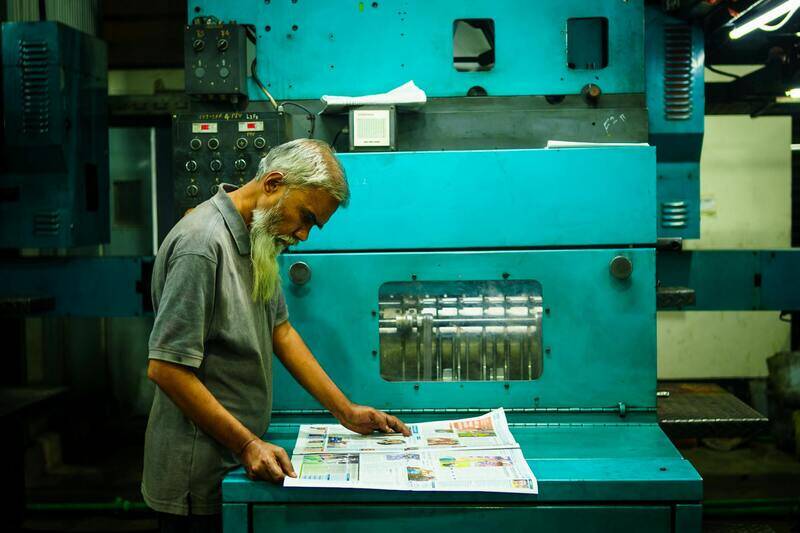
Both laser and inkjet methods offer distinct advantages that can be tailored based on the final display environment and artistic intent. For outdoor banners and signage, UV-resistant inks and weatherproof media are often incorporated into either printing process. Conversely, for fine art or gallery-quality displays, pigment-based inks paired with high-quality papers or fabrics maximize longevity and aesthetic appeal.
Employing Digital Proofing for Accurate Large Format Prints
To guarantee color consistency and accuracy in large format photography printing, digital proofing becomes an essential step. This process involves creating scaled test sections or smaller prototypes before committing to the full-sized print. Digital proofing allows for precise adjustments in color, contrast, and sharpness, ensuring that the final enlargement accurately reflects the photographer’s vision. It also helps identify potential issues like banding, color shifts, or media incompatibilities early in the production workflow.
Modern proofing techniques leverage soft-proofing calibration with high-quality monitors, affording a preview of how the completed print will appear across different media types. When combined with precise file preparation, such as color profiles embedded in TIFF or PDF formats, proofing ensures a high degree of confidence and satisfaction with the finished large format photographic print.
Understanding Large Format Photography Printing
Large format photography printing involves producing high-quality, oversized images that demand precision and expert handling to preserve detail, color fidelity, and longevity. This process caters to professional photographers, artists, galleries, and institutions seeking impactful visual displays. The core of successful large format printing lies in ensuring that digital files are meticulously prepared, and the chosen printing method aligns with the desired output quality.
Optimal file preparation starts with selecting the appropriate resolution. Typically, files should have a minimum of 300 DPI at the final print size to maintain crispness. However, for very large prints viewed from a distance, a lower DPI may suffice without compromising visual impact. Embedding color profiles like Adobe RGB or sRGB into the file guarantees consistent color reproduction across different devices and media. Additionally, flattening layers and removing unnecessary artifacts from images prevent unexpected printing issues. Color correction and soft-proofing are integral steps that simulate the final appearance on calibrated monitors, allowing adjustments before production begins.

When files are prepared with precision, they seamlessly translate into large prints that vividly represent the original vision. Combining this meticulous preparation with professional printing techniques—such as using advanced ink technologies and calibrated color management systems—renders stunning visuals that captivate viewers and stand the test of time.
Ensuring Quality through Calibration and Proofing
Color management plays a pivotal role in large format printing. It involves calibrating monitors and printers to a unified standard, thus enabling accurate color matching from screen to print. Utilizing high-quality ICC color profiles tailored for specific media and inks ensures consistency across various printing sessions.
Digital proofing serves as a crucial checkpoint before committing to the full-scale print. This process involves creating small, test sections or miniatures that mimic the final output. By evaluating these proofs, adjustments can be made to enhance color accuracy, contrast, and sharpness, preventing costly mistakes and ensuring the output aligns with artistic intentions.
Appropriate File Formats and Color Profiles
Choosing the right file format is essential. Lossless formats like TIFF or PDF are preferred because they retain maximum image quality and support embedding ICC profiles. These profiles facilitate precise color translation across devices, ensuring the final print reflects the original colors. Embedding profiles also aids soft-proofing, providing a realistic preview during file preparation—a vital step for achieving consistency.
For efficient workflow, maintaining a high bit-depth (at least 16-bit per channel) allows for a broader color gamut and smoother tonal gradations, especially in images with subtle color variations. Whether working with RAW files converted to TIFF or high-resolution PDFs, adherence to these standards ensures that the final large format print possesses exceptional detail and vibrancy.
Choosing the Right Workflow for Large Format Printing
A systematic workflow begins with accurate file preparation, including color profiling and soft-proofing, followed by selecting suitable media and inks to match the intended display environment. The printing process itself should involve calibrating the printer regularly to maintain color fidelity and consistency. Post-processing steps, such as mounting, framing, and sealing, further enhance the longevity and visual appeal of the finished piece.
Partnering with a professional printing service equipped with advanced technology ensures that each step—from file ingestion to final delivery—is handled with precision. This collaboration guarantees that the final product not only meets artistic expectations but also withstands environmental factors over time, whether it’s for gallery exhibitions, commercial displays, or personal collections.
Materials and Finishes for Large Photography Prints
When selecting materials for large format photography printing, the choice of substrate plays a pivotal role in the final appearance, durability, and suitability for specific display environments. High-quality printing mediums are designed to complement the image's details, color profile, and intended presentation context. Common substrates include photorag papers, canvas, acrylic panels, metal sheets, and PVC banners, each offering distinct aesthetic qualities and longevity.
Photographic papers, such as lustre, glossy, or matte finishes, are traditional choices that maintain color fidelity and showcase intricate detail. Lustre surfaces strike a balance between gloss and matte, reducing glare and fingerprint smudges, making them ideal for gallery displays. Glossy surfaces emphasize vibrancy and sharpness, suitable for images with rich color saturation, but they can be prone to reflections. Matte finishes offer a subdued look that minimizes glare, suitable for viewing in brightly lit spaces or for muted aesthetic preferences.
Canvas is favored for fine art reproductions and exhibits a textured appearance akin to traditional paintings. It offers excellent durability and can be stretched or framed easily, providing a classic look complemented by UV coatings that protect against fading. Acrylic prints, crafted by mounting photographic images onto Clear acrylic panels, provide depth and vibrancy, with the added benefit of a sleek, contemporary aesthetic and resistance to environmental elements. Metal prints, often made from aluminum sheets, deliver sharpness, high contrast, and an ultra-modern feel, perfect for impactful visual statements.
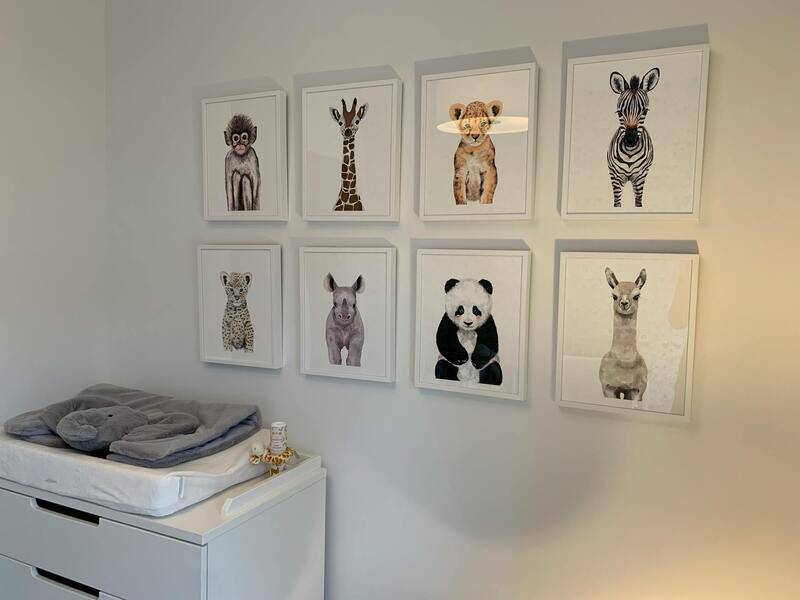
Beyond the choice of material, surface finishes and protective coatings further influence the longevity and visual appeal of large format photographs. UV coatings can enhance scratch resistance, while laminate layers protect against moisture and environmental pollutants. Textured finishes, such as silk or linen, can imbue the print with a tactile dimension, adding an artistic element to the presentation.
Finishing Techniques for Optimal Presentation
- Mounting: Proper mounting on rigid backing ensures flatness and prevents warping, especially for oversized prints. Foam core, gatorboard, or Dibond are popular options for lightweight yet sturdy support.
- Framing: Frames not only provide aesthetic enhancement but also protect edges. Custom frames, floater frames, or metal borders are chosen based on the artwork's style and display setting.
- Sealing and Coating: Applying protective coatings, such as gloss or matte varnishes, can enhance vibrancy and durability. For outdoor or high traffic displays, weather-resistant coatings are recommended to extend the lifespan of the print.
By carefully considering the material and finishing options, photographers can ensure that their large format prints not only amplify the visual impact of their images but also stand the test of time, maintaining their quality across various display environments and conditions.
Understanding Large Format Photography Printing
Large format photography printing is a specialized process that transforms high-resolution images into sizable, vibrant displays suitable for galleries, commercial signage, or impressive home decor. This method requires meticulous attention to detail, from selecting appropriate printing technologies and materials to ensuring color fidelity and image sharpness at large scales. The printing process involves expert handling of digital files, precise calibration of printers, and high-quality substrates to produce prints that retain the integrity and dynamic range of the original images.
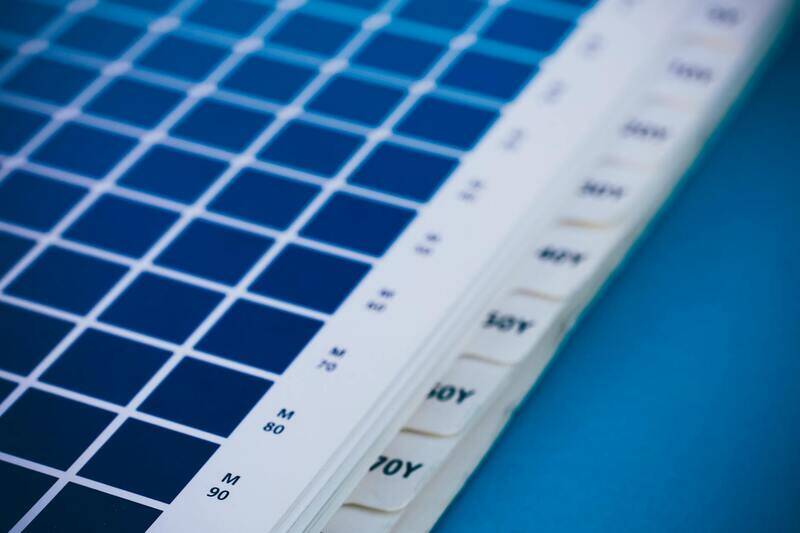
Achieving optimal results in large format printing begins with understanding the technical nuances of file preparation. It’s essential to work with high-resolution files, ideally 300 DPI or higher, to prevent pixelation and maintain details during enlargement. Color profiles must be meticulously managed, typically utilizing CMYK or Adobe RGB color spaces, to ensure consistent color reproduction across different media and lighting conditions. Equipment calibration, including color management workflows, is fundamental to producing prints that mirror the original digital images with accuracy and vibrancy.
Key Technical Considerations for Large Format Prints
- Resolution: Files should be prepared at resolutions suitable for the print size, often 300 DPI, to preserve fine details and sharpness.
- Color Profiles: Incorporate color management practices by embedding ICC profiles to align the digital file’s colors with the printer's output capabilities.
- File Format: Use archival quality formats such as TIFF or PDF that support lossless compression and preserve image data integrity.
- Scaling: Ensure vector elements or high-quality raster images are scaled without interpolation artifacts, maintaining clarity at large sizes.
Post-production enhancements, such as sharpening and contrast adjustments, should be applied with precision prior to printing, tailored to the specific substrate and desired aesthetic effect. These preparatory steps contribute significantly to an impactful final presentation that captures both technical quality and artistic intent.
Communication with Your Printing Service
Effective communication with your chosen printing provider is crucial. Convey detailed information about the intended display environment, preferred finishes, and any special considerations regarding color fidelity or substrate characteristics. Reputable services will often offer consultation on file specifications and proofing options, allowing adjustments before the final print run. Such collaborative approaches help prevent issues like mismatched colors, banding, or resolution loss, ensuring that the final large format print meets your expectations precisely.
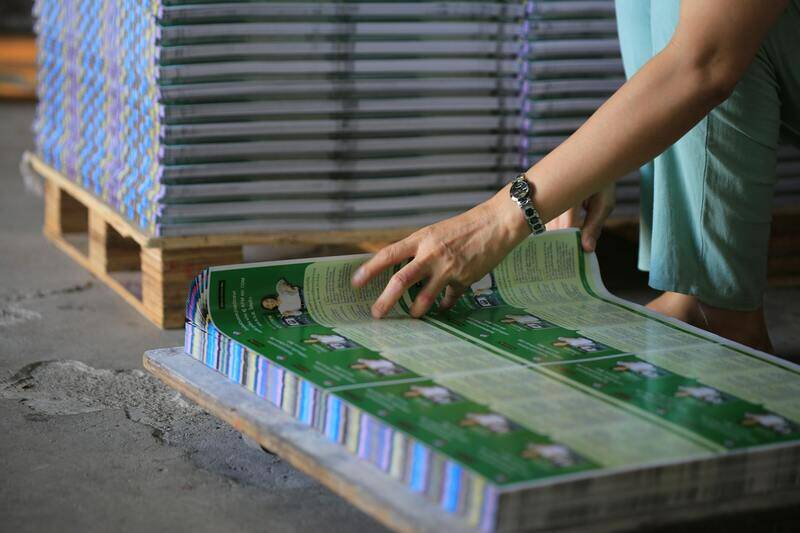
Choosing the right printing service also involves evaluating their equipment, materials, and quality assurance protocols. Modern large format printers utilizing advanced inkjet technology, coupled with archival-grade substrates, are essential to deliver vibrant, durable prints. It’s advantageous to select providers who adhere to consistent calibration routines, offer sample proofs, and utilize sustainable, fade-resistant inks. These practices collectively ensure a lasting display of your photographic artwork, whether for temporary exhibitions or permanent installations.
In preparing for your large format photography project, prioritize clarity in your digital files, communicate your specific display needs, and collaborate with experienced printing professionals. This comprehensive approach guarantees that your images translate effectively into impressive, high-quality large-scale prints that capture all the artistic detail, color nuance, and aesthetic impact intended by the original work.
Ensuring Authenticity through Certified Printing Methods
In the realm of large format photography printing, utilizing certified and official printing methods is crucial to achieving high-quality, durable results that truly reflect the artist’s vision. Certified printing facilities employ advanced workflows that adhere to strict standards, including calibrated color profiles, consistent ink formulations, and quality control protocols. These measures guarantee that each print maintains color accuracy, sharpness, and longevity over time. Professional large format printing services often use OEM-certified inks and substrates, which have been rigorously tested for color consistency and archival qualities. Such certifications ensure the inks and materials applied meet industry standards for fade resistance, water-proofing, and chemical stability. This, in turn, preserves the integrity of your photographic artwork for decades. Moreover, reputable printing providers routinely participate in quality assurance processes, including color proofing and testing, to verify that the output aligns with the digital original. These procedures involve detailed checks for resolution fidelity, color matching, and substrate compatibility, thereby minimizing the potential for discrepancies or defects. By choosing authentic methods, photographers can confidently present their work with the assurance that it has been produced using recognized, proven techniques. Certification also extends to the equipment itself. High-end large format printers utilized in professional environments are assembled with recent technology—such as precision piezoelectric or thermal inkjet heads—and are regularly calibrated to maintain consistent output. This calibration and maintenance schedule ensures that every print accurately reproduces the original image's tonal range and intricate details. The utilization of environmentally sustainable and safe certification standards is increasingly relevant. Certified processes often involve the use of environmentally friendly inks and substrates that meet strict environmental norms, reducing harmful emissions and ensuring user and environmental safety without compromising print quality. For discerning clients seeking assurance, many printing services offer comprehensive quality documentation and certifications that detail their processes, materials, and compliance with industry benchmarks. These credentials serve as a testament to their commitment to excellence and reliability, providing peace of mind to artists, galleries, and collectors. Additional benefits of choosing certified printing methods include access to expert consultation on file preparation, proofing options, and substrate selections. Experienced technicians can advise on optimal image resolution, color profiles, and finishing techniques tailored to specific display environments or artistic goals. Finally, transparency in the printing process reinforces trust and enables collaborative refinement, which is vital when producing large-scale work that demands meticulous attention to detail. Clients are encouraged to inquire about a provider’s certifications, quality control protocols, and adherence to recognized standards before proceeding with their projects.