
Print Your Own Cards: A Complete Guide to Creating Customized Cards at Home and Professionally
In today's digital age, the desire for tangible, personalized cards remains strong. Whether you're crafting unique greeting cards, professional business cards, personalized postcards, or elegant invitations, the ability to print your own cards offers unmatched flexibility, creativity, and control. This guide explores the official methods and professional resources available to help you produce high-quality, customized cards, ensuring your ideas come to life with clarity and sophistication.
Types of Cards You Can Print Yourself
Printing your own cards encompasses a broad range of options, each serving distinct purposes:
- Greeting Cards: Perfect for holidays, birthdays, or special occasions, personalized greeting cards allow you to incorporate your own messages and designs, making each card meaningful.
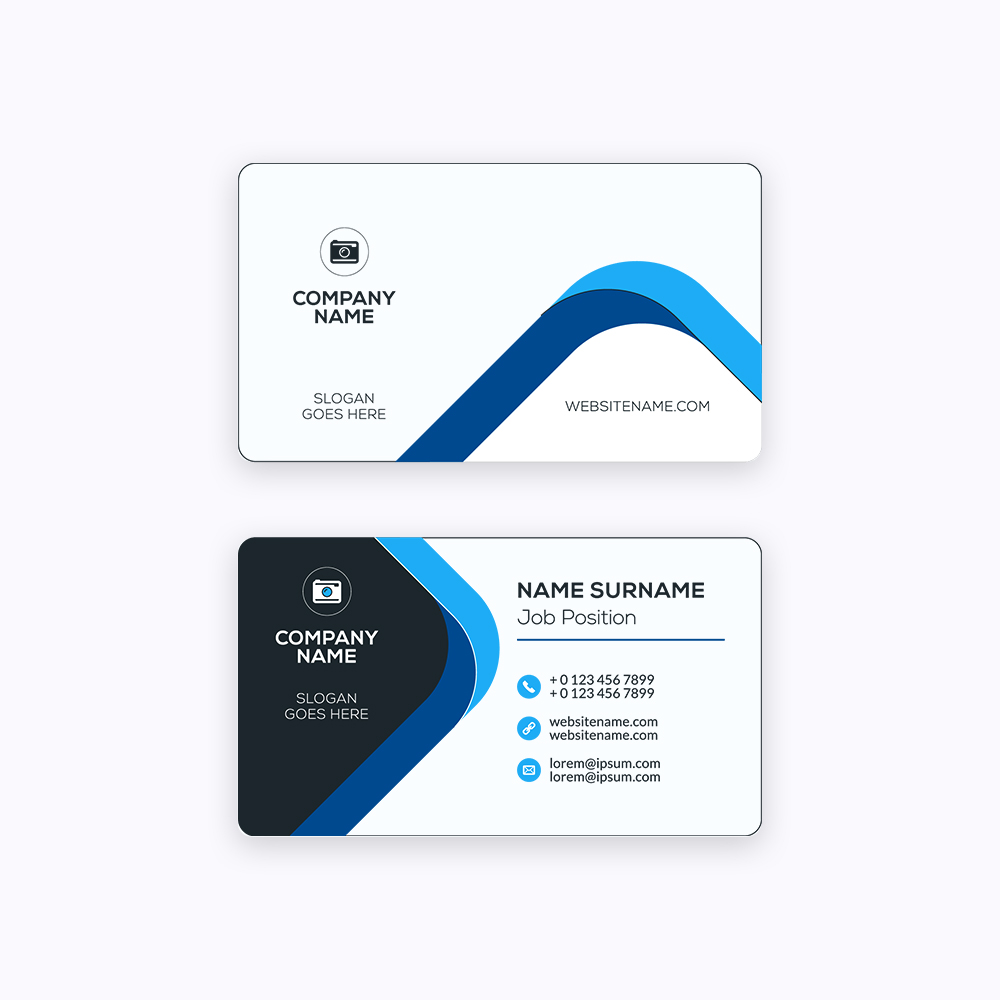
- Business Cards: Professional and sleek, custom business cards are vital for networking and branding efforts, showcasing your contact details and visual identity.
- Postcards: Great for marketing campaigns or personal travel notes, postcards can be customized with images and messages tailored to your audience.
- Invitations: From weddings to corporate events, creating invitations at home enables detailed customization, reflecting the theme and tone of your event.
Designing Your Custom Cards
The foundation of any high-quality self-printed card lies in effective design. Use reputable design software such as Adobe Photoshop, Illustrator, or user-friendly platforms like Canva, which provide templates tailored for different card types. When designing your cards, pay attention to:
- Resolution: Ensure your images are at least 300 DPI for crisp printing.
- Color Mode: Work in CMYK mode for accurate color reproduction.
- Layout: Maintain balanced margins and avoid overcrowding text or images.
- Font Choices: Select legible, professional fonts aligned with your theme.
For those lacking design experience, many online platforms offer customizable templates that make creating professional-looking cards straightforward, ensuring your personal or brand identity shines through in every print.
Choosing the Right Materials and Finishes
The material selection significantly influences the tactile and visual impact of your cards. Options include:
- Cardstock: A sturdy paper ideal for business cards and invitations, available in various weights (measured in GSM).
- Matte Finish: Reduces glare and provides an elegant, understated appearance.
- Glossy Finish: Enhances colors and adds vibrancy, excellent for photo-rich designs.
- Special Textures: Raised, linen, or textured finishes add a unique touch to your cards.
Matching your design with suitable materials and finishes elevates the perceived quality and aligns with your purpose.

Printing Options and Methods
Multiple professional printing methods are available to achieve desired effects:
- Digital Printing: Suitable for small to medium runs, digital printing offers quick turnaround times and vibrant colors.
- Offset Printing: Ideal for larger quantities, offset printing ensures consistent quality and cost-effectiveness at scale.
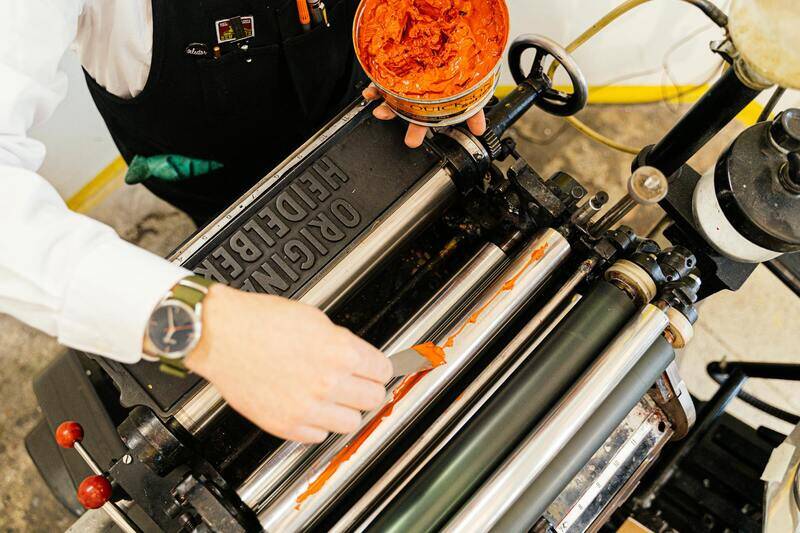
- Letterpress and Embossing: Adds texture and elegance, perfect for high-end invitations.
- Spot UV and Lamination: Provides shiny accents or protective layers for durability and aesthetic enhancement.
When choosing a printing method, consider the volume, budget, and desired quality to select the most appropriate approach.
Tools and Equipment for Printing Cards at Home
If you wish to print cards personally, investing in reliable tools is essential. Basic equipment includes:
- High-quality color printer capable of handling thick cardstock
- Cutting tools such as guillotine or customizing paper trimmers for precise edges
- Design software for creating or editing your card layouts
- Calibration tools to ensure colors replicate accurately
While home printing offers convenience, it requires careful attention to printer settings and material compatibility to ensure professional results.
Tips for Successful Card Printing
Achieving optimal quality involves meticulous preparation:
- Use high-resolution files to prevent pixelation.
- Test print on standard paper before using costly materials.
- Adjust printer settings for paper type and quality.
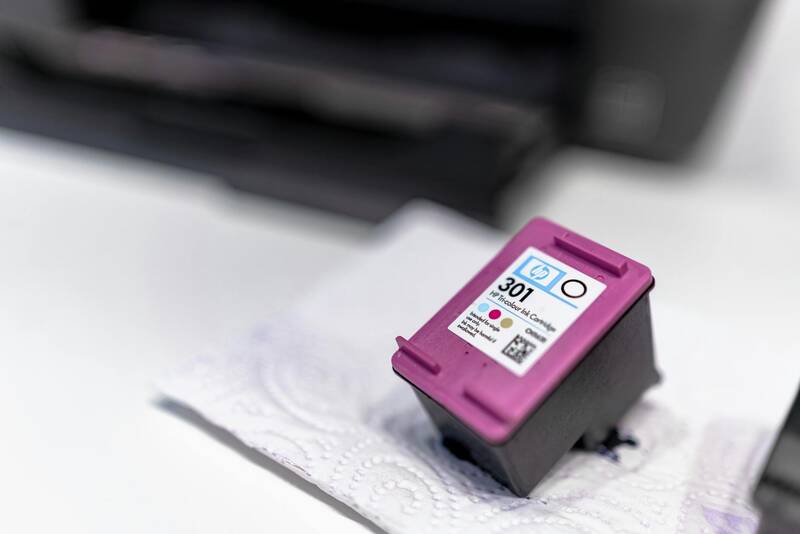
- Ensure your printer's ink cartridges are full and compatible with your paper.
- Consider professional finishing services like coating or lamination to enhance durability.
Maintaining consistency across prints is crucial, especially for branding or event invitations, where uniformity conveys professionalism.
Environmental Considerations and Eco-Friendly Options
Eco-conscious choices in card printing involve selecting sustainable materials such as recycled paper or FSC-certified cardstock. Additionally, using soy-based inks reduces environmental impact. Some print providers offer environmentally friendly coatings and finishing options, enabling you to produce beautiful, responsible cards without compromising quality.

Where to Print Your Own Cards Professionally
For those who prefer professional quality without the hassle of producing images and prints at home, reputable printing services provide a comprehensive solution. Many companies offer online platforms where you can upload your designs, select materials, and customize finishes, ensuring a polished final product. They also provide guidance on optimal file preparation and material selection to achieve your vision.
Utilizing professional printing facilities ensures consistency, color accuracy, and a refined appearance that reflects the craftsmanship behind high-quality cards.
Types of Cards You Can Print Yourself
Standard Greeting and Invitation Cards
One of the most common types of cards produced through self-printing are standard greeting and invitation cards. These include birthday cards, holiday greetings, wedding invitations, and event announcements. They are typically printed on lightweight yet sturdy cardstock, with dimensions such as 4x6 inches, 5x7 inches, or 6x8 inches, to accommodate various designs and envelopes. Using personal printers, individuals can customize these cards with vibrant images, personalized messages, and unique fonts, creating a professional look without the need for outsourcing.
Business and Promotional Cards
For professionals and small business owners, printing your own business cards, promotional flyers, and event passes offers considerable flexibility and cost savings. Business cards typically feature bold branding, contact details, and custom graphics, which can be easily designed and printed at home or in-office with high-quality color printers. Promotional materials, such as coupons, membership cards, or loyalty cards, can also be produced, allowing precise control over quantity, style, and messaging. This approach encourages quick iteration and personalized touches that resonate with target audiences.
Specialty and Custom Decks
Creative enthusiasts and game developers often print specialty cards, such as custom tarot decks, playing cards, or collectible trading cards. These require durable materials and often metallic or textured finishes, which can be achieved through specialized printing techniques. Many desktop printers support custom sizes and finishes, and with the addition of lamination or coating, these cards gain enhanced durability and visual appeal. This open environment encourages experimentation with different designs, motifs, and themes, making it an excellent choice for hobbyists and artists.
Educational and Informational Cards
Teachers, trainers, and educators can benefit from printing their own flashcards, study aids, or informational guides. These cards often use clear, easy-to-read layouts with bold headings, diagrams, and images to facilitate learning. Self-printed educational cards can be produced in bulk, customized for specific curricula, and adapted easily for different age groups or subjects. They are ideal for classroom activities, training sessions, or workshops, providing a flexible, cost-effective resource for interactive learning experiences.
Artistic and Decorative Cards
Artists and graphic designers frequently utilize personal printing options to create artistic cards such as thank you notes, note cards, or decorative pieces. Employing premium cardstock, textured papers, and specialty inks, individuals can produce unique cards that serve as both functional items and pieces of art. Techniques like letterpress, foil stamping, or textured finishes can be integrated through select printing methods, elevating the visual quality of their creations. These cards are often used in galleries, craft fairs, or as personalized gifts.
DIY and Photographic Cards
Photographers and hobbyists may print their own photographic cards, such as photo bookmarks, postcards, or keepsake prints. High-resolution images printed on glossy or matte photo paper ensure vibrant, detailed representations of cherished moments. Self-printed photographic cards can be customized with captions, borders, or artistic effects, making them ideal for personal collections or as personalized merchandise. For quality results, choosing the right paper type and printer settings is vital to accurately reproduce colors and details.
Summary
- Greeting and invitation cards for personal celebrations and events
- Business cards and promotional materials for brand outreach
- Custom decks for gaming, tarot, or collectibles
- Educational flashcards and study aids
- Artistic, decorative, and greeting cards for gifts and personal projects
- Photographic cards for keepsakes and personal expression
Choosing the right type of card to print yourself involves assessing the purpose, desired quality, and material compatibility. Utilizing a range of printable cardstock options, finishing techniques, and design tools allows for a tailored, high-quality output that meets specific needs, whether for personal use, professional branding, or creative pursuits.
Types of cards you can print yourself
Self-printing a variety of card types opens up numerous creative and professional opportunities whether for personal use, promotional activities, or artistic projects. The most common categories include greeting and invitation cards, business cards, photographic cards, educational flashcards, and decorative accessories. Each type benefits from specific design considerations and material choices to optimize their visual impact and functionality.
Greeting and invitation cards
Ideal for personal celebrations, corporate events, and social gatherings, these cards can be tailored with custom messages, images, and designs. Choosing a suitable cardstock—such as textured or smooth finish—and incorporating embellishments like foil or spot UV can elevate their appearance. When printing these cards at home, selecting high-quality paper and appropriate printer settings ensures vivid colors and clean edges.
Business and promotional cards
Business cards serve as essential tools for branding and professional networking. Printing your own business cards allows for quick updates and customization, including logos, contact details, and design elements tailored to your brand identity. High-grade cardstock with matte or gloss finishes imparts a polished look, making a memorable impression on clients and partners. Additionally, promotional cards such as flyers or mini posters can extend marketing efforts with targeted messaging and engaging visuals.
Photographic and keepsake cards
Photographers and hobbyists often produce photographic cards such as postcards, photo bookmarks, or keepsake prints. High-resolution images printed on glossy or matte photo paper reveal vibrant, detailed representations of cherished moments. These cards can be customized with borders, captions, or artistic effects to add a personal touch or enhance visual appeal. Proper paper selection and printer calibration are vital in achieving accurate color reproduction and crisp details.
Educational and interactive cards
For educational purposes, printable flashcards, study aids, and interactive cards are popular. These are often used in classrooms or for self-study, requiring durable cardstock for longevity or laminated finishes for added durability. Custom illustrations, clear typography, and engaging layouts contribute to effective learning tools. Printing these at home enables educators and learners to produce tailored materials efficiently, adapting designs to specific curricula or individual needs.
Decorative and artistic cards
Artistic, decorative, and greeting cards serve as versatile outlets for personal expression or gifting. Artists may print their works on textured or specialty papers, including textured finishes, embossed effects, or metallic foils. These cards are often used in galleries, craft fairs, or as personalized gifts. Incorporating artistic effects through select printing techniques can significantly enhance the perceived value and aesthetic appeal.
In selecting the right type of card to print, consider the intended purpose, audience, and desired visual impact. Whether for professional branding, personal expression, or educational use, the flexibility to customize design elements, choose appropriate materials, and utilize quality printing methods allows for impressive results achievable within a home or small business setup.
Types of Cards You Can Print Yourself
When exploring options to create personalized cards from the comfort of your home or small-scale setup, it is essential to understand the variety of card types suitable for DIY printing projects. Each type serves a specific purpose, with tailored material requirements and printing techniques to achieve optimal results.
Business and Professional Cards
These are classic tools for networking, branding, and marketing. They typically feature a compact size, often 3.5 x 2 inches, and are designed to convey contact information effectively. Printing high-quality business cards involves selecting premium cardstock, such as coated or matte finishes, to ensure durability and a professional appearance. When printing at home, using a high-resolution color printer capable of handling thick cardstock is critical to produce sharp images and crisp text.
Greeting and Holiday Cards
Personalized greeting cards are popular for special occasions, holidays, or personal messages. These cards can range in size from A6 (4.5 x 6.25 inches) to larger formats like 5 x 7 inches. If printing these at home, choosing heavier cardstock with suitable finishes, such as matte, glossy, or textured options, enhances the aesthetic and tactile experience. Incorporating decorative elements like foil accents or embossed textures further elevates their appeal, especially when print methods support such features.
Educational and Interactive Cards
Printable flashcards, puzzles, and activity cards are widely used in classrooms and for self-education. These often require durable, thick cardstock to withstand handling over time. Laminated finishes are highly recommended for longevity, especially for interactive or reusable educational tools. When designing these cards, clarity of typography and engaging graphics are vital components that can be optimized through proper printing techniques, ensuring they serve their purpose effectively.
Artistic and Decorative Cards
Artistic cards, including handmade-style greeting or display cards, utilize textured papers or specialty finishes such as metallic foils and embossed effects to add a premium touch. For DIY projects, selecting textured or matte papers with vibrant color reproduction capabilities allows artists and crafters to produce visually striking pieces. Leveraging specialty printing techniques, like letterpress or foil stamping, can also be simulated with compatible home printers, reinforcing artistic expression.
When choosing the type of card to produce, consider the intended audience and purpose. Whether for professional branding, personal gestures, or educational tools, matching the material and design complexity to your resources ensures the best outcome. Using appropriate cardstock, design software, and printing equipment enhances the quality and impact of the finished product.
Additional Considerations
- Evaluate the compatibility of your printer with thick cardstock to avoid jams and ensure crispness.
- Opt for high-quality, color-accurate printers or professional-grade output to preserve design integrity.
- Explore specialty papers and finishes to add unique tactile or visual effects.
- Maintain proper printer settings aligned with your chosen materials to prevent misalignment or smudging.
Types of cards you can print yourself
When engaging in DIY card printing, a variety of card types can be produced to suit different occasions and purposes. The most common categories include greeting cards, business cards, invitation cards, and specialty craft cards. Each type requires specific considerations regarding design, material, and printing techniques to achieve optimal results.
Greeting Cards
Greeting cards are ideal for personal occasions such as birthdays, holidays, or expressions of gratitude. They typically feature personalized messages and vibrant visuals. Using high-quality cardstock with textured or matte finishes enhances the tactile experience. Incorporating foil accents or embossing can add a luxurious feel, which can often be simulated through advanced home printing options or professional-grade equipment.
Business and Professional Cards
Business cards are crucial for networking and branding. Printing these at home allows for customization and quick turnover. Matte or gloss finishes on sturdy cardstock give a professional appearance. Design elements such as logos, contact details, and graphics should be crisp and clear. For a premium look, options like spot UV coating or foil stamping, though typically associated with professional printers, can also be mimicked with specialized pens or adhesive foils.
Invitation Cards
Invitation cards for weddings, events, or parties benefit greatly from elegant designs and durable materials. When printing at home, selecting thicker cardstock with smooth finishes ensures durability and a refined look. Incorporating embellishments like embossed patterns or metallic inks enhances their appeal and helps create a memorable impression for recipients.
Specialty and Craft Cards
For creative projects, specialty cards such as handmade-style greeting cards, educational flashcards, or decorative layered cards can be printed using textured papers or specialty finishes. Techniques like die-cutting or layering can add dimensionality. These cards often serve decorative or artistic purposes and benefit from using textured or matte papers, as well as embossing or foil accents simulated with suitable home tools.
Consideration for each card type:
- Material: Choose appropriate cardstock thickness and finish for durability and aesthetic appeal.
- Design: Keep layouts simple for quick printing or intricate for special projects, ensuring high resolution for sharp details.
- Finish: Matte, gloss, or textured finishes can significantly influence the overall look and feel of your cards.
By understanding the specific needs of each card type and selecting the right materials and design features, you can produce professional-quality cards that effectively communicate your message and leave a lasting impression.
Types of cards you can print yourself
When embarking on the journey to produce your own cards, selecting the appropriate card type is essential to achieving professional results. Among the most popular options are greeting cards, invitation cards, business cards, and specialty craft cards. Each serves a unique purpose and requires specific considerations regarding materials and printing methods. Recognizing the differences among these types ensures you choose the best approach for your needs.
Greeting Cards
Greeting cards are versatile tools for personal expressions, marketing, or gifting. They typically feature decorative designs, personalized messages, and can be customized for holidays, special occasions, or business promotions. Using high-quality cardstock with smooth or textured finishes enhances their visual appeal and tactile experience. Digital printing methods, such as inkjet or laser, are well-suited for vibrant colors and detailed graphics on greeting cards.
Invitation Cards
Invitation cards are crucial components of event planning, from weddings and parties to corporate conferences. They often require elegant designs with intricate details. Thick, matte, or gloss finish cardstock can evoke sophistication, while specialty papers like pearlescent or textured options add a premium feel. When printing at home, precise cutting and adhering to high-resolution image requirements ensure your invitations stand out. Consider incorporating embellishments like foil accents or embossing for a luxe appearance.
Business Cards
Business cards serve as a fundamental networking tool, requiring clarity, professionalism, and durability. Opt for sturdy cardstock with a smooth or matte finish to communicate credibility. Precision in layout and the use of high-resolution logo files are critical for maintaining brand integrity. Printing methods such as single or double-sided digital printing allow for crisp text and sharp images, ensuring your contact details are communicated effectively.
Specialty and Craft Cards
For creative projects, specialty cards like handmade-style greeting cards, educational flashcards, or layered decorative cards are ideal. These cards often utilize textured or thick cardstock, with techniques like die-cutting or layering to add dimensionality. Embossing, foil stamping, or metallic inks can be simulated at home with certain tools, elevating artistic projects beyond standard printing. Texture and finish choices play a significant role in achieving the desired visual and tactile effects.
Considerations for different card types
- Material: Picking the right cardstock thickness and finish affects durability and presentation.
- Design: Keep layouts simple for quick prints or intricate for detailed projects. Ensure high resolution for sharp details.
- Finish: Matte, gloss, or textured finishes significantly influence the visual and tactile quality of your cards.
Understanding the specific requirements of each card type helps tailor your printing process to achieve professional results that communicate your message effectively. Whether creating a small batch of artisanal greeting cards or professional business cards, choosing the right materials, design, and techniques is fundamental.
Types of cards you can print yourself
When embarking on the journey of printing your own cards, understanding the variety of card types available is essential to achieving professional results tailored to your needs. From basic business cards to elaborate event invitations, each type offers unique features and practical applications.
Business Cards
Arguably the most common card printed independently, business cards serve as portable representations of your brand or identity. They typically feature contact information, logo, and company details. Using high-quality cardstock with precise cutting methods can elevate their perceived value. Home printing options often include customizable templates suitable for various industries, ensuring your card stands out.
Greeting and Invitation Cards
Celebratory occasions like birthdays, weddings, or corporate events benefit from personalized greeting and invitation cards. These cards often incorporate decorative elements and vibrant designs. With digital printing tools, you can add high-resolution images, custom messages, and unique layouts. The versatility of your design options makes it easy to tailor templates to fit the event theme.
Educational and Flashcards
Ideal for educators and parents, printable flashcards facilitate learning and engagement. They can feature images, words, or facts, printed on durable cardstock for repeated use. Self-printing allows for quick updates and customization to focus on specific topics or subjects, making educational materials both flexible and cost-effective.
Artistic and Decorative Cards
For craft enthusiasts and artists, creating layered, textured, or embossed cards is achievable with specialized techniques. Handmade-style greeting cards, layered art pieces, or textured stationery can be produced at home with the right materials and tools. These can include layered paper, metallic accents, or embossed patterns, adding tactile appeal.
Promotional and Marketing Cards
Custom flyers, promotional cards, or sample packs can be printed in-house for targeted marketing campaigns. Using appropriate finishes like gloss or matte can make your promotional materials more appealing. Incorporating QR codes or custom graphics ensures your marketing cards are not only eye-catching but also functional.
Reward and Loyalty Cards
Businesses aiming to build customer loyalty often opt to print their own reward or membership cards. These cards require durable materials to withstand frequent handling. Printing at home allows for custom designs with barcodes, serial numbers, or contactless features, depending on the available tools and materials.
Considering Customization for Different Card Types
- Material Selection: Thicker cardstock and specialty finishes enhance durability and visual appeal, especially for premium cards like business or promotional cards.
- Design Complexity: Keep layouts simple for quick home production or incorporate intricate details for artistic projects. Utilize high-resolution images for sharp results.
- Finish Options: Matte, gloss, or textured surfaces can dramatically influence the final look and tactile experience of your cards.
Choosing the appropriate card type depends on your purpose and desired presentation. By understanding the options and customizing your approach, you can produce professional-grade cards that fulfill your specific needs, whether for personal projects, business use, or creative endeavors.
Types of cards you can print yourself
Home printing offers a versatile array of card options suitable for personal, professional, and creative projects. Popular types include business cards, greeting cards, invitations, loyalty cards, and promotional flyers. Each type serves a specific purpose and can be customized to match individual or brand identity.
Business cards remain a staple for professionals aiming to make a memorable first impression. They can be designed in various styles, from classic to modern, and printed using high-quality cardstock to ensure durability and elegance. Greeting cards, ranging from personal to promotional, allow for expressive designs and are ideal for special occasions or marketing campaigns. Invitations for events like weddings or corporate gatherings can also be printed at home, allowing for elaborate designs with personalized touches.
Designing your custom cards
Effective card design begins with understanding your purpose and target audience. Use professional graphic design software or user-friendly online design tools to craft layouts that are both visually appealing and aligned with your branding. Incorporate high-resolution images, consistent color schemes, and clear typography to ensure a polished look. Keep complexity in mind; simple yet impactful designs often translate better when printing at home.
Consider including essential information such as contact details, event specifics, or promotional messages. For promotional or business cards, adding QR codes, serial numbers, or contactless features can enhance functionality. Test your designs by printing sample copies to verify color accuracy, layout alignment, and overall appearance before proceeding with larger batches.
Choosing the right materials and finishes
Material selection significantly influences the final look and durability of your cards. Standard cardstock, typically 14pt or 16pt, offers a balance between flexibility and sturdiness. For a premium feel, consider thicker options like 32pt or specialty textured papers. These materials can withstand handling and convey a sense of quality.
Finish options such as matte, gloss, or soft-touch coatings add tactile appeal and visual depth. Matte finishes reduce glare and are excellent for readability, while gloss provides a vibrant, eye-catching shine, suitable for colorful designs. Textured finishes, including linen or embossing, can add a sophisticated touch that sets your cards apart.
Printing options and methods
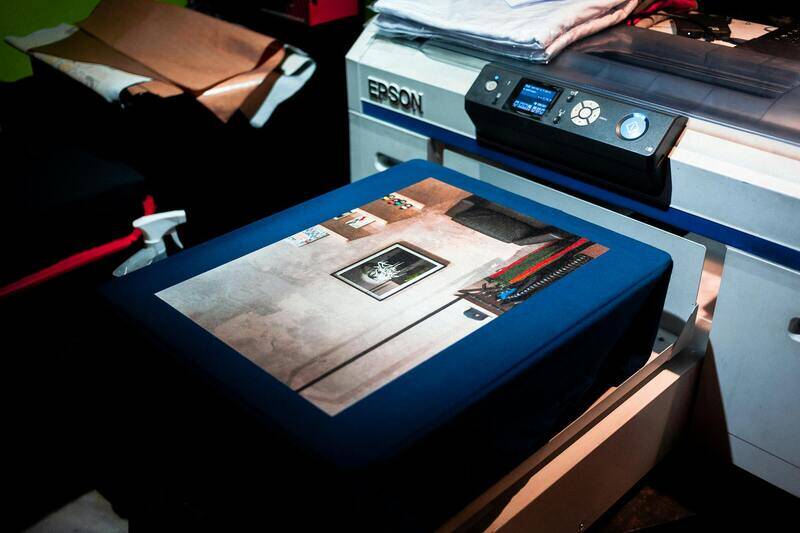
Home printing of cards typically involves inkjet or laser printers compatible with thick papers. Inkjet printers excel at rich color reproduction for photos and detailed graphics, whereas laser printers offer sharp text and faster output rates. For better quality, utilize high-resolution settings and quality ink or toner.
Specialized printing techniques like thermal transfer, foil stamping, or dry embossing can be achieved with advanced home equipment or by partnering with professional printers. These methods are ideal for adding metallic accents or textured finishes that enhance the tactile experience. Ensure your printer supports the chosen paper weight and finish to avoid jams or print quality issues.
Tools and equipment for printing cards at home
The essential equipment includes a reliable high-resolution printer capable of handling thick cardstock, sharp scissors or paper cutters for clean edges, and cutting mats for safety and precision. Additionally, utilize quality paper trimmers, corner rounders, or punchers to achieve professional edges and shapes.
For elaborate designs, laminators, foil applicators, or embossing tools can be incorporated into your workspace. Maintaining proper setup, including correct paper feeding and settings adjustments, ensures consistent results across all projects.
Tips for successful card printing
- Always use the highest quality paper suited for your printer to avoid jams and smudges.
- Perform test prints on plain paper to verify layout, color, and bleed settings.
- Avoid overcrowded designs; leave ample margins and clear spacing for a professional appearance.
- Allow ink to dry completely before handling, especially with inkjet prints, to prevent smudging.
- Use proper trimming techniques to ensure clean, straight edges and consistent dimensions.
- Consider protective coatings or laminations for cards that will see frequent handling or outdoor use.
Environmental considerations and eco-friendly options
Sustainable printing practices can be incorporated into your card printing projects by selecting eco-friendly materials and inks. Look for recycled or FSC-certified paper options that reduce environmental impact without compromising quality. Water-based or soy-based inks are less harmful and environmentally friendly alternatives to traditional solvent-based inks.
Additionally, using digital files for printing reduces waste associated with excess materials, and opting for biodegradable or compostable coatings can further minimize ecological footprints. When printing in bulk, consider environmentally conscious printing services that prioritize sustainability and energy efficiency, ensuring your projects align with responsible resource management.
