

Introduction to Large Picture Printing
Large picture printing has become an essential component in various industries, including advertising, interior decoration, event planning, and corporate branding. This specialized process involves creating expansive visual displays that convey messages, enhance aesthetics, or serve as focal points within a space. The ability to produce high-quality, large-format images enables businesses and individuals to make impactful visual statements that are both striking and memorable.
The applications of large picture printing are diverse, ranging from expansive murals and wall coverings to intricate backdrops for exhibitions and trade shows. The technology allows for the reproduction of detailed images at enormous scales without losing clarity or vibrancy. Consequently, the importance of superior quality in large-format printing cannot be overstated, as it directly influences the effectiveness and visual appeal of the final product.
When considering large picture printing, it is crucial to evaluate the intended environment and purpose. Whether aimed at creating a statement piece in a corporate office or a decorative element in a retail space, the choice of materials, printing technology, and design quality plays a pivotal role. High-resolution images, color accuracy, and durability are vital parameters that determine the success of large-format visual displays.
Another key aspect of large picture printing is its adaptability to various surfaces and substrates. From traditional paper-based media to more innovative materials like vinyl, canvas, or fabric, the possibilities are extensive. Proper consideration of these factors ensures that the final output aligns with the project’s aesthetic goals while maintaining long-term integrity and visual impact.
Moreover, the process involves meticulous planning and preparation. The translation of digital images into large-scale prints demands precise file preparation, including formatting, resolution adjustment, and color management. Selecting a capable printing service that adheres to rigorous standards guarantees that the end product meets professional expectations and industry benchmarks.
In summary, large picture printing is a sophisticated blend of technology, material science, and artistic vision. Its capability to transform digital images into imposing, high-quality visuals makes it an indispensable resource for impactful communication and design. As the demand for large-scale visual displays continues to grow, understanding the fundamentals and selecting the right methods and materials are critical steps toward achieving optimum results.
Methods of Ensuring Quality and Accuracy in Large Picture Printing
Achieving impeccable quality in large picture printing hinges on rigorous pre-press procedures and the utilization of precise printing methods. Before commencing the printing process, preparation begins with accurate color calibration. Professional printers employ advanced color management systems, including ICC profiles, to replicate colors faithfully from digital designs to printed outputs. This ensures that the hues, tones, and contrasts reflect the original digital image, maintaining the integrity and visual impact of the artwork or promotional material.
Furthermore, resolution plays a decisive role in the clarity of large-format prints. Digital images intended for large display should ideally possess a resolution of at least 150-300 DPI at the final print size. Proper file preparation involves upscaling or adjusting images without sacrificing detail, which is supported by advanced image editing software. This ensures the resulting print is sharp, detailed, and free from pixelation, regardless of its size.
Color Management and Proofing
Implementing meticulous color management involves creating proofing samples before committing to the full-scale print. Proofs serve as a tangible preview, allowing adjustments to color accuracy, contrast, and saturation. Digital proofing tools further aid in previewing how the final print will appear under different lighting conditions and environmental settings. This step minimizes errors and aligns expectations, especially for critical branding or artistic projects.
Durability and Material Considerations
High-quality large picture printing also depends on selecting suitable materials that enhance durability and aesthetic value. For indoor displays, options such as high-grade canvas, vinyl, or fine art paper provide vibrant colors and longevity. For outdoor applications, weather-resistant properties are essential, making materials like vinyl with lamination more appropriate. The printing process itself should incorporate protective coatings such as ultraviolet (UV) coatings or laminates to shield against fading, moisture, and physical wear.
Advanced Printing Technologies for Precision
Many professional printing services utilize advanced printing technologies, like UV-curable or eco-solvent inkjet systems. These methods offer exceptional precision, color accuracy, and faster curing times, resulting in vibrant, long-lasting images. UV printing, in particular, allows for printing directly onto rigid surfaces without the need for additional mounting, making it ideal for signage and large art reproductions. Eco-solvent printers, on the other hand, provide environmentally friendly options with reduced VOC emissions, while maintaining high quality output.
Ensuring Consistency in Large Projects
For projects requiring multiple large prints, consistency becomes paramount. Professional services adopt standardized workflows, including job tracking and repetitive color calibration, to guarantee uniformity across all outputs. Regular maintenance of printing equipment, including calibration and hardware checks, also ensures each print meets the desired standards, preventing color shifts or resolution discrepancies.
Post-Printing Inspection
After printing, a thorough inspection process is undertaken. High-resolution visual checks identify issues such as color mismatches, banding, or print defects. Consistent quality checks guarantee that each large-format print aligns with the project specifications before delivery or installation. This step is essential to uphold professionalism and client satisfaction, especially in high-stakes commercial or artistic projects.
Official Methods for Large Picture Printing
To ensure the highest quality and authenticity in large picture printing, it is essential to utilize certified processes and trusted printing channels. Reputable printing companies employ advanced, authorized technology such as UV-curable and eco-solvent inkjet printers, which are calibrated regularly to produce accurate colors and sharp images. These methods are recognized by industry standards for their durability and vibrancy, making them ideal for high-resolution displays or artistic reproductions.
Prior to printing, official providers strictly adhere to comprehensive file preparation guidelines. This includes using high-resolution images, ideally 300 DPI or higher, and ensuring that files are in suitable formats such as TIFF or PDF. Designed with the final size in mind, files are often pre-processed with color profiles embedded to match the printing system’s color management workflows. This standardization minimizes discrepancies and guarantees that the final output reflects the original design intent.

To uphold quality consistency, legitimate print services implement thorough pre-press procedures. These involve color calibration, proofing, and proof approvals. Clients may request physical or digital proofs for review, allowing for precise adjustments before final production. Routine maintenance of printing equipment, including calibration scans and hardware checks, is also routinely conducted by authorized providers to prevent issues such as color shifts or resolution loss. These practices ensure that large prints meet exact specifications and exhibit consistent, premium results across multiple projects.
Proper Techniques and Procedures
- Color Management: Employing color profiles and calibrations to maintain color fidelity across different prints and surfaces.
- High-Resolution Files: Submitting images with a minimum of 300 DPI, formatted correctly with embedded color profiles to ensure sharpness and accurate reproduction.
- Material Calibration: Adjusting printer settings according to the specific substrate to optimize adhesion, vibrancy, and image longevity.
- Proofing Processes: Creating proof prints for client approval, allowing detailed assessments of colors, resolution, and overall appearance before final production.
- Hardware Maintenance: Regular calibration and servicing of printing equipment to sustain output quality and avoid inconsistencies.
Utilizing Trusted Materials and Surfaces
Authentic large picture printing involves selecting high-quality substrates and materials compatible with the printing technology used. These include premium vinyl, canvas, metal panels, and fabric options, each suited for specific display environments or artistic effects. Using officially sourced materials ensures surface uniformity and longevity, preserving the vibrance and structural integrity of the final product.
Quality materials not only impact visual appeal but also influence durability against environmental factors such as UV exposure, moisture, and physical handling. Certified suppliers provide these substrates under specifications that match printer capabilities, thereby reducing the risk of defects or surface imperfections. This meticulous matching guarantees vibrant, durable large-format prints for professional or personal installations.
Implementing Recommended Procedures for Prominent Results
Adherence to official and proven procedures elevates the final outcome of large picture printing projects. This includes Edge-to-Edge Printing for seamless visuals, ensuring proper calibration for wide-format outputs, and using advanced finishing techniques such as lamination or protective coatings. These steps not only enhance aesthetic appeal but also extend the lifespan of the print, maintaining color vibrancy and structural integrity over time. By following these best practices, clients and providers alike can achieve impressive results that withstand the test of time and environmental stressors.
Design Considerations for Large Prints
Achieving impactful large picture prints begins with meticulous attention to design parameters. Resolution is paramount; images intended for enlargement must possess a high pixel density to ensure clarity and detail retention. While standard resolutions like 300 DPI are typical for smaller prints, large format outputs often rely on optimized viewing distances, allowing slightly lower resolutions without compromising visual quality. Ensuring that images are captured or prepared at the appropriate resolution prevents pixelation and blurriness in the final product.
Color management plays a crucial role in preserving color fidelity across different devices and substrates. Employing calibrated monitors and color profiles consistent with the printing process guarantees that colors are reproduced accurately, matching the original vision. This alignment reduces discrepancies that could lead to dull or oversaturated results, particularly when translating digital images onto physical surfaces.
Design scaling also requires careful consideration. When enlarging images, maintaining aspect ratios ensures proportionate dimensions without distortion. Utilizing vector graphics for elements such as logos or text maintains crispness regardless of size. Raster images should be scaled appropriately, with attention to resolution, to prevent loss of detail. Layered and high-resolution files facilitate seamless adjustments, offering flexibility to compose captivating compositions that dominate large spaces effectively.

Image quality assessment is vital prior to printing. Conducting a thorough review of images for artifacts, blurriness, or unwanted noise helps in selecting the best candidates for large format reproduction. Employing professional editing techniques, such as sharpening and contrast adjustments, enhances details and visual impact. When preparing files, it is advisable to work with uncompressed formats like TIFF or high-quality JPEGs, ensuring that resolution and color data are preserved throughout the process.
Finally, collaborating with experienced print providers can significantly influence the success of large picture projects. Professionals offer insights into optimizing file specifications and recommend suitable substrates based on the intended display environment. Proper communication and understanding of technical requirements facilitate a smooth workflow, culminating in final products that meet or exceed expectations.
Adhering to these design standards creates visually striking large prints capable of transforming spaces and conveying messages with clarity and vibrancy. By prioritizing resolution, color fidelity, scaling accuracy, and image quality, clients can achieve professional results that stand out for their precision and aesthetic appeal.
Ensuring File Readiness for Superior Large Picture Printing
In the realm of large picture printing, preparing your digital files with precision is crucial to achieving high-quality results. The process begins with selecting the appropriate image resolution—generally, a minimum of 150 DPI at the final print size is recommended to preserve clarity and detail. For instance, if you are printing a 4-foot by 6-foot image, your file should ideally have a resolution of at least 150 pixels per inch, translating to a minimum of 7200 by 9000 pixels. Higher resolutions, such as 300 DPI, can further enhance sharpness, particularly for close viewing distances.
File format choice significantly influences print quality. Lossless formats like TIFF and high-quality JPEGs are standard, as they retain extensive color information and prevent compression artifacts. When preparing images, avoid formats with heavy compression or those that compromise detail, such as low-quality JPEGs or GIFs. Maintaining uncompressed or minimally compressed files ensures that the integrity of your images remains intact through the printing process.
Color management is another key aspect. Embedding ICC profiles into your files helps printers reproduce colors accurately across different devices, ensuring your final print matches your digital artwork or photograph. Calibration of monitors before editing guarantees that what you see on screen aligns with the printed output.
Edge preparation is equally vital. Cropping images to the exact dimensions of the final print avoids unintended borders or cropping issues. Including bleed areas—extra margins beyond the final size—facilitates precise trimming, preventing unwanted white edges or cut-off details that can degrade the visual impact of your large picture.
When dealing with images captured via digital cameras or smartphones, ensuring focus and minimal noise enhances overall quality. Employing professional editing software to sharpen details, adjust contrast, and fine-tune color balance helps optimize images for large-scale reproduction. It is advisable to work with high-quality, uncompressed files during editing to prevent quality loss. Once adjustments are complete, exporting in suitable formats with embedded profiles preserves settings for the printer.
File naming conventions and organized storage facilitate smooth collaboration with your chosen printing provider. Clear, descriptive filenames allow for easy identification, especially when managing multiple images or iterations. Additionally, confirming file transfer methods—such as high-speed cloud uploads or secure FTP—can prevent data corruption and ensure your files arrive intact.
Partnership with a reputable large-format printing service is instrumental. Experienced technicians can provide valuable insights into optimal file specifications based on the print size, material, and intended display environment. Communicating your expectations clearly regarding color accuracy, resolution, and finishing options ensures alignment and minimizes revisions.
Preparations and File Requirements for Large Picture Printing
Preparing files correctly is essential to achieving high-quality large picture prints. The foundation of a successful print lies in the quality and specifications of the digital files provided to the printing service. To ensure optimal results, it is vital to adhere to certain standards and best practices when preparing images for large format printing.
Optimal Image Resolution and Dimensions
The clarity and detail of a large print depend heavily on the image resolution and dimensions. A common guideline is to supply images with a resolution of at least 150-300 dots per inch (dpi) at the final print size. For instance, if you aim to produce a 4-foot-wide print, your image should ideally have a minimum resolution of 150 dpi, which translates to roughly 7200 pixels in width. Higher resolutions are preferable, especially for prints intended for close viewing, as they prevent pixelation and maintain sharpness. It’s beneficial to capture images in high-resolution formats directly from digital cameras or professional equipment, rather than relying on compressed or lower-quality files.

Choosing the Right File Formats
File format selection impacts the preservation of image quality during printing. Lossless formats such as TIFF and PSD are highly recommended because they retain maximum detail and color fidelity. JPEG files, while commonly used, can introduce compression artifacts, especially if saved with high compression levels. When preparing files, always opt for uncompressed or minimally compressed formats to ensure the best reproduction of colors and fine details. Additionally, embedding color profiles such as Adobe RGB or sRGB helps maintain color consistency across different devices and during the printing process.
Color Management and Calibration
Color accuracy is crucial for large picture printing. Working in calibrated color spaces ensures the colors you see on your screen closely match the final print output. Professional graphic software allows for embedded color profiles, which guide the printer in reproducing accurate colors. It is also advisable to perform soft proofing within editing software to visualize how the image will appear once printed on the selected material. For consistency, use calibrated monitors and regularly update calibration settings to avoid color shifts that can compromise the visual result.
File Organization and Naming Conventions
Clear organization of files streamlines the printing process. Use descriptive filenames that include details such as image title, dimensions, and version number. For example, “Sunset_BlueHour_24x36_v2.tiff” conveys specific information at a glance. Store images in dedicated folders based on project or print size to prevent confusion and facilitate quick retrieval. If multiple images are involved in a project, maintaining a detailed inventory with corresponding notes about each file’s specifications will speed up workflows and minimize errors.
File Transfer and Delivery
Sending large files efficiently requires reliable transfer methods. Cloud-based storage services or secure FTP connections are commonly used to upload high-resolution files without compression or corruption issues. Before dispatching files, verify that the uploads have completed successfully and that files match the original specifications. Keeping backup copies of the original files is a prudent practice in case adjustments or reprints are necessary.
Communication with the Printing Provider
Collaborating with a professional printing service is crucial for achieving the desired results. When submitting files, include comprehensive instructions regarding desired color output, finishing options, and specific parameters such as edge bleed or margins. Experienced technicians can provide valuable guidance to optimize file settings based on the material and intended display environment, ensuring your large picture print looks vibrant, sharp, and true to your vision.

Methods for Obtaining Official Large Picture Prints
Securing high-quality, large-scale images involves leveraging reputable and established printing services that specialize in large picture printing. These providers utilize advanced technology, premium materials, and meticulous craftsmanship to ensure the final output aligns with professional standards. When seeking official large picture printing, considering the following methods will ensure the most reliable and optimal results.
Utilizing Professional Printing Services
Engaging with seasoned printing companies that offer large format printing is the most direct approach. These services often have dedicated facilities equipped with the latest large format printers capable of producing images up to several meters wide and high. They typically provide consultation to help choose appropriate materials, finishes, and mounting options to enhance durability and visual appeal. Such companies maintain strict quality control processes, ensuring every print undergoes thorough inspection before delivery.
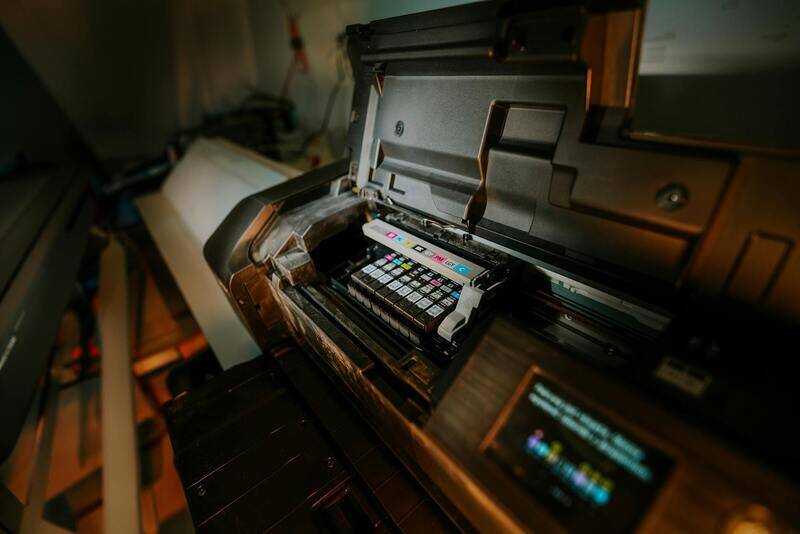
For example, specialized providers equipped with high-resolution inkjet printers can reproduce intricate details and vibrant color gradations essential for large photographic or artistic images. Many professional printers also offer additional services such as canvas stretching, framing, or UV protective coatings, which further enhance longevity and aesthetic quality.
Steps to Work with a Reputable Printing Provider
- Research and select a certified print shop with positive reviews and proven experience in large format printing.
- Review their portfolio to assess the quality of previous large picture projects.
- Consult with their technical team regarding suitable materials and finishes for your specific image and display environment.
- Prepare and submit high-resolution digital files according to their specified guidelines to ensure detailed, sharp outputs.
- Confirm proofing procedures, which may include digital or physical proofs, to approve the preview of your print before full production.
Official Printing Platforms and Marketplaces
Various online platforms specialize in facilitating large picture printing through partnerships with verified print shops. These marketplaces offer user-friendly interfaces where customers can upload images, select materials, and specify dimensions. They often include built-in quality assurance processes, such as automated file checks and standardized color management protocols, to maintain consistent output quality across orders.
For instance, some platforms allow direct upload of high-resolution files with detailed specifications for media type, finish, and mounting options. After ordering, these platforms coordinate with trusted fulfillment centers to produce the prints and handle shipping, reducing the risk of errors or damage during transit. This method provides a streamlined way to access official large picture prints via reputable sources without the need for independent logistics arrangements.
In-Person and Local Printing Facilities
Local print shops that specialize in large format printing can also serve as a primary source for obtaining official large pictures. Visiting a physical location allows for direct consultation with technicians, viewing sample materials, and discussing specific project requirements. Many local facilities can produce prints on-site, providing immediate feedback and adjustments to match your expectations.
Moreover, working with local providers supports community-based businesses and often results in quicker turnaround times. They can assist with measurements, installation recommendations, and maintenance tips to preserve the print’s quality over time.
Ensuring Authenticity and Compliance
For official large picture printing, ensure that the provider adheres to industry best practices for color accuracy, material durability, and adherence to specified standards. Certification labels or quality assurance badges can indicate compliance with established printing quality protocols. It is also recommended to review customer testimonials and case studies to verify the provider’s reputation for delivering authentic, high-quality large-format images.
Choosing the right method involves balancing factors such as project scope, desired output quality, material preferences, and budget considerations. Collaborating with professional, reputable channels guarantees that the final large picture print will meet your expectations in both aesthetic and longevity aspects.
Ensuring The Authenticity and Quality of Your Large Picture Prints
When seeking to produce large picture prints through official channels, it is vital to verify that the service provider follows industry-standard procedures, employs top-tier materials, and maintains rigorous quality assurance protocols. This ensures that the final product not only meets aesthetic expectations but also offers durability and consistency over time. Given the importance of traceability and adherence to established standards, selecting a printing company that is transparent about their processes and materials is essential.

Certification and Quality Assurance
Although not explicitly labeled as such, reputable large format printing services often possess certifications that attest to their adherence to environmental, safety, and quality standards. These certifications may include ISO standards for quality management systems or specific industry benchmarks related to print durability and color fidelity. Customers should look for providers that can provide tangible evidence of such credentials, which serve as a testament to their commitment to quality and authenticity.
Material and Ink Selection
The materials and inks used in large picture printing significantly impact the longevity and appearance of the final product. Official providers typically utilize archival-quality papers and UV-resistant inks designed to withstand environmental factors like sunlight and moisture without significant fading or deterioration. They often source materials from recognized manufacturers with strict quality controls, ensuring consistent results regardless of project scale.
Color Accuracy and Reproduction
Accurate color reproduction is crucial for large images, especially when reproducing photographs or artwork. Leading printing services employ advanced color management systems and calibration techniques to ensure that the printed image matches the original file with high fidelity. They often use proofing methods, such as digital or physical proofs, to allow clients to review color accuracy before the final run, confirming that the print will meet expectations.
Transparent Communication and Consultation
Engaging with a provider that offers comprehensive consultation ensures the chosen method aligns with the intended display environment, material preferences, and project scope. Such providers will guide clients through best practices for file preparation, sizing, and finishing options, contributing to the authenticity and quality of the final product. Consultation can also clarify the use of official procedures to guarantee that the large picture complies with any necessary standards.
Sample Verification and Customer Feedback
Before proceeding with large-scale production, clients should request samples or view samples of previous high-quality projects. Evaluating sample work provides insight into the provider's adherence to quality standards and the authenticity of their manufacturing process. Additionally, scrutinizing customer reviews and testimonials can reveal consistent satisfaction levels and the provider’s reputation for delivering genuine, high-caliber large picture printing.
Continued Maintenance and Display Considerations
After obtaining an authentic print, proper display and maintenance are essential in preserving its quality. Official providers may offer guidance on suitable framing, mounting options, and environmental controls that help maintain colors and prevent damage over time. Regular cleaning with suitable materials and avoiding exposure to harsh conditions will further extend the lifespan of your large picture.
