
Understanding Large Image Printing
Large image printing involves the production of high-quality, oversized visuals that are designed to captivate and communicate messages effectively across various environments. This process is essential for creating impactful displays, whether for commercial advertising, interior decoration, event promotion, or artistic exhibitions. The core aspect of large image printing is the emphasis on resolution, ensuring that every detail remains sharp and vibrant when scaled up to impressive dimensions.
In practice, large image printing transforms digital photographs, artwork, or graphical designs into physical formats that can span several feet in width and height. This capability is crucial for settings like billboards, wall murals, trade show exhibits, retail signage, and promotional banners, where visibility from afar and clarity upon close inspection are equally important.

One of the paramount considerations in large image printing is the resolution, commonly measured in dots per inch (dpi). High dpi ensures that images do not appear pixelated or blurry when enlarged. Typically, professional large format prints are produced at resolutions ranging from 150 dpi to 300 dpi, depending on the viewing distance and the material used. For instance, a billboard viewed from a distance may be printed at a lower resolution compared to a wall mural intended for close inspection.
The applications of large image printing are extensive and diverse. It encompasses promotional posters for retail stores, decorative murals in hospitality venues, event backdrops, architectural design visuals, and fine art reproductions. Each application demands specific attention to color accuracy, material durability, and print longevity, highlighting the importance of selecting appropriate printing methodologies and materials.
Furthermore, the significance of high-resolution output cannot be overstated. It ensures that the visual impact is preserved regardless of the size, allowing businesses and artists to communicate their messages powerfully. Whether creating a striking visual statement or showcasing detailed photographic work, large image printing serves as an effective tool for making bold impressions in any space.
Choosing the right approach for large image printing involves understanding the technical processes and reliable equipment involved. These include digital wide-format printers capable of handling large substrates, advanced ink systems for color fidelity, and sophisticated finishing options that enhance the durability and aesthetics of the final product. Ensuring quality throughout each stage of production is fundamental to achieving the desired visual impact and longevity of the large-format display.
Understanding Large Image Printing
Large image printing requires a meticulous approach to ensure that the final product maintains clarity, color accuracy, and durability regardless of its size. The process begins with high-resolution digital files, ideally at least 150-300 DPI when scaled to the intended dimensions. This resolution ensures that details remain sharp and vibrant, preventing pixelation or blurriness upon viewing from various distances. Selecting the appropriate file format—commonly TIFF or PDF—ensures the preservation of image quality during the printing process.
Another critical factor is the selection of printing materials and substrates, which directly impact the appearance, longevity, and suitability for specific environments. Durable materials like vinyl, canvas, or specialized poster papers are commonly used for outdoor applications, offering resistance to weather and UV exposure. For interior displays, options such as fine art paper or textured canvases can add aesthetic value. The method of printing, whether inkjet or UV flatbed, should match the material's compatibility to achieve optimal results. These advanced printing techniques enable high color fidelity and fine detail reproduction, essential for large-scale visuals that aim to impress.

The technical understanding of how images are processed and transferred onto various media highlights the importance of precise color management systems. Color calibration throughout the workflow—from digital file preparation to final output—ensures that the hues seen on the monitor closely match those on the printed material. This consistency is crucial for branding purposes, art reproductions, or detailed photographic displays.
Furthermore, the incorporation of advanced finishing techniques such as lamination, mounting, or framing enhances the durability and aesthetic appeal of large prints. Lamination provides additional protection against scratches, UV damage, and environmental pollutants, extending the lifespan of the display. Mounting options like foam boards or backlit frames enable versatile installation, ensuring that large images can be displayed prominently in various settings.
Understanding these elements—resolution, material choice, color management, and finishing options—is fundamental for achieving high-quality large image prints that effectively communicate your message or showcase artistic vision with precision and impact. Investing in professional-grade equipment and trusted printing methods guarantees that large-format visuals not only captivate audiences but also stand the test of time, regardless of their intended display environment.
Official Methods for Large Image Printing
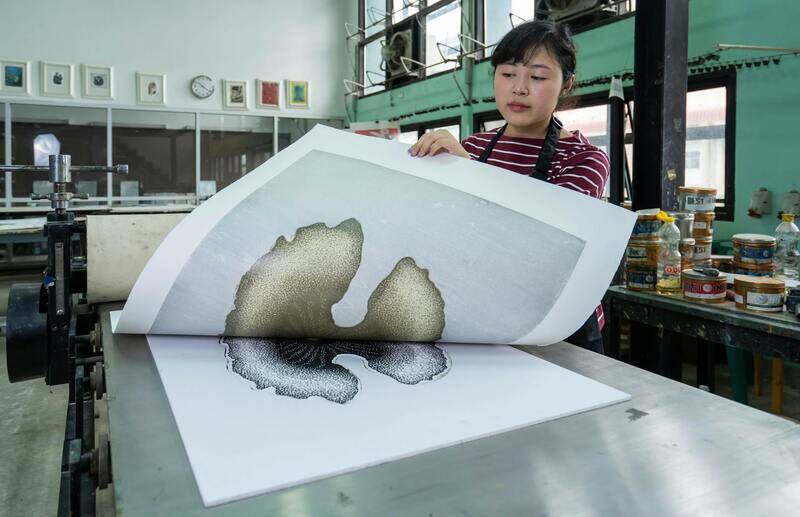
When undertaking large image printing, utilizing certified professional services is the most reliable approach. These providers employ advanced technical processes and high-grade equipment to produce high-quality, durable prints that meet precise specifications. Selecting a reputable printer ensures adherence to industry standards, optimal color accuracy, and consistency across different media. Such services typically involve meticulous workflow management, from digital file preparation and color calibration to print execution and finishing. Using dedicated professional-grade equipment, such as high-resolution inkjet or UV printers, allows for exceptional detail reproduction, vibrant color fidelity, and seamless scaling to large formats without loss of quality.
Ensuring Quality and Reliability
Legitimate large image printing services invest heavily in state-of-the-art technology and maintain strict quality control protocols. These measures include regular calibration of color profiles, substrate testing, and print validation, which collectively guarantee that each output aligns with the original digital design. Professionals often utilize color management systems to ensure faithful color reproduction, crucial for branding images, photographic art, or detailed illustrations. Moreover, established print providers offer consultation services that assist in selecting the appropriate materials and finishing options based on the intended display environment, whether indoor or outdoor. This guidance is essential to maximize durability, aesthetic appeal, and overall effectiveness of the final visual presentation.
Material Selection and Printing Techniques
Choosing from a variety of substrates and printing techniques is vital to achieve the desired visual impact and longevity. Popular materials for large-format prints include canvas, vinyl, mesh banners, and weather-resistant films, each suited for specific environments and display purposes. Professional printers utilize technologies such as:
- Inkjet Printing: Utilizing piezoelectric or thermal inkjet heads, this method provides high resolution and rich color gradients. It is ideal for photographic reproductions and detailed artwork.
- UV Printing: This process involves curing UV-sensitive inks directly onto rigid or flexible surfaces, producing durable and vibrant images suitable for signage and display panels.
- Eco-solvent Printing: Combining environmental considerations with excellent image quality, eco-solvent inks offer waterproof and scratch-resistant outputs, perfect for outdoor signage and banners.

Considerations for Successful Large Image Printing
To ensure optimal results, it is crucial to prepare digital files properly. High-resolution images with sufficient DPI (dots per inch), typically 150-300 DPI at final size, prevent pixelation and loss of detail. Proper color management, including embedding ICC profiles and soft-proofing, helps achieve consistency between digital displays and printed outputs. Additionally, designers should consider the viewing distance; larger prints displayed from afar can tolerate lower DPI settings, whereas close-up displays demand higher resolution. Carefully choosing the right combination of media, technology, and file preparation techniques ensures that the final printed image is crisp, vibrant, and durable, fulfilling both aesthetic and functional requirements.
Understanding Large Image Printing
Large image printing involves rendering digital visual content onto expansive surfaces, creating visually impactful displays for marketing, artistic, or decorative purposes. This process demands precision in both digital file preparation and the choice of suitable printing technology to ensure the final product meets specifications for resolution, color fidelity, and durability. Whether for wall murals, banners, or exhibition backdrops, the goal is to translate digital images into physical expressions that maintain their sharpness and vibrancy at scale.
Precise Digital File Preparation
Achieving high-quality large-format prints starts with meticulous digital file preparation. High-resolution images are essential, with a recommended DPI (dots per inch) ranging from 150 to 300 at the final size. This ensures the image remains crisp and detailed, avoiding pixelation or blurriness when enlarged. Therefore, image files should be created or optimized using professional editing software, embedding accurate ICC profiles for consistent color management. Soft-proofing techniques allow designers to simulate the printed output on screen, ensuring the colors and tones match expectations before the actual printing process.
Considering Viewing Distance and Final Application
Large-scale images are often viewed from considerable distances, allowing for some flexibility in resolution requirements. For installations intended for close-up viewing, a higher DPI is necessary to maintain image clarity. Conversely, for banners or backdrops observed from afar, lower DPI settings can be acceptable without compromising visual quality. Planning according to the intended viewing environment helps optimize both the cost and the visual impact of the final print.
Choosing the Right Printing Method and Materials
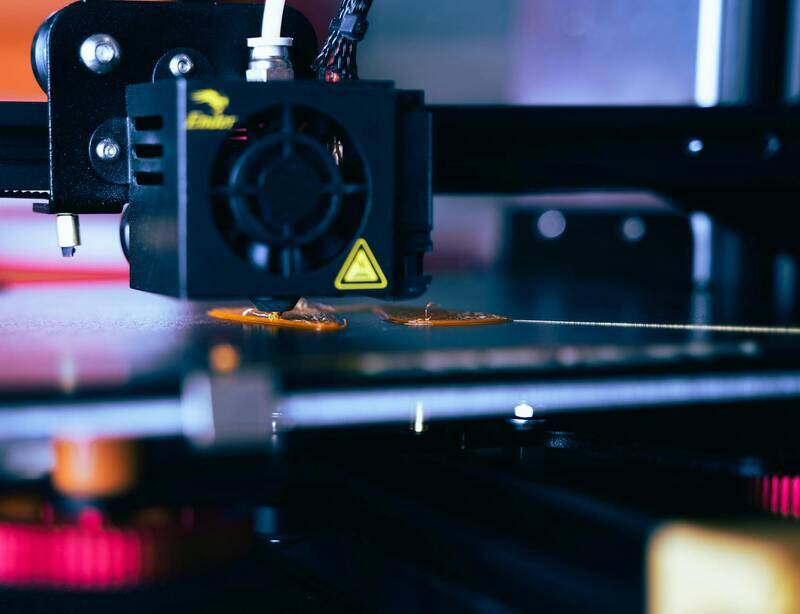
Next, selecting an appropriate printing technology aligns with the project's durability, visual quality, and environmental exposure. Inkjet printing utilizing piezoelectric heads is renowned for its high resolution and color fidelity, making it suitable for photographic reproductions. UV printing offers excellent adhesion for rigid surfaces and is perfect for signage that demands durability against weathering. Eco-solvent printers balance environmental considerations with premium image quality, delivering waterproof and scratch-resistant outputs ideal for outdoor applications.
The substrates or materials also play a crucial role. Options range from vinyl, fabric, and canvas to rigid panels like acrylic or aluminum. Each media type provides distinct finishes and durability levels, influencing the aesthetic and longevity of the large image. For instance, vinyl banners are lightweight and cost-effective for temporary displays, while acrylic panels offer a sleek, durable option for modern interior signage.
Ensuring Optimal Results Through Material Selection
- Vinyl: Waterproof, flexible, excellent for outdoor banners and vehicle wraps.
- Fabric: Offers a matte finish and is suitable for museum-quality art reproductions or interior displays.
- Acrylic: Hard, glossy surface ideal for high-end signage and decorative art.
- Canvas: Textured surface that mimics traditional art mediums, perfect for gallery wraps and artistic displays.
Each of these materials tolerates different environmental conditions and handling, so selecting the right substrate aligns with the functional demands and aesthetic preferences of the project.
Adopting Industry-Standard Methods for Consistency
To maintain consistency, reputable large image printing facilities adhere to established standards and workflows. They utilize color calibration protocols, employ ISO-compliant printers, and maintain controlled printing environments that prevent discrepancies caused by ambient conditions. Such practices ensure that digital-to-physical color transitions are precise, and that each print upholds the expected quality parameters across different production runs.
Understanding Large Image Printing
Large image printing involves translating digital visuals into sizable physical formats, suitable for banners, murals, art reproductions, and signage. Achieving high-quality results requires meticulous attention to detail during the entire process, from image preparation to final output. Since the dimensions of large prints can span several feet, maintaining image integrity at such scales is critical, demanding high-resolution files and precise color management. Properly executed large images can serve immersive visual experiences, promotional displays, or emotional artistic statements, provided that the printing method and materials align with the intended purpose and viewing environment.
Types of Large-Format Prints
Choosing the correct type of large-format print hinges on the project’s goals, environmental conditions, and budget. The main categories include:
- Banner Prints: Typically made on vinyl or fabric, banners are ideal for outdoor advertising due to their weather-resistant properties. They are lightweight and can be easily installed or transported.
- Canvas Prints: Providing a textured, artistic finish, canvas prints are often used for gallery-quality displays. They are usually mounted on wooden frames, giving a classic, high-end aesthetic.
- Acrylic and Plexiglass Prints: Known for their glossy, sleek appearance, these rigid substrates are popular for signage and decorative purposes. They are durable and excellent for start-from-scratch custom designs.
- Wall Murals and Vinyl Wraps: These covers are perfect for transforming entire spaces or vehicles. Made from flexible vinyl, they can adhere to uneven surfaces, offering vibrant, continuous imagery.
Printing Technologies and Equipment
The foundation of quality large image printing lies in the technologies employed. Commonly used methods encompass:
- Inkjet Large-Format Printers: These printers utilize specialized archival inks and are capable of producing detailed, vibrant images at considerable sizes. Multi-head configurations enable high-speed production while maintaining precision.
- Solvent and Eco-Solvent Printers: Suitable for outdoor applications, these printers use solvent-based inks that penetrate materials, offering excellent durability and color longevity.
- UV Printing: This method employs ultraviolet light to cure inks instantly on rigid surfaces, allowing for direct printing on non-porous substrates such as acrylic, glass, or metal, resulting in sharp and vivid images.

Materials and Substrates for Large Images
The selection of substrate significantly influences the final appearance and lifespan of large prints. Reputable providers typically offer material options tailored to the environment and aesthetic preferences:
- Vinyl: Cost-effective and waterproof, ideal for outdoor banners and vehicle wraps that need to withstand weather conditions.
- Fabric: Provides a matte finish with excellent color reproduction, suitable for interior displays, art reproductions, or museum-quality projects.
- Acrylic: Known for its glossy, modern look, offering durability and high visual impact for signage and decorative art installations.
- Canvas: Mimicking traditional art mediums, canvas materials lend an artistic, textured finish for fine art, portraiture, or gallery exhibits.
- Rigid Panels: Materials such as aluminum or PVC are used for signs and displays requiring rigidity and weather resistance beyond flexible media.
Ensuring Consistent Quality Through Industry Standards
Achieving precise and vibrant results consistently requires strict adherence to standardized manufacturing processes. Leading printing facilities implement:
- Color Calibration: Regular calibration of printers and monitors guarantees color fidelity, ensuring digital colors match the printed output.
- ISO-Compliance: Using equipment compliant with international standards minimizes discrepancies and enhances longevity.
- Controlled Environments: Maintaining stable temperature and humidity conditions prevents issues such as ink smudging or color shifts during production.
- Quality Control Checks: Final inspection procedures verify that each large print meets the required specifications before dispatch, reducing the likelihood of returns or reprints.
Design Considerations for Large-Scale Printing
Creating impactful large images requires meticulous planning to ensure clarity, visual appeal, and durability. Understanding the nuances of design for large-format printing helps optimize the final product, whether for advertising, art displays, or branding. Key considerations include resolution, image composition, color management, and file preparation.
Resolution and Image Quality
To achieve crisp, high-quality prints, images must be prepared at appropriate resolutions. Typically, a minimum of 150-300 DPI (dots per inch) at the final print size is recommended. Lower resolutions risk pixelation and loss of detail, which can detract from the intended visual impact. For very large prints viewed from a reasonable distance, such as billboards or banners, a resolution of around 72-150 DPI may suffice, but higher resolutions are preferable for closer inspection or fine art reproductions.

Color Management and Calibration
Sustainable color accuracy is vital for large image printing. Designers should utilize calibrated monitors and color profiles aligned with the printer's color space. Embedding ICC profiles into digital files ensures consistent color reproduction across devices and media. Proper color management practices minimize discrepancies, ensuring the digital design matches the printed output, which is especially critical for branding materials and photographic reproductions.
Design Composition and Layout
When working on large-format images, composition plays a crucial role in elusive viewers' visual engagement. Use high-contrast elements and clear focal points to direct attention effectively. Scale images and text proportionally, accounting for viewing distance and medium. For outdoor signage, simplicity and boldness improve visibility, while interior art displays can incorporate detailed imagery and subtle gradients.
File Preparation and Optimization
Preparing files correctly ensures smooth printing workflows and preserves image integrity. Save files in lossless formats such as TIFF or high-quality JPEGs, with color profiles embedded. Avoid compressing images excessively, which can introduce artifacts. Maintain layers and vectors for flexibility if modifications are necessary. Ensuring the correct color space, resolution, and dimensions align with the chosen print size reduces errors and reprints.
Security and Artwork Rights
When using digital images, securing copyright and ownership rights is imperative. Only use images for which you hold rights or have obtained explicit permissions. This safeguards against potential legal complications and assures the integrity of your project. For commissioned artwork or photographs, proper licensing agreements should be in place prior to production.
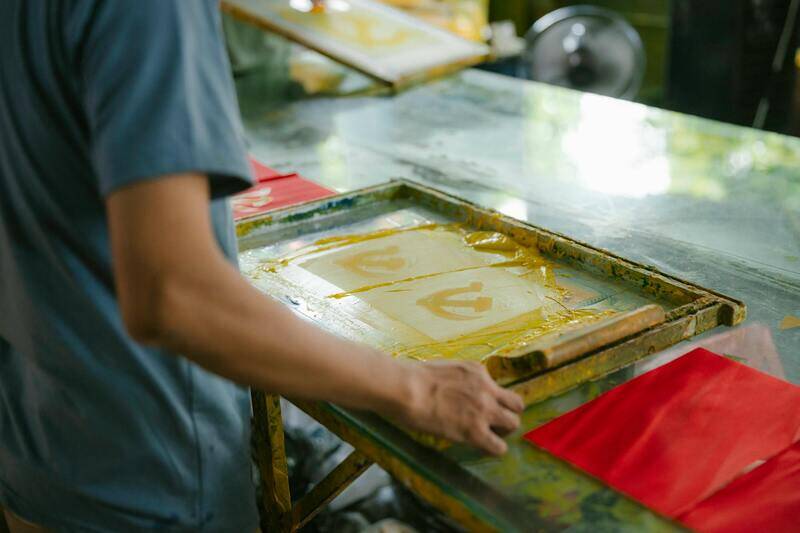
Adhering to these design considerations not only enhances the aesthetic quality of large-format prints but also ensures they perform well in their intended environments. Properly prepared artwork, aligned with industry standards and technical best practices, results in vibrant, durable, and impactful large images that meet professional expectations and client needs.
Understanding Large Image Printing
Large image printing is a specialized segment within the broader printing industry, focusing on extending the visual impact of high-resolution images onto expansive surfaces. The process demands precise technical considerations, including image resolution, color fidelity, and material selection, to produce striking visuals suitable for various display environments. With the advent of advanced printing technologies and a multitude of compatible substrates, clients can now achieve exceptional quality across diverse applications, from advertising billboards to interior murals.
The Importance of High-Resolution Digital Files
Achieving optimal results in large-format printing hinges on the preparation of high-quality digital files. Files should be created or sourced at a resolution that correlates with the final print size, typically maintaining a minimum of 150-300 pixels per inch (PPI). This prevents pixelation and preserves detail clarity when scaled up. Professionals often recommend using lossless formats such as TIFF to retain image integrity, with embedded color profiles aligning with the printer’s color management system.

Color Management and Profile Embedding
Color consistency is vital for large image prints to meet client expectations and match digital previews. Implementing accurate color management involves embedding ICC profiles during file creation and proofing processes. These profiles calibrate the printer and the monitor, ensuring that color outputs match the intended visual appearance across different viewing environments. This is especially crucial for branding, art reproductions, and photographic displays where color precision significantly influences perception.
Preview and Proofing Procedures
Before executing full-scale production, proofing serves as an essential step to validate the visual quality, color accuracy, and layout. Digital proofs may involve scaled representations or printed test sections, allowing adjustments prior to the final run. Utilizing accurate color calibration tools and soft proofing techniques can reduce material waste and reprints, thereby streamlining project timelines and maintaining quality standards.
Choosing the Right Materials and Substrates
The selection of suitable substrates influences both the appearance and longevity of large image prints. Common options include gloss or matte vinyl, fabric, canvas, acrylic, and simulating materials such as metal or wood panels. Each substrate offers unique qualities in terms of texture, durability, and application fit. For outdoor displays, weather-resistant and UV-coating treatments safeguard against environmental factors, ensuring the print maintains its vibrant appearance over time.
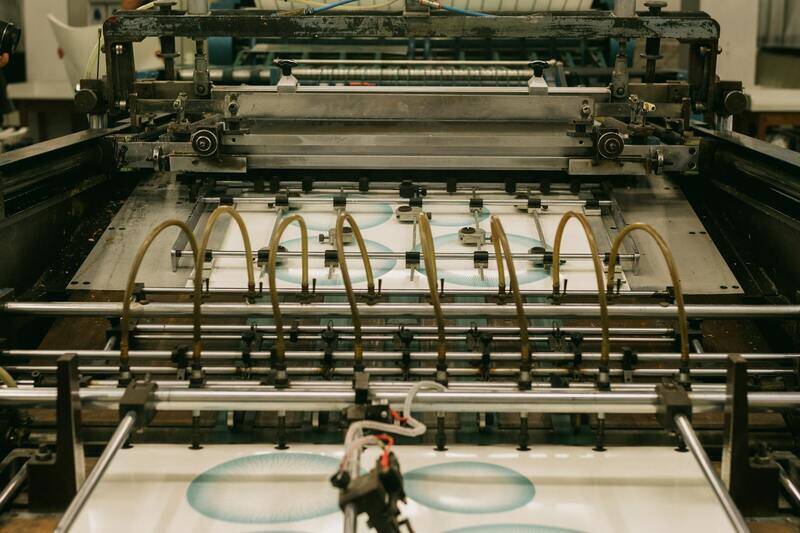
Ensuring Compatibility with Printing Technologies
Different large-format printing methods align with specific technologies—most notably, inkjet and solvent/eco-solvent printers. Inkjet printers excel in producing high-resolution images with a broad color gamut and are tailored for indoor or short-term outdoor use. Solvent printers, on the other hand, are suitable for long-term outdoor applications due to their weatherproof inks. Ensuring that digital files are compatible with the printer's specifications and ink systems is critical to achieving consistent print quality.
Color Maintenance and Raster Line Optimization
Color fidelity is maintained through regular calibration of printing equipment, including color profiles and ink systems. Additionally, raster line settings in the printing software should be adjusted to optimize ink placement and minimize banding or artifacts, which can detract from image clarity. Fine-tuning these parameters diminishes production errors, delivering a clean, sharp visual output in large-scale formats.
Ensuring Proper Methods for Large Image Printing
Acquiring large-scale prints through appropriate channels guarantees superior quality, color accuracy, and durability. One of the most reliable pathways is by consulting with professional printing service providers who specialize in large image printing. These entities employ advanced equipment, trained technicians, and high-grade materials to fulfill custom orders that meet exact specifications. Engaging with experienced service providers ensures that your high-resolution digital files are translated into vibrant, crisp physical artwork without distortion or loss of detail.

When selecting a supplier, review their portfolio, customer testimonials, and quality assurance processes. It’s crucial that the provider adheres to strict calibration routines and offers guarantees for color matching and consistency. This meticulous approach reduces errors such as banding, color shifts, or misregistration, which can compromise the visual impact of your large format prints.
Official Printing Methods and Techniques
Manufacturers utilize well-documented, legitimate printing techniques that have been refined for optimum output. The most prevalent method is inkjet printing, which is compatible with a wide range of substrates and offers exceptional resolution. Advanced inkjet systems employ UV-resistant, scratch-proof inks suitable for both indoor and outdoor environments. Solvent and eco-solvent printing processes also serve large-scale outdoor applications, given their resilient inks that withstand weathering and UV rays. These technologies are endorsed by industry standards and industry-leading manufacturers, ensuring safety and performance.
Choosing the Right Equipment for Large Scale Projects
- High-Resolution Inkjet Printers: Capable of producing detailed imagery with precise color gradation, suitable for fine art reproductions and photographic prints.
- Eco-Solvent and Solvent Printers: Designed for outdoor banners, billboards, and signage, these printers use durable inks that resist environmental factors.
- Durability and Colorfastness: Equipment should be capable of handling inks with excellent UV stability and resistance to scratches, ensuring long-lasting displays.
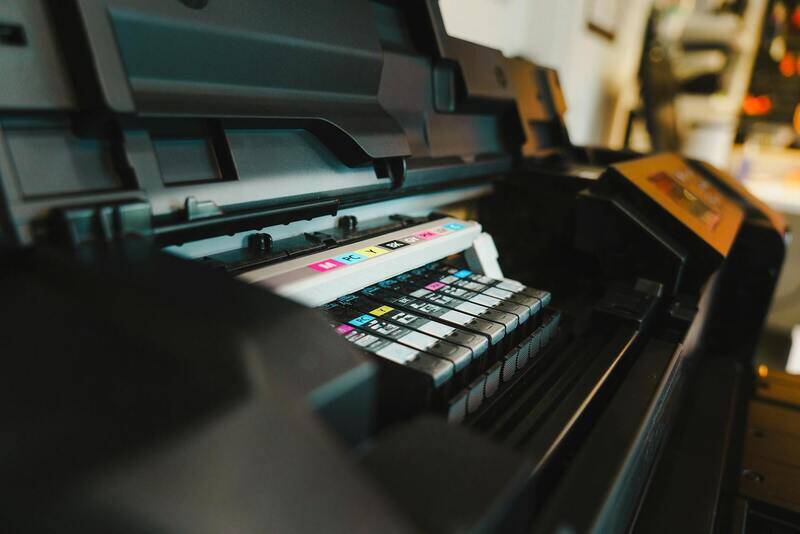
Materials and Substrates: Using Certified and Approved Products
Choosing the correct substrates is integral to achieving high-quality large images. Reputable providers source their materials from trusted manufacturers, ensuring consistency in quality and performance. Commonly used substrates include:
- Vinyl Films: Ideal for banners, vehicle wraps, and outdoor signage due to weather resistance.
- Canvas and Fine Art Papers: Suitable for gallery-quality art reproductions and indoor displays, providing a textured, premium finish.
- Acrylic and Polycarbonate Sheets: Used for high-end retail displays, adding a sleek, modern aesthetic with physical depth.
- Fabric and Textile Materials: Widely used for tapestries and trade show backdrops, offering flexibility and vibrant color reproduction.
All materials selected for large-scale printing should be officially certified for compatibility with the chosen printing technology. This certification helps ensure that inks adhere properly, colors are reproduced accurately, and the final product exhibits longevity and resilience under intended operational conditions.
Design and File Preparation for Large Format Printing
High-quality large images begin with meticulous digital file preparation. Images should be created or adapted at a resolution of at least 150-300 DPI at the final print size, ensuring clarity and detail. Using vector files for logos and text avoids pixelation when scaled up. Color profiles such as Adobe RGB or sRGB should be embedded, and calibration of monitors is essential to match actual print outputs.
Maintaining Print Quality Through Continuous Quality Control
Reputable printing providers implement rigorous quality control at every stage—from file processing to final inspection. Regular calibration of ink and paper settings, sample printing, and color matching tests help maintain consistency. Advanced imaging software detects defects or anomalies, prompting corrective actions before large batches are produced. Transparency in production processes guarantees that each print meets high standards and expectations.
