Choosing the Right Poster Type and Size
When considering print out posters online, selecting the appropriate type and size is fundamental to achieving an effective display. The decision hinges upon the intended use, viewing environment, and visual impact desired. Posters come in a variety of formats, ranging from large-scale displays suitable for outdoor advertising to smaller, more intimate wall decor pieces. Understanding the distinctions among these options enables you to make informed choices aligned with your goals.
Large Posters
Ideal for outdoor advertising, event promotion, or prominent visual displays, large posters typically measure around 24" x 36" or larger. These formats provide ample space for bold visuals and impactful messaging, ensuring visibility from a distance. When choosing a large poster, factors such as material durability and weather resistance become significant, especially for outdoor applications.
Medium Posters
Often used for indoor promotions, exhibitions, or targeted advertising, medium-sized posters generally range from 18" x 24" to 20" x 30". They strike a balance between visual prominence and ease of placement, making them suitable for environments like retail displays, trade shows, and educational settings. Their size facilitates detailed imagery and text without overwhelming the viewer.
Small Posters
Perfect for personal use or specific messaging, smaller posters such as 11" x 17" or A3 sizes are commonly employed for art prints, informational notices, or decorative purposes. These are convenient for framing or creating a series display, and they are easier and more cost-effective to produce, especially when printing in bulk.
Choosing the Right Size
- Assess the Viewing Distance: Larger posters are better for viewing from afar, while smaller ones suit close-up inspection.
- Determine the Installation Space: Measure available wall or display area to ensure the poster fits appropriately.
- Consider Content Complexity: More detailed designs may require larger formats for clarity, whereas simpler visuals can be effective on smaller posters.
- Budget and Material Costs: Larger formats generally incur higher printing costs, so balance size with budget constraints.
By understanding the implications of different poster types and sizes, you can enhance your visual communication, maximize placement impact, and ensure your message resonates effectively with your audience when you print out posters online through trusted providers such as eprintingservice.com.
Understanding the Importance of Poster Material Selection
To achieve a professional, durable, and visually appealing poster, selecting the appropriate material for printing is essential. Different materials offer varying levels of durability, finish, and compatibility with design elements.
Popular Poster Materials for High-Quality Prints
- Glossy Paper: This finish provides vibrant color enhancement and a sharp appearance, ideal for promotional posters and photographic displays. Its reflective surface can highlight detailed imagery but may be susceptible to fingerprints and glare.
- Matte Paper: Offering a non-reflective surface, matte paper reduces glare and fingerprints, making it suitable for informational posters and artwork that benefit from subdued finishes.
- Vinyl: Known for its water-resistant and weatherproof qualities, vinyl is perfect for outdoor posters or environments where durability against elements is necessary. It also maintains color integrity over time.
- Foam Board: A lightweight yet sturdy choice, foam board adds rigidity and is excellent for mounting or display purposes. Its smooth surface ensures clarity and sharpness in printed graphics.
Factors to Consider When Choosing Poster Materials
- Intended Use and Environment: Indoor posters may suffice with gloss or matte finishes, while outdoor or high-traffic placements require more durable options like vinyl or foam board.
- Design and Visual Impact: Materials with high gloss can intensify colors, suitable for vibrant images. Matte surfaces are better for posters with large amounts of text, reducing glare for readability.
- Budget Constraints: While premium materials like vinyl and specialty papers add to the cost, they can be justified by their longevity and visual quality, especially for long-term displays.
- Handling and Installation: Consider how the poster will be mounted or transported. Rigid materials like foam board are easier to handle and less prone to creasing or damage.
Choosing a Provider for Quality Material Printing
When printing out posters online, selecting a reputable provider that offers a range of high-quality material options ensures the durability and visual effectiveness of your final product. Platforms like eprintingservice.com provide advanced printing technologies and a comprehensive selection of materials tailored to diverse needs. Consulting with their experts can help determine the most suitable material based on the intended display context, design complexity, and budget considerations.
Choosing the Right Poster Type and Size
Determining the appropriate type and size of your poster is essential for achieving the desired visual impact and ensuring it fits seamlessly within your display environment. When considering the poster type, factors such as location, durability requirements, and display method come into play. For instance, indoor posters often favor paper-based options like gloss or matte finishes, which are suitable for framing or simple mounting. Conversely, outdoor or high-traffic locations demand more weather-resistant materials such as vinyl or weatherproof fabric to withstand environmental conditions and maintain vibrancy over time.
Poster sizes vary widely, from standard dimensions like A2, A1, and A0 to custom sizes tailored to specific needs. The choice of size influences the poster’s visibility, readability, and overall aesthetic. Larger formats are ideal for making bold statements and catching attention from a distance, whereas smaller sizes may be better suited for informational displays or supplementary signage. Accurate measurement of the display area and understanding viewer distance help in selecting a size that maximizes engagement without overwhelming the space.

Factors Influencing Poster Material Selection
- Intended Use and Environment: For high-traffic or outdoor environments, durable options like vinyl or weather-resistant fabrics ensure longevity. Indoor posters may utilize glossy or matte paper, depending on lighting conditions and desired aesthetics.
- Design and Visual Impact: Materials with high-gloss finishes can amplify vibrant colors and make images pop, ideal for eye-catching visuals. Matte surfaces are preferred for presentations with extensive text, as they reduce glare and improve readability.
- Budget Constraints: While premium materials might cost more initially, their durability can justify the investment, especially for long-term applications or outdoor use.
- Handling and Installation: Rigid materials like foam board or PVC are easier to transport, mount, and handle, making them suitable for both temporary and permanent displays.
Partnering with a reputable online printing service ensures access to a broad spectrum of high-quality materials tailored to diverse display needs. Platforms such as eprintingservice.com utilize advanced printing technologies and extensive material options, enabling customers to select the best-fit products for their specific projects. Leveraging expert advice available through such platforms can streamline the decision-making process, ensuring optimal material choice for durability, appearance, and budget.
Official Methods for Printing Out Posters Online
When aiming to produce high-quality posters through online platforms, selecting a reputable and officially recognized printing service is essential. Established online printing providers such as eprintingservice.com utilize advanced digital printing technologies that ensure precise color reproduction, sharp details, and durability. These services offer a variety of printing options that adhere to industry standards, providing customers with reliable results that meet professional expectations.
To print out posters online through an official method, begin by choosing a trusted platform that specializes in poster printing. Such platforms often feature user-friendly interfaces allowing easy artwork uploads. The process typically involves selecting the desired poster size and type, uploading your high-resolution design files, and customizing specifications like finishing options and material choices. Reputable services will verify that your files meet necessary resolution and format requirements to guarantee the best print quality.
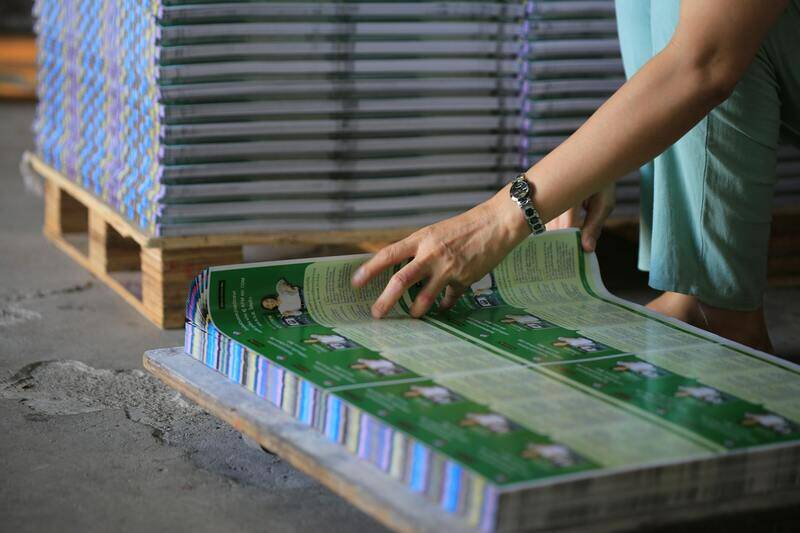
It is important to follow official procedures like uploading artwork within the specified guidelines and confirming order details before final submission. Many reliable platforms also provide previews of the design to give a clear idea of how the finished poster will appear. Confirming specifications, such as size, material, and finish, ensures that the final product aligns with your expectations and suitability for its intended display environment.
Ensuring Proper File Preparation for Online Poster Printing
To leverage the best results from online poster printing services, it is crucial to prepare your artwork files appropriately. Use high-resolution images, ideally 300 DPI or higher, to maintain clarity and detail in the printed poster. Ensure that your design is created within the exact dimensions specified for your selected poster size to prevent unwanted scaling or distortion. Set your color mode to CMYK, which aligns with professional printing standards, to achieve accurate color fidelity.
- Use vector graphics for logos and text to maintain sharpness at any size.
- Embed or outline fonts to prevent font substitution issues.
- Check for any layers or transparent backgrounds that might affect printing quality.
Submitting your files through secure upload portals on the official website ensures your designs are protected and receive the necessary processing quality standards. Many platforms also provide templates to help you align your artwork correctly, reducing errors and ensuring edge-to-edge printing without unwanted margins.
Steps to Place an Order for Poster Printing Online
Once your artwork files are ready, follow an official order process that includes selecting your preferred poster size and material. Carefully review available finishing options, such as matte or gloss, and any additional features like lamination or mounting. Confirm the total cost before proceeding to payment, keeping in mind that official platforms often provide price calculators based on your specifications.
After payment, delivery details such as shipping address and preferred delivery timelines are specified. Reliable online services offer tracking options, allowing you to monitor your order throughout its transit to ensure timely receipt of your posters. Using a legitimate and reputable provider guarantees that your order is handled with professionalism, adhering to quality standards at each step, from printing to delivery.
Optimizing Poster Files for Perfect Print Results
To ensure the highest quality output when printing posters online, it is crucial to prepare and optimize your digital files properly. Start by selecting the correct resolution; 300 DPI (dots per inch) is the industry standard for sharp, detailed prints. Using images and artwork with resolution below this threshold can lead to pixelation or blurry finishes. Additionally, color profiles should be embedded, preferably sRGB or Adobe RGB, to maintain consistent color fidelity across devices and printers.
Vector graphics are ideal for logos, text, and simple illustrations, as they maintain crispness regardless of size adjustments. When working with raster images, avoid unnecessary compression or resizing that could compromise quality. Keep in mind the safe bleed zones—usually about 0.125 inches—beyond the designed edge of the poster to accommodate trimming. Including crop marks or bleed lines in your design ensures proper alignment and prevents unwanted white borders.
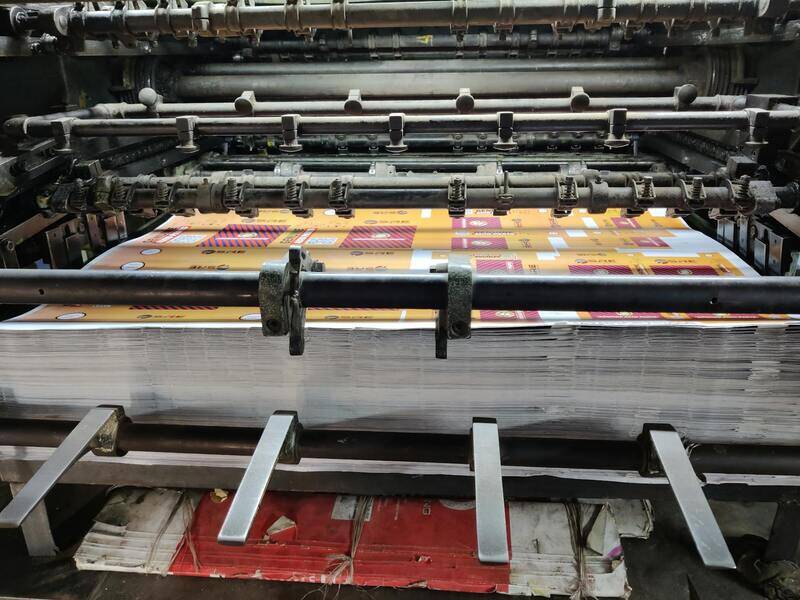
Choosing the right file format is also essential. PDF files are widely supported and preserve original quality, fonts, and images. Ensure all fonts are either embedded or outlined to prevent replacements during printing. For designs with complex transparencies or layered images, flatten these elements before submission to avoid unexpected artifacts. Always perform a final proof check—view your file at actual size to verify details and color consistency before uploading.
Once your files are prepared, upload them through secure portals on eprintingservice.com, which ensures a smooth, protected transfer process. Many online services also offer customizable templates or pre-configured settings tailored for poster printing, reducing potential errors. For instance, selecting the correct poster size—be it standard dimensions like A2 or custom sizes—can influence the final appearance and budget. Additionally, preview features often available on official platforms enable you to review the layout and make adjustments prior to placement.
It's recommended to double-check your design against the printable area, ensuring critical information isn't too close to the edges, which might be trimmed. Consider adding a margin or margin guides so that all essential content remains within view after trimming. These small yet important preparations facilitate a seamless printing process, delivering professional-grade posters that accurately reflect your vision without distortions or color shifts.
Ensuring Optimal Poster Quality and Preservation
To achieve striking visual impact and durability, it is vital to select appropriate printing techniques and monitor the handling of your posters throughout the process. High-resolution printing, often utilizing wide-format digital printers, guarantees crisp details and vibrant colors that reflect original designs. When preparing files for online submission, focus on maintaining consistent color profiles, preferably in CMYK, to ensure color accuracy upon printing. Incorporating bleed areas and safety margins ensures your design remains intact after trimming, preventing critical information from being lost.
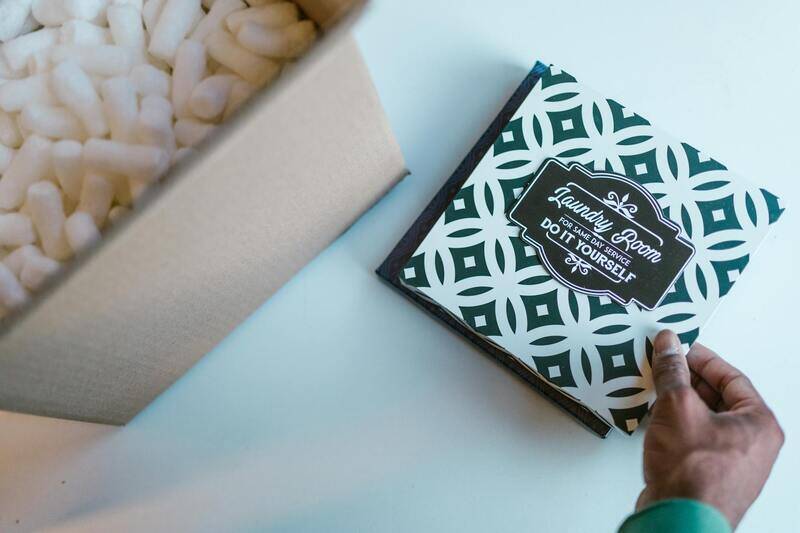
Handling plays a crucial role in preserving the integrity of your posters. After receiving the printed materials, store them flat in a cool, dry environment to prevent warping or curling. For posters intended for outdoor display, consider applying UV-protective coatings or laminates which shield colors from fading caused by sunlight exposure. When mounting, use acid-free adhesives or mounting strips that won't damage the print surface, ensuring your posters remain pristine for extended periods.
Verifying Printed Poster Authenticity and Material Fidelity
Before finalizing large orders, requesting a sample proof provides an invaluable opportunity to assess the print quality, color fidelity, and material texture. A physical proof enables you to verify that the poster aligns with your expectations, reducing the risk of costly reprints. This step is especially important for complex designs or color-sensitive projects.
Choose reputable online printing services that use accredited suppliers for their materials. Standard poster substrates such as satin, gloss, or matte papers each offer distinct visual effects and durability levels. Matte finishes, for example, minimize glare, promoting readability from various angles, while gloss surfaces provide brighter color reproduction. Additionally, thicker substrate options like foam core or PVC board enhance rigidity and longevity, ideal for mounting or outdoor placement.
Protective Measures During and After Printing
To safeguard your posters from damage during installation or transit, consider additional protective coverings such as laminate films or clear vinyl overlays. These layers serve as physical barriers against scratches, moisture, and environmental pollutants. When shipping posters, roll them with protective tissue or bubble wrap and store them in sturdy shipping tubes to prevent creasing or tearing.
Optimizing Material Choice Based on Display Environment
- Indoor Displays: Matte or satin finishes on lightweight paper enhance visual clarity and are suitable for gallery or retail environments.
- Outdoor Displays: Weather-resistant substrates like vinyl or laminated posters can withstand elements such as rain, wind, and UV exposure.
- Event and Promotional Use: Foam boards or rigid PVC signs provide structure and stability, elevated presentation quality for trade shows or exhibitions.
Matching material properties to the display environment not only prolongs the aesthetic appeal but also maximizes the return on investment. Reliable online poster printing platforms typically offer detailed specifications and advice on optimal material selection based on your specific project requirements.
Utilizing Professional Online Printing Platforms for Poster Production
Harnessing reputable online printing services, such as eprintingservice.com, ensures your posters are produced with precision and consistent quality. These platforms operate with advanced digital printing technology, allowing for high-resolution output that captures all intended details with clarity. They employ industry-standard printing processes that maintain color accuracy, sharpness, and durability, making them ideal for professional presentations, marketing campaigns, or personal projects.
One of the significant advantages of official online providers is their adherence to strict quality control measures. After submitting your digital artwork, you'll typically receive a proof for approval. This step allows you to verify that colors, layouts, and details align with your vision before mass production begins. Ensuring artwork resolution is set to at least 300 DPI helps prevent pixelation or blurriness, which are common issues affecting print quality. Using vector graphics or high-resolution images is essential for maintaining crispness, especially for large-format posters.
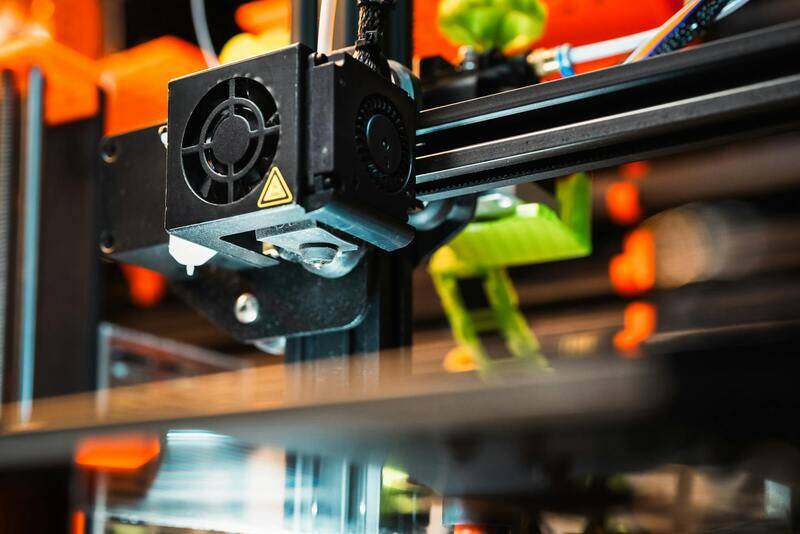
Confirming Color Fidelity and Material Specifications
Legitimate online platforms provide detailed material options and color profiles tailored to different display environments. A reputable service allows you to specify the type of finish—matte, satin, or gloss—based on your poster’s purpose and viewing conditions. When selecting materials, consider durability, weather resistance, and ease of mounting. For instance, glossy finishes are suitable for vibrant indoor displays, while matte finishes minimize glare and reflections in bright environments.
Many services also offer custom options such as laminated coatings or UV protection layers to extend the longevity of your posters, especially when intended for outdoor or high-traffic settings. Verifying material specifications from the platform’s product descriptions helps ensure that the final product aligns with your expectations and display needs.
Secure and Accurate Artwork Submission Procedures
Established online print providers commonly employ secure upload portals to protect your digital files during transfer. They often support various file formats, including PDF, TIFF, and high-resolution JPEGs, to accommodate diverse design software outputs. When submitting artwork, confirm that the files meet the platform’s recommended specifications, including resolution, color mode (preferably CMYK for print), and bleed margins to prevent unintended cropping.
Engaging in a thorough review of the provided proofs and requesting adjustments early ensures that colors are accurate and that the layout is precise. Clear communication with the service's support team can address any specific requirements or customizations, such as adding finishing touches or adjusting size parameters, thereby guaranteeing a results-driven process from upload to delivery.
Expert Methods for Printing Out Posters Online
When aiming to produce high-quality posters through online services, it is essential to follow a set of proven, legitimate procedures to ensure the end product aligns with expectations. The process begins with selecting a reputable platform such as eprintingservice.com, known for its reliability and extensive customization options. These platforms maintain secure file upload systems, supporting a broad range of high-resolution formats including PDF, TIFF, and JPEG, ensuring your digital artwork remains protected during transfer.
Upon uploading your artwork, it is crucial to adhere to the platform’s technical specifications—this includes checking resolution settings (ideally 300 DPI for printed posters), color mode (preferably CMYK to match print colors), and bleed margins to prevent unexpected cropping. Many online services provide digital proofs for your review, allowing you to verify and request adjustments before the final printing process begins. Engaging directly with customer support can also help clarify bespoke requirements or specific customizations needed for optimal results.
Ensuring Poster Integrity During Printing
To guarantee the durability and visual clarity of your posters, select materials that match your display environment. Common options include:
- Glossy finishes for vibrant indoor visuals
- Matte surfaces to reduce glare in brightly lit settings
- Laminated coatings or UV protection layers for outdoor displays or heavy traffic areas
Verifying material specifications and finishes detailed on the platform empowers you to make an informed choice. Most online poster printing providers offer custom options, including lamination and weather-resistant coatings, to extend your poster’s lifespan and enhance visual appeal.
Official and Reliable Poster Printing Procedures
Engaging with registered online print services like eprintingservice.com ensures adherence to professional standards and access to comprehensive support. These providers often include:
- Secure artwork upload portals with encryption to protect your files
- Support for multiple high-quality formats, ensuring flexibility in submitted designs
- Thorough review processes involving proofs or samples, minimizing errors prior to production
- Clear communication channels to facilitate custom requests or adjustments
Following these formal procedures guarantees a smooth workflow from digital file submission to delivery, resulting in posters that meet all specified standards.
Additional Services for Post-Production Customization
Beyond basic printing, established online platforms often provide additional features to enhance your posters’ presentation. These can include:
- Lamination or protective coatings for increased durability
- Framing options suitable for various display environments
- Mounting solutions such as foam boards or adhesive backings
- Special cutouts or die-cut shapes for unique visual effects
Utilizing these legitimate customization services ensures your posters are not only visually striking but also structurally resilient, fitting seamlessly into your intended display context. Always opt for platforms that detail these offerings transparently and support secure transactions, reinforcing the professionalism of your print project.