

Understanding Poster Printing Pricing
Poster printing costs in Singapore are influenced by a combination of factors that clients should consider when budgeting for their projects. The overall price is primarily determined by the poster's size, choice of material, and finishing options, which collectively impact the production process and the final presentation. Recognizing how these components influence the cost enables customers to make informed decisions that align with their specific needs and budget constraints.

Factors Affecting Poster Printing Costs
Size of the Poster
The dimensions of the poster are among the most significant determinants of price. Larger posters require more material, take longer to produce, and often demand specialized equipment or settings. Standard sizes, such as A2 or A1, offer a baseline for pricing, but custom dimensions can lead to variable costs. Clients should consider their intended display space and choose sizes that balance visual impact with cost-effectiveness.
Material Selection
The type of material used in poster printing impacts both durability and price. Popular options include:
- Glossy Paper: Offers vibrant colors and sharp details, suitable for promotional displays.
- Matte Paper: Reduces glare and reflections, ideal for indoor environments.
- Vinyl or Waterproof Material: Provides weather resistance for outdoor placements and entails higher costs.
Finish and Additional Options
Finishing techniques such as lamination, mounting, or framing add to the overall expense but significantly enhance durability and visual appeal. Lamination provides a protective layer against scratches and moisture, while mounting options like foam boards or acrylic backing facilitate easy display and handling. Framing, though pricier, offers a polished presentation suitable for exhibitions or professional presentations.
Understanding these elements allows clients to customize their poster printing project effectively, ensuring that the finished product meets environmental demands and presentation standards without unnecessary expenditure.
Official Methods to Determine Poster Printing Price
Accurately estimating poster printing costs relies on employing standardized, professional methods that consider various influencing factors. Reputable printing services utilize detailed pricing algorithms based on size, material, and finishing options, ensuring transparency and consistency. When requesting a quote, clients should provide specific details such as dimensions, preferred materials, and required finishes. This allows service providers to deliver precise price estimates, reducing surprises and facilitating budget planning.
Using official pricing calculators or quoting tools offered by established printing companies further enhances accuracy. These tools typically integrate factors such as print volume, turnaround time, and optional add-ons, providing comprehensive cost proposals. Clients should prioritize vendors who are transparent about their pricing structures and offer itemized quotes, which detail charges for each element of the project including materials, finishes, and additional services.
Industry Standard Price Lists and Transparent Estimates
Many professional printing organizations or suppliers maintain publicly accessible price lists for common poster sizes and materials. These lists serve as valuable benchmarks for clients to compare costs across providers. When requesting a quote, customers should ensure the estimate aligns with these industry standards and reflects any specific project requirements, such as custom sizes or special finishes. Transparent estimates include breakouts for all expenses involved, supporting informed decision-making and budget management.
Consistent Pricing with Volume and Contract Agreements
For large-scale or ongoing poster printing projects, formal agreements beyond one-off quotes offer predictable pricing arrangements. Volume discounts are common in the printing industry, encouraging clients to commit to larger quantities in exchange for reduced per-unit costs. Contract-based pricing also facilitates consistent budgeting and reduces fluctuations in costs. Clients should seek vendors with established pricing policies that accommodate their projected volume and provide clear discount structures.
Utilizing Certified and Reputable Suppliers for Accurate Pricing
Choosing certified printing providers ensures access to official pricing models and reliable estimates. Reputable vendors maintain updated rate cards reflecting current material costs and technological capabilities. They also adhere to standard industry practices, ensuring the prices quoted are aligned with market norms. Clients are advised to verify the provider’s credentials and reviews before engaging, as this promotes a trustworthy partnership and accurate cost projections.
Cost-Effective Practices in Price Negotiation
Professionally established suppliers are often open to discussing cost-saving options within the scope of their official pricing frameworks. Clients can negotiate for bundled services, flexible payment terms, or tailored packages that maximize value without compromising quality. Effective communication about project specifications allows vendors to identify potential cost reductions, such as adjusting material types or reducing finishing layers, without sacrificing the intended visual impact.
Overall, adopting a structured and transparent approach—centered on official pricing models, detailed quotations, and certified providers—ensures that poster printing costs are predictable and aligned with the client’s financial plan. This strategy promotes efficiency, maintains quality standards, and fosters value-driven decisions within the budgeting process for poster printing projects.
Understanding Poster Printing Pricing
Determining the cost of poster printing involves considering several key factors that influence the final price. Certified printing providers like eprintingservice.com employ structured pricing models based on material choices, size, and finishing options. These models are typically transparent, offering clients clear quotations that align with current industry standards and material costs. It’s essential to understand that reputable vendors regularly update their rate cards, reflecting the latest technological advancements and market fluctuations.
Official pricing frameworks are designed to ensure fairness and consistency, providing clients with predictable costs for various project specifications. Clients are encouraged to request detailed quotations from diverse providers, allowing accurate comparisons. Such quotations should include breakdowns for each service component, including material selection, size, finishing, and additional options like lamination or mounting. This detailed approach helps prevent unexpected expenses and facilitates informed decision-making aligned with budget constraints.
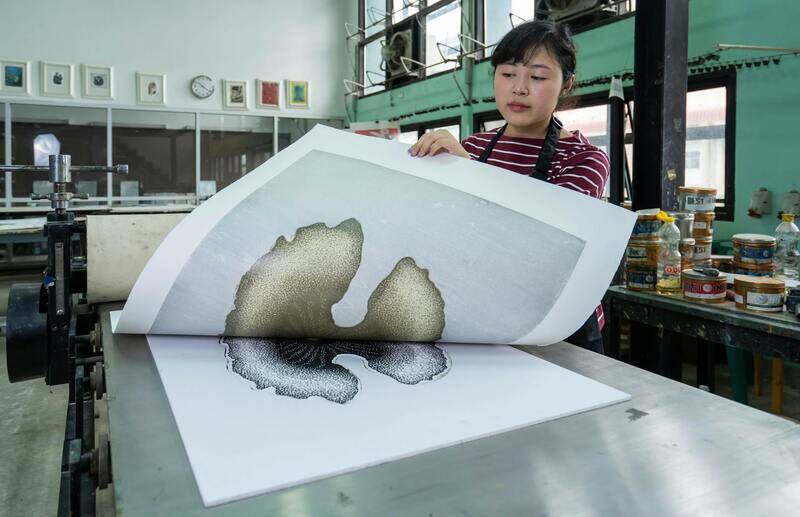
Additionally, engaging with official channels for negotiations can lead to more favorable terms. Established vendors often offer discounts for bulk orders or long-term partnerships. Negotiating within their official pricing structures allows clients to secure better rates without compromising quality. Open communication about volume, size, and specific project requirements enables providers to tailor their offerings, possibly reducing costs through adjusted material choices or simplified finishing processes.
Key Components Influencing Poster Printing Cost
- Size: Larger posters generally incur higher costs due to increased material and printing time.
- Material Type: Choices like glossy paper, matte finish, vinyl, or foam boards vary significantly in price.
- Print Quality: High-resolution images or special color effects may increase the price due to advanced printing techniques.
- Finish and Additional Services: Lamination, mounting, or framing add to overall expenses.
- Order Quantity: Bulk orders typically attract discounts, reducing the unit price.
- Turnaround Time: Rush orders often carry premium charges due to expedited processing.
By understanding these elements, clients can better estimate their costs and select options that balance visual impact with budget considerations, ensuring a cost-effective approach to poster printing.
Impact of Material Selection on Poster Printing Price
Material options constitute a significant factor in determining poster printing costs. Opting for standard glossy or matte paper typically offers a balance between quality and affordability, making them a popular choice for most projects. Vinyl materials, known for durability and weather resistance, carry a higher price tag but prove cost-effective for outdoor or long-term displays. Foam boards, valued for their sturdiness and ease of installation, usually incur additional charges reflecting their thickness and finishing requirements. When selecting materials, it’s important to consider the poster’s intended environment and longevity to ensure that the investment aligns with project goals and budget constraints.

Finishing Techniques and Additional Cost Implications
Beyond basic printing, finishing techniques such as lamination, mounting, and framing contribute to the final pricing structure. Lamination enhances durability and visual appeal, especially for outdoor displays or frequently handled posters. Mounting methods, including adhesive backing or framing, can significantly increase costs depending on materials used and complexity. Framing, often chosen for aesthetic reasons or to facilitate display in professional settings, adds a premium component to the total expense. Selecting appropriate finishing options requires a careful assessment of the poster’s intended display conditions, durability needs, and budget limitations, ensuring practical and visually appealing results.
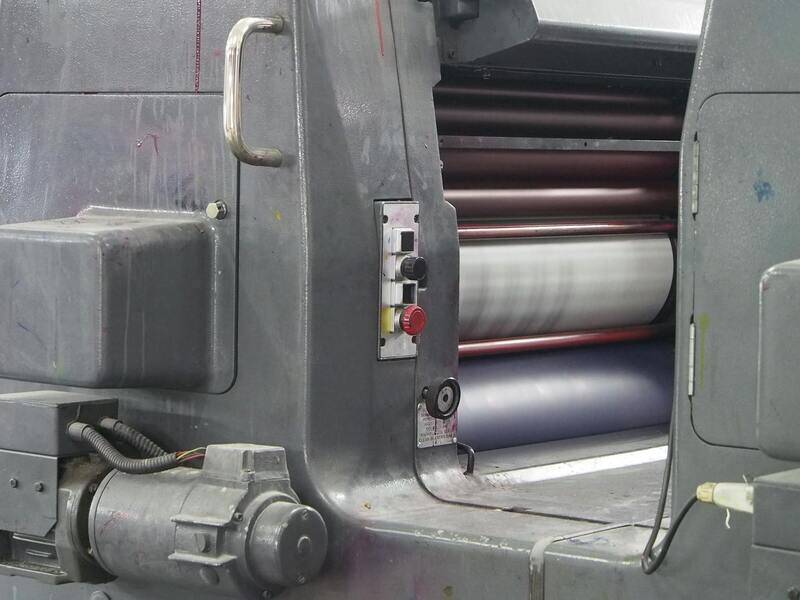
Pricing Variations Based on Printing Techniques
Multiple printing techniques are available for poster production, each with distinct cost implications. Digital printing, the most common method, provides high-quality images rapidly and at moderate prices, suitable for short to medium runs. Solvent and UV printing are specialized techniques offering enhanced durability and vibrant color reproduction, generally associated with higher costs. These methods are particularly favored for outdoor signage or large displays requiring extended exposure to weather elements. Selecting a suitable technique involves a trade-off between visual quality, material compatibility, and budget, with the choice ultimately impacting the poster's final price.

Additional Cost Factors and How to Manage Them
Additional expenses, including rush processing fees or bespoke embellishments, can influence the total poster printing price. Rush orders are often associated with premium charges due to expedited production timelines. Custom sizes or unique shapes may also entail extra costs beyond standard dimensions. Combining multiple finishing services or requesting complex color effects can further increase expenses. To manage these additional costs effectively, clients should communicate clearly with their printing provider about project requirements and desired timelines. Such transparency facilitates the identification of cost-saving alternatives, like simplifying finishing options or opting for standard sizes without compromising overall design impact.
Understanding Poster Printing Pricing
Determining the cost of poster printing involves assessing several key factors that influence the final price. The primary considerations include the size of the poster, the choice of material, and the complexity of the printing technique. Standardized pricing structures often provide a baseline, but variations in specifications can lead to adjustments in the overall expense. Industry professionals emphasize transparency in pricing, enabling clients to make informed decisions aligned with their budget constraints. When evaluating poster printing costs, it is essential to focus on official pricing methods that reflect accurate market standards rather than relying on unofficial or ambiguous sources.
Common Sizes and Their Prices
Standard poster sizes, such as A2, A1, and A0, are widely used in professional printing services, each attracting a different price point. For instance, printing an A2 poster generally costs less than larger formats like A0, due to the material consumption and ink usage involved. Typically, prices increase proportionally with size, but premium charges may apply depending on print quality or material choices. Dedicated printing providers maintain a comprehensive pricing list based on official industry rates, which ensures clients receive consistent and predictable quotations. Custom sizes, although available, often entail additional charges that reflect the bespoke nature of the order.

Material Options and Their Cost Impact
Material selection is a significant determinant of poster printing costs. Standard materials like glossy or matte paper provide cost-effective options suitable for indoor environments. For outdoor or high-durability needs, materials like vinyl or weather-resistant fabrics are preferred, but these options incur higher expenses. Foam boards and KappaLene boards are often used for mounting and framing, and their prices vary based on thickness and surface quality. Choosing premium materials ensures longevity and enhanced visual appeal but also elevates the overall price. Reputable service providers typically offer a detailed breakdown of costs associated with each material type, ensuring transparency and aiding clients in selecting material options that balance quality and budget.
Printing Techniques and Photo Quality
The selection of printing techniques directly influences both the visual quality of the poster and its associated costs. Digital printing is the most common method, providing high-resolution images at moderate prices, suitable for short to medium runs. For larger quantities or high-end displays, UV printing yields vibrant, durable results, with solvent and UV options offering specialized finishes that sustain outdoor exposure. These advanced techniques generally command higher prices due to their technical complexity and equipment costs. Additionally, photo quality—whether standard or enhanced—affects the unit price. Providers offering official pricing structures include details on how different techniques and finish options impact the overall cost, enabling clients to make choices that align with their visual and budget needs.
Understanding Poster Printing Pricing
Poster printing costs are determined by a combination of factors, including size, material selection, printing technique, and additional finishing services. A transparent pricing structure helps clients plan their budgets effectively while ensuring the desired quality and durability. Pricing models typically consider the complexity of print jobs—simple designs printed on standard materials are more affordable, whereas high-resolution images on premium substrates or with specialized finishes may incur higher charges. Service providers often provide detailed quotes, outlining each cost component, to facilitate informed decision-making.

Common Sizes and Their Prices
Standard poster sizes influence the overall printing expense, with larger formats generally commanding higher prices due to increased material and printing time. Common dimensions include A0 (33 x 46 inches), A1 (23 x 33 inches), A2 (16.5 x 23 inches), and smaller options like A3 (11.7 x 16.5 inches). Pricing varies across these sizes, with A0 and A1 typically being premium options suitable for exhibitions or outdoor advertising, while A2 and A3 are popular for indoor displays. Clients should consider the location and visibility needs when choosing sizes, as larger posters may require reinforced materials and specialized mounting—factors that further impact costs.
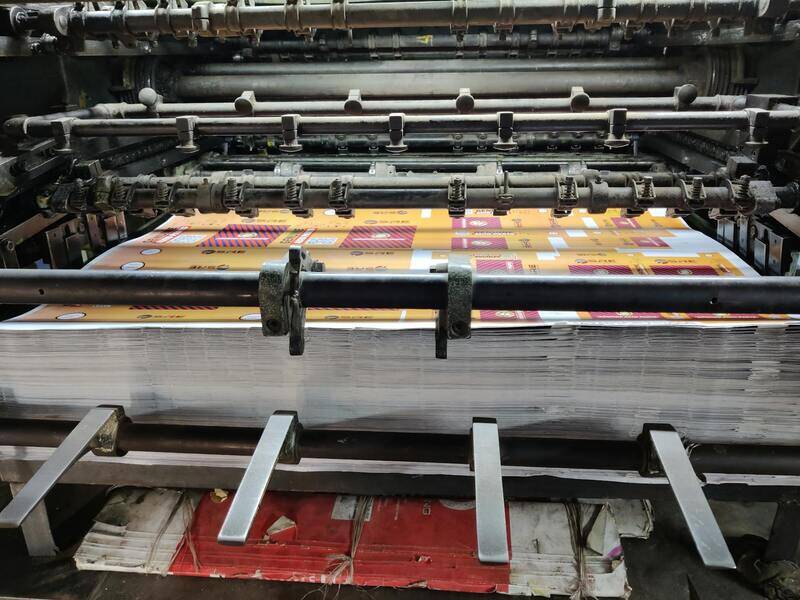
Material Options and Their Cost Impact
The choice of substrate plays a significant role in determining the total poster printing price. Standard options like glossy or matte paper offer cost-effective solutions for indoor use, providing vibrant colors and sharp details. For outdoor or long-term displays, weather-resistant materials such as vinyl or fabric are preferred, though they come at a higher cost. Foam boards and KappaLene boards are often used for mounting, with thicker or textured varieties incurring additional expenses. Premium materials offer enhanced durability and visual appeal, making them suitable for high-impact environments. Reputable printing providers list detailed pricing for each material type, helping clients balance quality requirements with budget considerations.

Printing Techniques and Photo Quality
The selected printing method directly influences both the visual result and the associated costs. Digital printing remains the most common choice for standard poster jobs, delivering high-resolution images efficiently and at moderate prices. For high-end displays or projects requiring extreme detail, UV or solvent printing techniques provide superior vibrancy and surface durability but at a higher price point. Photo quality options—ranging from standard to enhanced—allow clients to tailor the visual impact of their posters. Advanced printing solutions may also include special finishes like matte, gloss, or textured overlays, which can elevate the overall price while enhancing aesthetic appeal and longevity.
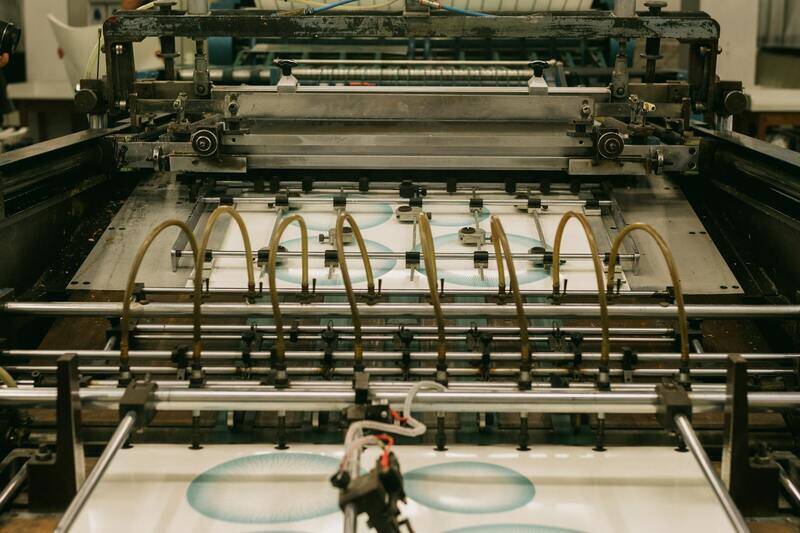
Additional Costs: Lamination, Mounting, and Framing
Enhancing the durability and presentation of posters often involves supplementary services, which contribute to the overall price. Lamination provides a protective layer against moisture, scratches, and UV rays, extending the lifespan of outdoor or high-traffic display items. Mounting on rigid boards or foam cores improves stability and ease of handling, with costs varying based on size and material thickness. Framing options include simple clip frames or ornate designs, each with differing price points. Clients should select additional services based on their display environment, with the understanding that these upgrades add to the total expenditure but significantly improve the visual impact and longevity of the posters.
Understanding Poster Printing Pricing
Determining the cost of poster printing involves a comprehensive evaluation of several key factors. Pricing structures at professional printing services like eprintingservice.com are typically based on dimensions, materials, printing techniques, and additional finishing options. Standard poster printing prices are often influenced by the size of the poster, with common dimensions such as 24x36 inches and 36x48 inches spanning most price brackets. Larger posters naturally require more material—both ink and substrate—resulting in increased costs. Additionally, volume plays a significant role; printing multiple copies can often secure discounted rates, whereas single, custom-sized posters may command premium prices.
Materials used also directly impact pricing. High-quality substrates like premium vinyl or textured paper may carry additional costs compared to standard glossy or matte paper. The choice of material not only influences visual appeal but also durability, especially for outdoor displays or long-term installations. Printing technique choices, such as digital, UV, or solvent printing, have varying price points based on complexity and output quality. For instance, UV printing provides superior color vibrancy and surface resilience but at a higher cost compared to traditional digital methods.
Material Options and Their Cost Impact
Material selection is central to the overall poster printing expense. Standard options like matte and glossy paper are budget-friendly and suitable for indoor displays. Specialty media such as weather-resistant vinyl or fabric exteriors are more expensive but offer enhanced durability for outdoor use. Thickness and texture also influence pricing; thicker substrates or those with textured finishes tend to add to manufacturing costs. Clients aiming for a premium look might opt for laminated finishes, which provide added sheen and protection but come with an extra fee. Understanding the purpose of the poster guides appropriate material choices that balance visual impact with cost considerations.
Printing Techniques and Photo Quality
The choice of printing technology affects image clarity, color accuracy, and pricing. Standard digital printing provides high-resolution outputs suitable for most promotional posters and is cost-effective for moderate quantities. For projects requiring exceptional detail or vibrancy, UV and solvent printing techniques are preferred, often at a premium. Photo quality options enhance the visual impact with sharper, more vibrant images, particularly beneficial for photographic posters or fine artwork. Advanced printing methods may also involve special surface finishes, like matte or gloss coatings, which can further influence overall costs and aesthetic appeal.
Additional Costs: Lamination, Mounting, and Framing
From a presentation standpoint, supplementary services like lamination, mounting, and framing significantly impact the total expenditure. Lamination offers protection against environmental factors such as moisture and UV rays, extending the lifespan of outdoor posters. Mounting on rigid boards or foam cores provides structural stability and ease of installation but varies in cost depending on size and material density. Framing options range from simple clip frames to ornate custom designs, each with its price point. Incorporating these features enhances visual appeal and durability but should be factored into the initial budget to ensure comprehensive planning.

Turnaround Time and Rush Orders
Delivery speed influences pricing, with standard turnaround times typically being more affordable compared to expedited or rush orders. Standard processing might span several business days, allowing for economical pricing structures. Rush services prioritize quick completion—often within 24-48 hours—entailing additional fees to cover expedited production and logistics. Clients should plan ahead for large projects to avoid unnecessary premium charges, but when time constraints arise, understanding the extra costs associated with urgent printing can facilitate budget management and delivery expectations effectively.
Evaluating Poster Printing Price Structures and Additional Expenses
Understanding the comprehensive pricing framework for poster printing involves a thorough examination of various contributing factors beyond base costs. Customers should be aware that poster printing prices are influenced significantly by the choice of dimensions, material quality, printing techniques, and finishings. Initial quotes typically reflect the size and quantity, but additional charges can accrue through optional enhancements that bolster both appearance and durability.
Cost Factors Beyond Basic Printing
While the core price often accounts for size and quantity, supplementary costs such as lamination, mounting, and framing are critical considerations for clients aiming to enhance the presentation and longevity of their posters. Lamination provides robust protection from environmental damage, UV fading, and scratches, making it especially suitable for outdoor displays. Mounting on foam core or rigid boards ensures structural support and facilitates easier installation, with costs varying based on material density and size. Framing options can range from minimalistic clips to intricate custom frames, each adding to the overall expenditure but offering sophisticated finishing touches that elevate the visual impact.

Turnaround Time and Associated Costs
Delivery speed arrangements directly impact the pricing structure. Standard processing timelines, which typically span multiple business days, tend to be more economical, allowing clients to benefit from lower rates. Conversely, expedited services—often required for last-minute projects or urgent campaigns—necessitate additional fees. Rush orders generally guarantee completion within 24 to 48 hours, covering the costs of prioritized manufacturing and logistics. Planning projects well in advance can mitigate these extra expenses, ensuring budget efficiency while fulfilling deadlines.
Implications of Bulk and Custom Orders
Order volume plays a vital role in determining the poster printing price. Bulk orders often qualify for discounted rates, reflecting economies of scale and production efficiencies. Custom projects, especially those involving unique sizes or specialized materials, may incur higher costs due to setup fees or the need for personalized service. Clients seeking substantial quantities should consult with service providers to negotiate optimal pricing tiers, while those with specific specifications should allocate additional budget for bespoke services.
Mitigating Costs Through Strategic Choices
Effective cost management begins with selecting appropriate materials that balance quality with budget considerations. Economical options like standard poster paper are suitable for internal displays, while premium synthetics or canvas materials may be reserved for outdoor or high-traffic environments. Comparing quotes from multiple vendors ensures transparent pricing and highlights opportunities for savings. Additionally, consolidating print runs for related projects or using standardized sizes can reduce setup and material costs, maximizing value without compromising aesthetic standards.

Strategies for Cost-Effective Poster Printing
- Opt for standard sizes when possible, to benefit from lower printing costs and minimal waste.
- Limit the use of elaborate finishing options unless they are essential for the presentation or branding requirements.
- Plan ahead to avoid rush charges, scheduling printing projects with sufficient lead time.
- Leverage bulk printing discounts for larger orders, especially for ongoing advertising campaigns or events.
- Request detailed quotes from multiple providers, ensuring all potential costs are accounted for, including setup, material, and finishings.
By adopting these strategies, clients can achieve high-quality poster displays while maintaining budget discipline, ensuring that their investment translates into impactful, durable visual communication.
