
Introduction to Color Poster Printing
In today’s competitive marketing landscape, the power of visual communication cannot be overstated. Color poster printing plays a vital role in capturing the attention of target audiences and conveying messages with vibrancy and clarity. High-quality, full-color posters are essential tools for brands and organizations aiming to promote their products, services, or events effectively. The ability to produce visually striking posters that stand out from the crowd depends on several factors—including material selection, printing technology, and design excellence. Color poster printing offers a multifaceted platform for expressing creativity and delivering impactful marketing messages. The use of bold hues, contrasting colors, and detailed imagery ensures that posters instantly draw the eye, making them ideal for busy retail spaces, trade shows, and community events. Moreover, the versatility of poster printing allows for customization in size, material, and finishing options, enabling tailored solutions that meet specific branding requirements. Beyond aesthetics, the strategic use of color in poster printing enhances brand recognition and emotional engagement. For example, certain colors evoke specific emotions—red for excitement or urgency, blue for trust and professionalism, green for eco-friendly values. When these colors are incorporated seamlessly into high-quality posters, they can significantly influence consumer perceptions and behaviors. The demand for vibrant, durable, and visually compelling posters has driven advancements in printing technologies. Digital printing methods, particularly large-format color poster printing, assure precise color reproduction, sharp images, and consistent quality across every print run. This ensures that marketing campaigns maintain visual integrity and impact, whether for a single event or ongoing promotional activities. Investing in professional color poster printing services ensures that each poster meets high standards of clarity, color fidelity, and durability. It involves official printing methods that utilize advanced inks and substrates designed for vibrant output and longevity. Such methods guarantee that posters will maintain their visual appeal over time, even when exposed to various environmental conditions. In essence, color poster printing stands as a cornerstone of effective visual marketing, blending graphic design, material science, and printing expertise to produce promotional materials that captivate and communicate powerfully. Whether used for advertising, informational displays, or branding efforts, well-executed color posters are indispensable assets in contemporary marketing strategies.
Introduction to Color Poster Printing
Color poster printing is a specialized process designed to produce visually impactful promotional materials that leverage vibrant hues and high-resolution graphics. When executed using official printing methods, this process ensures color accuracy, sharp details, and long-lasting durability. It integrates advanced digital printing technologies with premium materials to meet the diverse needs of marketers, designers, and businesses seeking to communicate effectively through eye-catching visuals.
The Significance of Using Official Printing Methods
Employing legitimate printing techniques involves the use of approved inks, substrates, and machinery that adhere to industry standards. These methods typically utilize high-quality pigment-based inks, such as solvent or UV-curable inks, which offer unmatched color fidelity and resistance to environmental factors like UV light, moisture, and abrasion. Such approaches guarantee that the posters maintain their visual integrity over time, ensuring consistent branding and impactful messaging.
Official color poster printing services also rely on calibrated color management systems. These systems meticulously control color profiles during the printing process, allowing for precise reproduction of brand colors, gradients, and intricate details. This meticulous approach reduces misprints and color discrepancies, which is crucial for maintaining brand consistency and professionalism.
Color Reproduction Technologies in Poster Printing
Modern poster printing harnesses various advanced technologies, including:
- Wide-Format Digital Printing: Capable of producing large-scale posters while maintaining high-resolution detail and color accuracy.
- Laser and Inkjet Printing: Widely used for their versatility, speed, and ability to reproduce complex images with vibrant colors.
- UV Printing: Offers superior adhesion and durability by curing inks instantly under ultraviolet light, suitable for outdoor posters.
Choosing the Right Color Inks and Substrates
For high-impact color posters, the selection of inks and materials plays a pivotal role. Solvent-based inks, for example, provide vibrant colors with excellent outdoor resistance, ideal for outdoor banners and signage. Water-based inks are eco-friendly and suitable for indoor displays where prolonged exposure to weather elements is unnecessary.
The substrate, whether glossy, matte, or satin, influences the final appearance of the poster. Glossy surfaces enhance color vibrancy and contrast, making images pop, while matte finishes reduce glare and provide a professional aesthetic. The durability of the poster depends on choosing weather-resistant substrates like vinyl or coated paper, which sustain high-quality visuals over time.
Implementation of Legitimacy in Printing Processes
Legitimate printing providers adhere to strict quality assurance protocols, including regular calibration of printing equipment, quality checks at each stage, and the use of conformant materials. These measures ensure that each poster produced aligns with specified color standards and durability requirements, empowering clients to achieve their branding objectives with confidence.
Technical Aspects of Color Poster Printing
Understanding the technical foundations of color poster printing is essential for achieving optimal visual impact and longevity. A key factor is the selection of high-quality inks compatible with the chosen substrates. Solvent-based inks are prevalent for outdoor posters due to their vibrant colors and resistance to weathering, whereas eco-friendly water-based inks are favored for indoor displays, providing bright hues without harmful emissions.
Advanced printing technologies, such as UV curable and latex printing, facilitate precise color reproduction and durable results. UV printing, for instance, rapidly cures inks under ultraviolet light, resulting in sharp images that resist scratching and fading. Latex printers employ water-based, latex-polymer inks capable of producing bold colors on a variety of materials, including vinyl and fabric, with excellent flexibility and adhesion.
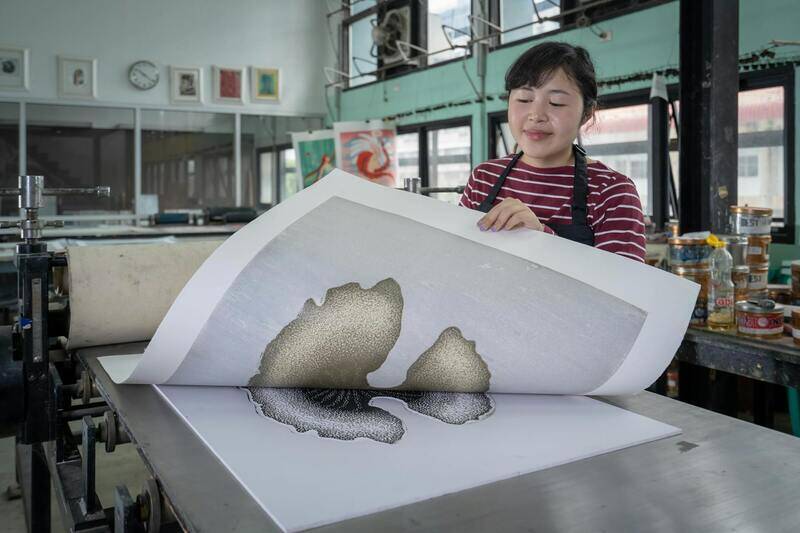
The substrates used in color poster printing significantly influence the final appearance and durability of the posters. Glossy finishes enhance vibrancy and contrast, making colors pop and details appear more striking. Matte surfaces, on the other hand, reduce glare and impart a sleek, professional aesthetic, ideal for indoor environments. Satin finishes strike a balance between the two, offering moderate gloss with a smooth appearance.
Weather-resistant materials like coated paper, vinyl, or fabric are often employed for outdoor posters, offering resilience against moisture, UV rays, and temperature fluctuations. Selecting the appropriate substrate based on the environment ensures that the posters maintain their visual integrity over time, minimizing fading, cracking, or peeling.
Ensuring Process Legitimacy in Color Poster Production
Reliable color poster printing providers adhere to strict quality assurance procedures to uphold consistency and excellence. Regular calibration of printing equipment guarantees accurate color matching and fidelity to original designs. Consistent quality checks at each production stage detect potential issues early, reducing wastage and ensuring client expectations are met.
Use of conformant materials and inks that meet industry standards also plays a critical role. Quality assurance extends beyond the production process, encompassing proper handling, storage, and transportation of printed posters to prevent damage or deterioration before delivery. These measures collectively confirm that each poster exported to clients aligns with the desired specifications, reinforcing their branding and visual communication efforts effectively.
Image Selection in the Printing Workflow
The choice of images for a color poster is crucial in defining the overall appeal and message clarity. High-resolution images, preferably with a minimum of 300 dpi, ensure sharpness and detail in large-scale prints. Vector graphics are ideal for logos or text elements, as they maintain clarity regardless of scaling.
Color management strategies, such as color profiling and calibration, help translate digital colors accurately onto physical media. This process ensures that the hues in the final print closely match the original digital design, especially when reproducing complex images or gradients. Proper image optimization, including color correction and contrast adjustment, enhances visual impact and aids in achieving the desired aesthetic.
Maintaining consistent color standards throughout the workflow, from digital design to final print, is fundamental in delivering a product that meets the expectations of clients seeking impactful, vibrant posters for their branding or promotional campaigns.
Advancements in Color Poster Printing Technologies
Modern color poster printing integrates a variety of cutting-edge technologies to produce vibrant, durable, and visually striking posters suited for diverse applications. Inkjet printing remains a popular choice, utilizing fine droplets of liquid ink to achieve high-resolution images with impressive color accuracy and detail. Eco-solvent printing, on the other hand, employs solvent-based inks that penetrate the substrate, resulting in posters with enhanced longevity and resistance to environmental factors such as moisture and UV exposure. UV printing introduces ultraviolet light curing inks, which instantly solidify upon exposure, delivering sharp images with rich colors and superior scratch resistance. Each method has unique advantages, allowing clients to select the most appropriate technique based on their specific needs, whether for indoor displays, outdoor advertising, or long-term signage.

Impact of printing methods on color vibrancy and durability
- Inkjet Printing: Delivers high-resolution images with precise color gradations, ideal for detailed graphics and photographic posters.
- Eco-Solvent Printing: Provides excellent resistance to weather conditions, making posters suitable for outdoor environments with sustained color vibrancy.
- UV Printing: Produces exceptionally vivid colors with a glossy finish, alongside enhanced scratch and chemical resistance that prolongs the poster’s aesthetic appeal.
Choosing the appropriate printing technology depends on factors such as the intended display environment, required lifespan, and budget considerations. Although each method offers distinctive benefits, they all share the common goal of achieving outstanding color fidelity and lasting quality, ensuring the poster’s message remains impactful over time.
Materials and substrates compatible with various printing techniques
Color poster printing is supported by an array of premium materials that optimize image presentation and longevity. Common substrates include:
- Matte and Glossy Paper: Versatile options for indoor posters, with matte reducing glare and glossy enhancing vibrancy.
- Vinyl Sheets: Durable, weather-resistant surfaces ideal for outdoor advertising campaigns.
- Canvas: Suitable for artistic or high-end promotional posters, offering a textured finish and extended durability.
- Flex Banner PVC: Used for large-format banners requiring high durability and vivid color reproduction.
The selection of substrate material influences not only the visual outcome but also the durability and installation options of the final product. Proper compatibility between printing technology and material ensures that the colors are rendered accurately and that the poster withstands environmental stresses.

Color calibration and profile management
Achieving consistent and accurate colors across all printed posters requires meticulous color management. This involves calibrating printers regularly and utilizing color profiles that align digital design files with the physical output. Color calibration ensures that hues, saturation, and contrast are faithfully reproduced, particularly when dealing with complex images or gradients. Employing industry-standard color profiles guarantees that the vibrancy and tonal values of digital designs are maintained during translation to print, resulting in posters that meet client expectations and brand standards.
Optimizing Visibility through Color Poster Printing
Effective color poster printing hinges upon selecting the appropriate printing methods and adhering to best practices that enhance visual impact and durability. When producing vibrant and attention-grabbing posters, it is crucial to consider the specific printing technology employed. Large-format digital printing, for instance, offers high-resolution output with precise color reproduction, making it ideal for advertisements that require sharp imagery and vibrant hues. The choice of ink, such as solvent or UV-curable inks, further influences the longevity and vibrancy of the final poster, especially when exposed to various environmental conditions.

In the realm of color poster printing, controlling the color profile and calibration process is vital for achieving consistency across multiple prints. Color management involves calibrating printers regularly and employing standard color profiles—such as sRGB or Adobe RGB—to accurately translate digital designs into physical posters. This meticulous process guarantees that hues, saturation, and tonal qualities are preserved, eliminating discrepancies that could compromise branding or visual communication.
Environmental Considerations and Finishing Techniques
Beyond the choice of materials and printing technology, the environmental conditions where the posters will be displayed significantly influence the printing approach. For outdoor posters, weather-resistant materials like vinyl or polyester substrates coated with UV-protective finishes are recommended. These materials resist fading, water, and UV rays, ensuring the poster’s vibrancy is maintained over time.
Finishing options such as lamination serve not only to protect the printed surface but also to enhance color depth and gloss. Matte laminates reduce glare, making posters easier to view under bright lighting, whereas gloss finishes amplify color brightness, catching the eye from a distance. Mounting techniques, including foam boards or gator boards, provide structural support, facilitating safe and impactful displays.
Ensuring Color Accuracy in Commercial Printing
To uphold high standards in color accuracy, utilizing industry-grade printers with advanced color management software is essential. Consistent color output is achieved through the calibration of printing equipment and the application of specific ICC color profiles aligned with the chosen media. When planning a color poster printing project, it is advisable to request proofs prior to full production—either digital or printed—to verify that the colors meet the specifications and expectations.
Moreover, understanding the color gamut of the printing process helps in designing visuals that stay within reproducible color ranges, avoiding disappointment caused by colors appearing muted or oversaturated in the final product. Collaborating with professional printing services that have a proven track record in poster printing ensures that the final output fulfills both aesthetic and technical standards, reinforcing the effectiveness of any advertising campaign or branding effort.

Enhancing Your Color Poster Printing with Proven Techniques and Materials
In the realm of professional poster production, selecting the appropriate printing methods and materials is crucial to achieving visually striking and durable outdoor and indoor displays. High-quality substrates and advanced printing technologies form the backbone of impactful color posters, ensuring consistency, vibrancy, and longevity.
Utilizing Industry-Standard Printing Technologies
Modern color poster printing leverages state-of-the-art digital printing systems equipped with sophisticated color management software. These systems enable precise control over ink distribution and color reproduction, resulting in images that match design specifications with high fidelity. By employing high-resolution printers with capabilities to handle wide-format media, printing professionals can produce large-scale posters with intricate details and seamless color blends.

Selection of Suitable Materials for Posters
Choosing the right material impacts not only the visual appeal but also the durability of the final product. Common substrates for color posters include glossy, matte, and satin photo papers, each imparting a different aesthetic and tactile experience. For outdoor posters, weather-resistant media such as vinyl and waterproof papers are preferred, providing resistance against moisture and UV exposure. Additionally, thicker materials like foam boards and corrugated plastic are used for mounting displays, offering rigidity and ease of transport.
- Glossy Photo Paper: Enhances color brightness, ideal for vibrant indoor posters.
- Matte Vinyl: Reduces glare and is suitable for outdoor visibility.
- Weather-Resistant PVC: Ensures longevity under outdoor conditions.
- Foam Board: Lightweight and stable for mounting indoor posters.
- Corrugated Plastic: Tough, waterproof option for outdoor signage.
Effective Design and Color Management for Posters
Designing a compelling poster requires careful consideration of color schemes, layout, and visual hierarchy. Professionals often utilize software that supports ICC color profiles and soft proofing to ensure the digital design translates accurately to the printed material. Maintaining consistent color appearance across different print runs necessitates calibration of printers and regular testing using standardized color targets.
Additionally, understanding the color gamut— the range of reproducible colors in the chosen printing process— helps designers avoid colors that may appear dull or oversaturated in final prints. Pre-press proofs, whether digital or physical, serve as critical checkpoints to verify color accuracy and overall aesthetic before proceeding with full-scale production.
Incorporating Finishing Touches for Display Durability
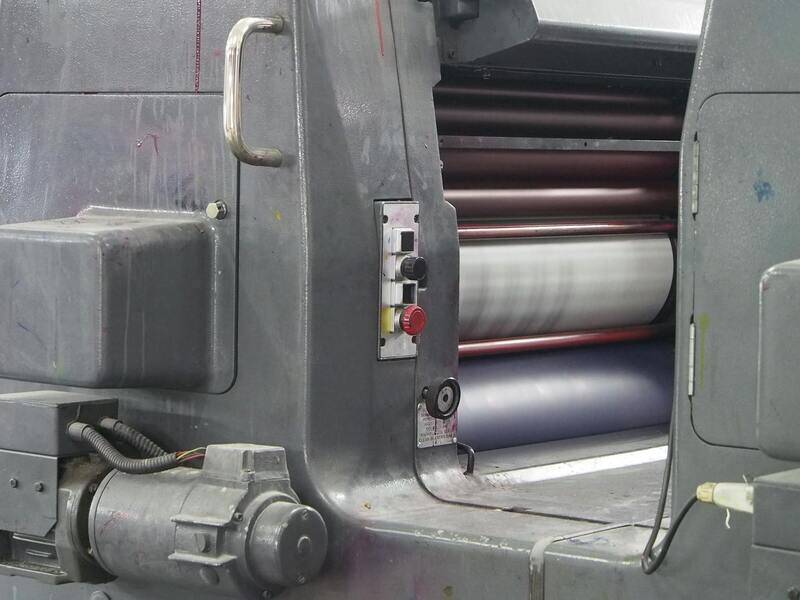
Post-print finishing techniques significantly influence the longevity and appearance of color posters. Laminations, such as matte or gloss finishes, protect the ink surface from scratches, UV damage, and moisture. Matte laminates are preferred for presentations requiring reduced glare, whereas gloss adds vibrancy to the colors, making visuals pop from a distance.
Mounting options also customize the display's impact. Foam boards deliver lightweight framing for indoor installations, while gator boards provide enhanced support for larger formats. For outdoor banners and posters, robust mounting systems combined with weatherproof coatings extend the lifespan of promotional displays.
- Gloss Lamination: Amplifies color brightness and enhances visual appeal.
- Matte Lamination: Offers subtle finish with glare reduction.
- Foam Boards: Convenient for indoor mounting and presentation.
- Gator Boards: Heavy-duty support suitable for large or outdoor posters.
Understanding Color Management and Calibration in Poster Printing
Achieving consistent and vibrant color output in poster printing necessitates meticulous color management practices. Color calibration of devices, including monitors and printers, ensures that digital designs are accurately translated onto physical media. Through the use of standardized color profiles and calibration tools, printing professionals can diminish discrepancies caused by device inconsistencies, thus maintaining the integrity of the original design’s hues and saturation.

Furthermore, implementing proofing strategies such as soft proofs—digital previews adjusted with specific color profiles—and physical proofs allows for verification of colors and visual effects before the mass production begins. These steps are vital in ensuring that the final printed posters meet quality expectations, especially when reproducing complex color gradients or brand-specific color schemes.
Color Reproduction and Gamut Considerations
The color gamut— the spectrum of reproducible colors by a given printing process— plays a critical role in the fidelity of poster prints. Different printing technologies, such as inkjet or digital presses, have varying gamuts that influence how certain colors, especially vivid reds and deep blues, are rendered. Designers must select color profiles compatible with the intended printing method to optimize vibrancy without oversaturation or dullness.
To avoid issues related to color clipping or loss of detail in highly saturated areas, it’s essential to work within the printer’s color gamut during the design phase. Using color management software enhances control over these parameters, resulting in stunning, accurate poster displays that attract attention and convey their messages effectively.
Pre-press Proofing and Quality Checks
Before proceeding with full-scale color poster production, pre-press proofs serve as a fundamental step. Digital proofs allow for review of colors, layout, and overall appearance on calibrated monitors. For physical proofs, small test prints provide tangible samples for inspection, especially important for clients who require precise color matching for branding or promotional purposes.

These proofing processes enable adjustments in color settings and design elements, minimizing waste and reprint costs. With meticulous attention to calibration and proofing, the transition from digital design to physical poster results in a polished, visually compelling display capable of capturing audience attention effectively.
Environmental and Light Considerations in Poster Display
The environment in which posters are displayed can influence how their colors are perceived. Factors such as ambient lighting, wall background, and viewing distance can all impact visibility and impact. High-gloss laminates can reflect light, enhancing richness but potentially causing glare, while matte finishes reduce reflections for clearer viewing in bright settings.
Adjusting lighting conditions in display areas or choosing appropriate mounting surfaces ensures that the poster’s colors are seen as intended. Additionally, using weatherproof coatings and UV-resistant finishes extends the vibrancy and clarity of outdoor posters, maintaining color integrity over time despite environmental exposure.
Advanced Techniques for Superior Poster Color Quality
Emerging printing technologies, such as high-definition digital presses and wide-format inkjet printers equipped with advanced color management features, deliver exceptional color accuracy. These systems support a broader color gamut, enabling the reproduction of more vivid and nuanced colors.
Specialized inks, UV-curable options, and hybrid printing processes further enhance durability and color vibrancy. Implementing these advanced techniques ensures that color posters not only stand out visually but also withstand the demands of various display conditions, maintaining their visual appeal for extended periods.
Advanced Techniques for Superior Color Poster Printing
To ensure vibrant, long-lasting posters, utilizing cutting-edge printing technologies is essential. High-definition digital presses equipped with sophisticated color management systems offer remarkable color reproduction capabilities, enabling the precise capture of intricate shades and subtle tonal variations. These systems support an expanded color gamut, which means a wider range of colors can be accurately reproduced compared to conventional methods.
Wide-format inkjet printers have become a staple in professional poster printing, especially when paired with specialized inks that deliver superior color vibrancy and durability. UV-curable inks not only enhance the color intensity but also dry instantly upon curing, reducing the risk of smudging and allowing for immediate handling. Additionally, hybrid printing solutions combine various techniques to achieve optimal results, blending the benefits of digital precision and traditional quality assurance.
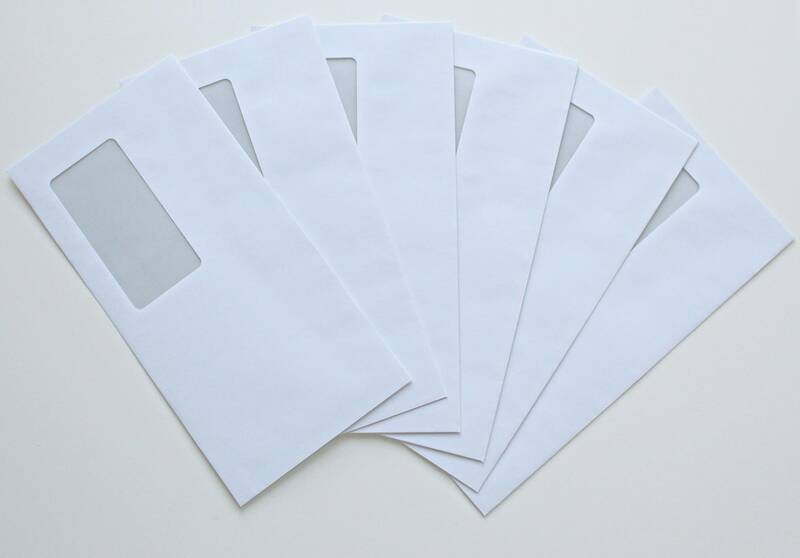
Implementing these advanced printing techniques translates to posters that truly stand out, with eye-catching colors that retain their impact over time. They also offer substantial benefits in terms of durability—UV-resistant coatings safeguard against fading caused by exposure to sunlight and environmental factors. This is particularly beneficial for outdoor displays where outdoor elements pose a greater challenge to maintaining visual integrity.
Moreover, specialized inks such as aqueous, solvent, or latex inks come with their own advantages in terms of color richness and environmental considerations. Latex inks, for example, produce vibrant, scratch-resistant images suitable for both indoor and outdoor applications without the need for additional coatings.
Optimizing Cost and Quality Through Print Management
- Color Calibration: Regular calibration of printers ensures consistent color fidelity and minimizes color discrepancies across batches.
- Material Compatibility: Selecting the correct media for the printing technology used guarantees optimal color absorption and longevity, whether it is vinyl, fabric, or fine art papers.
- Quality Assurance Procedures: Post-print inspection and color profiling help identify inconsistencies early, reducing waste and reprints.
For organizations seeking to achieve the highest standards in their poster campaigns, collaborating with a professional printing service that employs these advanced technological solutions is key. Such services can provide expert advice on color management and material selection, ensuring that the final product not only meets but exceeds expectations in visual impact and durability.
