Understanding Booklet Printing
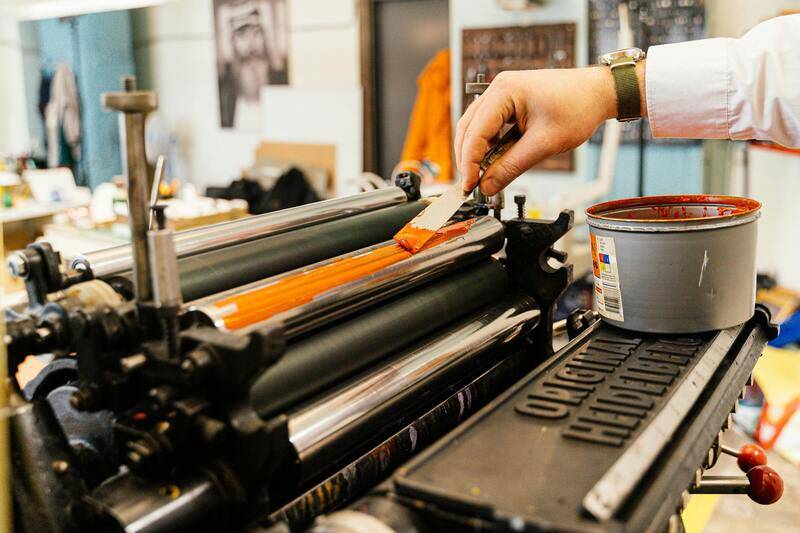
Booklet printing is a specialized printing process that involves creating small, folded publications bound together to form a compact, professional document. These publications typically consist of multiple pages, arranged in a manner that allows for easy reading and distribution. Booklet printing is widely utilized across diverse industries, including marketing, education, corporate communication, and event management. Businesses often use booklets to showcase product catalogs, informational brochures, training manuals, event programs, and promotional materials. The process allows for the delivery of comprehensive content in a format that is both visually appealing and convenient for readers.
To produce an effective booklet, careful consideration must be given to the layout, paper quality, binding method, and overall design. The goal is to create a document that captures attention, effectively communicates the intended message, and aligns with the brand's aesthetic. Modern booklet printing leverages advanced printing techniques that enable high-quality color reproduction, precise folding, and durable binding, ensuring the final product meets professional standards. Whether for internal distribution or customer outreach, the versatility of booklet printing makes it an essential tool for organizations aiming to present detailed information in a polished, accessible format.

Common Uses of Booklet Printing in Various Industries
- Marketing and Advertising: Product catalogs, promotional brochures, and event programs.
- Education: Course catalogs, academic publications, and training manuals.
- Corporate Communications: Annual reports, company profiles, and policy documents.
- Event Management: Programs for conferences, weddings, and other special occasions.
Choosing the right type of booklet and printing method is essential for achieving the desired impact. Factors such as page count, intended audience, and distribution scale influence the optimal design and production approach. High-quality booklet printing not only enhances brand credibility but also ensures that the information conveyed leaves a lasting impression on the reader.
Design Considerations for Booklets
Effective booklet design is essential to communicate your message clearly and professionally. The layout must balance visual appeal with readability, incorporating strategic use of whitespace, font choices, and imagery. It’s important to organize content logically, guiding readers seamlessly from introduction to conclusion. Consistent branding elements such as logos, color schemes, and typography should be integrated throughout to reinforce brand identity.
Typography plays a pivotal role; selecting legible fonts and appropriate sizes enhances readability, especially in multi-page documents. Visual hierarchy can be achieved by varying font weights, sizes, and color accents, helping key information stand out. Incorporating high-quality images and graphics not only adds visual interest but also supports textual content, making complex information easier to understand.
Precisely aligned margins, gutters, and fold lines ensure a clean, professional appearance, especially on thicker booklets where folding accuracy is critical. Consider the use of grids or templates during design to maintain consistency across pages. Lastly, a coherent visual theme that aligns with your branding helps establish a professional look and feel.

Choosing the Right Printing Materials
The selection of printing materials significantly influences the durability, aesthetic, and overall perception of your booklet. High-quality paper stocks range from glossy to matte finishes, each suited for specific types of content and audience expectations. Glossy paper enhances vibrant color reproduction and provides a polished appearance, making it ideal for image-heavy booklets like product catalogs. Matte finishes, on the other hand, offer a subtle, muted look that is excellent for text-centric documents and can reduce glare under bright lighting.
Weight and thickness, known as paper weight, impact the tactile experience and durability. Standard options include 80 lb or 100 lb text stock for interior pages, with cover stocks ranging from 80 lb to 130 lb for added sturdiness. Coatings such as UV gloss or matte lamination can further protect printed surfaces, especially for materials expected to handle frequent handling.
Environmental considerations are increasingly important. Recycled paper options and vegetable-based inks can be used to produce eco-friendly booklets, aligning with sustainability goals without compromising quality.

Print Specifications and Customization Options
To achieve a tailored appearance, various print specifications and customization options are available. Page size, resolution, color mode, and finishing touches all contribute to the final product’s quality.
Standard booklet sizes typically include letter (8.5x11 inches), legal, or custom dimensions to suit your content and distribution. High resolution (at least 300 dpi) ensures crisp images and sharp text, critical for professional presentation.
Color options range from full-color printing to monochrome, depending on your branding needs and budget. Advanced printing techniques such as spot UV, foil stamping, embossing, and die-cutting are available for added visual impact and tactile differentiation. Finishing touches like rounded corners, perforations, and special gloss or matte coatings can elevate your booklet’s overall appearance and usability.
Custom binding options, including saddle stitching, perfect binding, or coil binding, accommodate different page counts and usage contexts, offering tailored solutions for various projects.

Cost Factors and Budgeting for Booklet Printing
Understanding the costs associated with booklet printing helps in realistic budgeting and project planning. Key cost drivers include the number of pages, page count, size, choice of paper, and complexity of finishing options. Higher page counts or specialized finishes increase per-unit costs, but economies of scale can reduce overall expenses with larger orders. Design complexity also influences costs; intricate layouts or custom embellishments require additional setup time and materials. Short runs are typically more expensive per booklet, whereas bulk orders benefit from volume discounts. Additionally, turnaround times may affect pricing—expedited printing services often come at a premium. To optimize costs, it’s advisable to review multiple quotes, clearly define your specifications, and consider standardized options where possible. A well-planned budget ensures the production of a professional product without compromising quality.
Selecting a Printing Service Provider
Partnering with a reputable printing service provider is critical for consistent quality and timely delivery. Look for providers with a proven track record in booklet printing, extensive material options, and advanced printing technology that supports your project’s specifications. Customer reviews, industry certifications, and portfolio samples offer insights into their reliability and craftsmanship. Transparent pricing structures and clear communication channels facilitate smooth collaboration. Additionally, providers offering comprehensive consultation can help optimize design, materials, and finishing choices within your budget. Choosing a partner who values quality control and offers post-print support ensures your project remains aligned with your expectations from proofing to final product.
Order Process and Quality Control
The order process begins with detailed specification submission, including quantity, materials, size, and finishing preferences. Many providers offer digital proofs or samples for review before mass production, enabling you to verify layouts, colors, and binding. Approving these proofs is essential to minimize errors. Throughout the printing process, quality control measures such as automated inspections and manual checks help ensure consistency. Regular communication with the printer can address potential issues early, preventing delays or unsatisfactory results. Finally, confirm delivery timelines and inspection upon receipt to verify that the final product matches your specifications. Maintaining clear documentation and open communication with your provider guarantees a smooth production cycle.
Delivery, Post-Printing, and Recycling
Once printed, effective logistics and post-production care are essential. Choose a provider with reliable distribution capabilities that can meet your timeline requirements. Proper packaging safeguards against damage during transit.
Post-printing processes may include trimming, folding, or binding adjustments to ensure precision. Some providers offer recycling options for waste materials or excess stock, supporting sustainable practices.
Recycling and responsibly managing leftover materials help minimize environmental impact and align with eco-conscious initiatives. Proper disposal or reuse of remnants contributes to a sustainable printing workflow, fostering positive organizational values.

Understanding Booklet Printing
Booklet printing is a strategic process that involves transforming digital or physical content into professionally finished booklets, ideal for marketing, instructional, or informational purposes. This process demands careful attention to technical details such as paper selection, binding methods, and finishing options to ensure the final product aligns with the intended use and brand image. Whether producing small batches for a local event or large volumes for distribution, selecting the appropriate printing techniques and materials is vital for achieving optimal quality and durability.

To meet diverse requirements, print providers utilize various printing technologies, including digital printing for quick turnaround and variable data needs, and offset printing for high-volume, high-quality output. Binding options such as saddle stitching, perfect binding, or spiral binding cater to different durability and aesthetic preferences.
Key Steps in the Booklet Printing Process
- Design Preparation: Finalize layout, images, and text ensure compatibility with printing specifications.
- Material Selection: Choose suitable paper types, finishes, and weight to complement content and purpose.
- Proofing and Approval: Review digital proofs or samples meticulously to confirm layout accuracy, color fidelity, and binding placement before mass production.
- Printing and Binding: Execute the print run, followed by binding and finishing processes to assemble the booklet correctly.
- Quality Inspection: Conduct thorough inspections to detect defects, ensure consistency, and verify that the final product meets your specifications.
Throughout each stage, maintaining clear communication with your printing partner ensures that any adjustments are made promptly, reducing the risk of costly errors or delays. Emphasizing transparency and detailed documentation supports a seamless production cycle from start to finish.
Importance of Quality Control
Quality control in booklet printing encompasses automated systems and skilled manual inspections designed to identify issues such as color mismatches, misalignments, or binding irregularities. Implementing multiple checkpoints during production helps uphold standards and deliver a polished product. When working with reputable providers, you benefit from their expertise and advanced inspection equipment, minimizing imperfections and ensuring that the final product aligns perfectly with your expectations.
Additionally, participating in the proof approval process allows you to verify that all elements are correct before large-scale printing begins. This step is critical for preventing widespread errors, saving costs, and maintaining brand integrity. Communicating detailed feedback during review stages fosters a collaborative environment where quality is prioritized at every step.
Finalizing the Order
Once the production is confirmed, arrange for delivery based on your timeline requirements. Reliable logistics are essential to delivering your booklets promptly and in optimal condition. Upon receipt, conduct an inspection to ensure the quantity and quality match your order specifications. Proper documentation and close communication with your printer during this phase help resolve any discrepancies efficiently, supporting a smooth conclusion to your printing project.
Verifying Order Accuracy and Implementing Quality Checks
Ensuring that your printed booklets meet your specifications requires meticulous verification at each stage of the printing process. Starting with the initial proofing phase, clients should review digital and printed proofs thoroughly to confirm color accuracy, layout integrity, and overall design fidelity. This step helps identify potential issues before the full print run, saving costs associated with reprints or corrections after production has commenced.
Once production begins, ongoing quality control measures are essential. Automated inspection systems equipped with high-resolution cameras can detect misalignments, color inconsistencies, or missing components with precision. Complementing these systems, skilled technicians manually review samples at key points during the process to catch subtler anomalies that machines might miss. This dual-layer approach ensures that only the highest quality booklets are finalized for delivery.
In addition to in-process inspections, manual spot checks on finished batches can prevent defective products from reaching clients. Feedback from these inspections should be documented and communicated promptly to the production team, enabling swift rectification if issues arise.
Final Review and Sign-Off Before Shipment
The final step involves a thorough review of the completed order. This includes inspecting a representative sample of booklets for color fidelity, binding accuracy, and overall presentation. Clients should verify that the printed materials align with the approved proof and that any custom features, such as fold lines or inserts, are correctly implemented. Once satisfied, formal approval should be granted to authorize shipment.
Clear communication throughout this process facilitates a smooth transition from production to delivery. Establishing a detailed checklist for final inspection helps standardize quality assurance procedures, minimize errors, and ensure the finished product aligns with your organization's standards and expectations.
Official Methods for Verifying the Quality of Your Booklet Order
To guarantee that your booklet printing project meets your expectations and standards, it's essential to rely solely on verified procedures designed for quality assurance. These methods involve systematic inspections, detailed review protocols, and official communication channels with your chosen printing provider, such as eprintingservice.com.
One key step is conducting a comprehensive pre-press review. This includes examining the digital proof provided by the printing service to ensure that colors, images, and layout specifications align with your initial design files. A meticulous comparison between the proof and the actual design helps identify discrepancies early, reducing the risk of errors during printing.
Once in production, on-site inspections play a crucial role. These inspections involve checking the paper quality, color accuracy, alignment, and binding consistency. Many reputable printers will provide physical samples or small batches for client approval before proceeding with full-scale printing. This practice is vital for validating that the job is progressing according to the agreed specifications.

Post-print quality checks are equally important. This involves a detailed examination of delivered batches, including checking for uniformity in color, clarity of images, proper binding, and absence of defects such as smudges or misalignments. Maintaining detailed inspection reports during this phase helps document the quality status and facilitates communication with the printing provider for any necessary adjustments or reprints.
In addition to physical inspections, digital tools can assist in verifying overall quality metrics. High-resolution scans or photographs of sample booklets can be shared with the printing company for further review, ensuring that your order was produced accurately. Some service providers offer online portals that enable clients to request real-time updates and review materials at key stages of the printing process.
For maximum reliability, establish a clear chain of command for quality verification within your organization. Assign responsibilities for sample review, batch inspection, and final approval to ensure accountability at each stage. Document every quality checkpoint with detailed notes and photographic evidence, creating a comprehensive record that can be referenced if any issues arise post-delivery.
Utilizing such official and systematic quality assurance procedures ensures your booklet order is consistent with your specifications, delivering professional-grade results that reflect your commitment to quality.

Understanding Booklet Printing
Choosing the appropriate method for order booklet printing involves evaluating various processes that impact the overall quality and durability of the final product. Traditional offset printing remains a popular option for large-volume orders due to its ability to produce sharp, consistent images with cost efficiency at scale. Conversely, digital printing offers flexibility for shorter runs and faster turnaround times, with high-resolution results suitable for vibrant, detailed graphics.
Depending on the complexity of the design and the quantity needed, selecting the right printing method can influence cost, timeliness, and the quality of the finished booklet. For instance, offset printing typically demands higher setup costs but becomes economical for bulk printing, while digital printing allows for easier customization and quicker production without extensive upfront investment.
It is essential to consider the intended usage and distribution scale when opting for a printing method. Commercial-grade booklet printing often involves large batch runs that demand high precision and color accuracy, making offset printing the go-to choice. Small batches, test prints, or highly customized orders may benefit from the flexibility and speed of digital processes.
Design Considerations for Booklets
Effective design planning is crucial for resulting in an engaging, professional-looking booklet. This process includes selecting appropriate page dimensions, layout arrangements, typography, and color schemes that align with the brand or message. Clear, high-resolution images and well-organized text blocks enhance readability and visual appeal.
Designing with print specifications in mind ensures that graphics are optimized for clarity and color accuracy, especially when working with specific paper types and finishing options. Incorporating bleed areas ensures that designs extend beyond trim lines, preventing unwanted white margins after cutting. The use of consistent margins and spacing maintains a balanced, professional appearance throughout the booklet.
Prepress preparation involves converting files into printer-ready formats, typically PDFs, with embedded fonts and ICC profiles for color management. Proofing the digital layout meticulously, via soft or printed proofs, helps identify issues before mass production, minimizing errors and material waste.
Choosing the Right Printing Materials
The quality of materials directly affects the durability and visual impact of your booklet. Common paper options include gloss, matte, and silk finishes, each suited to different content types and aesthetic goals. Gloss paper enhances vibrant colors and images, making it ideal for image-heavy publications, while matte and silk finishes offer a softer, less reflective surface suitable for text-focused content.
Considering weight and thickness, such as 100lb or 80lb stock, contributes to a premium feel and durability. Thicker cardstock may be preferable for covers, offering protection and sturdiness, whereas lighter paper can be used for interior pages to reduce weight and cost.
Some projects may benefit from specialty materials like recycled paper or textured surfaces, which not only support environmental concerns but also add a unique tactile dimension to the booklet. Proper selection of materials based on purpose, budget, and aesthetic preferences enhances the overall presentation and longevity of the printed product.
Print Specifications and Customization Options
Customization plays a vital role in creating a distinctive booklet that effectively communicates your message. Standard specifications include the number of pages, binding type, and size, but personalized options extend further. For example, different binding styles such as saddle stitch, perfect bind, or spiral binding influence the look and functionality of the final product.
Advanced print specifications involve options for embossed or foil-stamped cover elements, spot UV coating, or matte and gloss varnishes to accentuate certain design features. These finishing touches can elevate the booklet’s perceived value and brand recognition.
Color management is another significant aspect of customization. Utilizing expanded color gamuts, spot colors, or metallic inks allows for precise matching of brand colors and special effects that stand out. Variable data printing enables personalization for each booklet, tailoring content for specific recipients or regions, and increasing engagement and relevance.
Digital previews and sample proofs serve as essential tools to ensure all specifications and customization features are correctly implemented before full-scale production begins. Such diligence minimizes discrepancies and guarantees the final product aligns with your vision precisely.
Cost Factors and Budgeting for Booklet Printing
Understanding the elements that influence printing costs allows for more accurate budgeting and informed decisions. Key cost factors include quantity, paper quality, printing method, binding type, and any additional finishing or customization options. Larger quantities often benefit from bulk discounts, reducing the unit cost significantly.
Opting for higher-quality materials and advanced finishing techniques increases expenses but can enhance the perceived value of your booklet. Conversely, adjusting specifications such as lower page count or simplified binding can make the project more cost-efficient without compromising essential quality.
It is also important to consider setup or plate fees associated with offset printing, which are typically one-time charges for large runs. Digital printing, having minimal setup costs, is more suitable for smaller orders or quick turnarounds. Budget planning should include potential expenses for proofing, revisions, and shipping to avoid unexpected costs during the process.
Working closely with a printing provider that offers transparent pricing and detailed quotes enables you to balance your design aspirations with financial constraints effectively. This collaborative approach ensures your booklet project aligns with your budget while achieving the desired professional standards.
Understanding Booklet Printing
Booklet printing is a specialized service that combines creative design with precise production techniques to produce professional-quality booklets. The process involves multiple stages, including layout design, material selection, printing method, binding, and finishing. Accurate understanding of each component ensures the final product meets expectations and serves its purpose effectively.

Key Elements of Booklet Printing
- Design and Layout: Effective booklet printing begins with a well-planned layout that highlights key information, maintains visual consistency, and aids readability. This includes choosing appropriate font sizes, spacing, and graphic placement.
- Page Size and Format: Selecting an optimal size influences overall usability and costs. Common formats include A4, letter, or custom dimensions tailored to the intended use.
- Printing Method: Options such as offset or digital printing are available depending on order size, timeline, and budget. Each method offers distinct advantages in terms of color quality, turnaround time, and cost-efficiency.
- Binding Techniques: Binding choices—such as saddle-stitch, perfect binding, or spiral binding—affect both aesthetics and functionality, aligning with the booklet’s intended purpose and usage environment.
- Finishing Options: Additional treatments like gloss or matte lamination, spot UV coating, or embossing can significantly enhance the visual appeal and durability of the booklet.
Design Considerations for Effective Booklet Printing
Design quality directly impacts how your message is conveyed. It is essential to develop a cohesive visual theme that resonates with your target audience and complements the content. High-resolution images, legible typography, and balanced white space contribute to professional-looking printed materials.
Keep in mind the importance of bleed areas—extra space in your design to accommodate trimming—and safe margins to prevent content from being cut off. Incorporating an organized table of contents or clear headings can improve navigation for readers.
Order Booklet Printing: Ensuring Official and Reliable Results
Use Authorized Printing Vendors
To guarantee that your booklet printing project meets high standards of quality and authenticity, it is vital to employ authorized printing service providers. These vendors adhere to industry regulations, utilize certified materials, and maintain quality control protocols that ensure the final product reflects your specifications accurately. Engaging professional companies like eprintingservice.com, known for their compliance with industry standards, enhances overall project reliability and satisfaction.
Verify Certifications and Industry Standards
When selecting a printing partner, scrutinize their certifications, such as ISO or other recognized quality management standards. These indicate that the provider maintains consistent quality practices, uses legitimate raw materials, and follows proper printing procedures. A reputable printing company will openly display their compliance with these standards, thus providing assurance of their commitment to quality and responsible practices.
Specify Clear Print Requirements
- Design Files: Provide print-ready files with correct dimensions, resolution, and color profiles. Ensure designs are prepared according to the printer's specifications to avoid delays or discrepancies.
- Material Specifications: Clearly specify paper type, weight, and finish to guarantee the output matches your expectations and is produced through legitimate sources.
- Binding and Finishing Details: Communicate your preferred binding methods and finishing options to ensure they comply with industry standards and your quality requirements.
Opt for Transparent Quotation and Contract Agreements
Engaging in transparent communication regarding costs, timelines, and production methods helps establish a trustworthy relationship with your printing partner. Formal agreements specifying these details ensure that all processes follow legitimate procedures, reducing risks of misunderstandings or substandard results.
Implement Quality Control Checks
Prior to mass printing, request sample copies or proofs to review the print quality, color accuracy, and material finish. This step is essential to confirm that the final output will meet your expectations and adhere to the agreed-upon standards. Reputable printing companies execute rigorous quality control measures during production to identify and rectify any issues promptly.
Secure Integrity with Proper Documentation
Maintaining detailed records of your order, design files, communication, and proofs is crucial. These documents serve as proof of the legitimacy of your order and facilitate tracking and accountability throughout the printing process.