
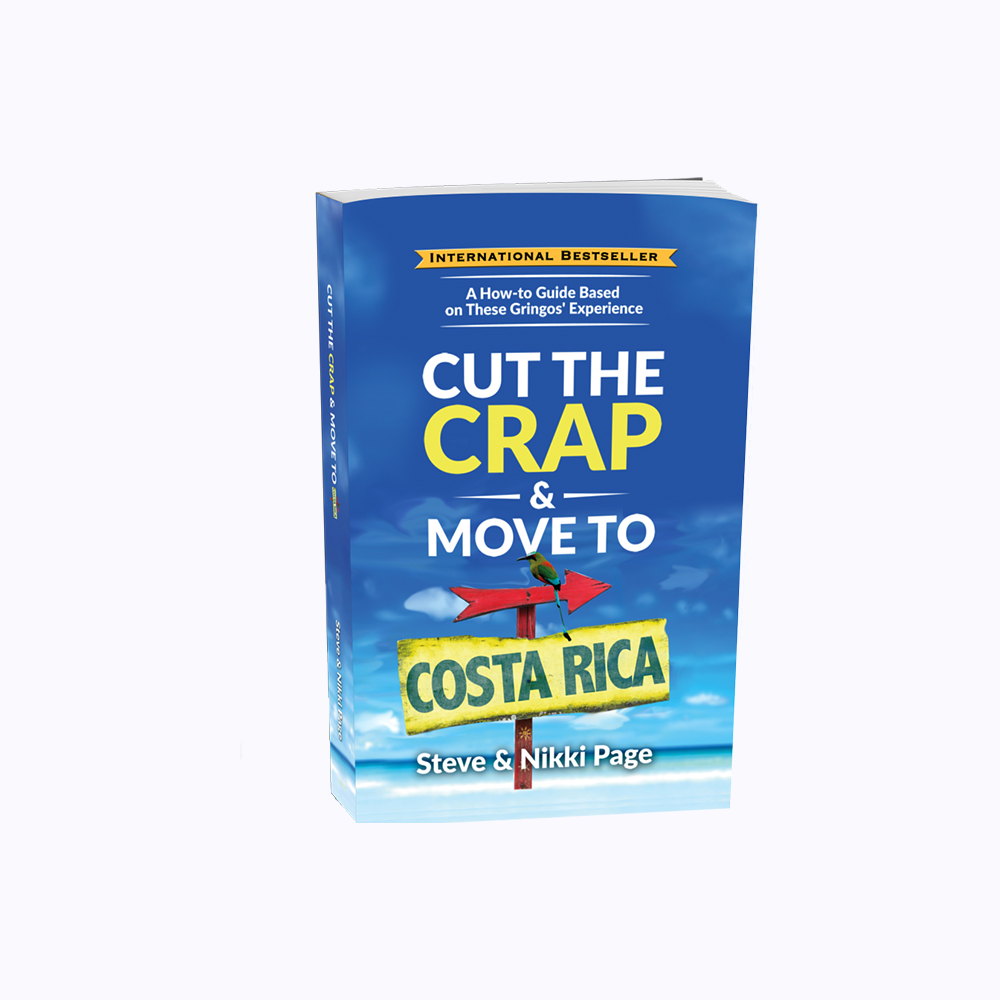
Understanding the Basics of Booklet Printing Cost
Booklet printing costs are a pivotal aspect of comprehensive print budget planning, especially for businesses and organizations aiming to produce professional-grade materials within a set budget. These costs are contingent upon various factors that influence the final pricing, including the printing method, the complexity of the design, and the specifications of the booklet itself. Recognizing these elements helps clients make informed decisions to optimize quality while maintaining cost efficiency.
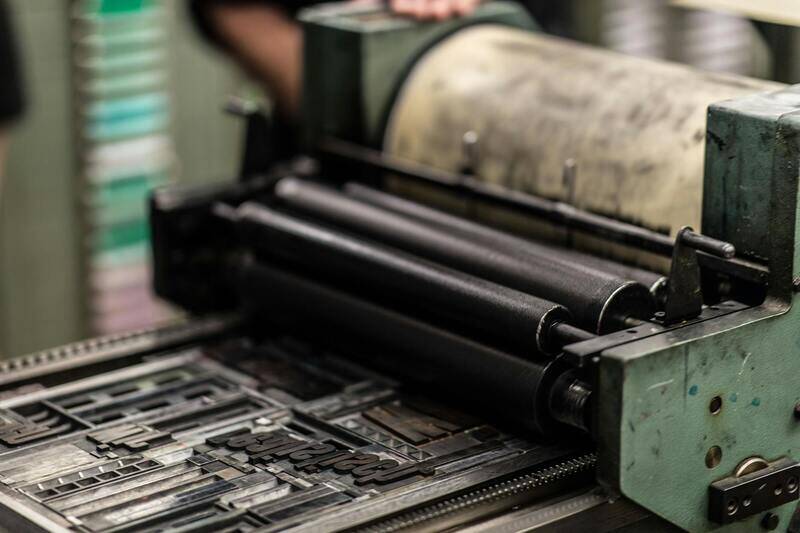
Industry standards suggest that booklet printing costs are usually calculated on a per-unit basis, factoring in parameters such as paper quality, printing technique, binding type, and quantity. Clients’ expectations for durability, visual appeal, and professionalism influence the choice of materials and finishing processes, which in turn impact costs. Additionally, turnaround times can also modify expenses, with expedited orders typically incurring higher rates.
Key Factors Affecting Booklet Printing Costs
- Page Count: The total number of pages directly impacts paper usage and printing duration. More pages generally translate to higher costs due to increased material and labor requirements.
- Print Quantity: Larger orders benefit from economies of scale, lowering the per-piece expense. Conversely, small runs tend to have higher unit costs.
- Paper Quality and Finish: Premium paper stocks and special finishes, such as gloss or matte coatings, increase production costs but enhance the booklet’s visual and tactile quality.
- Color vs. Black & White Printing: Color printing is substantially more expensive than monochrome, especially for higher page counts, due to increased ink usage and longer drying times.
- Binding Method: The choice of binding—saddle stitch, perfect binding, or spiral binding—has a significant effect on costs, with more complex options generally costing more.
- Design Complexity: Intricate designs, custom graphics, and high-resolution images may require more sophisticated printing techniques and additional setup time, influencing overall costs.
Visual Representation of Cost Influencers
Understanding these core components helps clients balance quality and budget. Just as the choice of binding impacts durability and aesthetic appeal, selecting appropriate paper and print methods ensures the finished product meets expectations without unnecessary expenditure. Engaging with experienced printers allows for accurate estimations and tailored solutions that optimize resources and achieve desired results efficiently.
Understanding the Basics of Booklet Printing Cost
Booklet printing cost is determined by a combination of variables that influence the overall production expenses. Recognizing these factors allows clients to make informed decisions, balancing quality with budget considerations. Several core components directly affect the final price, including the scope of the project and specific design choices.

Influence of Print Quantity
The total number of booklets ordered plays a crucial role in determining per-unit costs. Larger print runs benefit from economies of scale, leading to lower costs per booklet through bulk material procurement and streamlined production processes. Conversely, small orders tend to incur higher unit prices due to setup fees and fixed costs that are spread over fewer copies.
Page Count and Size
The number of pages in the booklet substantially affects printing costs. More pages require additional paper, longer printing time, and increased use of ink or toner. Additionally, the chosen booklet size influences paper usage and layout complexity—standard sizes generally cost less than custom dimensions. Both factors impact overall expenses significantly.
Paper and Finish Quality
Premium paper stocks enhance the tactile and visual appeal of a booklet, but they also come with higher costs. Finishes such as gloss, matte, or satin coatings add further expenses due to additional processing steps. These enhancements, however, contribute to a more professional presentation, which can justify the added expenditure depending on the intended use.
Binding Options
Binding methods vary in complexity and cost. Saddle stitch binding, suitable for smaller booklets, is generally the most economical, involving folding and stapling along the spine. For more durable or aesthetically refined options, perfect binding or spiral binding are preferred, with the latter often incurring higher costs due to additional materials and machinery requirements.
Color Versus Monochrome Printing
Color printing offers vibrant visuals but is significantly more expensive than black-and-white printing, especially for high-page-count booklets. The cost differential is attributable to ink usage, longer drying times, and the need for color calibration. Selecting color only for essential elements can help manage expenses without compromising design integrity.
Design Complexity and Customization
Intricate designs, high-resolution images, and custom graphics necessitate more sophisticated printing techniques and extended setup times. These factors elevate overall costs but are often necessary to meet brand standards or visual expectations. Planning designs carefully can streamline production and reduce unnecessary expenditures.
Visual Representation of Cost Influencers
Understanding the interaction between various cost components can help optimize project budgets. A diagram summarizing these influencers provides clear insight into how choices in design, materials, and quantity collectively impact the overall booklet printing cost.
Balancing Quality and Budget
Clients aiming for cost-effective booklet printing should prioritize essential qualities and explore options such as standard sizes, economy paper stocks, and minimal finishes. Collaborating with experienced printing providers enables the selection of appropriate materials and techniques that align with budget constraints while maintaining professional standards.
Breaking Down Individual Cost Components in Booklet Printing
To comprehensively understand the various expenses involved in booklet printing, it is essential to analyze each element that contributes to the overall cost. By dissecting these components, clients can better gauge where adjustments can be made to optimize budgets without sacrificing quality.
- Printing Method: The choice between digital and offset printing profoundly impacts the price. Digital printing, suited for smaller quantities, offers lower setup costs and quicker turnaround times. Conversely, offset printing becomes more economical for larger runs due to its higher setup costs but lower per-unit expenses.
- Page Count and Size: The number of pages directly influences printing costs, as more pages require more materials and longer machine run times. Standard sizes, such as A4 or A5, tend to be less expensive compared to unique or custom formats that demand specialized settings.
- Material Selection: Paper quality significantly affects overall expenditure. Thicker, high-grade papers with specialized finishes such as gloss, matte, or soft-touch can escalate costs. Economy paper stocks available in standard weights provide budget-friendly options aligned with professional output.
- Color vs. Monochrome: Incorporating full-color images or design elements increases material costs and the complexity of printing processes. Monochrome (black-and-white) printing remains a cost-effective alternative suitable for informational or minimalistic designs.
- Design and Image Resolution: Intricate graphics and high-resolution images require more meticulous handling and longer printing times. Properly optimized files that match the printer's specifications can prevent unnecessary delays and material wastage, impacting costs positively.

Selecting Cost-Effective Printing Options
Striking a balance between quality and affordability involves strategic decision-making during the planning phase. Opting for standard sizes, economy-grade papers, and minimal finishing treatments can significantly reduce expenses. Additionally, working with an experienced printing provider can help customize solutions that align with budget constraints without compromising on the professionalism or functionality of the final product.
Leveraging digital tools to preview designs before printing ensures that files are optimized and compatible, minimizing costly reprints. Establishing clear communication channels with service providers enables detailed quotations and avoids surprises related to hidden charges, ensuring the project remains within the intended financial scope.

Understanding the Cost Components of Booklet Printing
When assessing the overall expense of producing a booklet, it's essential to consider the detailed breakdown of each component involved. The primary factors influencing the total booklet printing cost include the material choices, the intricacies of design, and the specifications of the printing process itself. A comprehensive understanding of these aspects allows for better budget management and strategic decision-making.
Material Selection and Its Impact on Cost
Choosing the right paper stock plays a significant role in determining printing costs. Standard options like 80gsm or 100gsm offset papers are typically more economical, making them suitable for informational brochures or internal documents. Conversely, premium finishes such as gloss or matte laminated covers, or thicker cardstock for covers, can substantially increase expenses due to their higher material costs and additional finishing requirements.
Beyond paper quality, the choice of ink and color profiles affects costs as well. Monochrome printing tends to be more budget-friendly, while full-color images and graphics increase material usage and processing time, leading to higher production expenses. Properly optimizing files for print—such as reducing unnecessary color profiles or high-resolution images—can streamline the process and mitigate unexpected costs.
Print Specifications and Their Cost Implications
The size of the booklet and the page count directly influence the printing setup and per-unit cost. Larger formats or higher page counts typically require more materials and longer printing times, elevating the total cost. Dialing in the most common sizes, such as A4 or letter, often provides the most economical results due to standardized equipment and techniques.
Moreover, the density of content—such as the amount of text and images per page—also impacts print duration and resource consumption. Effective layout planning can optimize content placement, reducing page anomalies and minimizing waste.
Additional Costs to Account For
Beyond basic printing, other factors contribute to the overall project expense. These include binding methods, finishing touches, and optional embellishments. Each choice introduces different costs and must be evaluated against budget constraints and desired durability.
- Binding Options: Saddle stitching offers a cost-effective and quick method for booklets with a lower page count. Perfect binding, which resembles paperback books, provides a more professional finish but at a higher cost and longer turnaround.
- Finishing: Lamination, embossing, or UV coating can enhance the booklet’s appearance and preservation but entails additional materials and processing charges. These features are typically reserved for premium or promotional documents.
- Special Effects: Incorporating textured papers, foil stamping, or spot UV can increase both material and labor costs but may significantly elevate perceived quality and impact.
Visual Representation of Cost Factors
Tools for Cost Management
To effectively control costs, leveraging digital proofing tools can prevent costly errors and reduce reprint cycles. Clear communication with your printing provider about the scope, specifications, and budget constraints ensures precise quotations and minimizes surprises. Additionally, requesting detailed estimates based on the exact parameters of your project helps you compare providers and select the most efficient option.
Accurate estimation is further facilitated by reviewing sample projects, understanding standard pricing tiers based on quantity, and being flexible with specifications when possible. Long-term relationships with experienced printers often lead to better understanding of your needs and potential discounts or package deals, resulting in more predictable costs over time.
Understanding the Basics of Booklet Printing Cost
When planning to produce a booklet, comprehending the fundamental components that contribute to its total printing cost is essential. The printing expense is influenced by various intricacies, such as the selection of paper, binding options, finishing techniques, and the specifications of the project. Recognizing these elements enables more effective budget management and helps select the most suitable options that align with your goals and financial constraints.
Fundamentally, the cost begins with the base printing process, which encompasses the number of pages and the method used — digital or offset printing. While digital printing offers flexibility for smaller quantities with quicker turnaround times, offset printing tends to be more economical for larger runs, providing a lower cost per unit. In addition, the color process (black-and-white versus full-color printing) significantly impacts the overall expense, with full-color printing naturally incurring higher costs due to the use of multiple ink plates and extended drying times.

Additional Cost Factors Beyond Basic Printing
Beyond the fundamental printing work, several supplementary features and specifications can significantly influence the total cost. For example, paper quality—such as premium or textured papers—adds to material expenses. Higher-grade papers not only enhance visual appeal but also improve durability and tactile feel, making them popular choices for marketing or presentation materials.
Binding methods are another critical aspect affecting costs. Saddle stitching, where staples hold the pages together along the spine, is typically the most affordable and suitable for shorter booklets. Conversely, perfect binding, which resembles paperback books, provides a more polished, professional appearance but generally involves higher costs and longer production times. Ornamental finishes like lamination, UV coating, or embossing enrich the visual impact and longevity but also lead to increased expenses due to additional processing requirements.
Cost Implications of Special Effects and Finishes
Integrating special effects such as foil stamping, textured papers, or spot UV coating can dramatically elevate the perceived quality of a booklet. These effects often involve extra materials and labor, hence higher costs. however, they are strategically employed for promotional materials where visual impact is paramount. Moreover, the choice of finishes influences not just cost but also the durability of the printed piece, especially if the booklet is intended for frequent handling or outdoor use.
Impact of Quantities and Page Count on Pricing
The quantity of booklets ordered directly correlates with unit costs, with larger orders often benefiting from volume discounts. Similarly, the number of pages affects both the cost of printing and the binding process. Longer booklets require more material and may necessitate specific binding or finishing techniques to maintain quality, thereby increasing overall costs. Achieving cost efficiency involves balancing page count, quality preferences, and order volume to meet your budget without compromising essential features.

Conclusion
Understanding the detailed components influencing booklet printing costs is crucial for project planning and budgeting. From initial design and material choices to binding and finishing options, each element plays a role in the final expenditure. Engaging with experienced printing providers can help in identifying cost-effective solutions tailored to your specific requirements, ensuring a high-quality product within your financial parameters. Accurate estimation and clear communication are vital to achieving optimal results without unexpected expenses, making professional consultation a beneficial step in the booklet printing process.
Understanding the Dynamics of Booklet Printing Cost Factors
When evaluating the expenses associated with booklet printing, it is essential to recognize the various elements that contribute to the final cost. Each factor, from material selection to production techniques, plays a vital role in shaping the overall expenditure. A meticulous consideration of these components allows for more accurate budgeting and strategic decision-making in the print process.
Selection of Paper and Cover Materials
The choice of paper stock significantly impacts the printing cost. Standard options such as 80-100gsm interior pages are typically the most economical, while premium or specialty papers—such as gloss, matte, or textured finishes—tend to increase expenses. Similarly, the cover material's quality and thickness influence not only the aesthetic appeal but also the cost, especially if custom finishes or heavier cardstock are involved.

Printing Method and Colors
The chosen printing technology impacts costs substantially. Digital printing offers cost-efficiency for small to medium runs, with charges based on page count and color coverage. For larger quantities, offset printing might provide better bulk pricing. Moreover, full-color printing, especially with vibrant hues and complex graphics, increases per-unit costs compared to black-and-white printing, which remains a more economical alternative for text-only booklets.
Design Complexity and Finishing Techniques
A straightforward design with minimal graphics is generally less expensive to produce. Intricate layouts, custom illustrations, or embedded images can incur additional costs, especially if pre-press preparations are complex. Finishing touches such as UV coatings, embossing, or foil stamping enhance visual appeal but come at a premium. These enhancements require specialized equipment and increased labor, thus affecting the overall booklet printing budget.
Binding and Assembly Options
The selected method of binding plays a fundamental role in cost structure. Saddle stitching remains the most economical option for shorter booklets, typically up to 48 pages. When more pages are involved, options like perfect binding or spiral binding are considered, with each having distinct cost implications. The complexity of assembly, such as adding tabs or special inserts, can further influence expenditure.
Turnaround Time and Order Size
Urgent print jobs often entail expedited production costs, including premium fees for faster turnaround. Conversely, larger order quantities typically benefit from volume discounts, bringing down the unit price. Precise scheduling and adjustments to order size can optimize cost efficiency, especially when synchronized with the selected printing and binding options.
Additional Charges and Custom Requests
Extras such as mounting, lamination, or special packaging may incur extra fees. Clear communication with your printing service provider ensures transparency regarding potential additional costs. Opting for standard sizes and finishes can help keep expenses within a manageable range, while custom requests should be carefully evaluated for their added value versus additional costs.
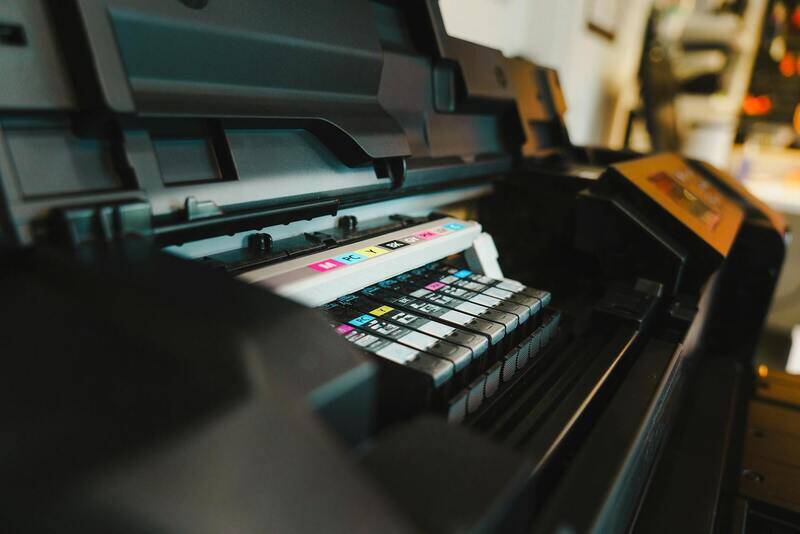
By understanding these core components influencing booklet printing costs, you are better equipped to plan effectively. Tailoring your project to meet your budget without sacrificing key quality features requires a strategic approach, engaging with experienced printing professionals who offer guidance tailored to your specific needs. Accurate cost estimation, combined with transparent communication, ensures your booklet project aligns with financial expectations while achieving the desired visual and functional outcomes.
Understanding the Basics of Booklet Printing Cost
When planning a booklet printing project, estimating the overall expenditure begins with understanding the fundamental cost components involved. These foundational elements include paper selection, printing technology, binding methods, and finishing options. Each factor impacts the final price, and comprehension of these elements allows for better budget management and informed decision-making.

Paper Quality and Choice
The type and weight of paper significantly influence the production cost. Thicker or specialty papers, such as glossy or matte finishes, tend to be more expensive than standard options. The paper's thickness, measured in GSM (grams per square meter), varies based on the desired durability and presentation style, directly affecting the unit price.
Printing Technology
Offset printing offers high quality for large quantities but comes with higher setup costs, making it ideal for bulk orders. Conversely, digital printing is more cost-effective for smaller volumes and allows for quick turnaround times. The choice of technology influences both the unit cost and the speed of production.
Number of Pages and Booklet Dimensions
The total page count and the size of the booklet are critical cost determinants. More pages require additional printing and binding resources, increasing the overall price. Standard sizes like A4 or A5 typically cost less than custom dimensions, which may involve additional setup and trimming expenses.
Finishing and Surface Treatments
Finishing options such as lamination, UV coating, embossing, or foil stamping add aesthetic appeal but also accrue additional costs. These treatments enhance durability and visual impact, yet they should be balanced against budget constraints to ensure cost-effectiveness.
Main Factors Influencing Booklet Printing Costs
The variability in booklet printing expenses stems from several intertwined variables. Recognizing these factors helps in pinpointing areas for potential savings and customization according to project needs.
Order Quantity
Bulk orders benefit from economies of scale, often reducing the unit price substantially. Many printing services leverage tiered pricing structures where larger quantities attract discounts, emphasizing the importance of accurately estimating needed volumes.
Page Count and Layout Complexity
Simple, straightforward layouts tend to be more affordable, whereas detailed designs or heavy use of color and graphic elements can increase printing time and ink consumption. Complex layouts may require additional pre-press preparation, adding to the cost.
Binding Technique
The choice between saddle stitching, perfect binding, spiral binding, or tape binding influences costs. Saddle stitching, using staples, is often the most economical for smaller booklets, while perfect binding enhances durability at a higher expense.
Color Usage
Full-color printing, especially when applied throughout the booklet, can significantly escalate costs compared to black-and-white or limited color options. Strategic use of color only where necessary can optimize expenditure without compromising design quality.
Common Binding and Finishing Options and Their Costs
Binding and finishing methods not only impact the lifespan and aesthetic appeal of booklets but also influence the overall budget. Understanding these options helps in selecting suitable features aligned with financial constraints.
Saddle Stitching
Ideal for booklets with fewer pages, saddle stitching involves folding sheets and stapling along the spine. It's one of the most budget-friendly options, suitable for small to medium-sized publications with up to 64 pages.
Perfect Binding
This method glues the pages along the spine, creating a durable and professional look. Perfect binding is typically used for larger booklets or catalogues, with costs increasing alongside the number of pages due to additional materials and processing steps.
Spiral and Plastic Comb Binding
Flexible and often used for manuals or reference materials, these bindings allow flat opening and easy page addition. They tend to be moderately priced but depend on coil size and material.
Finishing Treatments
- Lamination: Adds a protective surface, enhancing durability and appearance, with costs varying based on glossy or matte finishes.
- UV Coating: Provides a high-gloss finish and extra resistance to wear, typically incurring additional expenses per booklet.
- Embossing and Foil Stamping: Elevate design quality but are associated with higher setup and production costs.

Pricing Structures Based on Quantity and Page Count
Booklet printing costs often adhere to specific pricing models that reflect the order size and content volume. Recognizing these structures aids in estimating budgets accurately and leveraging discounts effectively.
Per-Unit Pricing
Most printers calculate costs on a per-unit basis, with prices decreasing as order quantities increase. Initial setup fees, particularly for offset printing, are amortized across larger runs, making bulk orders more economical per booklet.
Tiered Discounts
Many providers offer tiered discounts starting from small batch quantities, incentivizing larger orders. Understanding these tiers enables strategic planning to maximize savings, especially when timing allows for larger production runs.
Page Count Adjustments
Incremental pages directly affect cost, with a typical rate applied per additional sheet. Efficient layout design can help keep page counts within optimal ranges to avoid unnecessary expenses.
Additional Costs to Consider in Booklet Printing
Beyond basic production, certain supplementary expenses can influence the total budget. Being aware of these costs ensures comprehensive financial planning.
Design and Pre-press Charges
Custom design services or pre-press adjustments, such as file preparation or proofing, may incur extra fees. Working with a designer or providing print-ready files minimizes these additional costs.
Special Inks and Color Variations
Spot colors, metallic inks, or other specialty applications typically involve higher charges. Strategically limiting these features to key areas balances visual impact with budget adherence.
Delivery and Handling
Shipping costs are variable and depend on destination, packaging, and delivery speed. Consolidating orders and selecting standard shipping methods can help control logistics expenses.
Custom Inserts or Attachments
Adding CDs, flash drives, or other inserts increases the complexity and cost of the project. Clear articulation of these needs during the planning phase facilitates accurate quotations.
Strategies for Reducing Booklet Printing Costs
Effective cost management involves a combination of prudent design choices, strategic ordering, and collaboration with experienced printing professionals. These approaches help in balancing quality with affordability.
Optimizing Layout and Page Count
Avoid unnecessary pages by consolidating content and utilizing efficient design layouts. Maintaining standard sizes and formats reduces trimming and setup costs.
Choosing Suitable Finishing Options
Limit expensive finishes to essential areas, and select simpler binding methods for smaller projects. Prioritize options that contribute most to durability and aesthetic value without inflating expenses.
Bulk Ordering and Early Planning
Planning well in advance allows for larger production runs with tiered discounts. Combining multiple projects can also lead to volume savings on shipping and setup.
Clear Communication with Vendors
Transparent discussions regarding design, options, and budget constraints enable providers to offer tailored solutions, suggest cost-effective alternatives, and avoid unforeseen charges.
Evaluating these elements carefully will aid in executing successful booklet printing endeavors that meet both quality standards and financial expectations.
Additional Considerations for Booklet Printing Cost in Singapore
Beyond the primary factors influencing printing expenses, several supplementary elements can impact the overall cost of producing booklets. Addressing these aspects during planning helps manage budgets effectively and ensures the final product aligns with expectations.
Design Complexity and Customization
Intricate designs, custom illustrations, or extensive use of color gradients typically require more sophisticated printing techniques and higher ink coverage. This complexity can extend production time and elevate costs. Opting for simplified layouts or limiting the use of elaborate visuals can make the printing process more economical without compromising the booklet’s message.
Paper Quality and Weight
The choice of paper significantly influences the booklet printing cost. Thicker, premium-grade papers enhance durability and aesthetic appeal but come with higher expenses. Conversely, standard-weight papers are more budget-friendly and suitable for internal or informational booklets. In some cases, selecting specialized papers such as glossy or matte finishes adds to the cost but can greatly improve the tactile and visual experience.

Color vs. Black-and-White Printing
Color printing is typically more expensive than black-and-white due to higher ink usage and the need for color calibration. If the booklet's purpose allows, utilizing monochrome printing can reduce costs substantially. For highly visual content, balancing color use with black-and-white pages can optimize both impact and budget.
Production Timeline and Urgency
Fast turnaround requests often lead to premium charges to expedite production. Advance planning allows for standard processing times, which generally come with lower costs. When feasible, scheduling the project with ample lead time not only saves money but also provides room for detailed quality checks and adjustments.
Quantity and Bulk Discounts
Ordering larger quantities typically attracts tiered discounts, lowering the unit price significantly. Most printers offer volume-based pricing, making bulk orders an effective strategy for budget-conscious projects. Engaging in early discussions with printing providers can reveal available discounts and help tailor a cost-effective production plan.
Environmental and Eco-Friendly Options
Clients interested in sustainable printing solutions should consider eco-friendly inks and recycled paper options. While these choices are often marginally more expensive upfront, they contribute to environmental responsibility and can appeal to environmentally conscious audiences. Some printers may also offer incentives or discounts for selecting green printing methods.
Packaging and Delivery Costs
Additional expenses can arise from specialized packaging requirements to protect the booklets during transit. Expedited shipping methods, especially international or same-day deliveries, also add to the overall costs. Coordinating pickup or local delivery options might be more economical and convenient in the Singapore context.
Quality Assurance and Proofing
Ensuring print accuracy involves proofing processes, which could be digital or physical samples. While these steps provide confidence in the final product, they can introduce extra fees. Allocating budget for proofing ensures the final booklet aligns with expectations, reducing costly reprints.
Conclusion
Accurately estimating booklet printing costs requires a comprehensive understanding of these additional factors alongside the primary influences like page count and binding methods. Engaging with experienced printing professionals and clearly articulating project specifications enable cost-effective decision-making, ensuring the final product meets quality standards while respecting budget constraints. Detailed planning and open communication with your printing partner are essential for achieving optimal results within your financial scope.
