
Overview of Photo Print Banners
Photo print banners are large-scale visual displays designed to showcase high-resolution images and vibrant promotional messages. Renowned for their ability to captivate attention and communicate effectively, these banners play a vital role in advertising campaigns, corporate events, trade shows, and retail environments. They serve as dynamic communication tools that combine impressive imagery with impactful text, making them indispensable for brand visibility and promotional outreach.
The importance of photo print banners extends beyond mere decoration; their strategic use can significantly influence audience perception and engagement. With a large format and brilliant color reproduction, these banners help convey messages with clarity and vibrancy, ensuring that they stand out in crowded or busy settings. Their visual appeal is amplified by the quality of printing, material choices, and design precision, which altogether contribute to a professional appearance that reinforces brand integrity.
Key features that make photo print banners effective include:
- High-resolution image display that captures detail and color accuracy
- Durability suited for outdoor or indoor use
- Flexible sizes and materials for tailored applications
- Ease of installation and repositioning
- Cost-effectiveness for repeated campaigns and events
In addition to their visual impact, photo print banners are notable for their customization options, allowing businesses and individuals to craft unique messages that align precisely with their branding goals. When produced through advanced printing technologies and using quality materials, these banners offer a vivid, crisp appearance that withstands environmental elements if designed for outdoor use. Overall, photo print banners are a versatile, impactful, and essential component of modern visual marketing strategies.
Variety of Materials for Photo Print Banners
Choosing the appropriate material is crucial for ensuring that a photo print banner effectively meets its intended purpose, whether for indoor or outdoor display. Vinyl remains the most popular choice due to its durability and weather resistance, making it ideal for outdoor advertisements exposed to the elements. Its flexibility allows for easy installation on various surfaces, while its resistance to tearing and fading guarantees longevity.
For indoor environments, materials such as fabric or PVC are often preferred. Fabric banners offer a lightweight and premium look, with options for matte or satin finishes that reduce glare, thus providing a vibrant display of images with enhanced color depth. PVC banners, similar to vinyl, tend to have a smooth surface and are highly printable, offering excellent detail reproduction and color accuracy. Both materials can be finished with matte or gloss coatings, depending on the desired aesthetic and lighting conditions.
Design Strategies for Impactful Photo Print Banners
The success of a photo print banner hinges on thoughtful design that maximizes visual appeal and message clarity. High-resolution imagery is the foundation, ensuring sharpness and vibrancy across large formats. When preparing designs, it is essential to prioritize a balance between visual elements and textual content, maintaining legibility from a distance.
Color schemes should align with branding guidelines and utilize contrast effectively to highlight key messages. Strategic use of negative space can prevent overcrowding and allow the main visuals to anchor the viewer's focus. Incorporating calls-to-action in a bold, easy-to-read font guides viewers towards desired interactions or responses.
Optimizing Printing Quality for Vivid Results
The quality of printing directly influences the visual impact and durability of a photo print banner. Advanced digital printing technologies, such as UV and latex printing, offer precise color reproduction, sharp details, and fade resistance. These methods also allow for flexible material compatibility, enabling the creation of banners that meet specific environmental requirements.
Ensuring color consistency across large-format prints involves utilizing calibrated color profiles and high-end inks. This commitment to quality guarantees that images look their best whether viewed close-up or from a distance. Additionally, the use of protective coatings, like lamination, enhances the banner’s resistance to scratching, UV rays, and moisture, extending its lifespan in outdoor settings.
Materials Used in Photo Print Banners
The selection of materials plays a vital role in determining the durability, appearance, and overall resilience of photo print banners. Commonly used materials include:
- PVC Vinyl: Known for its robustness and weather resistance, PVC vinyl banners are ideal for outdoor advertising. They are flexible, tear-resistant, and can withstand various environmental conditions, making them a popular choice for long-term use.
- Polyester Fabric: Fabric banners offer a sophisticated, matte finish that enhances high-resolution images. They are lightweight, easy to pack, and suitable for both indoor and outdoor installations, especially where a premium aesthetic is desired.
- Vinyl: Versatile and cost-effective, vinyl banners provide excellent durability and color vibrancy. They are resistant to UV rays and moisture, ensuring that visuals stay sharp and bright despite exposure to outdoor elements.
- Mesh Banner Material: For large-scale outdoor banners where wind resistance is essential, mesh materials allow air to pass through, reducing stress on the banner while maintaining visibility of the printed image.

The choice of material impacts not only the visual presentation but also the lifespan of the banner. High-quality materials combined with advanced printing techniques ensure vibrant, crisp images that retain their integrity over time. Effective integration of these factors results in a professional appearance that effectively communicates your message while withstanding environmental challenges.
Materials Used in Photo Print Banners
Choosing the appropriate material is crucial for ensuring that your photo print banner achieves its intended visual impact and durability. Several standard materials are employed in professional banner printing, each offering distinct advantages depending on the environment and purpose of the display.
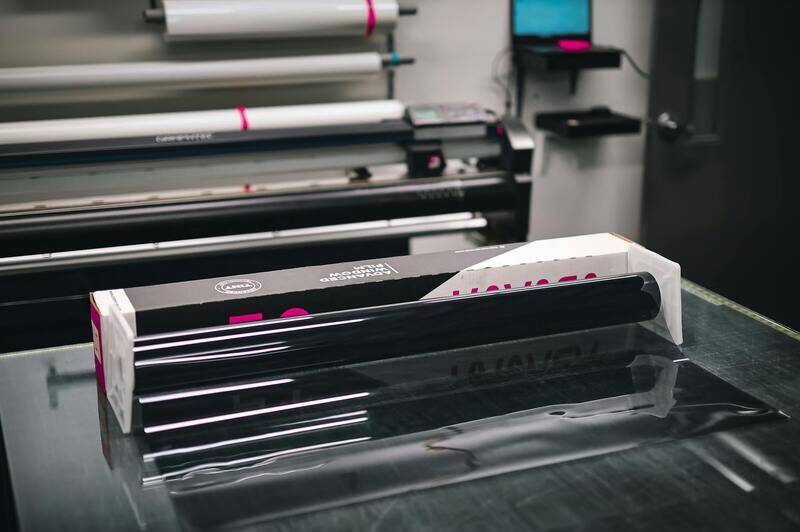
PVC Vinyl: Renowned for its robustness, PVC vinyl banners are weather-resistant and suitable for outdoor environments. Their flexibility prevents tearing, and they resist environmental factors like UV radiation and moisture, making them ideal for long-term outdoor advertising campaigns.
Polyester Fabric: Fabric banners provide a refined, matte finish that accentuates high-resolution images. The lightweight nature of fabric makes it easy to transport and install, leading to an aesthetically sophisticated presentation. They are highly favored for indoor settings or when a premium appearance is desired.
Vinyl: Versatile and affordable, vinyl provides excellent durability and color vibrancy. It resists UV rays and moisture, maintaining visual clarity even under adverse weather conditions. Vinyl banners are a popular choice for outdoor events and long-term advertising due to these resilient qualities.
Mesh Banner Material: Optimized for large-scale outdoor banners where wind resistance is a concern, mesh materials feature small openings that allow air to pass through. This design minimizes stress on the banner while still offering visibility of the printed visuals, making it suitable for expansive outdoor displays exposed to varying weather conditions.
Impact of Material Selection on Banner Longevity and Visual Quality
The material selected directly influences not only the visual presentation but also the lifespan of a photo print banner. Durable vinyl and high-quality fabric, when combined with advanced printing techniques, produce images that are both crisp and vibrant, maintaining their integrity over extended periods.
Weather-resistant materials ensure that outdoor banners withstand environmental challenges such as rain, sunlight, and wind without significant deterioration. Conversely, indoor banners made from lightweight fabrics or vinyl can be easily moved and reused, offering flexibility in display options.
Manufacturers often recommend specific materials based on the intended use to maximize lifespan and visual impact. The appropriate combination of substrate and printing technology results in a professional, eye-catching banner capable of effectively conveying messages over time.
Additional Considerations When Selecting Banner Materials
- Environmental Conditions: For outdoor banners, weather-resistant materials are essential to ensure longevity.
- Visual Clarity: Materials with a smooth surface, like fabric or vinyl, enhance image sharpness and color vibrancy.
- Installation Method: Lightweight fabrics facilitate easier installation indoors, while heavier vinyls require sturdy mounting solutions for outdoor use.
- Reuse and Storage: Fabric banners are foldable and lightweight, making them convenient for repeated use and compact storage.
Overall, the careful selection of materials tailored to specific needs—considering location, longevity, and desired aesthetics—ensures the creation of an effective, high-impact photo print banner that fulfills promotional objectives and maintains visual excellence over time.
Design Considerations for High-Quality Photo Print Banners
Creating a compelling photo print banner involves meticulous attention to design elements that enhance visual impact and message clarity. The visual composition should prioritize high-resolution imagery, ensuring that the images remain crisp and vibrant across the banner's entire surface. When selecting images, high-quality digital files with a resolution of at least 150-300 dpi are essential to prevent pixelation and ensure sharp detail, especially when enlarged to sizable formats.
Color accuracy plays a pivotal role in banner design. Utilizing color profiles that match the printing process ensures that colors appear lively and true to the intended design. Bright, bold colors tend to draw more attention, but they should be balanced within the overall layout to avoid overwhelming viewers. Consistency in color scheme, font choice, and imagery contributes to a professional appearance, reinforcing brand recognition and message retention.
Typography must be clear and legible from a distance. Sans-serif fonts are often preferred for banners due to their readability. Font size should be sufficiently large to read without strain, especially for key messages or calls to action. Hierarchical structuring of text, such as using larger fonts for headings and smaller for subtext, guides the viewer’s eye naturally.
Incorporating space effectively within the design prevents clutter and highlights the primary message. Strategic use of negative space can help balance imagery and text, ensuring the banner doesn’t appear crowded. Additionally, design elements like borders, frames, and logo placement should complement the overall aesthetic and not detract from the core visuals.
When working with a design team or software, it’s vital to adhere to the specific size and resolution requirements for print. Many printing service providers offer templates that facilitate the development of accurate layouts, reducing the risk of design flaws that could compromise print quality.
To achieve optimal visual impact, consider the environment where the banner will be displayed. External banners should incorporate weather-resistant design features and protective coatings to maintain their appearance over time. Internal banners, however, may focus more on aesthetics and branding cohesion, utilizing lighter materials and intricate design details. Carefully balancing design elements with material choices results in a professional banner that fulfills its promotional purpose while withstanding the display conditions.
Finishing and Installation Options for Photo Print Banners
Achieving a professional and durable presentation for photo print banners often depends on the selected finishing techniques and installation methods. These options not only enhance the visual appeal but also contribute to the longevity and stability of the banner, especially in outdoor environments.
- Grommets: Metal or reinforced plastic eyelets placed at strategic points along the banner’s edges facilitate easy mounting and reduce wear from hanging or wind pressure. Grommets are ideal for venues requiring quick setup and removal, providing secure attachment points.
- Pole Pockets and Sleeves: Integrating pockets at the top or sides of the banner allows for the insertion of poles or rods. This method ensures the banner remains taut and properly displayed, making it suitable for both indoor and outdoor displays, especially when wind resistance is necessary.
- Hemming and Reinforced Edges: Sealing the edges with hems strengthens the banner against fraying and tearing. Reinforced edges, often combined with grommets, enhance durability for banners subject to frequent handling or outdoor exposure.
- Lamination: Applying a protective laminate layer shields the printed surface from scratches, UV rays, and moisture. This is particularly important for outdoor banners that must withstand varying weather conditions, ensuring the clarity and vibrancy of the image are preserved over time.
- Attachable Hardware: For larger or more permanent installations, hardware such as hooks, ties, or hooks can securely fasten banners to walls, fences, or display stands. Ensuring the proper hardware is used minimizes movement and damage during high winds or frequent adjustments.
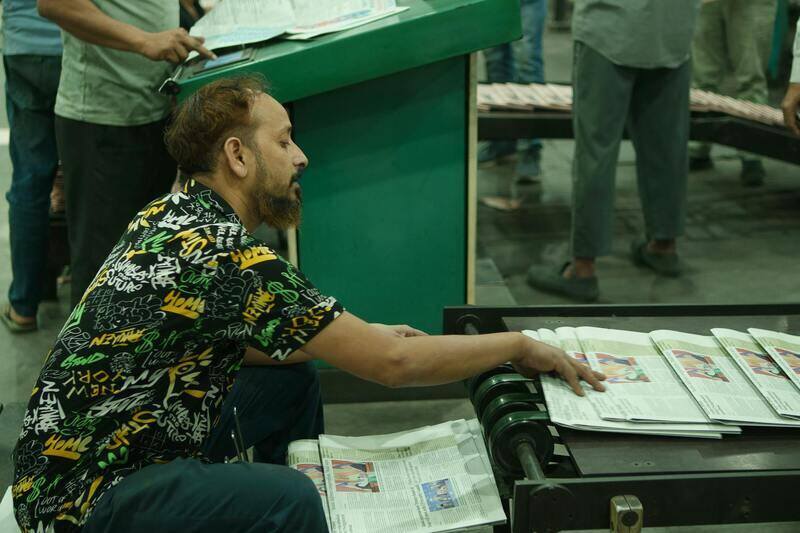
When choosing the appropriate finishing methods, consider the specific context of use, whether indoor or outdoor, as well as the anticipated lifespan of the banner. Weather-resistant finishes, such as UV coatings and double-stitched hems, are recommended for banners displayed outdoors to withstand environmental elements. For indoor banners, opting for sleek, seamless finishing touches can optimize aesthetic appeal and visibility.
Installation techniques should also align with the environmental conditions and display location. For example, banners in high-traffic areas may benefit from multiple grommets paired with secure fasteners to prevent accidental dislodging. Conversely, lightweight banners intended for short-term indoor use might only require simple adhesive mounts or magnetic strips.
Choosing high-quality finishing and installation options ensures that your photo print banner effectively captures attention while maintaining its structural integrity throughout its duration. Properly finished banners reflect professionalism and serve as a resilient promotional tool in various settings.
Material Options for Photo Print Banners
Choosing the right material is essential for ensuring your photo print banner meets its intended purpose and environmental conditions. Vinyl remains a popular choice due to its durability and weather resistance, making it suitable for outdoor displays where exposure to wind, rain, or sun is common. Polyester fabrics can also be used for indoor banners, offering an elegant appearance with vibrant color reproduction and ease of handling. Mesh materials are ideal for large-scale outdoor banners as they allow wind passage, reducing stress on mounting points while maintaining high-quality imagery.
Specialized coatings can further enhance material performance. UV coatings are highly recommended for outdoor banners as they provide protection against sun damage, fading, and moisture ingress. For indoor banners, satin or matte finishes can minimize glare, ensuring visibility in various lighting conditions. Moreover, thicker substrates improve the overall rigidity of the banner, preventing sagging or warping over time, especially for sizable displays.
Design Elements for Photographic Banners
Effective photo print banners require a sharp, eye-catching design that leverages high-resolution imagery to grab attention. When developing your banner, prioritize high-definition images with ample contrast and vibrant colors. Incorporate minimal text or concise messaging to complement the visual content without cluttering the design. Layout considerations should include ample negative space to further emphasize the photo and avoid overcrowding, ensuring the image remains the focal point.
- Opt for bold, large-scale images to maximize visual impact.
- Use consistent color schemes that align with branding or event themes.
- Maintain a balanced composition to guide viewers’ eyes naturally across the banner.
- Avoid overly complex or busy imagery that could detract from the message.
Ethical and Proper Use of Photographic Content
It is imperative to ensure that all photographic content displayed on your banner adheres to lawful and ethical standards. Obtain necessary permissions or licenses for copyrighted images and acknowledge ownership where applicable. Creating original images or sourcing royalty-free assets from reputable providers guarantees that your banner content remains legitimate and respects intellectual property rights. This proactive approach not only avoids potential disputes but also reflects professionalism and integrity in your visual communication strategy.
Always maintain transparent documentation of image licenses and permissions, especially in commercial or promotional environments. This diligence ensures that the visual elements used in your photo print banner represent your brand responsibly and uphold the standards of ethical content use. In addition, consider reserving high-resolution copies of licensed images for future projects to streamline your content management process.
Proper Methods for Creating and Using Photo Print Banners
When producing a photo print banner, it is essential to adhere to official and reliable methods to ensure the final product is both visually striking and ethically produced. Starting with obtaining high-resolution images from reputable sources guarantees clarity and prevents pixelation, which can degrade the professional appearance of your banner. If custom images are created in-house or through commissioned work, securing proper licensing or copyright permissions is vital to avoid any infringement issues and to respect intellectual property rights.
For sourcing images, consider licensed stock photo providers that offer royalty-free content, or commission original photography that aligns with your branding or promotional goals. It is crucial to keep comprehensive documentation of licensing agreements and permissions, particularly for commercial use, to maintain transparency and uphold professional standards.
Choosing the Right Content and Image Quality
- Image resolution: Ensure images are at least 300 DPI to guarantee sharpness when enlarged for banners.
- Ownership and licensing: Confirm rights to use and reproduce images in commercial formats.
- Content relevance: Select images that clearly communicate the intended message and resonate with the target audience.
Design and Ethical Considerations
Designing an effective photo print banner involves selecting appropriate images and layout to maximize impact. Maintain visual balance by avoiding overcrowding and ensuring the main focus remains prominent. Use consistent color schemes that reflect branding or thematic elements, enhancing brand recognition and message clarity. When choosing images, consider their cultural sensitivities and avoid content that could be misinterpreted or offend viewers.
Additionally, employing genuine and properly licensed photographs demonstrates professionalism and respect for creators. Using copyrighted images without authorization can lead to disputes and diminish brand integrity. Always verify and document the licensing details and permissions associated with each image, especially when operating in a commercial context. This diligent approach reinforces authenticity and helps uphold ethical standards in your marketing materials.
Maintaining Updated and Accurate Content
Keep a repository of high-resolution, licensed images to streamline future projects. Regularly updating your visual assets ensures your banners reflect current branding and messaging, contributing to ongoing authenticity and relevance. When modifications are necessary, use professional image editing tools to adjust dimensions, lighting, or colors without compromising resolution quality.
By consistently applying these methods, businesses and individuals can produce impactful, legitimate photo print banners that adhere to high standards of quality and ethical responsibility, guaranteeing a professional appearance and fostering trust with audiences and partners alike.
