
Understanding Banner Types and Materials
When selecting an order banner, understanding the variety of banner types and the materials used in their construction is essential for making a well-informed decision. Different applications require specific banner types that are optimized for durability, visibility, and ease of installation. Recognizing the strengths and ideal uses of each banner type can significantly impact the effectiveness of your promotional or informational campaigns.
Common Banner Types
- Vinyl Banners: Vinyl banners are the most popular choice for both indoor and outdoor use. They are valued for their robustness, long-lasting qualities, and weather resistance. Their flexible yet sturdy nature allows them to withstand exposure to sunlight, rain, and wind without deterioration. Vinyl banners are ideal for outdoor advertising, event signage, and directional signs.
- Fabric Banners: Fabric banners are known for their high-quality print surface and vibrant color reproduction. Typically made from polyester or polyester blends, these banners are suitable for indoor display and are often used in trade shows, retail promotions, and decorative events. They offer a sleek appearance but are generally less weather resistant compared to vinyl banners.
- Mesh Banners: Mesh banners contain small openings or perforations throughout the material, providing excellent airflow. This feature makes them suitable for large outdoor banners on windy days, where wind resistance is critical. They allow some light and air to pass through, reducing draft stress on the banner material.
- Retractable and Roll-up Banners: Designed for portability and ease of setup, retractable banners consist of a printed graphics display housed within a retractable base. They are prominent in trade shows, exhibitions, and retail environments where quick setup and reusability are desired.
Materials Used in Banner Production
The material selection directly influences the banner's lifespan, appearance, and suitability for specific environments. Here are the most commonly used materials:
- Vinyl (PVC): Known for its high durability and weather resistance, vinyl is the go-to choice for outdoor banners. It can be printed in high resolution and is available in various weights and finishes, such as gloss and matte.
- Polyester Fabric: Used primarily for indoor banners, polyester fabric allows for vibrant color printing and a smooth surface. It is also lightweight, making it ideal for hanging displays.
- Mesh Material: Comprising polyester fibers with small perforations, mesh provides excellent visibility and airflow, perfect for high-wind areas.
- Scrim Banner Material: Featuring an open weave, scrim banners are a cost-effective option for large-scale outdoor signage where some transparency and wind resistance are needed.
Choosing the Right Banner for Your Application
Selecting appropriate banner types and materials depends on factors such as location, expected weather conditions, desired longevity, and visual impact. For outdoor banners exposed to the elements, vinyl or mesh options are recommended. For indoor events and displays where vibrant color and elegance are prioritized, fabric banners often provide the best aesthetic appeal.
Understanding Banner Types and Materials
When considering an order banner, it's essential to select the appropriate type and material to ensure your signage meets your specific needs. Different environments and purposes call for distinct banner styles, each optimized with suitable materials that enhance durability, visual appeal, and functionality.
Popular Banner Types
- Vinyl Banners: Versatile and weather-resistant, vinyl banners are ideal for outdoor applications. They withstand harsh elements such as rain, wind, and UV exposure, maintaining their appearance over extended periods. Available in various thicknesses and finishes, they cater to both temporary and long-term signage needs.
- Fabric Banners: Designed mainly for indoor use, fabric banners provide a premium look with vibrant color reproduction. They are lightweight and easy to hang, making them suitable for events, exhibitions, and retail displays. The smooth surface enhances high-resolution printing, resulting in crisp, eye-catching visuals.
- Mesh Banners: Crafted from perforated vinyl or fabric mesh, these banners promote airflow and reduce wind resistance. They are especially useful in high-wind areas or when visibility through the banner is necessary, such as for stadiums or construction sites.
- Scrim Banner Material: With an open weave structure, scrim banners strike a balance between affordability and performance. They offer wind resistance and some transparency, making them suitable for large outdoor signage where cost-effectiveness is a priority.
Materials Impact on Banner Performance
The material selection profoundly influences the lifespan, appearance, and placement of your banners. Here are some key considerations:
- Durability: Vinyl and mesh materials excel in outdoor environments where exposure to weather elements is inevitable. Their resistance to moisture and UV degradation helps maintain visual clarity over time.
- Visual Quality: Fabric banners provide a vibrant, sophisticated look suitable for high-impact indoor displays. The smooth surface allows for high-resolution printing, making colors pop and details sharp.
- Weight and Installation: Lightweight fabrics are easier to hang and transport, ideal for temporary or mobile displays. Conversely, heavier vinyl banners offer stability and longevity for permanent installations.
Design Considerations Based on Banner Material
Your design choices should complement the banner material to maximize effectiveness:
- Color Vibrancy: Fabric and high-quality vinyl materials support rich, vibrant colors, informing decisions around color palette and printing techniques.
- Transparency and Visibility: Mesh banners provide partial transparency, which can be advantageous for maintaining visibility through the banner—useful in outdoor signage where airflow or sunlight dissemination is desired.
- Finish Options: Glossier finishes may enhance colors, while matte finishes reduce glare, allowing for clear readability under various lighting conditions.

Understanding Banner Types and Materials
Choosing the appropriate banner type and material is essential for achieving desired visibility and durability. Different environments and purposes demand specific banner characteristics, influencing material selection, design methods, and overall presentation.
Popular Banner Materials and Their Applications
- Vinyl Banners: Known for their robustness and weather resistance, vinyl banners are ideal for outdoor advertisements, events, and long-term signage. They withstand rain, UV rays, and wind, making them suitable for permanent or semi-permanent installations.
- Mesh Banners: Crafted from perforated vinyl, mesh banners provide excellent airflow and partial transparency. They are perfect for large-scale outdoor displays, especially in windy locations where wind resistance and visibility through the banner are priorities.
- Fabric Banners: Made from polyester or similar textiles, fabric banners boast vibrant color reproduction and a refined appearance. These are often preferred for indoor displays, trade shows, or events that require upscale aesthetics and high-resolution printing.
Material Properties and Design Adjustments

- Color Vibrancy and Finishes: Fabric and high-quality vinyl support rich, vibrant hues, enabling detailed and eye-catching artwork. Finishing options such as glossy or matte coatings help control glare and enhance visual impact based on placement.
- Transparency and Visibility: Mesh banners allow for airflow and sunlight passage, maintaining visibility through the banner, which is crucial for outdoor signage in high-traffic or windy areas.
Design Considerations for Different Banner Materials
Aligning design elements with material properties ensures the highest visual effectiveness. For instance, bright and bold colors are particularly striking on fabric and vinyl, whereas mesh banners benefit from simpler, high-contrast designs to compensate for transparency. When preparing artwork, consider the banner’s placement and lighting conditions to optimize readability and visual appeal.
Summary
Understanding the characteristics of available banner materials supports informed decisions—enhancing the impact, longevity, and appropriateness of your signage. Whether for outdoor advertising, event displays, or indoor promotions, selecting the right material tailors your banner to meet specific visual and environmental needs.
Understanding Banner Types and Materials
Choosing the appropriate banner material is essential for achieving the desired visual impact and durability. Different types of banners are designed to meet specific needs based on environmental conditions, display duration, and budget constraints. Vinyl banners tend to be the most versatile, offering durability and vibrant color reproduction suitable for both indoor and outdoor applications. They are resistant to weather elements, making them ideal for outdoor signage that needs to withstand varying climates.
Mesh banners are tailored for outdoor environments where airflow and wind resistance are critical. Their porous structure reduces the wind load, preventing damage or tearing, while still allowing visibility and light passage. Fabric banners, on the other hand, are often favored for indoor events and upscale displays because they support high-resolution prints with rich, vibrant hues and a refined finish. They tend to have a softer, upscale appearance, enhancing the aesthetic quality of indoor displays.
The surface finishes and coating options further influence visual effects. Glossy coatings enhance color vibrancy and give a shiny, eye-catching appeal, perfect for attention-grabbing advertisements or event banners. Matte finishes, by contrast, reduce glare and reflections, which is beneficial in well-lit spaces or areas with intense lighting conditions. When selecting a banner material, the intended display environment, lighting conditions, and viewing distance should guide choices to ensure maximum visibility.
Design Considerations for Different Banner Materials
- Color Brightness and Contrast: Bright, bold colors work best on fabric and vinyl to make designs pop and draw attention.
- Transparency and Visibility: Mesh banners benefit from simple and high-contrast graphics due to their see-through nature, which can sometimes diminish detail clarity.
- Artwork Resolution: High-resolution files are essential for fabric and vinyl banners to ensure crisp, detailed images, while mesh banners are better suited for simpler graphics that won't lose impact through transparency.
- Placement and Lighting: Consider where the banner will be displayed—indoors or outdoors—as well as lighting conditions, to select the most appropriate finish and design approach.
Understanding these factors enables the creation of banners that not only attract attention but also stand the test of time and environmental stresses. Proper material selection ensures that your signage remains visually appealing and effective throughout its intended lifespan, whether for a temporary event or a long-term outdoor campaign.

Understanding Banner Types and Materials
Effective banner advertising begins with selecting the appropriate banner type and material to match specific display needs. There are several common types of banners, each suited for different environments and purposes. Vinyl banners are highly durable and weather-resistant, making them ideal for outdoor use. Their resistance to elements like rain, wind, and UV rays ensures longevity in outdoor settings. Fabric banners, on the other hand, offer a softer aesthetic with vibrant color reproduction, often favored for indoor events, trade shows, and retail displays. Mesh banners, characterized by their perforated design, allow wind to pass through and are excellent for high-wind outdoor environments or large-format displays where lightweight construction is advantageous.

Material choices go beyond mere durability. The surface texture influences how graphics appear; gloss finishes enhance vibrant colors for eye-catching designs, while matte finishes provide a subdued look that minimizes glare. Additionally, banner material weight and thickness impact portability and installation ease, critical factors depending on event duration and installation location. When selecting the material, consider environmental exposure, expected lifespan, and display frequency to maximize investment and effectiveness.
Design Considerations for Different Banner Materials
- Color Brightness and Contrast: Bold, vivid colors stand out more vividly on vinyl and fabric banners, vital for capturing attention from a distance.
- Transparency and Visibility: Mesh banners, being semi-transparent, benefit from simple, high-contrast graphics that remain visible in bright outdoor conditions.
- Artwork Resolution: High-resolution images ensure crisp visuals on fabric and vinyl banners, whereas mesh banners prioritize simpler graphics for clarity through transparency.
- Placement and Lighting: Indoor banners require different finishes and color considerations compared to outdoor banners exposed to sun, rain, or wind.
Optimizing Banner Selection for Your Campaign
Choosing the right banner material and type hinges on understanding the display environment and campaign duration. For temporary outdoor events, vinyl banners with matte or gloss finishes provide durability and visual impact. Long-term outdoor installations may warrant reinforced vinyl or mesh designs that resist environmental stresses. Indoor campaigns benefit from fabric banners with vibrant printing that enhances brand presence. Matching material properties with the specific application ensures that your banners remain visually appealing and structurally sound throughout their use, effectively supporting your marketing intention and ensuring maximum visibility.
Understanding Banner Types and Materials
Choosing the appropriate banner type and material is essential for achieving the desired visual impact and ensuring durability under different conditions. Common banner materials include vinyl, fabric, mesh, and PVC, each offering unique benefits tailored to specific display environments.
Vinyl Banners
Vinyl remains a popular choice due to its robustness and versatility. It is well-suited for outdoor use, providing resistance against weather elements such as rain, wind, and UV rays. Matte and gloss finishes enhance color vibrancy, making vinyl banners effective at capturing attention from a distance.

Fabric Banners
Fabric banners exude a high-quality aesthetic with vibrant printing options, making them perfect for indoor settings like trade shows or retail displays. They are lightweight, easy to install, and do not reflect light, which helps reduce glare and improve visibility.
Mesh Banners
Mesh banners incorporate tiny holes to allow wind to pass through, making them suitable for large outdoor displays exposed to wind load. Their semi-transparent nature benefits from simple, high-contrast graphics that remain visible even in bright outdoor light.
Other Materials
- PVC Banners: Economical and waterproof, often used for temporary outdoor events.
- Polyester Fabric: Known for its wrinkle resistance and vibrant color retention; ideal for indoor environments.
Key Considerations in Material Selection
When selecting banner materials, it is vital to evaluate the intended display environment and duration of use. For example, durable vinyl or reinforced mesh banners are better suited for long-term outdoor campaigns, whereas fabric banners excel in indoor settings due to their aesthetic appeal.

Environmental Resistance
- Weatherproof properties of vinyl and PVC resist moisture and UV damage, extending their lifespan outdoors.
- Fabric banners should be treated for water resistance if used outdoors over extended periods.
Color Brightness and Image Clarity
- Vibrant color reproduction is most achievable on fabric and vinyl banners with high-quality printing techniques.
- Mesh banners prioritize clarity through transparency, requiring simple, high-contrast graphics to maximize visibility.
Installation and Maintenance
- Lightweight fabrics are easier to install and transport, suitable for frequent changeouts.
- Vinyl banners require sturdy mounting systems due to their weight but offer excellent reusability.
Understanding the distinctions between banner types and materials ensures that each campaign benefits from tailored selections that enhance visibility, durability, and overall effectiveness. Proper consideration of environmental factors, design requirements, and intended lifespan guides optimal material choice, ultimately contributing to a successful branding and marketing effort.
Understanding Banner Types and Materials
Choosing the correct banner type and material is essential for ensuring that your message effectively reaches your target audience, whether indoors or outdoors. Common banner types include vinyl banners, fabric banners, mesh banners, and vinyl mesh options, each designed to meet specific display needs and environmental conditions.
Vinyl banners are the most popular for outdoor use, owing to their durability, weather resistance, and ability to withstand UV exposure. They are made from PVC vinyl, which provides a sturdy surface suitable for long-term placements in harsh weather. Fabric banners, on the other hand, are often selected for indoor applications due to their vibrant color reproduction and aesthetic appeal. They are typically made from polyester or nylon, which lends a soft, elegant finish but may require additional treatment for outdoor conditions.

Materials Tailored to Specific Display Environments
- Vinyl and PVC: Superior for outdoor use, environmental resistance, and reusability.
- Fabric (Polyester/Nylon): Ideal for indoor displays where aesthetics are prioritized, with options for water resistance.
- Mesh Banners: Perfect when lightweight, transparency, and wind resistance are required, especially for large outdoor spaces.
Environmental Resistance and Visibility
Durability in outdoor conditions is primarily achieved through weatherproof coatings and the inherent properties of the chosen material. Vinyl banners resist moisture and UV damage, ensuring longevity. Fabric banners used outdoors should be treated with water-resistant coatings to prevent damage from rain. High-quality printing techniques on vinyl and fabric ensure vibrant colors and sharp images, which are essential for grabbing attention in busy environments.
Installation and Maintenance Considerations
For indoor banners, lightweight fabric options facilitate easier handling and quick setup. Reusable vinyl banners require sturdy mounting systems and periodic maintenance to preserve their appearance, especially if exposed to outdoor elements. Proper maintenance, including regular cleaning with appropriate solutions, extends the lifespan of your banners, keeping your message visible and impactful over time.
Ensuring Proper Order Banner Acquisition through Legitimate Channels
Securing an order banner from reputable sources involves adhering to prescribed procedures established by well-recognized vendors and printing service providers. These channels ensure that the banners produced meet high standards of quality, durability, and visual impact, aligning with the specific needs of the client.
Engaging Official Printing Service Providers
To guarantee the integrity, quality, and compliance of your order banner, it is essential to work exclusively with authorized and established service providers. These vendors typically operate through verified online platforms and physical locations, providing comprehensive ordering processes that include consultation, design approval, and production tracking.
- Certificate of Authenticity and Business Credentials: Reputable providers will openly display their business credentials, certifications, and industry affiliations. Confirming these credentials before placing an order safeguards against counterfeit or substandard products.
- Official Website Utilization: Making your order via the vendor’s official website or authorized storefront ensures access to the latest product options, pricing, and customization features. Reliable sites often feature secure payment gateways, clear ordering instructions, and customer support channels.
- Customer Service and Consultation: Legitimate providers offer dedicated customer service to assist throughout the ordering process. This includes detailed explanations of banner materials, sizes, printing options, and installation advice. Pre-order consultations help clarify specifications, ensuring your banner aligns perfectly with intended display requirements.
- Transparent Pricing and Turnaround Times: Reliable vendors provide upfront pricing with detailed breakdowns, avoiding hidden charges. They also specify production and delivery lead times, allowing for precise scheduling to meet your campaign or event deadlines.
Purchase via Authorized Distributors and Retailers
In addition to purchasing directly from primary service providers, authorized distributors serve as the official channels through which you can acquire order banners. These entities often collaborate with the main vendors and uphold strict quality standards, providing convenience and localized support. Authentic distributors maintain the following practices:
- Verification of product authenticity through official branding and licensing.
- Training of staff on product details and customization options to assist customers effectively.
- Provision of official documentation for warranty and after-sales support.
Utilizing Certified Equipment and Materials
When placing an order banner, it is vital to specify that official, industry-standard materials and printing equipment be used in production. This guarantees that the finished product sustains outdoor exposure, remains vibrant over time, and adheres to safety standards. Reputable providers source materials like high-quality vinyl, weather-resistant fabrics, and mesh substrates from dependable suppliers, ensuring durability and visual clarity.
Secure and Traceable Transaction Methods
Legitimate ordering channels support secure payment options, such as encrypted credit card transactions or bank transfers through verified payment processors. This approach not only protects your financial information but also maintains a reliable transaction record, facilitating tracking and future references.
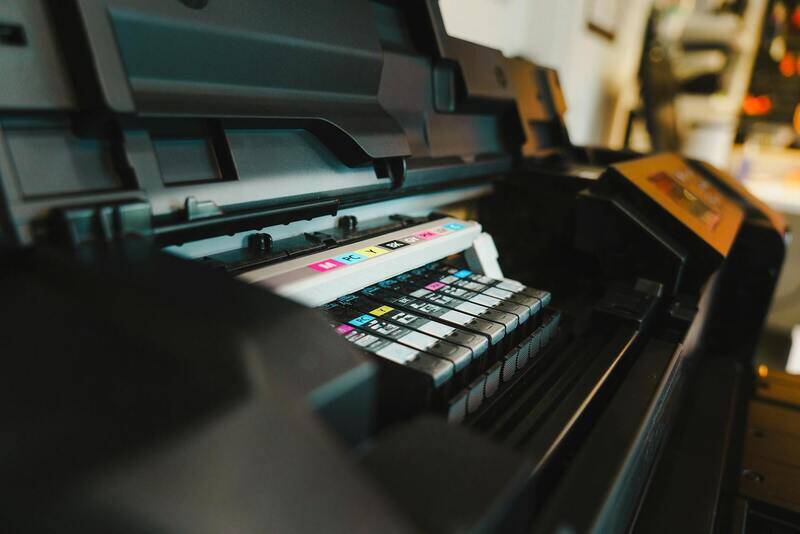
Ultimately, adherence to official methods for ordering banners involves conducting thorough research on approved vendors, verifying credential authenticity, and engaging through secure, documented channels. This approach ensures the banners delivered are compliant with quality standards, meet your specifications, and contribute effectively to your marketing objectives without compromising standards or outcomes.
