
Overview of Customised Card Printing
Customized card printing is a specialized service that allows individuals and organizations to produce cards tailored precisely to their specifications. Whether for corporate branding, marketing, personal gifting, or event purposes, bespoke cards serve as a powerful medium for communication and expression. This process involves designing, selecting materials, and applying advanced printing techniques to create visually appealing, durable, and functional cards that resonate with their intended audience.
The primary aim of customized card printing is to enhance branding and personalisation. For businesses, custom cards such as visiting cards, loyalty cards, membership cards, or event invitations convey professionalism and foster brand recognition. On a personal level, bespoke greeting cards, special occasion invitations, and personalized gift cards add a unique touch that standard, mass-produced cards often lack. The versatility of customised card printing ensures it finds applications across various contexts, including corporate promotions, retail rewards, hospitality, wedding stationery, and personal celebrations.
The benefits of opting for customised card printing extend beyond aesthetics. These cards often feature high-quality materials and finishes that boost their perceived value. Custom printing also offers a wide range of design options—including intricate artwork, embossing, foil stamping, and security features—ensuring each card is distinctive and aligned with the user’s branding or personal style. Furthermore, customized cards can be produced in various sizes and shapes to stand out and fit specific purposes, making them a versatile asset for any campaign or occasion.
Common applications of customised cards include:
- Corporate business cards that reflect a company's brand identity
- Loyalty and membership cards for retail and hospitality sectors
- Gift and gift certificates for promotional events
- Event invitations and RSVP cards for weddings and corporate functions
- Personalized greeting cards and thank you notes
In summary, customised card printing offers a sophisticated solution to deliver messages effectively and leave lasting impressions. With a range of design options, materials, and finishes, this service enables users to craft cards that are not only functional but also visually compelling and aligned with their strategic messaging goals.
Overview of Customised Card Printing
Customised card printing has become an essential tool for personal expression and branding across diverse sectors, including corporate, retail, hospitality, and personal celebrations. By leveraging advanced printing techniques and high-quality materials, businesses and individuals can create cards that leave a memorable impression and effectively communicate their message. These cards serve more than just aesthetic purposes; they embody strategic messaging and brand identity, making them versatile assets in promotional campaigns, customer engagement, and personal milestones.
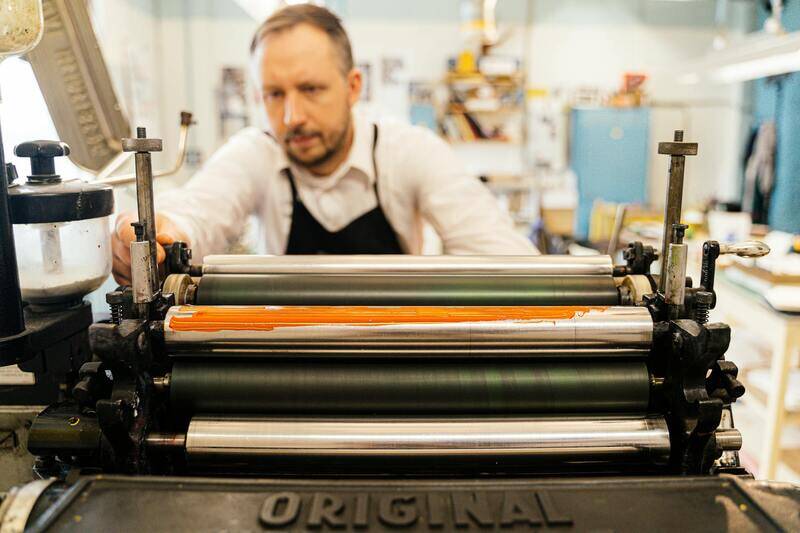
When considering customised card printing, it's crucial to understand the variety of finishes and design options available. From elegant embossing and foil stamping to matte or gloss lamination, the finishes elevate the tactile experience and visual appeal. Embossed textures lend a professional and refined feel, ideal for business cards and luxury invitations, while foil accents add a touch of sophistication that makes certain elements pop. The use of high-quality card stocks, ranging from thick matte to smooth gloss finishes, enhances durability and perceived value, ensuring the cards withstand handling over time.
Customised card printing also offers extensive design flexibility. Incorporating intricate artwork, personalized logos, or custom shapes can significantly boost brand recognition and personal aesthetics. Designers can incorporate unique die-cut shapes, rounded edges, or even 3D elements to create distinctive cards aligned with specific themes or branding guidelines. Additionally, security features like holographic foils or microtext can be integrated without compromising design, safeguarding authenticity while maintaining visual appeal.
Further, customisation is not limited by size or shape. Cards can be produced in various dimensions to suit assorted purposes—whether standard size for professional use or bespoke shapes tailored for events and promotional activities. This versatility allows the creation of memorable items that stand out amidst standard counterparts, making customised card printing a strategic choice for those aiming to make a lasting impression.
Materials and Finishes
The foundation of any customised card is its material, which influences both appearance and durability. Common options include:
- Card Stock: Ranges from lightweight to heavyweight options, with thick, rigid stocks preferred for premium applications.
- Specialty Papers: Textured papers, recycled stocks, or metallic substrates provide unique visual and tactile effects.
- Laminates: Matte, gloss, or soft-touch finishes are applied to enhance aesthetics and protect the printed surface.
- Foil and Spot UV Coatings: Used for highlighting specific design elements, adding metallic sheen or glossy effects for emphasis.
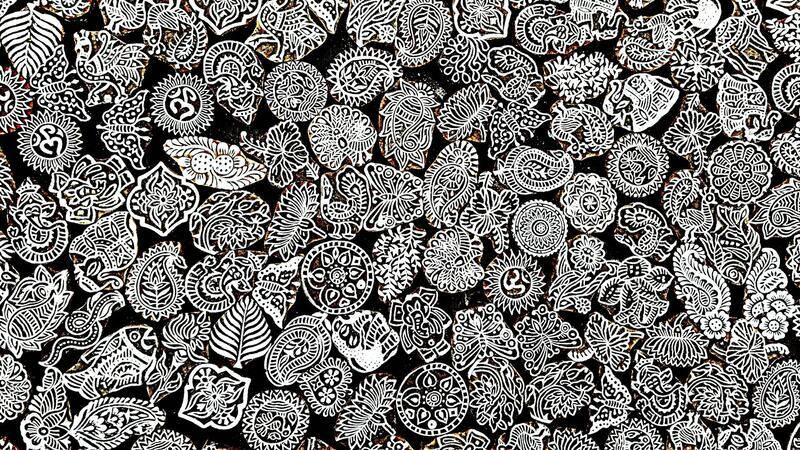
Choosing the right material and finish is critical for achieving the desired impact and longevity of the cards. For example, matte finishes reduce glare and offer a modern, understated look, suitable for minimalistic designs. Gloss finishes, on the other hand, enhance vibrant colours and sharp details, ideal for high-resolution artwork and branding materials. Specialty options like linen or textured paper add a tactile dimension, while holographic or metallic foils lend a luxurious feel and visual pop, perfect for high-end products or special corporate gifting. When selecting finishes, it's important to consider how they align with the overall message and purpose of the card.
Design Process and Artwork Preparation
Effective customised card printing begins with meticulous design and artwork preparation. It is essential to adhere to certain standards to ensure the final product accurately reflects the intended design and quality. The design process typically involves:
- Understanding the client's branding guidelines, target audience, and purpose of the cards.
- Creating digital mock-ups that incorporate preferred colours, fonts, logos, and elements.
- Ensuring artwork resolution meets the recommended DPI (usually 300 DPI) for sharpness.
- Converting files to appropriate formats, such as PDF, with embedded fonts and CMYK colour profiles for colour accuracy during printing.
- Inclusion of bleed areas and safe margins to prevent cropping of vital design elements.
Preparatory steps, including thorough proofing and sample approvals, help prevent errors and ensure a smooth printing process. High-quality artwork and precise file specifications are especially important when dealing with intricate designs or detailed security features, guaranteeing that every element appears crisp and aligned as envisioned.
Printing Technologies and Methods
There are several advanced printing methods used for customised cards, each offering unique advantages suited to different design requirements. These include:
- Digital Printing: Ideal for short runs and quick turnarounds, digital techniques deliver high-quality images with precise colour matching, suitable for personalised or limited edition cards.
- Offset Printing: Best suited for large quantities, offset printing provides superior colour consistency and detail, making it a popular choice for bulk corporate issuance or promotional cards.
- Letterpress and Foil Stamping: These traditional methods add tactile and metallic effects, producing distinctive textured or shiny elements that enhance perceived value.
- Screen Printing: Used for bold, simple designs with thick inks, often applied for promotional or themed cards requiring durability and colour saturation.
The selected printing technique heavily depends on the desired finish, order volume, and budget considerations. Combining methods—for example, offset printing followed by foil stamping—can produce uniquely compelling products that stand out in competitive markets.
Order Quantities, Turnaround, and Pricing
Order sizes for customised cards can vary from a handful of pieces to thousands, allowing tailored solutions for small business needs or large-scale campaigns. Turnaround times are typically influenced by order complexity and volume but generally range from a few business days to a couple of weeks. Efficient production processes help maintain consistency and meet tight deadlines without compromising quality.
Pricing is frequently linked to factors such as material selection, colour complexity, finish options, and quantity. It’s advantageous for clients to request detailed quotes that consider all available options, ensuring transparency and budget alignment. Bulk orders often benefit from reduced unit costs, fostering cost-effective choices for repeated campaigns or annual gifting initiatives.
Uses and Benefits of Customised Cards
Customised cards serve multiple strategic purposes, including enhancing brand visibility, fostering customer loyalty, and elevating event experiences. Benefits include:
- Enhanced brand recognition through unique design elements.
- Memorable impressions that foster relationships and repeat engagement.
- Flexibility in design and format to suit specific occasions or campaigns.
- Contribution to perceived professionalism and attention to detail.
- Durability and quality that withstand handling and time.
These advantages make customised cards invaluable for businesses seeking to differentiate themselves in competitive markets and for individuals wishing to commemorate special moments with a personal touch.
Additional Customisation Options and Security Features
Beyond basic design, advanced customisation options can significantly enhance the appeal and security of your cards. Features such as holographic overlays, microtext, UV elements, and RFID or NFC chips can be integrated seamlessly into the design. These features not only add visual intrigue but also serve functional purposes like authentication and data storage, making the cards more versatile and protected against duplication.
Implementing these enhancements requires precise alignment with printing techniques and effective collaboration with experienced providers to ensure optimal results. When precision and security are priorities, thorough communication of technical specifications and testing are key steps in achieving outstanding outcomes.
Overview of Customised Card Printing
Customised card printing provides a powerful means for individuals and businesses to create unique, impactful, and memorable cards tailored to specific needs and occasions. Whether for branding, gifting, or personal milestones, custom card printing leverages advanced techniques and diverse materials to produce high-quality products that stand out. The process begins with understanding the goals and purpose of the card, which guides the choice of design, materials, and additional features. High-quality printing technologies ensure precise reproduction of intricate details, vibrant colours, and textured finishes, aligning with the desired aesthetic and functionality.

Choosing customised card printing allows for extensive personalization options, including logos, images, text, and decorative elements. This customization enhances brand recognition, reinforces messaging, and creates emotionally resonant keepsakes. The process typically involves collaborative design development, precise artwork preparation, and the selection of suitable materials and finishes. Effective communication with printing providers ensures that the final product aligns perfectly with client expectations, especially when integrating special security features or unique embellishments.
Advantages of Customised Card Printing
- Enhanced branding through tailored visual identity elements
- Unique design to stand out in competitive markets
- Increased perceived value and professionalism
- Versatility in format, size, and embellishments
- Durability suitable for long-term use or special occasions
Moreover, customised card printing supports diverse applications—from corporate business cards and membership cards to event invitations and promotional gift cards. The flexibility to incorporate security features, such as holographic overlays, microtext, and RFID/NFC chips, adds layers of protection and functionality, making the cards even more effective across different contexts. These attributes contribute significantly to creating trustworthy and impressive physical assets that foster loyalty and recognition.
Types of Custom Printed Cards
The range of custom printed cards is expanding to meet various functional and aesthetic requirements. Businesses often select premium options such as laminated or embossed cards to make a sophisticated statement, while individuals may opt for personalized greeting or occasion cards that reflect personal identity or sentiment. Specialty cards like NFC-enabled or RFID cards facilitate interactive experiences and secure transactions, integrating seamlessly into digital ecosystems. Whether for marketing campaigns, corporate identity, or personal celebrations, there exists a type of custom card suited to each purpose.
Some widely preferred categories include:
- Business Cards – with options for spot UV, embossing, foil stamping, and die-cut shapes
- Membership and Loyalty Cards – offering durability and security features for repeated use
- Gift and Gift Vouchers – customizable designs to enhance presentation and perceived value
- Event Invitations – elegant finishes like embossing and metallic foils for memorable impressions
- Identity and Access Cards – incorporating RFID or NFC chips for secure access control
Each category benefits from tailored customization options to meet brand standards and specific user needs, fostering stronger connections and more effective communication with recipients.
Exploring Security Features in Customised Card Printing
In today's competitive market, the integration of advanced security features into customised cards has become increasingly vital. These enhancements not only prevent counterfeiting and unauthorized duplication but also enhance the overall functionality and trustworthiness of the cards. When choosing a tailored card printing solution, understanding the range of security options available is essential for businesses and individuals seeking durable, secure, and high-quality cards.
Embedded Microchips and RFID Technology
One of the most prominent security features incorporated into custom cards is the embedding of microchips, such as RFID or NFC technology. These embedded chips enable contactless data transfer, providing secure access control for buildings, events, or sensitive information. Additionally, RFID-enabled cards facilitate seamless transactions and identification processes, reducing the risk of card cloning or theft. Organizations leveraging these smart cards benefit from enhanced security protocols while offering users a convenient, contactless experience.

Holographic and Foil Elements
Holographic overlays and foil stamping are visually striking security features that also serve functional purposes. Holograms can include dynamic or static images that are difficult to replicate, adding a layer of authenticity. Foil stamping, using metallic or color-shifting inks, provides an elegant appearance while making counterfeiting challenging. Such features are common in corporate identity cards, membership badges, and premium gift cards that demand a high level of security and visual appeal.
Specialized Inks and Printing Techniques
Advanced printing methods utilize unique inks that respond to specific lighting or handling conditions. For instance, UV or fluorescent inks become visible only under ultraviolet light, making duplication attempts more detectable. Optically variable inks change color when viewed from different angles, adding an extra security dimension. These techniques are often employed in high-value cards, such as banking or access control cards, where authenticity verification is crucial.
Security Holograms and Serial Numbering
Integrating custom holograms with serial numbers provides a robust means of authentication. These holograms can be personalized with specific logos or images pertinent to the client, ensuring each card's uniqueness. Serial numbering allows for precise tracking and verification, essential for inventory management, event access, or membership validation. When meticulously applied, these features significantly mitigate fraudulent activities.
Tactile and Material-Based Security Measures
Beyond visual cues, physical security features such as embossed text, textured surfaces, or microtext provide tactile verification. Selecting durable materials like PVC or composite plastics can enhance card lifespan while adding layers of security. For example, microtext—tiny, almost microscopic lettering—becomes visible only under magnification, serving as an effective counterfeit deterrent.
Design Integration and Custom Options for Enhanced Security
Effective security features are best integrated seamlessly into the overall design of customised cards. Combining multiple security elements—such as holograms, embedded chips, and specialized inks—creates a comprehensive defense against duplication. Professional design services can assist in optimizing these features to maintain visual appeal without compromising security integrity, ensuring the final product meets both aesthetic and protection standards.
In selecting a provider for customised card printing, it is essential to verify the available security options and their suitability for specific applications. By leveraging legitimate, professional methods and state-of-the-art technology, clients can produce customised cards that are both visually appealing and highly resilient to counterfeit efforts, reinforcing trust and security in their use cases.
Advanced Techniques in Customised Card Printing
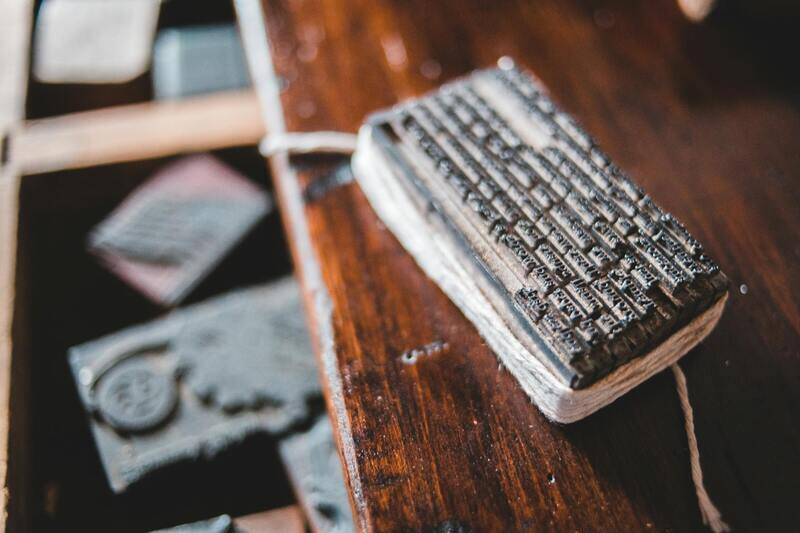
Implementing advanced printing techniques is essential to ensure that customised cards are produced with precision, durability, and high-quality visual appeal. Various methods, such as digital printing, offset printing, and UV printing, are meticulously chosen based on the desired outcome, quantity, and material specifications. Digital printing is favored for small batches and quick turnarounds, providing crisp detail and versatile color options. Offset printing, on the other hand, is highly cost-effective for larger runs, offering consistency and intricate color accuracy. UV printing introduces a curing process that instantly dries inks upon application, resulting in vibrant and resistant surfaces suitable for cards requiring high durability and gloss.
Choosing the Right Printing Method
- Digital Printing: Ideal for small quantities, personalized designs, or rapid prototyping. It provides high-resolution output with minimal setup time.
- Offset Printing: Suitable for large-volume orders, delivering precise color fidelity and cost efficiencies at scale.
- UV Printing: Best for creating vibrant, scratch-resistant, and environmentally durable card surfaces that demand detailed graphic features and textured finishes.
Leveraging Modern Printing Technologies
Today’s printing facilities employ cutting-edge technology such as flatbed UV printers, which allow direct printing onto rigid and complex-shaped substrates, and high-resolution digital presses capable of producing intricate artwork with accurate color matching. Integration of these technologies ensures that each customised card maintains high standards of clarity, color consistency, and surface resilience, which are important for branding and functional purposes alike.
Customization for Functionality and Aesthetic Appeal
Beyond just printing, the enhancement of customised cards involves strategically combining multiple features to bolster their visual and tactile appeal. Embossing and debossing techniques add texture and depth, creating a premium feel that reinforces professionalism and brand identity. Spot UV coating can be applied to specific design elements to achieve a glossy contrast against matte backgrounds, drawing attention to key graphics or text. Additionally, precise die-cutting enables unique shapes and edges, making the card stand out physically and visually.
Security and Authenticity Features
Manufacturers increasingly incorporate security features directly into the printing process to protect against counterfeiting and unauthorized duplication. Techniques such as microtext, holographic overlays, and embedded printing secure the integrity of each card. These features are seamlessly integrated into the design, ensuring they do not detract from the aesthetic quality while providing necessary protection. Employing multiple security layers is vital, especially in applications like membership or security access cards, where authenticity is paramount.
] Manage the quality standards during production by ensuring precise color calibration, consistent application of finishes, and rigorous quality control measures. This guarantees that each batch of customised cards aligns with the specified design and functional requirements, while also adhering to environmental and safety standards. Ultimately, selecting the appropriate combination of printing technology and finishing options enhances both the visual impact and the longevity of the customised cards, thereby reinforcing the brand's identity and ensuring sustained usability.Overview of Customised Card Printing
Customised card printing offers a dynamic avenue for businesses, organizations, and individuals to craft unique and impactful cards tailored to their specific needs. This service enhances personal branding, elevates promotional efforts, and provides sophisticated opportunities for communication and recognition. Whether for promotional giveaways, corporate gifts, identification, or special occasions, customised cards serve as versatile tools that combine artistic expression with functional design.
The process involves transforming digital concepts into tangible, high-quality cards through meticulous planning and execution. It begins with understanding the purpose and audience, which guides design decisions and material selection. Advances in printing technology now enable precise reproduction of complex graphics, vibrant colors, and intricate details—capabilities that underscore the importance of selecting experienced providers committed to quality standards and process accuracy.
Types of Custom Printed Cards
- Business Cards: A staple in professional branding, custom business cards can be tailored with various finishes, shapes, and textures to make a memorable impression.
- Membership and Loyalty Cards: Designed with security features and durable materials, these cards foster customer retention and brand loyalty.
- Gift and Event Cards: Perfect for special occasions, these cards often feature festive designs, embossing, and custom messaging.
- Security and Access Cards: Incorporating advanced security features, these cards safeguard premises while maintaining a sleek appearance.
- Branded Promotional Cards: Customized with promotional messages and branding elements to boost marketing campaigns and brand visibility.
Materials and Finishes
Selecting the right materials and finishes is crucial in achieving the desired aesthetic and durability. Options range from standard cardstock to premium materials such as plastic, PVC, or specialty papers that can withstand extensive handling and environmental factors. Finishes such as matte, gloss, satin, or soft-touch coatings add tactile appeal and visual depth, elevating the overall impact of the customised cards.
Specialty finishes like spot UV gloss, foil stamping, embossing, and lamination further enhance the cards, enabling specific design elements to stand out. These options are often used to accentuate logos, borders, or text, contributing to a premium look. Additionally, textured finishes provide a tactile element, making the cards more engaging to recipients and reinforcing brand perception.

Design Process and Artwork Preparation
Effective customised card printing begins with a well-planned design process. Clear communication of visual concepts, brand guidelines, and intended message is vital. Graphic designers typically prepare artwork files in high-resolution formats, ensuring sharp images and vibrant color reproduction. Precise measurements, bleed areas, and safe zones are critical elements incorporated into the artwork to avoid distortions or cutting errors.
When preparing designs, consider the relationship between text and graphics, ensuring readability and visual balance. For security cards, incorporating features like holograms or microtext into the artwork requires meticulous planning and specialized printing techniques. The design must align with material specifications to prevent issues such as ink bleed, misalignment, or color inconsistency during production.
Printing Technologies and Methods
The landscape of customised card printing is shaped by advanced technologies that ensure high-quality output and efficient production. Digital printing methods, including UV and solvent-based inks, are favored for their ability to produce vibrant colors and intricate details quickly. Offset printing remains ideal for large volume orders, delivering consistency and cost-effectiveness at scale.
Special techniques such as foil stamping and embossing are integrated post-printing to add further flair and sophistication. Laser cutting and die-cutting are utilized to create unique shapes, edges, and designs, giving the cards a distinctive silhouette. Security features like microtext, holograms, or embedded printing are incorporated seamlessly into the printing process to maintain both functionality and aesthetic quality.
Additional Customisation Options and Security Features
Beyond the foundational aspects of design and material selection, customised card printing encompasses a range of advanced options that enhance both the aesthetics and security of the final product. These additional customisation features serve to distinguish your cards, providing a unique edge while ensuring that they serve their intended purpose effectively.
Special Finishing Techniques
- Foil Stamping: Applying metallic foils such as gold, silver, or holographic finishes to specific areas of the card elevates its visual appeal, making key elements like logos or names stand out. This technique involves pressing a heated die onto foil sheets and then onto the card surface, resulting in a luxurious and eye-catching effect.
- Embossing and Debossing: These techniques create a three-dimensional effect by raising or indenting parts of the card surface. Embossed elements provide texture and tactile interest, often used for logos or decorative accents, while debossed features add depth and emphasis.
- Spot UV Coating: A transparent high-gloss coating applied selectively to specific areas of the card, such as logos or graphics, enhances contrast and visual impact. This finish also provides added durability and resistance against scratches or wear.
Security and Authenticity Features
Implementing security features into customised cards is crucial for authenticity, especially for identification and access control applications. These features are integrated during the printing process or added as post-production treatments, ensuring they seamlessly blend with the overall design.
- Holograms and Holographic Foils: Custom holograms provide a dynamic, reflective element that is difficult to replicate, serving as a quick visual verification tool.
- Microtext and Fine Line Printing: Tiny text or lines, visible under magnification, act as a tamper-evident feature and are difficult to reproduce accurately without specialized equipment.
- Embedded Holographic Strips and Overlays: These overlays can embed complex images or symbols that shift appearance from different angles, elevating security measures.
- UV and Infrared Features: Invisible under regular lighting, these features require specific equipment to authenticate the card, adding an extra layer of security.
- Embedded Chips and RFID Technology: For smart cards, integrating chips allows functions like contactless payments, access control, or data storage, aligning with modern security demands.
Additional Customisation Enhancements
Customised cards can also include personalization options that improve user engagement and brand recognition:
- Variable Data Printing: Names, dates, or unique identifiers can be printed on each card, essential for membership or loyalty programs.
- Unique Shapes and Edges: Die-cutting methods enable the creation of cards with rounded corners, custom silhouettes, or intricate edge designs that reflect brand identity.
- Different Material Layers: Combining materials such as transparent, matte, or gloss layers provides tactile and visual diversity, strengthening the card’s appeal and functionality.
Additional Customisation Options and Security Features
Expanding on the core aspects of customised card printing, a variety of supplementary options and security enhancements can significantly elevate the functionality, aesthetics, and authenticity of your cards. These enhancements are essential for businesses and organizations seeking to protect their assets, improve user engagement, and promote brand integrity.
Magnetic Strips and Magnetic Encoding
Incorporating magnetic strips into customised cards enables functionalities such as secure access control, time and attendance tracking, and cashless transactions. Magnetic encoding allows each card to carry unique data stored within the strip, making it difficult to duplicate or tamper with. This feature benefits sectors like hospitality, retail, and corporate access management, where secure verification is paramount.
QR Codes and Barcodes
QR codes and traditional barcodes serve as a bridge between physical cards and digital information. When integrated into customised design, they facilitate quick data retrieval, easy authentication, and seamless linkage to websites, promotions, or secure digital profiles. This not only enhances user experience but also streamlines operations such as event check-ins, loyalty programs, and inventory management.

Holographic Elements and Overlays
Holographic overlays add a dynamic layer of security and visual appeal. These elements, which shift appearance when viewed from different angles, are difficult to replicate accurately, thereby reducing counterfeiting risks. They can include intricate patterns, company logos, or specific imagery aligned with your brand identity, making your customised cards stand out while maintaining integrity.
Embedded Holographic Stripes and Complex Overlays
Embedded holographic stripes can be integrated directly into the card surface or layered as overlays, offering complex images that are only visible under certain lighting conditions. These features serve as effective deterrents against forgery and help verify authenticity in high-security applications.
UV and Infrared Security Features
Invisible under normal lighting conditions, UV and infrared features require specialized equipment for authentication. These elements can include watermarks, patterns, or embedded images that are only visible under UV or IR light, providing a discreet mechanism for verifying the card’s credibility without altering its appearance to the naked eye.

Embedded Chips and RFID Technologies
Smart cards equipped with embedded chips or RFID technology provide advanced functionality such as contactless payments, secure user identification, and access control. These features are highly reliable for environments requiring quick, secure transactions and data storage, aligning with modern security standards and operational efficiencies.
Personalisation and Visual Identity
- Variable Data Printing: Personal names, membership numbers, or unique identifiers can be printed on each card, enabling tailored communication and personalized user experiences. This is particularly useful for loyalty programs, corporate IDs, and membership cards.
- Unique Shapes and Edge Designs: Using die-cutting methods, your customised cards can feature rounded corners, elaborate silhouettes, or intricately shaped edges. These distinctive designs reinforce brand identity and create a premium feel, differentiating your cards in crowded environments.
- Material Layer Variations: Layering transparent, matte, or glossy materials enhances tactile sensation and visual appeal while also adding durability. Combining different material types offers a unique tactile experience that can further embody your brand's essence.
Employing these additional customisation options and security features guarantees that your cards are not only visually striking but also fortified against misuse and counterfeiting. These elements work synergistically to amplify the value, usability, and security of customised printed cards, ensuring they meet the evolving needs of various industries and applications.
