

Understanding Large Format Printing: An In-Depth Overview
Definition of Large Format Printing
Large format printing refers to the diversified process of producing printed materials on wide or oversized surfaces, typically exceeding 24 inches in width. These expansive prints are essential for creating high-impact visual communications that demand visibility from a distance. The process involves specialized printers capable of handling large substrates, delivering crisp and vibrant images or texts across expansive surfaces.
Common materials utilized in large format printing include various types of paper, vinyl, fabric, mesh, and rigid substrates like foam board and acrylic. The techniques employed range from digital inkjet printing to solvent and eco-solvent printing, depending on the application’s durability, color accuracy, and environmental considerations.

Applications of large format printing span numerous industries, with common uses featuring banners, posters, signage, point-of-sale displays, vehicle wraps, trade show backdrops, and architectural visualizations. The high-quality output ensures that these materials effectively attract attention and convey messages strongly and clearly, often from a significant distance.
Types of Large Format Printing Technologies
Advancements in printing technology have led to a variety of systems designed specifically for large scale outputs:
- Inkjet Printing: The most prevalent method, utilizing piezoelectric or thermal inkjet heads to deposit ink directly onto media. Widely used for its versatility and cost-effectiveness.
- Solvent and Eco-solvent Printing: Suitable for outdoor applications due to their resistant inks that withstand weather conditions and UV exposure.
- Latex Printing: Known for producing environmentally friendly prints with vibrant colors and flexibility, ideal for textiles and flexible media.
- UV Printing: Employs ultraviolet light to cure inks instantly on various rigid and flexible surfaces, providing durability and fine detail.
Key Materials Used in Large Format Printing
The choice of materials significantly influences the final output's durability, appearance, and suitability for different environments. Typical substrates include:
- Vinyl: Durable and weather-resistant, often used for banners, vehicle wraps, and outdoor signage.
- Paper and Poster Boards: Common for indoor displays, promotional posters, and event backdrops.
- Fabric: Used for developing textile-based displays and flags, providing flexibility and a premium feel.
- Rigid Substrates: Materials like foam boards, plexiglass, and aluminum panels employed for permanent signage and backdrops.
Applications and Uses of Large Format Printing
Large format printing caters to a broad spectrum of industries, offering solutions that are both functional and visually compelling. Notable applications include:
- Banners and Billboards: Essential for outdoor advertising campaigns due to their visibility and size.
- Posters and Event Displays: Effective marketing tools in retail, exhibitions, and conferences for high-impact visuals.
- Signage: Directional, informational, or promotional signs crafted with clarity and durability in mind.
- Vehicle Wraps: Mobile advertising that transforms vehicles into moving billboards.
- Architectural and Interior Signage: Enhancing building facades and interior spaces with custom graphics.
Advantages of Partnering with Large Format Printing Companies
Engaging a professional large format printing service provides multiple benefits, including superior print quality, access to advanced technology, rapid turnaround times, and solutions tailored to specific project needs. Moreover, reputable companies ensure consistent color reproduction and long-lasting results, crucial for brand presence and message retention.
Definition of Large Format Printing
Large format printing refers to the process of creating visually stunning graphics, signs, and displays on materials significantly larger than standard printing formats. This specialized printing technique is designed to produce high-resolution images across expansive surfaces, making it ideal for impactful visual communication in both indoor and outdoor environments. Unlike conventional printing, which typically handles sizes up to A3 or A2, large format printing can accommodate materials ranging from A0 (33.1 x 46.8 inches) to billboard sizes that require precision, durability, and vibrant color reproduction.
The core of large format printing involves advanced printing technologies capable of depositing ink onto a variety of substrates, ensuring images remain sharp, color-accurate, and weather-resistant. The process includes meticulous color management and calibration to maintain consistency across large surfaces, which is crucial for brand recognition and campaign effectiveness. The choice of printing method and substrate depends on the specific application, environmental exposure, and expected lifespan of the final product.

Large format printing caters to numerous industries and serves a range of purposes, from promotional advertising to architectural displays. Its versatility stems from the capability to produce images with exceptional detail and color vibrancy, even on unconventional or textured surfaces. For businesses seeking to make a bold statement or create visually immersive environments, partnering with a reputable large format printing company offers access to advanced technology, quality assurance, and expert guidance in material selection.
Applications of Large Format Printing
- Advertising Banners and Billboards: Designed to attract attention from afar, employing weatherproof materials for outdoor durability.
- Retail and Event Displays: Exhibits, signage, and promotional posters for exhibitions, trade shows, or retail environments, emphasizing visual impact and brand messaging.
- Signage and Wayfinding: Directional, informational, or promotional signs crafted to stand out within busy commercial or public spaces.
- Vehicle Wraps: Transforming fleet vehicles into mobile advertisements with eye-catching graphics and branding.
- Architectural and Interior Signage: Custom graphics to enhance building facades or interior decor, adding aesthetic appeal and navigational clarity.
Benefits of Utilizing Large Format Printing Companies
Choosing a professional large format printing provider ensures high-quality output and consistency, which are vital for brand integrity and promotional effectiveness. These companies leverage cutting-edge printing technologies such as inkjet, solvent, latex, or UV printing, each suited for specific applications and substrates. The benefits include:
- Superior Print Quality: Crisp images and vibrant colors that capture attention and convey messages clearly.
- Extensive Material Compatibility: Ability to print on diverse substrates like vinyl, fabric, acrylic, metal, and foam boards, tailored to project needs.
- Fast Turnaround: Reliable and expedited production schedules, enabling timely campaign launches or event setups.
- Durability and Weather Resistance: Use of weatherproof and UV-resistant inks for outdoor applications, ensuring longevity and sustained visual appeal.
- Expert Consultation: Assistance in material selection, design optimization, and finishing options to maximize visual impact.
Aligning with a reputable large format printing company provides the assurance that the final product will meet design specifications and withstand environmental factors, maintaining its visual integrity over time. This level of professionalism is especially critical for high-stakes campaigns or permanent displays where image quality and durability are paramount.
Definition of Large Format Printing
Large format printing is a specialized printing process that involves producing images, graphics, and signage on wide or oversized substrates. Unlike conventional printing methods that typically handle standard paper sizes like A4 or Letter, large format printing accommodates materials ranging from 24 inches to several meters in width. This capability enables the creation of impactful visual displays such as banners, billboards, murals, and trade show graphics that require high visibility and maximum impact. The process utilizes advanced printing equipment capable of rendering high-resolution images with vivid colors, ensuring that even the most detailed graphics remain sharp when scaled to large sizes. As an essential component of visual communication, large format printing transforms simple graphics into commanding visual statements that capture attention over significant distances.
Types of Large Format Printing Technologies
Several cutting-edge technologies underpin the effectiveness of large format printing, each suited for different substrates and application requirements. The primary methods include:
- Inkjet Printing: The most prevalent form, inkjet large format printing employs tiny nozzles to spray droplets of ink directly onto various materials. It offers exceptional detail and color richness, making it ideal for indoor and outdoor banners, posters, and fine art reproductions.
- Solvent Printing: Using solvent-based inks, this technology produces highly durable prints resistant to water, UV radiation, and environmental factors. It's particularly suitable for outdoor signage, vehicle wraps, and billboards where weather resistance is crucial.
- Latex Printing: Latex printers utilize water-based inks with polymer-based components that enable flexible, environmentally friendly prints. They are versatile, capable of printing on a wide range of substrates, and are favored for both indoor and outdoor applications due to their durability and quick-drying properties.
- UV Printing: UV-curable inks are instantly dried and cured with ultraviolet light. This method allows for printing on non-porous surfaces like acrylic, glass, and metals, making it ideal for high-end displays, promotional items, and specialty signage.

Choosing the appropriate printing technology depends on project-specific factors such as substrate type, intended use, durability requirements, and environmental conditions. Professional large format printing companies, such as those available through eprintingservice.com, employ a combination of these methods to deliver tailored solutions that meet precise specifications. This ensures that every print not only meets aesthetic standards but also withstands the rigors of its intended environment, whether for transient marketing campaigns or permanent architectural displays.
Definition of Large Format Printing
Large format printing refers to the process of creating print outputs that exceed standard dimensions, typically producing items such as banners, murals, posters, and signage. This printing technique involves specialized equipment capable of handling wide substrates, often measuring 24 inches or more in width, and in some cases extending up to several meters. The primary goal of large format printing is to generate visually impactful visuals designed for high visibility from considerable distances, making it an essential tool in advertising, branding, and environmental design sectors.
Unlike conventional printing that is optimized for small-scale outputs like brochures or flyers, large format printing emphasizes scale and clarity, ensuring that images and texts maintain sharpness and vibrancy when enlarged. This process often requires high-resolution images and advanced printing technologies to ensure that enlarged visual content remains detailed and crisp. As a versatile discipline, large format printing is employed across various industries to produce promotional displays, interior decor, event backdrops, and outdoor advertising structures.
Technological Foundations of Large Format Printing
The evolution of large format printing technology has led to a broad range of methods, each suited for specific applications and materials. These include solvent, latex, UV, and eco-solvent printing technologies, among others. Understanding these technological distinctions empowers businesses to select the most appropriate solutions based on factors such as print durability, substrate compatibility, and environmental considerations.
Importance of Material Selection in Large Format Printing
The choice of materials in large format printing directly impacts the quality, longevity, and appearance of the final product. Common substrates include vinyl, fabric, paper, and rigid materials like acrylic or foam board. For outdoor applications, weather-resistant substrates and inks that withstand UV exposure and moisture are critical, ensuring that the prints maintain their vibrancy and structural integrity over time.
At reputable large format printing companies, such as those accessible through eprintingservice.com, specialists meticulously select materials based on project specifications. They also employ advanced techniques like color calibration and substrate treatment to guarantee consistent high-quality output, aligning with the goals of branding effectiveness and durability.
Technical Aspects and Best Practices
- Resolution and Image Quality: Ensuring high DPI (dots per inch) for sharp, detailed images in large formats.
- Color Management: Utilizing color profiles and calibration tools to achieve accurate color reproduction across different substrates and technologies.
- Printing Speed and Efficiency: Leveraging high-performance machinery to meet tight deadlines without compromising quality.
- Finishing and Post-Processing: Incorporating lamination, mounting, and trimming techniques to enhance durability and presentation.
By adhering to these technical standards, professional large format printing companies deliver results that satisfy both aesthetic and functional requirements. Whether for transient promotional campaigns or permanent architectural installations, precise execution and material compatibility are pivotal to achieving optimal outcomes.
Definition of Large Format Printing
Large format printing refers to the process of creating images, visuals, or signage on materials that are significantly larger than standard printing dimensions. This technique is tailored for producing items such as banners, posters, billboards, trade show displays, and other oversized graphics that require high visual impact from a distance. Because these prints are often meant to communicate branding messages or promotional content on a broad scale, they necessitate specialized printing methods, substrates, and ink formulations conducive to maintaining clarity, vibrancy, and durability over time.

Understanding the scope of large format printing involves acknowledging its capability to handle substrates as large as several meters in width, with seamless images that are meticulously calibrated for color accuracy and resolution. This discipline goes beyond traditional printing by integrating advanced manufacturing processes to ensure consistent quality, whether the application is for transient advertising campaigns or permanent architectural features.
Fundamental Characteristics of Large Format Printing
- Size Capabilities: Accommodates widths up to 16 feet or more, with custom lengths based on project requirements.
- High Resolution: Utilizes high dpi (dots per inch) settings, often between 300 and 1200 dpi, to achieve sharp images even at expansive sizes.
- Versatile Substrates: Supports a broad range of materials including vinyl, fabric, paper, mesh, acrylic, foam board, and more.
- Durability: Designed to withstand environmental factors such as UV exposure, moisture, and wind, ensuring longevity for outdoor displays.
Technical Considerations for Optimal Results
When engaging with reputable large format printing companies, such as those accessible through eprintingservice.com, clients can expect meticulous attention to technical details like substrate selection, ink compatibility, and finishing techniques. Sophisticated color management systems, including ICC profile calibration and color profiling, are employed to guarantee that the final product reflects the intended design with precision. Additionally, process optimization, such as efficient printing speeds and effective post-processing methods like lamination or mounting, contribute to producing top-tier visual outputs.
Advancements in Large Format Printing Technologies
The industry continually evolves through innovations such as UV-curable printing, eco-solvent and latex inks, and hybrid printing systems, which combine different technologies for broader application versatility. These advancements have propelled large format printing into new realms of creativity, durability, and environmental sustainability, enabling companies to offer solutions tailored specifically to outdoor advertising, fine art displays, or architectural applications.
Moreover, integration with digital workflows, including CAD and vector-based design software, facilitates precise layout planning and color matching, thereby streamlining production and reducing waste. As a result, the availability of diverse media options and state-of-the-art machinery allows large format printing companies to meet a wide array of client demands with consistency and professionalism.
Criteria for Selecting a Large Format Printing Company
Choosing the right large format printing partner requires a thorough evaluation of several critical factors to ensure high-quality output, reliability, and value for investment. An experienced company demonstrates a strong portfolio of completed projects across various industries, reflecting versatility and technical proficiency. Review their previous work to assess the clarity, color accuracy, and finishing quality, which serve as indicators of their capability to meet specific project requirements.
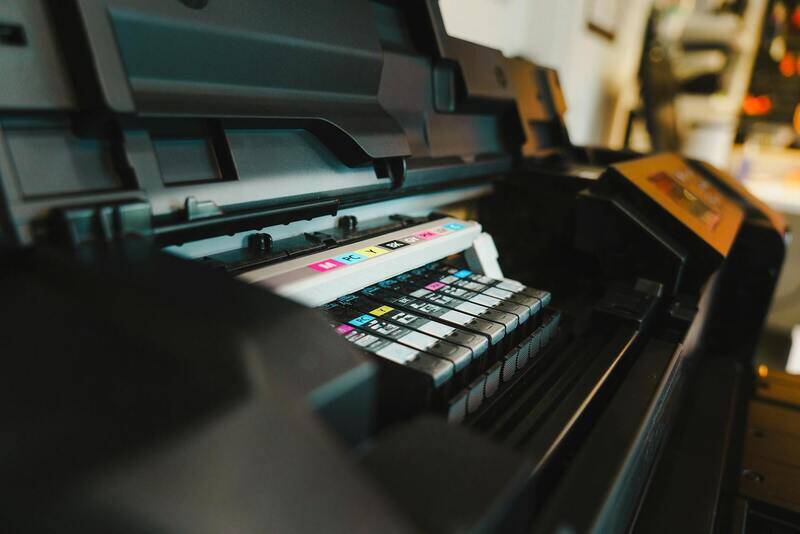
Technology and equipment are vital considerations. A reputable large format printing company invests in state-of-the-art machinery that supports diverse media types and offers consistent results. Features such as high-resolution inkjet printers, UV-curable options, and eco-friendly ink systems contribute significantly to the durability, vibrancy, and environmental friendliness of the final product.
Material selection is another key aspect. Leading providers maintain access to a broad spectrum of substrates, including vinyl, canvas, fabric, rigid boards, and specialty medias. Their expertise in substrate compatibility with various inks guarantees vivid, durable, and weather-resistant prints suitable for indoor and outdoor applications.
Turnaround times play a crucial role, especially when deadlines are tight. Top-tier companies have streamlined workflows and capacity to deliver projects promptly without compromising on quality. Transparent communication about project timelines and progress updates enhances client confidence and satisfaction.
Additionally, a credible large format printing firm offers comprehensive support services, including on-site consultation, installation, and post-production finishing. This holistic approach ensures the final display aligns with the client's vision while maintaining consistency in color management and attention to detail.

Environmental considerations are increasingly important. Companies committed to sustainable practices utilize eco-friendly inks, recyclable materials, and low-waste production techniques. These initiatives not only reduce environmental impact but also align with clients' corporate responsibility goals.
Cost efficiency is achieved through transparent pricing, minimizing waste, and optimizing print runs. While affordability is essential, excessively low prices often compromise quality and longevity. Balancing cost with quality assurance ensures investing in a reputable service provider yields long-term benefits.
Furthermore, evaluating a company’s customer service and communication standards provides insight into their professionalism and commitment to client satisfaction. Responsive, knowledgeable staff who can offer guidance on material choices, design optimization, and technical specifications contribute to smoother project execution.
In summary, selecting a large format printing company involves assessing their technological capabilities, material expertise, workflow efficiency, environmental stewardship, and customer support. Partners excelling in these areas will deliver high-caliber visual outputs that effectively meet branding goals, promotional needs, and display requirements, establishing a foundation for successful visual communications.
Definition of Large Format Printing
Large format printing refers to the process of producing prints that surpass standard document sizes, typically starting from 24 inches and extending to several meters wide. This method is designed to create high-resolution visual displays that are suitable for banners, posters, billboards, and other promotional materials requiring eye-catching, expansive imagery. It involves specialized printing equipment capable of handling oversized media without compromising clarity or color accuracy, ensuring that detailed graphics remain sharp and vivid across large surfaces.

Types of Large Format Printing Technologies
Advancements in technology have paved the way for diverse large format printing options, each suited for different applications and material compatibilities. The most prevalent technologies include:
- Inkjet Printing: Dominates the large format industry with its ability to produce vibrant, detailed images. This technology sprays tiny droplets of ink directly onto media, making it ideal for banners, posters, and fine art reproductions.
- Solvent and Eco-Solvent Printing: Utilizes solvent-based inks that provide excellent adhesion to non-porous surfaces such as vinyl and outdoor signage materials. Eco-solvent printers offer environmentally friendlier options with reduced emissions, suitable for outdoor advertising.
- UV Printing: Involves curing UV-sensitive inks with ultraviolet light, enabling direct printing on a wide range of substrates, including plastics, glass, and wood. This method supports durable, weather-resistant applications.
- Dye Sublimation: Used primarily for fabric printing, this technique involves transferring dye-based inks onto polyester surfaces under heat, ideal for fabric banners and textiles.
Key Materials Used in Large Format Printing
The choice of materials plays a crucial role in the durability, appearance, and application of large format prints. Common materials include:
- Vinyl Films: Flexible and weather-resistant, vinyl is extensively used for outdoor signage, banners, and vehicle wraps.
- Photo Paper: High-gloss or matte options are preferred for indoor displays, posters, and fine art reproductions, offering exceptional image clarity.
- Canvas: Used for artistic prints and exhibitions, canvas materials add texture and a premium feel to large visual displays.
- Fabric Materials: Suitable for soft signage, curtains, and displays requiring flexibility and lightweight properties.
- Polycarbonate and Acrylic Sheets: Rigid materials often used for signage, displays, and decorative elements, supporting UV printing techniques for longevity and impact.

Applications and Uses of Large Format Printing
Large format printing serves a broad spectrum of commercial and artistic purposes. Its primary applications include:
- Advertising and Promotions: Banners, billboards, and trade show displays designed to attract attention from afar.
- Interior and Exterior Signage: Wayfinding signs, retail displays, and building identification panels enhance visibility and brand recognition.
- Event Marketing: Backdrops, stage graphics, and large-scale visuals used in conferences, concerts, and sporting events.
- Fine Art and Photography: Reproductions and gallery displays showcasing detailed artwork on canvas or specialty media.
- Vehicle Wraps and Fleet Graphics: Transforming vehicles into mobile advertisements with vivid, wrap-around designs.
Benefits of Choosing Large Format Printing Companies
Partnering with reputable large format printing providers offers numerous advantages. These include access to the latest printing technologies, skilled design support, and high-quality materials that ensure your visuals are impactful and long-lasting. Established companies often provide comprehensive service packages, from conceptualization and design to production and installation, streamlining project completion. Additionally, working with experienced providers guarantees adherence to safety standards and environmental protocols, fostering sustainability and eco-friendly practices. Their expertise minimizes waste and rework, leading to more efficient project timelines and cost management. Ultimately, a trusted large format printing company elevates your marketing efforts by delivering vivid, durable displays tailored precisely to your branding objectives and environmental conditions.
Methods for Authenticating Large Format Printing Providers
Choosing a reliable large format printing company requires ensuring that your selection meets certain standards of professionalism and quality assurance. One of the primary strategies involves verifying official credentials and certifications that demonstrate adherence to industry standards and best practices. Recognized industry associations and certification bodies offer credentials that validate a company's commitment to quality, safety, and environmental protocols. Facilities with memberships or certifications from credible organizations often follow established guidelines, ensuring consistent results and compliance with high standards.

Exacting documentation, such as business licenses, industry-specific permits, and compliance certificates, provide a baseline for legitimacy. These documents reflect that a company operates within legal and professional boundaries, fulfilling regional or national requirements. Confirming these credentials prior to engagement helps in establishing trustworthiness and mitigates potential discrepancies in service quality.
Review and Reputation Verification
Gathering insights from reputable review platforms and industry directories offers another layer of assurance. Feedback from previous clients and project case studies provide tangible proof of a company's capabilities and consistency in delivering high-quality results. Reputable companies frequently showcase portfolios, testimonials, and project examples, which can be scrutinized to evaluate their expertise across various print mediums and materials.

Engaging with professional networks, industry trade shows, and exhibitions provides additional opportunities to interact with representatives from large format printing providers. Such face-to-face interactions often clarify their operational standards, technological infrastructure, and customer service practices. This transparency reinforces their claims of professionalism and specialization, ensuring that your project is handled by qualified personnel employing legitimate and modern methods.
Assessment of Technical Capabilities
Visiting the physical facilities of potential providers allows for direct assessment of their technical infrastructure. Modern, well-maintained equipment and knowledgeable staff are indicators of a company's commitment to quality and innovation. It also enables clients to understand if the company uses the latest printing technologies and environmentally safe materials, which contributes to the longevity and vibrancy of printed displays, banners, or signage.
Transparency in Pricing and Service Terms
Transparent communication regarding pricing structures, project timelines, and service scopes is vital. Reliable companies provide detailed quotations, clear service agreements, and warranty or guarantee options for their work. Such transparency minimizes misunderstandings, ensures accountability, and demonstrates a company's dedication to integrity and professionalism in its dealings.
Environmental and Safety Compliance
Ensuring that the company adheres to environmental standards through eco-friendly printing practices and proper waste management practices affirms their commitment to sustainability. Certified companies often emphasize their environmentally-conscious approach, which can be an informal indicator of their adherence to lawful and ethical operational standards.

Overall, authenticating a large format printing provider involves a multifaceted approach that combines verification of official credentials, assessments of technical capacity, and review of reputation and service transparency. Employing these comprehensive methods assures that your investments result in high-quality, durable, and visually compelling printed materials that align with your branding and environmental preferences.
