
Understanding Large Format Digital Printing
Large format digital printing is a specialized printing process designed to produce printed materials that exceed the size limitations of standard commercial printers. This technology is ideal for creating vibrant, high-resolution visuals on a variety of substrates, serving industries such as advertising, retail, event planning, and interior decor. Unlike conventional printing methods optimized for small to medium-sized documents, large format digital printing handles expansive graphics, banners, posters, and signage, ensuring clarity and color accuracy at a significantly larger scale.
At its core, large format digital printing involves the use of advanced inkjet printers equipped with wide printheads that can eject ink with precision across wide surfaces. This method allows for direct-to-surface printing, eliminating the need for multiple steps associated with traditional silkscreen or lithographic processes. The capacity to produce detailed images on large substrates in a single pass makes this technology highly efficient and versatile.

One of the key distinguishing features of large format digital printing is its ability to produce customized, high-impact visuals tailored to specific space requirements. It can accommodate various media, including vinyl, fabric, PVC, paper, and specialty materials, making it adaptable to different project needs. The process supports short runs and even one-off prints, offering flexibility for branding campaigns, event signage, and interior décor without the economic commitment of traditional mass production techniques.
Understanding the nuances of large format digital printing also involves recognizing its role in modern visual communication. It provides the capacity to create large-scale graphics without sacrificing detail, ensuring banners and murals are both eye-catching and durable. As a result, it has become an indispensable tool for brands seeking to make a bold statement in physical spaces. Its ability to combine vivid imagery with robust materials means that large format prints can withstand outdoor elements when properly protected, further expanding their application scope.

In summary, large format digital printing transcends traditional printing limitations, offering a dynamic solution for large-scale visual projects. Its precision, speed, and adaptability make it essential for businesses and creative professionals aiming for impactful, professional-grade physical displays. Mastery of this technology enables the production of striking visuals that captivate audiences and effectively communicate messages across diverse environments.
Legal Methods for Procuring Large Format Digital Printing Services
Securing large format digital prints through legitimate channels is essential to ensure quality, reliability, and adherence to industry standards. Authorized providers invest in advanced technology, adhere to safety regulations, and maintain quality control processes that guarantee consistent, high-impact results. Opting for official vendors ensures that the production process complies with best practices, from digital file preparation to the final print, minimizing the risk of errors or subpar output.
One key approach is to engage with certified printing companies that operate under recognized industry standards. These providers typically possess certifications from recognized organizations, reflecting their commitment to quality management, environmental sustainability, and safety protocols. Such certifications serve as indicators of their capacity to produce durable, color-accurate, and vibrant large-scale graphics that meet professional standards.
Another crucial aspect involves verifying their technological capabilities. Reputable large format printing services utilize high-end printers equipped with UV-curable, eco-solvent, or latex inks—technologies known for their color richness, longevity, and environmental safety. Using authorized equipment and premium materials ensures that prints exhibit high resolution, vivid colors, and resistance to outdoor elements.
To ensure service legitimacy, customers should request documentation of their printer's technical specifications, maintenance records, and quality assurance procedures. Additionally, reviewing client testimonials or case studies can provide insights into the provider's track record and consistency in delivering high-quality large format prints.
Procuring services through official channels also involves ensuring that the artwork submitted complies with copyright laws and licensing agreements. This not only preserves the integrity and legality of the project but also aligns with ethical practices within the industry. Working with established providers who are familiar with intellectual property considerations helps avoid potential disputes or the use of unauthorized imagery.
Engaging directly with authorized distributors or through authorized online platforms guarantees access to genuine materials and inks. For instance, established printing providers often source their substrates from reputable suppliers, ensuring material durability and safety for indoor and outdoor use. This procurement method reduces the likelihood of counterfeit or inferior products that could compromise the project’s quality or longevity.
Ultimately, working within legitimate supply chains and authorized service networks assures that large format digital printing projects meet both aesthetic and functional expectations. It fosters trust in the process, from design conception to final installation, and provides accountability in case adjustments or issues arise during or after production.
Materials and Substrates Used in Large Format Printing
Choosing the appropriate materials and substrates is essential to achieve durability, vibrant colors, and suitability for both indoor and outdoor environments. Common substrates include vinyl, canvas, fabric, and specialty films, each offering specific benefits aligned with the intended application. Vinyl remains the most versatile and resilient choice for outdoor signage due to its weather resistance and ease of adhesion. Canvas and fabric substrates are preferred for high-end art reproductions, interior wall murals, and trade show displays because they provide a textured appearance that mimics traditional art mediums. Additionally, rigid materials such as foam boards, corrugated plastic, acrylic, and aluminum are frequently utilized for mounting large format prints in storefront displays, exhibition panels, and directional signage. These substrates are valued for their stability and ability to support detailed imagery over extended periods.

Selection Considerations for Optimal Results
- Environmental conditions: For outdoor applications, weather-resistant materials like vinyl or laminated substrates are ideal to withstand elements such as rain, sunlight, and wind.
- Image longevity: The choice of UV-resistant inks combined with suitable substrates ensures that colors stay vibrant and materials do not degrade over time.
- Installation requirements: Lightweight options like fabric or paper-based materials ease handling, while rigid materials require more sophisticated mounting hardware.
- Color fidelity and finish: Matte, gloss, or semi-gloss finishes can be selected based on desired aesthetics and glare reduction, ensuring visual impact meets client specifications.
High-quality substrates, combined with proper surface preparation and finishing processes, play a crucial role in producing long-lasting, eye-catching large format prints. Engaging with reputable suppliers who offer a variety of certified materials guarantees consistency in quality and safety, vital for projects that demand precise color reproduction and structural integrity.
Ensuring Accurate Color Reproduction and Finishing Techniques
Achieving precise color fidelity in large format digital printing necessitates the use of advanced calibration protocols for printers and color management systems. OEM-certified inks and substrates are essential to maintain consistent hues across multiple print runs, especially for projects where brand color consistency is critical. High-resolution image files should be prepared with embedded color profiles, facilitating predictable results that meet client expectations.
Post-print finishing plays a pivotal role in enhancing durability and aesthetic appeal. Techniques such as lamination protect printed surfaces from UV damage, moisture, scratches, and general wear and tear. Matte or gloss laminates can be selected to align with design objectives, whether for glare reduction or vibrant finish enhancement. Edge sealing and mounting methods further secure the integrity of large format prints, particularly for outdoor displays that face constant environmental challenges.

Quality Assurance and Material Compatibility
Implementing rigorous quality checks throughout the production process guarantees that each print adheres to specified standards for color accuracy, alignment, and overall appearance. Reputable printing providers employ spectrophotometers and other calibration tools to monitor color consistency, accommodating variations between different substrates and inks.
Material compatibility is a fundamental consideration. Selecting substrates that are suited for the intended environment and application extends the lifespan of the print. For outdoor signage, weather-resistant materials like vinyl or laminated rigid panels are preferred, while indoor displays might utilize smoother surfaces like canvas or fabric for a refined aesthetic. Ensuring proper surface preparation, such as cleaning and priming, enhances ink adhesion and longevity.
Handling Large Format Prints Safely and Efficiently
Proper handling procedures are vital to avoid damage during transportation and installation. Large prints should be carefully rolled or laid flat on protected surfaces, employing tools like suction cups and padded carriers when moving bulky items. Rigid substrates often require specialized mounting hardware and techniques, including framing or wall anchoring, to ensure stability and safety.
For projects involving multiple large format pieces, logistical planning becomes essential. Scheduling delivery during off-peak hours minimizes disruption and risk. Training installation teams in proper handling and mounting procedures ensures that the final presentation aligns precisely with design specifications.

Understanding Large Format Digital Printing
Large format digital printing is a specialized printing process designed to produce high-quality images on surfaces that exceed the dimensions of conventional printing presses. This technology enables the creation of visually impactful graphics for a wide range of applications, including outdoor advertising, interior décor, and promotional displays. The ability to print on various substrates with vibrant color reproduction and sharp detail makes it an essential choice for businesses seeking to make a lasting impression.
Established Methods for Large Format Printing
To ensure consistent quality and durability, reputable large format printing services utilize proven, off-the-shelf methods based on robust technologies. Key approaches include:
- UV Printing: Uses ultraviolet light to cure inks instantly on non-porous surfaces, resulting in durable, weather-resistant prints ideal for outdoor signage and panels.
- Solvent and Eco-Solvent Printing: Employ solvent-based inks that penetrate substrates for vibrant, long-lasting images. Eco-solvent options offer environmentally conscious solutions with reduced emissions.
- Latex Printing: Combines water-based latex inks with heat curing technology, delivering flexible, eco-friendly prints suitable for a variety of materials including fabric and vinyl.
- Piezoelectric Inkjet Technology: Utilized in most high-end large format printers, it allows precise control of ink droplets, achieving high resolution and color accuracy.
These methods are supported by the use of specialized equipment featuring advanced calibration systems to ensure color consistency across different jobs and substrates. Fine-tuning the ink and substrate interactions is essential to produce vibrant images that withstand environmental challenges such as UV exposure, moisture, and temperature fluctuations.

Incorporation of Supported Technologies
Modern large format printing integrates sophisticated software solutions for color management, ensuring uniformity and accuracy. Calibration tools, such as spectrophotometers and colorimeters, are routinely used to monitor and adjust the output during production. These measures help maintain high standards, especially when reproducing brand colors or intricate designs.
Quality Control and Material Compatibility
Every print job undergoes rigorous quality inspections to verify color fidelity, registration, and material adhesion. Selecting appropriate substrates that match the intended application environment is crucial. For instance, weatherproof vinyls and rigid panels are chosen for outdoor signage to resist harsh elements, while fabric or canvas may be preferred for indoor visual displays, offering a softer aesthetic and easier installation.
Handling of Large Format Prints
Handling large prints requires meticulous care to prevent damage. During transportation, prints should be carefully rolled or laid flat with protective coverings. For installation, professional techniques such as framing, mounting with adhesives, or wall anchoring are employed to ensure safety and a clean presentation. Proper handling not only preserves the print’s visual quality but also extends its lifespan.

Summary
Legitimate large format digital printing relies on established methods that combine advanced technology with rigorous quality controls. Precision in calibration, substrate selection, and handling ensures that each project not only meets aesthetic expectations but also withstands environmental and usage demands, making large format printing a reliable solution for impactful visual communication.
Understanding Large Format Digital Printing
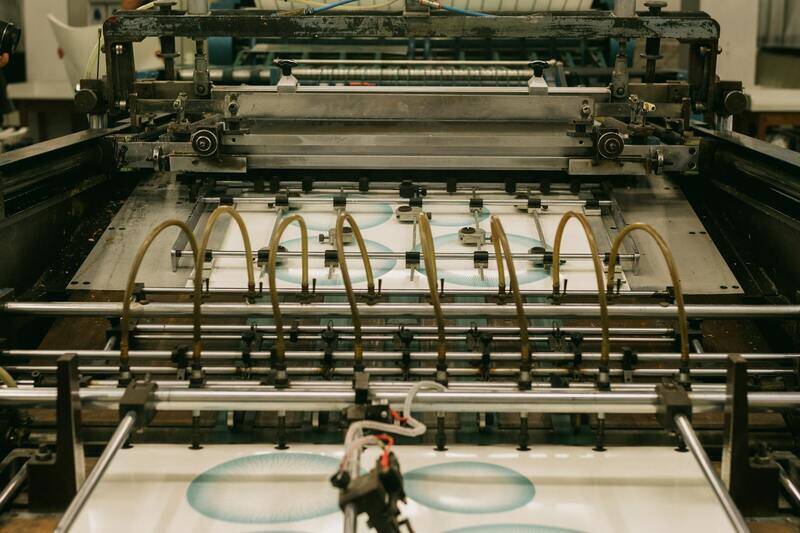
Large format digital printing is a specialized process designed to produce high-quality graphics on oversized substrates, surpassing the limitations of traditional printing methods. This technology enables the creation of banners, posters, wall murals, and other expansive visual displays that demand precision, color accuracy, and durability. The process involves the use of advanced inkjet printers capable of handling broad rolls of material, allowing for quick turnaround times and detailed reproduction of intricate designs. When selecting large format digital printing services, it is essential to understand the core principles and the various techniques that ensure impressive results across diverse applications.
Technological Foundations of Large Format Digital Printing
At the heart of large format digital printing are sophisticated inkjet printers equipped with multiple color channels that facilitate a broad spectrum of shades. These machines utilize UV, solvent, latex, or eco-solvent inks, each offering distinct advantages depending on the intended use. UV-curable inks dry instantly when exposed to ultraviolet light, making them suitable for rigid substrates and outdoor applications. Solvent and eco-solvent inks are known for their excellent adhesion and weather resistance, ideal for outdoor signage. Latex inks, on the other hand, provide soft, flexible finishes with environmental considerations in mind. All these technologies involve precise control of print head movement and substrate feed, ensuring consistent results over large surface areas.
Understanding Color Management and Calibration
Color fidelity is crucial in large format digital printing to accurately reproduce brand colors and intricate artwork. Professional printers employ advanced color management systems, including ICC profiles and calibration tools, to match digital designs with printed outputs precisely. This process involves creating standardized color settings and adjusting printer parameters to achieve consistent color reproduction across print runs. Proper color management not only guarantees visual consistency but also minimizes material waste due to misprints, leading to cost-effective production.
Quality Assurance and Material Compatibility
Maintaining high standards throughout the printing process is vital for producing durable, vibrant large format graphics. Before commencing a print job, operators verify materials for compatibility with chosen inks and climate conditions, such as outdoor exposure or interior display. Rigorous quality control protocols include inspecting color accuracy, registration, and surface finish. Handling of large prints requires experience, as improper transport or mounting can damage the visuals or compromise longevity. Selecting appropriate substrates—such as weather-resistant vinyls for outdoor signs or textured fabrics for interior murals—ensures that the final product maintains its appearance and structural integrity over time.

Final Considerations for Ensuring Successful Large Format Printing
In addition to technological and material expertise, meticulous handling and installation are essential components of the large format printing process. Proper transportation, storage, and mounting techniques preserve the visual quality and lifespan of the prints. Using professional-grade adhesives, framing, or wall mounting methods ensures secure installation and a polished appearance. Understanding the environmental needs and selecting appropriate protective coatings further extends the durability of large format graphics, making them suitable for a variety of indoor and outdoor environments.
Understanding Large Format Digital Printing
Large format digital printing encompasses a range of professional printing techniques designed to produce high-quality graphics on expansive surfaces. This method allows for the creation of vibrant visual displays that effectively capture attention, making it a preferred choice for marketing, signage, and decorative applications. Unlike traditional printing processes, large format digital printing employs advanced inkjet technology capable of handling enormous substrates without compromising image resolution or color fidelity. This capability enables businesses and designers to realize ambitious concepts, providing flexibility and precision indispensable for impactful visual communication.
Key Aspects of Large Format Digital Printing
- High Resolution Output: Produces sharp, detailed images suitable for close viewing distances, ensuring that every element, from text to intricate graphics, remains clear and compelling.
- Versatile Materials: Supports a diverse array of substrates, including vinyl, fabric, rigid panels, and specialty materials, catering to various environmental and aesthetic needs.
- Customizable Sizes: Capable of printing on surfaces ranging from small banners to massive murals, offering unparalleled scalability for projects of any scope.
- Fast Turnaround Times: Digital workflows facilitate rapid production, allowing for timely delivery of large-scale projects.

Design Considerations for Large Format Printing
Optimal results hinge on meticulous design preparation. High-resolution artwork must be tailored to match the printing capabilities, ensuring that images retain vibrancy and clarity at large scales. Color profiles should be calibrated to prevent discrepancies between digital previews and final outputs. Additionally, bleed margins and safe zones should be incorporated into the design to avoid unintended cuts or overlaps. Collaborating with experienced print providers ensures that digital files are correctly formatted, minimizing errors and waste.
Operational Workflow and Quality Assurance
The journey from digital file to finished print involves several critical steps. Post design verification includes checking color accuracy, registration, and surface finish. A printed proof is often produced to verify visual quality before the full run. During production, operators monitor ink saturation, drying times, and substrate compatibility to prevent defects. Rigorous quality control measures involve inspecting for color consistency, uniform substrate adhesion, and surface smoothness. Proper handling and transportation protocols are vital to preserve the integrity of the large-format print, especially for installations that remain outdoors or in high-traffic areas.
Environmental and Sustainability Practices
Advancements in large format digital printing now emphasize eco-friendly practices. Many providers utilize inks with low VOC emissions and recyclable substrates that reduce environmental impact. Sustainable workflows also focus on minimizing waste through efficient job planning and reuse of materials when possible. These practices not only foster corporate responsibility but also ensure that high-quality visuals are delivered with a reduced ecological footprint.

Final Thoughts
Mastering the nuances of large format digital printing, from material selection to detailed design and quality assurance, is essential for achieving durable, impactful graphics. Engaging with experienced providers who adhere to strict operational standards guarantees that each project meets the desired specifications, delivering visual communication that truly stands out in any environment. Whether for indoor murals, outdoor signage, or event displays, well-executed large format printing transforms creative concepts into vivid realities that command attention and leave lasting impressions.
Ensuring Compliance Through Trusted Large Format Digital Printing Methods
When seeking large format digital printing solutions, it is essential to partner with providers that employ proven, legitimate methodologies to guarantee high-quality and durable results. Authorized printing companies utilize official equipment, licensed software, and authentic inks to produce visual materials that meet industry standards. These methods are designed to deliver consistent color fidelity, sharp imagery, and long-lasting durability across various substrates.
Official Equipment and Software Usage
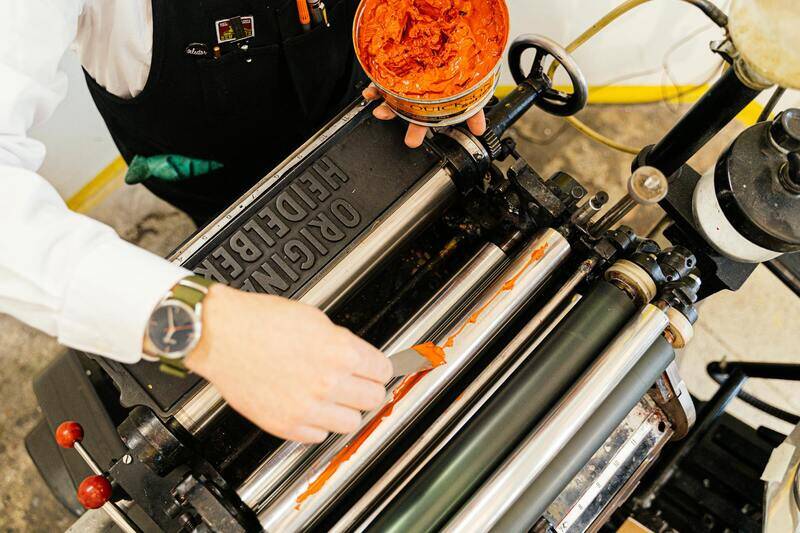
- Certified Digital Printers: Authorized providers operate with machines that are regularly maintained and calibrated according to the manufacturer’s specifications, ensuring precision and consistency in the output.
- Licensed Software: Design files are processed using legitimate, industry-approved software platforms that prevent unauthorized modifications, ensuring the integrity of artwork and color accuracy.
- Authentic Inks: Industry-standard inks, including solvent, UV-curable, or eco-solvent options, are used to produce vibrant, fade-resistant prints compliant with safety and environmental guidelines.
Standardized Color Management Procedures
The foundation of reliable large format printing hinges on strict color management. Legitimate providers incorporate advanced color profiling, calibration, and proofing techniques to match client artwork precisely. This process involves detailed color matching, proofing, and validation before the final print, minimizing discrepancies and ensuring the visual output aligns perfectly with the intended design.
Compliance with Material and Substrate Specifications
Proper material handling is critical to maintain print quality and longevity. Genuine printing companies adhere to official guidelines for substrate compatibility, including rigorous testing and certification of materials such as vinyl, fabric, paper, and rigid boards. This ensures the substrate interacts correctly with inks and finishes, yielding vibrant, durable, and safe graphics.
Adherence to Industry Standards for Sustainability
Providers committed to responsible practices employ environmentally safe inks and recyclable substrates, aligning with recognized environmental standards. They also implement waste reduction strategies, precise job planning, and recycling protocols, which collectively foster sustainable printing workflows.
Quality Assurance and Inspection Protocols
Before delivering any large format output, comprehensive inspection measures are undertaken. These include checking for surface uniformity, color consistency, image sharpness, and adhesion quality. In quality-controlled environments, each print undergoes a meticulous review process to confirm it meets the specified criteria, ensuring that clients receive visually perfect resultss.
Importance of Documentation and Certifications
Leading large format printing establishments often provide documentation certifying their adherence to official manufacturing and safety standards. This documentation assures clients of the legitimacy of the production process, while also demonstrating compliance with environmental and safety regulations.
The Role of Training and Expertise
Professional operators with extensive training and certification manage the printing workflow. Their expertise enables adjustments for substrate variations, color fidelity, and image precision, resulting in consistent, high-caliber outputs across diverse project types.
Protecting Your Investment with Authorized Methods
Using validated, official procedures not only enhances the visual quality but also extends the lifespan of your graphics. Durable prints resist fading, cracking, or peeling, especially when installed in outdoor or high-traffic environments. This longevity preserves your investment and ensures your messaging remains impactful over time.
