
Overview of Custom Poster Printing
Custom poster printing stands as a vital service for individuals and businesses seeking to communicate visually with impact. Unlike off-the-shelf solutions, custom poster printing allows for personalized designs that cater specifically to the intended message, branding guidelines, or artistic vision. This process involves creating posters tailored to unique size requirements, color schemes, and stylistic preferences, ensuring the final product aligns perfectly with the specific purpose of the campaign or decoration.
The value of custom poster printing extends beyond mere aesthetics; it provides a versatile platform for marketing, promotion, visual storytelling, and informational displays. Whether used for grand advertising campaigns, event promotions, or decorative purposes within a space, customized posters serve as powerful tools to attract attention and convey messages clearly. The ability to choose specific materials, finishes, and printing technologies makes custom poster printing an adaptable solution suited for various environments, from indoor settings to outdoor spaces.
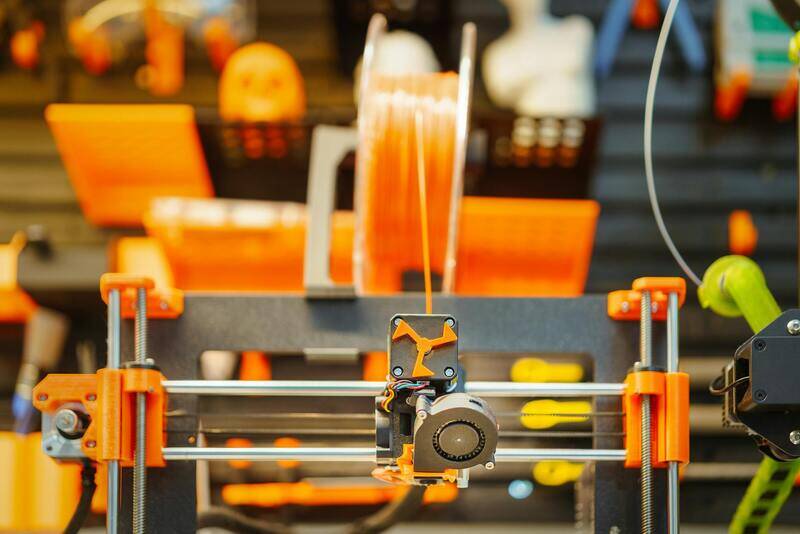
Moreover, with advancements in digital printing technology, the process has become faster and more cost-effective, enabling businesses and individuals to produce high-resolution, vibrant posters without prohibitive costs. This scalability means that even small batches or one-off prints can be achieved with quality assurance. The process begins with a detailed understanding of the project requirements, followed by the selection of appropriate materials and printing methods to ensure durability, color accuracy, and overall visual impact.
Custom poster printing also involves a collaborative design process, where clients can work closely with print professionals to develop layouts, color palettes, and imagery. This interaction ensures that the final product not only meets but exceeds expectations, effectively communicating the intended message with clarity and visual appeal. As a result, businesses can enhance brand visibility, and event organizers can create memorable visual identities for their occasions.
In addition to aesthetic considerations, factors such as poster size, placement location, and environmental exposure are critical in determining the most suitable printing options. Larger formats such as A0 or A1 are ideal for outdoor billboards or exhibition displays, while smaller sizes suffice for indoor environments. The choice of materials, such as weather-resistant vinyl or standard paper, also complements the intended use, ensuring longevity and sustained visual impact.
Overall, custom poster printing offers a comprehensive solution to fulfill various visual communication needs, combining technological precision, creative flexibility, and strategic design considerations to produce impactful and memorable posters.
Design Considerations for Custom Posters
Developing a compelling custom poster requires meticulous attention to design principles that resonate with the target audience. The visual hierarchy is crucial; key messages and focal points should be prominently positioned to guide viewers' attention effortlessly. Effective use of negative space enhances readability and ensures that essential elements are not cluttered, creating a balanced aesthetic. Color schemes play a pivotal role in evoking the desired emotional response and reinforcing brand identity. High contrast between background and text improves visibility from a distance, especially for outdoor or large-format posters. Selecting fonts that are clear and legible at varying sizes supports the poster's communicative purpose. Imagery and graphics should be high-resolution to maintain clarity when scaled to size. Incorporating relevant visuals that complement the message adds visual interest and increases engagement. When designing for specific environments, consider factors such as lighting and background to ensure that the poster maintains impact regardless of placement. Collaborative consultation with print professionals can provide insights into scalability and material compatibility, ensuring that the final design is optimized for production precision. Tailoring the design to the distribution intent—whether it’s for outdoor advertising, indoor displays, or event signage—helps maximize visibility and effectiveness.
Materials and Finishes Used in Poster Printing
The choice of materials directly influences the durability, appearance, and overall impression of a custom poster. Common options include standard paper, which is suitable for indoor use and short-term applications, and more resilient materials like weather-resistant vinyl or polyester for outdoor environments. Vinyl posters provide excellent resistance to water, UV rays, and tearing, making them ideal for exterior signage where exposure to elements is significant. Laminations can be applied as an additional protective layer, safeguarding against scratches, fading, and moisture. Matte finishes reduce glare and enhance readability under bright lighting, while gloss finishes intensify colors and add vibrancy, making visuals pop. Satin finishes strike a balance between the two, offering a soft sheen that enhances image quality without excessive reflectivity. Specialty finishes such as textured or textured coatings can add a tactile dimension to the poster, emphasizing particular design elements or brand aesthetics. The selection process should align with the poster’s purpose, placement environment, and expected lifespan, ensuring the final product maintains its impact over time.
Design Considerations for Custom Posters
When planning for custom poster printing, the design process plays a vital role in delivering an impactful visual message. A well-executed design should consider the target audience, purpose, and placement environment. Clear hierarchy, compelling visuals, and concise messaging are key elements to ensure that the poster captures attention and communicates effectively. High-resolution graphics and appropriately sized fonts contribute to readability and aesthetic appeal, especially for larger formats where details can be more prominent. Additionally, adherence to branding guidelines, color psychology, and visual balance enhances recognition and brand consistency.
In terms of layout, balanced compositions that focus on focal points guide viewers’ eyes naturally through the information. Utilizing negative space helps prevent clutter, making the content easier to digest. Choosing contrasting colors can also improve visibility from various distances, which is especially important for outdoor signage meant to be seen from afar. It’s advantageous to work with design professionals or utilize trusted template resources that align with current design standards and best practices, ensuring the final poster aligns with professional and aesthetic expectations.

Materials and Finishes Used in Poster Printing
The choice of materials and finishes directly impacts the durability and visual quality of custom posters. Standard paper is cost-effective and suitable for indoor use or short-term displays, offering ease of handling and quick turnaround times. For outdoor environments or prolonged exposure, weather-resistant options like vinyl or polyester are recommended due to their ability to withstand rain, UV rays, and physical wear.
Vinyl posters, in particular, are favored for their toughness and resistance to environmental elements. Applying laminations as an overlay enhances protection against scratches, fading, and moisture, extending the poster’s lifespan. Matte finishes are preferred for reducing glare, especially under bright lighting conditions, thereby improving readability. Gloss finishes, on the other hand, enrich colors and create vibrant visuals that attract attention from a distance. Satin finishes offer a middle ground, providing a soft sheen that balances aesthetics and practicality.
Beyond standard finishes, specialty coatings such as textured or embossed surfaces add tactile interest, emphasizing particular elements of the design or branding. These choices should be guided by the intended display environment, the nature of the message, and the desired longevity of the poster. Combining suitable materials with the right finishing touches ensures the posters are not only visually appealing but also resilient against the elements, delivering a consistent and impactful presentation over time.
Materials and Finishes Used in Poster Printing
Choosing the appropriate materials and finishes for custom poster printing is essential to achieve desired visual effects and durability. The selection begins with standard paper stocks such as glossy photo paper, which enhances color vibrancy and sharpness, or matte finishes for a subdued, glare-free appearance suitable for detailed imagery and readability under bright lighting. For outdoor or high-traffic environments, weather-resistant substrates like vinyl or polyester are indispensable, providing resilience against moisture, UV exposure, and physical wear.
Vinyl material, in particular, is known for its toughness and flexibility, making it suitable for banners, long-term signage, and outdoor advertisements. Its resistance to environmental factors ensures that posters maintain their visual appeal over extended periods, even under challenging conditions. Polyester-based options also offer excellent durability and are often used as an alternative to vinyl, especially where a higher quality finish is desired.
Applying finishes such as lamination enhances the durability and aesthetic appeal of printed posters. Matte lamination offers a soft, non-reflective surface that minimizes glare, making it ideal for indoor display areas with bright lighting. Gloss lamination amplifies color richness, making visuals more eye-catching from a distance — a common choice for promotional posters meant to attract attention quickly. Satin or semi-gloss finishes strike a balance, providing a subtle sheen that reduces reflections while preserving image clarity and color fidelity.
Specialty coatings like textured or embossed finishes can add tactile interest and emphasize specific design elements or branding features. Such options are often employed for luxury branding or high-end promotional materials, creating a distinct sensory experience for viewers. When selecting materials and finishes, consider the poster’s intended location, longevity expectations, and visual impact. This careful alignment ensures posters are not only visually compelling but also resilient against environmental and handling stresses, thereby maximizing their effectiveness and lifespan.
Details of Custom Poster Printing Methods
When selecting a printing method for your custom poster, understanding the techniques available ensures your final product meets your expectations in quality and durability. The primary methods utilized in professional poster printing are digital printing, offset printing, and large format printing, each suited to different project requirements and scale.
Digital Printing
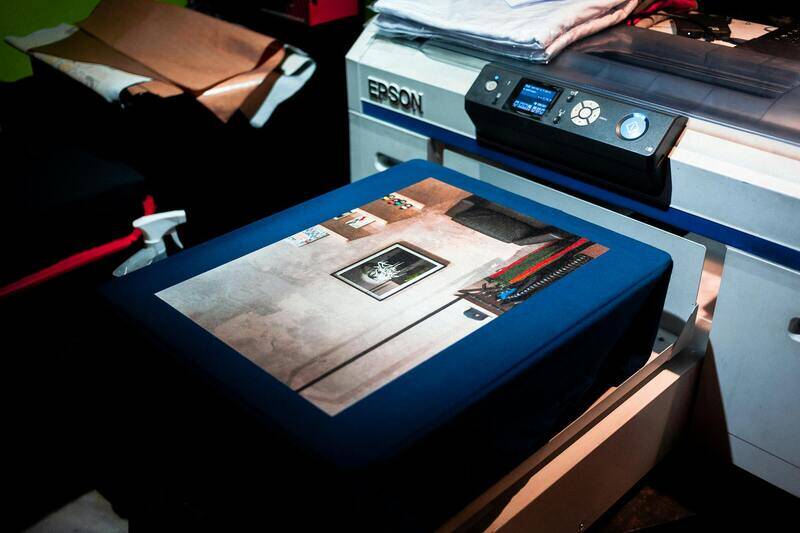
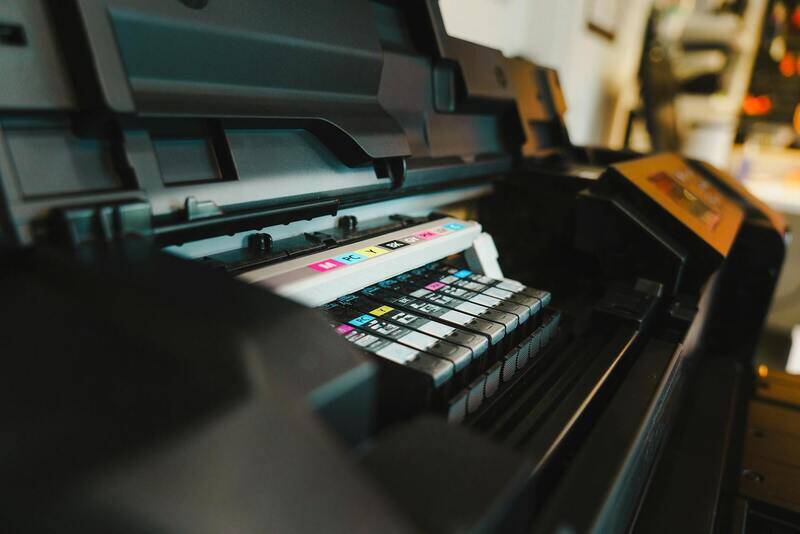
Digital printing dominates the custom poster landscape due to its flexibility, rapid turnaround times, and ability to accommodate short runs without sacrificing quality. This process employs inkjet or laser technology to reproduce high-resolution images directly onto the chosen material, allowing for detailed and vibrant visuals. Digital printing is ideal for projects requiring personalized posters, small quantities, or fast delivery, making it a favored choice for marketing campaigns, event promotions, and personalized artwork.
Offset Printing
Offset printing operates through transferring ink from a plate to a rubber blanket before applying it onto the printing surface. Although more traditional, offset is cost-effective for large volume runs, providing consistent color accuracy and high-quality finishes. This method is particularly advantageous when producing posters with extensive color variations or when multiple copies of the same design are necessary. While it involves longer setup times, the per-unit cost decreases significantly with volume, offering economic benefits for large-scale printing projects.
Large Format Printing
Specializing in oversized visuals, large format printing is designed to produce posters that command attention in public spaces. This method uses wide-format printers capable of handling media widths exceeding traditional paper sizes. It is optimal for creating striking banners, wall murals, and outdoor displays. Large format printers utilize a variety of inks, including solvent, UV, and latex, to cater to indoor and outdoor applications, ensuring longevity and vivid colors. The versatility of materials—such as vinyl, fabric, and specialty papers—further expands creative options for impactful visual storytelling.
Image Placeholders

Prior to finalizing a printing method, it's essential to evaluate factors such as the project’s scope, budget, timeline, and intended display environment. For instance, digital printing offers flexibility for limited runs and quick turnarounds, whereas offset provides economic advantages for bulk production with impeccable color consistency. Large format printing is indispensable for creating eye-catching signs and displays that require impressive dimensions and visibility from afar. Engaging with a professional print service ensures the optimal technique is employed to meet your specific needs, resulting in visually compelling and durable posters that effectively communicate your message.
Materials and Finishes Used in Poster Printing
Choosing the appropriate material and finish is fundamental in ensuring that your custom poster meets your visual expectations and stands the test of time. The selection depends on factors such as the intended display environment, durability needs, and aesthetic preferences.
- Paper Types: Standard gloss, matte, or satin papers are common choices, each offering different visual effects and glare reduction. Glossy finishes enhance color vibrancy, making images pop, while matte options provide a subdued, elegant look and reduce reflections.
- Vinyl and Synthetic Materials: For outdoor applications or environments requiring water resistance, vinyl or synthetic substrates like polyester or polyethylene are ideal. They resist moisture, tearing, and UV exposure, ensuring that your posters maintain their quality over time.
- Fabric and Canvas: For artistic or premium displays, fabric-based materials or canvas can imbue posters with a textured, sophisticated appearance. These are often used for interior decor or gallery-quality presentations.

Surface Finishes for Enhanced Visual and Physical Qualities
Applying specific surface finishes can further augment the durability and aesthetics of your posters, aligning them with your branding and display needs.
- Lamination: Clear lamination offers protection from scratches, dirt, and moisture. Gloss lamination enhances color and visual impact, while matte lamination reduces glare and creates a softer appearance.
- Varnishing: Spot or overall varnishing can add gloss, satin, or matte effects, providing a customized finish and additional surface protection.
- Specialty Coatings: UV coatings extend the lifespan of outdoor posters by shielding against UV rays, weathering, and fading. Textured coatings can also add tactile elements, making the poster more engaging upon touch.

Factors Influencing Material and Finish Choices
When selecting materials and finishes, it is essential to consider the poster's display environment, longevity requirements, and visual impact. For high-traffic or outdoor settings, more durable and weather-resistant options like vinyl with UV coatings are recommended. Conversely, indoor displays that prioritize aesthetics may benefit from matte or satin papers paired with protective lamination.
Adjusting these parameters ensures your custom poster effectively communicates your message while maintaining its quality over time. Engaging with a professional printing service allows for personalized recommendations, aligning your design intentions with the most suitable materials and finishes available.
Advanced Material Selection for Custom Poster Durability
Achieving a high-quality custom poster involves deliberate material selection that aligns with the intended use and display environment. Beyond basic paper choices, premium materials such as vinyl, fabric-backed options, or glossy and matte laminated papers offer enhanced durability and visual appeal. Vinyl, particularly, excels in outdoor settings due to its resistance to UV rays, moisture, and tearing. Manufacturers often incorporate advanced coatings like UV-resistant layerings, which extend the lifespan of posters exposed to harsh weather conditions. High-opacity fabrics with vibrant inks facilitate a textured, upscale appearance, creating an impactful visual presentation for both indoor and outdoor displays.

Innovative Finishing Techniques for Enhanced Presentation
Post-press finishing plays a critical role in elevating the overall impact and longevity of your custom posters. Techniques such as matte or gloss lamination provide not only a visual enhancement but also a protective barrier against scratches, smudges, and environmental damage. Spot lamination can be selectively applied for emphasis on specific areas, like logos or key messages, adding dimension to the design. Varnishing, whether matte, satin, or gloss, can be tailored to match branding aesthetics, while textured coatings introduce tactile engagement that encourages interaction. For outdoor posters, UV coatings are particularly vital in resisting fading and weathering over extended periods.
- Matte lamination for subdued, sophisticated look
- Gloss lamination to enhance vibrancy and color depth
- Spot lamination for focal points
- UV coating for outdoor durability
- Textured finishes for tactile appeal
Strategic Material and Finish Considerations
Selecting the right combination of materials and finishes requires a comprehensive understanding of where and how the poster will be displayed. For high-traffic indoor locations, opting for durable, fade-resistant materials with protective lamination ensures longevity and quality. In contrast, outdoor displays necessitate weatherproof options like vinyl with UV coatings to guard against elements. The choice of surface finish—matte, satin, or glossy—can drastically influence the viewer’s perception and the poster's ultimate visual impact. A professional printing service can provide invaluable insights, helping navigate the balance between aesthetic preferences and functional requirements to produce visually striking, resilient posters.
Official Methods for Obtaining Custom Posters
Acquiring high-quality, accurately produced custom posters relies entirely on trusted and certified printing providers. These methods ensure that the final product meets all design specifications, durability standards, and visual expectations. To guarantee the integrity and quality of the posters, customers should work exclusively with established printing services that utilize recognized processes and adhere to industry standards.
Utilizing Certified Commercial Printing Services
Working with professional printing companies that operate with certified equipment and trained personnel is essential. Such companies follow stringent quality control procedures, ensuring that each poster is produced with precision, accurate color reproduction, and consistent results. Certified services also provide detailed consultations, guiding clients through material selection, finish options, and size specifications to optimize the poster's impact.
Consulting Design and Print Experts
Many legitimate printing providers offer expert design and pre-press services. This partnership ensures that the digital artwork adheres to technical requirements, such as resolution, bleed margins, and color profiles. Confirming that artwork is prepared correctly reduces errors and guarantees that the print output matches the design intent.
Official Material and Ink Usage
Trusted sources only utilize certified inks and materials that meet safety and durability standards. The use of high-quality substrates, like FSC-certified paper or weather-resistant vinyl, combined with eco-certified inks, leads to better color fidelity and longevity of the posters. This method also minimizes risks associated with color shifts, print defects, or surface deterioration over time.

Ensuring Data Privacy and Confidentiality
Legitimate printing services maintain strict confidentiality protocols to protect proprietary designs and sensitive information. Clients should seek companies that operate under clear privacy policies and secure file transfer methods. Proper handling of digital files diminishes the risk of data theft or misuse, securing the integrity of the design before printing.
Verification of Equipment and Processes
Before initiating a print job, confirm that the provider uses advanced digital printers, such as large-format UV or latex printers, recognized for their precision and consistency. These machines minimize common issues like misregistration, banding, or color inconsistencies. Additionally, a reputable company provides samples or proofs before the final print, allowing clients to approve the design, colors, and material quality without discrepancies.

Ultimately, the key to obtaining official and legitimate custom posters lies in selecting experienced, certified printing providers with proven track records of quality, confidentiality, and technological capability. This approach guarantees that the final product aligns perfectly with the original design intent, withstands environmental factors, and effectively communicates the intended message to its target audience.
