Understanding Banner Types and Materials
Creating effective banners requires a thorough understanding of the various types available and the materials used in their production. The choice of banner type and material significantly influences the visual impact, durability, and suitability for specific environments and purposes.
Vinyl Banners
Vinyl banners are among the most popular options for both indoor and outdoor use due to their robustness and resilience against weather conditions. Made from durable polyvinyl chloride (PVC), these banners can withstand rain, wind, and sun exposure without rapid deterioration. They are highly versatile, available in sizes ranging from small promotional displays to large-format advertising signs. Vinyl banners offer excellent print quality, vibrant color reproduction, and the ability to incorporate detailed graphics and text.
Depending on the intended lifespan and environment, vinyl banners can be coated with matte or gloss finishes. Matte finishes reduce glare, making them ideal for photography or detailed designs, while gloss finishes enhance color vibrancy. Their relatively low cost and easy portability make vinyl banners the go-to option for temporary promotions, grand openings, trade shows, and outdoor events.
Fabric Banners
Fabric banners are crafted from high-quality textiles such as polyester or nylon. Known for their elegant appearance and smooth surface, fabric banners are often used for indoor displays, exhibitions, and retail environments. The fabric material provides a refined look, and when combined with high-resolution printing, they can deliver sharp and vivid images.

Fabric banners tend to be less weather-resistant than vinyl, but advancements in textile coatings have improved their durability. They are reusable and easy to store, making them suitable for seasonal events or repeated use in different locations. Their soft texture and clean finish make fabric banners a preferred choice for corporate branding, trade show displays, and photographic backdrops.
Backlit Banners
Backlit banners, also known as illuminated banners, incorporate lighting elements behind the print to create a striking visual effect. These banners are typically made from translucent materials that allow light to pass through, highlighting colors and details in low-light or nighttime settings. Often used in retail signage, event displays, and transportation hubs, backlit banners demand specific material properties to ensure even light diffusion and long-lasting performance.

High-quality backlit banners combine a durable fabric or vinyl base with lighting units that are easy to install and replace. The materials used are designed to prevent fading and maintain brightness over time, even with continuous use. These banners create eye-catching displays that enhance visibility and brand recognition, especially in busy public spaces.
Overall, selecting the appropriate banner type and material depends on your specific display goals, location, and budget. Whether you need a weatherproof vinyl banner for outdoor advertising, an elegant fabric display for indoor events, or a luminous backlit banner for nighttime visibility, understanding the properties and applications of each option is essential for achieving optimal results when printing banners online.
Understanding Banner Types and Materials
When considering printing banners online, selecting the appropriate banner type and material is essential to ensure optimal visual impact and durability. Common banner styles include vinyl banners, fabric banners, mesh banners, and backlit banners, each suited for specific environments and purposes. Vinyl banners, renowned for their weather-resistant properties, are ideal for outdoor use, providing longevity and clear visibility in various weather conditions. Fabric banners, on the other hand, offer a premium aesthetic with vibrant color reproduction, making them a popular choice for indoor displays and events.
Translucent and backlit banners utilize specialized materials that allow light passage, making them highly effective for nighttime visibility and illuminated signage. These banners incorporate materials like soft fabric or vinyl with a translucent finish, enabling even light diffusion across the surface. Their high-quality construction prevents fading and maintains brightness, ensuring the messages remain vivid over extended periods.
For temporary promotional activities, lightweight banners with easy installation features are often preferred, such as retractable or pop-up banners. Conversely, for long-term outdoor advertising campaigns, heavy-duty vinyl or mesh options are recommended for their resilience against environmental factors.

Choosing the Right Banner for Your Needs
Selecting the most suitable banner requires careful consideration of several key factors:
- Purpose: Determine if the banner will serve informational, promotional, or decorative purposes.
- Location: Assess whether the banner will be displayed indoors or outdoors, influencing material choice and weather resistance needs.
- Durability: Evaluate the expected lifespan and exposure to elements, favoring more robust materials for long-term outdoor exhibits.
- Event-Specific Needs: Consider size, portability, and ease of assembly based on the nature of the event or installation site.
By analyzing these factors, businesses and individuals can choose banners that align with their branding strategies, ensuring maximum impact and cost efficiency.
Understanding Banner Types and Materials
Choosing effective banners necessitates a thorough understanding of the various types and materials suited for different display environments. The primary classifications include vinyl, fabric, mesh, and paper banners, each tailored to specific needs ranging from temporary indoor events to long-term outdoor advertising. Vinyl banners are renowned for their durability, resistance to weather, and versatility, making them an excellent choice for outdoor signage. Standard vinyl options provide robustness against wind, rain, and UV exposure, ensuring longevity even in challenging conditions. Fabric banners, on the other hand, offer vibrant color reproduction and a premium look, often employed indoors for trade shows, exhibitions, or retail displays where visual appeal takes precedence. Mesh banners are designed with tiny holes that allow wind to pass through, reducing strain on fixtures and suitable for large outdoor installations exposed to high wind loads. Paper or newspaper-grade banners are typically used for short-term indoor promotions or events.
In addition to choosing the right material, understanding the printing technology is crucial. Digital printing on banners provides high-resolution, full-color graphics that can incorporate intricate designs, photographs, and branding elements. Latex, solvent, and UV printers each have particular benefits—latex printers create environmentally friendly, flexible prints with vibrant colors; solvent printers provide excellent durability and weather resistance; UV printing offers sharp images with the ability to print directly onto rigid or flexible substrates. Selecting the most appropriate technology ensures the banner maintains clarity and color fidelity over its intended lifespan.
Choosing the Right Banner for Your Needs
Identifying the optimal banner type involves alignment with specific project goals and environmental factors. Analyzing the intended display location is fundamental; outdoor banners must withstand weather elements, necessitating thicker, weatherproof materials like heavy-duty vinyl or mesh fabric. Conversely, indoor banners benefit from lightweight, fabric-based choices that allow for easy installation and repositioning without compromise on visual quality.
Durability is another essential consideration. Long-term outdoor campaigns require banners with reinforced hems, UV-resistant inks, and water-proof qualities to sustain their visual impact. Short-term promotions or event-specific banners, such as trade shows or temporary storefronts, can leverage lighter, more cost-effective materials that still provide crisp graphics and vibrant colors. Event-specific needs also influence size and portability—large backdrops or hanging banners should employ lightweight materials with sturdy grommets or pole pockets for secure mounting. Ease of installation and removal is particularly important for frequent use or temporary setups, with options like retractable or roll-up banners offering practical solutions.
By thoroughly evaluating these factors—purpose, location, durability requirements, and event specifics—buyers can select banners that not only fit their aesthetic and branding strategies but also optimize overall investment. Strategic material and design choices translate into effective visual communication that enhances brand presence and maximizes return on the advertising spend.
Understanding Banner Types and Materials
When selecting a banner for online printing, it is crucial to understand the variety of banner types and materials available to ensure your print aligns with your intended purpose and display environment. Common banner materials include vinyl, fabric, mesh, and vinyl with reinforced edges, each offering distinct advantages depending on location and longevity requirements. Vinyl banners, especially those printed on heavy-duty or mesh fabrics, are popular for outdoor use thanks to their weather-resistant properties, UV protection, and durability. These materials withstand rain, sun exposure, and wind while maintaining vibrant color integrity. Indoor banners, on the other hand, often utilize fabric or lightweight vinyl that delivers crisp graphics and easy reeinstallation without sacrificing quality.

Choosing the appropriate material hinges on factors such as installation location, expected exposure to elements, and budget. For example, outdoor campaigns demand thick, weatherproof banners like laminated vinyl or mesh, which resist tearing and fading over time. In contrast, interior settings benefit from lighter fabrics that facilitate hanging or draping, providing a polished aesthetic. Durability features like reinforced hems, UV-resistant inks, and waterproof coatings enhance the lifespan and visual appeal of your banners. Understanding these material properties allows you to select banners that not only elevate your branding but also maximize your investment in promotional displays.
Designing Your Banner Effectively
To ensure your printed banners deliver maximum impact, effective design principles should be employed. Clear, bold messaging combined with eye-catching visuals helps convey your brand story at a distance. Prioritize high-resolution images and vector-based graphics to prevent pixelation during large-format printing. The selection of fonts must favor readability; large, sans-serif typefaces are most effective for quick recognition, especially from afar. Incorporate your brand colors strategically to reinforce identity and consistency across marketing channels.
Another vital aspect is layout balance. Avoid clutter by maintaining sufficient whitespace around key message points, guiding viewers' eyes naturally across the design. For banners that will be viewed outdoors or from multiple angles, consider using high-contrast colors to enhance visibility. When designing, keep in mind the dimensions and aspect ratio to ensure the final print fits seamlessly within your designated display space. Leveraging professional online design tools can streamline this process, offering templates and customization options that produce a polished, attention-grabbing banner.
Optimizing Banner Lifespan and Maintenance
Maximizing the durability and visual integrity of your printed banners requires adherence to best practices in handling and maintenance. Post-installation, it is crucial to routinely inspect banners for signs of wear, especially after adverse weather conditions or prolonged exposure to sunlight. Regular cleaning with gentle, non-abrasive detergents helps remove dirt and pollutants that can degrade material surfaces over time. Using a soft cloth or sponge prevents scratches or damage to the printed surface, maintaining vibrancy and clarity.
When it comes to storage, carefully roll banners rather than folding them. This prevents creases and prolongs the visual quality of the graphics. Store banners in a cool, dry environment away from direct sunlight to avoid fading caused by UV exposure. If banners need to be transported frequently, use protective sleeves or tubes to prevent scratches, tears, or other physical damages.
Reusing and Repurposing Printed Banners
For businesses hosting ongoing promotional events, the ability to reuse banners can significantly reduce costs and waste. Banners made from high-quality materials such as vinyl with waterproof and UV-resistant coatings are particularly suited for multiple uses. To prepare banners for reuse, gently clean and store them flat or rolled, ensuring that no sharp objects or rough surfaces come into contact with the print.
In addition, consider repurposing banners by transforming them into smaller promotional items, such as signs or displays, once their original purpose has been fulfilled. Some banners can be cut and customized further with additional hardware or graphic overlays, giving them a new lease on life and extending their visibility in different contexts.
Understanding Banner Types and Materials
Choosing the appropriate banner type and material is fundamental to ensuring your advertising achieves its desired impact. Popular materials include vinyl, mesh, fabric, and waterproof substrates, each suited to specific environments and purposes. Vinyl banners, for example, are highly durable, weather-resistant, and ideal for outdoor use, with options like matte or gloss finishes to enhance visual appeal. Mesh banners are lightweight and breathable, making them suitable for windy locations while still providing high visibility. Fabric banners offer a sophisticated look with vibrant color reproduction, often used indoors for exhibitions or storefront displays. Waterproof or UV-resistant coatings further enhance longevity, preventing fading and deterioration over time.

Choosing the Right Banner for Your Needs
Effective selection hinges on understanding the specific application of your banner campaign. Consider whether the banner will be displayed outdoors or indoors, the expected duration of display, and environmental factors such as wind, rain, or direct sunlight. For outdoor campaigns, opt for materials with weatherproof and UV-resistant properties to maintain vibrancy and structural integrity. For short-term promotional events, lighter materials that can be easily transported and installed are advantageous. Additionally, size and resolution are crucial; larger banners with high-resolution printing ensure that your message remains clear and impactful from a distance. Size variations also include retractable, step-and-repeat, pole, or tension fabric banners, each suited for different presentation contexts.
Designing Your Banner Effectively
Design plays a pivotal role in capturing attention and conveying your message succinctly. Prioritize clarity by using bold, legible fonts and contrasting colors that stand out against the background. Incorporate your brand's visual identity, including logos and signature color schemes, to reinforce recognition. Limit textual content to key messages or calls-to-action; ensure the layout is balanced and avoids clutter. Utilize high-quality images and graphics optimized for large-format printing to preserve sharpness and vibrancy. Remember that simplicity often enhances visibility, especially in high-traffic environments where viewers only have moments to interpret your message.
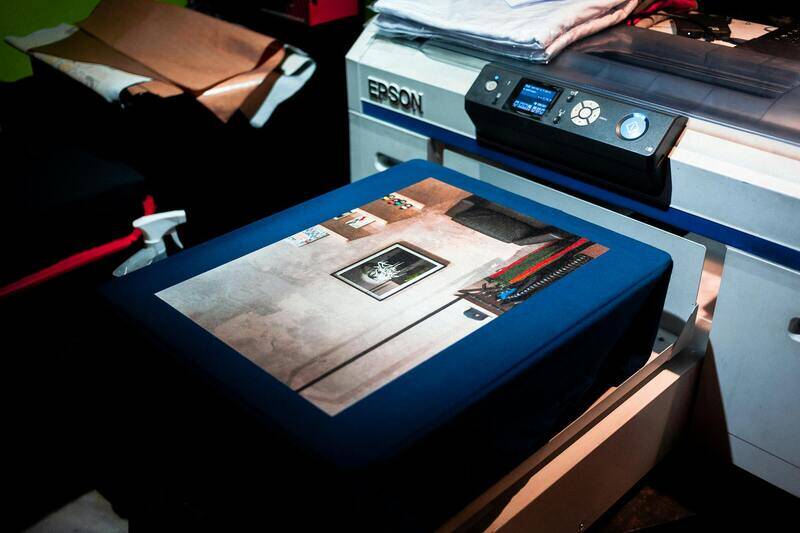
Customizing Banners Online with Design Tools
Modern online platforms provide intuitive design tools that streamline customization, allowing users to craft professional banners without specialized skills. These interfaces typically include drag-and-drop editors, library assets such as templates, graphics, and fonts, and real-time preview functions. Users can upload their own logos, images, and brand elements to ensure consistency across campaigns. Many services also offer guided design assistance, ensuring that colors, fonts, and layouts adhere to best practices for visibility and engagement. This customization flexibility enables businesses to produce tailored banners that precisely meet specific marketing goals and aesthetic preferences, all from the comfort of their workspace.
Order Process and Production Options
Once the design is finalized, the ordering process involves selecting specific parameters such as size, material, finishing options (like grommets or hems), and quantity. Reliable online printing services offer multiple production options, including standard or expedited turnaround times, to accommodate different project timelines. Production quality is often guaranteed through the use of high-resolution printing technologies like UV, eco-solvent, or latex printing, ensuring vibrant, durable results. Additional options such as lamination or seam reinforcement enhance longevity and appearance. Transparent and detailed proofing processes are essential to confirm your design before production begins, minimizing errors and ensuring satisfaction with the final product.
Detailed Overview of Banner Printing Materials
When selecting printing banners online, understanding the variety of materials available is crucial to achieving the desired durability, appearance, and functionality of your signage. Vinyl remains the most popular choice, especially for outdoor banners, due to its resilience against weather elements such as rain, wind, and UV exposure. Options like mesh vinyl are ideal for locations with high wind conditions, allowing air to pass through while maintaining visibility.
Fabric-based banners made from polyester or nylon offer a different aesthetic, often providing a softer, more premium look. These materials are excellent for indoor displays, trade shows, or promotional events where visual appeal is prioritized. They are lightweight and can be hung effortlessly, while also offering high-quality color reproduction.

For indoor applications or short-term campaigns, lightweight PVC or satin banner materials can serve as cost-effective options. These materials are easy to handle, store, and transport, making them suitable for temporary displays. Additionally, specialty materials such as fabric with matte or gloss finishes can enhance color vibrancy and reduce glare, improving visibility from various angles.
Specialized Features to Enhance Banner Performance
- Lamination: Applying a lamination layer provides additional protection against scratches, fading, and moisture, thereby extending the life of your banner.
- Grommets and Reinforced Edges: Strategically placed grommets and reinforced hems facilitate easy installation and prevent tearing, especially for larger banners or those subjected to high winds.
- Seam Reinforcements: When banners are printed in sections or extended sizes, seam reinforcements help maintain structural integrity and prevent splits over time.
- Eco-friendly and UV-Resistant Inks: Using environmentally conscious inks designed to resist UV damage ensures that your banners retain their vibrant colors even after prolonged exposure to sunlight.
Considerations for Material Selection Based on Banner Purpose
The intended location and display duration largely influence your material choice. For outdoor banners exposed to the elements, heavy-duty vinyl with UV and weather-resistant coatings is optimal. Conversely, indoor banners for trade shows, retail displays, or events benefit from fabric or lightweight PVC options that offer high-quality print reproduction and ease of installation.
Ultimately, matching the right material with your campaign goals ensures that your banners will maintain their quality and impact throughout their lifecycle. When ordering banner printing online, always review the material specifications and consult with customer service or design specialists to make informed decisions tailored to your specific needs.
Final Considerations for Printing Banners Online
When opting to print banners online, it’s crucial to select an experienced print provider that guarantees high-quality production standards. This ensures your designs are accurately rendered, vibrant, and durable against environmental factors. An established service will utilize advanced printing technologies, premium materials, and eco-friendly inks that meet industry standards, resulting in a product that not only looks professional but also endures over time.
Choosing a reputable online printing platform allows you to access comprehensive customization options, including various sizes, finishes, and reinforcement features, aligning with your specific promotional or informational needs. Transparent communication channels enable clients to clarify doubts, review proofs, and validate the final design before production, minimizing errors and ensuring satisfaction with the finished banner.

Optimizing Your Banner for Longevity and Impact
To maximize the effectiveness and lifespan of printed banners, consider the following best practices:
- Material Selection: Choose the right material based on display location. Heavy-duty vinyl with weather-resistant coatings is suitable for outdoor banners exposed to sun, rain, and wind, while fabric or lightweight PVC works well for indoor displays where high-quality imagery is prioritized.
- Proper Handling: Transport your banners carefully, avoiding creases, tears, or scratches. Roll banners tightly onto tubes for storage and transport to prevent damage.
- Cleaning and Maintenance: Regularly clean banners using mild soap and water, avoiding harsh chemicals that could degrade the material or print. This maintenance helps retain color vibrancy and structural integrity.
- Storage Conditions: Store banners in a cool, dry environment, avoiding direct sunlight or humidity, which can accelerate deterioration over time.
- Installation Tips: Use appropriate hardware such as grommets, reinforced edges, or banners with built-in mounting features to prevent tearing, especially in windy outdoor settings.
Reusing and Recycling Printed Banners
Smart management extends the usability of printed banners. When they show signs of wear or are no longer needed, consider options for reuse or recycling. Banners made from durable vinyl often can be cleaned thoroughly, rolled, and stored for future use in different campaigns or events. For banners that have reached the end of their lifecycle, environmentally conscious disposal methods help reduce waste.
Some banners can be repurposed into other promotional materials by modifying or cutting sections for smaller signage or displays. Always assess the condition of the banner before reuse, ensuring that it still effectively conveys your branding or message. Properly stored banners maintain their impact over multiple uses, offering cost-effective solutions and reducing material waste.