Comprehensive Guide to Outdoor Banner Printing
Types of Outdoor Banners
Outdoor banners serve as a dynamic visual tool to promote brands, events, and messages in various environments. Selecting the right type hinges on factors such as durability, visibility, and specific application needs. The most prevalent materials include PVC banners, mesh banners, fabric banners, and vinyl banners, each tailored to specific outdoor conditions and design requirements.
- PVC Banners: Rigid and versatile, PVC banners are known for their durability and weather resistance. Ideal for long-term outdoor advertising, they withstand rain, wind, and sunlight, making them suitable for building wraps, roadside signage, and event banners.
- Mesh Banners: Featuring a perforated fabric design, mesh banners excel in high-wind areas. The perforations allow wind to pass through, reducing tension and potential damage. They are often used in sports arenas, construction sites, and large-scale outdoor events.
- Fabric Banners: Crafted from woven polyester or similar materials, fabric banners offer a softer aesthetic with vibrant color reproduction. Although less resistant to moisture, they are preferred for temporary displays or indoor outdoor hybrid applications.
- Vinyl Banners: Typically made from PVC or polyester-coated vinyl, these banners provide excellent print quality with high-resolution visuals. They are versatile and cost-effective, suitable for promotions, grand openings, and directional signage.
Materials Used in Outdoor Banner Printing
The foundation of durable outdoor banners lies in the choice of high-performance materials. These materials are designed to imbibe the outdoor elements while maintaining visual appeal. PVC is the most common, offering waterproof and UV-resistant qualities. Mesh fabrics incorporate small pores to facilitate airflow, reducing wind load. Fabric options often utilize polyester blends that are coated for weather resistance, while vinyl materials combine flexibility with toughness. A combination of these materials ensures banners remain vibrant, intact, and effective over prolonged exposure to outdoor conditions.
Design Considerations for Outdoor Banners
Creating impactful outdoor banners requires careful planning and consideration of several design elements. Visibility from a distance is paramount; thus, high contrast colors, bold fonts, and minimal clutter improve legibility. The layout should be simple yet compelling, with a clear call-to-action where applicable. Incorporating the brand logo and key message prominently helps reinforce brand recognition. It is also crucial to consider the environmental backdrop—colors should stand out against the surroundings, and images should be optimized for outdoor lighting conditions. Ensuring that the design aligns with the intended message and audience will maximize engagement and effectiveness.
- Use high-resolution images and graphics suited for large-scale viewing.
- Opt for a font size that remains legible from various distances.
- Limit text to essential information to avoid visual overload.
- Employ color schemes that offer strong contrast and visibility.
- Include a prominent logo or branding element.
Printing Technologies and Techniques
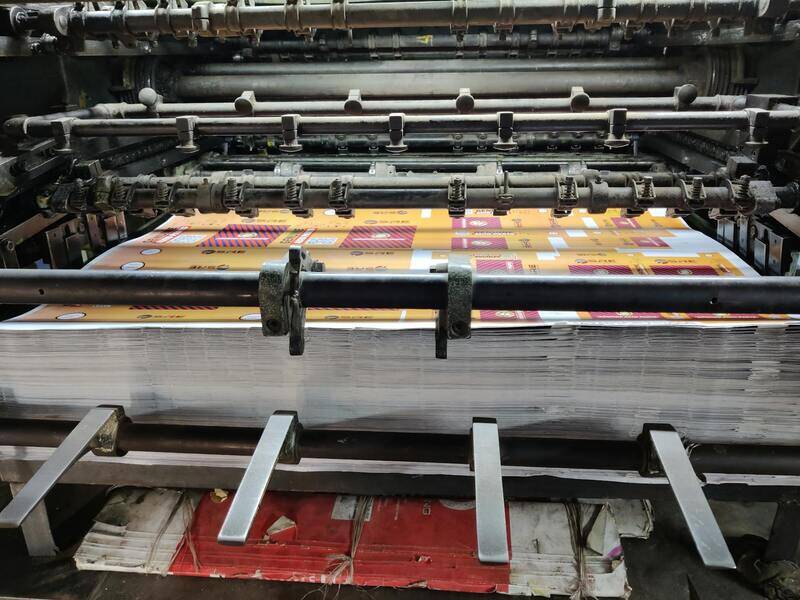
Modern outdoor banner printing employs advanced digital printing technologies that ensure high-quality visuals and durability. Wide-format inkjet printers are standard, using UV, solvent, or eco-solvent inks designed to withstand outdoor conditions. UV printing provides vibrant colors with excellent resistance to fading and weather elements. Solvent and eco-solvent inks penetrate the material’s surface, creating durable prints that resist moisture and abrasion. Additionally, dye-sublimation and heat transfer techniques are sometimes utilized for fabric banners, resulting in vivid colors and smooth finishes. Precision in printing ensures that intricate designs, gradients, and brand details are accurately reproduced, making the banners striking and effective.
Finishing Options and Accessories
To facilitate installation and extend the lifespan of outdoor banners, various finishing options and accessories are available. Grommets (metal eyelets) are added to corners and midpoints for easy hanging and secure attachment. Reinforced hemmed edges prevent fraying and provide additional strength. For larger banners, pole pockets or sleeves allow for mounting on poles or frames. Wind slits can be incorporated into large banners to alleviate wind pressure. Additional accessories such as bungee cords, zip ties, and banners stands facilitate versatile display options. These finishing touches ensure that outdoor banners remain in optimal condition and are securely mounted wherever needed.
Materials Used in Outdoor Banner Printing
Choosing the right material is fundamental for creating durable and impactful outdoor banners. The most common options include PVC, polyester mesh, and vinyl, each offering unique advantages tailored to different environmental conditions and design requirements. PVC (polyvinyl chloride) banners are renowned for their rigidity and weather resistance, making them ideal for long-term outdoor signage. They are resistant to moisture, UV rays, and physical wear, ensuring that the visual quality remains intact despite exposure to harsh elements.
Polyester mesh banners are specially engineered for high-wind areas. Their porous design allows wind to pass through, reducing strain on mounting points and preventing tearing. This makes them suitable for large outdoor displays where stability is crucial. Vinyl banners, often produced with flexible, lightweight substrates, are versatile and capable of producing vibrant, high-resolution images. They are easy to transport and install, making them popular for temporary outdoor events or promotional campaigns.
Each material’s resistance to weather factors such as rain, sun, and wind determines its longevity. PVC and vinyl demonstrate excellent resistance to UV fading, moisture, and physical abrasion, which are critical for maintaining visual appeal over time. Polyester mesh, while more breathable, may require additional UV protective coatings to extend lifespan. Proper selection based on environmental demands ensures the banner’s integrity and visual impact are preserved throughout its operational period.
Furthermore, environmental considerations can influence material choices. For instance, eco-solvent inks paired with PVC or vinyl banners promote sustainable printing practices without sacrificing quality. Multi-layer constructions using reinforced hems and grommets enhance the structural integrity of the banners, especially in high-wind situations. Combining high-quality materials with appropriate finishing techniques results in banners that withstand the elements reliably while retaining vibrant visuals and crisp details.
In sum, selecting suitable materials involves understanding both the physical and aesthetic demands of the outdoor environment. Recognizing the properties of PVC, polyester mesh, and vinyl helps optimize banner performance, ensuring effective branding and communication for the duration of their outdoor display period.
Materials Used in Outdoor Banner Printing
Choosing the appropriate material is fundamental to ensuring that outdoor banners effectively withstand environmental elements such as wind, rain, sun exposure, and temperature fluctuations. The selection process depends on specific project requirements, display duration, and environmental conditions.
- PVC (Polyvinyl Chloride): PVC banners are renowned for their durability and weather resistance. They resist UV fading, moisture, and physical abrasion, making them suitable for long-term outdoor displays. PVC is flexible yet sturdy, allowing for easy installation and minimal wrinkling.
- Vinyl: Vinyl banners share many properties with PVC, offering excellent UV resistance and moisture protection. Vinyl is highly versatile and is often used for large-format printing due to its smooth surface and vibrant color reproduction capabilities.
- Polyester Mesh: Constructed with a breathable fabric, polyester mesh banners are ideal for windy environments as they reduce wind load. They require UV protective coatings enhanced with eco-solvent inks to extend longevity and maintain vibrant visuals over time.
- Eco-friendly Options: For organizations prioritizing sustainability, eco-solvent inks coupled with banners made from recyclable PVC or polyester materials support environmentally conscious branding efforts. These options enable high-quality prints without compromising ecological considerations.
In addition to base materials, advanced finishing techniques such as reinforced hems, grommets, and multi-layer constructions further enhance the structural integrity and longevity of outdoor banners. Reinforced hems prevent fraying and provide secure attachment points, while grommets allow for easy installation and removal, particularly in high-wind areas.
The seamless integration of high-quality materials with strategic finishing methods delivers banners capable of enduring various weather conditions. Proper material choice directly influences the banner’s ability to deliver vibrant visuals, crisp text, and overall aesthetic appeal throughout its operational lifespan. When selecting materials, it is crucial to evaluate environmental exposure, required lifespan, and budget constraints to achieve optimal results in outdoor banner displays.
Types of Outdoor Banners
Outdoor banners vary significantly based on intended application, durability requirements, and environmental conditions. The most common types include vinyl banners, mesh banners, fabric banners, and rigid banner displays, each tailored to specific needs and settings.
Vinyl Banners
Vinyl banners are the standard option for many outdoor promotions due to their durability and versatility. Made from PVC or polyethylene, they offer resistance to weather elements such as rain, wind, and UV rays. Their smooth surface is ideal for high-resolution digital printing, providing vibrant visuals and crisp text.
Mesh Banners
Designed with a perforated surface, mesh banners are excellent for environments exposed to high wind conditions. The small holes in the material allow airflow, reducing wind load and minimizing the risk of tearing or damage. They are typically used for large-scale signs on construction sites, fences, or building wraps where substantial airflow is beneficial.
Fabric Banners
While less common, fabric banners made from polyester or nylon are used in outdoor settings where a softer, more refined appearance is desired. Their lightweight nature allows for easy transportation and installation, but they require specific protective coatings to withstand prolonged outdoor exposure.
Rigid Banner Displays
Rigid banners are constructed from durable materials like corrugated plastic, foam board, or aluminum composite panels. These are preferred for signage that needs to be displayed in a fixed location for an extended period, such as event signage or directional signs.
Materials Used in Outdoor Banner Printing
The selection of materials plays a critical role in ensuring the longevity and visual impact of outdoor banners. The most common materials utilized include PVC, vinyl, polyester mesh, and fabric, each offering distinct advantages based on environmental factors.
PVC and Vinyl
These materials are highly resistant to weathering, making them suitable for long-term outdoor use. They serve as the backbone for most banners due to their robustness and ability to hold vibrant inks under UV exposure.
Polyester Mesh
Polyester mesh is reinforced with UV-resistant coatings and is specifically designed for windy or high-exposure environments. It provides excellent airflow, which helps reduce wind stress, making it ideal for large-format banners on fences or scaffolding.
Recyclable Polyester and Eco-Friendly Options
For organizations focused on sustainability, eco-friendly banner materials such as recyclable polyester fabrics are available. These materials maintain print quality and durability while aligning with environmentally conscious branding strategies.
Finishing Techniques
Supplementing the material choice, finished edges with reinforced hems, grommets, and multi-layer constructions enhance structural integrity. Reinforced hems prevent fraying and aid in mounting, while grommets facilitate hassle-free installation, especially in areas prone to strong winds.
Design Considerations for Outdoor Banners
Effective outdoor banner designs incorporate high-contrast visuals, clear messaging, and strategic layout to maximize visibility and impact. The design process must account for environmental factors such as sunlight glare, background complexity, and viewing distance.
Visibility and Legibility
- Use bold, legible fonts sized appropriately for the viewing distance.
- Employ contrasting color schemes to ensure text and imagery stand out against the background.
- Avoid clutter; focus on concise messaging for quick readability.
Visual Elements
- Incorporate vibrant, high-quality images that remain clear when scaled up.
- Utilize brand colors consistently to reinforce identity.
- Leverage simple graphics and icons to communicate messages instantly.
Material and Finish Selection
Choose the appropriate material based on expected weather exposure, installation location, and duration of display. For instance, banners designed for prolonged outdoor use benefit from UV protective coatings and reinforced edges, while short-term displays might suffice with lighter materials.
Installation Best Practices
Proper installation methods extend the banner’s lifespan and ensure safety. It is crucial to determine attachment points that minimize stress on the material and avoid sagging or tearing.
- Secure banners using reinforced grommets with appropriate fasteners.
- Use tensioning techniques to maintain tightness and prevent flapping.
- Install banners at optimal heights to maximize visibility and minimize wear from environmental factors.
Design Considerations for Outdoor Banners
Crafting effective outdoor banners involves meticulous attention to design elements that enhance visibility, readability, and overall impact. The primary focus should be on creating visually compelling messages that capture attention quickly and communicate the intended purpose succinctly, especially since viewers often have only a few seconds to absorb the information. Strategic use of color schemes that contrast strongly with the environment ensures that text and images stand out clearly, even in bright sunlight or from a distance. Choosing bold, legible fonts and appropriate sizes is crucial; fonts should be easily readable from various viewing angles and distances, which requires balancing aesthetic appeal with practicality.
Incorporating high-resolution visuals and simple graphics can significantly improve message retention. Avoid clutter by emphasizing key information, such as the event date, location, or promotional offer. This focus helps viewers process the message quickly without distraction. Additionally, selecting colors that align with brand identity reinforces recognition and consistency across marketing materials. When designing for outdoor banners, consider environmental factors like background complexity and natural lighting conditions to optimize contrast and visibility.

Printing Technologies and Techniques
Utilizing advanced printing technologies ensures that outdoor banners are produced with superior quality, durability, and consistency. Solvent and eco-solvent printing methods are popular choices for outdoor banners due to their ability to produce vibrant, high-resolution images that withstand exposure to sunlight, rain, and wind. These technologies penetrate deep into the material, ensuring longevity and colorfastness over extended periods.
Latex printing, known for its eco-friendliness and flexibility, offers excellent color accuracy and quick-drying capabilities, making it suitable for high-volume orders without compromising quality. UV printing further enhances durability by curing inks with ultraviolet light, resulting in resistant surfaces that resist fading, scratching, and weathering. Different printing techniques may be combined with specialized finishes—such as matte, gloss, or semi-gloss coatings—to optimize visual appeal and provide additional protection against environmental elements.
For outdoor banners, the choice of printing technology directly impacts the lifespan, appearance, and overall effectiveness of the advertisement. High-quality output achieved through these methods ensures that branding remains sharp, colors stay vibrant, and images retain their clarity despite prolonged exposure to harsh conditions.
Types of Outdoor Banners
Outdoor banners come in a variety of formats designed to meet diverse advertising needs and environmental conditions. The most common types include:
- PVC Banners: Rigid or flexible, these are heavily used for long-term outdoor advertising due to their durability and vibrant color reproduction.
- Mesh Banners: Crafted with a perforated design, mesh banners are ideal for windy areas, allowing air to pass through and reducing wind resistance.
- Vinyl Banners: Flexible and weather-resistant, vinyl banners are suitable for temporary and semi-permanent outdoor events and promotions.
- Fabric Banners: Made from polyester or other textiles, these provide a premium appearance and are favored for events or high-end branding.
- Canvas Banners: Known for their durability and textured finish, canvas banners are suited for both outdoor and indoor use, adding a sophisticated touch.
The choice among these types depends on location, duration, visibility requirements, and environmental factors like wind, rain, sun exposure, and temperature fluctuations. Proper selection ensures maximum exposure and longevity of the advertising message.
Materials Used in Outdoor Banner Printing
The durability and visual impact of outdoor banners hinge heavily on the materials used in their production. High-quality materials ensure resilience against weathering and UV exposure, maintaining vibrant colors and sharp images over time. Key materials include:
- PVC (Polyvinyl Chloride): Known for excellent weather resistance, PVC is a favored material for long-lasting banners. It offers flexibility, durability, and easy printing surface compatibility.
- Vinyl: Typically used for flexible banners, vinyl can withstand rain, sun, and wind, making it an ideal substrate for outdoor advertising.
- Mesh Fabric: Made from woven polyester with perforations, mesh materials are lightweight and permit airflow, reducing wind load and tearing risk.
- Polyester Fabrics: Used in fabric banners, this material provides a refined appearance with high tear resistance, suitable for high-end branding applications.
- Blanket Treatments and Coatings: UV coatings, anti-fade finishes, and weatherproof lamination are applied to enhance longevity and visual clarity.
Advanced printing techniques synergize with these materials to produce banners that are vibrant, resistant to environmental challenges, and capable of retaining their visual appeal over extended periods.

Types of Outdoor Banners
Outdoor banners are available in various formats, each tailored to specific promotional needs and environmental conditions. The most common types include:
- Standard Banner: Typically made from durable vinyl or PVC, these banners are versatile and suitable for a wide range of outdoor settings, from storefront advertising to event promotions.
- Mesh Banners: Crafted from woven polyester with perforations, mesh banners allow wind to pass through, reducing strain and making them ideal for exposed locations with high wind activity.
- Retractable Banners: These are portable, retractable units often used for trade shows and temporary outdoor events, offering ease of setup and mobility.
- Feather Flags and Teardrop Banners: Designed with lightweight materials, these banners feature eye-catching shapes for high visibility in outdoor spaces like entrances or busy streets.
- Corflute and Foam Board Signs: Suitable for short-term promotions, these rigid signage options are lightweight and easy to install on various surfaces.
The selection of a specific banner type depends on the intended longevity, environmental exposure, and display location. Each type offers unique advantages to enhance marketing impact and durability under outdoor conditions.

Materials Used in Outdoor Banner Printing
The choice of material directly influences the resilience and visual quality of outdoor banners. High-quality materials are engineered to withstand weather-induced stress, UV fading, and physical wear. Key materials include:
- PVC (Polyvinyl Chloride): Known for its robustness and weather resistance, PVC is favored for banners requiring long-term outdoor use. It provides a smooth printing surface that holds vibrant colors well.
- Vinyl: A flexible and waterproof material, vinyl banners resist rain, sun, and wind. They are suitable for both temporary and long-lasting outdoor advertising campaigns.
- Mesh Fabric: Composed of woven polyester with perforations, mesh banners are lightweight and allow airflow, reducing wind load and minimizing tearing risks during windy conditions.
- Polyester Fabrics: These fabric-based banners offer a high-end appearance with excellent tear resistance, making them ideal for branding that demands a refined look and durability.
- Blanket Treatments and Coatings: UV-resistant, anti-fade finishes, laminated overlays, and weatherproof coatings extend the lifespan and maintain visual clarity of the banners, even under harsh environmental factors.

Design Considerations for Outdoor Banners
Creating an effective outdoor banner hinges on strategic design choices that maximize visibility, readability, and message impact. Considerations include:
- Color Contrast: Use high-contrast color combinations to enhance readability from a distance, especially in bright sunlight or from moving vehicles.
- Size and Scale: Ensure the banner dimensions are proportionate to the viewing distance. Large fonts and clear imagery are essential for quick comprehension.
- Minimal Text: Limit the amount of text to key messages or calls-to-action, utilizing bold fonts for emphasis.
- Branding Consistency: Incorporate logos, brand colors, and motifs to reinforce brand recognition.
- Visual Hierarchy: Arrange elements to guide the viewer’s eye naturally from the most important message to supporting details.
- Weather-Resistant Graphics: Use UV-resistant inks and finishes to prevent fading and distortion over time.
Printing Technologies and Techniques
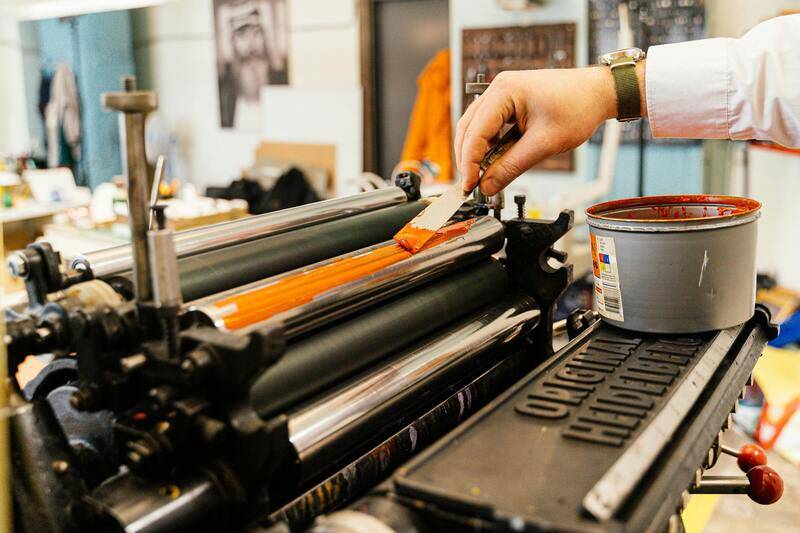
Advanced printing methods are crucial to produce vibrant, durable outdoor banners that maintain quality over extended exposure. Predominant technologies include:
- UV-Printed Graphics: Utilizing ultraviolet inks that cure instantly upon exposure, UV printing offers superior adhesion and fade resistance, ensuring longevity in outdoor environments.
- Solvent and Eco-Solvent Printing: These techniques involve inks with solvent bases that penetrate the material, providing excellent durability and color vibrancy, particularly on vinyl and PVC substrates.
- Latex Printing: A water-based method that produces flexible, eco-friendly banners with high-resolution graphics and UV resistance.
- Screen Printing: Suitable for large quantities of simple designs, this traditional method ensures vivid colors and long-lasting images, often used for large-format banners on rigid substrates.
Combining these technologies with the appropriate material and design elements results in outdoor banners that stand strong against environmental elements and capture attention effectively.

Types of Outdoor Banners
Outdoor banners come in various formats designed to meet specific advertising needs and environmental conditions. The most common types include mesh banners, vinyl banners, fabric banners, and vinyl mesh banners. Mesh banners feature tiny perforations which allow wind to pass through, reducing stress on the material and making them ideal for high-wind areas. Vinyl banners are highly versatile, offering vibrant color reproduction and durability, suitable for both short-term promotions and long-term signage. Fabric banners, often made from polyester or nylon, provide a premium appearance and excellent foldability, making them suitable for event use or upscale branding. Vinyl mesh banners combine the benefits of mesh and vinyl, providing flexibility, durability, and significant wind resistance, making them perfect for large-scale outdoor advertising projects.
Materials Used in Outdoor Banner Printing
Choosing the right material is essential for maximizing the lifespan and visual impact of outdoor banners. Common substrates include vinyl, polyester fabric, mesh, and PVC substrates. Vinyl is the most prevalent due to its weather resistance, flexibility, and print quality. It can be coated or laminated for extra UV protection and durability against elements like rain and UV rays. Polyester fabric, often used for more refined or high-end banners, provides a soft finish and excellent color clarity but may require additional waterproofing.

Mesh fabrics are fabricated from a polyester-based material with perforations, optimized for wind resistance. PVC substrates are often used for rigid signage but can also serve as banner materials when flexibility is required. The selection of material impacts not only durability but also the kind of printing technology employed and the finishing techniques used.
Design Considerations for Outdoor Banners
Effective outdoor banners are designed with clarity and visual impact in mind. High contrast color schemes ensure visibility from a distance. Text should be large and legible, following the principles of good typography and proper hierarchy, which guide viewers naturally toward the most important information.
- Color Contrast: Use bold colors that stand out against the background for maximum readability.
- Font Selection: Choose simple, clean fonts that are easy to read at a glance.
- Imagery: Incorporate high-resolution images that do not blur when scaled up.
- Message Simplicity: Keep copy concise to deliver a focused message quickly.
- Weather Considerations: Design with weather resistance in mind, avoiding elements that could be easily damaged or obscured by environmental factors.
Incorporating a visual hierarchy not only improves readability but also ensures that the most critical information attracts attention first, maximizing the impact of the advertising message.
Printing Technologies and Techniques
Modern outdoor banner printing leverages advanced technologies to produce vibrant, durable images capable of withstanding environmental stress. Key methods include:
- UV Printing: Uses ultraviolet light to instantly cure inks, providing excellent adhesion and fade resistance, essential for outdoor exposure.
- Solvent and Eco-Solvent Printing: Employ solvent-based inks that penetrate substrates, offering high durability and vibrant color reproduction, especially on vinyl and PVC surfaces.
- Latex Printing: Employs water-based inks that are environmentally friendly, flexible, and produce high-resolution graphics with resistance to UV rays.
- Screen Printing: Suitable for large quantities of simple designs, offering vivid colors and long-lasting images, often used for rigid substrates.
The choice of technology depends on the budget, design complexity, and expected exposure duration. Combining appropriate printing methods with weather-rated materials ensures the banner remains visually appealing and intact over the desired lifespan.
Finishing Options and Accessories
To improve durability and facilitate installation, banners can be finished with a variety of options:
- Grommets: Metal or rubber eyelets placed in strategic positions facilitate easy hanging and fastening.
- Reinforced Edges: Seams reinforced with vinyl or nylon strips prevent tearing and fraying.
- Hem Taping: Double-stitched hems provide additional strength and create a clean edge for grommet installation.
- Wind Slits: Strategically cut slits reduce wind load and stress, extending the banner’s lifespan in windy conditions.
- Banner Poles and Frame Systems: Heavy-duty frames, telescoping poles, and display stands enhance stability and ease of setup.
Best Practices for Outdoor Banner Installation
Proper installation is crucial for ensuring maximum visibility and longevity. Follow these best practices:
- Align and Level: Ensure the banner is straight and taut to avoid sagging that can reduce visual impact.
- Secure Properly: Use appropriate fasteners, such as grommets with zip ties or bungee cords, to withstand wind forces.
- Initial Positioning: Choose locations that face high-traffic areas without obstruction and are easily visible from a distance.
- Avoid Damage: Install away from sharp objects, abrasive surfaces, or areas prone to physical damage.
- Periodic Inspection: Regularly check fastenings and condition of the banner, especially after storms or high winds.
Care and Maintenance of Outdoor Banners
Proper maintenance extends the lifespan of outdoor banners, preserving their visual appeal. Basic care tips include:
- Regular Cleaning: Use mild soap and water to remove dirt, dust, and debris. Avoid harsh cleaning agents that can damage the material or inks.
- Protection from UV and Weather: When not in use, store banners in a dry, shaded area to minimize UV exposure and environmental wear.
- Damage Prevention: Repair tears or frayed edges promptly to prevent further deterioration.
- Proper Storage: Roll banners carefully and store flat in a cool, dry space when not installed for extended periods.