
Understanding Bulk Brochure Printing
Bulk brochure printing is a strategic approach for organizations aiming to distribute marketing collateral efficiently while optimizing costs. This process involves producing large quantities of brochures in a single print run, which enhances consistency across materials and streamlines the distribution process. Businesses across various industries leverage bulk printing to support large-scale marketing campaigns, product launches, and corporate communications, benefiting from economies of scale that significantly reduce per-unit costs without compromising on quality.

One of the primary advantages of bulk brochure printing is the cost efficiency it offers. By consolidating large orders, companies can negotiate lower rates with printing vendors, minimizing setup fees and optimizing material usage. This economical approach is particularly advantageous for brands that require consistent messaging across multiple locations or target audiences. Additionally, producing brochures in bulk accelerates the fulfillment timeline, ensuring that marketing materials are ready for deployment within tight schedules.
Equally important is the ability to maintain high quality standards across all copies. Reputable printing services employ advanced machinery and quality control processes to deliver brochures that meet professional standards. This consistency enhances brand image and ensures that each recipient receives a polished, impactful marketing piece. When planning large-volume runs, it is essential to select a vendor with proven expertise in handling bulk orders, as this guarantees the integrity of the final product from start to finish.
Economies of Scale and Cost Reduction
Utilizing economies of scale in bulk brochure printing means that the average cost per brochure decreases as the volume increases. This is due to fixed costs such as plate setup and pre-press work being distributed over a larger number of units. Consequently, companies can allocate resources more effectively by producing a sufficient quantity to meet immediate needs and future demand, reducing the frequency and associated costs of reordering.
Bulk printing also enables better material management. Vendors often offer discounts on premium papers and finishes when ordering in large quantities, ensuring that the final product not only remains visually appealing but also durable and professional in appearance. Carefully planning the order size, based on target distribution and inventory needs, further maximizes cost savings while avoiding excess stock.
Quality and Consistency in Bulk Orders
Maintaining consistent quality across high-volume orders requires a meticulous approach to print management. Experienced printing firms utilize state-of-the-art offset and digital printing technologies, enabling precise color matching, sharp graphics, and durable finishes. These methods ensure that every brochure, regardless of the quantity, aligns with the intended design specifications.
To achieve this, it is advisable to double-check all design files and specifications prior to printing. This preemptive step minimizes errors, facilitates smooth production runs, and guarantees that the output matches the envisioned branding and messaging. Bulk printing also allows for uniform application of special finishes such as gloss, matte, or lamination, further enhancing the tactile and visual appeal of the brochures.
Summary
Bulk brochure printing stands as a crucial service for organizations seeking to scale their marketing efforts efficiently. It combines cost savings with high-quality output, ensuring that large quantities of brochures are produced quickly and uniformly. By understanding the benefits of economies of scale and working with experienced printers, businesses can leverage bulk brochure printing to strengthen their brand visibility and achieve marketing objectives with precision and professionalism.
Understanding Bulk Brochure Printing
Bulk brochure printing involves producing large quantities of marketing materials in a single print run, offering significant advantages in consistency and cost efficiency. When managing large campaigns, it is vital to utilize professional printing methods that ensure each piece meets high standards of quality and visual appeal.
To maximize the benefits of bulk printing, companies should plan their orders thoughtfully, considering distribution channels and inventory needs. Accurate counting of brochures needed for targeted mailing or distribution eliminates waste and optimizes expenses. Employing professional print providers that utilize offset and digital technologies guarantees that colors remain vibrant, graphics sharp, and finishes durable across all copies, reinforcing brand cohesion and message clarity.

Before submitting files for bulk production, a thorough review of design specifications is crucial. Confirm that images, text, and layout are properly formatted and adhere to print guidelines. This pre-emptive step minimizes production errors and ensures that the output faithfully reflects the original design intent.
Ensuring Consistent Quality in Large Quantity Orders
Consistent quality across high-volume orders is achievable through meticulous print management. Leading printing firms deploy advanced offset presses that facilitate exact color reproduction and uniform application of finishes such as gloss or matte coatings. These finishes can significantly enhance tactile and visual appeal, making brochures more engaging and professional.
Quality control measures, including regular inspection during production and final checks before delivery, help maintain standards. Employing these protocols reduces the likelihood of reships and reprints, ultimately saving costs and time.
Materials and Finishes for Bulk Brochures
- Premium coated paper for sharp images and vibrant colors
- Durable cardstock for heavier, more substantial feel
- Gloss, matte, or lamination options for texture and protection
Using high-quality materials not only elevates the perceived value of the brochures but also enhances their longevity, especially when intended for long-term display or handling. The selection of appropriate finishes can also align with branding requirements, whether aiming for a sleek, modern look or a more textured, tactile experience.
Pre-Production Steps for a Smooth Bulk Print Run
- Finalize and review all design files ensuring proper resolution and color profiles.
- Confirm specifications such as trim size, fold types, and special finishes.
- Request sample proofs to validate colors and overall appearance.
- Communicate detailed instructions clearly with the printer, emphasizing quality standards and deadlines.
This process minimizes errors, reducing the need for costly reprints and delays, while ensuring the final product aligns with branding objectives.
Understanding Bulk Brochure Printing
Bulk brochure printing is a strategic process designed to produce large quantities of high-quality marketing materials efficiently and cost-effectively. This approach allows organizations to effectively communicate their brand message, promote products or services, and reach a broader audience. When executing bulk printing, it’s essential to consider various factors such as material selection, printing techniques, and finishing options to ensure that the final product meets both aesthetic and functional standards.
One of the primary advantages of bulk brochure printing is the ability to leverage economies of scale. As the volume of printed materials increases, the overall cost per unit decreases, enabling organizations to allocate resources more efficiently. This is particularly beneficial for large-scale campaigns, trade shows, or distribution to multiple retail outlets.
A critical consideration in bulk brochure printing is the choice of materials. High-quality paper stocks, such as glossy or matte coated papers, can significantly enhance the visual appeal of brochures by providing sharp image reproduction and vibrant colors. For durability, heavier cardstock can be selected to give a substantial feel, making the brochures suitable for long-term display or handling.
Printing techniques play a vital role in achieving the desired finish. Offset printing, known for its ability to produce consistent color accuracy and high-volume output, is often favored for bulk projects. Digital printing, on the other hand, offers flexibility with quicker turnaround times for smaller runs or customized variations. Both methods can incorporate finishes like lamination, varnishes, or embossing to add tactile and visual richness.
Effective bulk brochure printing also involves meticulous planning and coordination with the chosen service provider. This includes confirming design specifications, ensuring files are prepared with appropriate resolution and color profiles, and requesting samples to validate the final appearance. Proper communication helps avoid errors and customization issues, facilitating a smoother printing process.
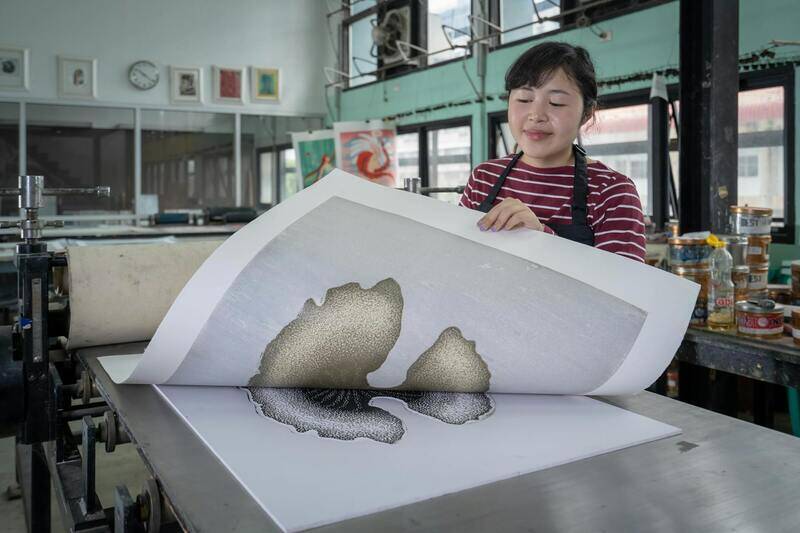
The logistics surrounding large orders require careful management. Lead times should be established well in advance to accommodate the production schedule, especially when dealing with intricate finishes or large quantities. Transparent timelines and regular updates from the printing vendor can help ensure that the delivery aligns with campaign deadlines.
In essence, bulk brochure printing is a comprehensive process that combines strategic material selection, advanced printing techniques, and attentive pre-press preparations to deliver professional marketing collateral on a large scale. By adhering to best practices, organizations can maximize their investment, produce visually compelling materials, and effectively support their branding and advertising efforts.
Understanding Bulk Brochure Printing
Bulk brochure printing involves producing large quantities of marketing materials designed to promote products, services, or brand identity in a professional and visually appealing manner. This process focuses on efficiency, cost-effectiveness, and consistency, enabling organizations to distribute extensive marketing collateral for campaigns, events, or ongoing branding efforts. Effective bulk printing requires careful planning, from designing impactful layouts to selecting suitable printing techniques, ensuring that the final output aligns with branding standards and marketing goals. The ability to produce high-volume orders with uniform quality makes bulk brochure printing an essential service for businesses looking to expand their outreach without compromising on visual impact or durability.

In the realm of bulk brochure printing, understanding the various methods and materials used can dramatically influence the outcomes. The process often involves choosing between offset and digital printing techniques, each offering distinct advantages depending on the order size, turnaround time, customization requirements, and budget constraints. Offset printing remains the preferred choice for large orders due to its ability to produce consistent high-quality images at a lower cost per unit, especially when combined with premium paper stocks and finishes. Conversely, digital printing provides flexibility for shorter runs or customized variations within a bulk order, enabling quick adjustments without significant setup costs.
Key Considerations in Bulk Brochure Printing
- Consistency Across Large Runs: Maintaining color accuracy and print quality throughout large batches requires precise calibration of the printing equipment and high-quality materials.
- Material Selection: The choice of paper, coatings, and finishes significantly impacts the brochure’s durability, visual appeal, and overall perceived value.
- Cost Optimization: Balancing quality and expenses involves strategic selection of printing techniques and materials while leveraging economies of scale.
- Turnaround Time Management: Efficient scheduling and communication with the printing service ensure timely delivery, especially critical for campaign deadlines.
Importance of Quality Control
Implementing rigorous quality control measures during the production process helps prevent errors and ensures that each brochure meets established standards. This can include reviewing color proofs, inspecting print batches regularly, and requesting sample copies prior to full production. Accurate file preparation, with attention to resolution, bleed, and color profiles, minimizes print defects and facilitates a smooth workflow. These steps are vital for delivering professional-grade materials that uphold brand reputation and support marketing objectives effectively.
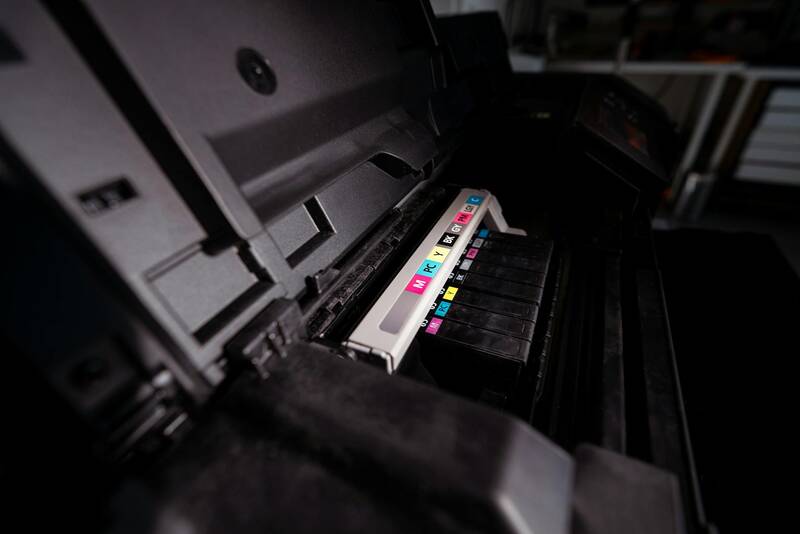
Understanding Bulk Brochure Printing
Bulk brochure printing involves producing large quantities of printed materials to meet the demands of marketing campaigns, corporate communications, or product promotions. This process ensures consistency in design, color accuracy, and material quality, which are critical for maintaining brand integrity across extensive distributions. Effectively managing bulk orders requires a careful balance of quality control measures, material selection, and printing techniques to produce professional-grade brochures that resonate with target audiences.

Key Principles in Bulk Brochure Printing
- Consistency: Ensuring uniformity in color, layout, and finish throughout all copies is vital. Precise calibration of printers and standardized workflows help achieve this.
- Material Durability: Selecting high-quality paper and finishes enhances the longevity and visual appeal of the brochures, making a lasting impression.
- Cost Efficiency: Leveraging economies of scale reduces per-unit costs, allowing for budget-friendly large orders without compromising quality.
- Timely Delivery: Streamlined scheduling and clear communication with the printing provider ensure deadlines are met, especially critical for promotional campaigns tied to specific dates.
Importance of Rigorous Quality Control
Implementing stringent quality assessments throughout the production process is integral to delivering flawless bulk brochures. This includes reviewing digital proofs, inspecting print runs periodically, and conducting test batches before full-scale output. Accurate file preparation, paying attention to resolution, bleed, and color profiles, minimizes potential defects and facilitates a smooth workflow. These meticulous steps uphold the professional standard of the printed materials, effectively supporting brand reputation and marketing objectives.
Workflow Considerations from Design to Delivery
An organized workflow between the design phase, pre-press preparations, print execution, and post-press finishing ensures seamless production. Design files must be optimized for print, with correct formatting and embedded color profiles. Pre-press checks—such as proofing and mock-ups—validate process accuracy. During printing, real-time monitoring prevents issues like misalignment or color discrepancies. Final inspection and packaging then prepare the brochures for shipping, with logistics coordinated to meet delivery schedules.

Understanding Bulk Brochure Printing
Bulk brochure printing encompasses the process of producing large quantities of printed marketing materials designed to promote brands, products, or services. This approach provides organizations with the ability to distribute visually appealing brochures to a wide audience efficiently. Key to this process is maintaining high-quality standards while optimizing costs, ensuring that each piece accurately reflects the brand’s message and aesthetic. The effectiveness of bulk brochure printing lies in its capacity to deliver consistent, professional materials at scale, making it an indispensable tool for corporate campaigns, trade shows, and wide-reaching promotional efforts.
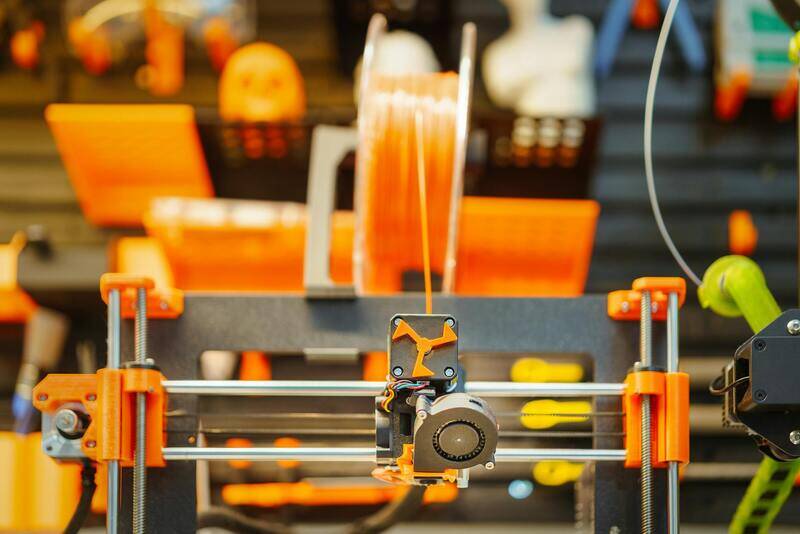
Types of Brochure Printing Techniques
Choosing the appropriate printing technique is crucial in bulk brochure production, as it influences both the appearance and durability of the final product. Offset printing remains the most prevalent method for large-volume orders due to its ability to produce vibrant colors and sharp details consistently. This process involves transferring ink from a plate to a rubber blanket and then onto the paper, ensuring high fidelity in color reproduction and cost-efficiency at scale.
Digital printing, on the other hand, offers flexibility with shorter turnaround times and lower setup costs, making it suitable for smaller or more customized bulk orders. Although digital printing may not match offset printing’s color vibrancy for extensive runs, advancements in digital technology have significantly improved its output quality, providing suitable options for time-sensitive projects or variations within the same print batch.
Common Brochure Formats and Designs for Bulk Orders
Various formats cater to different marketing goals and aesthetic preferences. Tri-fold layouts are among the most popular, offering a compact form factor that facilitates clear segmentation of information. Bi-fold designs provide a more traditional structure, ideal for providing detailed content and high-quality images.
Other formats include z-fold, gate fold, and booklet styles, each suited to specific messaging needs. In terms of design, simplicity combined with impactful visuals tends to perform best in bulk distributions. Consistent branding, clear headlines, and engaging call-to-action elements ensure the brochures effectively communicate the intended message across large volumes.
Selecting Quality Materials for Bulk Brochure Printing
The choice of materials significantly impacts the durability and aesthetic of bulk brochures. Premium coated papers with smooth finishes enhance image clarity and color vibrancy, making them suitable for design-heavy brochures that require sharp visuals. For a cost-effective yet durable product, uncoated papers with a matte or satin finish may suffice, offering a refined look without excessive expense.
Other considerations include weight and thickness, which influence the tactile experience and perceived quality. Heavier paper stocks tend to feel more substantial and are better suited for upscale presentations. Additionally, specialty finishes like gloss lamination, matte coatings, or textured surfaces add a layer of protection and visual interest, boosting the overall quality of the bulk order.
Cost Factors and Cost-Effective Strategies
The total cost of bulk brochure printing hinges on several factors, including paper quality, print volume, finishing options, and turnaround time. To optimize costs while maintaining standards, organizations should consider bulk discounts offered by reputable printing providers, as larger orders typically reduce the per-unit expense. Leveraging offset printing for high-volume jobs is advantageous due to its economical unit price compared to digital options.
Design simplification can also lead to savings by reducing production complexity. Selecting standard sizes and formats minimizes the need for custom adjustments, thereby lowering setup and die-cutting costs. Additionally, combining multiple design elements into a single print run, such as standardizing color schemes and paper types across different brochure variations, ensures cost efficiencies without sacrificing overall impact.

Ensuring Valid and Official Methods for Bulk Brochure Printing
When engaging in bulk brochure printing, it's essential to utilize official and recognized channels to guarantee quality, consistency, and adherence to industry standards. Premium printing vendors like those featured on reputable platforms offer a range of validated services, including offset and digital printing, which are well-established methods backed by industry standards. These methods ensure that large-scale printing orders are produced with precision, consistent color reproduction, and durability, aligning with professional expectations.
Offset printing remains a primary choice for bulk brochure production, offering consistent high-quality results at a favorable unit cost for large quantities. This process involves creating printing plates for each color, which transfer images onto papers through a series of controlled presses. Offset printing is particularly suitable for large-volume orders as it provides fine detail, color accuracy, and uniformity across extensive runs.
Digital printing, though initially associated with small batches, has advanced to support high-quality large orders, especially when quick turnaround times are necessary. Reputable printing services leverage digital presses from trusted manufacturers, ensuring color fidelity and detailed output that meet professional standards. These digital methods are also suitable for customizable short-run projects integrated within bulk orders.
Selection of correctly licensed vendors typically involves verifying their certifications, industry memberships, and reviews. High-profile printed materials often undergo quality assurance procedures, including pre-press checks, proof approvals, and inspection during production, which uphold the integrity of the printing outcome. Engaging with established vendors mitigates risks associated with substandard materials and insecure practices, ensuring that the final product precisely aligns with your specifications and standards.
Use of certified print materials, such as plant-based inks and approved paper stocks, further highlights adherence to reliable, recognized methods. These practices ensure your brochures are produced with environmentally responsible, durable components, and that the entire process complies with official standards, avoiding unverified or questionable sources that may compromise quality.
Understanding Bulk Brochure Printing
Bulk brochure printing involves producing large quantities of marketing materials designed to showcase products, services, or brand messages. It caters to organizations seeking to disseminate information widely, whether for trade shows, mailing campaigns, or in-store promotion. The key advantage lies in the ability to maintain brand consistency while optimizing costs per unit. To ensure efficiency, companies should evaluate their specific needs, including quantity, turnaround time, and quality expectations, before choosing a printing method. This process often requires balancing several factors, such as material durability, visual appeal, and budget constraints. Proper planning and professional execution are vital to deliver impactful brochures that resonate with target audiences and uphold brand integrity.
Methods of Achieving Quality and Consistency
Official and reputable bulk brochure printing primarily relies on two main techniques: offset printing and digital printing. Offset printing, known for its high-quality output and cost efficiency at large volumes, involves transferring ink from plates to a rubber sheet before printing onto paper. This process ensures color accuracy and sharp details, making it ideal for large batch production where consistency across hundreds or thousands of copies is essential.
Digital printing, on the other hand, offers flexibility and rapid turnaround for smaller or customized batches within larger orders. It employs digital files directly to the printing device, eliminating the need for plates. This method excels in providing vibrant color fidelity, quick setup, and quick adjustment capabilities, which are advantageous for personalized brochures or limited editions that still contribute to bulk orders.
Quality Materials Stock and Certification Standards
Choosing appropriate materials is fundamental to producing durable, professional brochures. Reputable vendors utilize high-grade paper stocks such as coated, matte, or gloss finishes, depending on the desired aesthetic. Certified suppliers often source environmentally friendly papers and plant-based inks, aligning with sustainability standards and ensuring the quality of each print run.
Materials selected should match the brochure's purpose—hybrid or matte coatings for a sleek, premium feel, or thicker cardstocks for added durability in handouts. Certification and adherence to industry standards further guarantee that the materials used are consistent and of high quality, contributing to the overall professionalism of the final product.
Quality Assurance and Inspection Protocols
Reliable printers implement comprehensive quality assurance protocols to uphold product standards. These include pre-press checks such as color calibration and proof approval processes, ensuring the file specifications match the finished product. During production, ongoing inspections verify color fidelity, registration accuracy, and material consistency. Post-production, final inspection confirms that each batch meets the established standards and client expectations.
Engaging with vendors who perform rigorous quality control prevents issues such as misprints, color deviations, or material defects—risks that can compromise the reputation of the marketing campaign or organization. Transparency in these processes reflects a commitment to delivering high-caliber brochures that effectively communicate the intended message.
Best Practices for Quality Control in Bulk Brochure Printing
- Maintain clear communication with the printing provider regarding your specifications and expectations.
- Request physical or digital proofs for approval before full production begins.
- Choose vendors with a proven track record of consistency and customer satisfaction.
- Verify that all materials and inks are compliant with industry standards and certifications.
- Implement final quality checks upon receipt to confirm the integrity of each batch.
