
Overview of Brochure Printing
Brochure printing is a vital component of modern marketing strategies, providing businesses with a tangible medium to communicate their brand message, showcase products or services, and engage target audiences effectively. This process involves the creation and production of printed materials that are visually appealing, informative, and professionally crafted to leave a lasting impression on viewers. In Singapore, companies often rely on brochure printing to enhance their promotional efforts, leverage diverse design options, and utilize various printing techniques to produce high-quality materials.
At its core, brochure printing encompasses several essential stages: conceptual design, material selection, printing, and finishing. The design phase involves creating layouts that align with the brand identity, highlight key information, and incorporate compelling visuals. Material selection pertains to choosing suitable paper stocks and finishes that complement the intended aesthetic and durability requirements. Printing transforms these digital designs into physical copies, while finishing options such as folding, coating, and binding contribute to the overall presentation and durability of the brochures.

Brochure printing plays a significant role in various sectors including retail, hospitality, healthcare, real estate, and education, among others. Its importance lies in its ability to convey complex information succinctly and attractively, making it an effective tool for both promotional and informational purposes. The competitive market in Singapore prompts businesses to prioritize standout designs, premium materials, and reliable printing methods to achieve professional results that resonate with their target audiences.
Common types of brochures used in Singapore businesses include bi-fold, tri-fold, z-fold, and gate fold brochures. Each type offers distinct advantages depending on the amount of content, desired layout, and the impression the business intends to create. For instance, tri-fold brochures are popular for their compactness and easy distribution, while gate fold brochures provide a luxurious feel ideal for high-end marketing campaigns.
In the dynamic landscape of brochure printing, choosing the right approach involves understanding the nuances of design, materials, and printing technology. With advancements in digital and lithographic printing, businesses can access a range of options that balance quality, cost, and turnaround times. As a result, brochure printing remains a powerful and customizable marketing resource capable of elevating brand presence in Singapore’s bustling marketplace.
Official Methods to Ensure Quality and Authenticity in Brochure Printing
Securing high-quality brochure printing results hinges on partnering with reputable service providers that adhere to established industry standards and best practices. Such providers utilize certified printing facilities equipped with advanced machinery, rigorous quality control procedures, and environmentally responsible practices. When selecting a brochure printing company, it is crucial to verify their accreditation and commitment to quality assurance, which guarantees consistent, reliable output that aligns with your branding and marketing objectives.
One of the primary official methods involves choosing a printing service that utilizes ISO-certified facilities. Certification under standards such as ISO 9001 for quality management ensures that the company follows strict protocols for production, inspection, and continuous improvement. This adherence minimizes defects and guarantees that the final product maintains the highest standards of clarity, color fidelity, and durability.

Another legitimate approach focuses on digital workflows that incorporate professional color management systems. These systems employ calibrated monitors, standardized color profiles, and proofing processes to match digital designs precisely to printed outputs. Engaging in contractual arrangements that include detailed specifications, pre-press proofs, and approval stages further secures accuracy and confirms that the final brochures meet client expectations.
It is also vital to verify the materials and supplies used during the printing process. Trusted companies source papers and inks from reputable suppliers who comply with industry standards for safety, environmental impact, and color performance. For instance, papers certified with FSC (Forest Stewardship Council) or PEFC (Programme for the Endorsement of Forest Certification) assure sustainable sourcing, reinforcing integrity and environmental responsibility in your printing projects.
Legitimate and Proven Printing Technologies
Utilizing proven printing technologies represents another essential element of official brochure production. High-quality lithographic presses and digital presses from reputable manufacturers deliver consistent, vibrant colors and sharp detail. Investment in such equipment reflects adherence to technological standards that guarantee durability and print fidelity, crucial for conveying professionalism through your brochures.
Finishing processes such as lamination, UV coating, embossing, and foil stamping are applied using certified techniques, enhancing aesthetic appeal and longevity. These procedures are performed in carefully controlled environments, ensuring that quality remains uncompromised. service providers conducting these processes according to industry protocols demonstrate their commitment to offering legitimate, top-tier print products.
Secure and Verified Supply Chain
An authorized brochure printing operation maintains a secure supply chain, working exclusively with established vendors for raw materials. This approach helps prevent counterfeit or substandard components from entering the production process. Submitting procurement documentation or supplier certifications can serve as evidence of their commitment to sourcing premium, authentic materials.
Transparency and Certification Documentation
To confirm the legitimacy of your chosen printing partner, request documentation such as certificates of compliance, quality assurance reports, and environmental impact statements. These official documents provide reassurance that industry standards are maintained throughout every stage of the printing process, leading to a polished, professional final product.
Overview of Brochure Printing
Brochure printing remains a fundamental aspect of corporate marketing and brand communication, serving as a tangible representation of a company's identity, services, or product offerings. Engaging and professionally printed brochures can significantly enhance a business's visibility, convey key messages effectively, and facilitate customer engagement. To ensure that such materials meet high standards of quality and authenticity, it is crucial to select methods that adhere to established industry protocols and utilize legitimate supply chain components.

Types of Brochures and Folding Styles
Brochures are available in various formats and folding styles, each suited to different marketing objectives and design preferences. Common types include bi-fold, tri-fold, z-fold, and gate fold brochures. Each style offers unique advantages:
- Bi-Fold: Divides the brochure into two panels, ideal for concise information.
- Tri-Fold: Creates three panels, commonly used for menus, event programs, or service summaries.
- Z-Fold: Features an accordion-style fold, allowing for unfolding to reveal sequential information.
- Gate Fold: Opens outward from the center, creating an impactful presentation when showcasing images or detailed content.
The choice of folding style impacts both visual appeal and functional use, making it important to select a design aligned with the messaging intent. Proper folding also requires precision, which is achieved through high-quality machinery operated by experienced professionals following strict procedural standards.
Material Selection for Durability and Appearance
The material used in brochure printing plays a pivotal role in determining the product's durability and aesthetic appeal. Standard options include:
- Glossy Paper: Offers vibrant colors and sharp image quality, suitable for eye-catching visuals.
- Matte Paper: Provides a refined, non-reflective surface, ideal for elegant and understated designs.
- Art Paper: Features high-quality finish with excellent print detail, often used for premium brochures.
- Card Stocks: Thicker materials that add durability and a luxurious feel, often employed in high-end marketing materials.
Choosing Trusted Methods for Brochure Printing
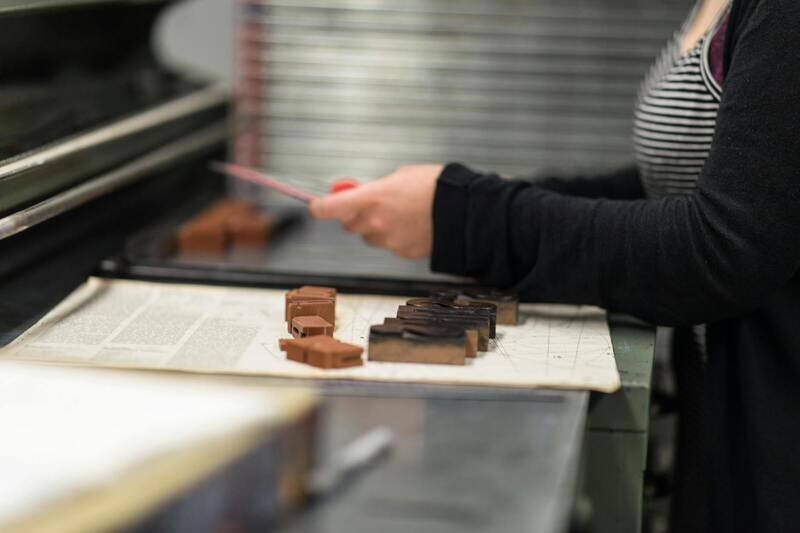
When it comes to professional brochure printing, selecting established and reputable printing methods ensures high-quality results that accurately reflect your brand’s image. Conventional printing techniques such as offset and digital printing are widely regarded for their reliability and precision. Offset printing, in particular, is ideal for large volume runs, offering consistent color reproduction and sharp details. It involves transferring ink from a printing plate onto a rubber blanket, which then presses onto the paper. While offset printing has higher initial setup costs, its efficiency for bulk orders makes it a cost-effective choice for extensive marketing campaigns.
Digital printing, on the other hand, provides flexibility for smaller quantities and faster turnaround times. It operates through a process similar to standard home printers but on a much larger and professional scale, using toner or inkjet technology. Digital printing offers the advantage of customization without additional setup costs, making it suitable for personalized brochures or short-run projects. Both methods rely on sophisticated equipment operated by skilled technicians, ensuring that color consistency, resolution, and overall quality meet professional standards.

In addition to traditional methods, special finishing techniques like UV coating, laminations, and embossing can be incorporated to elevate the tactile appeal and durability of brochures. These techniques are performed using specialized machinery operated by experienced professionals, adhering to strict procedural standards that guarantee uniform application and lasting quality. Selecting the right printing method involves considering project scope, budget, and desired specifications, making consultation with experienced printing providers essential for optimal outcomes.
The integrity of the printing process directly impacts the final product, reinforcing the importance of partnering with reputable service providers that employ legitimate, proven methods. Properly executed printing not only ensures that visual elements are vivid and sharp but also that the physical brochure is resilient against handling and environmental factors. By relying on tested and trusted techniques, businesses can effectively communicate their message and enhance brand recognition through high-quality printed materials.
Legitimate Methods for Brochure Printing
For organizations aiming to produce high-quality brochures, selecting reputable and proven printing techniques is essential to ensure the final product meets professional standards. These methods rely on well-established equipment and procedures operated by skilled technicians, resulting in consistent color fidelity, sharp resolution, and durable finishes.
Digital printing and offset printing stand out as the primary legitimate techniques used widely within the industry. Digital printing offers rapid turnaround times and cost-effectiveness for small to medium runs, making it ideal for targeted campaigns, personalized brochures, or limited editions. This method integrates high-end digital presses capable of reproducing complex graphics and vibrant colors with remarkable clarity.
Offset printing remains the gold standard for large batch projects due to its ability to produce unparalleled print quality and color consistency. This traditional technique involves transferring ink from plates onto a rubber blanket before printing onto paper, allowing it to deliver detailed images with smooth color gradations. Offset presses require meticulous setup and calibration, but they guarantee uniform results across extensive print runs.

In addition to core printing methods, various finishing techniques are employed to enhance brochure aesthetics and resilience. Processes such as UV coating, lamination, embossing, and hot-stamping are performed using specialized machinery operated by experienced professionals. These methods improve tactile appeal, protect against environmental factors, and provide a premium appearance.
Proper application of these finishing options not only elevates the visual impact but also extends the lifespan of the printed materials, ensuring they withstand handling and time without deterioration. Selecting the appropriate printing and finishing methods involves understanding the scope of the project, budget constraints, and desired physical attributes.
Partnering with reputable print service providers that adopt legitimate and tested techniques guarantees consistent quality and reliable results. These providers typically adhere to strict procedural standards, employing state-of-the-art equipment and skilled personnel. Their expertise ensures that every brochure produced aligns with the highest expectations of clarity, color accuracy, and structural integrity.

Ultimately, making use of established methods and quality assurance practices in brochure printing enhances a brand's professional image and facilitates effective communication with target audiences. This strategic approach to printing not only optimizes visual impact but also ensures the longevity of marketing collateral, reinforcing brand recognition and message retention.
Ensuring Proper Use of Official Printing Methods
Utilizing legitimate and proven printing techniques is fundamental to producing brochures that meet professional standards and effectively serve their marketing purpose. Authorized printing methods encompass a comprehensive range of established procedures designed to guarantee high-quality output, consistency, and durability of the printed materials. These methods rely on advanced machinery, such as offset presses and digital printers that are regularly maintained and calibrated to ensure optimal color accuracy, sharpness, and detail. By adhering to these methods, printing service providers can consistently deliver brochures that align with client expectations and industry standards.
Adoption of Industry-Standard Technologies
Industry-standard printing technologies include offset lithography, digital printing, and specialty processes like foil stamping or embossing. Offset lithography remains the preferred choice for large-volume runs due to its efficient production capabilities and superior color fidelity. Digital printing, on the other hand, provides flexibility for smaller batches, personalized messages, or variable data printing. These technologies are supported by specialized software and hardware that ensure color management, registration accuracy, and consistency across multiple copies.
Paper Quality and Stock Certifications
Choosing the right paper stock is an integral part of ensuring the legitimacy of brochure printing. Reputable providers select paper stocks from certified suppliers that adhere to environmentally sustainable practices and quality control standards. Options typically include various weights, finishes, and textures, such as gloss, matte, or silk. Certification labels, such as FSC (Forest Stewardship Council) or PEFC (Programme for the Endorsement of Forest Certification), serve as indicators of materials sourced responsibly. These choices assure clients of durability, tactile appeal, and environmental compliance.
Professional Finishing and Binding Techniques
Proper finishing processes such as binding, lamination, and coating are implemented using legitimate machinery operated by skilled personnel. UV coating and varnishing enhance visual depth and provide protection against scratches and environmental damage. Lamination adds a protective layer that prolongs the lifespan of brochures, especially those intended for frequent handling or outdoor use. Embossing and foil stamping serve to elevate the visual impact, creating textured or metallic accents that highlight key design elements. These finishing options not only improve aesthetics but also reinforce quality and professionalism.
Quality Assurance Practices
Reliable print providers employ rigorous quality checks throughout the production process. This includes pre-press verification, proofing stages, and in-line inspections to identify and rectify issues before mass printing. Color consistency is monitored through standardized calibration protocols, ensuring that each batch matches specified hues accurately. Structural integrity tests assess paper strength and finish durability. These quality assurance practices help maintain standards, prevent defects, and deliver consistency across every brochure printed.
Compliance with Industry Regulations
Follow-up on industry compliance involves adhering to guidelines related to safety, environmental impact, and intellectual property rights. Proper licensing of printing equipment and adherence to safety protocols for machinery operation are essential. Additionally, respecting copyright laws and intellectual property rights ensures that all creative content used in brochures is appropriately licensed and documented, safeguarding both the producer and the client.

Official Methods for Ensuring Brochure Printing Quality
Maintaining high standards in brochure printing involves adhering to established procedures and utilizing certified equipment and materials. Reputable print providers follow structured quality assurance protocols to produce consistent and professional outputs. These steps include pre-press verifications, proof approvals, and in-line inspections during the printing process. Color management systems calibrated periodically help achieve accurate color reproduction, ensuring that printed materials match the original design specifications.
Structural integrity and finish durability are also assessed through rigorous testing. This encompasses evaluating paper strength, fold resistance, and finishing treatments such as lamination, embossing, or matte coatings. Such thorough quality control not only enhances the visual appeal but also prolongs the lifespan of printed brochures, safeguarding your brand’s reputation for professionalism and attention to detail.
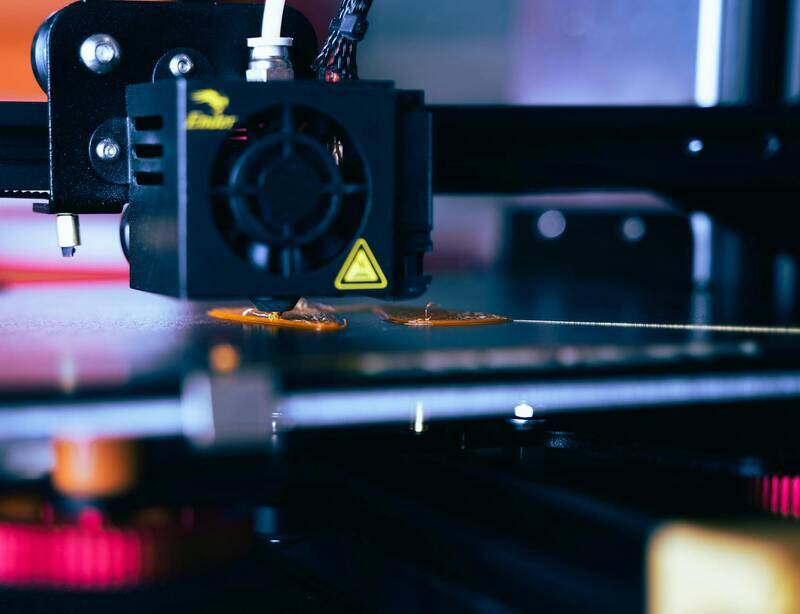
Adherence to industry standards extends beyond production techniques. Ensuring that all materials and processes meet related safety and environmental guidelines is essential for responsible printing practices. Certified facilities employ eco-friendly inks, sustainable paper stocks, and energy-efficient machinery. This commitment to responsible manufacturing affirms the integrity of the printed products and aligns with increasing consumer expectations for environmentally conscious solutions.
Implementing Reliable Quality Assurance Practices
- Pre-press verification: Double-checking design files, color profiles, and print settings before mass production.
- Proofing stages: Approving digital or printed samples to confirm all design elements and color accuracy.
- In-line inspections: Monitoring during printing for consistency, registration, and defect detection.
- Post-press checks: Assessing final products for finish quality, structural integrity, and color fidelity.
Compliance with Industry Standards and Protocols
Ensuring that brochure production aligns with established industry guidelines involves adherence to regulations concerning safety, intellectual property, and environmental impact. Proper licensing of printing equipment and compliance with safety protocols safeguard workers and maintain operational integrity. Respecting copyrights and licensing agreements for creative assets used within the brochures ensures ethical use of content, preventing disputes and reinforcing trust with your audience.

Understanding Secure and Verified Enrollment in Brochure Printing Services
In the competitive landscape of brochure printing, establishing trust with your chosen provider involves more than just evaluating product quality and price. To guarantee a smooth and satisfactory process, it is essential to verify that the service employs secure procedures for order placement and confirmation. Confirming that the provider utilizes protected online ordering platforms, which encrypt data transmissions, ensures that your sensitive information such as design files, contact details, and payment data remain confidential. Additionally, an established provider will offer official communication channels—such as dedicated email addresses and customer service portals—that facilitate transparent and verified interactions. These channels allow clients to receive genuine updates on their order status, proofs, and delivery timelines.
Furthermore, legitimate brochure printing services often adhere to strict verification protocols during the ordering process. This includes detailed order confirmation steps—such as digital proof approvals, sample validations, and clear communication of specifications—that help prevent errors and discrepancies. Providers that follow industry-standard verification practices maintain comprehensive records of all transactions and communications, which serve as important documentation should any disputes or issues arise. Such diligent practices not only promote accountability but also reinforce the integrity of the service, affording clients peace of mind through every stage of production.
It is also advisable to consider the legal and compliance aspects involved in official brochure printing. Reputable service providers possess appropriate licenses for equipment operation, comply with required safety standards, and respect intellectual property rights. These measures reflect the company's commitment to responsible and compliant business practices. Ensuring the provider has a transparent and verifiable process for managing design files, proof approvals, and project specifications further enhances trustworthiness.
Moreover, verified laundry methods include employing modern encryption standards on digital platforms, safeguarding data transmissions from potential vulnerabilities. Regular security audits and staff training on data protection are indicators of a commitment to securing client information. This levels up the overall reliability of the printing service—especially significant for businesses handling sensitive or proprietary content.
The scope of official methods also extends to the environmental and safety compliance measures implemented by the service. Certified printing facilities undergo regular audits to verify adherence to environmental guidelines, such as proper waste disposal, energy-efficient operations, and use of eco-friendly inks and materials. These practices reaffirm the company's dedication to sustainable and responsible printing, aligning with increasing consumer expectations for environmentally conscious solutions.
Lastly, evaluating a brochure printing company's verification systems can be complemented by reviewing online reviews, testimonials, and industry accreditation badges. Engaging with service providers that display recognizable certifications and actively demonstrate their commitment to quality assurance can markedly improve your overall experience. Such verified entities are often transparent with their processes and willing to showcase certifications, which supports informed decision-making.