Choosing the Right Name Card Material and Finish
When it comes to creating effective and memorable name cards, selecting the appropriate materials and finishes is fundamental. The right combination not only enhances the aesthetic appeal but also ensures durability and a professional presentation that accurately reflects your brand identity. In Singapore, a variety of options are available to suit different business needs, whether you're aiming for a sleek, modern look or a classic, sophisticated appearance.
Common Name Card Materials
- Art Card: Known for its smooth surface and weight, art card is a popular choice for professional environments. It withstands handling well and offers a high-quality feel, suitable for both minimalist and elaborate designs.
- Plastic: Plastic cards, often made from PVC, are highly durable and water-resistant. They are ideal for business cards that need to withstand frequent handling and exposure to elements, making them suitable for industries like hospitality or outdoor retail.
- Specialty Papers: These include textured or embossed papers such as linen, suede, or metallic finishes. These papers add a tactile dimension to the design, elevating the card’s perceived value and uniqueness.
Finish Options to Elevate Your Name Card
- Matte Finish: Provides a non-reflective surface that reduces glare and offers a sophisticated, understated look. It’s excellent for cards with detailed text or subtle color schemes.
- Gloss Finish: Adds a shiny, vibrant appearance, making colors pop and images stand out. It’s highly attractive and ideal for designs that rely heavily on visuals.
- Spot UV Coating: This selectively applies a glossy coating to specific areas, such as logos or names, creating contrast and highlighting important details. It enhances the visual hierarchy of your design.
- Embossing and Debossing: These techniques create raised or recessed patterns, adding tactile interest. They are often used for logos and brand symbols to provide a premium feel.
- Foil Stamping: Applying metallic or pigmented foil accents can dramatically increase visual appeal, making certain elements like text or borders stand out with shiny effects.
Durability and Practicality Considerations
Choosing the right material and finish directly impacts the longevity and effectiveness of your name card. For instance, plastic cards tend to last longer and sustain the original appearance over time, whereas specialty paper-based cards might be more suited for one-time exchanges or initial impressions. Additionally, consider the environment where the card will be used most frequently; in high-humidity or outdoor settings, more resilient materials with protective finishes are preferable.
Given the diverse options available, it is advisable to consult with a professional printing service that understands regional preferences and industry standards. They can provide insights into the most suitable materials and finishes based on your brand image, budget, and intended use, ensuring that your name card leaves a lasting impression with each distribution.
Material Selection and Finishing Techniques for Name Cards
When deciding on the appropriate material and finish for your name cards, it is essential to consider the tactile experience and visual impact they will deliver. The choice of materials varies from traditional paper options to durable plastics, each offering distinct advantages depending on your brand's positioning and the environment in which the cards will be used.
Core materials include:
- Standard Paper: Basic yet versatile, suitable for bulk printing and initial impressions.
- Premium Cardstock: Thicker, often with textured finishes, conveying a sense of luxury.
- Plastic or PVC: More durable, water-resistant, ideal for cards exposed to harsh environments or frequent handling.
Finishing techniques serve to enhance the visual appeal and tactile experience. Key options encompass:
- Matte Finish: Offers a subdued, elegant appearance with fingerprint resistance, perfect for minimalistic designs.
- Glossy Finish: Adds vibrancy and shine, making colors pop—best suited for colorful, eye-catching designs.
- Soft Touch Coating: Provides a velvety feel that enhances perceived quality.
- Spot UV Coating: Selectively applies gloss on specific areas like logos or borders, creating contrast and focus.
- Embossing and Debossing: Adds raised or recessed patterns, lending depth and a premium tactile quality.
- Foil Stamping: Incorporates metallic or pigmented foil accents to highlight elements with a shiny, reflective finish.
In selecting these options, it’s advisable to align the material and finish with your branding objectives and the context in which the cards will be used. For instance, a luxury brand might opt for thick, textured cardstock with embossed or foil accents, while a tech startup might prefer sleek, minimalist designs on durable plastic with matte finishes for a modern aesthetic.
Professional printing firms in Singapore possess comprehensive knowledge of regional preferences and can advise on the best combinations of materials and finishes. By harnessing their expertise, you can ensure your name card not only impresses visually but also withstands regular handling, maintaining its appearance over time and fostering memorable brand interactions.
Choosing the Right Name Card Material and Finish
Securing a memorable and durable name card begins with selecting the appropriate material and finish that align with your brand identity and the impression you wish to convey. In Singapore, reputable printing establishments offer a variety of options designed to meet diverse professional standards and aesthetic preferences. Understanding the characteristics of each material and finish helps ensure your name card stands out while remaining practical for everyday use.
Materials for Name Card Printing
- Standard Cardstock: The most common choice, typically 300-350gsm, providing a sturdy feel suitable for most business environments.
- Premium Thick Cardstock: Ranging from 400-600gsm, offering enhanced durability and a luxurious heft that conveys exclusivity.
- Plastic or PVC: Waterproof and resistant to bending, ideal for vendors in active or outdoor settings.

Plastic cards provide durability and a sleek, modern aesthetic - Specialty Paper: Textured, linen, or recycled paper options can add tactile interest and demonstrate eco-consciousness.
Finish Options to Enhance Visual Impact
- Matte Finish: Offers a subdued, non-reflective surface that exudes professionalism and resists fingerprints, perfect for minimalist designs.
- Glossy Finish: Adds vibrancy and shine, making colors pop and details stand out—the ideal choice for creative or vibrant branding.
- Soft Touch Coating: Delivers a velvety texture that enhances perceived quality and provides a luxurious tactile experience.

Soft touch coating enhances tactile quality and perceived value - Spot UV Coating: Selectively applied to highlight logos or certain design elements, creating a striking contrast with matte or satin backgrounds.
- Embossing and Debossing: Adds raised or recessed patterns that introduce depth and texture, making your card physically engaging and memorable.
- Foil Stamping: Incorporates shiny metallic accents that reflect light, perfect for emphasizing logos, borders, or special details.
Expertise from professional printers in Singapore ensures that the combination of material and finish not only complements your branding but also withstands handling over time. The outcome is a durable, visually appealing card that leaves a lasting impression in every professional interaction.
Choosing the Right Name Card Material and Finish
Selecting the appropriate material and finish for your name card is essential to convey your brand’s image and ensure durability. In Singapore, professional printing services offer a variety of options tailored to different needs and aesthetics.
Materials commonly used include:
- Standard Cardstock: The most popular choice, offering a good balance of cost and quality. It provides a sturdy feel and can be customized with various finishes.
- Premium Thick Cardstock: Thicker and more substantial, this conveys a sense of luxury and professionalism, suitable for executive-level cards.
- Textured and Specialty Papers: Linen, vintage, or recycled papers add tactile interest and demonstrate eco-consciousness. These materials stand out and leave a memorable impression.
- PVC or Plastic: Waterproof and resistant to bending, ideal for outdoor or active environments where durability is crucial.
Finish options further enhance the visual appeal and tactile experience of your name card:
- Matte Finish: Provides a sophisticated and subdued look, reduces fingerprints, and suits minimalist design concepts.
- Glossy Finish: Adds vibrancy and shine, making colors pop and details sharper. Ideal for creative and colorful branding.
- Soft Touch Coating: Imparts a velvety texture, elevating perceived quality and fostering a luxurious tactile experience.
- Spot UV Coating: Strategically applied to logo or design elements to create contrast and draw attention.
- Embossing and Debossing: Introduces raised or recessed patterns, adding depth and a tangible element of craftsmanship.
- Foil Stamping: Incorporates metallic accents to emphasize logos, borders, or intricate details, reflecting light for a premium look.
Combining the right material with an appropriate finish is crucial for produces that not only look stunning but also withstand handling over time. Professional printers in Singapore ensure that these choices align with branding goals, helping you make a memorable impression in every professional interaction.
Choosing the Right Name Card Material and Finish
Opting for the appropriate material and finish for your name card is vital in establishing your professional image and ensuring durability. The selection process should consider both the tactile experience and the visual impact, aligning with your brand identity and the nature of your industry.
Common Name Card Materials in Singapore
- Paper Types: Linen, vintage, and recycled papers are popular choices that add texture and demonstrate eco-consciousness. These materials lend a tactile richness and enhance the perceived value of your cards.
- PVC or Plastic: Known for their waterproof and bend-resistant properties, plastic cards are ideal for outdoor settings or environments where durability is paramount. They maintain their form despite exposure to elements, making them suitable for active professionals.
- Specialty Materials: Die-cut or transparent acrylic cards can provide unique visual effects, helping your business stand out with modern aesthetics.
Finish Options to Elevate Your Name Card
The finish applied atop the base material significantly influences both the look and feel of your business card. Choosing the right coating enhances existing design elements and adds a layer of protection against wear.
- Matte Finish: Offers a subdued, sophisticated look that minimizes fingerprints and glare, ideal for minimalist or elegant branding styles.
- Glossy Finish: Brightens colors and sharpens details, making visuals more vibrant. Suitable for creative or colorful branding efforts.
- Soft Touch Coating: Provides a velvety, luxurious texture, elevating the tactile experience and reinforcing high-end branding.
- Spot UV Coating: Adds gloss to specific design elements, such as logos or borders, creating contrast and directing focus.
- Embossing and Debossing: Introduce raised or recessed patterns that add depth and craftsmanship detail to your cards.
- Foil Stamping: Uses metallic foils to highlight logos, borders, or intricate patterns, lending a premium appearance.
Combining Materials and Finishes
The synergy between material and finish determines the overall impact of your name card. For example, a matte finish on recycled paper can emphasize eco-friendliness and professionalism, while a glossy, plastic card with foil stamping exudes modernity and premium quality. Professional printing services in Singapore can guide you through these choices, ensuring your cards are both aesthetically compelling and resilient over time.
Choosing the Right Name Card Material and Finish
Selecting the appropriate material and finish for your name card is fundamental to conveying your brand identity and establishing a memorable tactile experience. High-quality materials such as thick cardstock, premium PVC, or eco-friendly recycled paper serve as sturdy bases that uphold your design elements while reflecting your brand values. The choice of finish not only enhances visual appeal but also provides practical protection against everyday wear and tear.

Matte finishes deliver a sophisticated, non-reflective surface that minimizes fingerprints and smudges, ideal for minimalist design styles focused on elegance and professionalism. Conversely, glossy finishes amplify colors and sharpen image details, making vibrant visuals stand out—perfect for creative branding or businesses reliant on visually compelling presentations. For an extra touch of luxury and a distinct tactile impression, soft-touch coatings provide a velvet-like feel that invites touch and leaves a lasting impression.
Combining textures with special coatings can further elevate your name card’s appeal. Spot UV coating, for instance, selectively applies a high-gloss finish to specific design elements like logos or borders, creating a stark contrast that draws attention. Embossing or debossing introduces depth through raised or recessed patterns, adding a layer of craftsmanship that communicates quality. Foil stamping, using metallic or colored foils, can highlight key features such as your brand logo or decorative borders, infusing a premium aesthetic.
To determine the best combination for your needs, consider the message you want to convey and the environments where the business cards will be handled frequently. A sleek, matte recycled paper with spot UV accents may emphasize eco-consciousness and subtle elegance, while a glossy plastic card with foil elements signals innovation and high-end branding. Reputable printing services in Singapore are equipped to guide you through these options, ensuring your cards are tailored to your brand identity and durable enough to withstand repeated handling.
Additional Factors in Material Selection
- Thickness and Weight: Thicker, heavier cards tend to feel more substantial, often associated with quality and importance.
- Environmental Considerations: Eco-friendly options like recycled paper or biodegradable plastics support sustainability initiatives.
- Opacity and Texture: Smooth, opaque surfaces facilitate high-quality printing, while textured materials can add unique character.
In the dynamic landscape of business networking, the tactile and visual qualities of your name card can leave a lasting impression that aligns with your brand ethos. Collaborate with experienced printers who understand how to blend materials and finishes effectively, ensuring the end product enhances your professional image and withstands the rigors of daily exchanges.
Choosing the Right Name Card Material and Finish
When selecting materials for your business cards in Singapore, factors such as durability, appearance, and tactile feel are essential. Common options include standard paper options like matte, gloss, and silk finishes, each offering different visual and textural effects. Matte finishes provide a subdued, professional look with reduced glare, ideal for minimalist or elegant branding. Glossy finishes, on the other hand, enhance vivid colors and sharp details, making images and logos pop. Silk finishes strike a balance between matte and glossy, offering a smooth, soft sheen that exudes sophistication.
Premium materials such as thick cardstock or specialty papers like linen, textured, or recycled eco-friendly options can elevate the perceived value of your name cards. These choices are particularly impactful in sectors like luxury retail, high-end services, or corporate sectors emphasizing sustainability. Finishes like spot UV, foil stamping, embossing, and matte lamination can further add unique tactile and visual elements, ensuring your card stands out during exchanges.

Popular Name Card Designs and Styles
Design preferences for name cards vary widely across industries and individual branding strategies. Classic styles often feature a clean layout with minimalistic elements, focusing on clear typography and a professional appearance. Modern designs incorporate bold colors, asymmetrical layouts, and innovative typography to attract attention. Vintage-inspired styles evoke nostalgia with ornate details and classic typefaces, suitable for brands emphasizing tradition and heritage.
Other popular styles include geometric patterns for a contemporary look, minimalist designs with ample white space for elegance, and creative layouts like vertical cards or foldable formats that add a touch of novelty. Incorporating brand elements such as logos and color schemes seamlessly into these styles reinforces brand recognition and professionalism.
Creative and Themed Styles
- Eco-friendly, recycled paper cards with earthy tones for environmentally conscious brands
- Transparent plastic or acrylic cards for a sleek, modern appearance
- Textured cards with embossed logos or patterns for a tactile experience
- Minimalist white space designs with subtle accents for understated elegance
- Custom die-cut shapes aligning with brand identity or product themes
Choosing a style that complements your brand message can significantly influence how contacts perceive your professionalism and creativity. Consultation with experienced local printers ensures the chosen design aligns with practical considerations like handling, durability, and printability.

Choosing the Right Name Card Material and Finish
Selecting the appropriate material and finish for your name card plays a crucial role in expressing your brand’s identity and ensuring durability. Common materials include standard cardstock, which offers a balance of affordability and professionalism, and premium options such as matte or gloss laminated sheets that provide enhanced protection and a polished appearance. For a more distinctive touch, thick PVC or plastic cards are popular, especially in industries where durability is paramount. Recycled paper stocks appeal to environmentally-conscious brands, adding a layer of brand ethos to your card. Finish options further customize the impression your name card leaves. Matte finishes provide a subtle, non-reflective surface suitable for elegant and understated designs, while gloss finishes create vibrant, eye-catching colors that draw immediate attention. Soft-touch matte coatings offer a luxurious tactile experience, making your card stand out through sensation. Spot UV coatings can be applied selectively to highlight logos or key design elements, adding contrast and sophistication. Embossed or textured finishes elevate your card by providing tactile depth that leaves a memorable impression. Ultimately, your choice of material and finish should align with your branding strategy and the image you wish to project to your contacts.
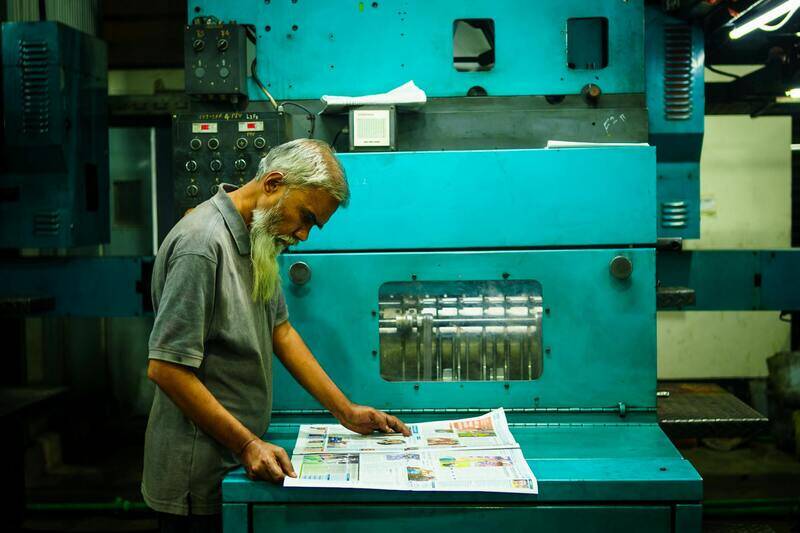
Popular Name Card Designs and Styles
Design styles for name cards are diverse, catering to different brand personalities and industry requirements. Minimalist designs featuring clean lines and ample white space are favored for their professionalism and clarity. Modern styles incorporate bold colors, asymmetrical layouts, and innovative typography to create a contemporary look that captures attention. Vintage-inspired patterns with ornate details and classic fonts evoke a sense of tradition and heritage, suitable for brands emphasizing legacy. Geometric patterns and abstract art lend a creative flair, perfect for innovative startups or creative agencies. Vertical layouts and foldable formats introduce a sense of novelty, making your name card stand out in a stack. Incorporating brand elements seamlessly into these styles—such as logos, color schemes, and motifs—enhances recognition and reinforces brand identity. The choice of design should reflect your industry, target audience, and overall branding goals.
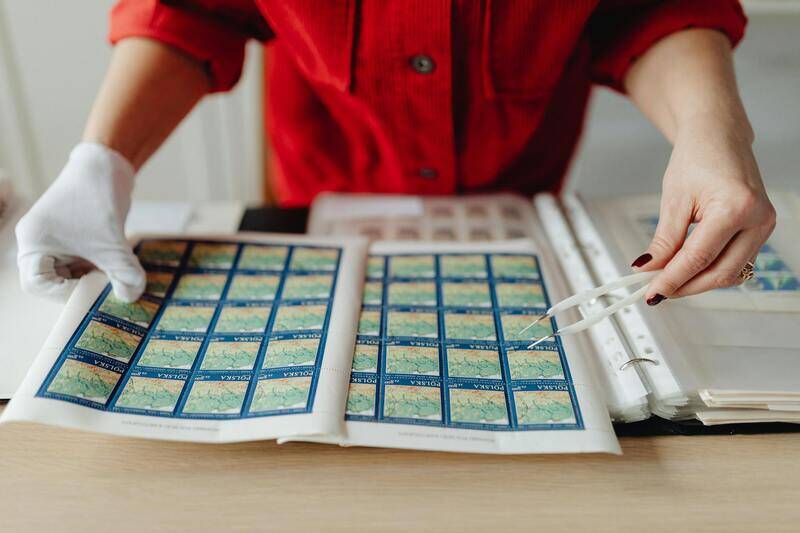
Customization Options for Unique Branding
Custom features enable businesses to create truly unique name cards that resonate with their brand identity. Die-cut shapes allow the card outline to mimic brand-related objects or patterns for visual impact. Embossing and debossing techniques add tactile dimensions to logos or text, creating a memorable textured feel. Incorporating foil stamping—such as gold or silver accents—further elevates the design with vibrant metallic finishes. Many printers offer custom-sized cards or foldable formats, allowing brands to communicate more information or present a distinctive appearance. Additionally, integrating QR codes connects physical cards with digital content, facilitating seamless access to websites or online portfolios. Enhancing the sensory experience with textured paper stocks, transparent acrylic elements, or layered components provides a multi-dimensional branding platform that leaves a lasting impression on recipients.
Printing Technologies and Their Advantages
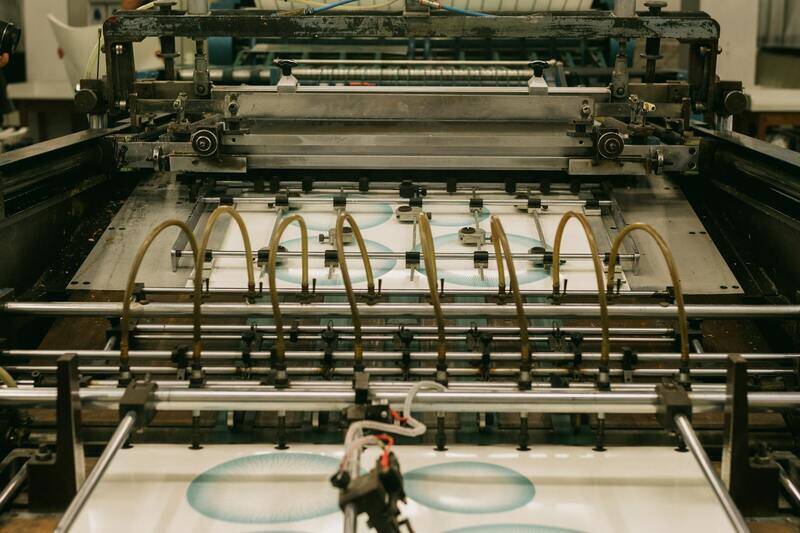
Advanced printing technologies ensure that your name card design is rendered with high fidelity and durability. Digital printing is ideal for short runs with quick turnaround times and the flexibility for full-color designs. Offset printing, known for sharp image quality and cost efficiency at larger quantities, produces detailed and consistent results across batches. Specialized finishes such as UV coating or hot-stamping are applied post-printing to add visual effects like gloss, matte, or metallic highlights. Embossing, debossing, and foil stamping techniques require specialized presses but significantly enhance tactile and visual appeal. Eco-friendly printing options using vegetable-based inks and recyclable substrates are increasingly available, aligning with sustainable branding practices. Choosing the right technology depends on your design complexity, budget, and desired finish. Professional printers in Singapore employ these methods to achieve standard and intricate effects, ensuring your name card stands out in a competitive environment.