
Understanding Custom Business Card Printing
Custom business card printing is an essential component of professional branding and identity management. It involves designing and producing cards that reflect a company's unique image, values, and services. Unlike standard or generic cards, custom options allow for creative expression through various materials, finishes, and design elements, ensuring that each card leaves a memorable impression on recipients. In a competitive market, having well-crafted business cards serves as a practical tool to establish credibility, facilitate networking, and reinforce brand recognition. The process begins with selecting suitable materials and finishes, followed by designing a layout that aligns with your branding strategy. High-quality custom business card printing elevates the professionalism of your corporate image and provides a tangible representation of your business to clients, partners, and prospects. As the first point of physical contact, the quality and design of your business cards can influence perceptions and open doors for future opportunities. The importance of investing in quality custom printing lies in its ability to differentiate your brand in a crowded marketplace, ensuring your business cards stand out and make an impact.
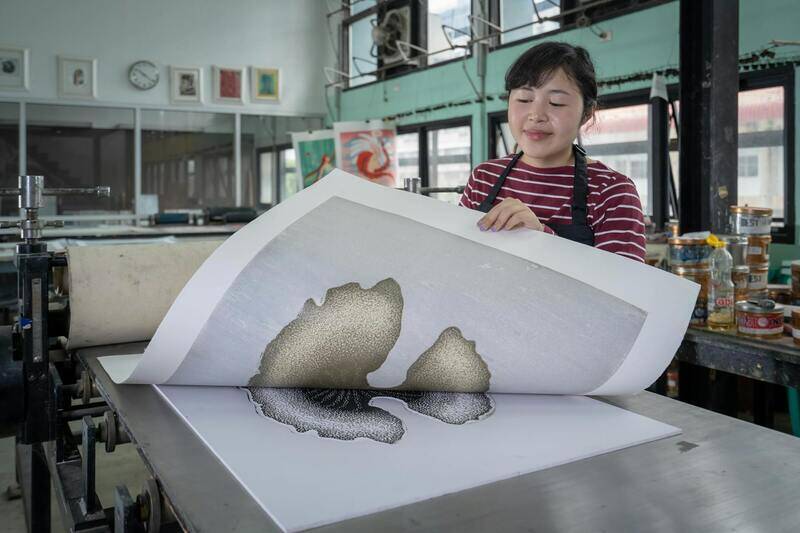
Moreover, custom printing enables businesses to incorporate innovative features such as embossed logos, unique shapes, textured finishes, and vibrant color schemes. These elements not only enhance visual appeal but also create a tactile experience that further engages recipients. The overall goal is to produce a business card that not only conveys essential contact information but also encapsulates the essence of the brand's personality. Efficient custom business card printing relies on selecting the right techniques, materials, and designs tailored to your organizational identity. Whether you're a startup aiming to make an unforgettable first impression or an established enterprise reinforcing credibility, understanding the scope and significance of custom printing is fundamental to achieving your branding objectives.
Materials and Finishes Available
Choosing the right materials and finishes for your custom business cards plays a crucial role in conveying professionalism and reinforcing brand identity. Various paper stocks are available, ranging from standard matte and gloss finishes to premium options like velvet, linen, and even silk. Each material offers a unique tactile feel and visual effect, allowing businesses to select a finish that aligns with their brand image and desired impression.
Matte finishes provide a sleek, non-reflective surface that is ideal for minimalist designs and modern aesthetics. Gloss finishes, on the other hand, enhance color vibrancy and lend a polished look, making images and logos pop. Textured finishes such as linen or embossed papers introduce tactile sophistication that can leave a memorable impression on recipients.
In addition to paper selection, custom business cards can incorporate specialty finishes like foil stamping, spot UV coating, or soft-touch coatings. Foil stamping adds metallic accents, creating a luxurious effect perfect for high-end brands. Spot UV coating selectively enhances certain areas, such as logos or contact details, adding depth and emphasis. Soft-touch coatings provide a velvety finish that invites touch, elevating the perceived quality of the card.
Understanding Custom Business Card Printing
Custom business card printing is more than just selecting a design and pressing the print button; it involves a detailed process that ensures your cards accurately reflect your brand identity while maintaining high quality and durability. When exploring options for custom business card printing, it’s essential to understand the various methods and qualities of production available to optimize your business presentation. This process begins with selecting the right printing technique, choosing appropriate materials, and incorporating finishing touches that enhance the overall look and feel of your cards.
At its core, custom business card printing is about translating your design ideas into tangible, professional-grade cards that make a lasting impression. This requires attention to detail in color accuracy, print resolution, and precision in alignment, especially when incorporating complex logos or detailed design elements. Using official Printing processes ensures consistency across batches, preserves color integrity, and reduces errors, all of which contribute to a polished final product. Reliable printing services employ advanced digital or offset printing technologies that deliver sharp images and vibrant colors, emulating your digital designs with high fidelity.
Furthermore, custom business card printing offers flexibility in size, shape, and material choice. Standard dimensions typically follow industry norms, but custom shapes—such as rounded corners, die-cut designs, or folds—can set your business apart. These choices, combined with high-quality printing techniques, significantly affect the tactile experience and visual appeal, making your business cards stand out among competitors. Ensuring that the printing process adheres to strict quality standards guarantees that every card not only looks impressive but is also resistant to wear and tear.

When selecting a printing service, consider providers that adhere strictly to industry-approved methods, use certified materials, and maintain quality control throughout the process. This ensures you receive a batch of business cards that perfectly match your specifications, with consistent color matching and crisp details. Additionally, a reputable service will provide comprehensive support, guiding you through file preparation, material selection, and finishing options, ultimately leading to a product that effectively represents your brand and leaves a memorable mark on recipients.
Understanding Custom Business Card Printing
Custom business card printing involves the production of personalized cards that accurately reflect a company's brand identity and professional image. This process allows businesses to select specific attributes such as size, shape, color schemes, finishes, and textures to create a distinctive impression. Employing high-quality printing techniques ensures that every detail, from sharp graphics to vibrant color reproduction, aligns with the intended design. Reliable printing services utilize advanced digital or offset technologies, which are capable of rendering complex logos, intricate patterns, and subtle gradients with precision. The choice of printing method directly influences the final appearance, durability, and tactile feel of the cards, making it essential to partner with a provider that maintains stringent quality standards and offers comprehensive support throughout the project lifecycle.
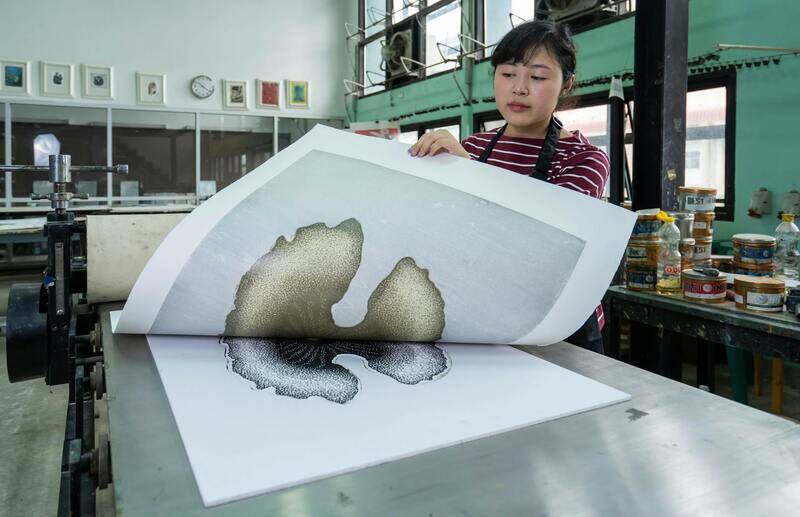
In addition to standard sizes, businesses can leverage custom dimensions or unique shapes—such as rounded corners, die-cut edges, or folding designs—to differentiate their cards. These variations, combined with premium finishes, help create a memorable experience for recipients. The production process involves detailed steps that encompass file preparation, color calibration, and quality control to minimize errors and ensure consistency. As a result, every batch of printed cards will meet the precise specifications, offering a professional presentation that supports brand recognition and enhances client relationships. Choosing a legitimate printing service that adheres to industry standards is crucial in achieving these outcomes, providing assurance that your vision will be accurately realized in the final product.
Materials and Finishes Available
The selection of materials and finishes plays a pivotal role in customizing business cards to match brand personality and functional needs. Options include traditional cardstock, textured papers, or specialty materials such as transparent or magnetic substrates. These choices influence both aesthetic appeal and operational durability, especially when cards are handled frequently or subjected to outdoor conditions.
Common finishes include matte, gloss, and satin coatings, each imparting a different tactile sensation and visual effect. Matte finishes offer a subdued, elegant look with reduced glare, ideal for minimalist designs or understated branding. Gloss finishes enhance colors and details, making visuals pop and adding a vibrant, professional touch suitable for photographic or detailed artwork. Satin finishes provide a balanced sheen that combines elements of both matte and gloss, offering versatility across various design styles.
Specialty finishes such as spot UV coating, foil stamping, embossing, and lamination can further elevate the appearance and durability of your business cards. Spot UV adds a glossy highlight to specific areas, creating contrast and visual interest. Foil stamping introduces metallic accents like gold, silver, or holographic elements, adding a luxurious touch. Embossing raises certain design elements to add depth and texture that can be both seen and felt. Laminates provide extra protection against wear, moisture, and dirt, ensuring the longevity of your cards in frequently handled environments.

Design Options and Branding Opportunities
Designing effective business cards involves more than just aesthetics; it is a vital branding opportunity. The layout must communicate key information clearly while reflecting the overall brand personality. Strategic use of color schemes, typography, logo placement, and white space can significantly improve readability and visual impact. High-resolution graphics and consistent brand elements foster recognition and build credibility.
Customization extends to incorporating unique design features such as die-cut shapes, foldable sections, or embossed logos, which can leave a memorable impression. Consider integrating social media handles, QR codes, or appointment reminders into the design to enhance functionality without sacrificing style. Consistency with other brand collateral, such as letterheads or packaging, helps reinforce brand identity and ensures a cohesive professional appearance.
Utilize the available design tools and templates or collaborate with professional designers to create a layout that balances aesthetics with practicality. When finalized, high-resolution files should adhere to the specifications provided by the printing service, ensuring flawless reproduction. This careful attention to detail guarantees that your business cards look polished and effectively serve their purpose as a powerful branding tool in networking and marketing efforts.
Understanding Custom Business Card Printing
Custom business card printing involves selecting specific features and parameters to produce cards that accurately reflect a brand's identity while standing out in a professional setting. This process begins with choosing the right printing partner that offers a variety of materials, finishes, and customization options to meet diverse business needs. The goal is to create a tangible representation of your brand that combines aesthetic appeal with functional excellence.
Materials and Finishes Available
One of the key aspects of custom business card printing is material selection. Typical options include classic cardstock, which offers durability and a substantial feel, as well as specialty materials like matte, gloss, or textured finishes that add tactile richness. For a more luxurious presentation, options such as velvet or soft-touch finishes can provide a refined effect.
In addition to base materials, finishes can dramatically influence the card’s look and feel. For instance, UV coatings add a high-gloss sheen, enhancing colors and graphics, while matte finishes deliver a subdued, elegant appearance. Soft-touch coatings provide a velvety sensation that encourages touch and engagement. Embossing and debossing techniques can add dimensionality to logos or text, contributing to a sophisticated visual impact.

Design Options and Branding Opportunities
Effective business card design extends beyond basic information delivery; it is an essential branding tool. Strategic placement of logos, choice of typography, and color schemes should align with your overall branding strategy. Incorporating brand elements consistently across all materials reinforces recognition and trust.
Customization options include die-cut shapes, unique fold designs, or textured accents that create a tactile experience and visual differentiation. Integrating social media icons, QR codes for quick digital access, or space for handwritten notes can enhance the card’s function and interactivity.
To maximize branding impact, consider collaborating with professional designers or utilizing advanced design templates provided by your printing service. High-resolution, print-ready files should meet the specifications outlined, ensuring optimal reproduction quality. Attention to detail in design not only amplifies aesthetic appeal but also ensures that your business card effectively communicates professionalism and credibility.

Printing Techniques and Effects
The selection of printing techniques directly influences the visual impact and tactile quality of your business cards. Conventional offset printing remains popular for its consistency and high quality at larger quantities, allowing for vibrant color reproduction and crisp graphics.
Specialty techniques such as foil stamping, embossing, and spot UV coating can elevate your business card into a memorable marketing asset. Foil stamping, achieved through heat and pressure, adds metallic accents that catch light and draw attention. Embossing and debossing create raised or recessed areas, adding depth and dimension that feel luxurious to the touch.
Spot UV coatings selectively add gloss to specific areas, such as logos or key text, emphasizing particular design elements while contrasting with matte or uncoated backgrounds. These effects not only enhance aesthetics but also showcase craftsmanship and attention to detail.

Beyond visuals, innovative printing techniques can also improve functionality. For example, textured finishes can make cards more tactile and memorable, encouraging recipients to keep and handle them longer. Different binding options, such as rounded corners or die-cut shapes, contribute to a distinctive identity that sets your business apart in a crowded environment.
Understanding Custom Business Card Printing
Custom business card printing offers an array of options that enable businesses to craft unique, impactful impressions tailored to their brand identity. Selecting the right printing method and materials ensures your cards stand out while maintaining professionalism. Whether aiming for a sleek minimalist look or an elaborate textured design, the right approach can amplify your branding efforts and leave a lasting impression on potential clients and partners.
Materials and Finishes Available
Material selection plays a crucial role in dictating the tactile feel and visual appeal of your business cards. Standard options include sturdy cardstock, which offers durability and a classic look. Premium finishes encompass options such as matte, gloss, or satin coatings that influence the aesthetic and tactile experience.
Specialty materials like textured paper or recycled stock provide eco-friendly options that resonate with environmentally conscious audiences. Additionally, some printers offer transparent or translucent plastics, which can create a modern, innovative appearance.
Finishes further enhance the design. Matte finishes diffuse light for a subdued, sophisticated look, while gloss finishes amplify colors and graphics for vibrant presentation. Soft-touch coatings add a velvety feel, elevating the perceived value of your cards. Embossed or debossed textures, along with foil accents, can introduce a tactile dimension that underscores luxury and craftsmanship.

Design Options and Branding Opportunities
Custom business cards serve as a tactile extension of your brand. The design platform allows for a wide spectrum of branding elements, including logos, taglines, and color schemes that reflect your corporate identity. Taking advantage of unique shapes, die-cut designs, or creative corner styles can make your card memorable and visually distinct.
Utilizing consistent brand colors, fonts, and imagery reinforces brand recognition. Incorporating creative elements like embossed logos or metallic foils draws attention and conveys a sense of professionalism. Many companies also choose to incorporate visual cues that highlight their industry niche, such as subtle textures or industry-specific icons, further personalizing each card.
Effective business card design emphasizes clarity and professionalism, ensuring contact information is easily readable while harmonizing with visual elements. The strategic placement of text and graphics creates a balanced, compelling aesthetic tailored to your target audience.
Printing Techniques and Effects
The choice of printing techniques significantly influences the final look and feel of your business cards. Offset printing remains prevalent for large volume orders due to its cost efficiency and ability to produce vibrant, crisp images. For smaller batches or specialty effects, digital printing offers flexibility and high-quality results.
Innovative effects such as foil stamping provide metallic accents that catch the light, making logos or key text pop. Embossing and debossing add raised or recessed areas, imparting a tactile element that conveys depth and sophistication. Spot UV coatings offer selective gloss, emphasizing specific design components like logos or borders, creating contrast against matte backgrounds.
Textures such as linen or embossed patterns enhance physical engagement, encouraging recipients to handle the cards repeatedly. Die-cut shapes and rounded corners further customize the card’s profile, giving it a distinctive silhouette that aligns with your brand personality.

Ordering Process and Turnaround Time
Efficient ordering processes ensure your custom business cards are produced and delivered on time, maintaining your branding schedule. Typically, professional printing services facilitate easy online submissions of designs through user-friendly interfaces or direct uploads. Ensuring your artwork is print-ready with proper specifications minimizes delays and enhances quality.
Once your design is finalized and submitted, production timelines vary based on order volume, complexity, and selected finishes. Standard turnaround times usually range from 2 to 5 business days, with expedited options available for urgent requirements. Providing comprehensive details during order placement, including quantities, finishes, and any special effects, helps streamline the process.
Throughout the production cycle, quality assurance measures are implemented to verify color accuracy, alignment, and finishing details, ensuring your final product meets expectations. Upon completion, shipping or pickup arrangements are coordinated efficiently to deliver your business cards promptly, ready for distribution in your networking and marketing efforts.
Ensuring the Use of Certified Printing Techniques and Equipment
When sourcing custom business cards, selecting a printing provider that employs certified and state-of-the-art equipment is paramount. These devices guarantee consistent color accuracy, sharp image reproduction, and durability of the final product. Certified printers often adhere to recognized industry standards, ensuring that the output meets specified quality levels and aligns perfectly with your branding guidelines.
Leveraging advanced printing machinery not only enhances visual appeal but also allows for a broader palette of specialized finishes and effects. For example, multi-layered holographic laminates, metallic foils, and textured embossing are only achievable with highly calibrated, professional-grade equipment. Procurement of such machinery involves rigorous calibration routines, regular maintenance, and adherence to environmental controls, which together uphold the integrity of each print run.

Confirming Supply Chain Transparency and Material Certifications
Reliable printing services practice transparency concerning their material sources and supply chain operations. They often provide detailed information about environmentally friendly options or recyclable materials, which align with globally recognized certifications. Ensuring the use of certified papers, inks, and finishes can significantly influence the overall quality and safety of your business cards.
Certified printing providers typically source raw materials from reputable suppliers who comply with strict quality control standards. This commitment minimizes potential issues, such as color inconsistencies, material defects, or unsatisfactory finishes, which can arise from subpar raw materials. Verifying certification labels, such as FSC (Forest Stewardship Council) or eco-labels for sustainable products, adds an extra layer of assurance of material authenticity.
Adopting Rigorous Quality Control Protocols
Top-tier printing companies establish comprehensive quality management systems to oversee every stage of production. From initial proofing and color matching to final inspection, these protocols aim to identify and rectify issues before products reach clients. Utilizing digital prepress checks, color calibration tools, and visual inspections ensures that each batch maintains uniformity and meets the exact specifications.
In addition, some providers implement batch tracking and documentation to trace materials and processes used for each order. This practice helps address complaints or by providing transparency in quality assurance, reinforcing confidence in the finished product. High standards in quality control directly translate to reliable, consistent results that reflect positively on your brand image.
Implementing Eco-Friendly and Sustainable Printing Practices
If sustainability aligns with your company's values, opt for providers that incorporate eco-friendly practices into their operations. This may include using vegetable-based inks, recycled papers, and environmentally conscious finishing techniques. Certifications such as ISO 14001 demonstrate a commitment to reducing environmental impact and maintaining sustainable supply chains.
Choosing environmentally responsible options not only supports ecological efforts but can also resonate positively with clients who prioritize corporate social responsibility. Such practices often involve rigorous audits and certification processes, providing additional assurance of the trustworthy nature of the printing provider's commitment to sustainability.
Understanding Custom Business Card Printing
Custom business card printing offers a strategic advantage in the competitive landscape of professional branding. It involves tailoring each card to reflect the unique identity of a business or individual, ensuring that every detail complements the brand’s message. When selecting a service provider, it’s essential to focus on their capacity to deliver high-quality results, expertise in various printing techniques, and their adherence to strict quality control processes. Quality materials, precise color matching, and attention to detail enhance the overall impression your business cards make, making them a powerful tool for networking and marketing.
Materials and Finishes Available
The choice of materials significantly influences the durability and aesthetic appeal of your business cards. Standard options include traditional cardstock in various weights, such as 14pt, 16pt, or 32pt, offering different degrees of thickness and rigidity. For a more luxurious feel, specialty papers like linen, textured, or matte finishes are popular. These options enhance tactile engagement and add a sophisticated touch to your cards.
Finishing options extend beyond basic printing. Matte finishing provides a non-reflective surface that reduces fingerprints and smudges, ideal for a sleek, modern look. Glossy finishes, on the other hand, offer vibrant color reproduction and a shiny surface that draws attention. Soft-touch coatings deliver a velvety texture, creating a premium feel that elevates your branding. Additional embellishments such as spot UV coating, foil stamping, embossing, and die-cut shapes can further personalize your cards, making them stand out in a stack.
Design Options and Branding Opportunities
Effective business card design hinges on cohesive branding. Incorporating brand elements such as logos, color schemes, typography, and imagery ensures consistency across your marketing collateral. For custom printing, designers often explore unique layouts that balance aesthetics with functionality, ensuring contact information is easily accessible and visually appealing.
Advanced design techniques like die-cut edges, embossed logos, or foil accents can elevate the perception of your brand. These elements not only draw attention but also communicate a sense of professionalism and attention to detail. When designing, consider the card's overall message and target audience—minimalist styles often suit corporate environments, while creative industries might benefit from more vibrant, expressive designs.
Printing Techniques and Effects
Rendering your business card with specialized printing techniques can significantly enhance its appeal and durability. Digital printing offers quick turnaround times and flexibility for small batches, ideal for startups or on-demand runs. Offset printing is preferred for larger quantities, providing superior color accuracy and consistency.
Spot UV coating can be applied selectively to create a striking contrast between matte and glossy sections, emphasizing logo or key design elements. Embossing and debossing add dimension by raising or sinking features into the card surface, creating tactile interest. Foil stamping introduces metallic accents, often in gold or silver, to evoke a sense of luxury. Techniques like letterpress printing combine traditional craftsmanship with high-quality results, perfect for brands seeking a refined presentation.

Ordering Process and Turnaround Time
Streamlined ordering processes incorporate detailed online interfaces where clients can upload designs, select materials, finishes, and additional effects. It is crucial that the service provider offers clear specifications and guidance to facilitate seamless customization and minimize errors. Once order details are finalized, production timelines typically range from 2 to 7 business days, depending on complexity and quantity.
Expedited options may be available for urgent needs, with some providers offering next-day or same-day printing services. High-volume orders often undergo a phased approach to ensure quality assurance at each step, including proof approvals, color calibration, and final inspections. Effective communication between clients and printers is vital to prevent delays and ensure the delivered product perfectly aligns with expectations.
Pricing Factors and Cost Considerations
The cost of custom business card printing is influenced by various factors including material choices, design complexity, quantity, and finishing techniques. Premium papers, specialty inks, and embellishments such as foiling or embossing typically incur higher costs. Bulk orders benefit from economies of scale, reducing the unit price significantly. Additionally, certain finishing effects may require additional setup or tooling fees, which should be transparently communicated during the quotation process.
To optimize your budget, consider prioritizing elements that maximize visual impact while maintaining cost efficiency. For instance, focusing on high-quality printing for the logo and essential contact details ensures that these critical elements stand out. Requesting itemized quotes from multiple providers allows for comparative analysis and more informed decision-making. Always evaluate the trade-offs between affordability and quality to ensure your cards leave a memorable impression without exceeding your budget.
Choosing Reliable Printing Services in Singapore
When selecting a printing partner within Singapore, it’s essential to evaluate their technical capabilities, customer feedback, and industry reputation. Established providers demonstrate transparency regarding their materials, equipment, and quality control processes—factors that directly influence the consistency and professionalism of your final product.
Look for vendors that offer comprehensive service packages, including design assistance, sample proofs, and post-printing support such as delivery and reprints if needed. Certifications indicating adherence to environmental and quality management standards can further assure dependable service. An experienced printer will provide detailed consultations to help you select appropriate materials and finishes aligned with your branding goals.