

Overview of Large Format Printing Sizes
Large format printing is a specialized segment of the printing industry that caters to the production of oversized visual displays, signage, and promotional materials. By definition, this printing process involves creating images and graphics on surfaces that exceed standard paper sizes, often requiring specific equipment and media tailored for high-quality large-scale output. Recognizing the scope of large format printing is essential for businesses and individuals aiming to create impactful visual communication, whether for retail displays, outdoor advertising, or event signage.
Understanding the dimensions involved in large format printing ensures that one can select appropriate sizes for different applications, optimize material usage, and achieve the desired visual impact. Larger sizes offer more visibility and flexibility in design, making them ideal for catching attention from afar or covering large surfaces. This emphasizes the importance of familiarity with common size specifications and the parameters that influence print quality, durability, and suitability for various environments.
The scope of large format printing encompasses a wide range of media, including banners, posters, wall coverings, and vehicle graphics. As the industry continues to evolve with technological advancements, so does the variety of sizes and formats available. Whether opting for standard dimensions or custom sizes, understanding the basic concepts behind large format printing sizes provides a foundational knowledge to create appropriate, effective displays that meet project goals.
From initial design considerations to material selection and production, each step benefits from a clear understanding of size specifications. Selecting the right size not only affects visual aesthetics but also impacts logistical aspects such as transportation, installation, and overall project cost. This comprehensive awareness helps ensure that printed materials serve their intended purpose effectively, delivering maximum visibility and impact in their respective settings.
Industry-Standard Large Format Printing Sizes
Within the realm of large format printing, several dimensions have become standard benchmarks, facilitating consistent quality, compatibility, and ease of production. Common widths include 24 inches, 36 inches, 48 inches, 60 inches, and 72 inches, each suited to specific applications and environments. For instance, 24-inch prints are ideal for smaller promotional displays or indoor signage, while 60-inch and 72-inch widths are frequently employed for extensive banners, outdoor signage, and wall coverings that demand maximum visual impact.
These widths are often combined with variable lengths, allowing customization based on project requirements. The height and length of large format prints are typically dictated by the surface area to be covered and the desired visual effect, making flexible dimensions essential to meet diverse client needs. Such standard sizes offer the advantage of streamlined production processes, reduced waste, and quicker turnaround times, all critical factors in professional large format printing.
Significance of Standard Sizes in Production and Installation
Adhering to standardized dimensions simplifies the logistical aspects of printing, as materials, transportation, and installation become more manageable and predictable. Compatibility with mounting systems like frames, borders, or fixtures depends largely on these well-established sizes. Moreover, when selecting these sizes, consideration is given to display environments; for example, large-format posters intended for outdoor use must balance size with durability to withstand weather conditions and enhance visibility from a distance.
Considerations When Selecting Sizes
- Viewing Distance: Larger sizes are more suitable for environments where viewers are at a distance, such as billboards or building wraps.
- Installation Site: The physical dimensions of the space influence the choice of size, ensuring the print fits comfortably without requiring excessive adjustments.
- Material Constraints: Some media have limitations in width or handling, dictating the maximum feasible size.
- Design Elements: Visual hierarchy and readability often determine whether an image or text should be scaled up or down.
Maximum Dimensions and Customization
While industry standards serve many typical needs, custom sizing is a prevalent option for projects demanding specific dimensions. Advancements in printing technology permit producing expansive graphics that surpass standard widths, often integrating multiple sections seamlessly to form a cohesive large-scale display. This approach is particularly advantageous for large murals, customized trade show exhibits, or architectural installations where unique specifications are essential.
Ultimately, the choice of size is driven by project objectives, environmental considerations, and material capabilities. Recognizing the balance between standard dimensions and custom solutions empowers designers and clients to achieve compelling visual outcomes that resonate with their target audience, ensuring the printed display effectively communicates their message with maximum impact and efficiency.
Definition and Scope of Large Format Printing Sizes
Large format printing encompasses a broad spectrum of dimensions designed to produce impactful visual displays across various industries. These sizes typically exceed the standard printing formats used for flyers or standard posters, offering expansive visual coverage for advertisements, signage, and decorative purposes. The defining feature of large format printing sizes is their ability to deliver high-resolution images over extensive areas, requiring specialized equipment capable of handling wide media without compromising on quality.

Types and Applications of Commonly Used Large Format Sizes
Within the large format printing landscape, several standard dimensions are widely adopted to meet diverse project needs. Here are some of the prevalent sizes:
- 24" to 36" (61cm to 91cm): Ideal for retail displays, exhibition backdrops, and trade show graphics where portability and quick setup are essential.
- 44" to 60" (112cm to 152cm): Often used for banners, wall murals, and promotional posters, offering a balance between size and ease of installation.
- 72" to 150" (183cm to 381cm): Suitable for larger murals, building wraps, and subway advertisements where maximum visual impact is desired over expansive surfaces.
For customized needs beyond these dimensions, printers can produce bespoke sizes, seamlessly joining multiple sections to create a unified large-scale image. This technique involves precise alignment and specialized hardware to ensure the integrity of the final display, making it possible to realize projects like elaborate murals or architectural feature wraps with exact measurements tailored to unique architectural or event-specific requirements.
Factors Influencing Size Selection
The choice of large format printing size hinges on several critical factors:
- Viewing Distance: Larger prints are preferable where viewers are positioned at a distance, such as in outdoor billboards or stadium advertising, whereas smaller formats may be suitable for indoor retail environments.
- Installation Space: Accurate measurement of the site dimensions ensures the print fits optimally without environmental or structural constraints.
- Material Handling Capabilities: The media's width limitations and ease of installation can influence the maximum feasible size, as some materials are restricted in roll width or require specialized handling equipment.
- Design Complexity and Visual Hierarchy: The scale of textual or graphical elements needs to be adjusted to maintain clarity and visual impact at different sizes.
Maximizing Design Impact through Size Choices
Optimal size selection plays a pivotal role in message communication. Larger formats allow for bold graphics and minimal textual information, creating compelling visuals that can be effortlessly seen from afar. Conversely, smaller oversized prints can provide detailed imagery for close-up inspection, ideal for gallery installations or detailed signage.Balancing these aspects ensures that the final presentation not only captures attention but also effectively communicates the intended message, whether for branding, decorative installations, or information dissemination.
Technological Advancements Enabling Custom Sizes
Recent innovations in printing technology have expanded the possibilities for creating large format prints surpassing traditional boundaries. Multi-section printing systems, along with advanced image stitching software, enable the production of seamless, expansive graphics. These tools allow for highly precise alignment, making it feasible to execute projects with exact custom dimensions, whether for large-scale murals, detailed interior decor, or outdoor signage complex in size and shape.
Manufacturers have also enhanced media handling capabilities, allowing for wider rolls and more stable transport through printers, further facilitating the creation of sizes tailored specifically to project requirements. This evolution in technology makes it possible for designers and clients to push the boundaries of visual communication, opening avenues for innovative large format printing projects.
Overview of Large Format Printing Sizes
Large format printing encompasses a wide array of dimensions tailored to meet various visual communication needs. These sizes are typically measured in widths and lengths, with the height often variable depending on the project scope. Understanding the fundamental differences between standard and custom sizes is essential for selecting the ideal dimensions that maximize visual impact and functionality.
In the realm of large format printing, the focus extends beyond conventional paper sizes, embracing a spectrum that ranges from posters and banners to murals and architectural graphics. This flexibility allows for the creation of impressive displays that can span entire walls or serve as eye-catching outdoor signage. The size of a print directly influences its visibility, the level of detail, and its overall effectiveness in conveying a message or branding element.

Choosing appropriate dimensions depends on factors such as location, viewing distance, and the message’s complexity. Large scale prints are often designed to be seen from a distance, making size choices critical for ensuring readability and aesthetic appeal. Whether for indoor displays or outdoor advertising, selecting the correct dimensions is a key step in producing impactful large format creations.
Design Considerations for Large Format Sizes
- Viewing Distance: The further away viewers are, the larger the print needs to be to remain effective.
- Resolution and Detail: Higher resolution images are essential for smaller close-up displays, whereas larger formats can sometimes utilize lower resolution without sacrificing visual quality, due to distance viewing.
- Material Compatibility: Certain media may have size limitations or handling characteristics that influence final dimensions.
- Project Purpose: Promotional banners require different sizing than detailed murals or informational signs.
Common Large Format Printing Sizes and Their Typical Uses
Below are some prevalent dimensions and their primary applications:
- A0 (33.1 x 46.8 inches): Frequently used for posters, banners, and architectural visuals that require high visibility from afar.
- A1 (23.4 x 33.1 inches): Suitable for trade show displays, point-of-sale signage, and event posters.
- A2 (16.5 x 23.4 inches): Ideal for detailed posters, promotional flyers, and interior decor elements.
- Custom Sizes: Can be configured specifically to project requirements, including murals or oversized banners exceeding standard dimensions.

Understanding and selecting the right size can significantly influence the visual effectiveness and overall success of large format print projects. The next section explores how to determine optimal dimensions based on specific project requirements, ensuring maximum impact and clarity for your intended audience.
Understanding Large Format Printing Sizes
When planning a large-scale visual display, selecting the appropriate print size is critical to achieving desired visibility and impact. Large format printing sizes are designed to accommodate a wide array of project needs, from eye-catching promotional banners to detailed murals. Each size category serves specific applications, ensuring that the final product aligns with the intended environment, viewing distance, and communication goals.
Standard Large Format Printing Dimensions
The industry recognizes several standard dimensions for large format prints, simplifying selection for common applications. These dimensions often correspond to typical project requirements such as event signage, advertising displays, or architectural visuals. The most prevalent standard sizes include:
- A0 (33.1 x 46.8 inches): Ideal for banners, posters, and large-scale visuals that need to attract attention from afar. Its sizable area makes it suitable for outdoor advertising and architectural presentations.
- A1 (23.4 x 33.1 inches): Commonly used for trade shows, point-of-sale displays, and promotional posters where a balance between size and portability is necessary.
- A2 (16.5 x 23.4 inches): Suitable for interior decor, detailed posters, and informational signage in retail or corporate environments.
Material Options for Large Format Printing
The choice of material significantly influences the size, durability, and application of the print. Material selection depends on the project's specific needs, placement environment, and longevity requirements. Some frequently used media include:
- Versatile and weather-resistant, suitable for both indoor and outdoor signage.
- Canvas: Offers a more artistic presentation, often used for mural reproductions or decorative displays.
- Backlit Films: Designed for illuminated displays, enhancing visibility in low-light conditions.
- Foam Board and Corrugated Plastic: Lightweight options ideal for short-term indoor signage and exhibitions.
Custom and Specialized Sizes
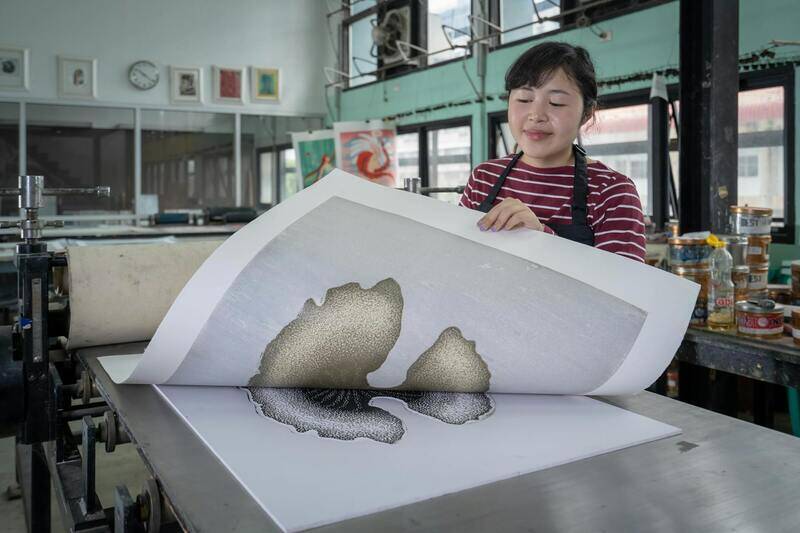
Beyond standard dimensions, custom sizes are frequently employed to meet unique project specifications. Custom sizing allows for the creation of murals, oversized banners, or specialized signage tailored precisely to the spatial constraints or visual objectives of a particular environment. Modern digital printing technology supports various scales, enabling production of prints that surpass conventional dimensions without sacrificing quality.
Considerations for Size Selection
Choosing the correct large format printing size involves evaluating key factors such as the viewing distance, the environment where the print will be displayed, and the communication purpose. For instance, outdoor banners intended for distant viewing require larger dimensions to ensure readability, while interior posters can afford to be smaller yet detailed. Accurate measurement planning and consultation with printing professionals help ensure optimal sizing that maximizes visual impact and clarity.
Overview of Large Format Printing Sizes
Large format printing sizes encompass a wide spectrum designed to meet diverse application requirements. From expansive banners that dominate outdoor spaces to detailed interior murals, selecting the appropriate size is essential for effective visual communication. The dimension choice directly impacts the visual impact, installation feasibility, and the overall message delivery. By understanding the range of available sizes, clients can better tailor their projects to match spatial constraints, viewing distances, and functional purposes.

Factors Influencing Size Selection
- Intended Viewing Distance: Larger sizes are more effective for distant viewing, ensuring visibility and clarity.
- Installation Environment: Indoor settings might require smaller, easily manageable dimensions, while outdoor banners can be significantly larger.
- Purpose of the Print: Promotional events, murals, signage, and trade shows each necessitate specific size considerations.
- Material Constraints: Some materials may have limitations on maximum size due to handling or transportation requirements.
Standard Large Format Printing Dimensions
Standard sizes simplify project planning by providing commonly accepted dimensions that cater to typical usage scenarios. These dimensions facilitate quick decision-making and are widely available across printing providers.
- A0 (33.1 x 46.8 inches): Ideal for billboards, banners, and large visuals that need to command attention from afar. Perfect for outdoor signage and large architectural displays.
- A1 (23.4 x 33.1 inches): Suitable for trade shows, promotional posters, and retail displays where portability and size are balanced.
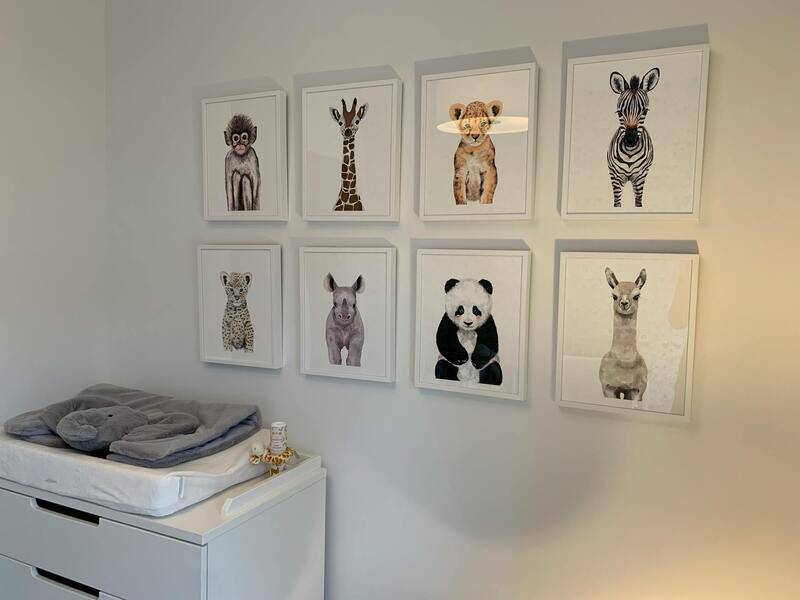
- A2 (16.5 x 23.4 inches): Perfect for indoor signage, detailed artwork, and informational posters within retail or corporate environments.
Common Uses of Standard Sizes
- Outdoor advertising and banners (A0)
- Trade show displays and point-of-sale materials (A1)
- Interior decor, informational signage, and retail posters (A2)
Materials and Media Used
The selection of material influences not only the visual allure but also the maximal size achievable without compromising quality. Durable, weather-resistant options like vinyl or mesh are favored for outdoor applications, while paper products work well indoors. Specific media types include:
- Vinyl - weather-resistant, suitable for banners and outdoor signage
- Canvas - ideal for art reproductions and murals
- Backlit film - enhances visibility for illuminated signs
- Mesh fabrics - allow airflow, perfect for large outdoor banners exposed to wind
Industry-Standard Sizes and Their Applications
Industry norms streamline production and ensure compatibility with various installation systems. Standard sizes allow installers to easily plan mounting and support structures, reducing setup time and costs. These sizes are also optimized for material sheet dimensions to minimize waste and enhance cost-efficiency.
- A0 (33.1 x 46.8 inches): Used predominantly for large-format banners, murals, and outdoor billboards.
- Custom sizes often follow a similar aspect ratio but are tailored precisely to project requirements when standard options do not suffice.
Maximizing Impact with Proper Size and Composition
Choosing the right size plays a critical role in message readability and aesthetic appeal. Large sizes capture attention from a distance, allowing for bold design elements and clear communication. For instance, expansive banners can carry minimal text with striking imagery, ensuring that viewers grasp the core message quickly. In contrast, smaller large format prints like posters or detailed murals benefit from high-resolution images and precise typography to maintain clarity at close viewing distances. Proper composition involves balancing size with visual hierarchy to lead viewers' eyes naturally across the design, emphasizing key messages and branding elements effectively.
Overview of Large Format Printing Sizes
Large format printing encompasses a wide array of dimensions designed to cater to diverse promotional, decorative, and informational needs. The primary goal in selecting the right size is ensuring that the print effectively captures attention while fitting seamlessly into the intended display environment. This overview explores the common and specialized sizes used in the industry, highlighting their applications and the considerations for choosing the appropriate dimensions for each project.
Standard Large Format Printing Dimensions
Within the realm of large format printing, certain standard sizes have emerged as industry benchmarks due to their compatibility with typical installation setups and material sheet dimensions. These sizes facilitate production efficiency and cost management by maximizing material utilization. Common standard sizes include:
- 24 inches (61 cm) width — Versatile for banners, posters, and point-of-sale displays, often customized in height according to project needs.
- 36 inches (91.4 cm) width — Ideal for detailed posters and signs where higher resolution and clarity are required.
- 48 inches (122 cm) width — Widely used for large banners, murals, and exhibition backdrops, allowing for expansive visuals without excessive seaming.
- 54 inches (137 cm) width — Suitable for wide-format graphics that demand greater visual impact, such as outdoor billboards and storefront displays.
- 60 inches (152 cm) width — Commonly used in outdoor signage and large-scale banners, optimized for minimal seam visibility.
- Custom dimensions — Adjusted to fit specific project requirements, often following aspect ratios similar to standard sizes but tailored for unique applications.
Material and Media Types Utilized
The selection of media plays a crucial role in defining the size and durability of large format prints. Materials are chosen based on the intended environment, lifespan, and visual effect desired. Here are some frequently used media types:
- Vinyl — Durable and weather-resistant, perfect for outdoor signage and banners.
- Canvas — Offers a textured finish suitable for fine art reproductions and gallery displays.
- Backlit films — Designed for illuminated signage, providing vibrant colors when lit from behind.
- Mesh fabrics — Lightweight and breathable, ideal for large outdoor banners exposed to wind conditions.
- PVC and foam board — Rigid media used for point-of-sale displays, trade show booths, and signage where stability is essential.
Industry-Standard Large Format Printing Sizes and Applications
Established sizes streamline production workflows and installation processes, ensuring compatibility with common display systems. For instance, banners in 48-inch widths fit easily into standard roller systems, while posters sized at 24 inches are suitable for framing or mounting. These sizes are also aligned with material sheet dimensions, enabling minimal waste and cost efficiency. Examples include:
- A0 (33.1 x 46.8 inches / 84 x 119 cm) — Predominantly used for large murals, outdoor billboards, and promotional displays.
- A1 (23.4 x 33.1 inches / 59 x 84 cm) — Used for promotional posters, event signage, and detailed artwork.
- Custom sizes — For projects requiring unique dimensions, tailored sizing ensures maximum visual impact without unnecessary material wastage.
Factors to Consider When Selecting a Size
- Viewing distance — Larger sizes are essential for signs intended to be seen from afar, such as billboards and outdoor banners.
- Location and environment — Outdoor settings demand weather-resistant materials and sizes that maximize visibility amidst background clutter.
- Message complexity — Bold, simple designs benefit from expansive sizes to deliver quick understanding, whereas detailed graphics may require closer viewing distances with smaller formats.
- Installation constraints — Size must align with mounting surfaces and infrastructure capabilities to ensure safe and efficient deployment.
Maximizing Visual Impact with Correct Size and Composition
Choosing appropriate dimensions directly influences the communication effectiveness of visual materials. Oversized banners and murals leverage visual dominance, captivating viewers through scale and color intensity. Conversely, smaller formats like posters and murals facilitate detailed storytelling and close-up appreciation. Effective composition balances size with visual hierarchy, emphasizing key messages and branding elements, guiding the viewer’s eye naturally across the display. Incorporating ample negative space, contrasting colors, and clear typography enhances readability and aesthetic appeal, ensuring that the message remains impactful regardless of viewing distance.
Understanding Large Format Printing Size Limitations and Opportunities
Knowing the constraints and possibilities when working with large format printing sizes is essential for producing impactful visual displays. These sizes influence everything from material choice to installation planning, ensuring that the final product effectively communicates the intended message. Industry-standard dimensions often serve as a baseline, but custom sizing opens avenues for unique and engaging projects.
Material Compatibility with Size Variations
The selection of suitable materials significantly impacts the ability to achieve desired large format sizes. Common media such as vinyl, fabric, and rigid substrates like foam board or aluminum can accommodate various dimensions, but each has specific limitations based on thickness, flexibility, and durability. For instance, flexible materials like vinyl enable expansive banners and wall coverings, while rigid substrates are ideal for sturdy displays such as signage and displays in high-traffic areas.
Printer Capabilities and Technical Limitations
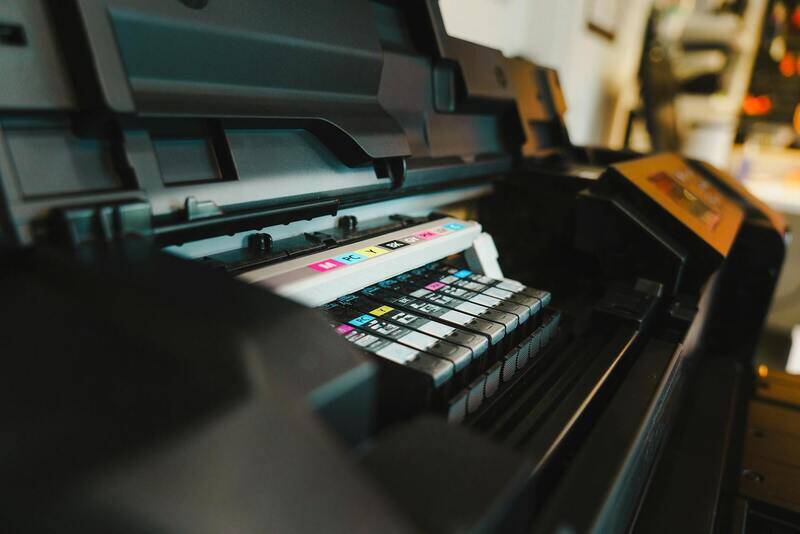
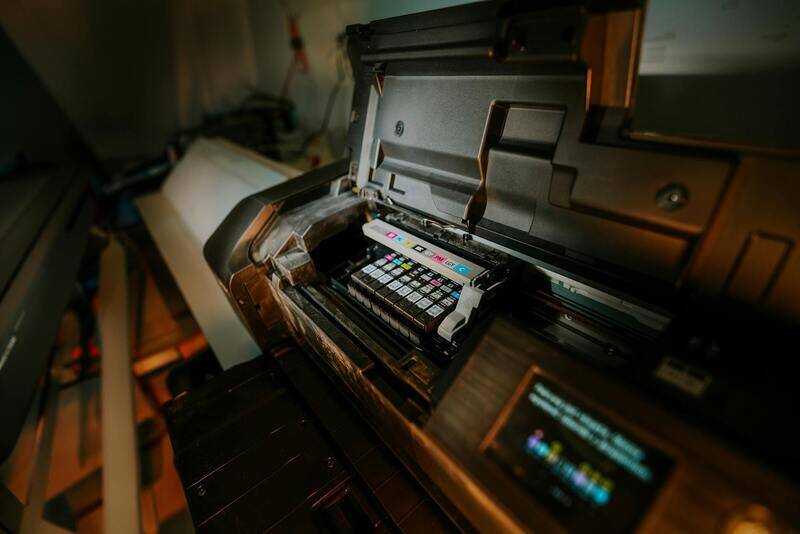
Modern large format printers are designed to handle a wide range of sizes, yet each device has specific maximum dimensions based on print head width, roll capacity, and feeding mechanisms. Some high-end printers support prints that are several meters wide, suitable for panoramic banners, murals, and outdoor billboards. Conversely, smaller format printers excel in producing large, detailed graphics with superior resolution. It is crucial to understand the limitations and capabilities of the chosen equipment to avoid production delays and ensure quality.
Precision and Resolution at Different Sizes
As the print size increases, maintaining image resolution becomes increasingly important. Higher resolutions are essential to preserve detail and clarity in oversized visuals. Custom sizes may require adjustments in resolution settings, especially for projects where close-up viewing is expected. Proper calibration and pre-press preparation guarantee that large prints retain crispness and color accuracy across various dimensions.
Balancing Size with Installation Constraints
Large format prints often require specialized installation techniques. Consider factors such as the physical space's size, mounting infrastructure, and weather conditions for outdoor displays. Achieving a seamless, professional appearance hinges on selecting sizes compatible with the installation environment, thus reducing potential complications during deployment.
Emerging Techniques and Custom Sizing Solutions
Advancements in digital printing technology continue to push the boundaries of achievable sizes and customization. Polymeric and fabric-based materials permit flexible sizing options, while modular systems enable the assembly of oversized displays from multiple panels. These innovations allow for tailored dimensions that fit unique spatial requirements, making large format printing a versatile solution for diverse marketing and branding needs.
