
Understanding Large Format Printing
Large format printing, often referred to as wide-format printing, encompasses the production of images and designs on materials that exceed standard printing sizes. This specialized process enables the creation of expansive visual displays, from towering wall murals to detailed gallery prints, making it an invaluable tool for both commercial and personal applications. The dimensions of huge picture prints typically range from 24 inches up to 120 inches in width, with lengths extending proportionally based on the project specifications. These sizes allow for striking visual impacts that cannot be achieved through conventional printing methods.
The materials used for producing huge picture prints are diverse, each offering unique qualities tailored to different environments and aesthetic preferences. Common options include high-quality photographic papers with inkjet archival inks, canvas materials designed for durability and texture, vinyl substrates for outdoor durability, and fabric options that offer flexibility and a soft finish. The choice of material significantly influences the longevity, appearance, and application of the final print, making it essential to select appropriately based on the intended use.
One of the key advantages of large format printing is its ability to produce high-resolution images that maintain clarity and color accuracy at massive sizes. This capability is crucial for applications that demand detailed imagery, such as fine art reproductions, promotional banners, or customized interior decor. Additionally, large printers utilize advanced inkjet technology to deliver sharp, vibrant results, ensuring that every detail is faithfully rendered regardless of scale.
The benefits of huge picture prints extend beyond visual impact. They include:
- Enhanced spatial presence: Making spaces feel more immersive and engaging.
- Personalization potential: Tailored to specific dimensions and aesthetic preferences.
- Versatility in applications: From corporate branding to personal keepsakes and artistic displays.
- Durability: When produced with the right materials and inks, large prints can resist fading and environmental factors, ensuring long-term visual appeal.
In summary, understanding the scope and capabilities of large format printing unlocks myriad possibilities for impactful visual communication. Whether for transforming a blank wall into a captivating art piece or creating an eye-catching advertising display, huge picture prints offer a compelling combination of size, quality, and flexibility that serve diverse needs across industries and personal endeavors.
Identifying Authorized Sources for Large-Scale Prints
Securing high-quality, scaled-up images requires sourcing from reputable printing service providers that adhere to strict standards and utilize cutting-edge technology. It is essential to work exclusively with established companies known for their technological capabilities, extensive experience, and commitment to quality assurance. These providers often possess a diverse portfolio, offering an array of materials, formats, and finishing options that suit different aesthetic and durability requirements.
When choosing a vendor, consider their certification and compliance with industry standards, as these indicators reflect adherence to quality management practices. Standard certifications include ISO standards for quality, environment, and safety, which can influence the reliability of the final print. Additionally, reputable providers often showcase customer reviews, case studies, and portfolios that demonstrate successful large-format projects across various sectors, from commercial advertising to fine art displays.
It is advisable to verify the authenticity of the provider’s equipment and ink systems. Top-tier large-scale printing operations utilize advanced inkjet printers equipped with multiple color channels for precise color matching and high-resolution output. They often employ archival inks that resist fading over time, ensuring the longevity of your prints. Moreover, credible service providers maintain rigorous quality control processes, including color calibration, material inspection, and post-production checks before shipment.
Evaluating Service Offerings and Capabilities
- Material Diversity: A capable provider offers a range of substrates such as canvas, vinyl, fabric, metal, acrylic, and special textured surfaces tailored for specific applications.
- Custom Sizing: The ability to produce custom dimensions, sometimes up to several meters in width, ensures that your vision is accurately realized without compromise.
- Finish Options: From matte to high gloss, semi-gloss, or metallic finishes, varied options enhance visual appeal and suit different environments.
- Rapid Turnaround: Efficient production workflows enable timely delivery critical for commercial or personal projects requiring tight schedules.
- Expert Consultation: Experienced staff can advise on material selection, image resolution, and design tips to optimize the final appearance.
Consulting with dedicated professionals ensures that your large-scale images meet both aesthetic expectations and environmental considerations, such as UV resistance and outdoor durability, when appropriate. By selecting a service with reputation, technological competence, and comprehensive capability, it becomes feasible to realize large picture prints that satisfy exacting standards and personal or professional ambitions.
Supporting Resources for Accurate Sourcing
Further assurance can be gained by reviewing the provider’s case studies, technical datasheets, and customer feedback. Industry directories and professional associations often feature curated listings of trusted printing companies renowned for their specialization in huge picture prints. Establishing direct communication with the provider can also clarify their process, turnaround times, and quality guarantees, assisting in making an informed decision aligned with your specifications.
Exploring Authorized Channels for Large-Scale Printing
To achieve the highest quality for huge picture prints, working through established and authorized providers is essential. These sources leverage certified equipment, premium materials, and adhere to strict quality standards, ensuring your images are reproduced with precision and durability. Recognized large-format printing companies maintain rigorous inspection protocols and employ professional-grade printers capable of handling expansive media without compromise, resulting in sharp details, accurate color representation, and consistent textures across the entire print surface.
Choosing a reputable service provider isn’t solely about quality assurance; it also encompasses transparency in processes, consistent delivery timelines, and comprehensive customer support. Many trusted providers showcase extensive portfolios, detailed case studies, and technical specifications that demonstrate their capabilities. These consortia often belong to industry associations or participate in accreditation programs that emphasize standards in large-format printing, giving you confidence in their operational excellence and adherence to best practices.
Direct communication with experienced specialists during the ordering process can clarify the specifics of print setups, material compatibility, and environmental conditions suitable for your project. Discussions about image resolution, color management, and finishing options are integral to achieving the desired outcome, whether for gallery displays, commercial advertising, or personal décor. By engaging with firms that prioritize quality control and customer satisfaction, you can significantly reduce errors and ensure that your large picture prints meet expected standards.
Verifying Credentials and Service Reliability
- Review company's certification, accreditation, and industry affiliations.
- Examine case studies and client testimonials that showcase similar projects.
- Consult technical datasheets detailing material specifications and printing technologies used.
- Establish clear communication channels to discuss project timelines, revision policies, and post-print support.

Furthermore, these providers invest in state-of-the-art printers and quality assurance systems—such as spectrophotometers and color calibration software—ensuring color accuracy and consistency across different batches and materials. Their extensive inventory of premium substrates caters to various display environments, from high-gloss wall-art to matte finishes suited for ambient lighting conditions. With comprehensive documentation, such as technical datasheets and processing workflows, reputable companies make it easier for customers to understand the entire production cycle and ensure their expectations are met.
Engaging with trusted sources also means access to reliable support during the entire ordering process, from initial concept through to final delivery. Many providers offer sample testing, allowing clients to review product samples before committing to large orders, thereby preventing costly mistakes. Transparent policies on revisions, refunds, and quality guarantees further reinforce your confidence in their ability to deliver exceptional huge picture prints that align with your specifications and artistic vision.
Exploring Legal and Ethical Methods for Large-Scale Photo Display
When it comes to creating impressive huge picture prints, ensuring the use of legitimate and respectful sources for acquiring images is fundamental. The foundation of captivating large-format displays lies in the quality and authenticity of the visuals, which can be achieved through a variety of official channels. This includes licensing authentic photographic images from reputable stock photo agencies. These agencies offer extensive libraries of high-resolution images suitable for large-scale printing, ensuring that every detail remains sharp and vibrant when scaled up.

Engaging directly with professional photographers is another excellent method. Many artists and photographers offer their work under licensing agreements, explicitly allowing the reproduction and expansion of their images in large formats. This approach not only guarantees the originality of the artwork but also respects the intellectual property rights of creators, fostering a fair environment for artistic expression.
Utilizing publicly available images with proper permissions can also be an effective means. For instance, several platforms host images under public domain or Creative Commons licenses. These licenses outline clear guidelines on how images can be used and reproduced, including large-format printing. Ensuring compliance with these terms is crucial to maintain ethical standards and to honor the work of the original creators.
In addition to sourcing images responsibly, it is wise to verify the quality and resolution of your chosen visuals. High-resolution images are essential to ensure that enlarged prints do not suffer from pixelation or loss of detail. Using authenticated sources allows for access to images specifically formatted for large-format printing, which helps achieve the desired visual impact while adhering to proper usage terms.
Another legitimate practice involves collaborating with commercial art licensing platforms or print service providers that maintain partnerships with content creators. These arrangements facilitate access to exclusive images suitable for large-scale applications, delivering both compliance and high visual standards.
By focusing on these official channels—stock libraries, licensed photographers, and public domain sources—individuals and businesses can produce impressive huge picture prints that are both visually stunning and ethically sound. Proper validation of image rights not only prevents legal complications but also supports the continuation of artistic work, encouraging a vibrant ecosystem of creative expression and high-quality large-format prints.
Understanding Large Format Printing
Large format printing has revolutionized visual communication, allowing for the creation of impactful, high-resolution images that can span entire walls or display areas. This process involves specialized printing equipment capable of producing images on dimensions far exceeding standard printing options, typically ranging from 24 inches to over 60 inches in width. The precision and quality of these prints make them invaluable for various applications, including advertising, interior decoration, fine art reproductions, and corporate branding. To ensure the final output meets expectations, it’s essential to grasp the nuances of large-format printing, including material choices, technological advancements, and design considerations.

Types of Large-Scale Prints
Large-scale prints come in several types, each tailored for specific aesthetic and functional purposes. Here are some of the most common categories:
- Photographic Prints: These are detailed reproductions of digital images, often used for art exhibitions or professional displays. They typically utilize high-resolution inkjet technology on premium materials to preserve image fidelity.
- Fine Art Prints: Created on specialized papers like cotton rag or hot press, these prints prioritize color accuracy, depth, and longevity, making them ideal for art galleries and collectors.
- Banner and Poster Prints: Usually made from durable vinyl or fabric, these large-format prints are designed for outdoor or high-traffic environments, emphasizing durability and visibility.
- Canvas Prints: Stretched canvases provide a textured, classic look, perfect for interior decor and personalized art projects. They are often mounted and ready to hang, enhancing the visual appeal.
Choosing the Right Material for Huge Prints
The material selection plays a crucial role in the longevity, appearance, and suitability of large-format prints. The following options are prominent in the industry:
- Glossy and Lustre Paper: These surfaces enhance color vibrancy and sharpness. Lustre finishes, in particular, reduce glare, making them suitable for gallery displays and framed art pieces.
- Matte Paper: Known for its non-reflective surface, matte paper minimizes glare and fingerprints, ideal for prints viewed in well-lit environments or for a more subdued aesthetic.
- Canvas: Providing texture and depth, canvases are durable and suitable for both indoor and outdoor environments once properly coated and protected.
- Vinyl and Banner Materials: Designed for outdoor durability, these materials resist weathering, tearing, and UV rays, perfect for advertising and event signage.
- Specialty Papers: Metallic or hot press papers are selected for specific artistic effects, adding depth or a unique finish to the print.
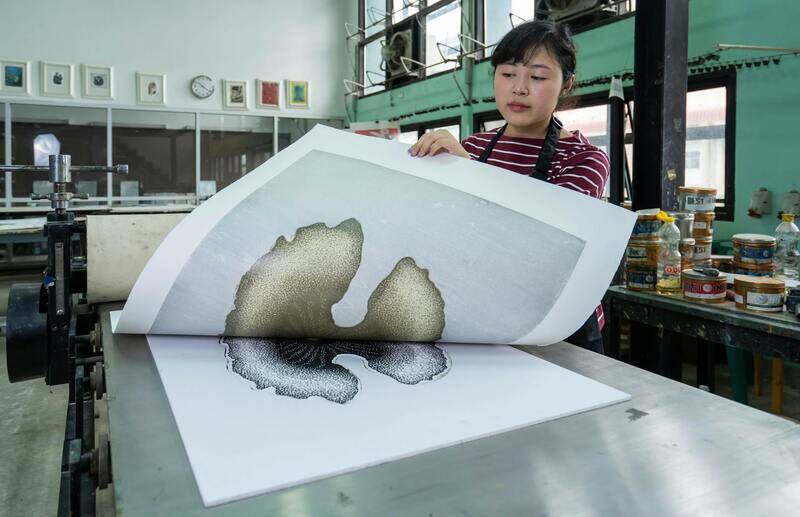
Material options tailored for different large-format printing needs Printing Techniques and Technologies
Advancements in printing technology have provided a variety of methods to produce stunning large-format images with precision and durability. The most prevalent techniques include:
- Inkjet Printing: This versatile method employs tiny droplets of ink to produce high-resolution prints. Modern inkjet printers support multiple ink sets, including archival inks that ensure longevity.
- Solvent and Eco-Solvent Printing: Utilizing solvent-based inks, these printers deliver vibrant colors with excellent adhesion on non-porous surfaces like vinyl. Eco-solvent variants are environmentally friendlier and suitable for outdoor banners.
- Latex Printing: Known for its quick drying process and eco-friendliness, latex printing offers durable, flexible prints ideal for banners and textiles.
- UV Printing: This technique applies UV-cured inks that are instantly dried on rigid surfaces, making it suitable for industrial signage and 3D objects.
The selection of printing technology depends on the material used, desired print longevity, and environmental considerations. Modern printers commonly integrate multiple techniques to optimize quality, color accuracy, and adherence to different substrate properties.

Advanced printing techniques ensure high-quality, durable large-format images Ensuring Compliance with Official Methods for Huge Picture Prints
When producing large picture prints, it is essential to adhere to established and recognized procedures that guarantee the integrity, quality, and legal use of the images. These methods focus on sourcing images through authorized channels, utilizing licensed or properly obtained content, and following industry standards for reproduction. By following these legitimate routes, clients can achieve stunning visuals while respecting intellectual property rights and maintaining professional standards.
Utilizing Licensed Images and Proper Permits
- Acquiring images through authorized vendors: Obtaining photographs or digital artwork from reputable stock image agencies, photographers, or content providers ensures that the images are legally licensed for large-format reproduction. Vendors often provide licensing agreements that specify usage rights, print dimensions, and distribution parameters.
- Securing necessary permissions: For personalized projects or proprietary images, it is crucial to obtain written consent or licensing agreements from image owners. This process involves detailed documentation to verify right to reproduce and display the image in large formats.
- Adhering to content usage policies: Understanding and complying with licensing terms prevents infringement issues. This includes respecting restrictions on commercial use, geographic limitations, and modifications to the original image.
Leveraging Digital Rights Management and Proper Storage
- Implementing digital rights management (DRM): Employing DRM solutions during digital storage and transfer helps safeguard images from unauthorized use, ensuring that only authorized personnel access the high-resolution files intended for printing.
- Maintaining original files: Keeping high-quality, unaltered original images in secure, organized locations preserves their quality and authenticity, making sure that the final print matches the intended design.
- Using verified transfer methods: When sharing digital images with print service providers, use secure, trackable methods such as encrypted file transfers or dedicated file-sharing platforms to prevent tampering or unauthorized duplication.
Compliance with Industry Standards and Certifications
- Following print industry standards: Adhering to specifications such as color profiles, resolution requirements, and file formats aligns with professional best practices, ensuring consistent, high-quality output.
- Choosing accredited printing services: Working with established printing providers who are certified and comply with industry regulations guarantees adherence to quality and safety standards for large-scale prints.
- Maintaining proper documentation: Keeping detailed records of licenses, permits, and correspondence related to image rights assures traceability and accountability throughout the printing process.
Proper licensing and secure handling are key to producing large picture prints that are both high-quality and compliant with official standards. Understanding Large Format Printing
Large format printing has revolutionized the way images are displayed on expansive surfaces, making it possible to produce breathtaking visual displays that captivate viewers. Employing high-resolution digital imaging and sophisticated printing technology, large picture prints allow for the reproduction of detailed images on scales that surpass traditional printing methods. These prints are essential in various applications, from interior decoration and commercial advertising to art exhibitions and personal projects. The process ensures that every nuance, color gradient, and texture captured in the original digital file is faithfully represented, resulting in a vibrant, impactful final product that commands attention and enhances surroundings.
Factors Contributing to High-Quality Large Prints
- Resolution: Achieving crisp, clear images requires high-resolution files, typically 300 dpi or higher, to prevent pixelation when enlarged.
- Color Accuracy: Using color profiles and calibration tools ensures that the printed colors match the original digital design, preserving visual integrity.
- Printer Capabilities: Advanced inkjet or dye-sublimation printers with large-format proficiency are vital for consistent quality across expansive surfaces.
- Material Selection: The choice of substrate impacts both aesthetic appeal and durability, influencing how well the image retains vibrancy over time.
Understanding these elements helps in selecting the right approach and achieves impressive results in large picture printing endeavors.
Types of Large-Scale Prints
Large-scale printing encompasses a range of formats tailored to different stylistic and functional requirements. Some common types include:
- Gallery Wrap Canvas: Prints stretched over deep wooden frames, creating a three-dimensional effect suitable for art displays.
- Poster Prints: Cost-effective and versatile, ideal for promotional or decorative purposes.
- Metal Prints: Embossed with a metallic surface, offering a modern, high-gloss appearance that enhances colors and depth.
- Acrylic Prints: Printed on a glossy or matte acrylic surface, delivering vibrant images with a sleek finish.
- Vinyl Banners: Durable and weather-resistant, used extensively in outdoor advertising and large event backdrops.

High-resolution large picture print displayed as a gallery wrap canvas, exemplifying vivid detail and coloration. Choosing the Right Material for Huge Prints
Material selection is crucial for ensuring your large photo displays meet your aesthetic, environmental, and longevity expectations. Some prominent options include:
- Canvas: Popular for artistic applications, canvas provides a textured, classic look and is suitable for framing or gallery presentation. It is also highly durable and resistant to environmental factors.
- Metal: Metal surfaces, typically aluminum, offer high durability, moisture resistance, and a sleek, modern finish that intensifies colors and contrast.
- Acrylic: Known for its glossy appearance, acrylic provides a sharp, vibrant presentation and is ideal for high-end art and photographic displays.
- Vinyl: Used mainly for banners or outdoor signage, vinyl is weatherproof, flexible, and suitable for large-scale temporary or permanent installations.
- Photo Paper: Archival-quality photo papers with varying finishes (lustre, gloss, matte) are preferred for indoor prints requiring fine detail and color accuracy.
Careful consideration of the display environment and desired aesthetic will help determine the most appropriate material for your large picture print.
Maintaining and Displaying Your Large Photo Prints Effectively
Proper maintenance and presentation are vital for ensuring your huge picture prints retain their vibrancy, clarity, and structural integrity over time. Careful handling, appropriate framing, and strategic mounting not only enhance visual appeal but also prolong the lifespan of these impressive displays.
Handling and Care Tips for Huge Prints
- Preventive Handling: Always handle large prints with clean, dry hands or wear cotton gloves to avoid transferring oils, dirt, or moisture. Support the print from the backing or edges to prevent bending or creasing.
- Cleaning: Gently dust the surface with a soft, lint-free cloth or a soft brush. Avoid using water, cleaning solutions, or abrasive materials, especially on glossy or acrylic finishes, to prevent scratching or surface damage.
- Environmental Conditions: Display your large photo prints in environments with stable humidity and temperature levels. Avoid direct sunlight, which can cause fading or gloss degradation. Keep them away from heat sources and avoid exposure to excessive moisture.
Framing and Mounting Strategies
Choosing the right framing and mounting options is essential to showcase your large images effectively and protect them from damage.
- Framing: For prints on canvas or paper, custom frames can add a sophisticated touch and safeguard the edges. For acrylic or metal prints, consider mounting with specialized hardware that minimizes contact points, preserving the glossy or metallic finish.
- Floating Frames: Ideal for acrylic or metal prints, floating frames create a modern, sleek appearance and provide a slight gap between the print and the frame, highlighting the artwork’s edges.
- Wall Mounting: Use secure hardware such as heavy-duty hooks, wall anchors, or professional mounting systems designed to support substantial weight. For large canvas or acrylic pieces, French cleats or bracket mounts offer stability and even weight distribution.
Ensuring Long-Term Visual Impact
- Regular Inspection: Periodically check for signs of deterioration, such as warping, discoloration, or damage to mounting hardware. Address issues promptly to maintain aesthetic integrity.
- Cleaning Routine: Incorporate gentle cleaning into your maintenance routine, ensuring dust and pollutants don’t accumulate on the surface, especially in indoor environments prone to airborne contaminants.
- Environmental Control: Keep your display areas well-ventilated and avoid placing prints near windows or heating vents to minimize UV exposure and temperature fluctuations that can accelerate aging.

Proper care and strategic display ensure your large photo prints remain stunning and durable over time.
