
Introduction to Colour Poster Printing
Colour poster printing stands as a pivotal element in the domain of visual communication, offering businesses and organizations in Singapore a dynamic platform to showcase their messages effectively. This printing method transforms creative concepts into high-impact visual displays, leveraging vibrant colors and detailed graphics to attract attention and convey messages succinctly. The significance of colour poster printing extends beyond mere aesthetics; it plays a crucial role in branding, advertising, and marketing campaigns by enhancing visibility and memorability of the brand or message being promoted.
In Singapore’s competitive market environment, the ability to produce eye-catching posters quickly and with high quality can set a brand apart from its competitors. Whether for promoting a new product, an upcoming event, or reinforcing corporate identity, colour posters are an economical yet powerful tool that combines visual appeal with informational content. Professional poster printing services employ advanced technology and a variety of materials to ensure the final product not only meets precise design specifications but also withstands environmental factors, especially for outdoor use.

The importance of high-quality colour poster printing is underscored by the necessity for precision in color reproduction. Accurate color matching ensures that the finished posters, whether promotional, informational, or decorative, reflect the intended design and branding guidelines. Additionally, vibrant, durable prints help capture consumer interest at first glance, increasing the likelihood of engagement. As a result, investing in professional colour poster printing can significantly impact the success of marketing initiatives, making it an indispensable part of comprehensive branding strategies in Singapore.
Having a comprehensive understanding of the various aspects involved in colour poster printing—from types and formats to materials used and technological processes—is crucial for making informed choices. Selecting a reputable printing service that offers consistency, quality, and customization options can deliver posters that meet specific campaign goals and budget constraints. As you explore options in Singapore, recognizing the value of officially sanctioned printing methods ensures your posters adhere to quality standards and can effectively serve their intended purpose in various environments.
Understanding Materials and Finishes for Colour Posters
When it comes to colour poster printing, the choice of materials and finishes is pivotal in determining both the visual impact and durability of the final product. Reputable printing services offer a wide range of material options, each suited to specific environments—whether indoor or outdoor—and design objectives. Selecting the right substrate not only enhances the aesthetic appeal but also ensures the poster maintains its vibrancy and structural integrity over time.
Popular Materials for Colour Posters
- Glossy Paper: Offers vibrant, eye-catching colors with a reflective surface, ideal for indoor displays like exhibitions and retail counters.
- Satin Finish: Provides a sophisticated sheen that balances vibrant colors with reduced glare, suitable for both indoor and semi-outdoor applications.
- Matte Paper: Reduces glare and reflections, making it perfect for posters viewed under bright lighting or in environments where clarity is crucial.
- Vinyl Films: Highly durable and weather-resistant, perfect for outdoor signage where exposure to elements is a concern.
- Mesh Vinyl: Lightweight and breathable, often used for large banners exposed to wind and outdoor conditions.
Finishing Options to Elevate Poster Quality
Finishes significantly influence both the aesthetic and longevity of colour posters. Some common options include:
- Lamination: Adds a protective layer that guards against scratches, moisture, and UV rays, extending the lifespan of outdoor posters.
- UV Coating: Enhances vibrancy and provides resistance against fading caused by sun exposure.
- Spot UV: Adds a glossy or matte effect to specific areas of the poster for highlighting particular design elements.
- Varnishing: Spot or overall varnish can provide a matte, satin, or gloss finish, enriching the tactile and visual appeal.
Environmental Considerations
For posters intended for outdoor use, the material's resistance to weather conditions is crucial. Vinyl-based materials with lamination or UV coatings are commonly chosen to withstand rain, sunlight, and wind without compromising visual quality. Conversely, indoor posters benefit from lighter materials like satin or matte paper, which facilitate easy handling and repositioning without the added expense of weatherproofing.
Customisation and Material Selection
Professional colour poster printing providers often assist clients in selecting suitable materials that align with their branding and campaign objectives. Customisation options include size, thickness, and finishes that cater to specific environmental requirements and aesthetic preferences. By choosing the appropriate combination of material and finish, clients can ensure that their posters remain visually vibrant and structurally intact, delivering their message effectively over an extended period.
Materials and Finishes for Colour Posters
Choosing the right materials and finishes is essential to ensure that your colour posters achieve the desired visual impact and durability. A variety of materials are available in the market, each suited to different environments and purposes. Glossy paper is popular for indoor displays, as it enhances vibrancy and makes colours appear more vivid, ideal for promotional posters, event advertisements, and retail displays. Matte finishes, on the other hand, reduce glare and fingerprint smudges, making them suitable for more formal or art-focused presentations where a subdued, elegant appearance is preferred.
Waterproof papers and weather-resistant materials are crucial for outdoor posters exposed to elements such as rain, wind, and sunlight. Vinyl-based substrates, especially when combined with lamination or UV coatings, provide excellent resistance to moisture and UV fading, ensuring the poster maintains its visual quality over time. These durable materials are often utilized for large-scale advertising campaigns, event signage, and outdoor branding initiatives.
Finishes such as lamination, acrylic mounting, and varnishing further enhance the look and longevity of posters. Lamination adds a protective layer that shields against scratches, moisture, and UV rays, making it suitable for outdoor applications that demand weather resistance. Acrylic mounting offers a premium, glossy finish that immediately elevates the visual appeal, often used for gallery-quality displays or high-end promotional posters. Varnishes, whether matte, satin, or gloss, provide additional textural effects and can be selectively applied to specific areas of the poster to highlight particular design elements, creating a dynamic visual effect.
Application Suitability of Different Materials and Finishes
- Glossy finishes: Ideal for indoor retail promotions, art displays, and event posters where vibrant colour reproduction is paramount.
- Matte finishes: Suitable for professional, subdued presentations, or locations where glare reduction enhances readability.
- Waterproof vinyl: Best suited for outdoor advertising and signage exposed to weather conditions.
- Lamination: Provides comprehensive protection for posters in high-traffic or outdoor settings.
- Acrylic mounting: Used for high-end exhibitions, trade shows, and premium branding displays.
- Spot UV varnish: Adds emphasis to key visual elements, such as logos or specific design features.
By selecting the appropriate material and finish, clients can ensure that their posters remain visually appealing and structurally sound, regardless of the environment in which they are displayed. Working with experienced printing providers can help determine the ideal combination based on specific project requirements, ensuring the message remains impactful over the desired lifespan.
Understanding the Range of Materials and Finishes for Colour Posters
Choosing the right materials and finishes is crucial for producing eye-catching and durable colour posters, especially when they need to withstand various environmental conditions or meet specific aesthetic requirements. The selection process involves evaluating factors such as the intended display environment, projected lifespan, and the type of visual impact desired.
For indoor displays where vibrancy and clarity are essential, options like high-quality gloss, satin, or matte papers are popular. Gloss finishes tend to enhance colour richness, making images appear more vibrant and details sharper. Satin finishes offer a subtle sheen that balances vibrancy with glare reduction, making it suitable for frequent viewing. Matte finishes, on the other hand, help in minimizing reflections and fingerprints, providing a more subdued look that is ideal for professional presentations or subdued environments.
For outdoor posters exposed to weather elements, waterproof and fade-resistant materials are indispensable. Waterproof vinyl banners and weatherproof substrates like PVC or laminated paper extend the lifespan of posters, ensuring that colours remain vivid over time. Vinyl banners with a high-quality lamination layer offer excellent resistance to rain, UV rays, and scratches, making them perfect for outdoor advertising campaigns.
High-end finishes like acrylic mounting bring an additional layer of sophistication and durability, typically used in exhibits or premium branding scenarios. Acrylic provides a glossy, mirror-like surface that intensifies colours and adds a contemporary feel. The application of spot UV varnish selectively highlights specific areas such as logos or key design elements, creating a dynamic contrast that draws attention to important details.
Application Suitability of Different Materials and Finishes
- Glossy finishes: Best suited for retail promotions, art displays, and event posters where capturing attention through vivid colours is a priority.
- Matte finishes: Ideal for professional settings and environments where glare reduction enhances readability, such as conference rooms or galleries.
- Waterproof vinyl: Suitable for outdoor signage exposed to weather conditions, ensuring longevity and colour preservation.
- Lamination: Offers comprehensive protection in high-traffic areas, safeguarding against dirt, moisture, and physical wear.
- Acrylic mounting: Used in gallery-quality displays and high-end advertising, adding an element of durability and visual appeal.
- Spot UV varnish: Enhances visual hierarchy by emphasizing logos, borders, or specific design features.
Opting for a combination of these materials and finishes enables the creation of posters that not only stand out visually but also retain their impact over time. Collaborating with experienced printing providers allows for tailored solutions aligned with the client’s specific display needs and environmental considerations, ensuring maximum effectiveness of the promotional material.
Effective Methods for Producing Colour Posters with High Visual Impact
Creating vibrant, durable, and visually appealing posters involves a combination of official printing techniques and the right material selection. When striving for exceptional colour fidelity and detail accuracy, it is essential to rely on professionally established methods that ensure consistent quality and true-to-design reproduction.
One primary approach is the use of digital printing technologies, which have become the industry standard for producing colour posters. Inkjet printer systems, especially those employing eco-solvent inks, are capable of achieving a broad spectrum of colours with excellent gradation and sharpness. Eco-solvent inks are particularly valued for their ability to produce vibrant colours while offering increased resistance to environmental factors. This technology ensures that posters maintain their visual impact over extended periods, whether displayed indoors or outdoors.

In addition to inkjet printing, wide-format digital printers are specifically designed for large-scale posters. These printers can handle dimensions such as A0, A1, or even custom sizes, delivering consistent colour output across extensive surfaces. The precision of modern printers allows detailed design elements, intricate text, and gradient transitions to be reproduced faithfully, aligning with the original artwork’s intent.
Moreover, some printers incorporate advanced colour management systems, including ICC profiles and calibration processes, to guarantee colour accuracy across multiple print runs. This rigorous control ensures that posters produced at different times or locations match exactly, reinforcing brand consistency and visual coherence.
Advanced Printing Techniques for Superior Results
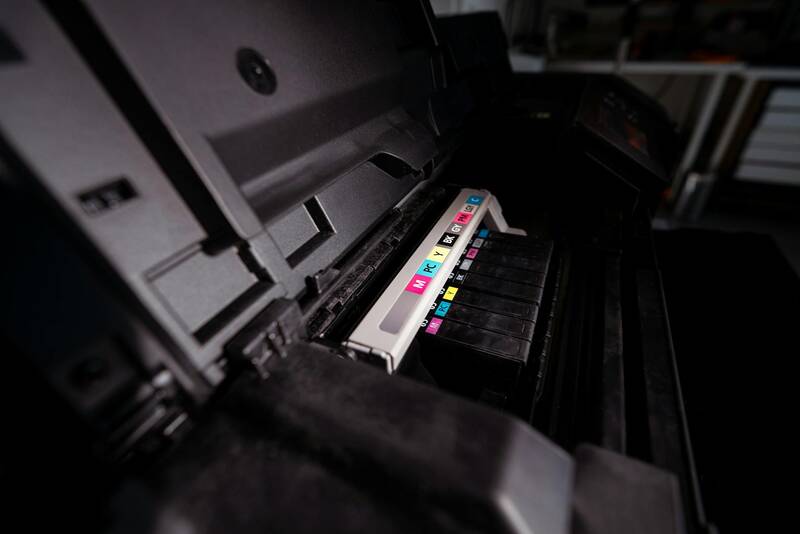
- Superwide Inkjet Printing: Designed for large-format posters, these printers utilize multiple ink cartridges with a wide colour gamut, ensuring depth and vibrancy in every print.
- Eco-Solvent and UV Printing: This combination provides not only brilliance in colour reproduction but also enhanced durability, making posters suitable for outdoor and high-traffic environments.
- Mixing and Layering Inks: Some methods involve layering inks or using special additives to create richer colours and a broader spectrum, which is particularly useful for complex designs and photographic images.

Another essential aspect is the adjustment of color profiles during the printing process. Color calibration techniques, including the use of spectrophotometers, help ensure the colours seen on the screen are accurately transferred to the printed poster. This meticulous process guarantees that the final product remains true to the original digital design, which is crucial for branding and promotional purposes.
Furthermore, for applications requiring intense colour saturation or special effects, some printers support the use of specialty inks or finishing layers, such as gloss or matte coatings, which enhance the visual appeal and longevity of colour posters. These coatings can amplify colours by providing a reflective surface or reducing glare, thus maximizing the poster’s impact in its display environment.
X
Incorporating these methods and technological insights ensures that colour poster printing produces striking visuals that effectively communicate messages and captivate the target audience. Professional printing providers equipped with advanced equipment and expertise can tailor solutions to meet specific project needs, whether for indoor displays, outdoor advertising, or high-detail photographic reproductions.
Choosing the Right Material for Colour Poster Printing
When selecting materials for colour poster printing, it’s essential to consider the intended display environment and the specific goals of the poster. The choice of material influences durability, visual impact, and overall presentation quality. Common options include various types of paper and vinyl, each suited for different applications. For instance, heavyweight gloss or satin paper is typically used for indoor posters due to its vibrant color reproduction and smooth finish, which enhances image clarity. Vinyl materials, on the other hand, offer greater resilience and weather resistance, making them suitable for outdoor displays where exposure to elements is a concern.
High-quality coated papers can intensify colour vibrancy, allowing the poster’s graphics and text to stand out vividly. Uncoated papers, while more economical, may result in a slightly muted appearance and are best used for simpler designs or indoor environments with minimal handling. Additionally, specialty options such as canvas or fabric substrates provide textured finishes that lend a sophisticated, artistic touch to the final product, ideal for premium branding or artistic displays.
Finishing Techniques to Enhance Colour Posters
Beyond material selection, finishing techniques play a vital role in elevating the visual appeal and longevity of colour posters. Applying coatings such as gloss, matte, or satin enhances the perceived colour richness and surface protection against scratches, fingerprints, and fading. Gloss coatings amplify colours, creating a vibrant, reflective surface that catches the eye, especially under lighting conditions. Matte finishes, conversely, reduce glare and lend a subdued, elegant look suitable for detailed informational posters or when a softer tone is desired.
Specialty finishes like lamination not only provide a protective barrier but also add textures or effects, such as UV protection or anti-glare properties, which are particularly beneficial for outdoor advertising. Die-cut edges and mounting options further improve the presentation, allowing for customized shapes and efficient display setups. Strategic use of these finishing techniques ensures that the poster remains visually striking over time, maintains its colour integrity, and withstands environmental challenges effectively.

Optimizing Colour Accuracy in Poster Printing
Achieving true colour representation in printed posters relies on precise calibration processes and high-performance equipment. Before printing, colour profiles are managed through calibration of digital files, ensuring that the poster’s design is accurately transferred from digital to physical form. This involves using spectrophotometers or other calibration tools that measure colour output and enable adjustments to match the intended hues and tones.
Professional printers employ advanced colour management systems that control ink mixing and layering, resulting in a consistent, vibrant colour palette across multiple projects. For photographic posters, high-resolution images are printed with wide-gamut inks capable of reproducing the subtle gradations and fine details that make visual content captivating. Printer settings such as ink density, drying times, and layer thickness are optimized for each material to prevent colour shifts or bleeding, ensuring a precise match to the digital design. These meticulous processes are critical for branding, promotional campaigns, or any application where colour fidelity directly impacts message effectiveness and visual reputation.
Evaluating Colour Precision in Poster Printing
Achieving meticulous colour accuracy in poster printing necessitates a comprehensive understanding of the technical processes involved. High-end digital printers utilize sophisticated colour management systems, which calibrate not only the machine but also the digital files to ensure that the printed hues mirror the design's original intent. This calibration involves using spectrophotometers or colorimeters to measure outputs and refine the colour profiles accordingly.
Furthermore, the selection of printing inks plays a pivotal role. Wide-gamut inks are specifically formulated to reproduce a broader spectrum of colours, especially important for projects demanding precise hue matching, such as branding visuals or photographic exhibitions. The layering and density of inks are meticulously controlled to prevent issues like bleeding or colour shifts, which can distort the intended visual message.
Material selection further influences colour vibrancy. Certain substrates, such as gloss-coated papers, enhance colour brightness and contrast, while matte finishes provide a more subdued, professional appearance. Understanding the interaction between inks and substrates allows for optimal results tailored to specific advertising or informational needs.
Implementing Proper Colour Profiling Techniques
Colour profiling involves creating a standardized reference that accurately depicts how colours should appear across different devices and materials. During the printing process, colour profiles are embedded within digital files, guiding the printer to reproduce colours consistently. This process includes selecting the right ICC profiles for each substrate and ensuring that the digital workflow maintains colour integrity from design to print.
Training operators in colour management best practices is equally important. This includes routine calibration of printing equipment, correct processor settings, and using high-quality inks and papers. These measures help maintain the fidelity of colour reproduction, especially when producing a series of posters or large batch runs where uniformity is critical.
Investing in advanced calibration tools and software ensures that each poster accurately reflects the original graphic design, which is crucial for brand consistency and visual impact. When proper colour management is prioritized, the final product not only looks vibrant but also aligns perfectly with the client’s expectations.

Choosing an Official Method for Colour Poster Printing
When it comes to producing vibrant and durable colour posters, selecting the right printing method is essential. Official methods such as digital large-format printing and offset printing are widely recognized for their reliability, image quality, and consistency. These techniques adhere to industry standards that ensure colour accuracy, sharpness, and longevity, making them ideal choices for professional advertising and informational displays.

Digital Large-Format Printing
Digital large-format printing is a popular method for producing high-resolution colour posters. It involves directly printing digital images onto substrates such as paper, vinyl, or fabric using advanced inkjet technology. This method enables quick turnaround times, cost-effective short runs, and exceptional detail reproduction. Digital printers calibrated with industry-standard colour profiles ensure that the final product accurately reflects the original design with consistent vibrancy across multiple posters.
Offset Printing
For large volume runs with exceptional colour fidelity, offset printing remains a preferred official method. It involves transferring ink from plates onto a rubber blanket and then onto the printing surface. Offset printing provides consistent high-quality results with precise colour matching, making it suitable for extensive marketing campaigns or corporate branding materials. While it generally requires longer lead times, the method guarantees uniformity and sharp detail, particularly for complex design elements or Pantone colours.
Additional Legitimate Methods
- UV Printing: A specialized technique utilizing ultraviolet light to cure inks instantly during printing, resulting in highly durable and vibrant posters suitable for outdoor and harsh environments.
- Latex Printing: An eco-friendly, water-based ink technology offering flexible, weather-resistant posters that retain brightness over time. Often used for signage and promotional displays.
Ensuring Compliance with Industry Standards
To guarantee the quality and reliability of colour poster printing, working exclusively with certified printers that follow rigorous standards is advisable. These providers maintain professional workflows involving precise calibration, advanced colour management, and adherence to environmental guidelines. Confirming their use of recognised technologies and high-quality inks will secure vibrant, durable outcomes aligned with the client’s expectations.
Maintaining Industry Standards in Practice
Professional printing services invest in regular equipment calibration, comprehensive staff training, and strict quality control protocols. These practices prevent colour discrepancies and ensure that each poster maintains brand integrity and visual impact. Moreover, such providers often offer consultation on suitable materials and finishes, further enhancing the poster’s effectiveness and longevity.
Conclusion
For businesses and organizations seeking to produce eye-catching colour posters, choosing established, standard-approved printing methods is pivotal. Digital large-format, offset, UV, and latex printing are proven, officially recognized techniques that deliver high quality, consistency, and durability. Partnering with a reputable printing service that employs these official methods ensures your promotional materials will stand out with vibrant, accurate colours and professional finish.
