
Introduction to Print Colour
In the realm of visual communication, the role of colour in printing is paramount. Print colour not only enhances the aesthetic appeal of materials but also influences brand perception, emotional response, and information retention. Whether creating vibrant marketing collateral or professional documents, understanding the fundamentals of print colour ensures that designs translate accurately from digital concepts to tangible materials. In Singapore’s dynamic market, the importance of precise colour reproduction transcends mere visual impact. Businesses and individuals alike rely on high-quality printing that faithfully represents their colour choices, whether for logos, promotional materials, or educational content. Selecting the right print colour process and ensuring accurate colour output are critical steps in achieving desired results. Accurate colour application in printing involves a complex interplay of technology, materials, and management strategies. A well-executed print in vivid shades can capture attention quickly, facilitate clear communication, and foster trust. Conversely, poorly managed colour output can compromise the professionalism of printed materials and diminish their effectiveness. Effective use of print colour begins with an understanding of the foundational concepts that underpin colour in printing systems. It involves meticulous control over colour reproduction processes to match digital files with physical outputs. This encompasses considerations such as the choice of colour spaces, printing techniques, and calibration of equipment. In Singapore’s variegated printing landscape, which includes digital, offset, and specialised processes, print colour choices are influenced by factors such as budget, project type, and desired impact. Manufacturers and service providers now offer advanced options that enable precise colour matching, sustainability, and innovative finishes. Moreover, the evolving expectations of consumers and businesses demand not only vibrant and accurate print colours but also consistency across batches and materials. As a result, leveraging advanced colour management tools and standardized procedures becomes indispensable. The exploring of print colour importance signifies a commitment to excellence in visual communication. Whether for intricate branding details or straightforward document printing, getting the colour right is essential. The subsequent sections will uncover the technical frameworks and practical applications that ensure colour fidelity in printing, paving the way for impactful, high-quality print outputs.
Understanding Colour Spaces in Printing
In the realm of print colour management, selecting the appropriate colour space is fundamental to achieving accurate and vibrant results. The two most prevalent colour models used in printing are CMYK and RGB. Each serves a specific purpose and influences how colours are rendered on physical materials.
CMYK (Cyan, Magenta, Yellow, Key/Black) is the standard colour model for most printing processes. It operates on subtractive colour mixing, where combining these four inks produces a broad spectrum of colours. The precision of CMYK colour reproduction hinges on factors such as ink quality, printing press calibration, and paper type. When designing for print, using CMYK colour profiles ensures colour fidelity directly correlates to the final output. This model is especially effective for projects like brochures, business stationary, and promotional materials where colour accuracy and consistency are paramount.

RGB (Red, Green, Blue) is primarily used in digital displays and screens. It employs additive colour mixing, where combining red, green, and blue light creates a wide gamut of colours. While RGB is vital for digital visuals, converting RGB files to CMYK for print can sometimes lead to colour shifts or dullness if not managed properly. Understanding the limitations of each colour space enables designers and printers to prepare files that maintain colour integrity through the transition from digital design to physical print.
Impact on Colour Accuracy and Vibrancy
The choice between CMYK and RGB directly affects the vibrancy and accuracy of print colours. RGB's broader gamut can produce more intense and saturated colours on screens, but when converted to CMYK, some of these vibrant hues might be compromised or appear muted. Conversely, CMYK's colour range is narrower, which requires careful colour management to ensure the printed output aligns with the original design intentions. Advanced calibration and the use of custom ICC profiles help mitigate potential discrepancies, resulting in prints that faithfully reflect the desired colour palette.
Proper understanding and application of colour spaces are crucial for professionals aiming to deliver precise, consistent, and high-quality printed materials. Whether dealing with marketing collateral, packaging, or fine art reproductions, aligning digital colour models with printing capabilities ensures the final product meets expectations for colour fidelity and visual impact.
Techniques for Achieving Consistent and Accurate Print Colours
Maintaining colour consistency across diverse printing projects necessitates a comprehensive understanding of the specific techniques that influence colour reproduction. Digital printing, offset printing, inkjet, and flexography each have unique advantages and limitations concerning colour fidelity. Selecting the appropriate technique depends on the project's scope, desired quality, and turnaround times.
Digital printing offers exceptional accuracy for short runs and complex colour management capabilities. It leverages calibrated colour profiles and embedded ICC (International Color Consortium) profiles, allowing precise control over ink values and colour matching. For example, high-end digital presses can replicate spot colours with meticulous detail, ensuring that hues are consistent throughout multiple prints.
Offset printing, while traditionally associated with large volume jobs, provides excellent colour consistency, particularly for commercial print runs. Its use of calibrated rollers, inks, and controlled press environments ensures that the colour output closely matches the original digital files. Regular press checks and colour calibration are crucial in offset printing for maintaining fidelity across production runs.
Inkjet printers, particularly those designed for fine art or photographic reproductions, rely heavily on well-maintained colour management systems. The use of high-quality inks with a broad gamut and custom ICC profiles enables the reproduction of subtle colour gradations and accurate skin tones, crucial for reproducing photographs or artwork with high precision.

Flexography, often used for packaging and labels, employs fast-drying inks that can be precisely controlled to achieve consistent colours on various materials. Its ability to adapt to different substrates makes it suitable for printing on flexible packaging, with colour fidelity maintained through standardized ink formulations and calibrations.
Best Practices for Colour Management in Printing
- Calibration of Equipment: Regular calibration of printers and presses ensures colour accuracy over time. Calibration involves adjusting equipment to match established colour standards, preventing drift and inconsistency.
- Use of ICC Profiles: Implementing ICC profiles tailored to specific printers, inks, and papers helps in achieving consistent colour output. These profiles serve as digital templates guiding colour rendition in files and during printing.
- Color Matching Systems: Advanced colour matching tools, such as spectrophotometers, can measure printed samples and compare them against desired colour standards, facilitating precise corrections and adjustments.
- Pre-Press Proofing: Soft and hard proofing provides a preview of the final output, allowing designers to make necessary colour adjustments beforehand. Soft proofing simulates colours on screen, while hard proofing involves printing a sample.
- Consistent Material Selection: Using the same type and batch of paper, inks, and coatings across projects reduces colour variability caused by different substrates and finishes.
Adhering to rigorous colour management practices is vital for producing high-quality prints that meet clients' expectations. This foundation supports the creation of prints that accurately reflect the intended colours, ensuring brand consistency and visual appeal across all printed materials.
Materials and Finishes Impacting Print Colour
Beyond the choice of ink and toner, the materials and finishes used in printing significantly influence the final colour appearance. The type of substrate—be it gloss, matte, or satin paper—affects how colours are perceived, with gloss finishes offering vibrant, sharp colours, while matte surfaces tend to soften tones and reduce glare. The thickness and texture of the paper or rigid materials also play roles in colour absorption and reflection, leading to variances in vibrancy and depth.
Specialized coatings and finishes, such as UV coatings, UV varnishes, or matte lamination, can enhance colour saturation, provide protection, and subsequently alter the visual characteristics of print colours. For instance, a glossy finish enhances brightness and contrast, making colours stand out more vividly, whereas matte finishes lend a subdued, elegant appearance, diminishing the intensity of colours moderately.

Understanding the interaction between print materials and inks is essential for achieving the desired colour outcomes. High-quality, compatible materials ensure that inks are absorbed and reflected in a manner that aligns with colour expectations. Additionally, the use of clear overlays or spot varnishes in certain printing projects can add luminance or texture, further affecting colour perception.
Choosing the Optimal Colour for Your Print Material
Selecting the right colour for your printed piece involves a careful consideration of various factors to ensure the final output accurately reflects your brand or design intent. The starting point is often the color palette, which should be aligned with your branding or project theme. Once the palette is defined, the interaction between colours and the chosen materials must be evaluated.
- Consider the Purpose: Bright, high-contrast colours are ideal for attention-grabbing materials like advertisements or banners, whereas subdued or pastel tones work well for elegance and sophistication.
- Material Compatibility: Ensure that selected colours are compatible with the material's inherent properties to prevent issues like colour bleed or dullness.
- Colour Psychology: Be mindful of the psychological impact of colours; vibrant reds evoke excitement and urgency, while blue tones imply trust and professionalism.
- Environmental Factors: Consider where the printed material will be displayed, as lighting conditions influence the perception of colours, especially on different substrates.
Advanced colour management practices, including sample testing and proofing, play a vital role in verifying that the chosen colours translate well onto the actual printing materials. Employing precise colour matching through spot colours or custom formulations ensures the final result matches the original design intent.

Making informed decisions in material and colour selections, supported by professional print advice and testing, guarantees a high-quality finished product that aligns with your visual branding and desired aesthetic. This approach minimizes reprints and revisions, ultimately delivering a consistent and impactful print outcome tailored to your specific needs.
Understanding the Impact of Material and Finish on Print Colour
In the realm of professional printing, the choice of material and finish significantly influences how colours are perceived and rendered. Different substrates such as glossy, matte, textured, or wood-based materials interact uniquely with ink or toner, affecting colour vibrancy, saturation, and contrast. For instance, glossy papers tend to enhance colour brightness and depth, making hues appear more vivid and intense, whereas matte surfaces can soften colours, providing a more subdued and elegant look.
Beyond the basic material type, finishing options like lamination, varnishing, or special coatings can further alter the appearance of colours. Gloss coating, in particular, amplifies colour richness, lending a high-impact visual appeal suitable for advertisements and displays. Conversely, matte finishes minimize glare and fingerprint visibility, ideal for professional stationery or subtle branding applications. Texture plays a role too; embossed or linen textures introduce tactile elements that can complement colour schemes, adding a layer of sophistication and visual interest.
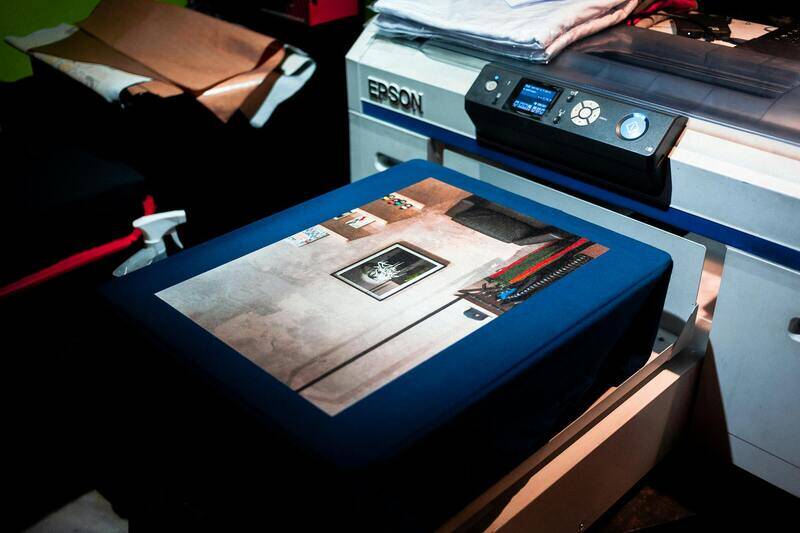
Achieving optimal print colour often requires testing different material and finish combinations. Sample prints on various substrates help identify how colours manifest in real-world conditions, ensuring the final product matches expected standards. Consideration of ambient lighting and display environment is crucial: colours might look striking under studio lighting but appear muted or overly vibrant in different settings. Professional printers employ calibration techniques and colour profiling to maintain consistency across different batch runs, factoring in the specific materials' properties to ensure predictable outcomes.
Techniques for Adjusting Colour Compatibility with Materials
- Pre-print colour testing: Conducting small-scale tests prior to full production helps identify how colours interact with specific materials.
- Use of colour profiles: Standardised profiles enable printers to compensate for material differences and maintain colour fidelity.
- Spot colour application: Custom spot colours can be matched precisely to design specifications, overcoming limitations of process colours on certain substrates.
- Applying overcoats or varnishes: These finishes can modify gloss levels and enhance colour vibrancy, ensuring the printed colours better match the intended aesthetic.
Understanding the interplay between materials and colours is essential for producing impactful printed materials. Collaboration with experienced printing professionals allows for tailored solutions that align with your brand’s visual identity, ensuring colours are reproduced accurately and consistently across various projects. Proper planning and testing mitigate the risk of costly reprints, resulting in high-quality outputs that resonate with your target audience.
Depth of Print Colour Nuances and Their Impact on Visual Appeal
Understanding the intricacies of print colour extends beyond simply selecting a hue. The subtle differences in tone, saturation, and brightness can dramatically influence the perceived quality and effectiveness of printed materials. Variations in ink formulation, substrate texture, and application techniques contribute to these nuances. For example, slight shifts in hue might convey different emotional responses, such as warmth or professionalism, making precision in colour reproduction essential. Balanced colour interplay enhances visual hierarchy, guiding the viewer’s focus toward key information or branding elements. Moreover, achieving the intended colour harmony requires a keen eye for detail and technical expertise in controlling colour interactions during the printing process.

Factors Influencing Colour Fidelity in Commercial Printing
- Ink Formulation and Composition: The chemical makeup of inks determines their vibrancy, drying properties, and resistance to fading, all affecting colour accuracy over time.
- Substrate Type and Surface Texture: Smooth, matte, or textured papers influence how ink settles, which impacts colour depth and clarity.
- Printing Methodology: Techniques like offset, digital, or flexography each have unique characteristics that affect colour reproduction capabilities.
- Calibration and Colour Profiling: Regular calibration of printers and utilisation of colour profiles ensure consistent output aligned with design specifications.
Implementing Precision in Colour Reproduction
To attain meticulous control over print colours, it is crucial to leverage existing professional standards and methodologies. Utilising standardized colour profiles, such as ICC profiles, helps in maintaining colour consistency across different machines and materials. Engaging in pre-press colour management, including calibrating devices and soft-proofing digital files, reduces discrepancies before actual printing. Spot colours, like Pantone, are employed for exact hue matching, especially for branding requirements where colour consistency is paramount. Additionally, mock-up testing on the chosen substrate allows for validation and adjustments to achieve the desired visual outcome. Ensuring these precise measures are in place can significantly decrease potential rework and ensure the fidelity of the final product.

The Significance of Material Compatibility in Colour Reproduction
The interaction between printed colours and the materials they are applied to is pivotal in achieving a high-impact visual. Different papers and substrates absorb inks differently, resulting in variations in colour saturation and vibrancy. Coatings like gloss, matte, or UV finishes further alter how colours appear, affecting overall brightness and contrast. Metallic or specialty inks are used for distinctive effects but require precise application techniques to maintain colour integrity. Selecting appropriate materials based on the intended colour palette ensures that the printed result matches the original design intent. Collaborating with experienced printers who understand these material interactions can guide brands in choosing optimal substrates and finishes that enhance colour fidelity and durability.
Advanced Techniques for Accurate Print Colour Matching
Achieving precise print colours requires a combination of rigorous colour management practices, high-quality equipment calibration, and meticulous process controls. Professional printers implement comprehensive calibration of their colour devices—including monitors, scanners, and printers—to ensure consistent colour reproduction. Soft-proofing digital files allows for visual verification of colours on calibrated screens before printing, reducing discrepancies. Additionally, printing on pre-approved substrates with known absorption and reflective properties helps maintain colour integrity throughout the printing process.
Utilizing advanced software with colour control modules facilitates colour matching by maintaining consistent profiles across different devices and print runs. This consistency is essential for brand-critical applications where exact colour replication is mandatory. When working with complex colour requirements, such as gradients or nuanced shades, digital proofing stages combined with inline colour measurement tools allow for real-time adjustments, minimizing the risk of costly reprints and ensuring alignment with client expectations.

Implementing Industry-Standard Colour Control Systems
Industry-standard colour control systems, such as ISO colour management protocols, serve as benchmarks for achieving predictable results. These systems codify procedures for maintaining colour fidelity through standardised workflows, calibration routines, and tonal controls. Additionally, printer profiles embedded within print files inform the printing device of the specific colour characteristics associated with the chosen media, ensuring that the final output matches the intended design. Regular maintenance and calibration of printing hardware are fundamental in upholding these standards. Employing spectrophotometers for colour measurement provides objective data about printed samples, enabling technicians to make precise adjustments to ink densities and tonal curves. As a result, clients receive high-quality printed products with colours that closely resemble the digital design, maintaining brand consistency and visual impact.
Quality Assurance in Print Colour Reproduction
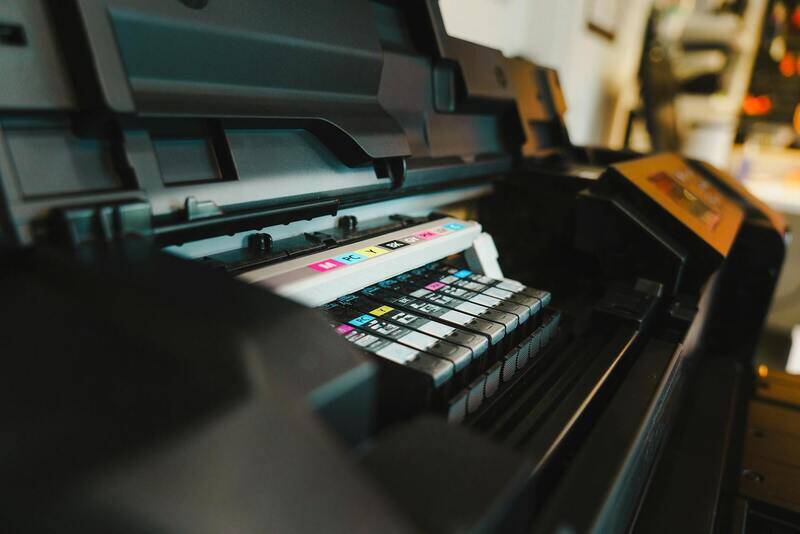
Beyond initial calibration and control systems, consistent quality assurance processes are critical in maintaining print colour standards. These include detailed inspection protocols during and after printing, where printed samples are measured against colour targets using spectrophotometers or colourimeters. Any variations detected trigger quick corrective actions, such as ink adjustments or hardware recalibration, to preserve colour accuracy. Implementing a batch control process also involves documenting each print run's colour settings and measurement data. This ensures traceability and facilitates continuous improvement by identifying patterns of deviation that can be addressed proactively. High fidelity in print colours not only enhances aesthetic quality but also reinforces brand recognition, making quality assurance an indispensable aspect of professional printing services.

Impact of Environmental Conditions on Print Colour Stability
Environmental factors including temperature, humidity, and lighting conditions can influence print colour stability, especially over extended periods. Fluctuations in humidity may cause substrates to expand or contract slightly, altering how inks are absorbed and how colours are perceived. High temperatures can accelerate ink drying times but may also lead to unintended colour shifts if not properly controlled. To mitigate these effects, professional printers operate in climate-controlled environments where conditions are meticulously monitored and maintained within optimal ranges. This control prevents tendencies for colours to fade or shift over time, particularly important for long-term displays or archival materials. Recognising these environmental impacts allows print service providers to recommend suitable materials and protective finishes, ensuring the durability and consistency of the printed colours in various applications.

Methods to Achieve Consistent and Accurate Print Colour
Ensuring that printed materials accurately reflect the intended colour palette requires a combination of off-press and on-press techniques, emphasizing precision at every stage of the print workflow. One of the most reliable approaches involves the use of standardized calibration tools such as spectrophotometers and densitometers, which measure the colour output of printers and facilitate adjustments to minimize deviations. Regular calibration of printing equipment ensures that the colours produced remain consistent over time, regardless of the printing batch or substrate variations.
Another vital method includes the use of controlled colour profiles. ICC (International Color Consortium) profiles serve as a communication standard between the design software and the printing device. Properly embedded ICC profiles enable the system to interpret colour data accurately, translating digital colour specifications into physical inks with high fidelity. This process is especially essential when reproducing brand colours or complex designs where colour accuracy is paramount.

Pre-print proofing also plays a critical role in achieving exemplary colour accuracy. Digital mockups or colour-controlled proofs are reviewed and approved before the full production run. This step allows adjustments to be made to the colour settings, inks, or materials, reducing the risk of costly reprints and ensuring the final product meets the desired visual standards. Proofing can be carried out using either digital proofs, which are viewed on calibrated monitors, or printed proofs, which offer a tactile reference for colour comparison.
Implementing Training and Standard Operating Procedures
Staff training on colour management principles enhances the competency of operators responsible for maintaining colour consistency. Technical teams should be well-versed in the use of calibration equipment, colour profile adjustments, and proper handling of substrates to avoid unintended colour shifts. Standard Operating Procedures (SOPs) should document each step of the process, from pre-press processing to in-process adjustments, to create a repeatable workflow that upholds quality standards across all print jobs.
Developing a culture of quality assurance involves routine checks and maintenance schedules for printing machinery, alongside detailed documentation of calibration and colour management activities. This practice ensures any deviations are promptly identified and corrected, fostering a continuous improvement environment.
Employing Digital Workflow Management Software
Advanced digital workflow management tools integrate colour management features that facilitate seamless communication between design files and printing equipment. These systems automatically apply colour profiles, balance inks, and monitor print parameters in real time. By reducing manual interventions, digital workflow solutions enhance reproducibility, minimize human error, and uphold colour consistency during high-volume printing operations.
Careful selection of quality substrates and inks further supports stable and predictable print colour results. Utilizing materials with known absorption characteristics and proven compatibility with specific inks helps maintain colour fidelity, especially in projects requiring long-lasting or exposure-resistant finishes.
Conclusion
Achieving high-quality, faithful colour reproduction in printing is a meticulous process that combines technological precision, procedural discipline, and skilled operation. Incorporating calibration routines, colour profiles, comprehensive staff training, and advanced workflow systems forms a comprehensive framework to uphold print colour consistency. These official practices ensure that every print run aligns with clients' expectations, reinforces brand integrity, and exhibits the professional standards necessary for competitive markets.
