Understanding Small Booklet Printing
Small booklet printing is a specialized process tailored for producing compact, professionally bound publications that typically range from a few pages to around 40 pages. These booklets are versatile tools widely used in various industries for communication, showcasing information, and marketing. They serve as excellent mediums for distributing concise yet comprehensive content, providing an engaging experience for readers without the heft and expense of larger publications.
Common uses for small booklet printing include promotional materials such as product brochures, event programs, corporate presentations, training manuals, and educational handouts. Their compact size makes them highly portable and convenient for distribution at trade shows, workshops, and business meetings. Moreover, small booklets facilitate brand storytelling, allowing companies to present their offerings, milestones, and values in a format that is both accessible and memorable.
Professionally printed small booklets stand out due to their polished appearance and durable binding options. They combine visual appeal with practicality, providing an effective platform for engaging your target audience. Whether for internal use within organizations or external communication with clients and prospects, small booklet printing remains an essential tool for conveying detailed information in a compact format.
Design Considerations for Booklets
Successful small booklet printing begins with thoughtful design. The layout should emphasize clarity and visual coherence, ensuring that information is easy to follow and aesthetically appealing. Selecting the right dimensions, typically ranging from A6 (4.1 x 5.8 inches) to A5 (5.8 x 8.3 inches), helps balance readability with portability.
Design elements such as typography, color schemes, images, and graphics must align with your brand identity and target audience. Consistent margins, headings, and spacing create an organized look, guiding readers seamlessly through the content. Incorporating high-quality images and infographics enhances engagement and comprehension.
When preparing your design files, ensure they adhere to the printer’s specifications regarding resolution, bleed areas, and file formats. Proper layout and pre-press preparation prevent issues like misalignments or pixelation, resulting in a professional-grade finished product.
Paper Types and Finishes
Choosing appropriate paper stock is vital for achieving the desired durability and aesthetic appeal. Common options include gloss, matte, and silk finishes, each imparting a distinct look and feel. Gloss paper enhances vibrancy and sharpness of images, making it ideal for colorful visuals. Matte paper offers a non-reflective surface that lends an elegant, subdued tone suitable for text-heavy booklets.
Weight selection plays a role in durability and presentation. Thicker paper, such as 100gsm or 120gsm, provides a sturdy feel, while lighter weights are suitable for thinner booklets intended for short-term distribution. Additionally, specialty papers with textures or recycled content can reinforce your brand's sustainability efforts.

Applying finishes like lamination, coating, or UV gloss can further enhance protection against wear and tear, tailoring the booklet’s presentation to its purpose and distribution environment.
Printing Techniques and Quality
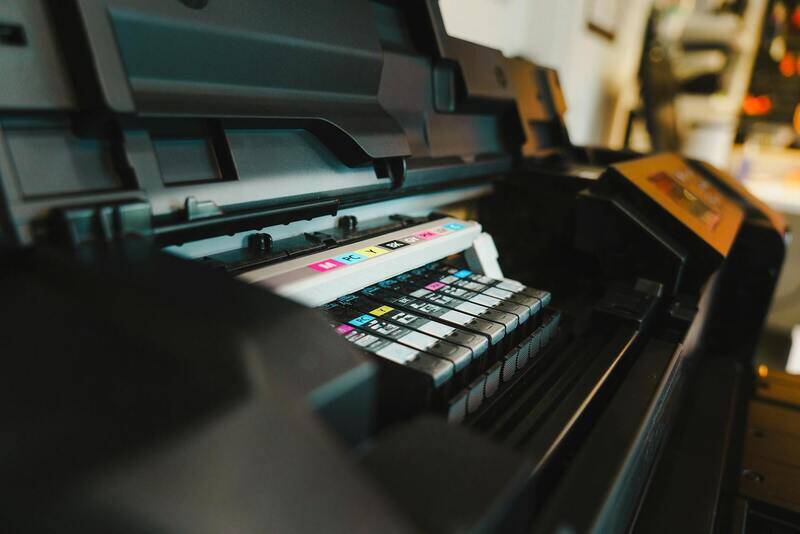
High-quality printing techniques ensure vibrant colors, crisp images, and precise details. Offset printing is favored for larger quantities due to its cost-effectiveness and consistent results, producing sharp images with excellent color fidelity. Digital printing, on the other hand, offers flexibility for short runs and rapid turnaround, maintaining high standards for small batch productions.
Color management and proofing are critical steps in the process. Requesting proof copies allows you to review layout, colors, and overall appearance before mass production. This verification minimizes errors and ensures the final product aligns with your expectations.
The quality of binding and finishing touches—such as folding, trimming, and binding—also impacts the overall professionalism and durability of your booklet. Choosing reputable printing providers ensures adherence to industry standards and delivers a product that enhances your brand image.
Paper Types and Finishes
When selecting paper for small booklet printing, the choice of substrate significantly influences the final appearance, feel, and durability of the product. Options vary from standard matte and gloss finishes to specialty papers that add texture or unique visual effects. Coated papers, such as silk or semi-gloss, can enhance color vibrancy and image sharpness, making visuals pop and text crisp. Conversely, uncoated papers lend a more tactile, natural feel, suitable for minimalist or eco-conscious designs.
For those aiming to demonstrate sustainability, recycled paper options are increasingly available and can be customized to match the desired weight and texture. Specialty finishes like soft-touch coatings, linen textures, or embossed patterns can create a distinguished, tactile experience that aligns with premium branding. Additionally, using metallic or pre-coated papers can make your booklet stand out with shimmer and reflective qualities, ideal for high-end presentations or promotional materials.

Applying Finishes to Enhance Durability
Incorporating protective finishes extends the lifespan of your booklet, maintaining its visual integrity over time. Lamination, either matte or gloss, provides a durable surface resistant to moisture, smudges, and scratches. Gloss coatings amplify colors and images, creating a vibrant, eye-catching look, while matte finishes offer a sophisticated, subdued aesthetic with minimized glare.
UV coating offers additional protection and a high-gloss finish that elevates the visual impact. Spot UV techniques can be selectively applied to specific elements such as logos or titles, guiding the reader's focus and adding an element of sophistication. For environmentally conscious projects, water-based or soy-based coatings are available, providing eco-friendly options that still offer substantial surface protection.

Quality Control and Sample Verification
Prior to committing to full-scale production, requesting sample proofs is a vital step to ensure your design translates accurately from digital file to physical product. These proofs allow you to evaluate color consistency, paper texture, binding quality, and overall craftsmanship. Many printing providers offer digital or physical proofs, enabling you to make adjustments beforehand, thus reducing costly errors and delays.
During the proofing phase, pay close attention to details such as bleed, margins, and font clarity. Confirm that images are high-resolution to prevent pixelation, and colors match your brand palette. Once satisfied, approving the proof sets the stage for a smooth printing process with a higher likelihood of fulfilling your expectations.

Technical Aspects of Small Booklet Printing
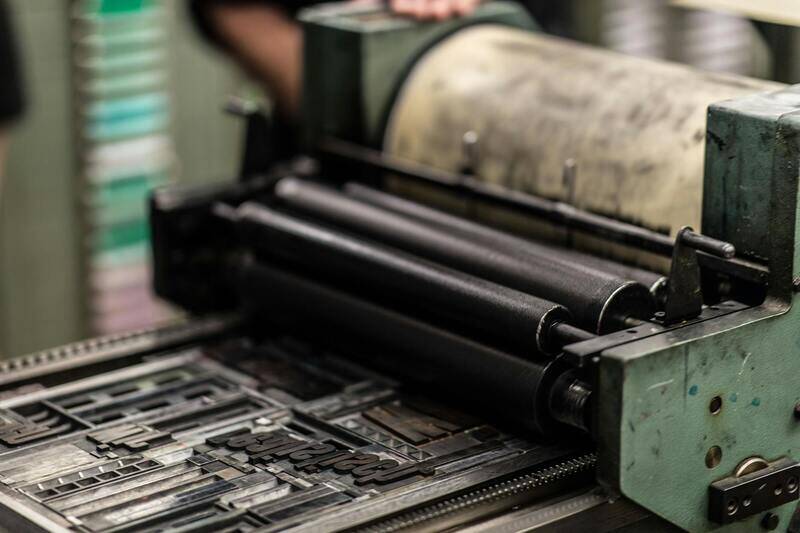
Selecting the appropriate printing techniques is essential to ensure the quality and durability of your small booklet. Digital printing and offset printing are the two most common methods, each offering unique advantages depending on the project scope and desired finish. Digital printing allows for quick turnaround times and cost-effectiveness for small runs, making it ideal for short-term projects or prototypes. Offset printing, on the other hand, provides superior image quality and consistency, especially beneficial for larger quantities, and often results in sharper colors and finer details.

Additionally, achieving high-resolution images and sharp text demands using suitable ink types and printing resolutions. For vibrant visuals, CMYK ink systems deliver rich color depth; ensuring files are prepared at 300 dpi or higher prevents pixelation and image blurriness. Special printing effects such as embossing or foil stamping can add tactile or visual accents, provided the digital files are prepared with precision and detailed specifications.
Color Management and Proofing
Accurate color reproduction hinges on proper color management throughout the printing process. Employing calibrated monitors during design and requesting color proofs from the printing provider helps align expectations. Hard proofs or digital proofs serve as tangible validation of colors, allowing adjustments before committing to full production. This step mitigates misinterpretations and guarantees the final output mirrors the intended design.
Environmental and Material Considerations
Modern printing options also encompass eco-friendly solutions. Using soy-based or water-based inks reduces environmental impact while maintaining print quality. Recycled paper options are available without sacrificing durability or appearance, supporting sustainable practices. Selecting appropriate coatings, such as matte or gloss finishes, further enhances the booklet’s aesthetic and protective qualities, aligning with both design goals and environmental considerations.
Implementation and Quality Assurance
Consistent quality is achieved through meticulous review and adherence to predefined specifications. Quality assurance processes include during production checks for color fidelity, binding integrity, and material consistency. Regular communication with the printing provider fosters transparency and enables swift resolution of any issues. This approach helps in maintaining high standards from initial proofing to the final delivery, ensuring that your small booklet meets your expectations precisely.
Incorporating these technical aspects thoughtfully ensures a professional, durable, and visually appealing small booklet that effectively communicates your message. From choosing the right printing method and materials to rigorous quality checks, each step plays a vital role in delivering a successful print project tailored to your specific needs.
Understanding Small Booklet Printing
Small booklet printing remains an essential solution for a variety of marketing, educational, and informational needs. It involves creating compact, professionally finished publications that convey messages effectively within a manageable size. The process requires meticulous planning, from selecting suitable formats and paper to choosing the right printing techniques and binding styles. Considering these key aspects ensures the final product not only looks polished but also functions reliably in durability and usability.

When you opt for small booklet printing, understanding the technical facets and available options guides you toward a product that aligns with your specific goals. Whether for distribution at corporate events, educational material dissemination, or promotional handouts, the quality of each element— from paper selection to binding— plays a crucial role in the booklet’s effectiveness and visual impact.
Design Considerations for Booklets
Clear, engaging designs are pivotal in capturing attention and conveying your message. Layout consistency, font readability, and visual hierarchy should be thoughtfully planned. The size and fold type influence ease of handling and overall presentation, making it important to choose dimensions that suit your content and distribution method.
Paper Types and Finishes
Selecting the right paper type enhances both durability and aesthetic appeal. Glossy finishes can add vibrancy to images, while matte options tend to provide a more refined, subdued appearance suitable for text-heavy content. Recycled paper options are increasingly popular among environmentally conscious clients. Additionally, coatings such as UV or lamination can protect against wear and tear, ensuring longevity of the booklet in various distribution environments.

Balancing quality with budget constraints involves understanding the nuances of each paper and finish type, as well as how they integrate into your overall design and purpose. A well-chosen combination contributes to a professional appearance and a tactile experience that resonates with your audience.
Printing Techniques and Quality
The choice between digital and offset printing significantly influences the final output. Digital printing excels for short runs, offering quick turnaround times and cost efficiency, while offset printing is ideal for larger quantities, providing superior color fidelity and sharp detail. Both methods require proper calibration and color management to produce consistent results across batches.
Advanced printing methods include direct-to-plate offset, which ensures high-resolution images and text, and digital presses capable of producing vibrant colors and detailed graphics. The selection depends on your project specifications, timeline, and budget. Working closely with your printer to understand their equipment and capabilities ensures your small booklet benefits from optimal quality outcomes.
Binding Styles for Booklets
Binding options determine not only the aesthetic of your booklet but also its durability and functionality. Common styles include saddle stitching, perfect binding, spiral binding, and comb binding. Saddle stitching, often the most cost-effective, involves folding sheets and securing them with staples along the spine, suitable for booklets up to 64 pages.
Perfect binding offers a more refined appearance, with the pages glued together along the spine, providing a clean, professional look suitable for larger booklets. Spiral and comb bindings are flexible and lay flat, ideal for manuals or frequently referenced materials. Choosing the appropriate binding style depends on the number of pages, desired durability, and how the booklet will be used and distributed.
Quantity, Cost, and Turnaround Time
Accurate estimation of quantity impacts overall production costs and delivery schedules. Small runs, typically ranging from 50 to 500 copies, are often more economical with digital printing, which also offers faster turnaround times. Larger quantities become more cost-effective when offset printing is employed, balancing economies of scale with production timelines.
Meeting tight deadlines requires early planning and working with a trusted printing provider capable of prioritizing your project. Clear communication regarding quantities and timelines ensures efficient processing and delivery, avoiding delays that could impact your campaign or distribution schedules.
Choosing a Printing Service in Singapore
When selecting a small booklet printing partner in Singapore, consider their range of services, experience, and reputation within the industry. An ideal service provider offers a comprehensive selection of papers, finishes, and binding options, along with efficient project management and transparent pricing. Local expertise is beneficial for understanding regional printing conditions and delivery logistics, ensuring your project is completed on time and to your standards.
Best Practices and Tips for a Successful Project
- Plan your content and layout thoroughly before contacting a printer to streamline decision-making.
- Request samples or proofs to evaluate quality and design accuracy prior to full production.
- Communicate your budget constraints early, enabling the provider to recommend suitable materials and techniques.
- Allow sufficient lead time for adjustments, printing, and binding processes to avoid rushing and potential errors.
- Confirm all details, including paper type, finishes, binding, quantities, and delivery dates, in writing before approval.
By adhering to these guidelines and choosing a reputable printing partner, you can produce small booklets that effectively communicate your message while maintaining a professional appearance. Proper preparation and collaboration foster a smooth printing process, culminating in a high-quality product suited to your specific needs and audience.
Methods for Authentic and Verified Small Booklet Printing
Securing high-quality and reliable small booklet printing involves adhering to established, reputable methods that prioritize consistency, durability, and authenticity. When choosing a printing process, it is essential to work with providers who utilize official industry-approved techniques. This ensures your finished product meets professional standards and delivers a polished presentation to your audience.
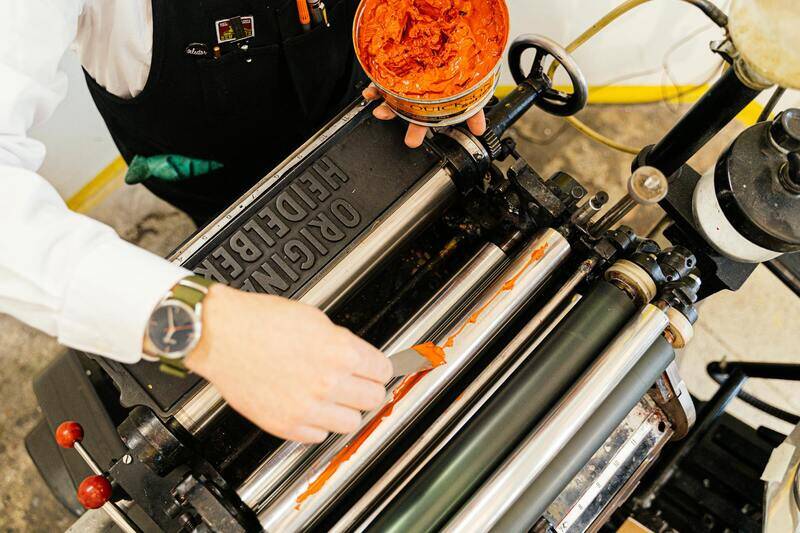
One of the most trusted approaches is offset printing, which employs high-quality plates and inks to produce sharp, vibrant images, and text consistently across large runs. Offset printing is especially suitable for projects requiring exact color reproduction and uniform finishes, making it ideal for corporate brochures, educational booklets, or product catalogs where authenticity and clarity are paramount.
Digital printing represents another legitimate method, offering flexibility for short runs and quick turnaround times. Digital presses use advanced toner or inkjet technologies governed by industry standards, delivering crisp results with vibrant colors and precise details. Since digital printing is performed through well-documented processes, it ensures the integrity of your design is preserved while maintaining consistent quality.

For special finishes and unique effects, methods like foil stamping, embossing, or lamination should be executed by experienced professionals following official procedures. These techniques are controlled by stringent quality guidelines to ensure durability and consistent visual appeal. When requesting such embellishments, verify that the printer utilizes certified equipment and certified operators, further guaranteeing the legitimacy and quality of your product.
Printing accreditation organizations and industry standards serve as guiding benchmarks for legitimate processes. Partnering with printers who are members of recognized associations or who hold certifications signifies their compliance with rigorous quality management systems. These credentials not only validate their technical expertise but also provide reassurance that your booklets will endure handling and distribution without compromise.
In addition to choosing proven methods, verifying the materials used—such as approved paper stocks and certified inks—aligns with best practices for small booklet production. Consulting with suppliers and printing providers about the origin and certification of their materials ensures your project adheres to established quality and environmental standards.
Engaging with experienced professionals who follow these verified procedures ensures your small booklet is produced with integrity, precision, and a commitment to excellence. This approach not only results in a high-quality finished product but also affirms your commitment to authenticity and professionalism in your printed materials.
Selecting the Appropriate Printing Method for Small Booklets
When aiming for high-quality small booklet printing, it's essential to understand the various printing methods available and choose the one that aligns with your project goals. Offset printing and digital printing are the two primary techniques used in the industry, each offering distinct advantages based on order size, turnaround time, and desired quality.
Offset printing is renowned for its ability to produce vibrant colors, sharp images, and consistent quality across large print runs. This method uses plates to transfer ink onto the paper, making it cost-effective for bulk production. The initial setup involves creating plates, which can be time-consuming and more costly for small quantities; therefore, offset is typically best suited for larger batches where economies of scale can be fully realized.
Conversely, digital printing offers a more flexible and cost-efficient solution for small booklet orders. It eliminates the need for plates, allowing for quick setup and short turnaround times. Digital presses utilize advanced inkjet or laser technology to produce crisp prints with a remarkable level of detail. This method is ideal when dealing with short runs, personalized content, or tight deadlines, making it a popular choice for small-scale booklet printing projects.

For projects requiring high fidelity and consistent color matching, offset printing may be the optimal choice despite its higher initial costs. However, if your project demands quick production with limited quantities, digital printing can deliver excellent results at a lower upfront investment.
Color Management and Tonal Accuracy
Achieving precise color reproduction is vital in creating an impactful small booklet. When collaborating with a printing service, ensure they utilize advanced color management systems that monitor color accuracy throughout the printing process. Technologies such as ICC profiles and color calibration tools guarantee that the printed materials match your design specifications closely.
For projects involving photographs or detailed illustrations, it’s important to select a printer that uses high-quality inks capable of reproducing a wide color gamut. This ensures that images retain their vibrancy and clarity, contributing to a professional appearance. Discussing proofing options with your printer allows you to review and approve sample pages before the entire run is produced, minimizing the risk of reprints and deviations from your desired outcome.
Environmental and Sustainability Considerations
Many printing providers now prioritize eco-friendly practices, using sustainable paper stocks and environmentally certified inks. When choosing a small booklet printing partner, inquire about their commitment to green printing initiatives, such as FSC-certified materials or soy-based inks. These choices not only reduce environmental impact but can also appeal to eco-conscious audiences, elevating your brand’s reputation.
Opting for print-on-demand services can further reduce waste by printing only the quantities necessary for your distribution needs. This approach aligns with sustainable production principles and ensures efficient use of resources without compromising quality.
Understanding Small Booklet Printing
Small booklet printing involves the process of producing compact publications that serve various purposes, from marketing brochures and event programs to instruction manuals and customized promotions. Precision in every stage, from choosing the right materials to selecting appropriate binding methods, is essential for achieving a professional result. When planning your project, it’s essential to understand the nuances that influence print quality, durability, and overall aesthetic appeal. This requires working with a printing partner that employs up-to-date technology and adheres to industry standards, ensuring your small booklet not only looks polished but also stands the test of time and handling.
Key Elements in Small Booklet Printing
- Page Layout and Design: A well-organized layout guides the reader smoothly through your content. Consider margins, heading hierarchy, and consistent spacing to maintain clarity.
- Size and Dimensions: Common formats include A5, half-letter, or custom sizes tailored to your needs, impacting both production costs and usability.
- Color Management: Precise color matching ensures your printed images and graphics match your digital designs, creating a cohesive visual appearance.
Choosing the Right Print Partner
Selecting an experienced printing service is paramount. Reputable providers utilize direct digital workflows, high-resolution presses, and color calibration tools that make a significant difference in achieving vibrant, sharp images. Confirm that the service offers consultation and proofs before the full run, allowing adjustments to be made early in the process.

Ensuring Robust Quality Control
Quality assurance during the printing process involves multiple steps, including proofing, color consistency checks, and sample verifications. Effective QC practices help identify issues like misregistration, color discrepancies, or paper jams before the final production run begins. This attentiveness reduces waste and ensures the finished product aligns precisely with your expectations.
Technical Aspects Impacting Small Booklet Quality
- Resolution: Opt for a resolution of at least 300 dpi for all images and graphics to maintain clarity.
- Binding Method: The choice between saddle stitch, perfect binding, or wire binding influences durability and usability based on your content length and purpose.
- Paper Weight and Finish: Thicker paper provides durability, while matte or gloss finishes impact visual appeal and tactile experience.
Investment in proper technical specifications and quality materials significantly influences the perception of professionalism in your printed materials. Working with a provider that understands these nuances guarantees your small booklet will make a lasting impression on your audience.
Maximizing the Impact of Your Small Booklet Printing
Effective small booklet printing extends beyond choosing the right printer or material. It encompasses strategic planning, precision in execution, and thorough review processes to ensure your final product resonates with professionalism and clarity. When you work with reputable printing services, the emphasis shifts toward best practices that help you achieve a polished, compelling booklet that leaves a lasting impression.
Preparing Files with Precision
High-quality printing begins with meticulously prepared digital files. Ensure that all content aligns with the final trim size, with appropriate bleed margins to avoid unwanted white borders after trimming. Use vector files for logos and graphics to maintain sharpness, and embed fonts or convert text to outlines to prevent font substitutions. Compressed images must retain a resolution of at least 300 dpi to preserve detail and clarity. Additionally, color profiles should be standardized, preferably using CMYK settings to match your desired print output, minimizing color discrepancies.
Early Communication and Proofing
Establishing open lines of communication with your chosen printing partner from the outset facilitates smoother project execution. Request preliminary proofs or digital mockups to assess layout, color accuracy, and overall visual appeal. This step allows for adjustments before committing to the full run, saving costs and preventing errors. Many reliable printers provide hard copy proofs, which are invaluable for evaluating how colors, paper texture, and binding will appear in the finished product.
Reviewing and Approving the Final Proofs
Before giving the go-ahead for mass production, scrutinize the proofs thoroughly. Verify the consistency of colors, the accuracy of text, and the alignment of images. Ensure there are no typographical errors or misplaced graphics. Confirm that the binding, folds, and finishing details meet your specifications. Approving high-quality proofs ensures the final printed booklet aligns with your vision and standards, reducing the need for costly reprints.
Handling Large Quantities with Efficiency
When printing in larger quantities, establish clear communication regarding production schedules and delivery timelines. Bulk printing often yields cost savings, but it demands precise coordination. Discuss turnaround times upfront to align with your project deadlines. Moreover, consider the storage and distribution logistics, especially if the booklets are intended for events, mailing campaigns, or retail environments. Proper planning minimizes delays and ensures a seamless distribution process.
Maintaining Consistency Across Batches
If you plan to produce multiple batches over time, work with a printer capable of maintaining consistent quality and color matching across runs. Request color calibration reports and ask for sample comparisons to confirm uniformity. Consistency is vital for branding purposes, ensuring that each batch reflects the same high standard and visual identity, reinforcing your message effectively.