
Order Custom Banner: Your Ultimate Guide to Professional Banner Selection and Purchase
When it comes to impactful visual communication, custom banners play a pivotal role in promoting brands, events, or messages with clarity and style. Selecting and ordering a professional custom banner involves understanding the various options available, from the types of banners to the materials used, ensuring that your final product meets your specific needs. This guide provides an in-depth overview of the essential aspects to consider during your ordering process, helping you make informed decisions for your next project.
Types of Custom Banners Available
Choosing the right type of banner is crucial for effective display and durability. Each banner type is designed with specific applications in mind, offering diverse materials and features.
- Vinyl Banners: The most common choice for outdoor advertising, vinyl banners are highly durable, weather-resistant, and suitable for long-term display. They’re ideal for events, storefront promotions, and outdoor signage.
- Fabric Banners: Made from polyester or other fabric materials, these banners offer a sleek, high-quality appearance, often used indoors for trade shows, exhibitions, and retail displays.
- Mesh Banners: Constructed with a perforated material that allows wind to pass through, mesh banners are perfect for outdoor environments with high wind conditions.
- Retractable Banners: Also known as roll-up banners, these are portable, lightweight options ideal for indoor events, presentations, or temporary signage. They feature easy deployment and storage mechanisms.

Designing Your Custom Banner
Effective banner design combines visual appeal with clear messaging. When preparing your design, consider factors such as color schemes, typography, graphics, and branding elements to ensure your message resonates with your target audience. Professional design assistance may be available through your printing service, offering advice on layout, resolution, and print-ready formats:
- Use high-resolution images and graphics to prevent pixelation.
- Keep text concise and readable from a distance.
- Incorporate your brand’s color palette and logo for consistency.
- Balance design elements to avoid clutter and enhance visual hierarchy.
Material Choices for Custom Banners
The material selection significantly influences the banner's durability, appearance, and suitability for indoor or outdoor use. Common materials include:
- Vinyl: Known for its robustness and weather resistance, vinyl is ideal for outdoor banners that need to withstand wind, rain, and sun exposure.
- Fabric: Opt for polyester or polyester-blend fabrics for indoor applications that require a premium look and feel.
- Mesh Fabric: Perforated for wind resistance, suitable for outdoor signage exposed to harsh weather conditions.
- Polypropylene and Other Synthetic Fabrics: Versatile options for lightweight and temporary banners.
Size and Dimensions Options
Custom banners come in a variety of sizes to suit different display areas. Standard options include:
- Small banners for indoor signage or table displays.
- Large banners for building facades or outdoor advertising.
- Custom dimensions tailored to specific event or space requirements.
Careful measurement of your intended display location ensures your banner is proportioned correctly, making a consistent visual impact.
Printing Technologies and Quality
High-quality printing methods such as UV, solvent, or latex printing ensure vivid, durable images. The choice of technology affects color fidelity, resolution, and resistance to fading:
- UV Printing: Provides sharp, vibrant images with excellent weather resistance.
- Solvent Printing: Known for durability and color vibrancy, suitable for outdoor banners.
- Latex Printing: Eco-friendly option delivering high-quality, flexible prints.
Additional Customization Features
Enhance your banner with features like grommets, pole pockets, hems, or special finishes such as matte or gloss coatings. These options improve installation, durability, and visual appeal.
Types of Custom Banners Available
When selecting a custom banner, understanding the variety of options in materials and formats ensures you make an informed decision aligned with your specific display needs. From durable outdoor options to elegant indoor displays, each type of banner is designed to optimize visibility and longevity under different conditions.
Material Options
- Vinyl (PVC): Recognized for its durability and weather resistance, vinyl banners are ideal for outdoor advertising. They can withstand sun, rain, and wind, maintaining their visual appeal over extended periods.
- Mesh Fabric: Perforated with tiny holes for wind pass-through, mesh banners are suitable for outdoor settings exposed to high wind conditions. They strike a balance between durability and breathability, preventing tearing or damage.
- Fabric (Polyester or Polyester-Blend): Known for a premium look and feel, fabric banners are mainly used indoors. They offer vibrant printing results and are suitable for events, retail displays, or trade shows.
- Polypropylene and Other Synthetic Fabrics: These lightweight options are perfect for temporary signage, events, or price displays, providing an economical alternative with decent durability.
Format and Shape
- Standard Shapes: Rectangles, squares, or banners with grommets for easy mounting, common across various applications.
- Custom Shapes: Precisely cut to specific designs, logos, or branding themes to enhance visual impact and brand consistency.
- Vertical and Horizontal Orientations: Configured to fit different spatial layouts and display environments, ensuring maximum visibility.
Specialized Banners
- Retractable Banners: Portable and easy to set up, these are perfect for trade shows and promotional events.
- Backdrops and Step-and-Repeat Banners: Used in photo setups and events, providing a professional backdrop with seamless printing.
- Pole Bockets and Hemmed Edges: Enhance durability and facilitate installation in various settings.
Size Options
Custom banners are produced in a wide range of sizes to accommodate different spaces and marketing goals. Standard sizes include small banners for indoor displays, large banners for building exteriors, and specific custom dimensions tailored to unique spatial requirements.
Care and Maintenance
Proper care extends the lifespan of your custom banner. Indoor banners should be cleaned gently with mild soap and water, avoiding harsh abrasives. For outdoor banners, periodic inspection for wear and tear, as well as cleaning to remove dirt or pollutants, is recommended. Storing banners in a cool, dry place when not in use helps preserve the material and print quality, ensuring they remain vibrant and structurally sound for future use.
Types of Custom Banners Available
When selecting a custom banner, understanding the various types available helps ensure your marketing and display needs are effectively met. Common options include vinyl banners, fabric banners, mesh banners, and retractable banners, each suited to specific applications and environments.
Vinyl Banners
Vinyl banners are renowned for their durability and weather resistance, making them ideal for outdoor advertising. They can withstand exposure to sun, rain, and wind without deteriorating or fading. These banners are versatile, available in various sizes, and can be printed with vibrant, high-resolution graphics. Their smooth surface also facilitates the application of detailed designs and texts, ensuring your message stands out clearly.
Fabric Banners
Fabric banners offer a more sophisticated and elegant appearance, often used for indoor events, trade shows, and corporate displays. Made from high-quality textiles such as polyester or nylon, they provide vibrant color reproduction and a refined presentation. Fabric banners are lightweight, easy to transport, and resistant to wrinkling, making them suitable for high-traffic venues.
Mesh Banners
Designed with tiny holes, mesh banners allow wind to pass through, reducing strain and the risk of tearing when installed in outdoor environments characterized by strong gusts. Their transparency also offers a semi-opaque display, which can be useful when layered over other structures or backgrounds without obscuring underlying visuals.
Retractable Banners
These portable banners feature a retractable mechanism housed in a sturdy base, making them quick and easy to set up and dismantle. They are especially effective at trade shows, promotional events, and retail spaces where mobility and convenience are paramount. High-quality retractable banners are produced with durable materials and crisp printing, ensuring professional presentation on the go.
Specialized Banner Options
- Backdrops and Step-and-Repeat Banners: Perfect for photoshoots and awards ceremonies, providing seamless and impactful backgrounds.
- Pop-Up Displays and Tension Fabric Banners: Used to create versatile, eye-catching displays that can be assembled or disassembled rapidly, suitable for exhibitions and events.
- X Stand and Pole Banners: Offer stability and a polished look for indoor retail or corporate environments.
Size and Dimensions Options
Custom banners are available in a broad spectrum of sizes to suit different display environments, from small indoor signage to large-format outdoor advertisements. Typical options include:
- Small Banners (e.g., 2' x 4'): Suitable for indoor displays or point-of-sale signage.
- Medium Banners (e.g., 4' x 8'): Ideal for storefront displays and exhibition booths.
- Large Banners (e.g., 8' x 20+'): Perfect for building wraps, outdoor advertising, and large-scale events.
Custom dimensions can be tailored to fit specific spatial requirements, ensuring your message fits seamlessly in your intended setting. When planning for size, consider the viewing distance, location, and purpose of the banner to maximize visibility and impact.
Types of Custom Banners Available
Selecting the appropriate type of custom banner is crucial to effectively communicate your message and achieve your marketing or branding objectives. There is a diverse range of banner styles, each designed to suit specific settings and purposes. For example, vinyl banners are highly durable and weather-resistant, making them ideal for outdoor advertising. Retractable banners and roll-up displays are popular for trade shows and on-the-go promotions due to their portability and quick setup. Pop-up displays and tension fabric banners provide vibrant, high-resolution graphics, perfect for indoor events and exhibitions. A-frame signs and pole banners are suitable for retail storefronts or street-level advertising, offering visibility at eye level. To illustrate, here is an overview of common custom banner styles and their optimal applications:
- Vinyl Banners: Durable and weatherproof, perfect for outdoor static displays or large-format advertisements.
- Retractable Banners: Portable and easy to assemble, ideal for trade shows, conferences, and retail environments.
- Step-and-Repeat Banners: Used as backdrops for photo opportunities, weddings, or promotional events, providing a seamless visual
- Pop-Up Displays: Create dynamic displays at exhibitions with rapid setup and collapse features.
- Backdrops and Step-and-Repeat Banners: Designed for high-impact visual backgrounds in photo sessions and presentations.
- X Stand and Pole Banners: Offer stability and a clean look for indoor retail or corporate settings.
Designing Your Custom Banner
The design process begins with clear visualization of your message, logo, and branding elements. It is essential to use high-resolution images and vector graphics to ensure sharp printing, regardless of the banner size. When creating your design, pay attention to color schemes, font readability, and overall layout to maximize visual impact. Many printing services offer templates and graphic design assistance to ensure your banner aligns with professional standards and marketing objectives. Consistent branding reinforces message recognition, so incorporating your company's colors, slogans, and visual identity is recommended. Consider adding a call-to-action if the banner's purpose involves prompting immediate responses from viewers. Whether designing in-house or utilizing a professional designer, paying meticulous attention to detail guarantees a polished and effective final product.
Variety of Custom Banners to Suit Every Need
At eprintingservice.com, a comprehensive selection of custom banners ensures that clients can find the perfect solution for any promotional or decorative purpose. Common types include vinyl banners, which are renowned for durability and outdoor resilience, making them ideal for advertising events, storefront displays, and outdoor marketing campaigns. Fabric banners offer a lighter, more elegant appearance suitable for indoor settings such as trade shows, exhibitions, and corporate events. Mesh banners are designed with small perforations to promote airflow, reducing wind stress during outdoor display applications, while retractable banners serve as portable, quick-setup solutions for indoor and outdoor use. Additionally, step-and-repeat banners are highly effective for photo backdrops in media events, providing visually impactful backgrounds that reinforce branding. Pop-up display banners combine portability with visual appeal, perfect for a range of promotional contexts. Each of these options is crafted to meet specific display needs, leveraging high-quality printing technology to ensure sharp visuals and vibrant colors.
Tailoring Your Banner to Match Your Objectives
Choosing the right type of banner depends on several factors, including the location of display, duration of use, environmental conditions, and branding requirements. For outdoor settings, vinyl or mesh banners provide the robustness necessary to withstand weather elements without compromising clarity and vibrancy. Indoors, fabric or retractable banners can add a touch of sophistication and ease of transport. The selection process often involves aligning the banner material and style with the intended message and visual branding to maximize impact and engagement. Custom banners are not limited to standard formats; they can be designed with special features such as pole pockets for tensioning, hems for added durability, or grommets for easy mounting, ensuring a flexible and robust presentation. As a part of the planning process, clients are encouraged to evaluate the specific environmental and visual requirements to select the most appropriate banner type that aligns with their campaign goals.

Leveraging Material Characteristics for Effective Results
Material choice plays a pivotal role in the performance and appearance of custom banners. Vinyl banners are manufactured from high-quality PVC material, offering exceptional weather resistance and longevity, which makes them suitable for extended outdoor campaigns. Fabric banners, often made from polyester or nylon, provide a smooth surface with excellent color vibrancy, ideal for indoor displays where a professional aesthetic is essential. Mesh banners feature tiny perforations, making them lightweight and highly breathable, capable of enduring windy outdoor conditions without tearing or excessive fluttering. Retractable banners typically utilize vinyl or fabric materials with rolled edges to facilitate smooth operation and durability during repeated setups and packdowns. The material selection influences not only durability but also the overall visual impact—so understanding the environmental exposure and display lifespan are key considerations in making the right choice.
Optimizing Size and Dimension Options for Enhanced Visibility
Purchasing custom banners involves careful attention to dimensions to ensure maximum visibility and impact. Standard sizes range from small, portable options to large-format banners that dominate event spaces or outdoor environments. For indoors, common sizes include 2’x4’, 3’x6’, or 4’x8’, providing ample space for clear messaging without overwhelming the environment. For outdoor use, banners measuring 4’x8’, 5’x10’, or larger can command attention from a distance, ensuring viewers easily absorb key information or branding visuals. Custom size options provide flexibility to match specific display areas, whether a tight indoor wall or an expansive outdoor venue. Advanced printing techniques maintain high image clarity and color fidelity regardless of banner dimensions, so meticulous measurement and planning are crucial to achieving desired visual effects. Clients are encouraged to consider viewing distances, installation locations, and environmental conditions to determine optimal dimensions for their specific objectives.
Types of Custom Banners Available
Custom banners come in a variety of styles, each tailored to specific promotional needs and display environments. Standard vinyl banners are a popular choice for outdoor advertising due to their durability and weather resistance. These banners often feature reinforced grommets and hems for easy installation and longevity. Fabric banners offer a softer appearance and are well-suited for indoor events, trade shows, and retail spaces, providing a premium look with vibrant color fidelity. Mesh banners are designed with tiny holes that allow wind to pass through, making them ideal for outdoor applications where wind resistance is essential. Additionally, step and repeat banners serve as backdrops for photography and media events, featuring repetitive logos or patterns to maximize brand visibility. Retractable and roll-up banners are portable options that facilitate quick setup and dismantling at conferences or promotional events. Specialized banners like booth wraps or vehicle wraps extend branding consistency across various mediums, making them versatile solutions for comprehensive marketing campaigns.

Designing Your Custom Banner
Successful banner design hinges on clarity, visual impact, and alignment with branding goals. It begins with defining the central message—whether it's a promotional offer, event information, or brand logo—and ensuring it is prominently displayed. The use of bold, legible fonts and high-contrast colors enhances readability from a distance. Incorporating your brand’s color scheme, logo, and consistent visual elements helps reinforce brand identity. When designing, consider the viewing environment; for outdoor banners, larger text and simple graphics are more effective, while indoor banners can accommodate more detailed visuals. Utilizing professional design software ensures vector-based images remain crisp and scalable, preserving image quality at any size. Including clear calls-to-action directs viewers towards the next step, whether it's visiting a website, attending an event, or making a purchase. A collaborative process with experienced designers can refine ideas into impactful visuals that resonate with target audiences and meet display specifications.
Material Choices for Custom Banners
The choice of banner material significantly influences final appearance, durability, and suitability for various environments. Vinyl remains a top option for its robustness and weather resistance, making it ideal for outdoor use and long-term installations. Calendered vinyl is cost-effective for short-term applications, while cast vinyl offers superior flexibility and longevity. Fabric banners, often made of polyester or polyester blends, provide a high-quality, matte finish that reduces glare and enhances color vibrancy. Mesh materials are woven to allow wind passage, reducing strain, and are perfect for large outdoor banners subjected to static and wind forces. For indoor displays, thicker fabrics like scrim or satin can deliver a luxurious appearance, especially when paired with premium printing techniques. Lamination options add an extra layer of protection against UV rays, scratches, and moisture, extending the lifespan of the banner while preserving visual clarity. When selecting materials, consider environmental exposure, installation location, and intended lifespan to ensure the banner maintains its visual appeal throughout its usage period.
Understanding Printable Areas and Bleed Specifications
Accurate printing starts with understanding the application of printable areas and bleed specifications. When submitting your custom banner order, it is essential to align your artwork within designated safe zones to prevent cropping during trimming. Typically, designers should extend the artwork beyond the final cut line by a specified bleed margin, often between 0.125 to 0.25 inches, to accommodate slight shifting or misalignment in the printing process.
Failure to incorporate proper bleeds can result in unwanted white borders or incomplete graphics on the finished product. It's equally important to respect the minimum margin areas for text and critical visuals, which should stay within the safe zone to maintain readability and impact. Understanding these technical specifications streamlines the production process, reduces errors, and ensures the final banner looks professional and aligns perfectly with your design intentions.
Submitting Your Artwork Correctly
Proper submission of artwork files is key to achieving high-quality results. Files should be prepared using professional design software such as Adobe Photoshop, Illustrator, or CorelDRAW, with all text converted to outlines to prevent font substitution issues. Resolutions should be set at 300 DPI to ensure clarity, especially for large-format printing where even minor pixelation becomes noticeable. Preferred file formats typically include PDF, TIFF, or high-resolution JPEGs, all configured with embedded color profiles, such as CMYK, for accurate color reproduction.
Color accuracy can be further enhanced through the use of Pantone matching or spot colors, particularly if specific brand colors are necessary for consistency across marketing materials. Ensuring artwork files adhere to the specified dimensions and bleed guidelines provided by the printing service minimizes delays and costly reprints, facilitating a smoother order fulfillment process.
Design Recommendations for Impactful Banners
- Use bold, clear fonts that are legible from a distance.
- Keep the message concise; focus on a single call-to-action or key message.
- Employ high-contrast color schemes to enhance visibility.
- Incorporate high-quality images or graphics that reinforce your message.
- Maintain a balanced layout with appropriate spacing to avoid clutter.
A well-thought-out design combined with adherence to technical specifications results in a compelling visual that captures attention and communicates your message effectively. Collaboration with a professional graphics team can further refine your concept, ensuring your custom banner maximizes its marketing potential while conforming to production standards.
Exploring the Range of Custom Banner Options
When considering a custom banner, a broad spectrum of options is available to suit diverse branding and promotional needs. From traditional vinyl banners designed for outdoor durability to fabric options that offer a premium appearance, the selection process hinges on the specific environment in which the banner will be displayed, as well as the intended message. Custom shapes and cut-outs are also popular, allowing for unique designs that stand out. Additionally, the choice of finishes, such as matte or gloss, can influence the visual impact and tactile feel of your banner. Whether for trade shows, storefronts, or events, tailoring your banner type ensures it effectively captures attention and reinforces your brand identity.

Designing Your Custom Banner for Maximum Impact
The design process is pivotal in creating an effective custom banner. Utilizing bold, legible fonts ensures your message is clear from a distance. Emphasizing a single call-to-action directs viewers towards your desired response, whether it’s visiting a website, making a purchase, or attending an event. High-contrast color schemes not only enhance visibility but also evoke emotional responses aligned with your branding. Incorporating high-quality images or graphics that resonate with your message adds to the visual storytelling. Layout balance, with appropriate spacing and alignment, prevents clutter and guides the viewer’s eye naturally across the banner. Collaboration with a professional graphic designer can further refine concepts, ensuring the final product is eye-catching, on-message, and technically compliant with printing standards.
Material Choices that Combine Durability and Aesthetics
The selection of material impacts both the longevity and appearance of your custom banner. Vinyl remains a popular choice for outdoor banners due to its weather-resistant properties and printing versatility. Fabric banners, often made from polyester or nylon, provide a high-end look with a softer finish, suitable for indoor displays or premium branding. Mesh banners accommodate windy outdoor environments, offering breathability without compromising visibility. Other options include scrim vinyl, which offers durability and cost-effectiveness, and PVC banners that are both sturdy and vibrant. It’s essential to match your material choice with the intended placement environment to ensure your banner maintains its visual appeal over time.

Optimal Size and Dimension Selection
Choosing the appropriate size and dimensions is fundamental to maximizing visibility and impact. Standard banner sizes range from small, portable options suitable for indoor use to massive outdoor displays that require precise scaling. Common dimensions include 2' x 4', 3' x 6', or 4' x 8', but custom sizes can be crafted to fit specific spaces. Consider the viewing distance: larger banners are necessary for distant visibility, such as roadside displays, while smaller sizes may suffice for indoor proximity. Adhering to standard aspect ratios aids in maintaining image integrity and avoiding distortion during printing. When customizing dimensions, incorporate bleed areas as specified by your printing provider to ensure edge-to-edge print quality without incomplete borders or cut-off graphics.
Advances in Printing Technologies and Their Role in Quality Assurance
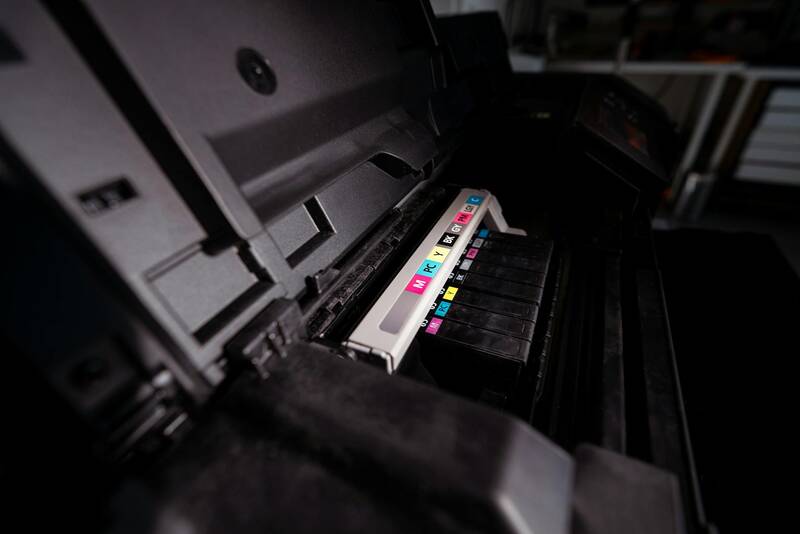
Modern printing technologies, such as UV printing, dye sublimation, and solvent-based inkjet printing, significantly enhance the quality and durability of custom banners. UV printing allows for vibrant colors and precise detailing with a quick turnaround, making it ideal for both indoor and outdoor banners. Dye sublimation is favored for fabric banners, providing rich color reproduction and resistance to fading. Solvent printing offers weather resistance, ensuring banners maintain their appearance in outdoor conditions. These technologies ensure high resolution, typically at 300 DPI or higher, delivering crisp images and sharp text. The choice of printing method influences color vibrancy, edge sharpness, and longevity, directly impacting the visual effectiveness of the final product.
Additional Customization Elements to Elevate Your Banner
Beyond basic design, various customization features can elevate your banner’s appeal and functional capacity. Grommets or metal eyelets facilitate easy hanging and reusability. Reinforced edges provide added durability, especially for outdoor environments exposed to elements. Hemmed borders reduce fraying and enhance overall presentation. Folding or pole pockets allow for seamless installation on structures like poles or frames. Incorporating special finishes such as matte, gloss, or satin enhances the visual texture. Some providers also offer digital printing effects, like metallic or spot UV coating, adding dimension and sophisticated detail. These enhancements not only improve aesthetics but also extend the lifespan of your banner, ensuring a consistent branding message over time.
Streamlining the Order Process and Understanding Lead Times
Efficient order processing is crucial to meet marketing timelines. Typically, the process begins with selecting your banner type, size, and customization features, followed by submitting your digital artwork. Many suppliers offer online proofing options, allowing for final approval before production. Lead times vary based on complexity and quantity but generally range from 24 to 72 hours for standard orders. For large or highly customized banners, planning ahead by several days to a week is advisable. Shipping options, including expedited delivery, can further reduce wait times, ensuring your banners arrive promptly for events or campaigns. Clear communication with the printing provider and adherence to file specifications streamline the process and prevent delays, resulting in a hassle-free experience that aligns with your promotional schedule.
