
Understanding Photo Banner Printing
Photo banner printing is a specialized printing process designed to produce large-scale visual displays that prominently feature photographic images. It blends high-quality digital printing technology with durable materials to create vibrant, eye-catching banners suitable for various purposes. Whether for marketing campaigns, special events, or personal milestones, photo banners serve as impactful tools to communicate messages visually and effectively.
The primary goal of photo banner printing is to produce large-format prints that retain photographic clarity and color accuracy, even at significant sizes. This involves printing high-resolution images onto expansive surfaces that can withstand different environmental conditions. These banners are an essential component in marketing and promotional efforts, especially in bustling environments like Singapore, where visibility and impression matter greatly.

In Singapore, photo banners are commonly employed for a variety of settings, including outdoor advertising, corporate events, retail promotions, and personal celebrations such as weddings or anniversaries. Their versatility and visual impact make them ideal for capturing attention quickly and conveying complex messages through imagery. Additionally, their large formats provide ample space for creative expression, enabling brands and individuals to showcase their identity or commemorate significant moments prominently.
From design conception to the final installation, photo banner printing involves meticulous processes ensuring the output is vibrant, durable, and tailored to specific needs. Recognizing the importance of these factors ensures that the banners not only look striking but also serve their intended purpose effectively for an extended period.
Leveraging advances in digital printing technology, high-quality photo banners combine durability with exceptional visual fidelity. This makes them suitable for both indoor and outdoor settings, providing a flexible and impactful medium for communication and decoration. As photographic detail and color precision are crucial, choosing the right printing partner with experience in photo banner production is essential for achieving optimal results.
Materials Used in Photo Banner Printing
Selecting the appropriate material is fundamental to ensuring the durability, clarity, and overall quality of your photo banners. High-grade vinyl remains the most prevalent choice for outdoor applications due to its weather-resistant properties and ability to hold vibrant inks over prolonged exposure to sunlight, rain, and other environmental factors. Its flexibility allows it to conform to various installation surfaces, making it ideal for large-format banners designed to be hung or draped in diverse settings.
Fabric banners are another popular material, appreciated for their elegant appearance and lightweight nature. They are frequently used indoors or in covered outdoor areas, providing a sleek, professional finish that enhances photographic details. Fabric also offers excellent color conveyance and minimizes glare, making images appear sharp and vivid under different lighting conditions.
PVC banners, made from a form of plastic material similar to vinyl but with enhanced flexibility and durability, are often selected for their resistance to tears and abrasions. These banners are particularly suitable for temporary outdoor uses, such as event promotions or retail advertising, where longevity and ease of installation are priorities. Their smooth surface enhances color vibrancy and photographic details, ensuring the imagery stands out.
Other Notable Materials
- Mesh Banners: Usually made from polyester or vinyl mesh, these are designed for windy outdoor environments where wind passage is necessary without compromising visual impact.
- Backlit or Lightbox Materials: Special substrates that allow internal illumination to enhance visibility, ideal for logo displays or signage in low-light situations.
Factors Influencing Material Choice
When selecting materials for photo banner printing, considerations include location (indoor versus outdoor), expected weather conditions, longevity requirements, and aesthetic preferences. High-resolution printing on durable materials ensures sharp images with rich color depth, while selecting the right substrate influences handling, installation, and overall presentation.
Additional Aspects
Advanced coatings, such as UV-resistant or waterproof finishes, can significantly extend the lifespan of the banners and maintain their vibrant appearance over time. Custom options, including matte or gloss finishes, also allow for control over glare and reflection, complementing photographic details for a polished, professional result. Working with a supplier experienced in material selection guarantees a final product that meets specific project demands and preserves visual integrity.
Factors Influencing Material Choice in Photo Banner Printing
When selecting materials for photo banner printing, a variety of crucial factors come into play to ensure the final product meets specific project requirements and offers optimal visual impact. The decision hinges primarily on the intended environment—whether the banner will be displayed indoors or outdoors—as well as considerations such as weather exposure, durability, and aesthetic preferences. For example, banners destined for outdoor use must withstand elements like rain, wind, and sunlight, making weather-resistant materials like high-grade vinyl or PVC prime choices. Conversely, indoor banners can leverage lighter fabrics or thinner vinyl substrates to achieve a sophisticated look with less concern for environmental stressors.
Another vital aspect is the longevity requirement of the banner. Projects requiring temporary promotion may opt for more economical options, such as thinner vinyl with basic coatings, while long-term displays benefit from materials with advanced protective coatings like UV resistance or waterproof finishes, which help maintain vibrancy and structural integrity over extended periods. Additionally, the physical handling and installation process influence material selection; flexible, lightweight banners are easier to mount on various surfaces, whereas rigid or thick substrates demand specific methods of installation.
On top of these functional considerations, aesthetic preferences play a significant role. Matte or gloss finishes allow for control over glare and reflections, which can alter photographic details and overall presentation. Matte coatings tend to reduce internal light reflection, making them suitable for detailed photographic imagery, while gloss finishes enhance color vibrancy and sharpness, drawing immediate attention. Clients seeking a polished, professional appearance often collaborate with experienced providers to explore custom finishes, ensuring that textures and surface effects align with branding goals and visual standards.
Furthermore, the integration of advanced coatings, such as UV-resistant or waterproof finishes, can extend the lifespan of a banner, especially in outdoor settings. These protective layers safeguard against fading and deterioration caused by exposure to sunlight and moisture. Selecting a supplier with expertise in material science guarantees that the chosen substrates will uphold high-quality photographic reproduction and sustain their visual appeal over time. Ultimately, understanding these variables enables a tailored approach to material selection, optimizing both aesthetic appeal and practical performance for each unique application.
Understanding Photo Banner Printing
Photo banner printing stands as a vital component of visual marketing and personal expression, offering high-impact displays that captivate audiences and convey messages vividly. This process involves translating digital images into large-format prints that preserve color fidelity, sharpness, and detail on various substrates. Commercial applications, such as storefront promotions, event backdrops, and trade show displays, demand durable and vibrant banners that can withstand environmental factors while maintaining visual appeal. High-quality printing ensures that photographs retain their clarity and depth, making them effective tools for branding and advertising efforts. A meticulous approach to printing ensures rich color reproduction and crisp details, essential for creating an impressive visual statement.
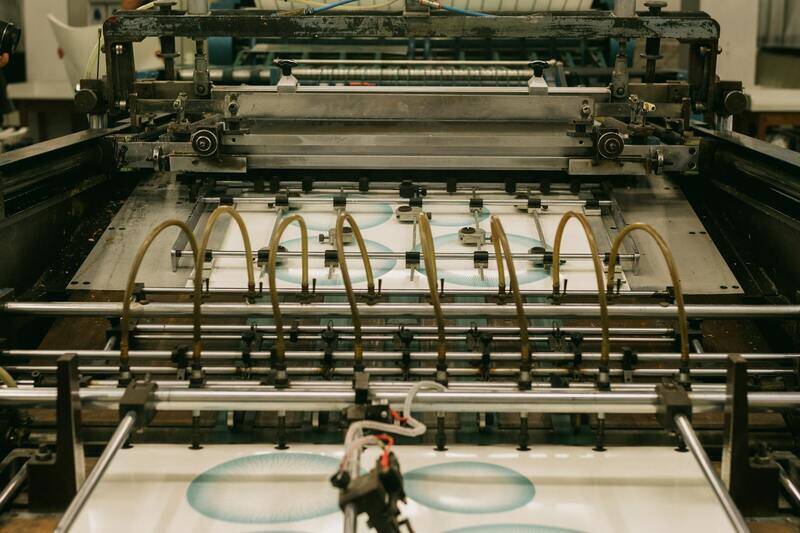
Advanced printing technology, such as large-format inkjet printers equipped with UV, solvent, or latex inks, plays a pivotal role in achieving exceptional results. These printers can handle a variety of materials and produce consistent, long-lasting images. Precision in color management, including the use of calibrated screens and profiles, ensures that the printed output accurately matches digital designs. Moreover, attention to detail during the printing process minimizes color shifts and ensures that photographic nuances, such as gradients and subtle tones, are faithfully reproduced. This technical rigor guarantees that each banner not only meets aesthetic standards but also endures the rigors of display environments.
Proper Workflow for Off-Set and Digital Printing
Implementing a robust workflow is essential for producing high-quality photo banners. This begins with preparing digital files in appropriate formats such as TIFF, PSD, or PDF, ensuring they are of sufficient resolution—typically 150-300 DPI at final print size. Color settings must be optimized for CMYK to accurately simulate how the colors will appear post-printing. Additionally, incorporating bleed margins, usually around 0.125 inches, prevents unwanted white borders and ensures seamless edges. Pre-press checks for color consistency and file integrity are fundamental steps before initiating the print run. Working with experienced print providers who utilize calibration tools and advanced color matching software results in banners that faithfully reproduce the original photographic intent.
Environmental and Practical Considerations
When selecting materials for photo banner printing, factors such as durability, outdoor resistance, and surface finish come into play. Weather-resistant substrates, like vinyl with UV coatings or laminated fabrics, provide protection against fading, moisture, and physical abrasions. Matte finishes are ideal for reducing glare, especially under bright lighting conditions, making photographic details easier to discern. Glossy surfaces, on the other hand, amplify color vibrancy and sharpness, enhancing visual impact. Environmental considerations, such as the intended location—indoor versus outdoor—inform the choice of material and finishing options, ensuring that the banner maintains its quality over time and exposure.
Implementing these technical and environmental strategies in photo banner printing results in displays that are not only visually striking but also resilient, offering long-term value for various applications. The combination of precise color reproduction, durable materials, and suitable finishes constitutes the foundation of professional-quality banner production that suits diverse client needs.
Advanced Techniques in Photo Banner Printing
To achieve high-quality results in photo banner printing, practitioners utilize advanced printing techniques that enhance color durability, detail accuracy, and overall visual impact. Digital printing remains the standard due to its ability to handle high-resolution images effectively, ensuring that every detail of the photograph is preserved with precision. UV printing technology further advances this process by providing increased ink adhesion, making the prints more resistant to fading, moisture, and physical wear, which is crucial for outdoor displays.
Another significant method is the application of lamination, which offers a protective layer over the printed banner. This film shields the vibrant colors from UV rays and environmental contaminants, extending the lifespan of the banner. The choice between gloss and matte lamination can influence the visual feel; gloss finishes can intensify colors and contrast, thus making photographic details pop, while matte finishes reduce glare and reflections, facilitating viewing under bright lighting conditions.
Finishing Options for Enhanced Durability and Aesthetic Appeal
Finishing touches are vital to maximize both the durability and appearance of photo banners. Grommets, or metal eyelets, are positioned at strategic points to facilitate secure installation on various surfaces. They are particularly useful for outdoor banners exposed to wind and other elements. Hemming, a process of sewing or bonding the edges, prevents fraying and adds reinforced borders, securing the banner’s structure over time. This technique is especially beneficial for banners that will be handled frequently or subjected to harsh conditions.
Adhesive solutions, such as double-sided tape or industrial adhesives, are often employed for temporary displays or indoor setups. These methods allow for clean, quick mounting without damaging the banner material. For larger applications, tensioning systems that incorporate poles or frames provide a structured display, ensuring the banner remains taut and visually appealing.
Technical Considerations for Optimal Banner Production
Processing images for banner printing involves meticulous file preparation. It is essential to work with high-resolution, uncompressed files, typically in TIFF or PDF formats, to ensure clarity and detail preservation. Color profiles should be embedded and calibrated, guaranteeing that the printed banner closely matches the original artwork. Proper bleed margins and safe zones are critical to prevent unwanted cropping or edge bleeding during trimming.
Environmental considerations play a role in material selection. For outdoor banners, weather-resistant substrates like vinyl coated with UV-protective layers or laminated fabrics are preferred. These materials resist fading, moisture ingress, and physical abrasions, maintaining vibrant photographic quality over extended periods. Indoor banners may utilize less robust materials but can focus on achieving a matte or glossy finish that best complements the photograph's tonal qualities.
Ensuring Consistency and Quality Control
Consistent color reproduction is achieved through the use of calibrated printers and regular color management checks. Advanced color matching software and spectrophotometers ensure that the printed output faithfully reproduces the photograph's hues and contrasts. Pre-press reviews, including digital proofs and mock-ups, allow clients and production teams to confirm the accuracy before commencement of the physical print run.
Quality control measures are integrated throughout the process, from initial file review to the final inspection of finished banners. These steps help prevent common issues such as banding, pixelation, or color mismatches, ensuring a professional-quality output that meets high visual standards and client expectations.
Advanced Printing Techniques and Custom Finishing Options
To achieve the highest quality in photo banner printing, advanced printing techniques are employed that ensure sharp details and vibrant color reproduction. Wide-format digital printing technology, specifically large-format UV or solvent inkjet printers, allows for precise image display on sizable substrates. These printers use specialty inks that penetrate the material, resulting in long-lasting, weather-resistant banners suitable for outdoor exposure or indoor decoration. During the printing process, calibration and color management are critical for reproducing the exact tones and hues of the digital artwork. Calibration involves adjusting the printer's color output to match standardized color profiles, often using spectrophotometers and proprietary software. This ensures consistency across multiple print runs and aligns the printed output with client expectations. Beyond printing, finishing options play a vital role in enhancing the durability and aesthetic appeal of photo banners. Common finishing techniques include:
- Grommeting: Reinforced metal rings are added at intervals along the edges to facilitate easy installation and mounting, especially on large outdoor banners.
- Hemlining: Edges are folded and sewn or taped to prevent fraying and increase structural integrity, providing a clean, professional look.
- Laminating: A clear, protective laminate layer is applied to shield the banner from UV rays, moisture, and physical abrasions. Laminates come in matte or gloss finishes and significantly extend the lifespan of the banner.
- Pole Pockets and Reinforced Edges: These features enable easy mounting on poles or frames and add extra strength to high-stress areas, making banners suitable for repeated use.

Implementing these advanced techniques and finishing options ensures that your photo banners not only captivate visually but also withstand the rigors of outdoor environments or extended indoor displays. The choice of coating, edge reinforcement, and mounting features depends on specific usage scenarios, with options tailored for portability, durability, or aesthetic preference.
Understanding Photo Banner Printing
Photo banner printing is a specialized form of large-format printing that focuses on reproducing high-resolution images on durable materials suitable for various display environments. This process involves the translation of digital photos into physical banners that can be used for marketing, events, interior decor, or outdoor advertising. To ensure that the vibrant colors and fine details of photographs are accurately captured, professional printing businesses leverage advanced technology, high-quality materials, and meticulous design preparation. The goal is to produce banners that not only catch the eye but also withstand environmental elements, especially when used outdoors. High-definition printing techniques enable the rendering of every nuance, from subtle gradients to intricate textures, providing clients with banners that truly showcase their visuals in a larger-than-life format.
Color Management and Print Quality
Accurate color reproduction is fundamental to creating impactful photo banners. Professionals utilize state-of-the-art color management systems that include standardized color profiles and calibration tools. These ensure that the printed output matches the original digital artwork as closely as possible, maintaining consistency across large batches or multiple projects. Integration of spectrophotometers and proprietary software allows precise control over color fidelity, reducing the risk of discrepancies that could undermine the visual integrity of the banner. This commitment to quality ensures that clients receive products with consistent, vibrant colors—an essential aspect for marketing campaigns or personal events that rely heavily on visual impact.
Handling of Images and Artwork Files
Preparing artwork files correctly is critical for achieving optimal print results. High-resolution images, ideally 300 DPI or higher at the final banner size, are preferred to preserve detail and clarity. Files should be submitted using accepted formats such as TIFF, PDF, or high-quality JPEG, with color profiles embedded to facilitate accurate color matching. Clients are advised to provide artwork with ample bleed margins and to avoid excessive compression to prevent pixelation. Proper layering and the use of vector graphics for logos and text ensure sharp edges and ease of editing if required. Attention to details like font embedding, image resolution, and color space helps streamline the printing process and ensures the final product aligns with expectations.
Advanced Printing Techniques for Photo Banners
Modern photo banner printing employs various techniques to achieve superior results. UV and solvent printing are commonly used for their ability to produce rich, durable images with excellent adhesion on robust materials. For outdoor banners, weather-resistant inks combined with sturdy substrates increase lifespan and resistance to fading caused by UV exposure. When high-end finish quality is desired, dye sublimation and latex printing may be selected to create vibrant, long-lasting visuals. Finishing options such as laminates, grommeting, hemlining, and pole pockets further enhance the banner’s durability and ease of installation. These techniques ensure that the banner remains visually striking and structurally sound, even after prolonged outdoor exposure or multiple reuse cycles.

Cost Considerations and Turnaround Times
Pricing for photo banner printing varies based on size, material choice, complexity of design, and finishing requirements. Larger banners with intricate imagery and premium materials naturally command higher prices but offer extended durability and visual impact. Production times are generally influenced by the volume of orders, material availability, and complexity of the artwork. Standard turnaround can range from 24 to 72 hours for typical projects, with expedited options available for urgent needs. Efficient ordering processes often include online design uploads, automated quotes, and clear communication channels to streamline the experience. It is advisable to plan ahead and factor in additional time for proofing and revisions, particularly for large-scale or detailed projects. This proactive approach helps ensure the final product meets expectations without compromising on quality or delivery deadlines.
Understanding Photo Banner Printing
Photo banner printing is a specialized process that transforms high-resolution images into large-scale visual displays suitable for various environments. This method integrates advanced printing technologies with premium materials to produce vibrant, durable banners that effectively communicate messages or showcase imagery for events, promotions, or decorative purposes. Precision in color reproduction, attention to detail, and suitable finishing are key elements in ensuring that the final product meets clients' expectations, whether for indoor or outdoor use.
Types of Photo Banners
There are several types of photo banners tailored to different uses and preferences:
- Vinyl Banners: The most common option, known for durability and weather resistance. Suitable for outdoor settings, they hold color brightness even after prolonged exposure to elements.
- Mesh Banners: Designed with small perforations to allow wind passage, ideal for covering large outdoor spaces while minimizing wind load.
- Fabric Banners: Made from high-quality textiles that offer a softer appearance with excellent color vibrancy, perfect for indoor displays and exhibitions.
- Backlit Banners: Incorporate translucent materials to facilitate illumination from behind, creating striking visual effects in low-light environments.
Materials Used in Photo Banner Printing
The choice of material plays a pivotal role in the durability, appearance, and application of the photo banner. Common materials include:
- PVC Vinyl: Offers high durability and weather resistance, making it suitable for outdoor advertising. It supports vibrant color reproduction and is easy to clean.
- Polyester Fabric: Provides a high-end, matte finish with excellent print quality. Ideal for indoor decor and gallery-quality displays.
- Mesh Fabric: Features small holes that reduce the wind load, making it preferable for large outdoor banners exposed to strong gusts.
- Translucent Film: Used for backlit banners, allowing light to pass through and enhance visuals at night or in dim environments.
Design and Artwork Preparation
Effective photo banner printing begins with meticulous design and artwork preparation. Using high-resolution images (preferably 300 dpi or higher) ensures clarity and sharpness when enlarged. When designing, consider the final banner dimensions, safe margins, and bleed areas to prevent unwanted cropping. Incorporate a color profile compatible with large-format printing, typically CMYK, to achieve accuracy in color reproduction. It's essential to simplify complex images to avoid pixelation and ensure that text elements are legible at a distance. Using vector graphics for logos or textual components preserved at any size helps maintain visual integrity.
Printing Techniques and Finishing Options
Several printing techniques are employed to produce high-quality photo banners:
- UV Printing: Utilizes UV light to instantly cure the ink onto the material, resulting in vibrant images with excellent adhesion and scratch resistance.
- Dye Sublimation: Converts dye-based inks into gas to bond seamlessly with polyester fabrics, achieving brilliant color and softness.
- Latex Printing: Known for its eco-friendliness and flexibility, latex printing produces waterproof and stretchable banners suitable for outdoor use.
Finishing options further enhance durability and functionality:
- Laminating: Adds a protective layer to guard against scratches, UV fading, and moisture.
- Grommeting: Metal eyelets allow easy installation and repositioning.
- Hemlining: Reinforced borders prevent tearing and fraying along the edges.
- Pole Pockets: Facilitate mounting on poles or frames, ideal for banners displayed in large venues or outdoor settings.
Pricing, Production Times, and Ordering Process
Pricing for photo banners depends on factors such as size, material choice, design complexity, and finishing requirements. Larger banners or those with intricate images typically incur higher costs but provide greater impact and longevity. Production times vary based on order volume, material availability, and customization needs, commonly ranging from 24 to 72 hours. Expedited services can accommodate urgent deadlines. The ordering process often involves online upload of design files, automated quotes, and real-time proofs to expedite decision-making. Planning ahead and allowing time for revisions help ensure the final banner aligns with expectations and delivery schedules.
Choosing the Right Banner for Your Needs
Selecting the appropriate photo banner involves evaluating the intended environment, expected durability, and visual objectives. For outdoor advertising, opt for weather-resistant vinyl or mesh banners with protective lamination. For indoor displays, fabric banners with high-resolution images and matte finishes offer a premium appearance. The size must be proportionate to the viewing distance and location, ensuring that the visuals have maximum impact without overwhelming the space. Additionally, consider finishing options like pole pockets or grommets that facilitate easy setup and maintenance. The right combination of materials, design, and finishing not only enhances visual appeal but also ensures longevity, maximizing the investment in your visual communications.
